What Is Cybersecurity? Why Online Businesses Need It
- What Is Cybersecurity?
Cybersecurity is the practice of protecting computers, networks, accounts, websites, customer information, and digital transactions from unauthorized access, attacks, theft, and other online threats.
For an online business owner, cybersecurity is no longer something only large corporations need to worry about.A small Instagram vendor, e-commerce store, freelancer, or growing Nigerian startup can also become a target for scammers and cybercriminals.
A compromised business account can mean stolen customer information, fraudulent payments, financial losses, or a damaged reputation.
In this guide, you’ll learn what cybersecurity means, the most common threats facing online businesses, why it matters, and practical steps you can take to protect your business and customers.
Cybersecurity refers to the technologies, practices, and processes used to protect digital systems and information from cyber threats.
Simply put, cybersecurity is about keeping your online business safe.
This includes protecting:
- ● Business websites and online stores
- ● Social media and email accounts
- ● Customer information
- ● Payment details
- ● Business files and documents
- ● Employee accounts
- ● Online transactions
- ● Devices and networks
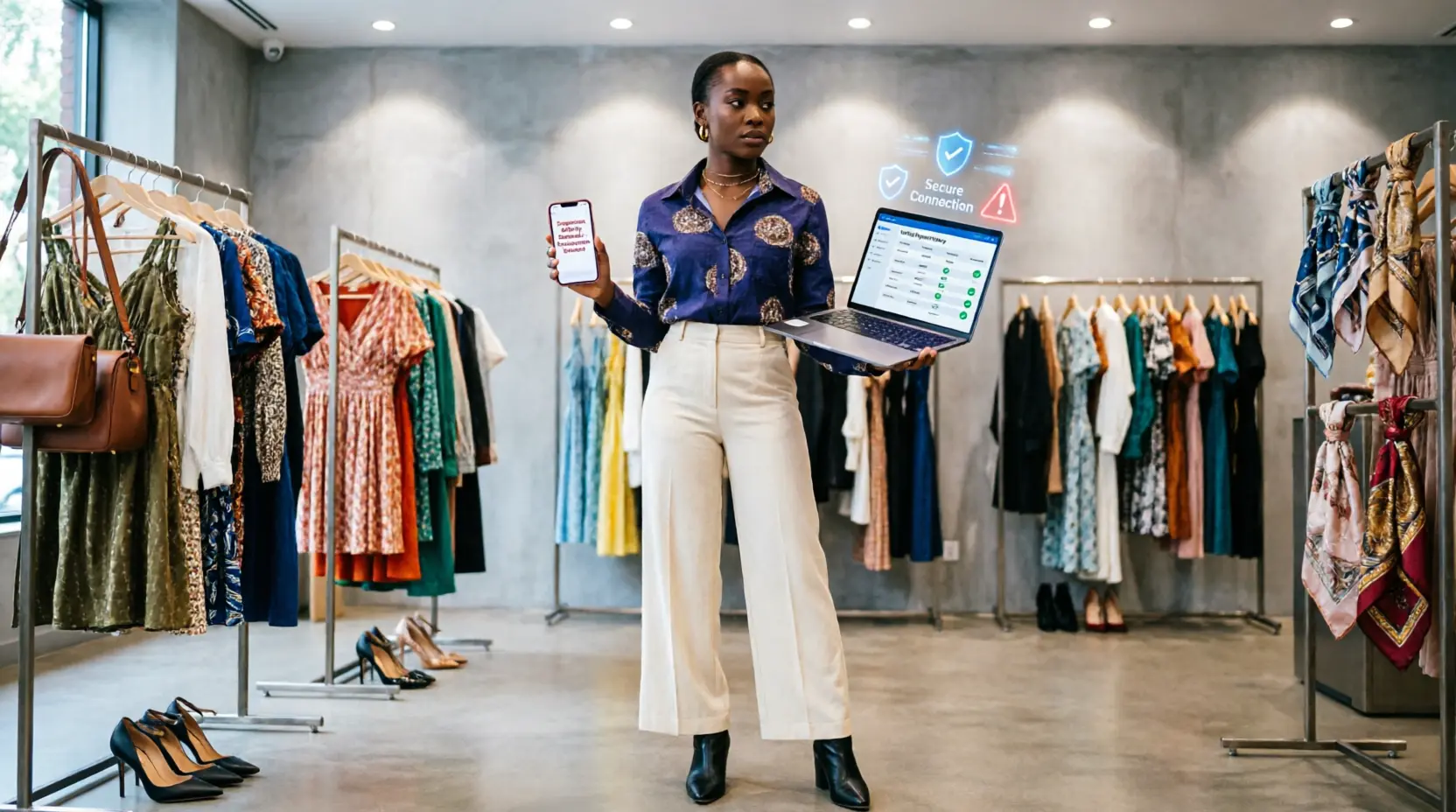
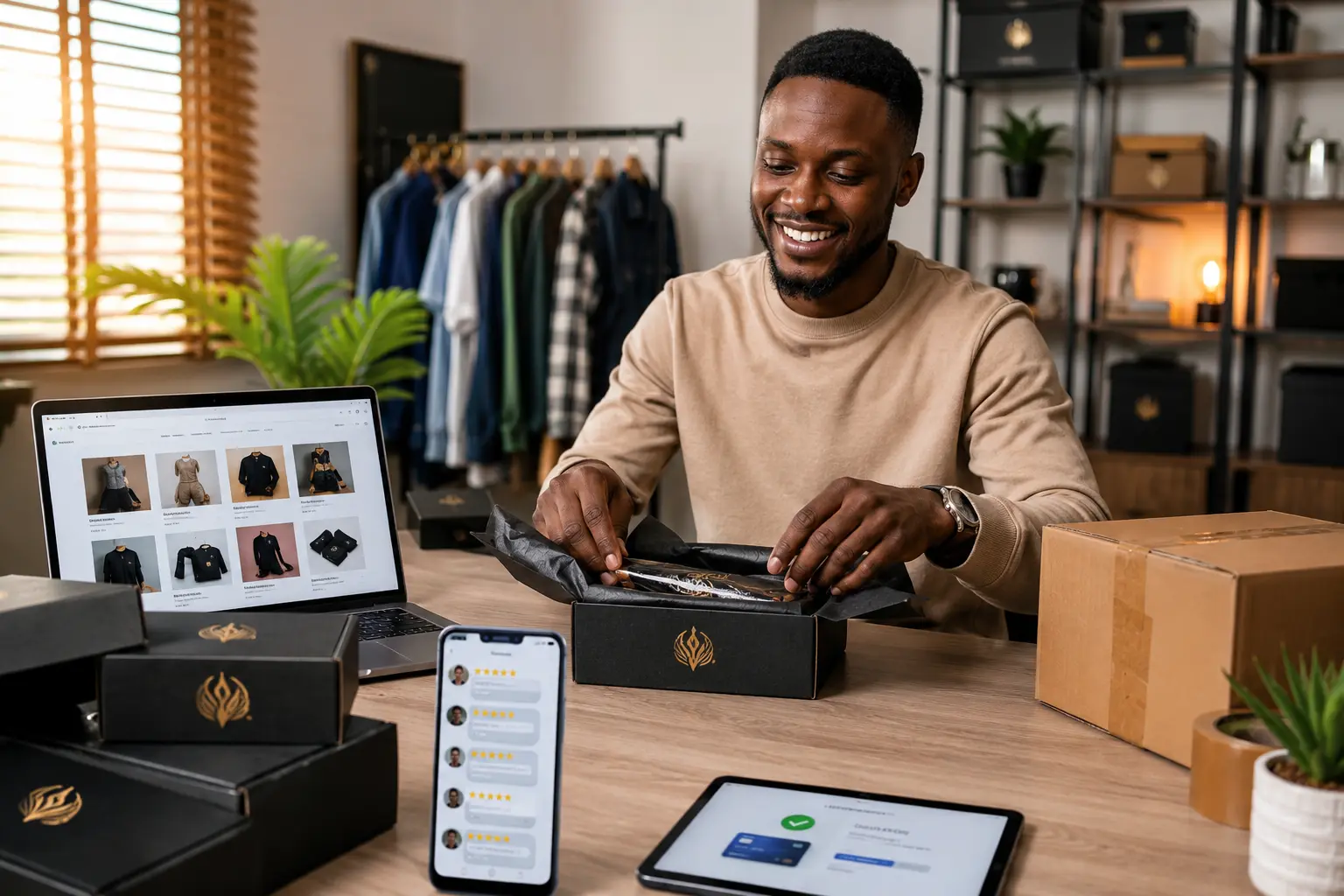
For example, imagine you run an online clothing store.
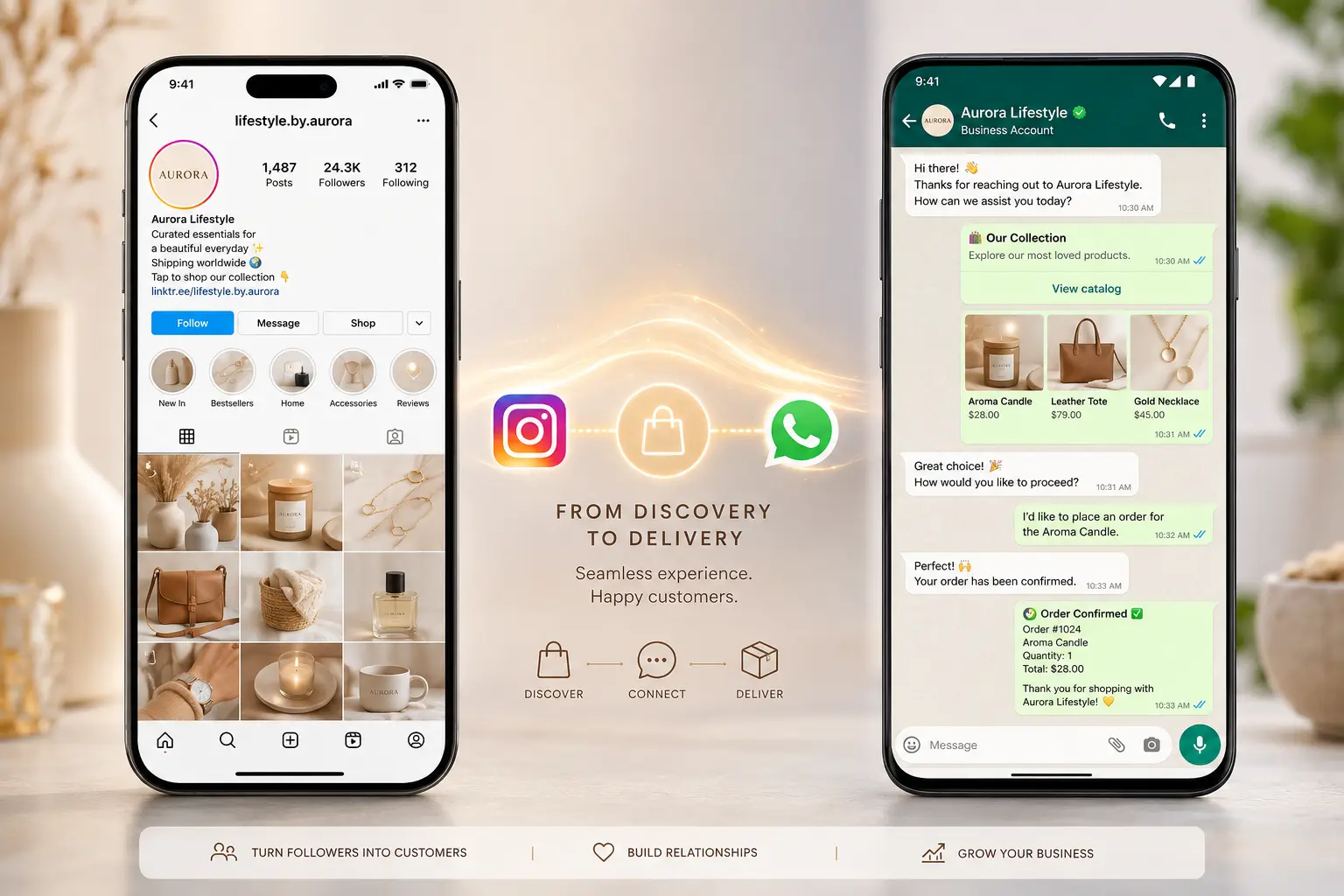
A scammer gains access to your WhatsApp Business account and starts messaging your customers, asking them to send payments to a different bank account.
Your customers may lose money, but your business could also lose their trust.
That is where cybersecurity becomes a business issue and not just a technical issue.
- Why Does Cybersecurity Matter for Online Businesses?
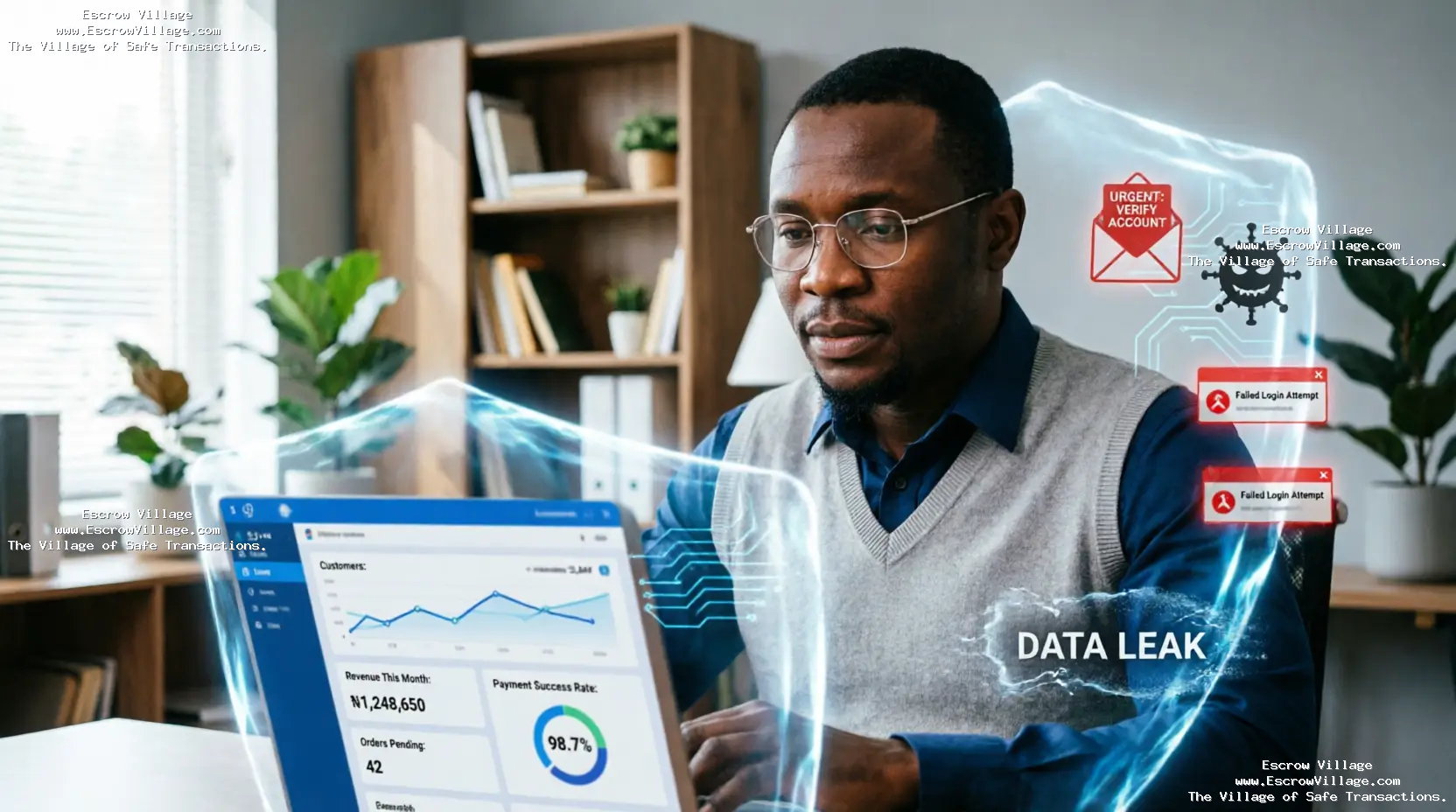
Online businesses depend heavily on digital platforms.
Your website, social media accounts, payment channels, customer database, and communication tools may all be connected to your business.
If one of these is compromised, the consequences can spread quickly.- 1. It Protects Your Business From Financial Loss
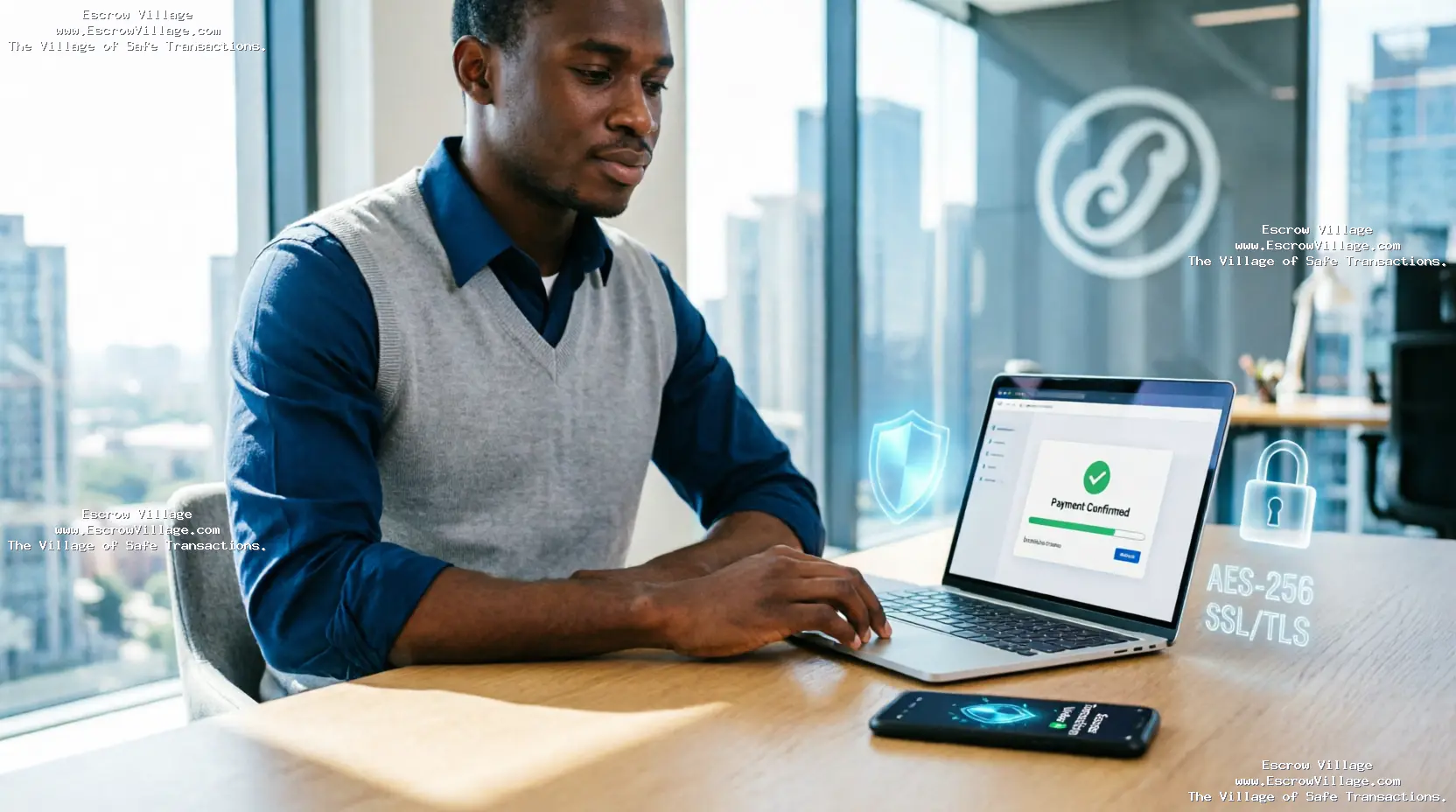
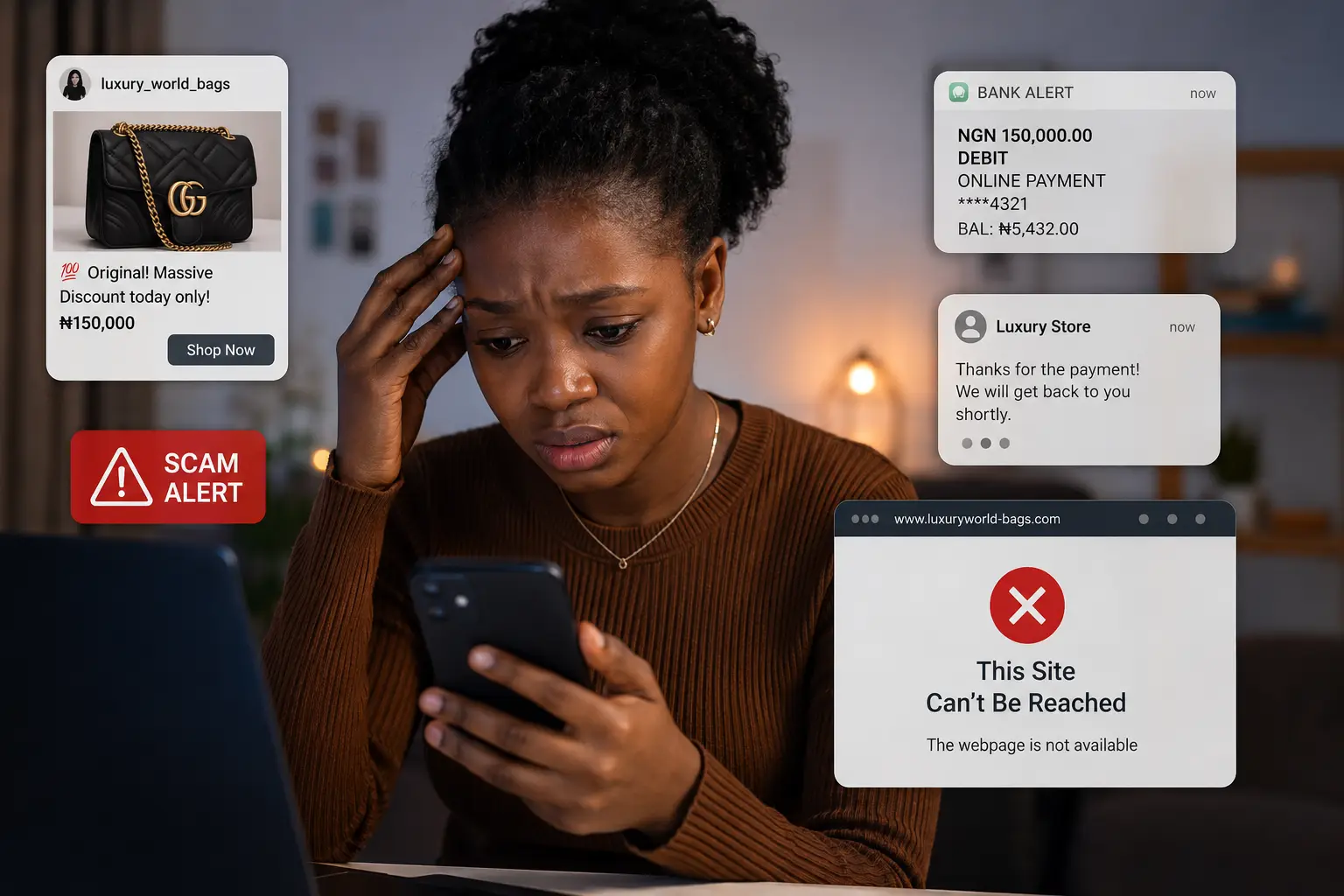
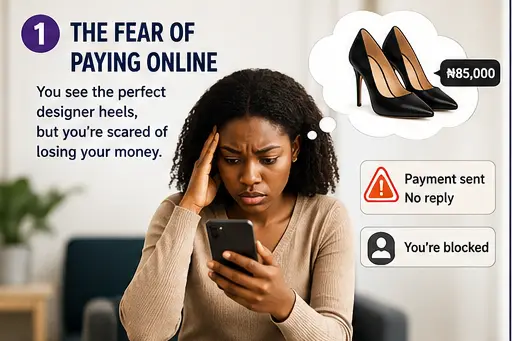
- Cybercriminals can use phishing, fake payment confirmations, account takeovers, and other scams to steal money.
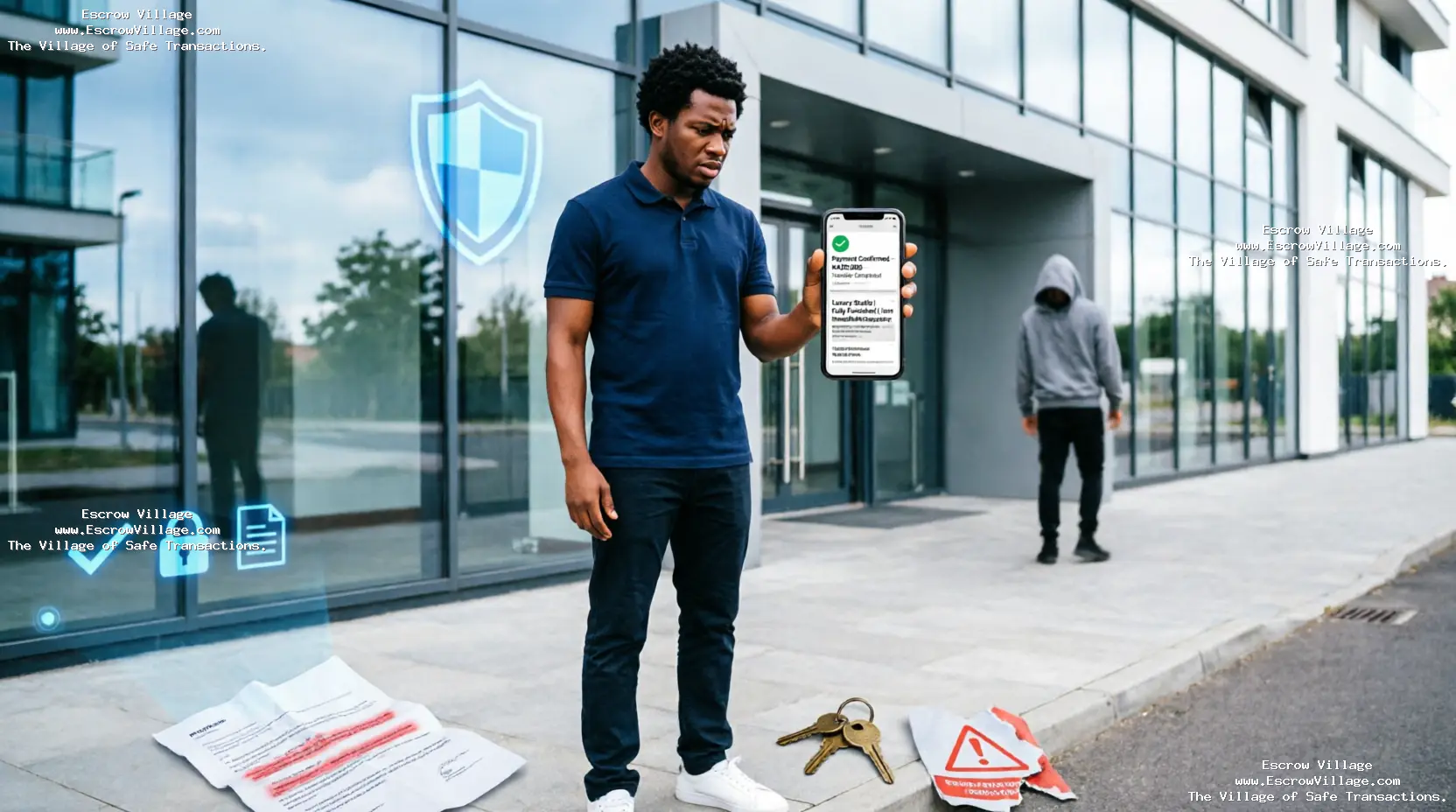
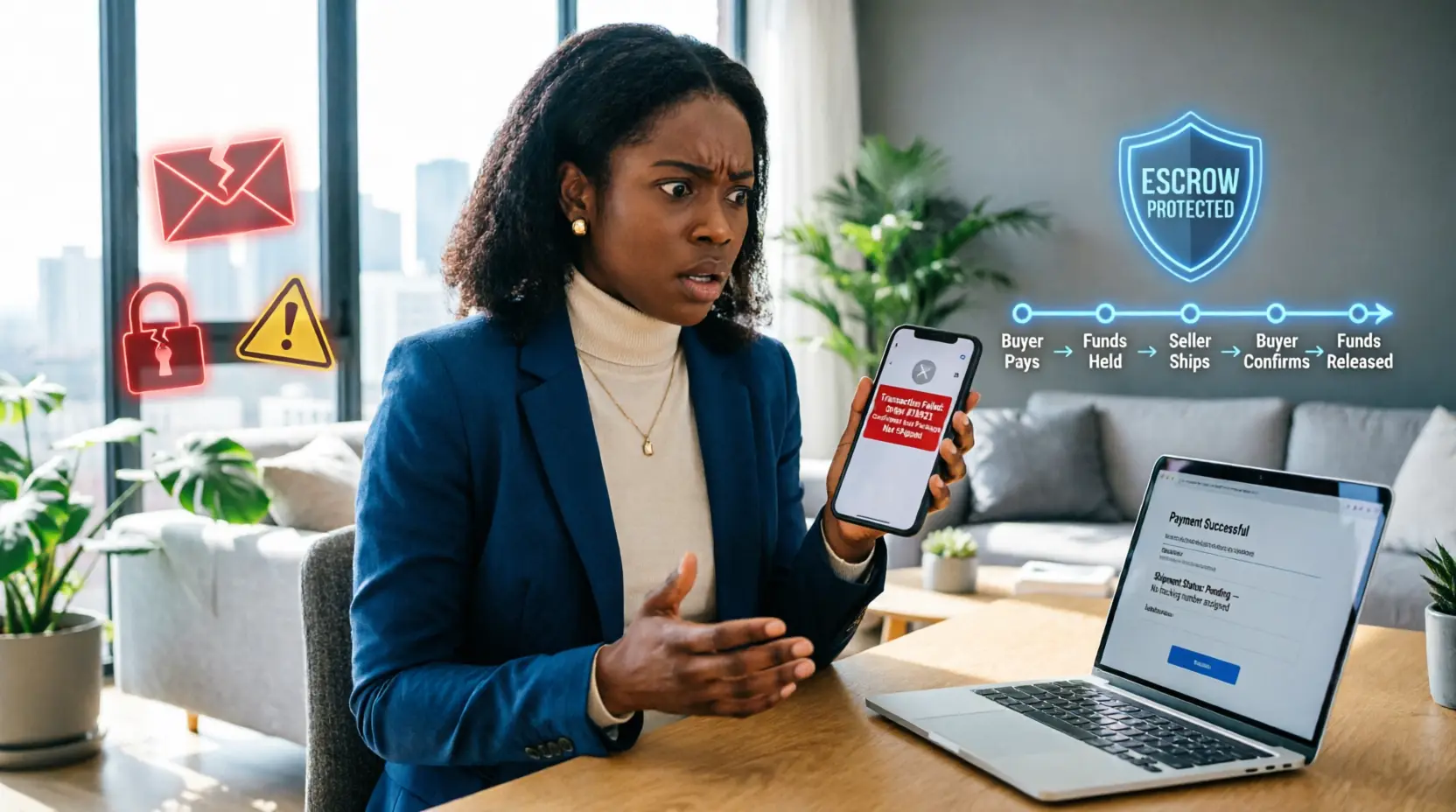
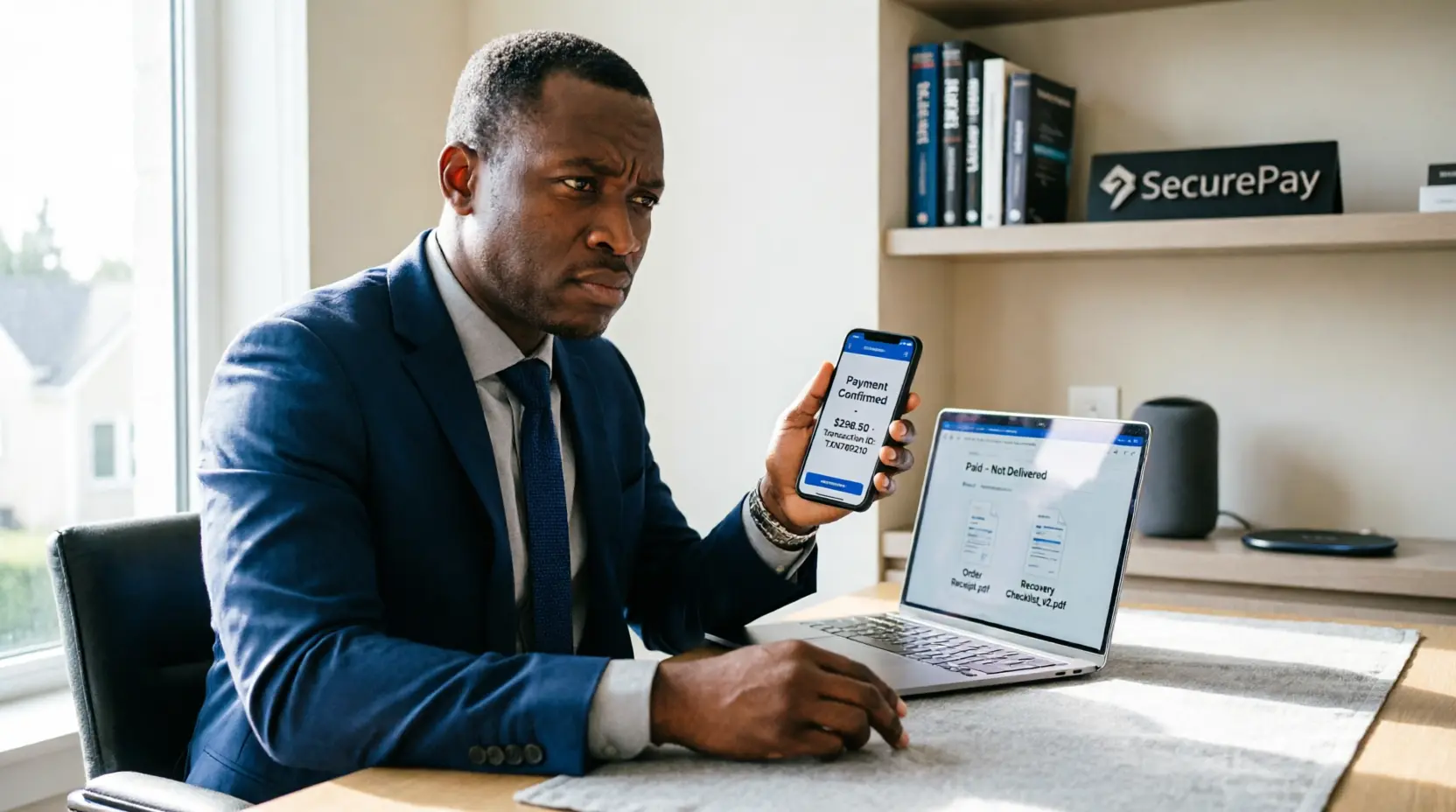
- For example, a customer may send what appears to be a legitimate payment receipt. If the seller releases the product without confirming that the payment actually arrived, the business could lose both the product and the money.
- Security is therefore not only about protecting your bank account. It is also about having safer processes for handling transactions.
- 2. It Protects Customer Information
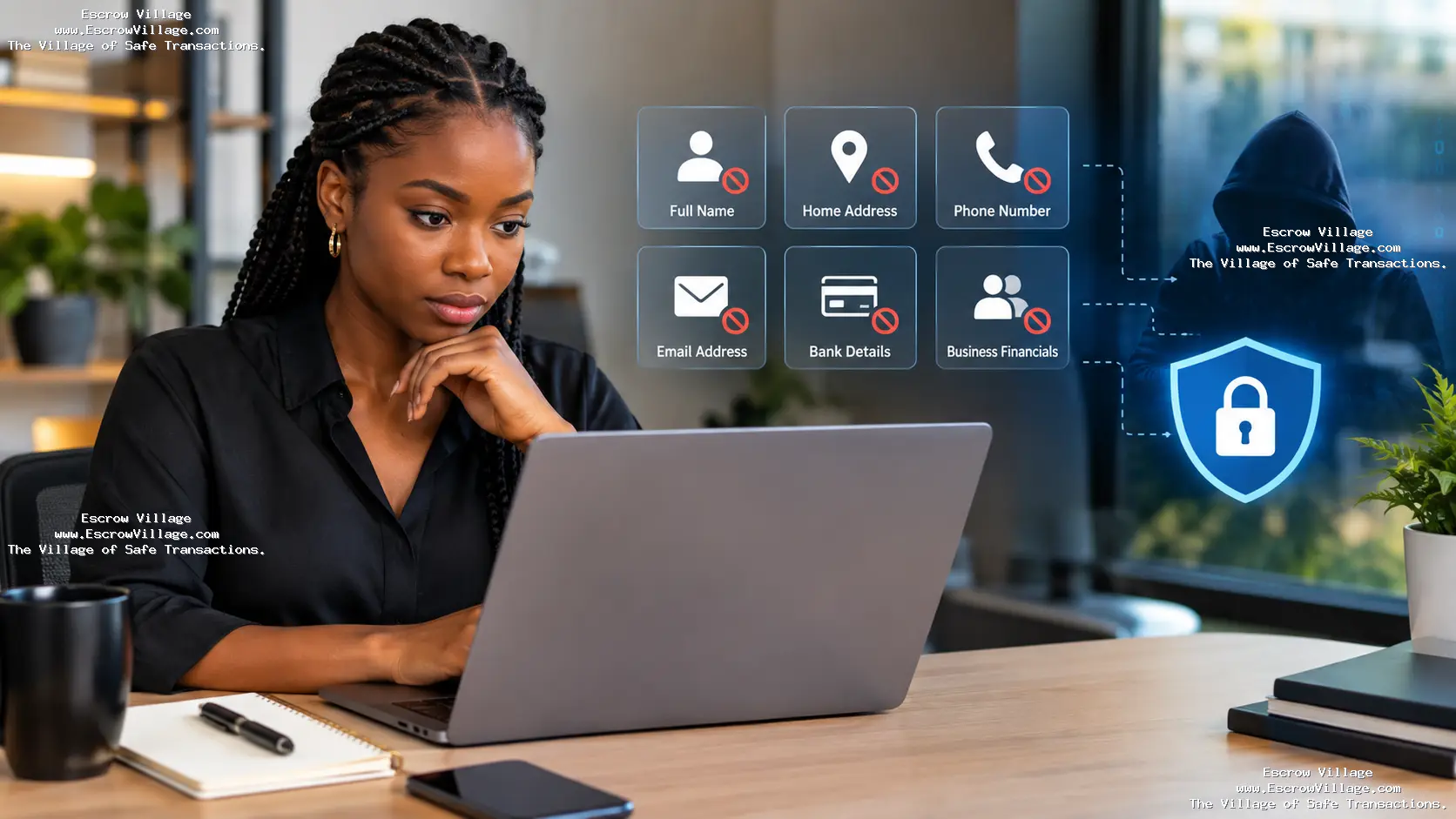
- Online businesses often collect personal information such as names, phone numbers, addresses, email addresses, and order details.
- If this information is poorly protected, criminals may steal or misuse it.
- Customers expect businesses to treat their information responsibly.
- A data breach can therefore cause financial damage and make customers hesitant to buy from you again.
- 3. It Protects Your Business Reputation
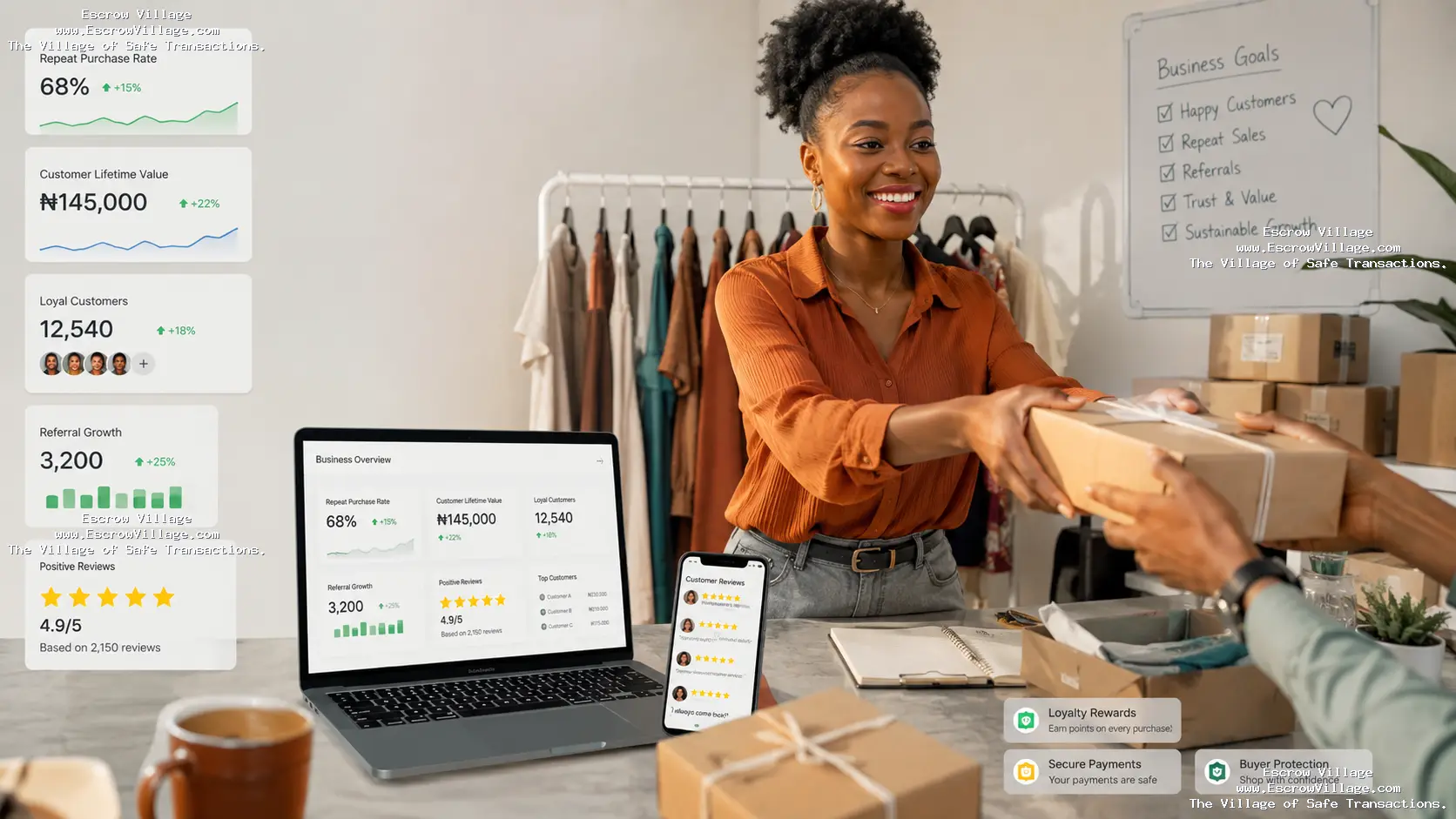
- Trust is one of the most valuable assets an online business has.
- Consider two businesses selling similar products.
- One has a reputation for secure transactions and reliable service.
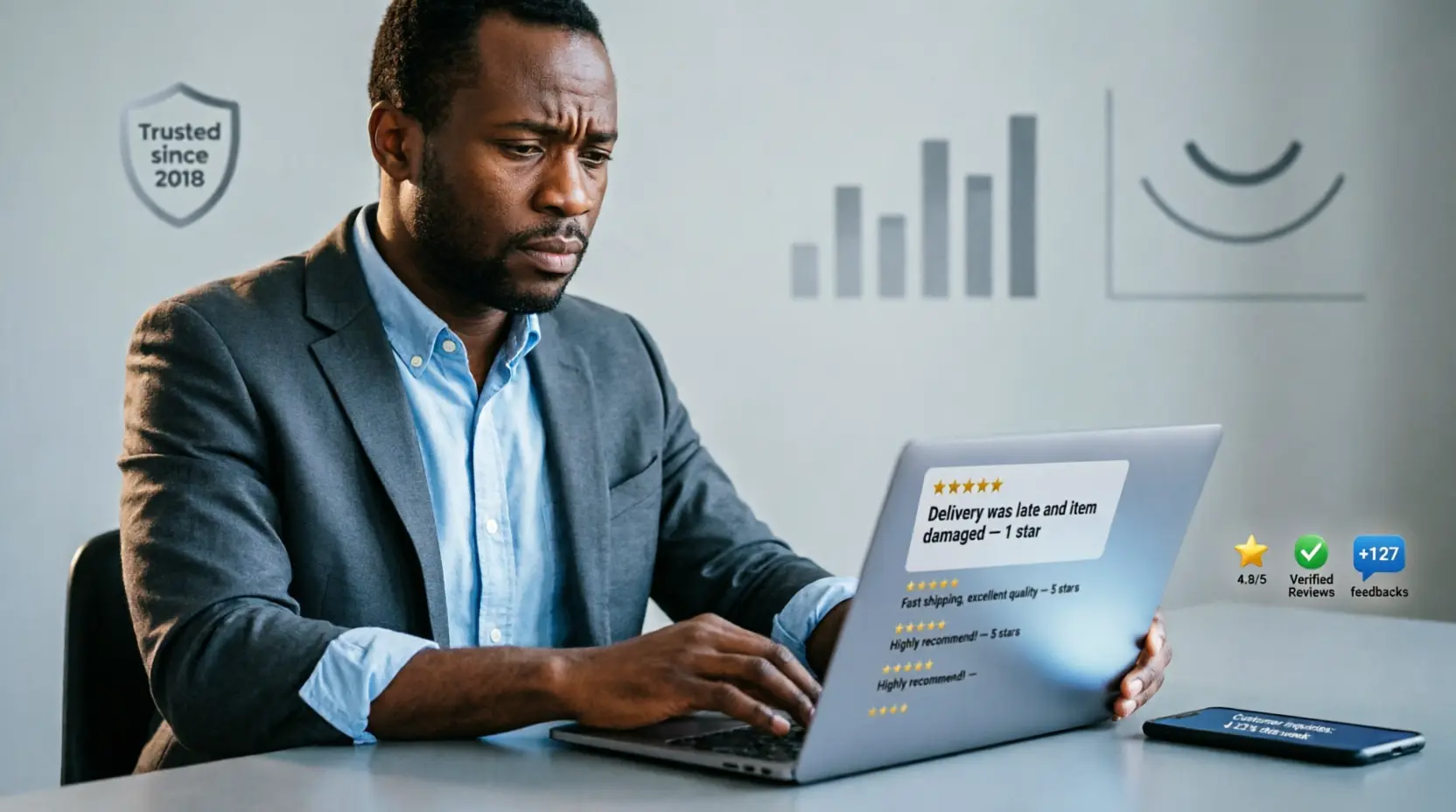
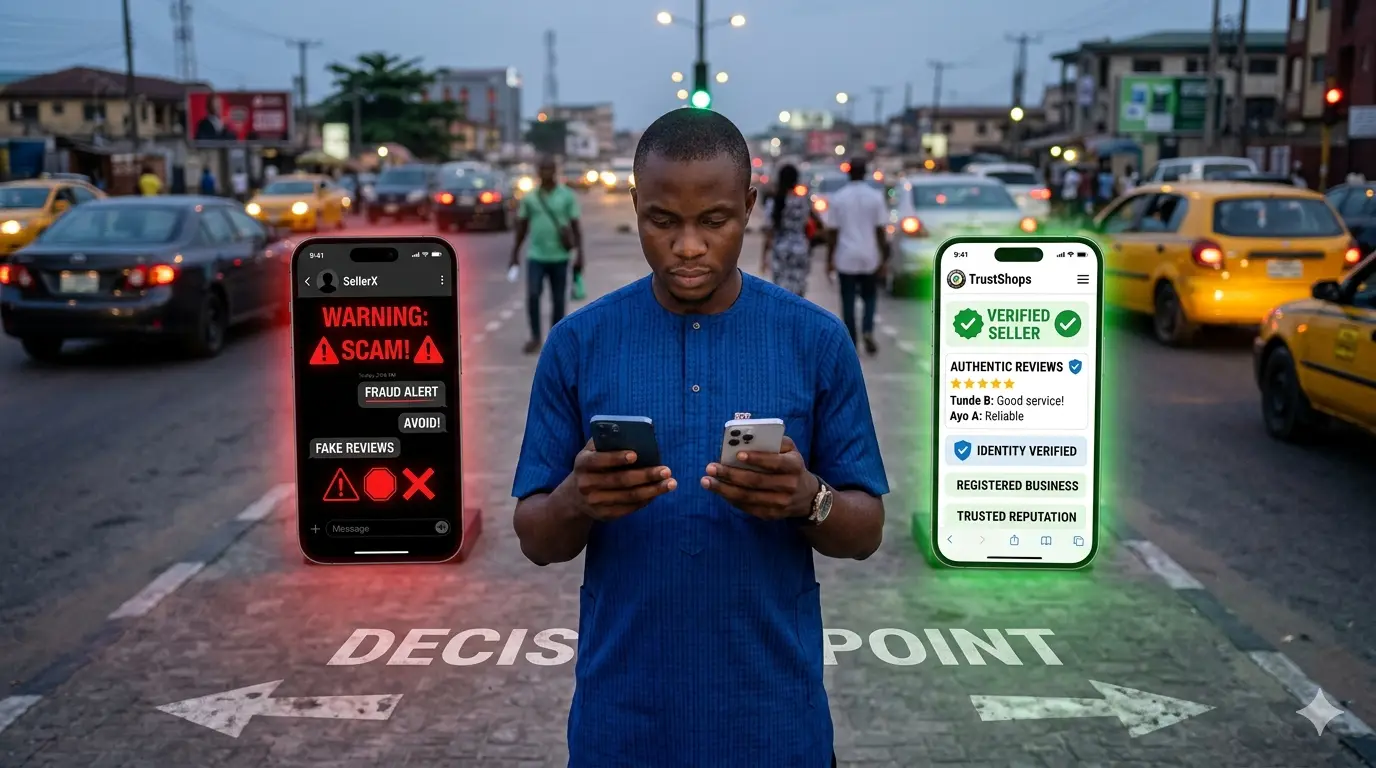
- The other has customers complaining about scams, fake payment requests, or unresolved payment disputes.
- Which one would you feel more comfortable buying from?
- Cybersecurity contributes to the first impression customers have of your business.
- 4. It Reduces the Risk of Business Disruption
- A cyberattack can prevent you from accessing important accounts, files, websites, or communication channels.
- For a small business, even a few hours of disruption can mean missed orders and unhappy customers.
- Good cybersecurity practices reduce the likelihood that one compromised account or device brings your entire operation to a halt.
- Common Cybersecurity Threats Facing Online Businesses
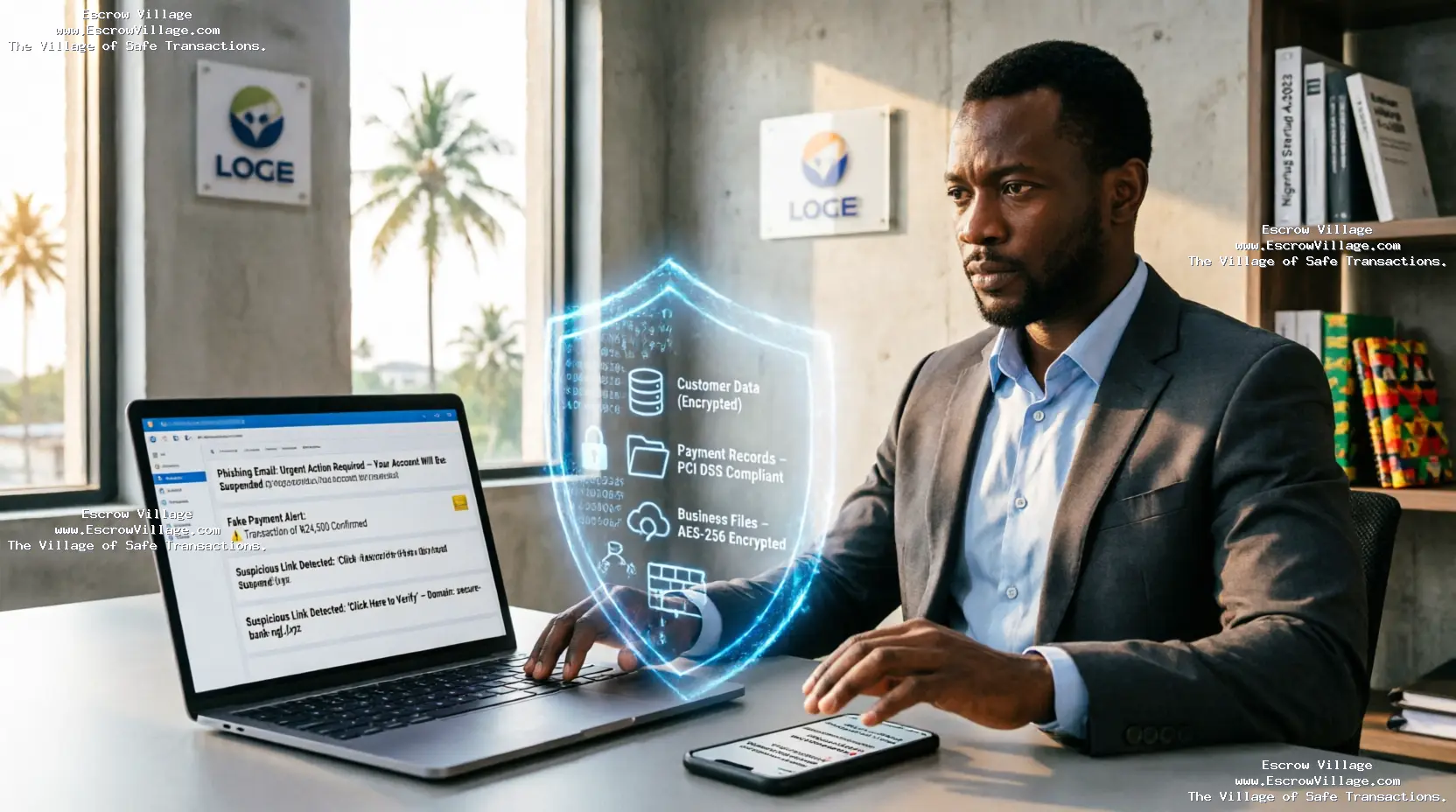
You do not need to be a large corporation to encounter cyber threats. Some of the most common attacks are surprisingly simple.
- Phishing
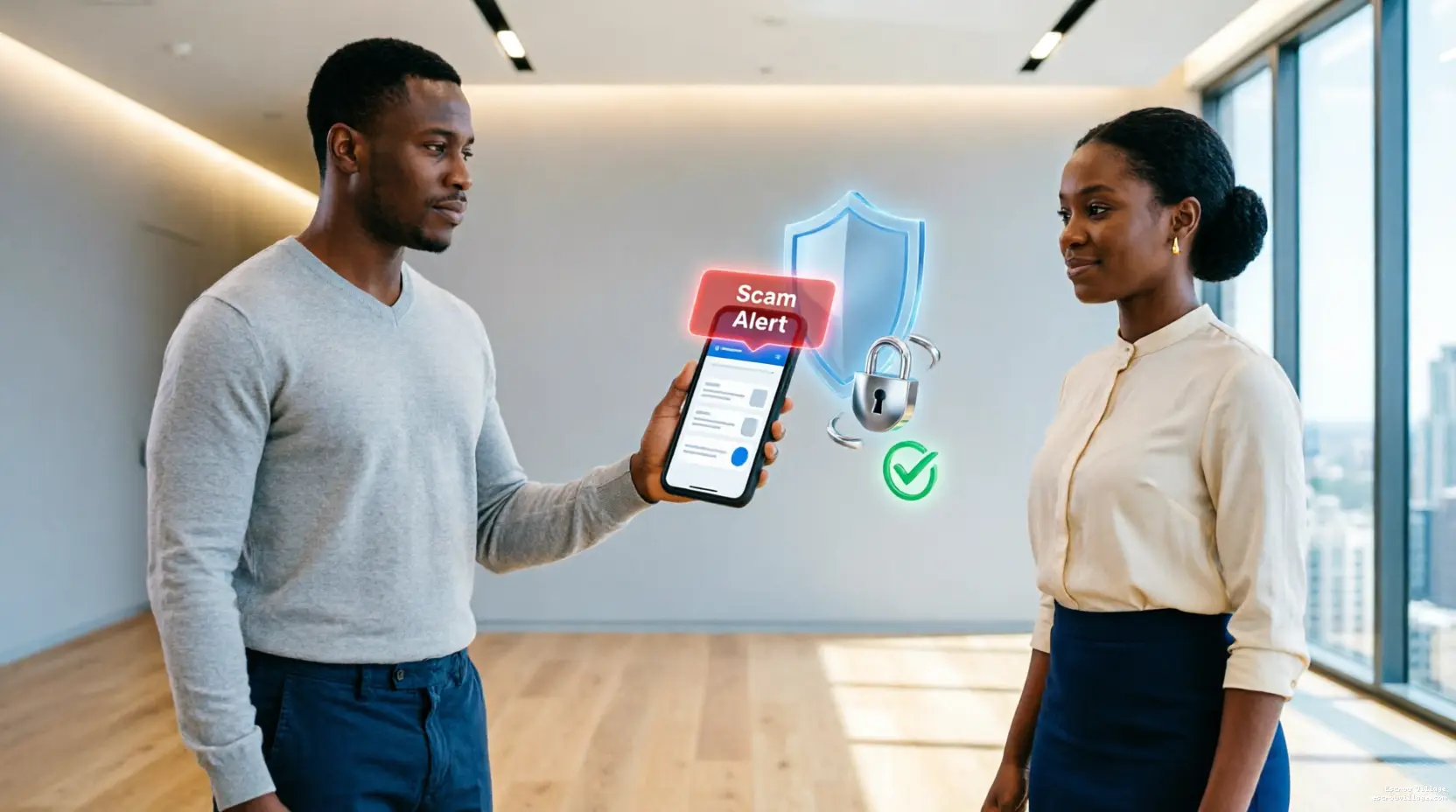
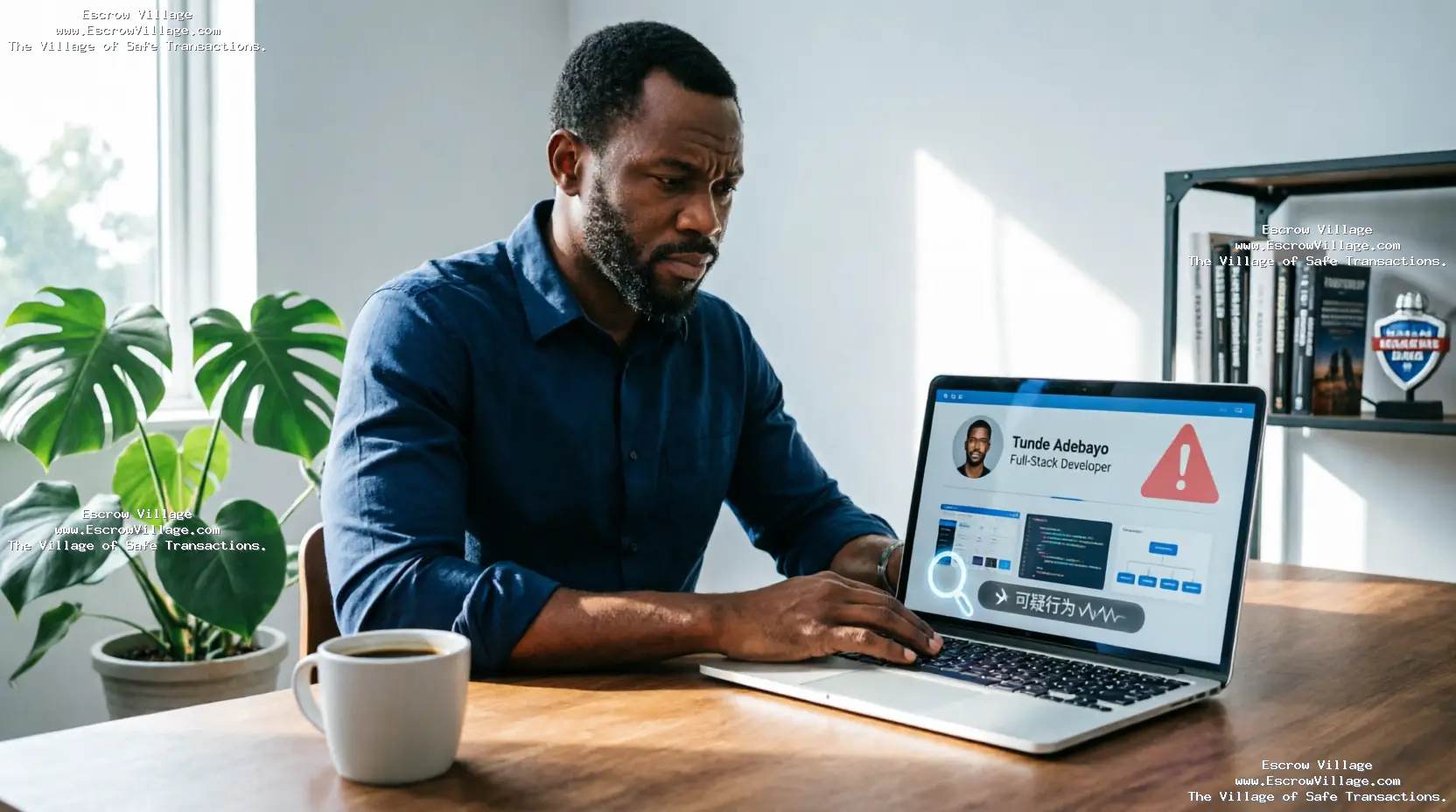
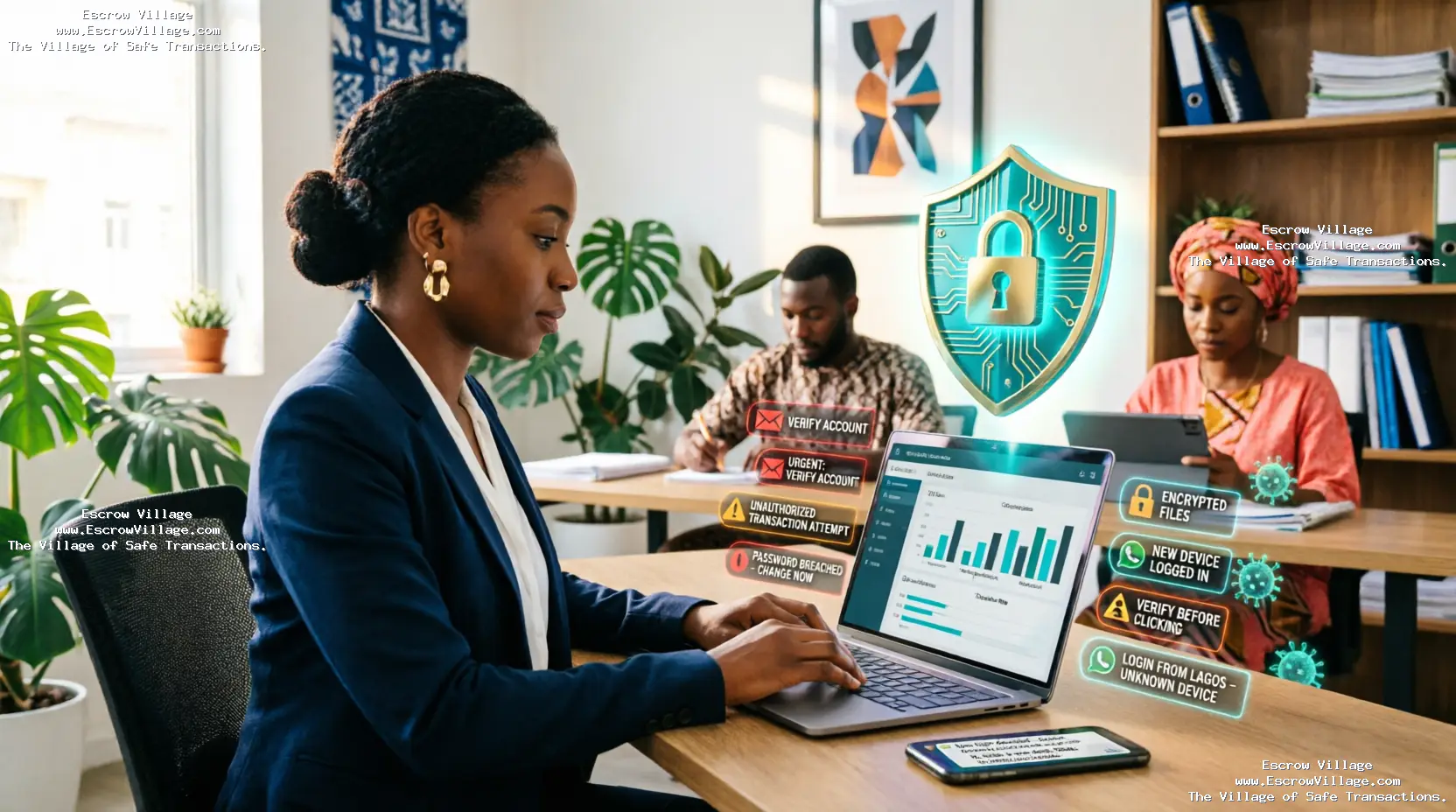
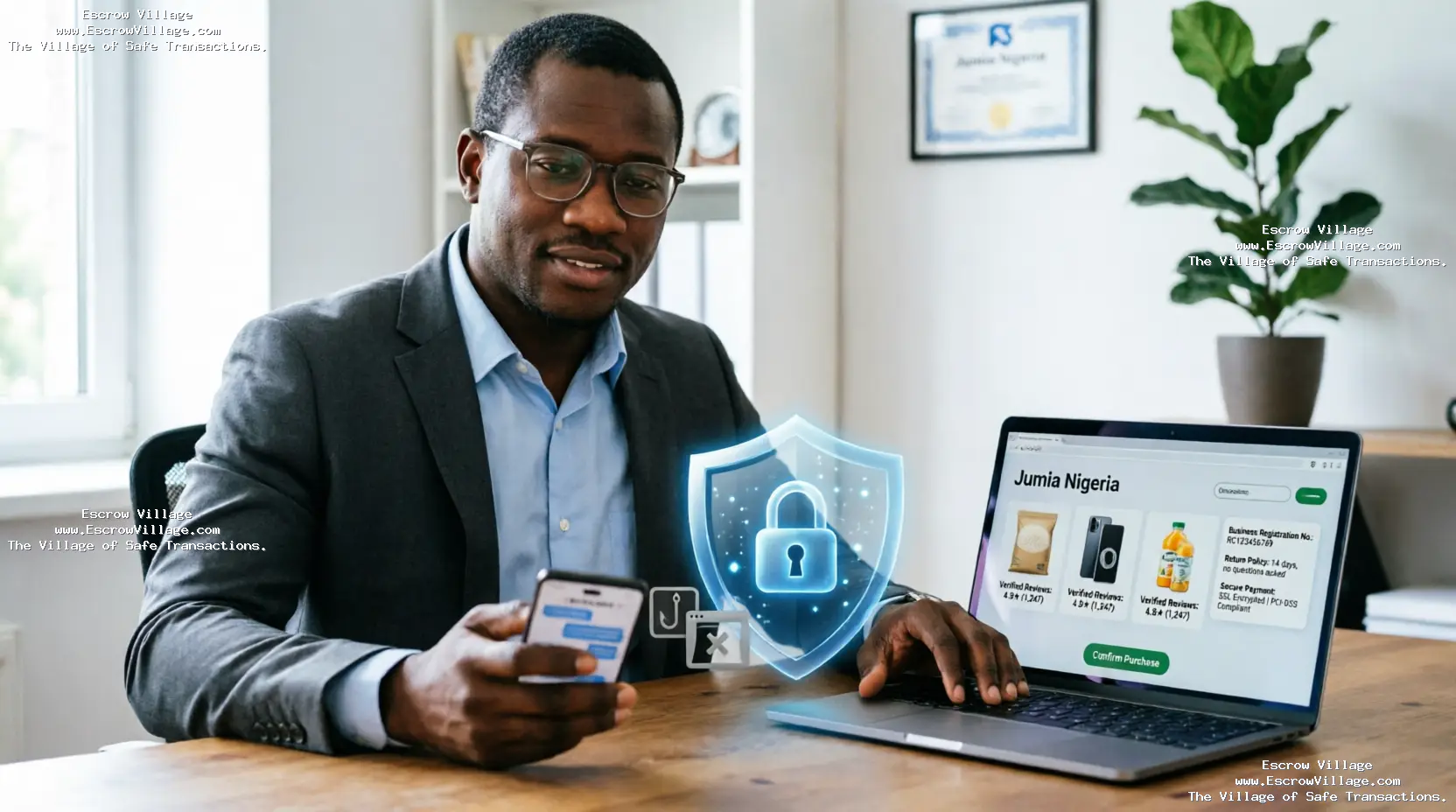
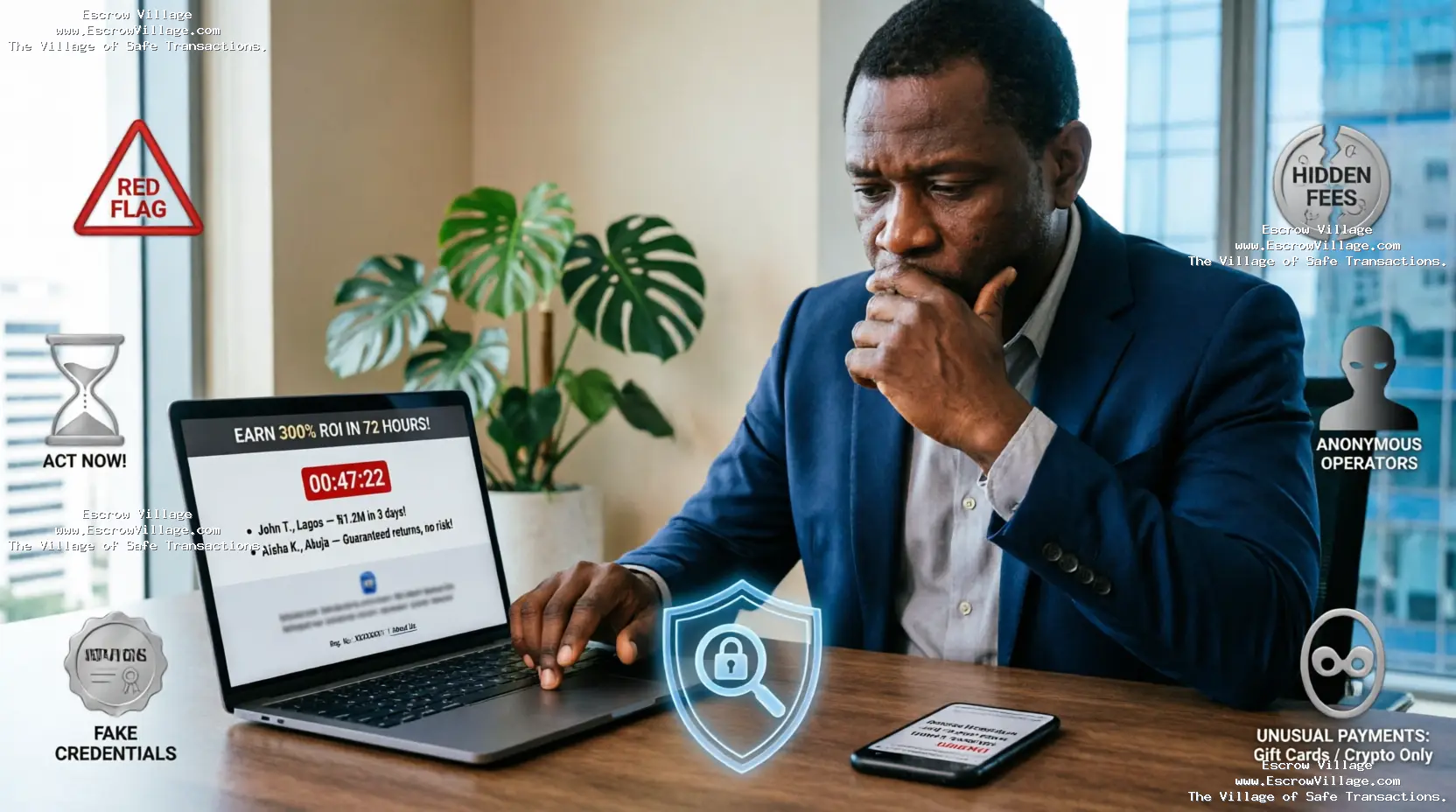
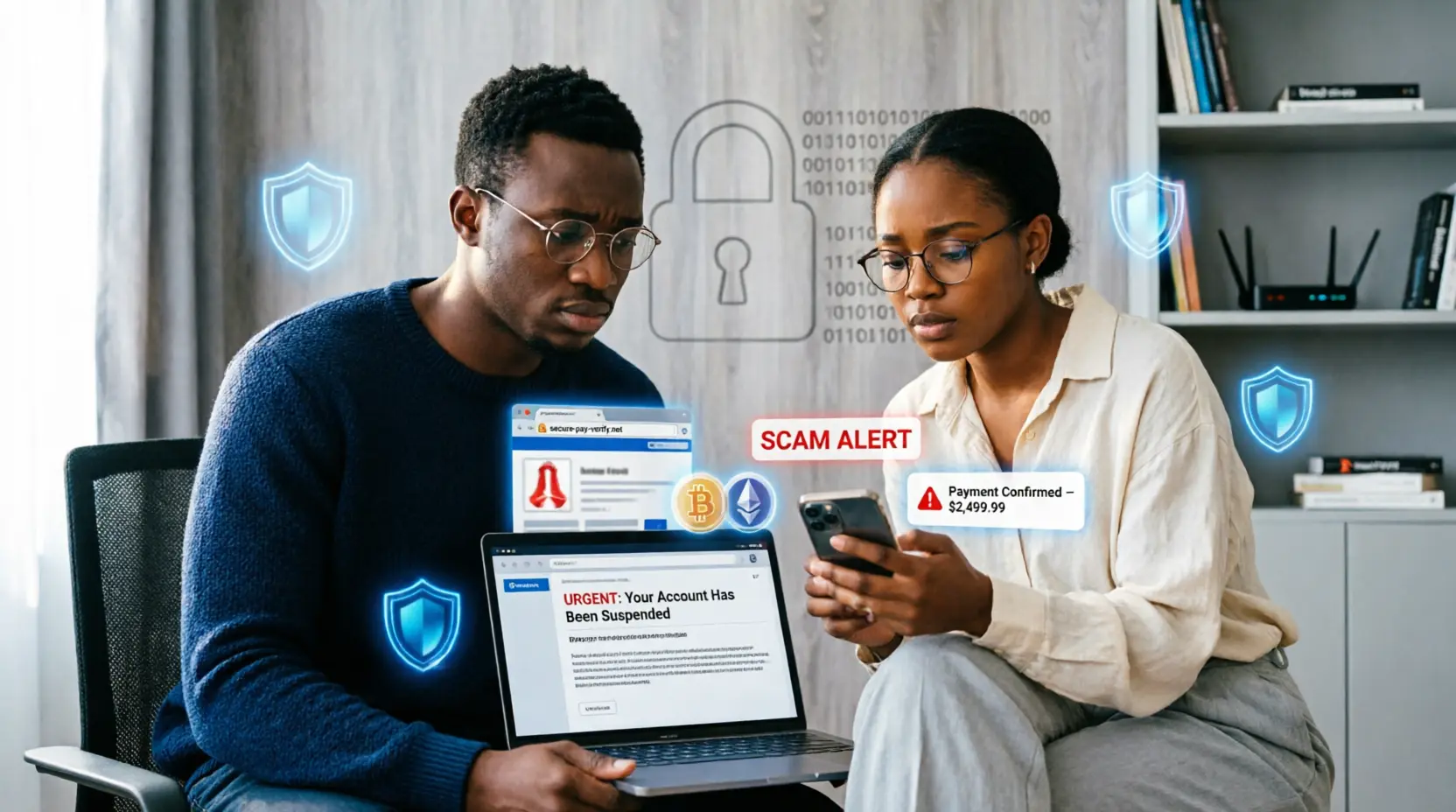
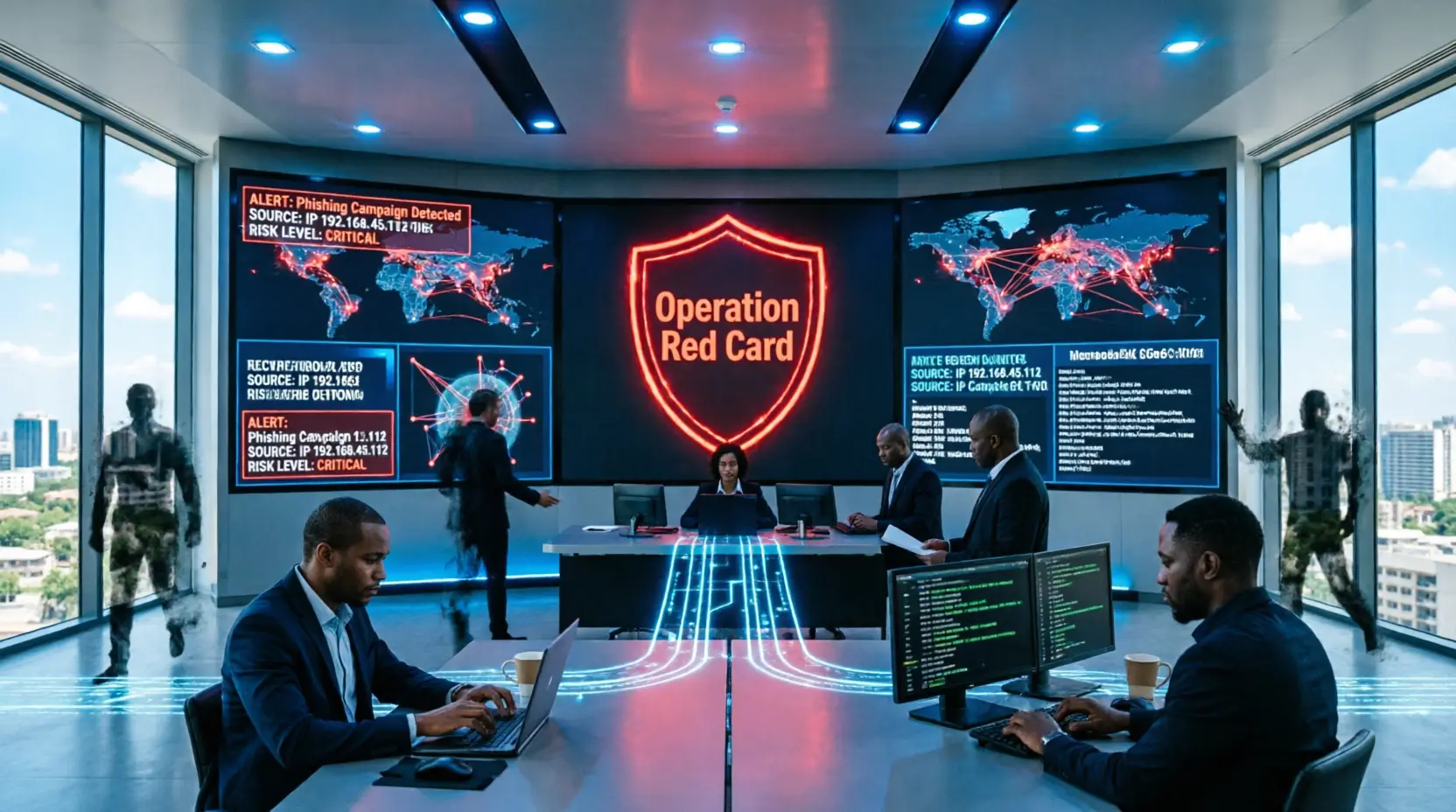
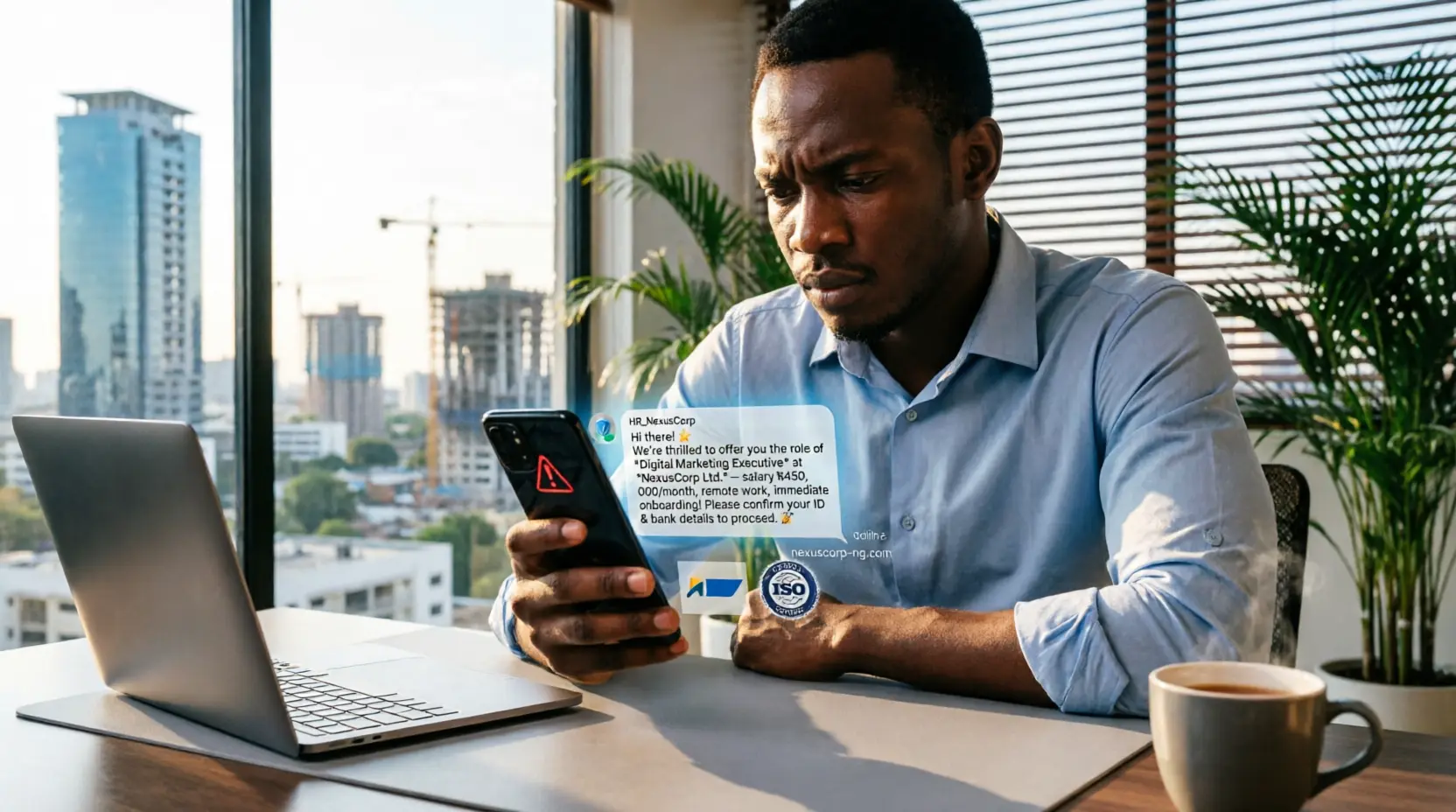
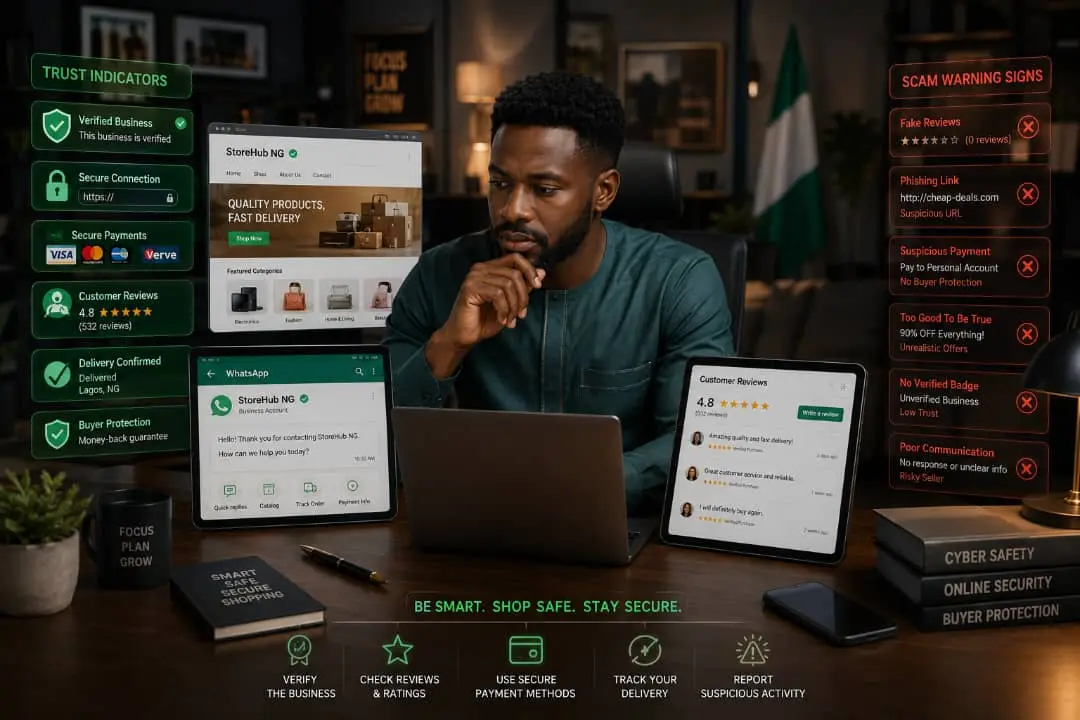
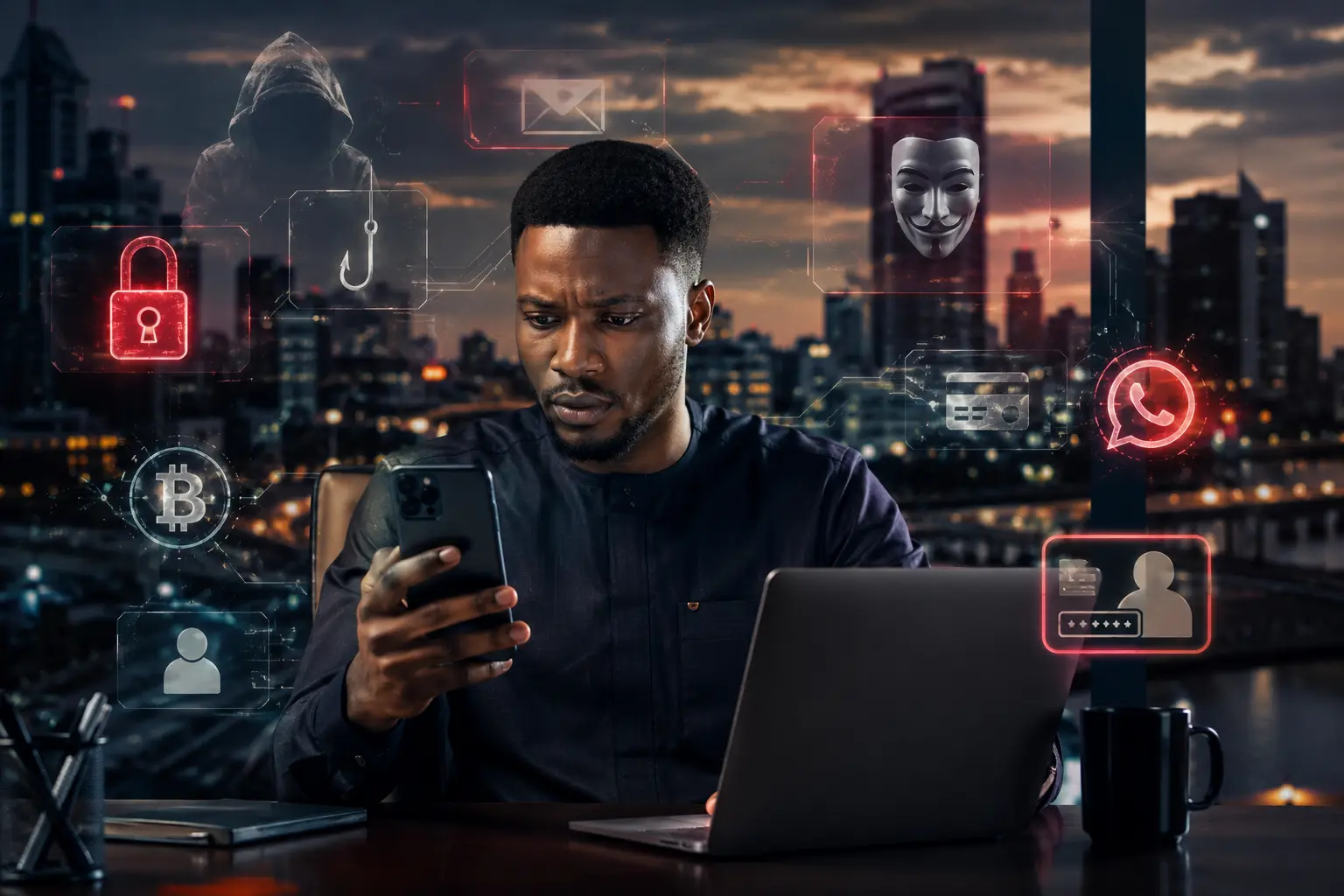
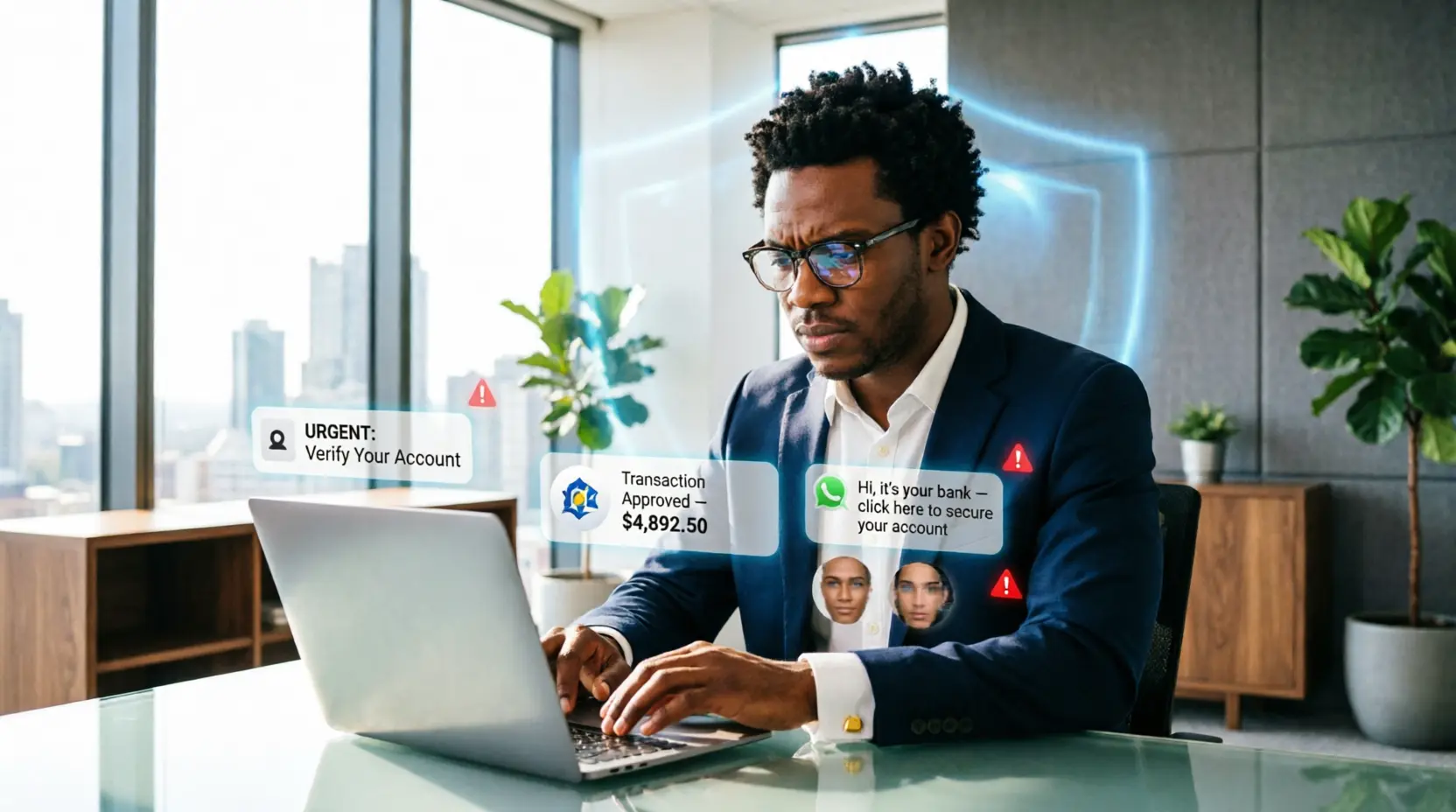
- Phishing happens when criminals use fake emails, messages, websites, or social media accounts to trick people into revealing sensitive information.
- A business owner might receive a message claiming:
- “Your business account will be suspended. Click this link to verify your account.”
- The link may lead to a fake login page designed to steal the person's password.
- Business Account Takeover
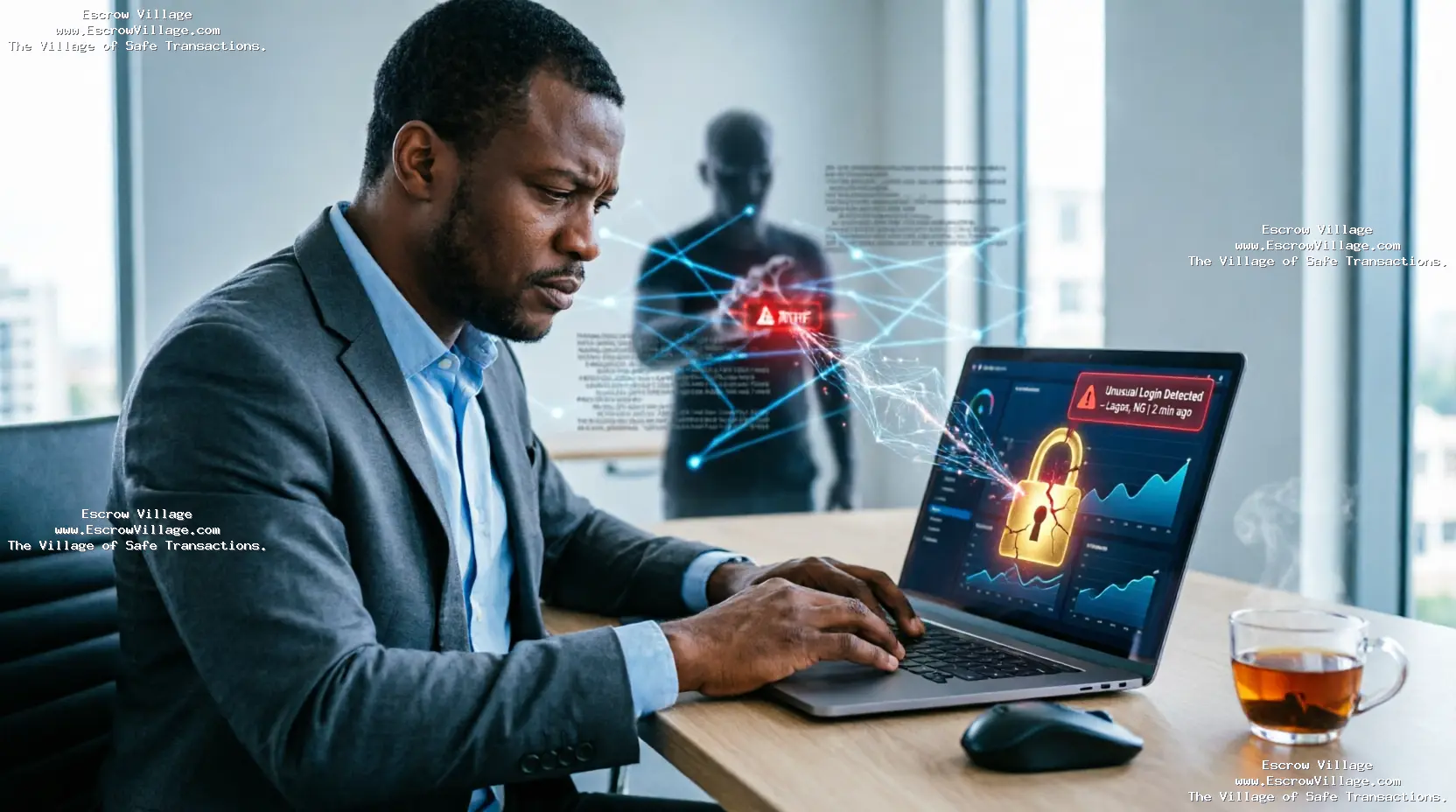
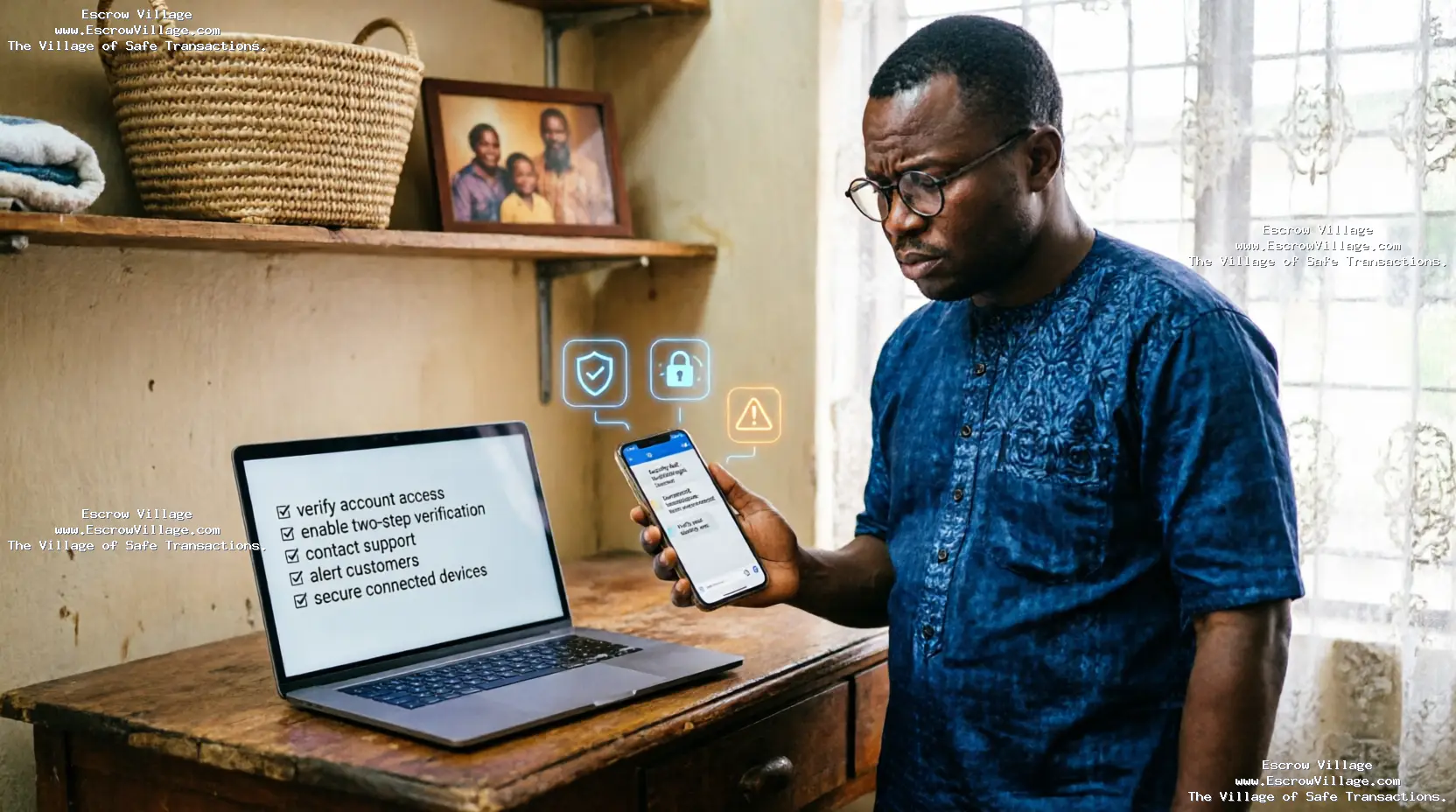
- If criminals obtain your password or login information, they may take control of your social media, email, or messaging account.
- They can then impersonate your business, contact customers, or request money.
- Malware
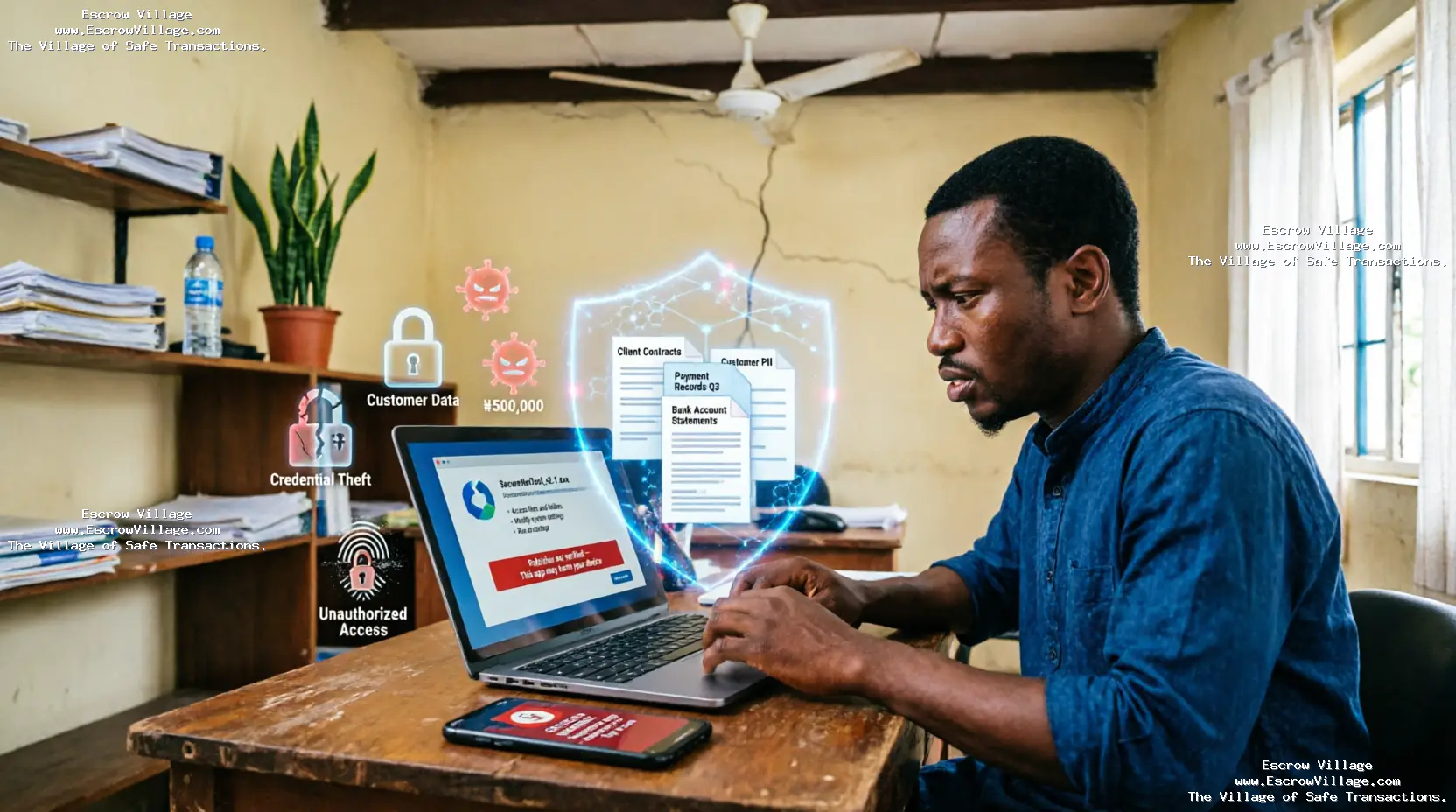
- Malware is malicious software designed to damage systems, steal information, or give criminals unauthorized access to a device.
- Downloading software, files, or applications from unknown sources can increase your exposure to malware.
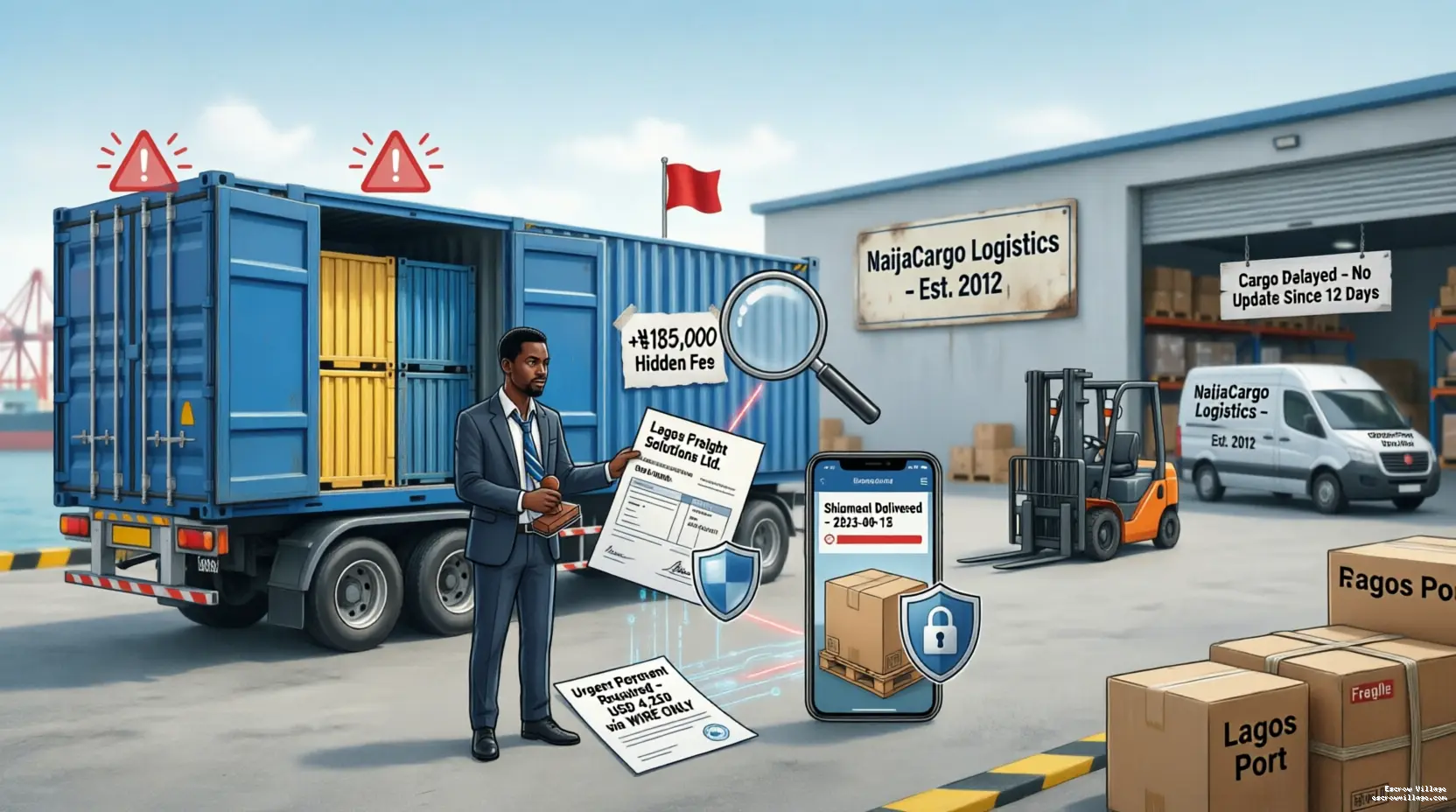
- Fake Payment and Transaction Scams
- Online merchants frequently deal with payment-related fraud.
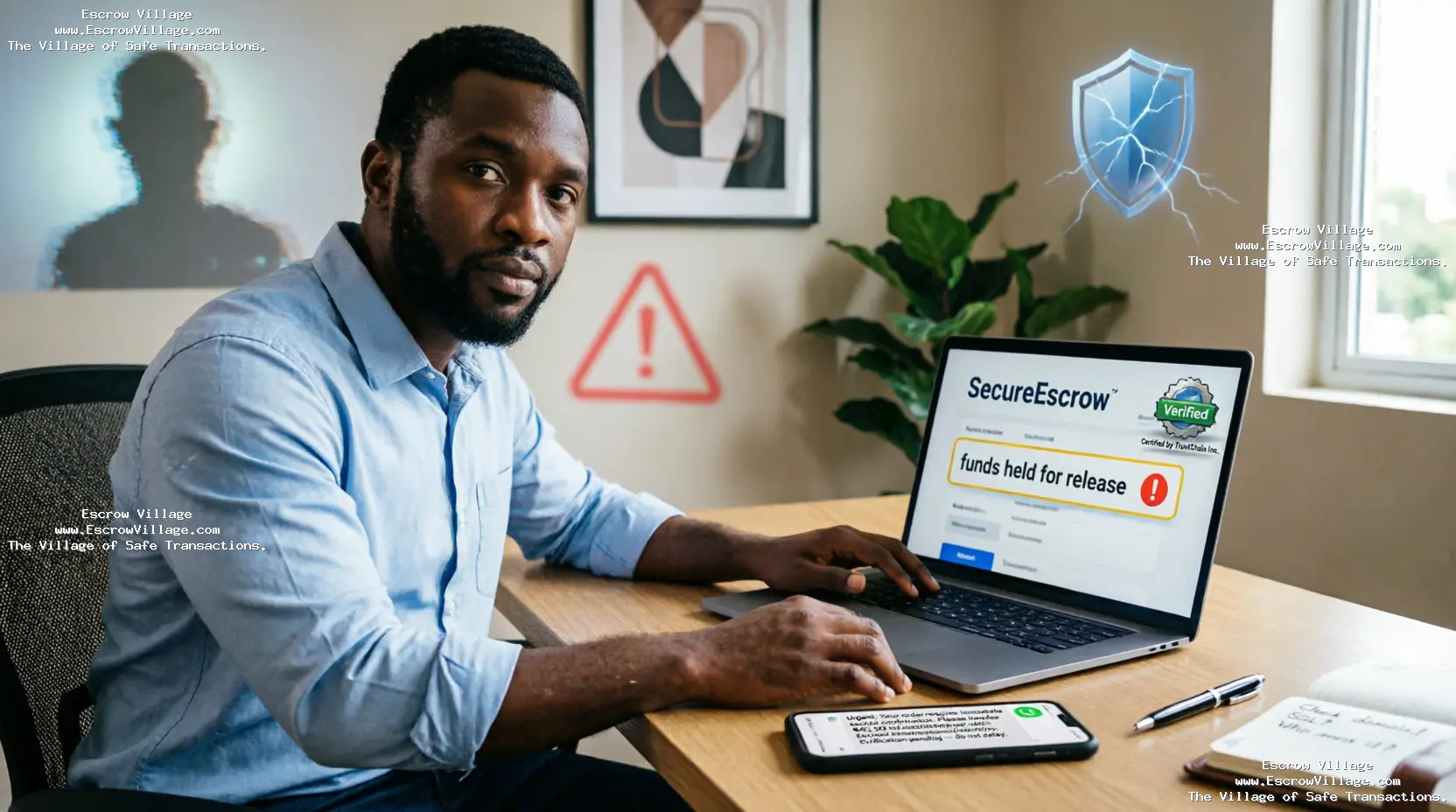
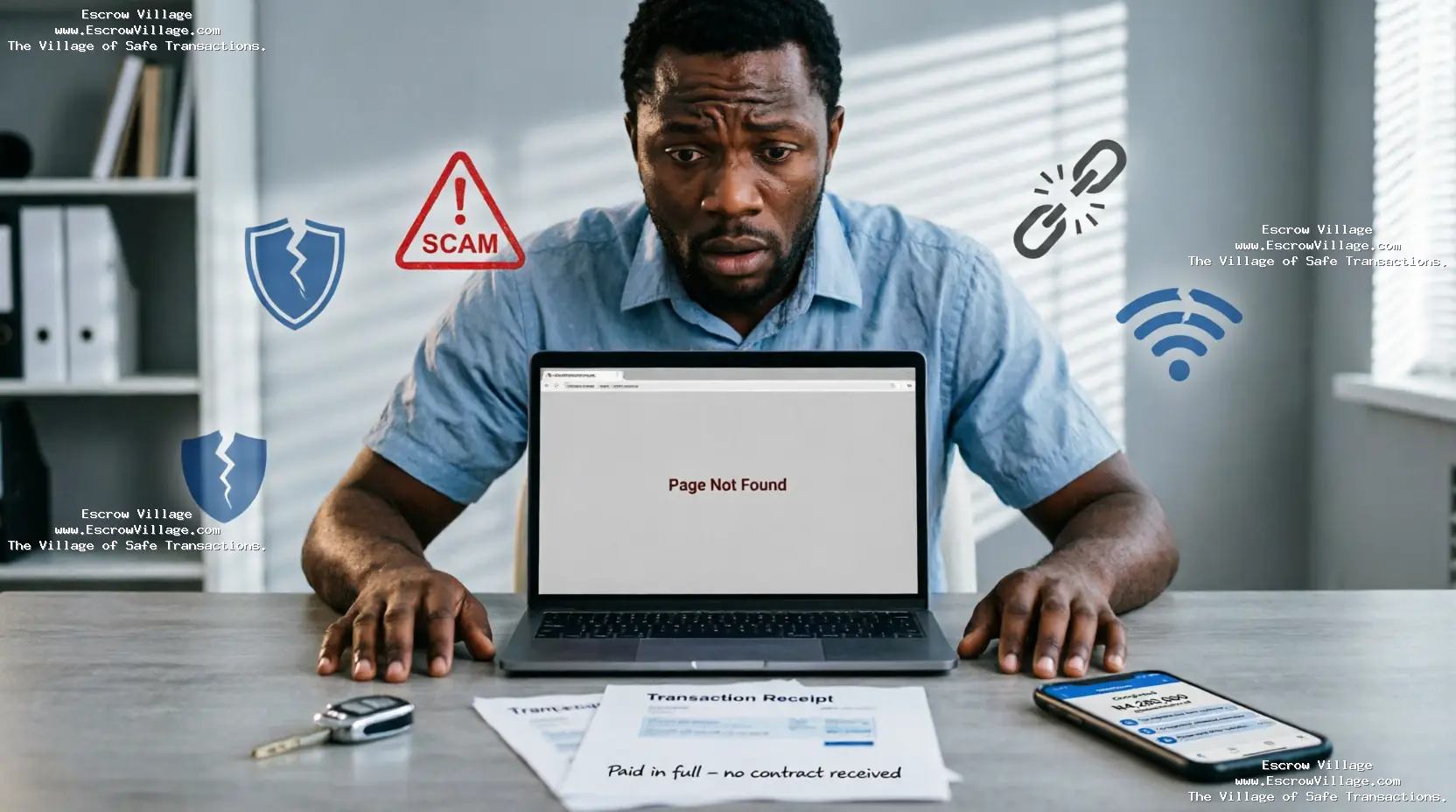
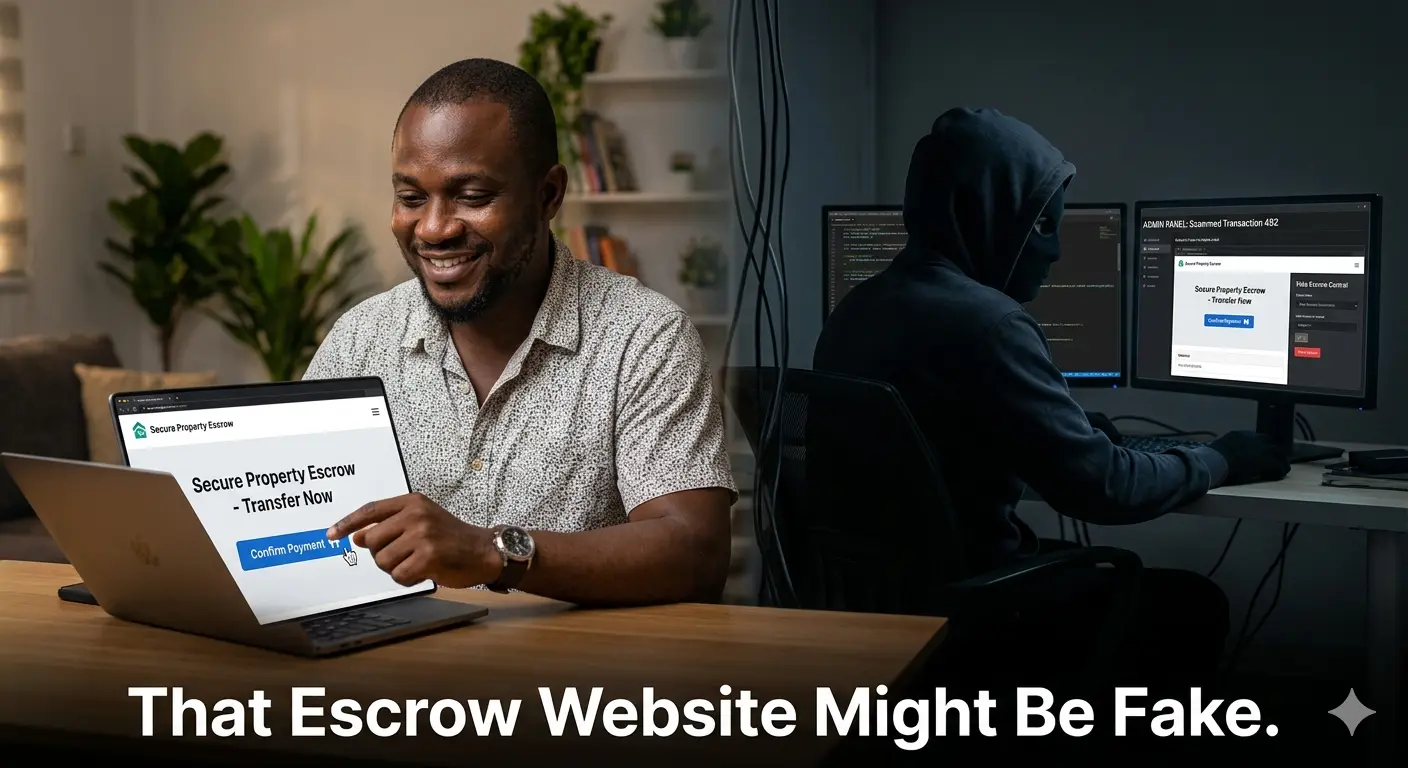
- A scammer might send a fake transfer notification and pressure the seller to deliver immediately.
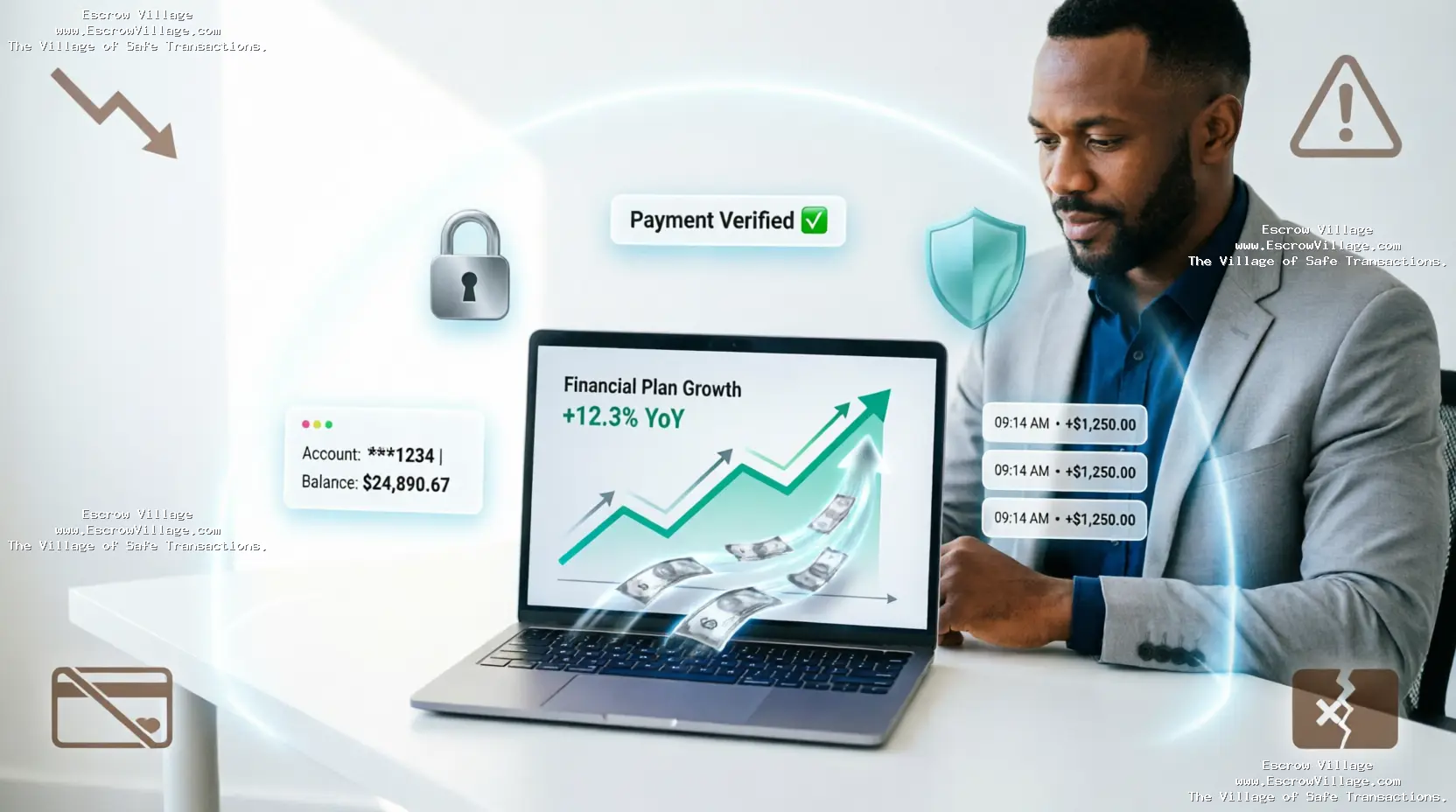
- This is why businesses should verify payments through their actual financial or payment platform rather than relying solely on screenshots or messages.
- How Can Small Businesses Improve Cybersecurity?

You do not need an expensive security department to start protecting your business.
Begin with simple, consistent practices.- ● Use Strong, Unique Passwords
- Avoid using the same password for your email, social media, banking, and business accounts.
- If one account is compromised, criminals may try the same password on your other accounts.
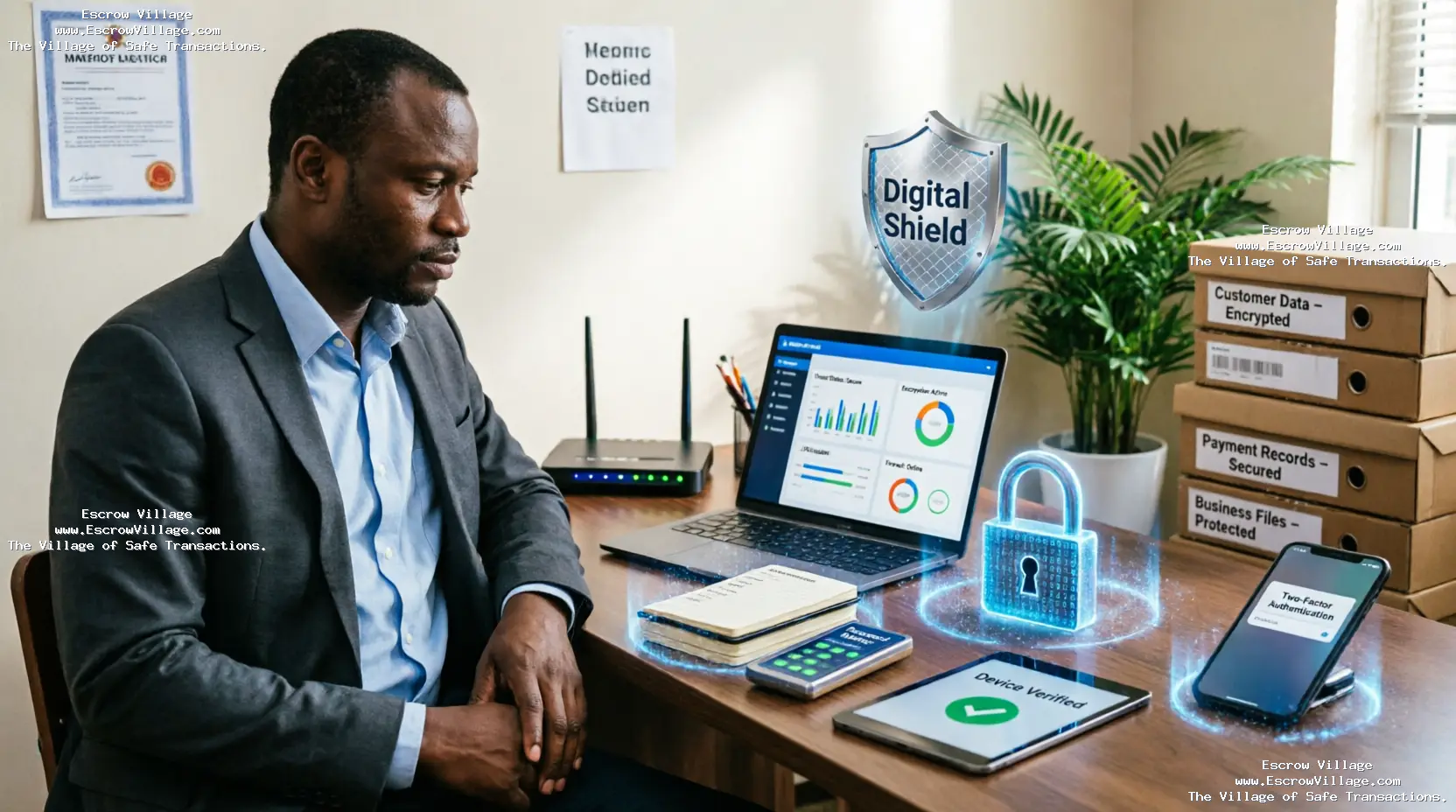
- Use strong, unique passwords and consider using a reputable password manager.
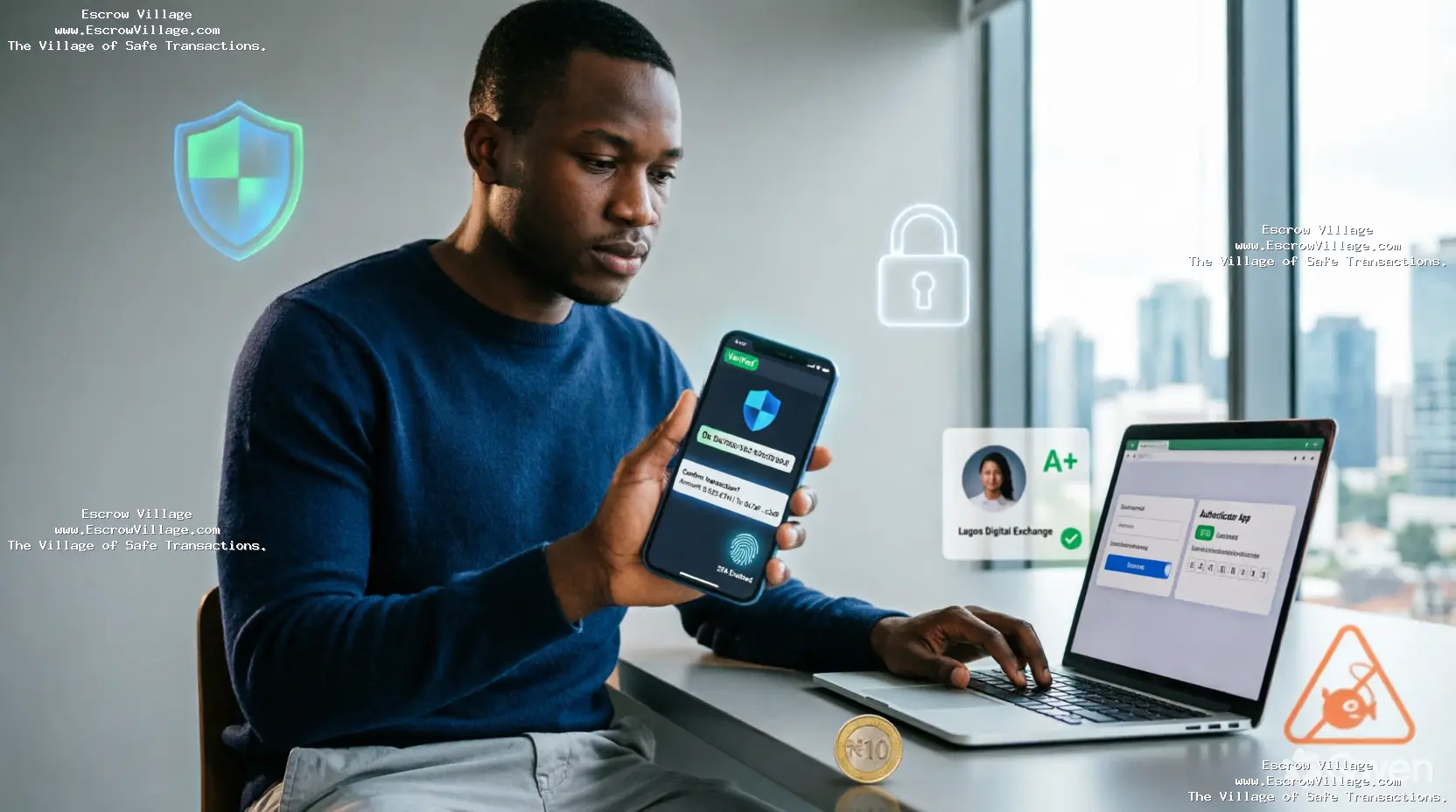
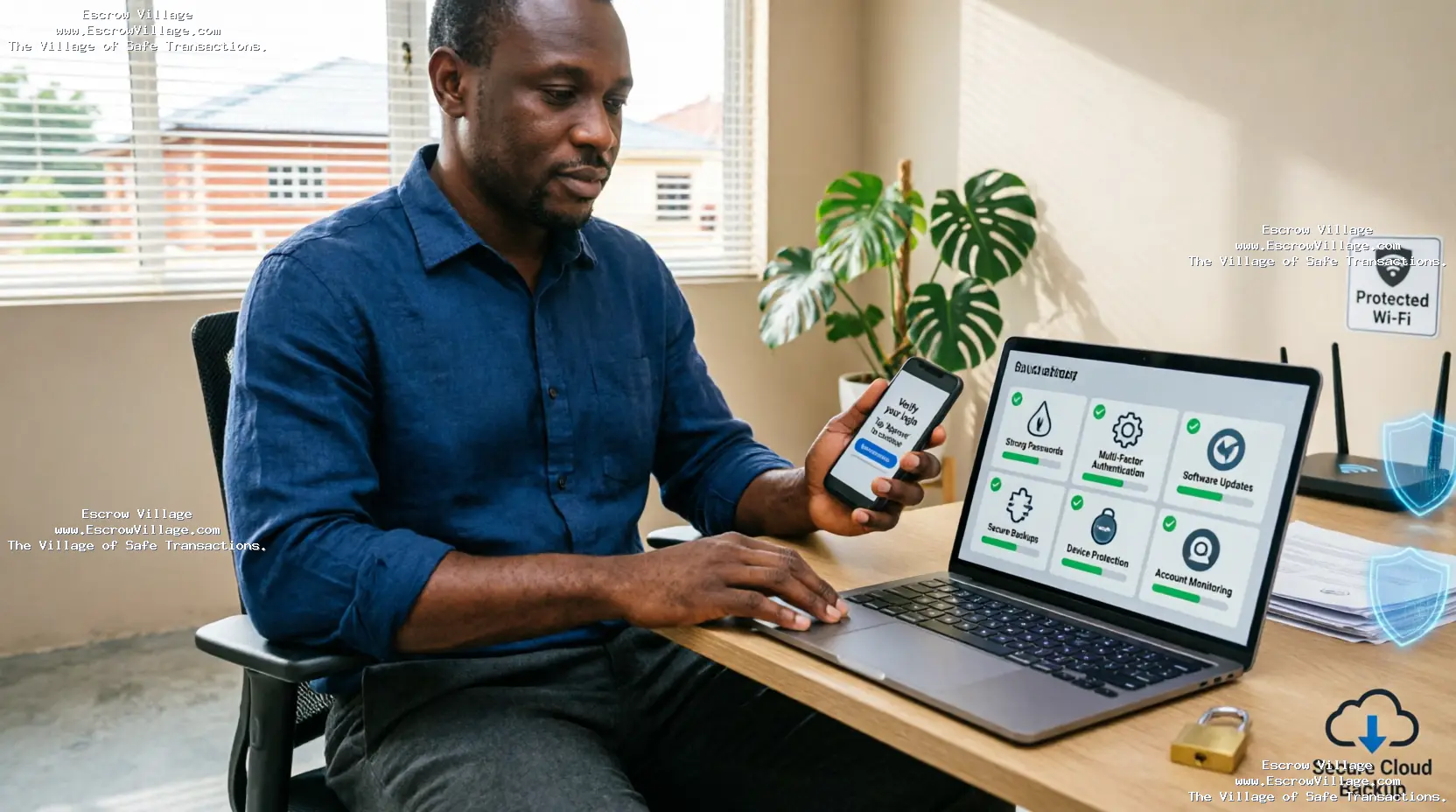
- Turn On Two-Factor Authentication
- Two-factor authentication (2FA) adds another layer of protection to your account.
- Even if someone obtains your password, they may still be unable to access the account without the second authentication method.
- Enable 2FA on important accounts whenever it is available.
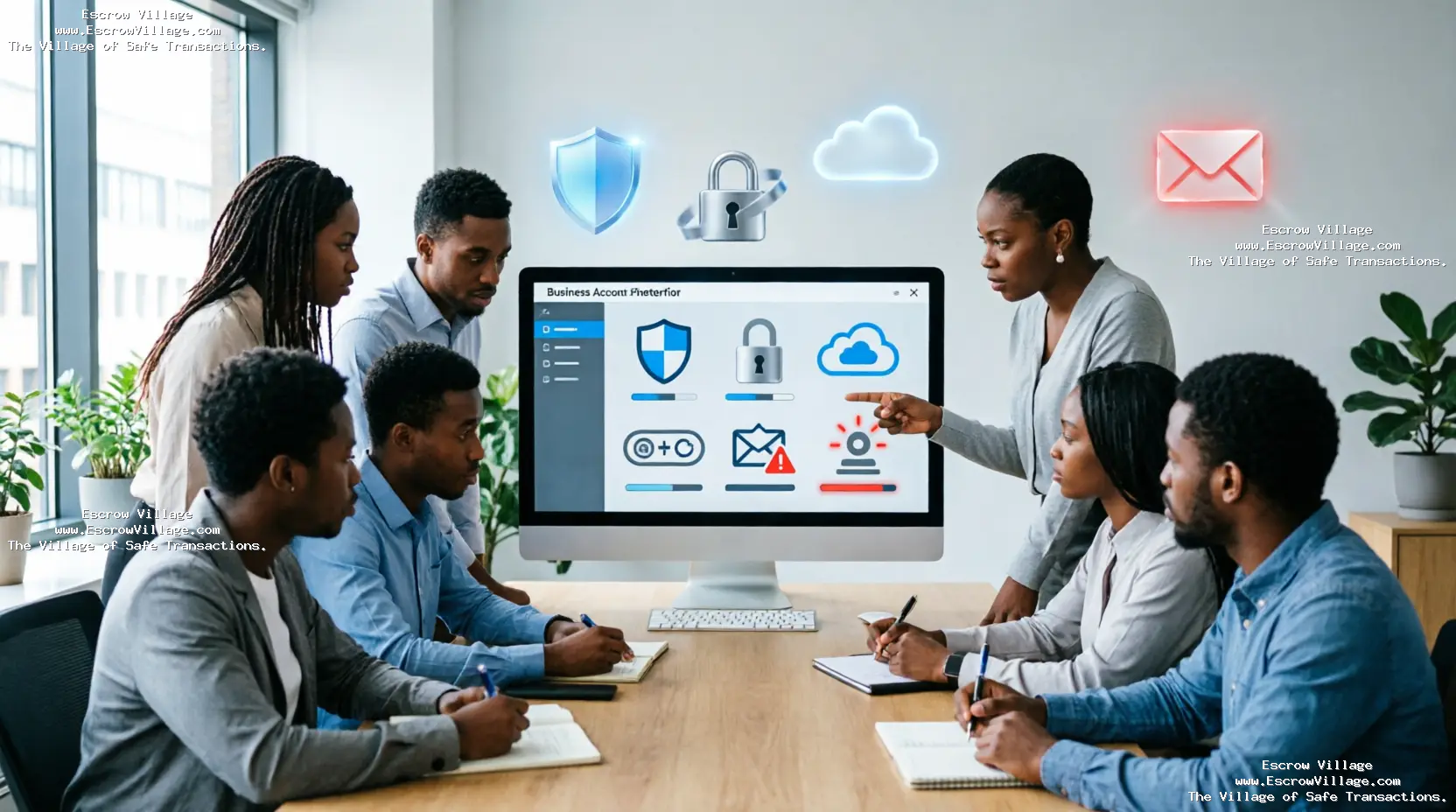
- ● Train Anyone Who Handles Your Business Accounts
- Cybersecurity is not only about technology.
- If an employee clicks a malicious link or sends sensitive information to the wrong person, the business can still be compromised.
- Teach anyone handling customer communication, payments, or business accounts how to identify suspicious messages and requests.
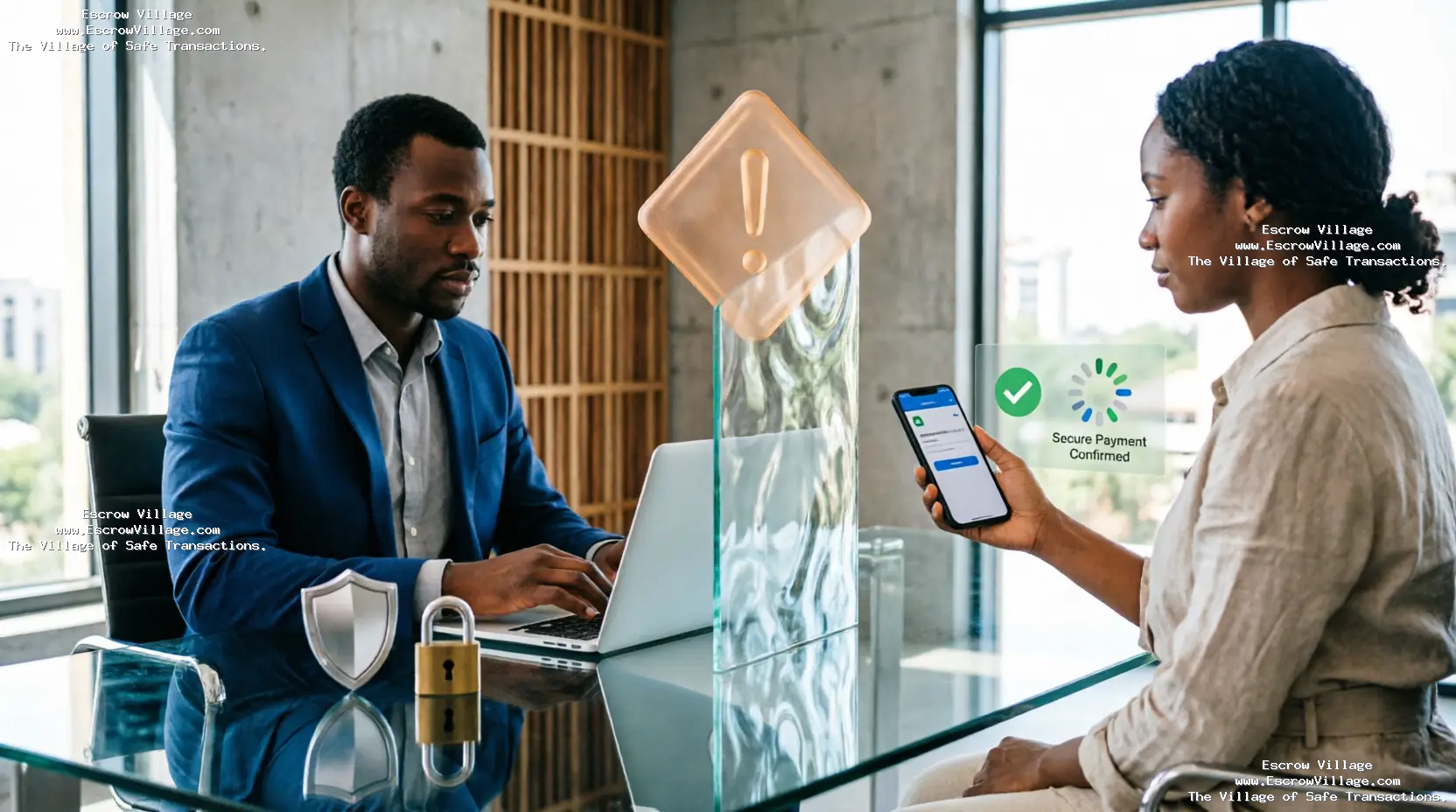
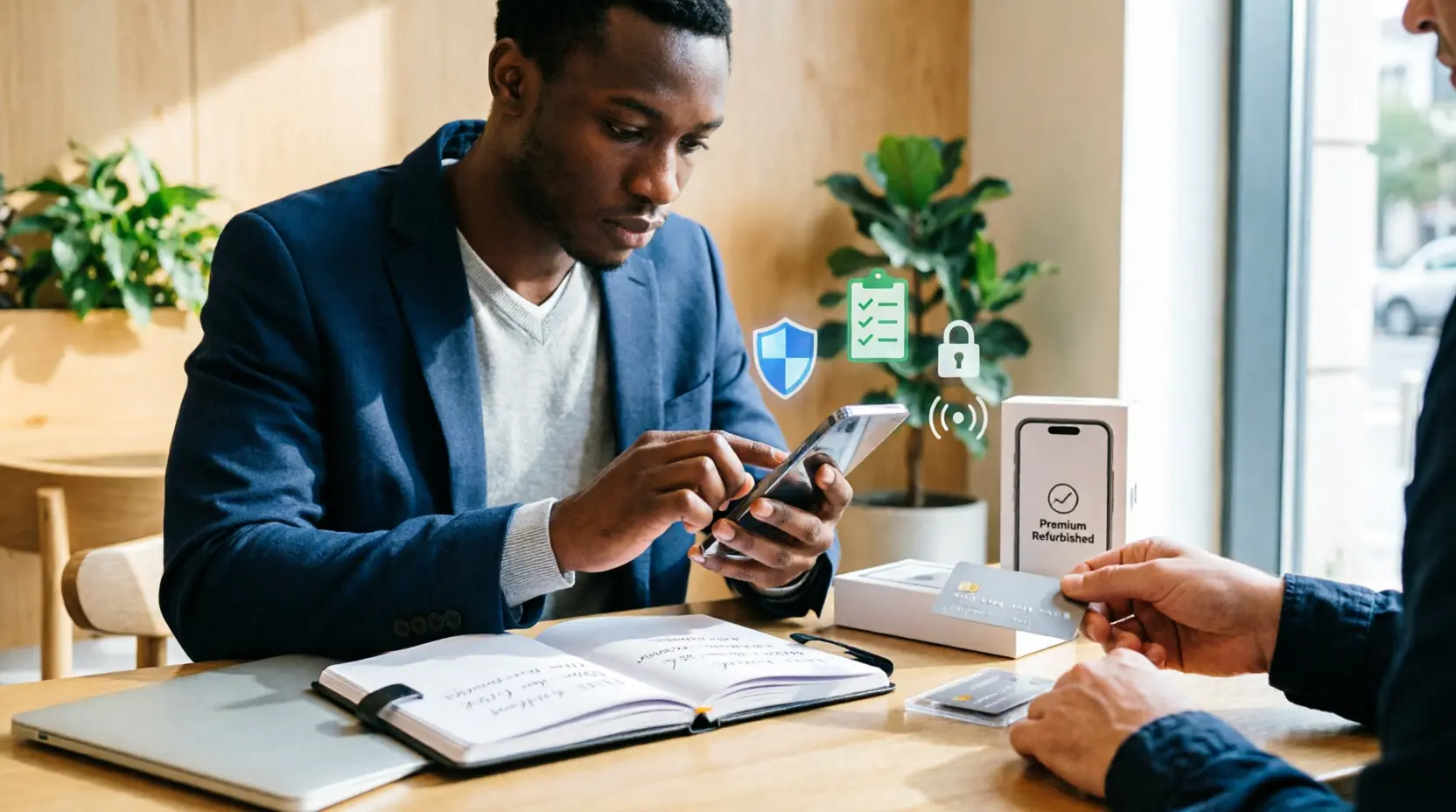
- ● Verify Payments Before Delivering Products
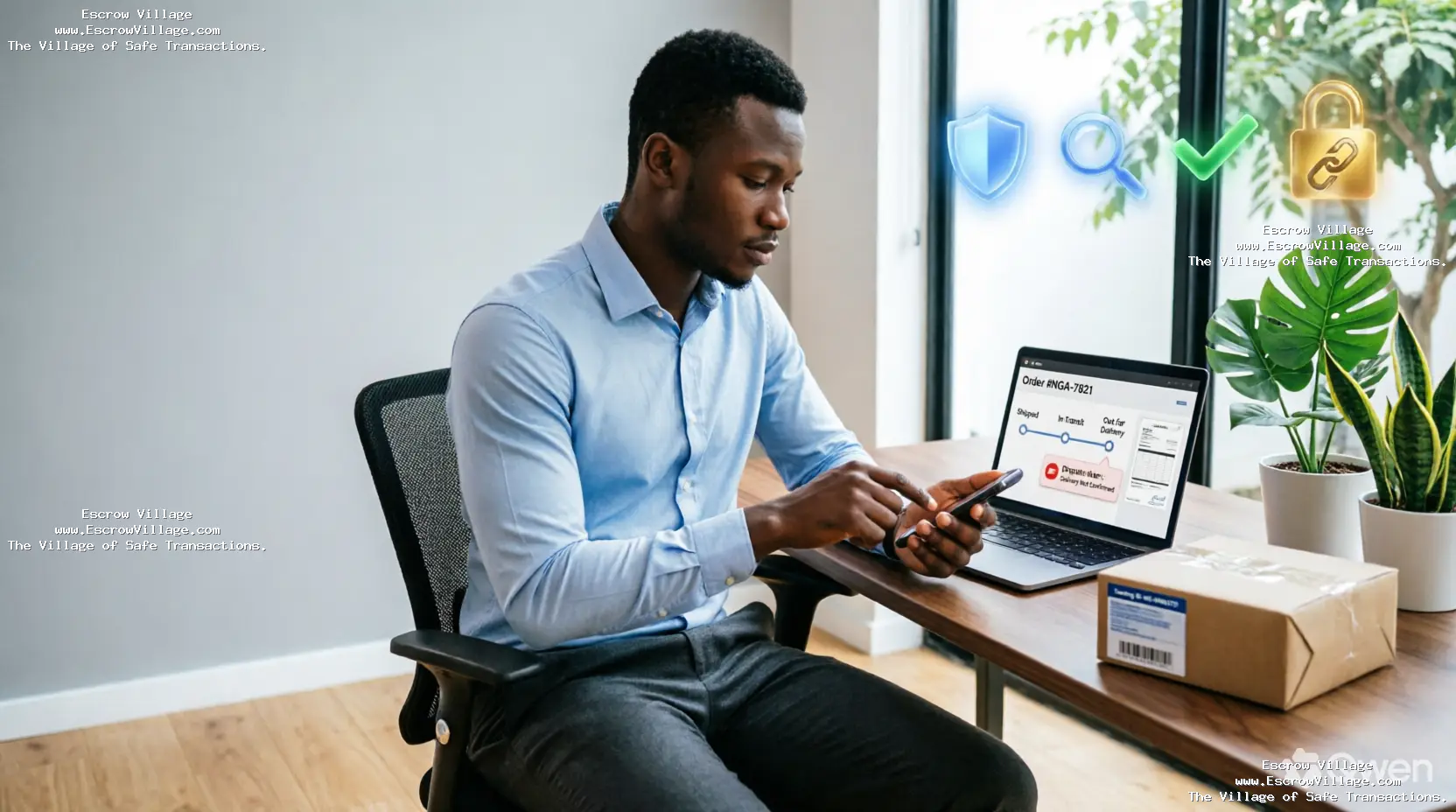
- Never assume that a payment has been completed because someone sends you a screenshot.
- Check the actual transaction status through your payment provider or bank before releasing goods or services.
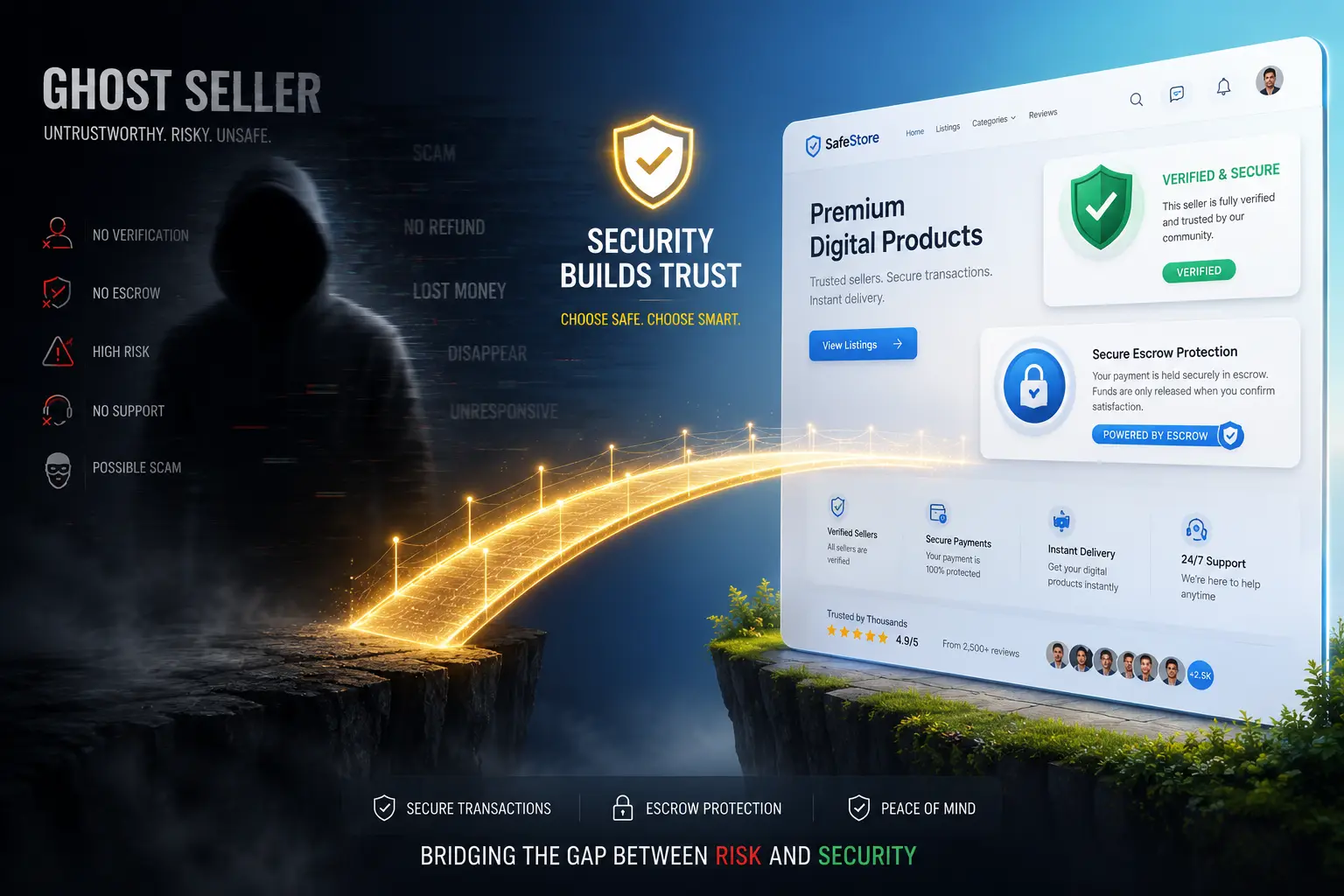
For transactions where both parties need additional protection, an escrow service can provide another layer of transaction security.
- How Escrow and Cybersecurity Work Together
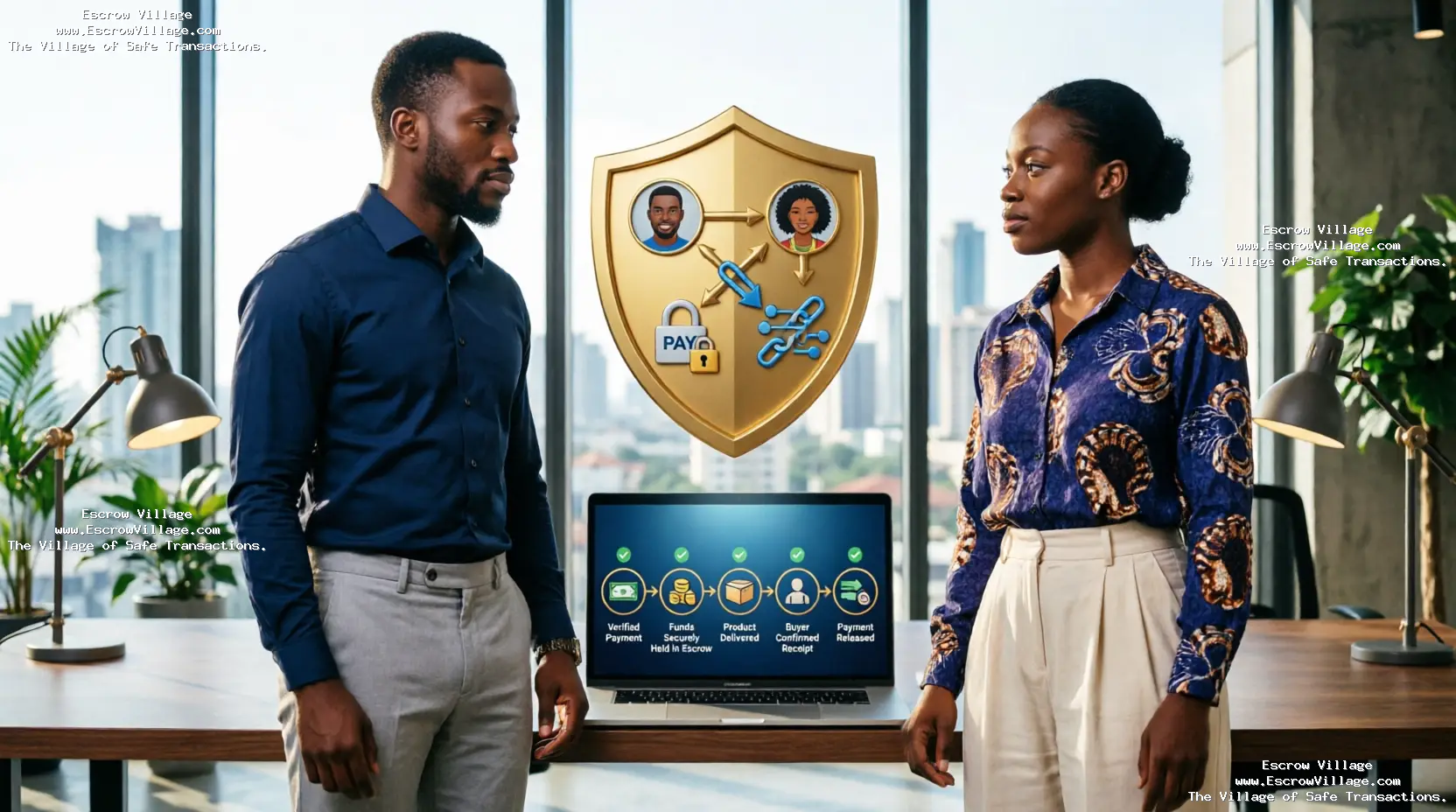
Cybersecurity helps protect the digital environment around your business. But secure technology alone does not automatically make every transaction safe.
You also need processes that reduce opportunities for fraud.
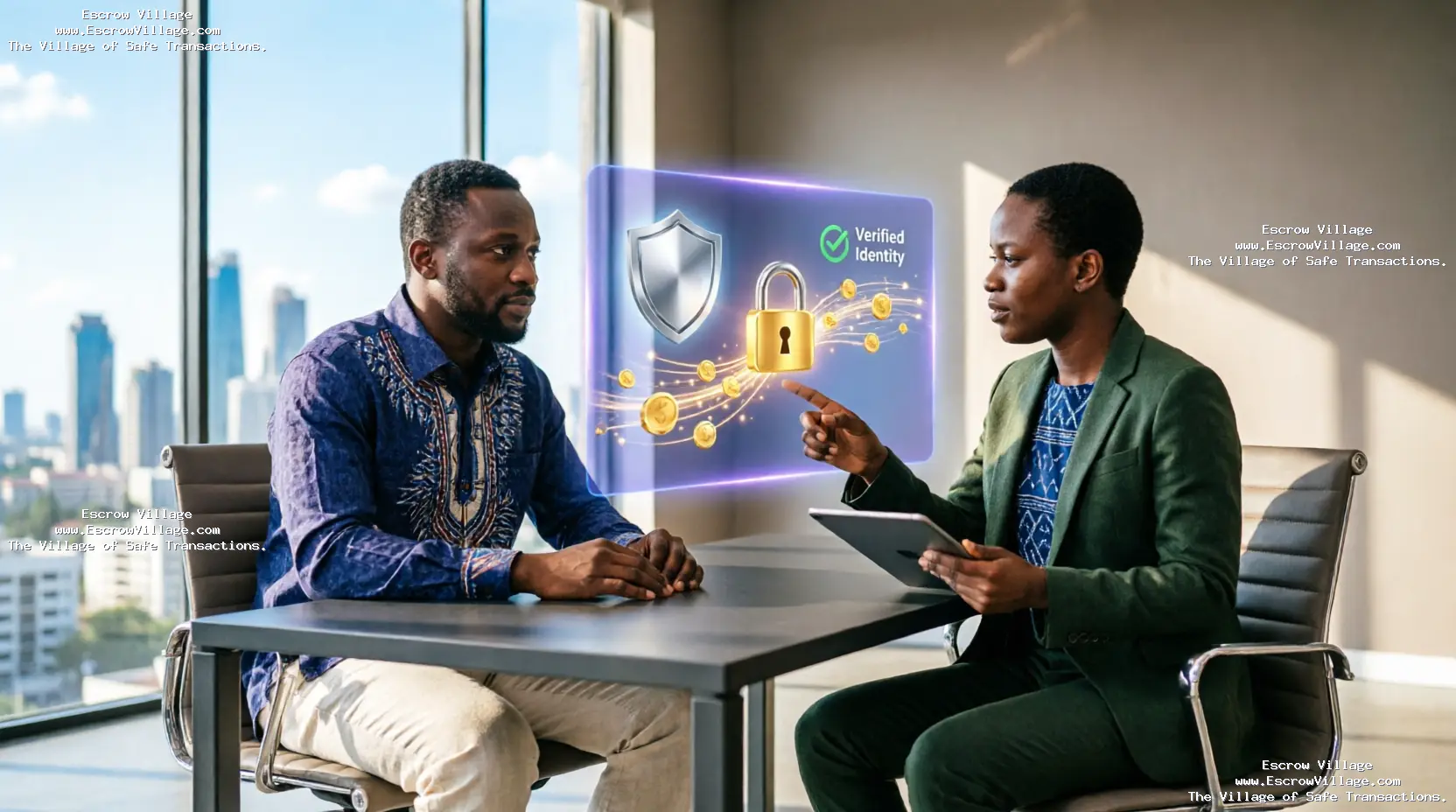
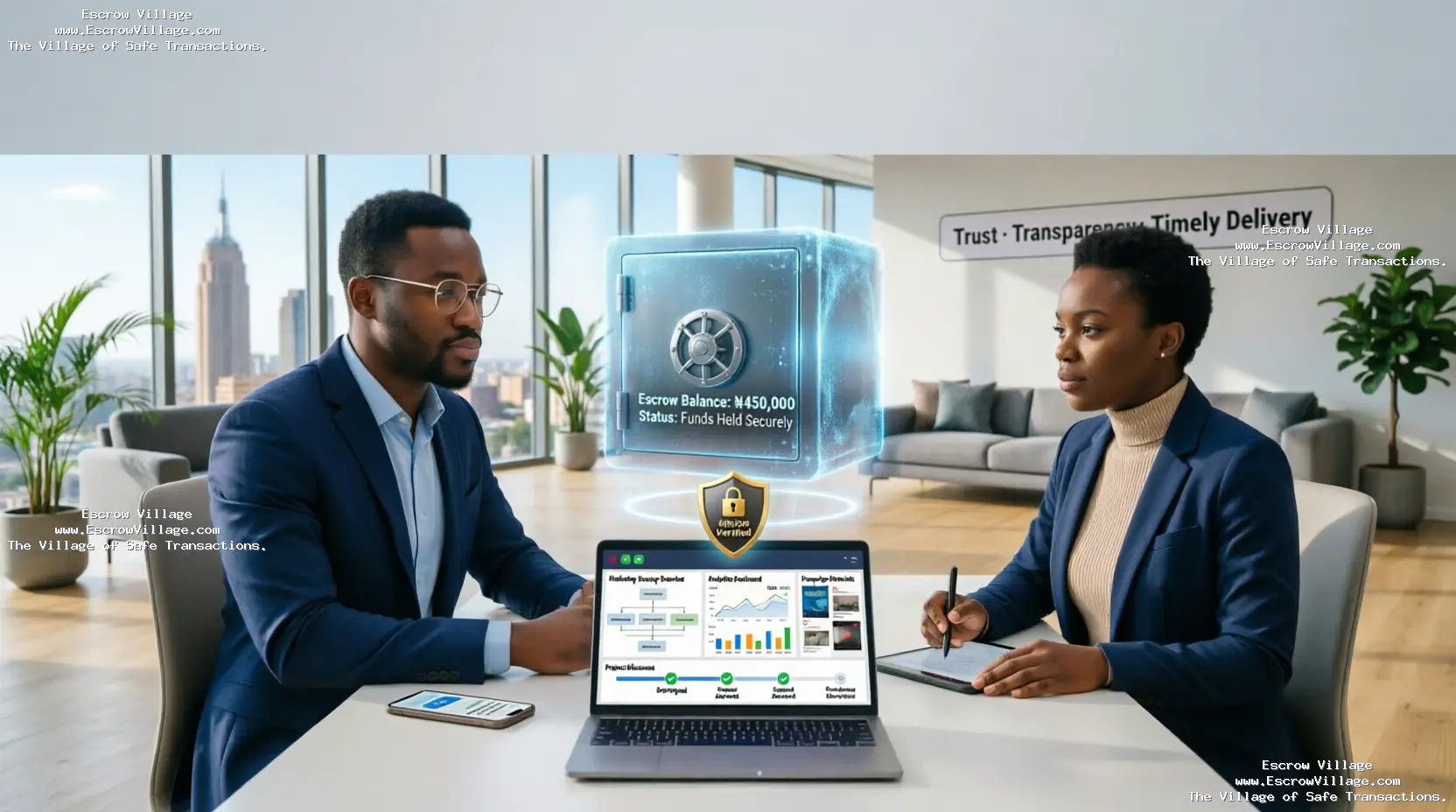
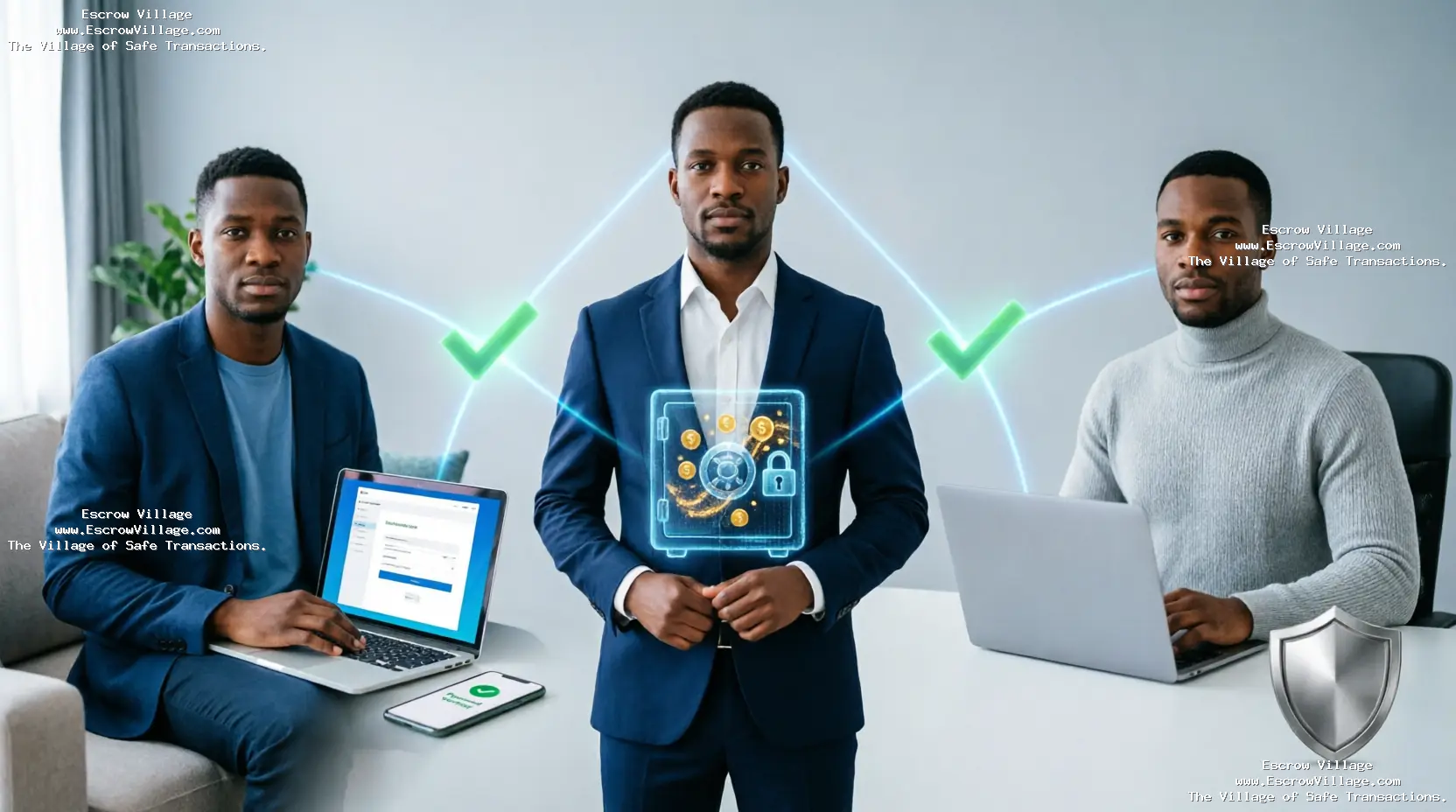
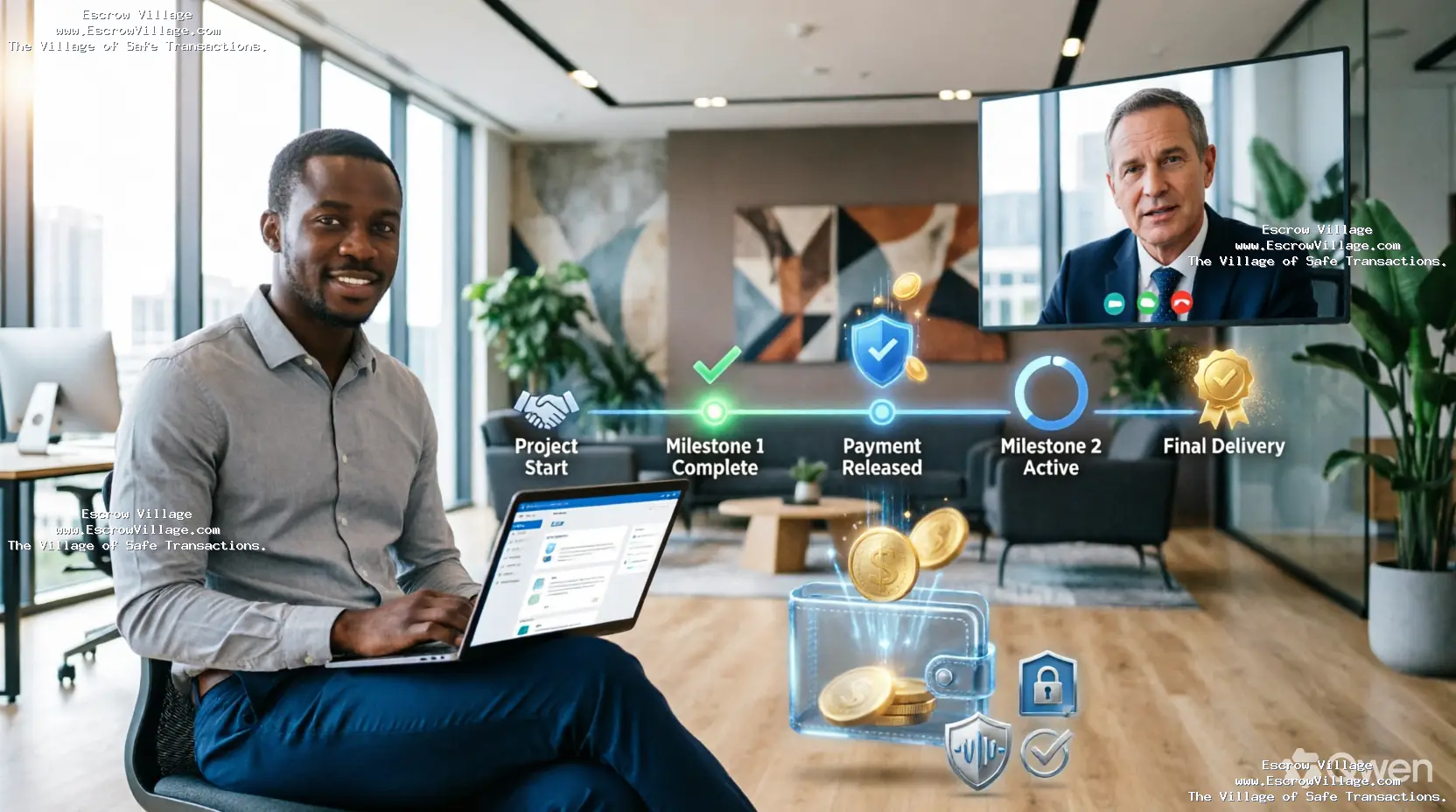
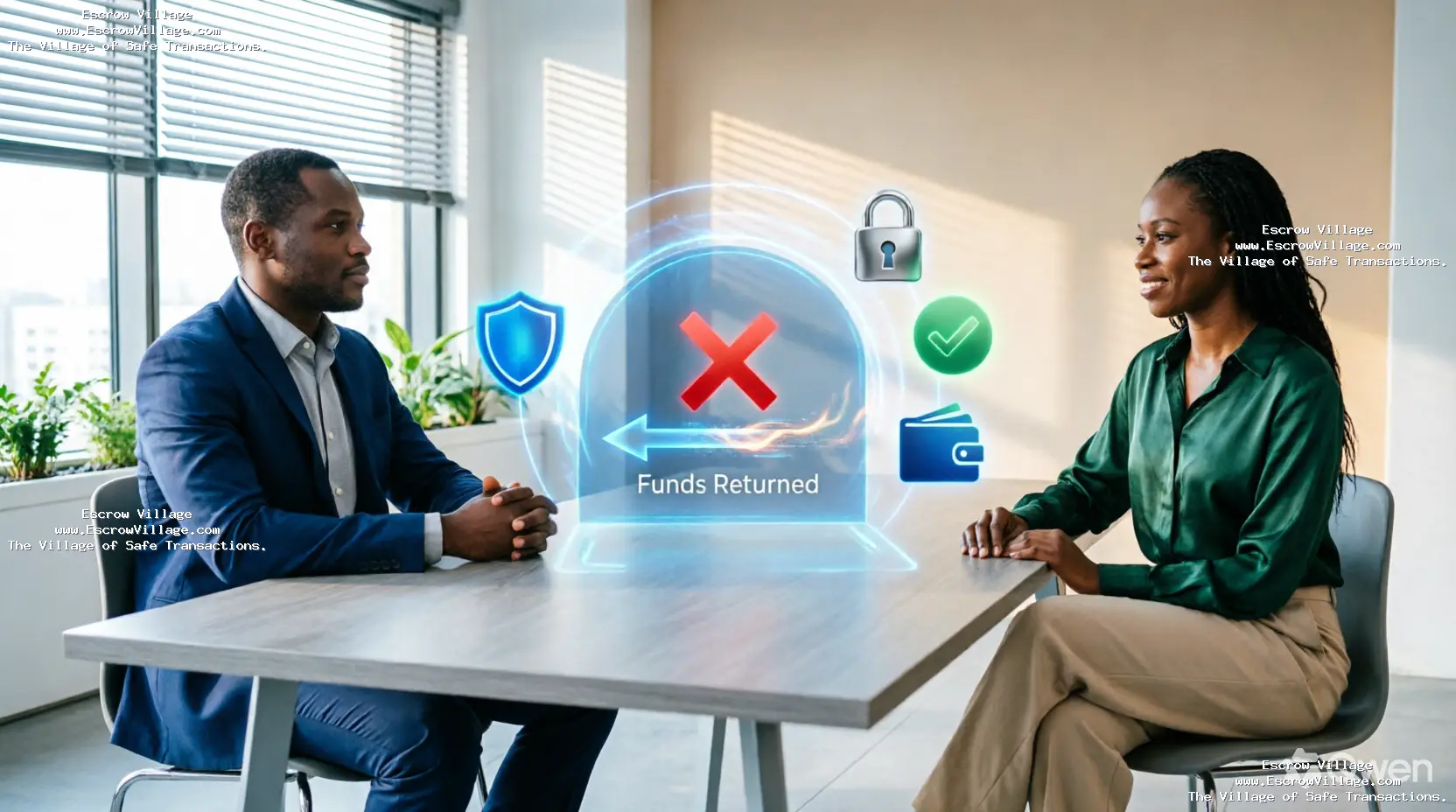
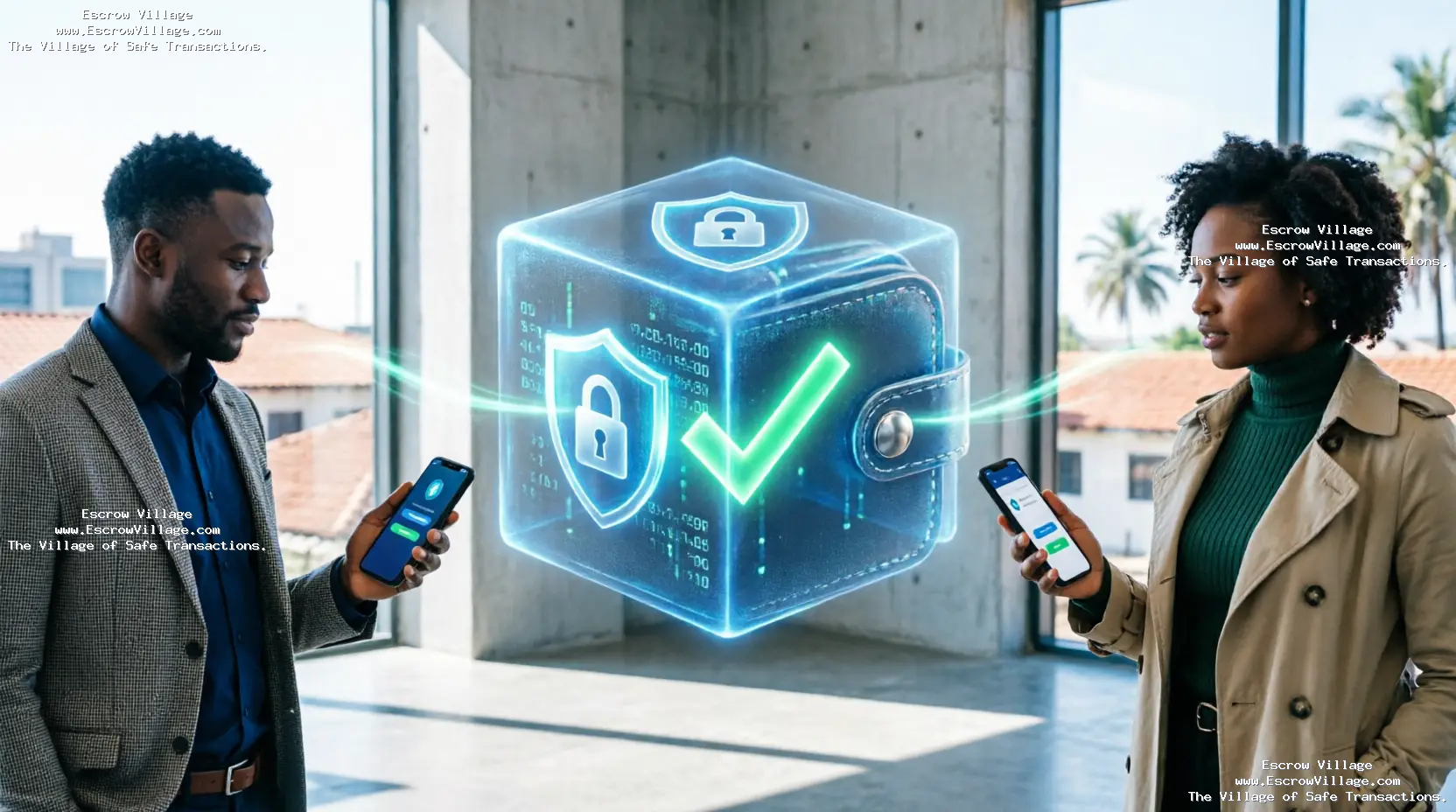
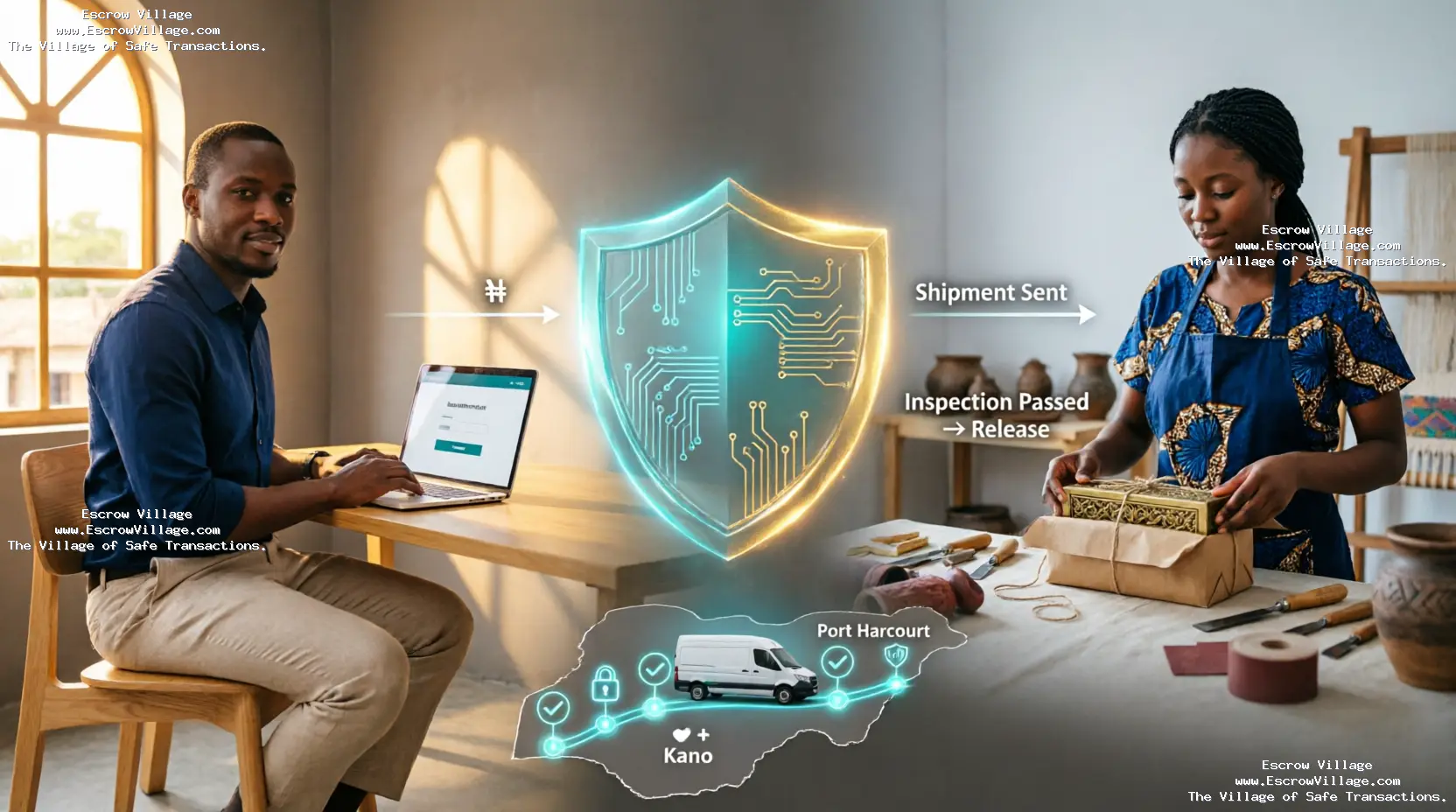
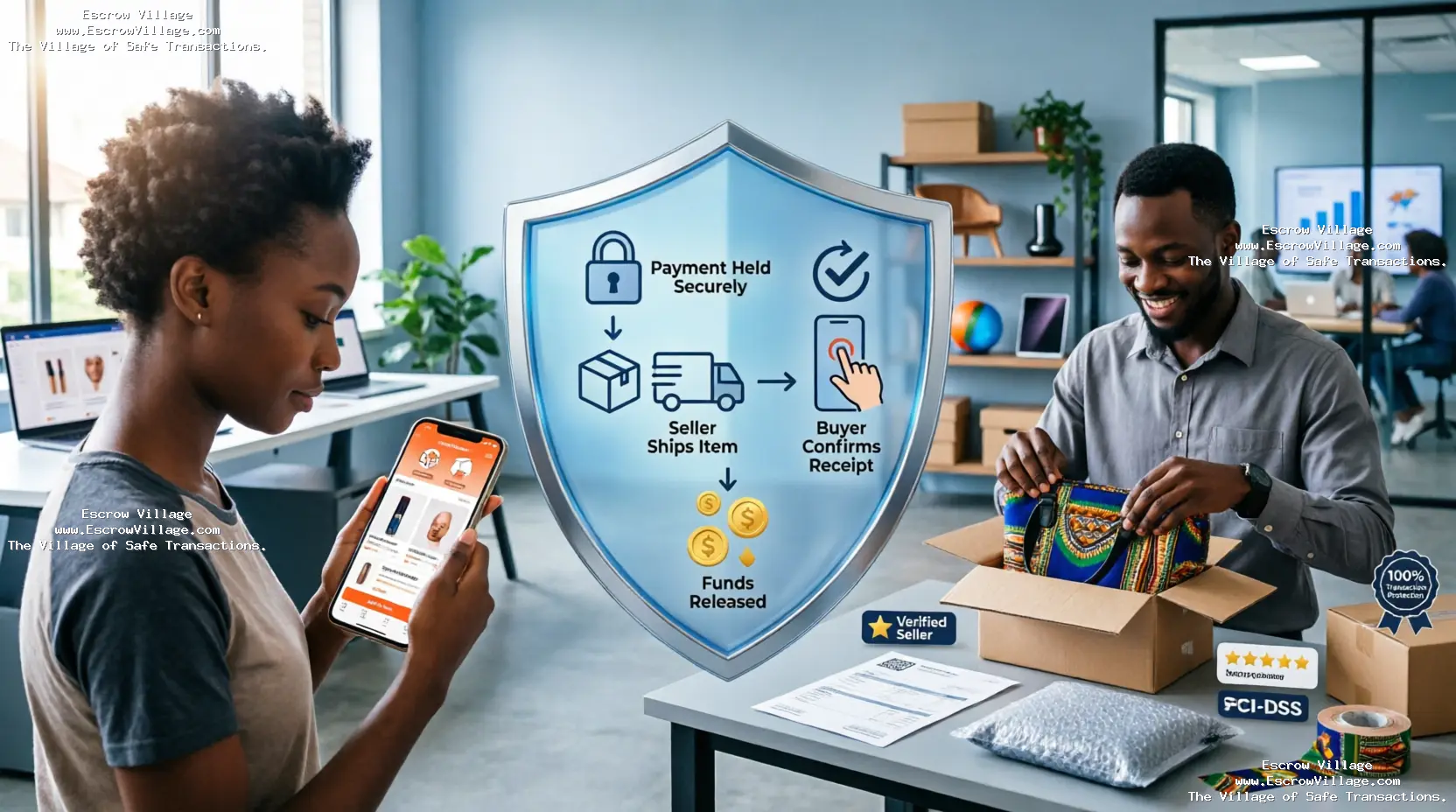
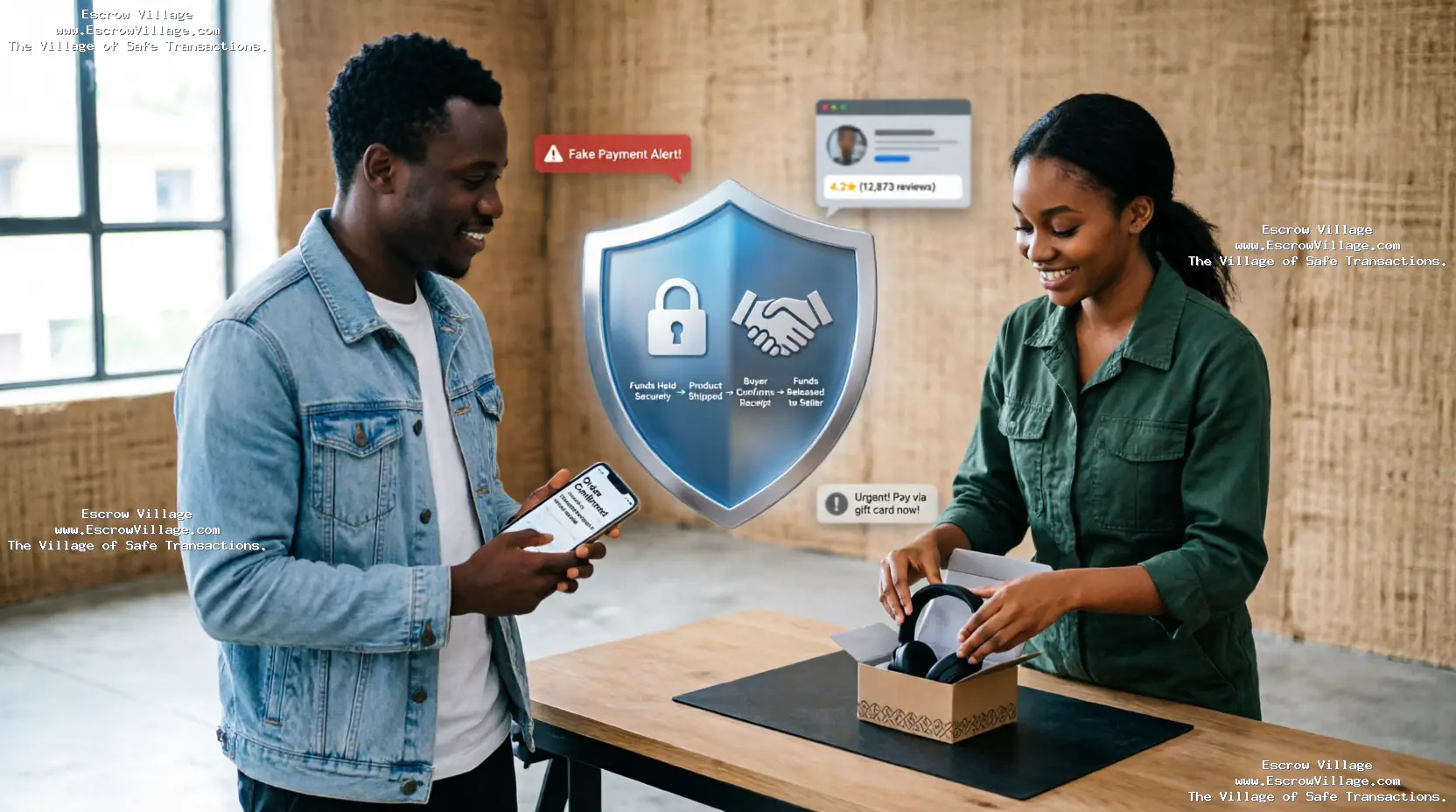
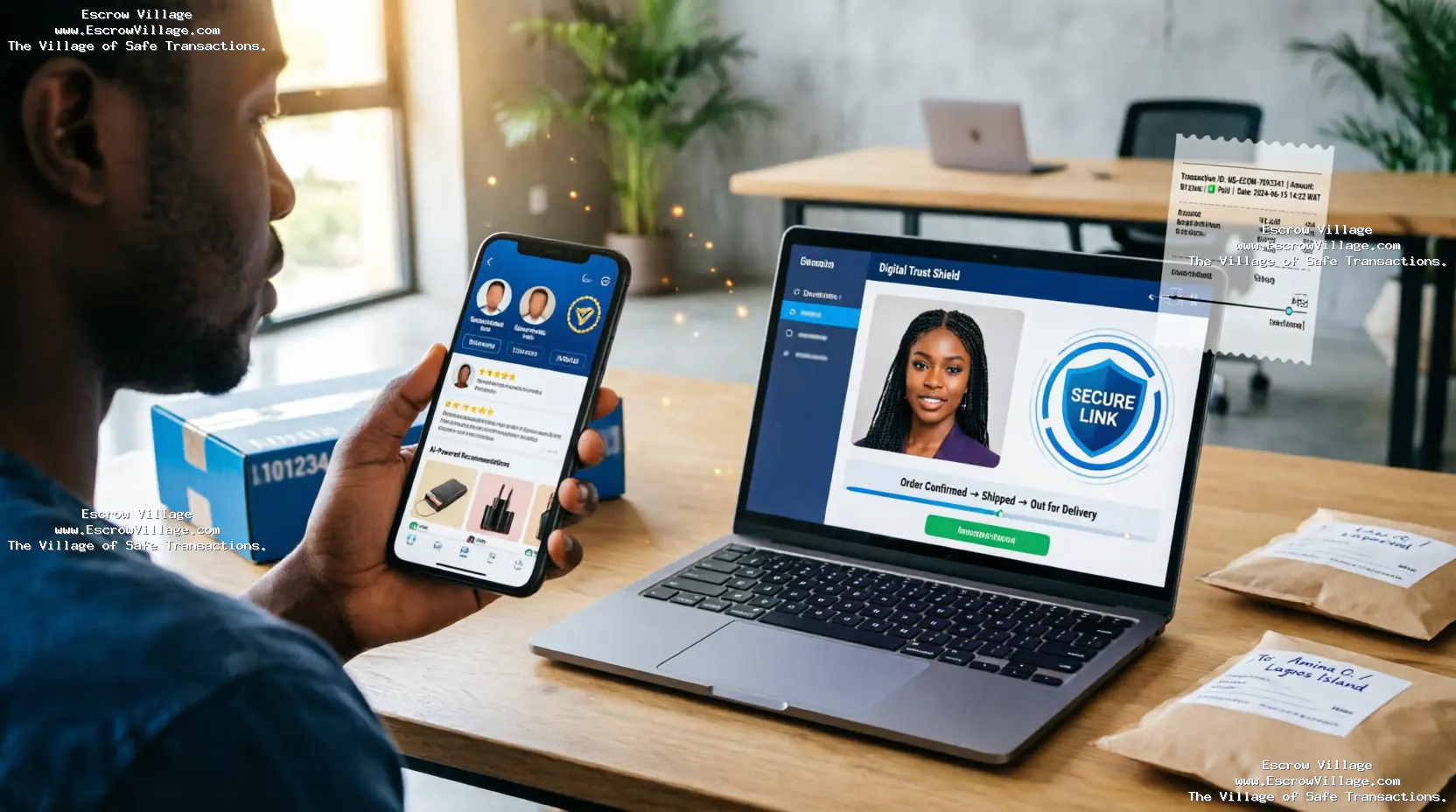
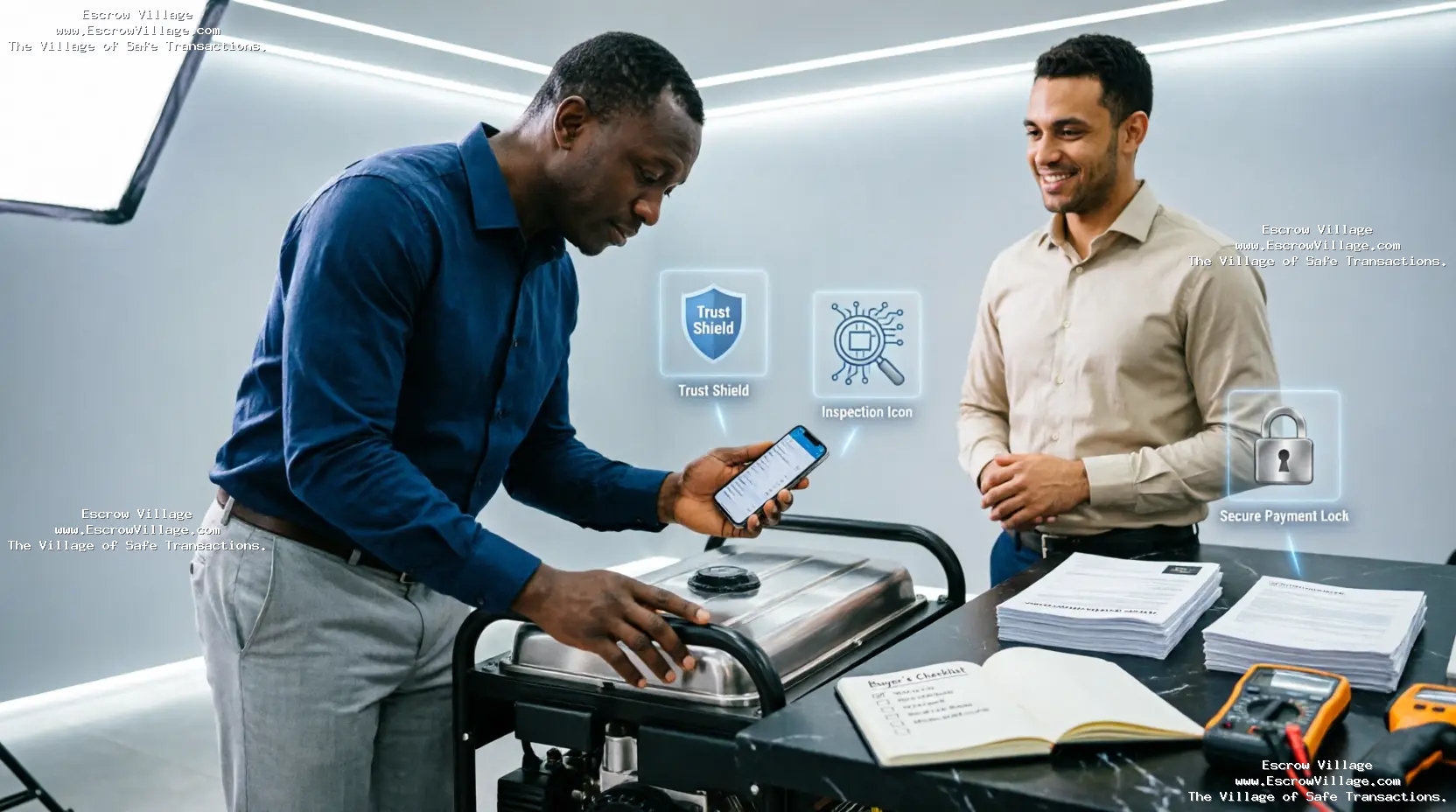
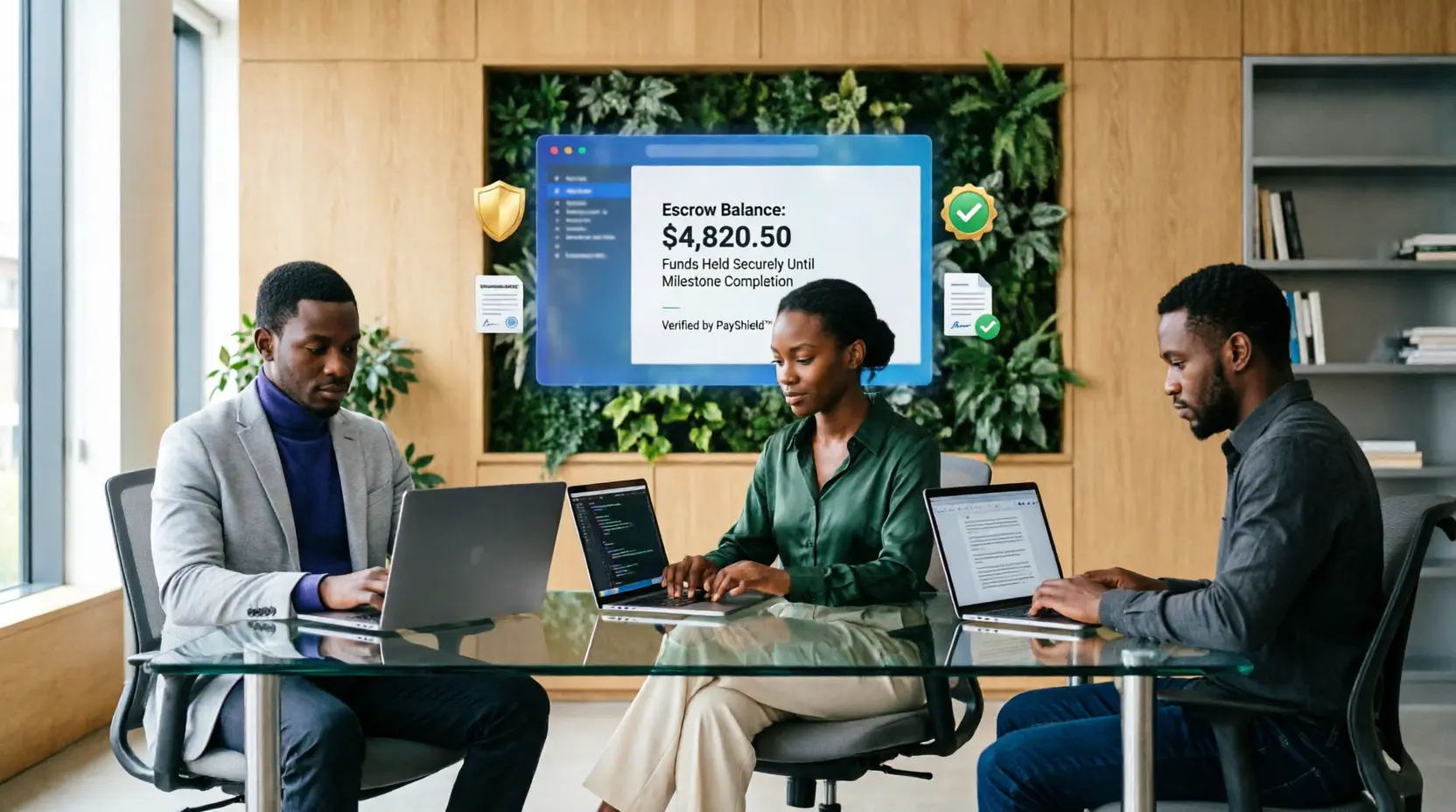
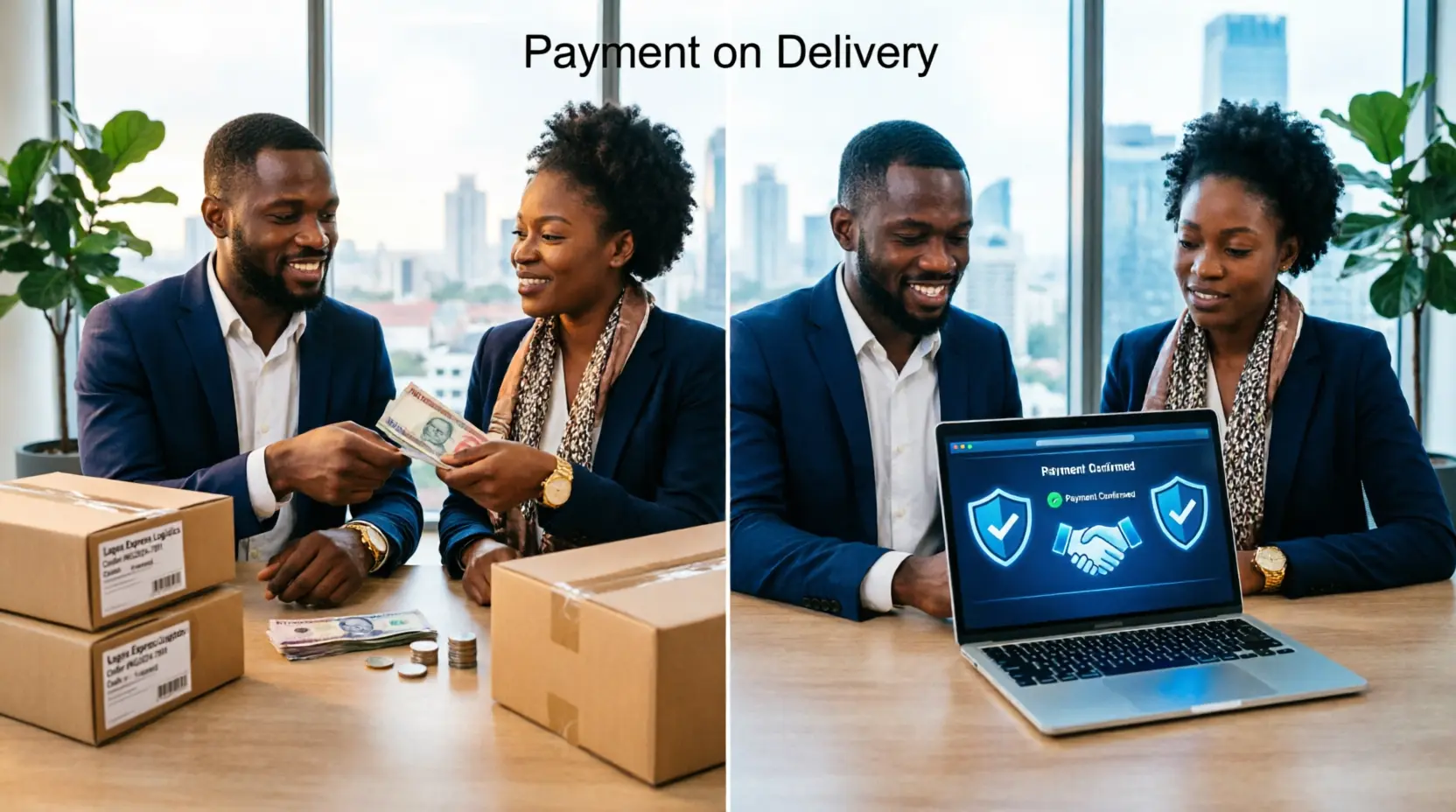
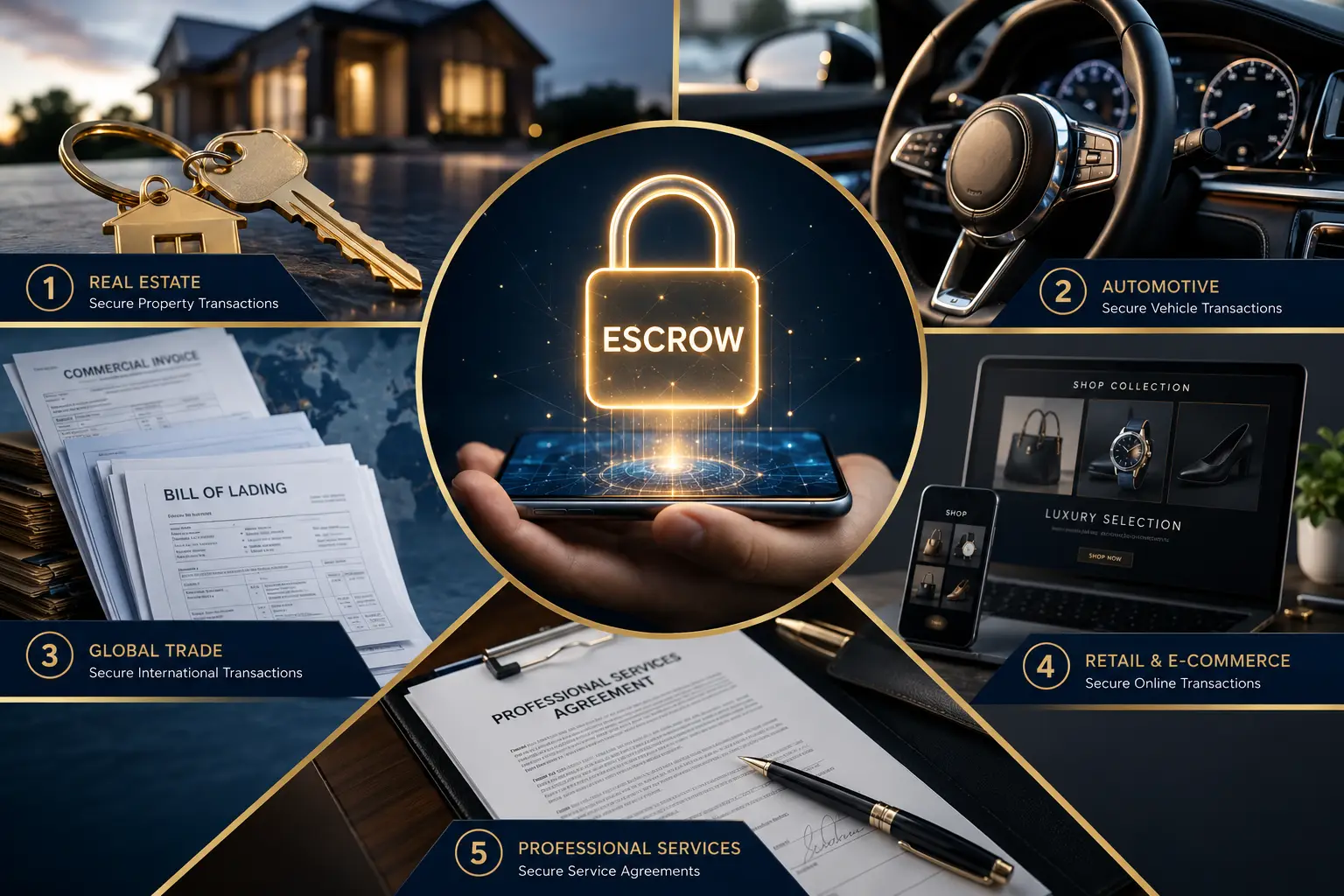
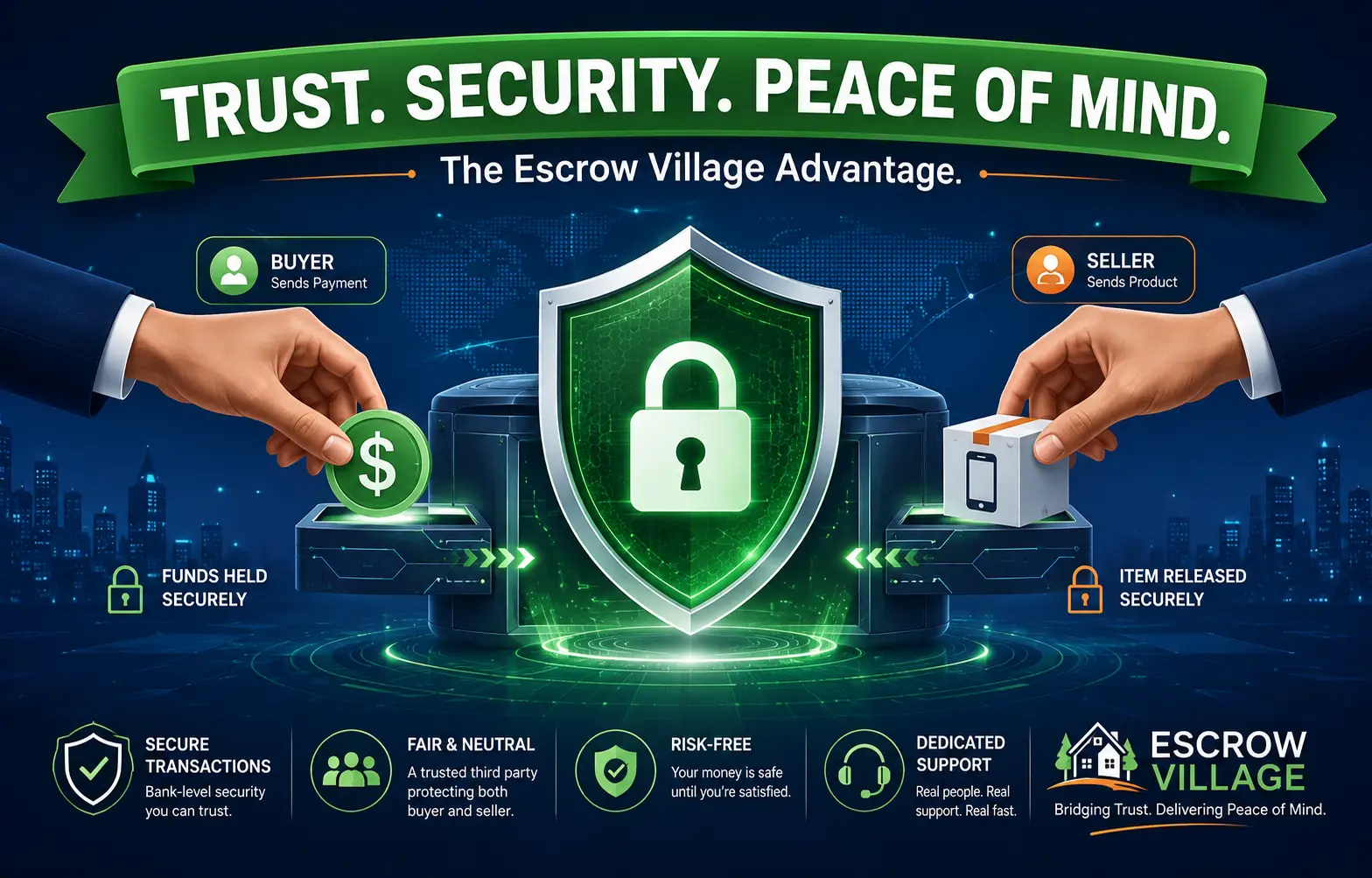
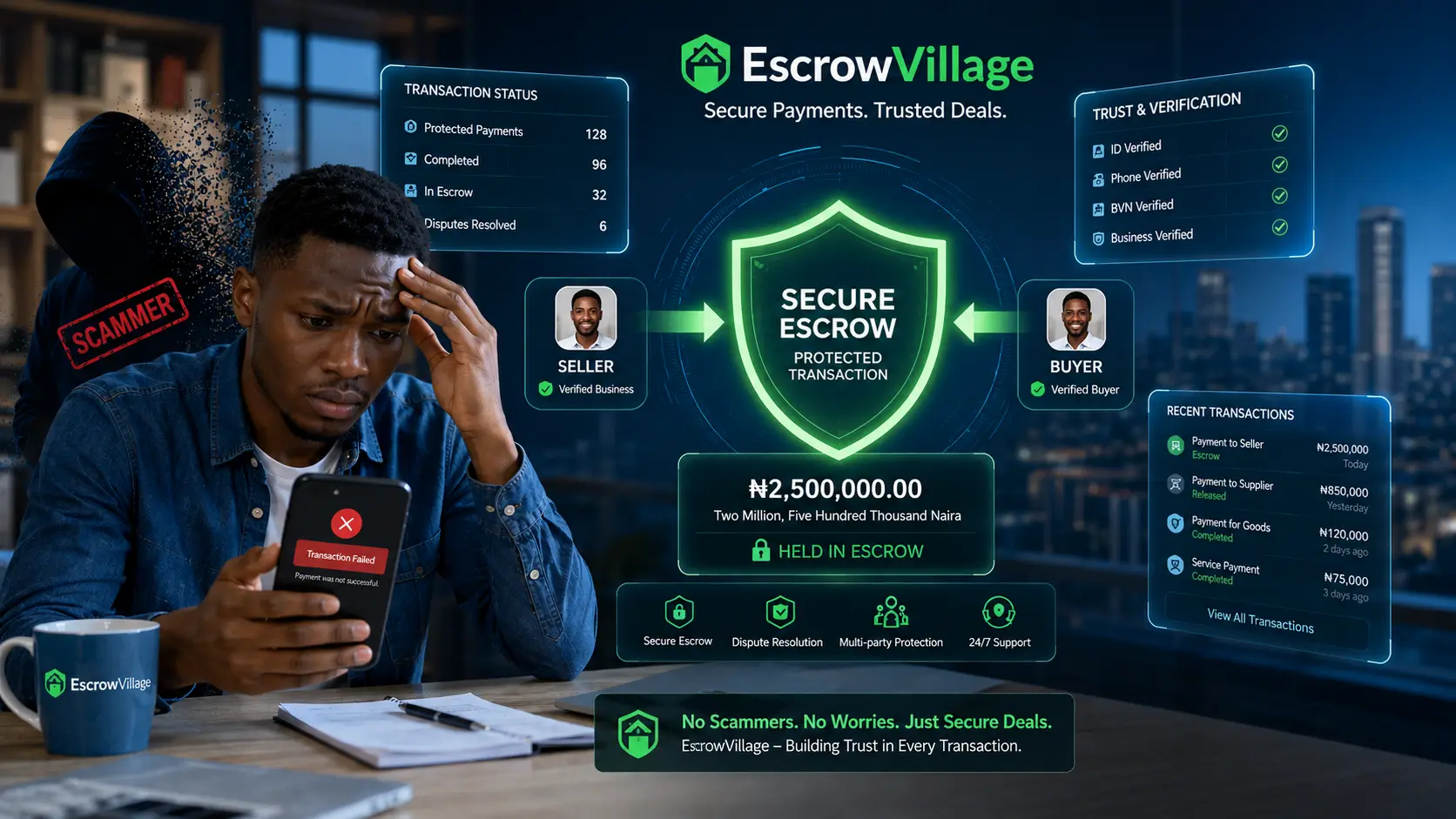
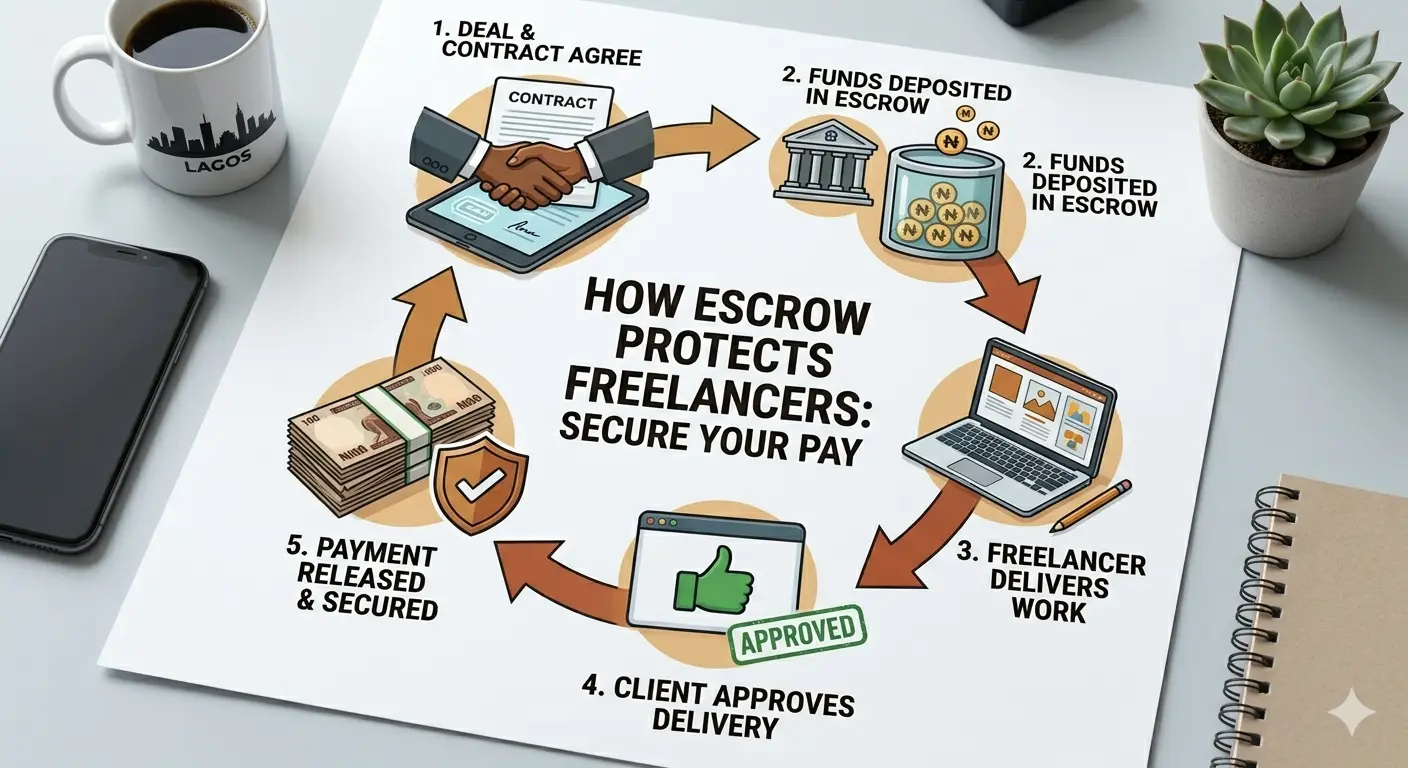
This is where escrow can be useful.With an escrow arrangement, the buyer's payment is held securely while the agreed transaction conditions are completed.
The seller can then fulfill the order according to the agreement before the funds are released.
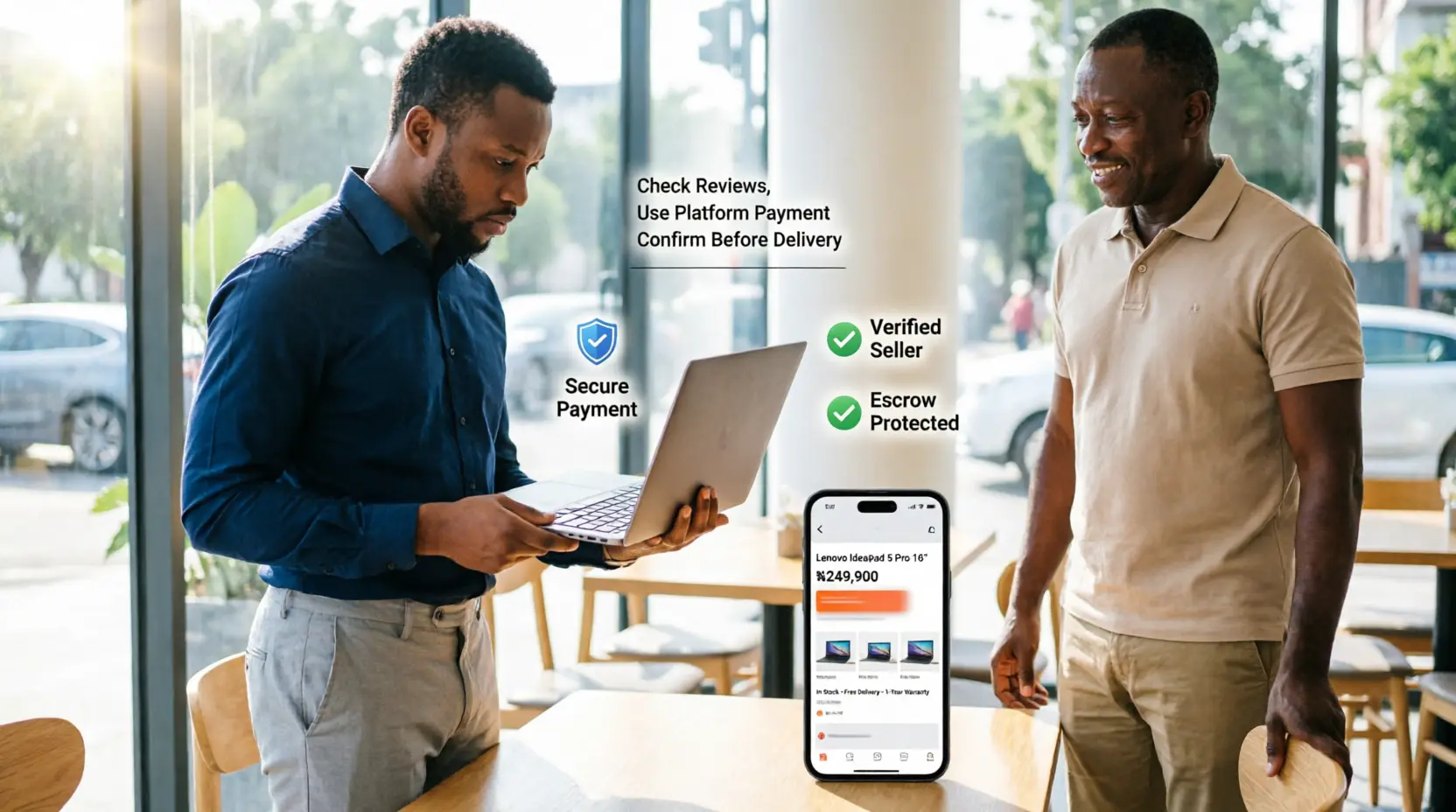
For example, suppose a Nigerian customer wants to buy an expensive laptop from an online seller in another state.
Instead of sending money directly to the seller and hoping everything goes smoothly, both parties can use Escrow Village to create a more structured transaction.
The buyer gets greater confidence that their money is being handled according to the agreed terms, while the seller gets a clearer payment process.
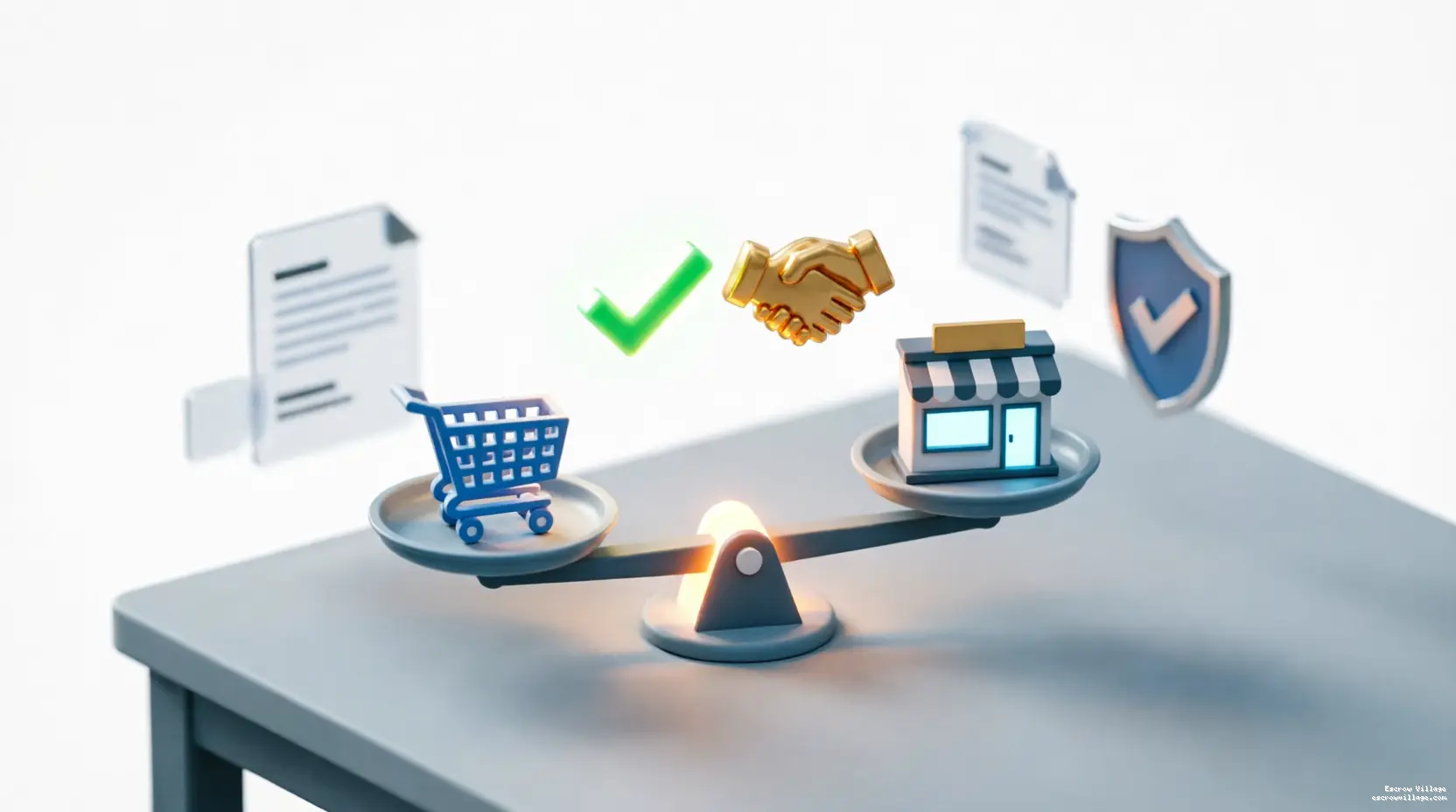
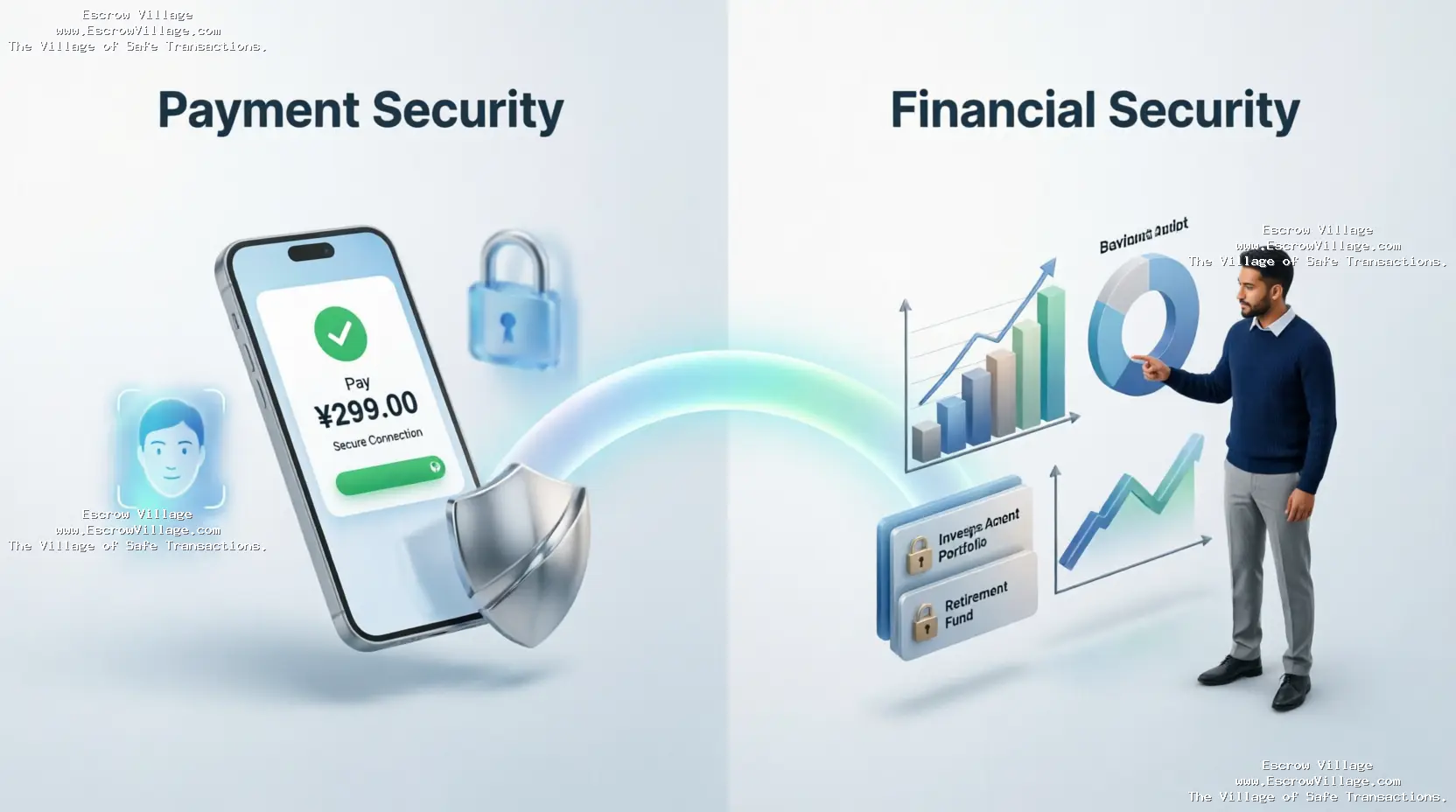
Cybersecurity protects accounts and information. Escrow helps reduce transaction risk and build trust between buyers and sellers.
Together, they can create a safer foundation for online commerce.
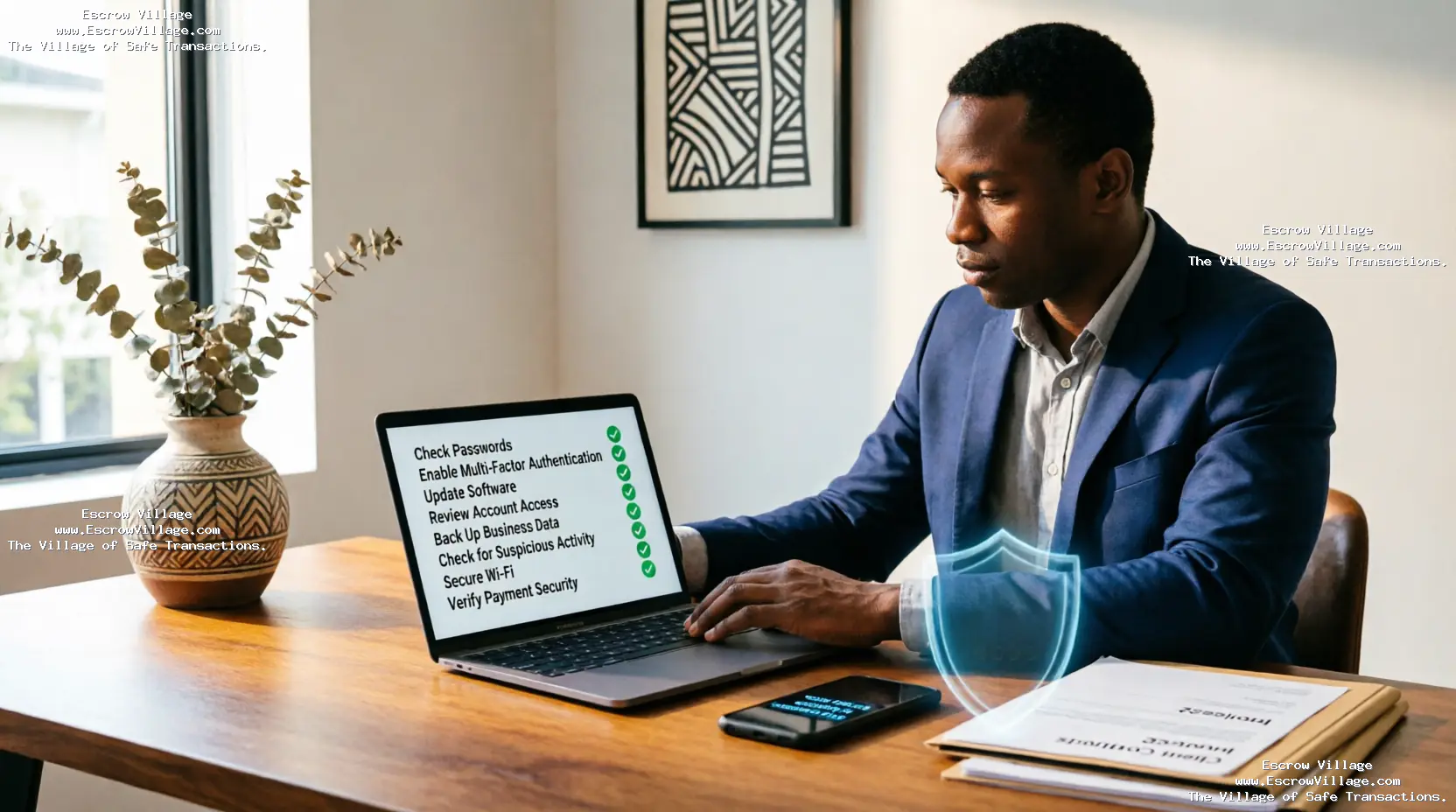
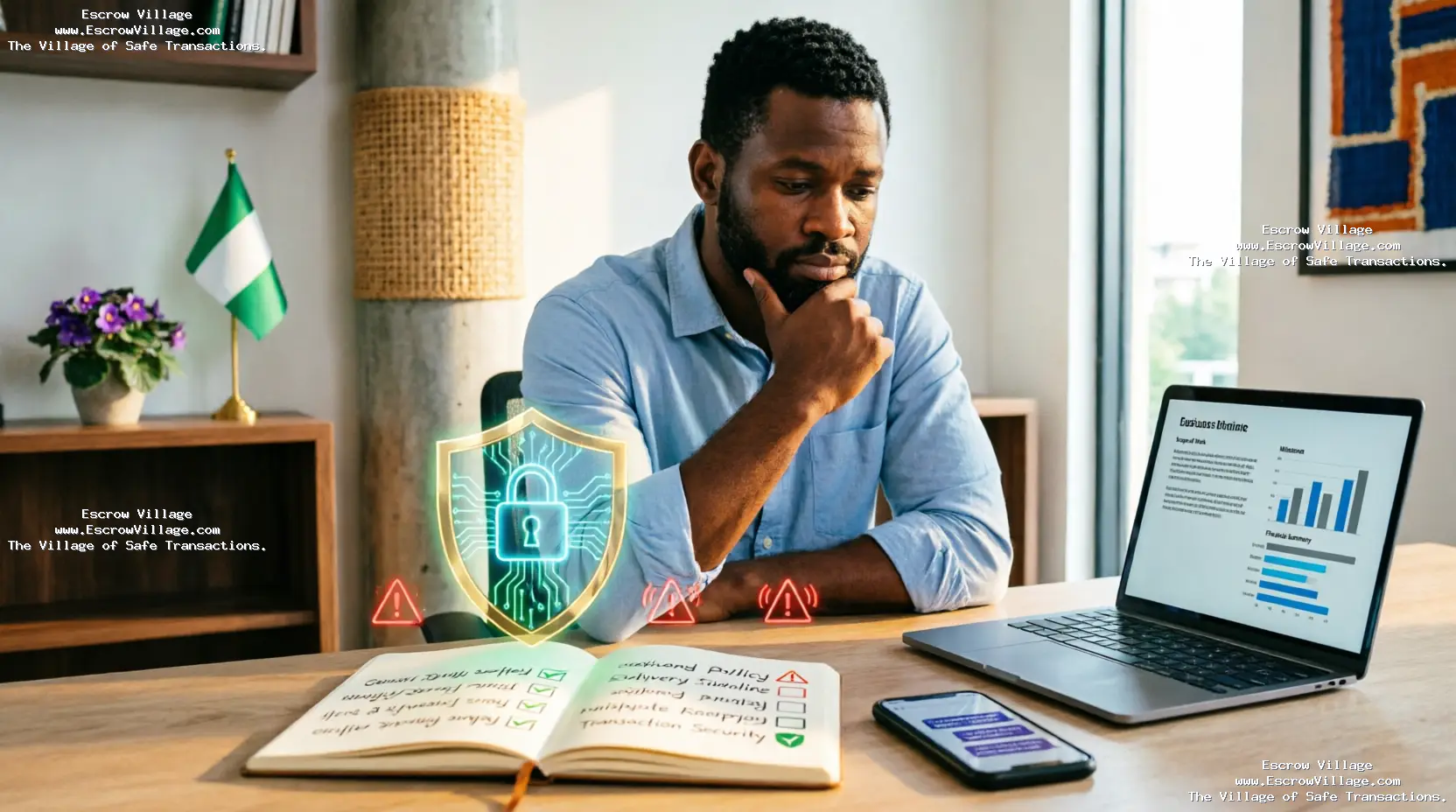
- A Simple Cybersecurity Checklist for Online Businesses
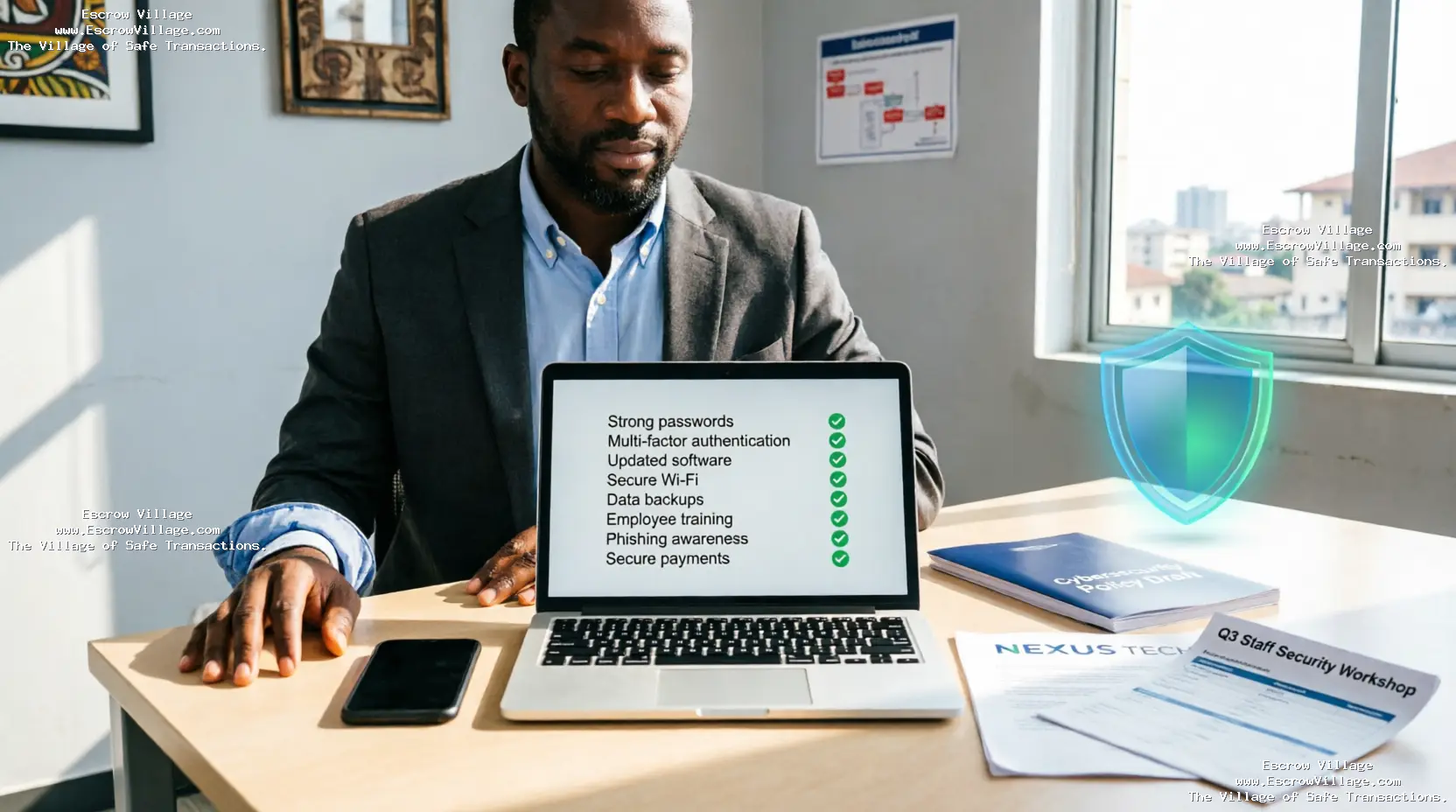
Before your next online transaction, ask yourself:
- 1. Is my business email protected with 2FA?
- 2. Are my important passwords unique?
- 3. Have I secured my social media and WhatsApp accounts?
- 4. Do I verify payments independently?
- 5. Do I avoid downloading unknown software?
- 6. Do I regularly update my devices and applications?
- 7. Do employees know how to identify phishing attempts?
- 8. Am I using a trusted process for high-value transactions?
- 9. Do my customers have a safe and clear way to complete payments?
These simple measures can significantly reduce avoidable security risks.
- Frequently Asked Questions About Cybersecurity
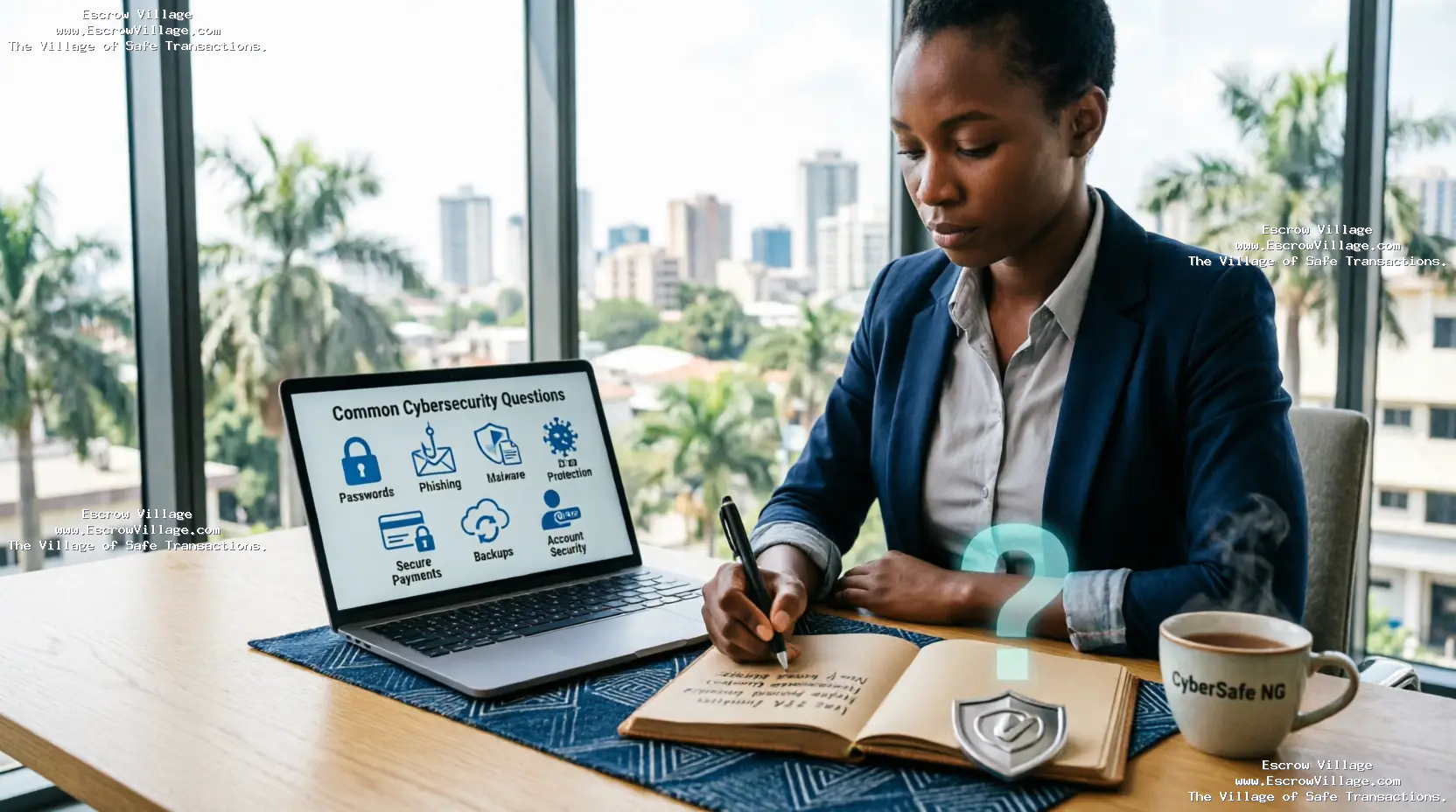
- ● What is cybersecurity in simple terms?
- Cybersecurity is the practice of protecting computers, accounts, networks, information, and digital transactions from unauthorized access, attacks, fraud, and theft.
- ● Why is cybersecurity important for small businesses?
- Cybersecurity helps small businesses protect customer information, prevent financial losses, secure business accounts, avoid disruptions, and maintain customer trust.
- ● What are the most common cybersecurity threats?
- Common threats include phishing, malware, password theft, account takeovers, fake payment scams, and other forms of online fraud.
- ● Can cybersecurity prevent online payment scams?
- Cybersecurity can reduce the risk of certain attacks, but it cannot eliminate every form of payment fraud. Businesses should combine account security with safe transaction practices, payment verification, and trusted payment or escrow solutions where appropriate.
- Make Security Part of Your Business Strategy
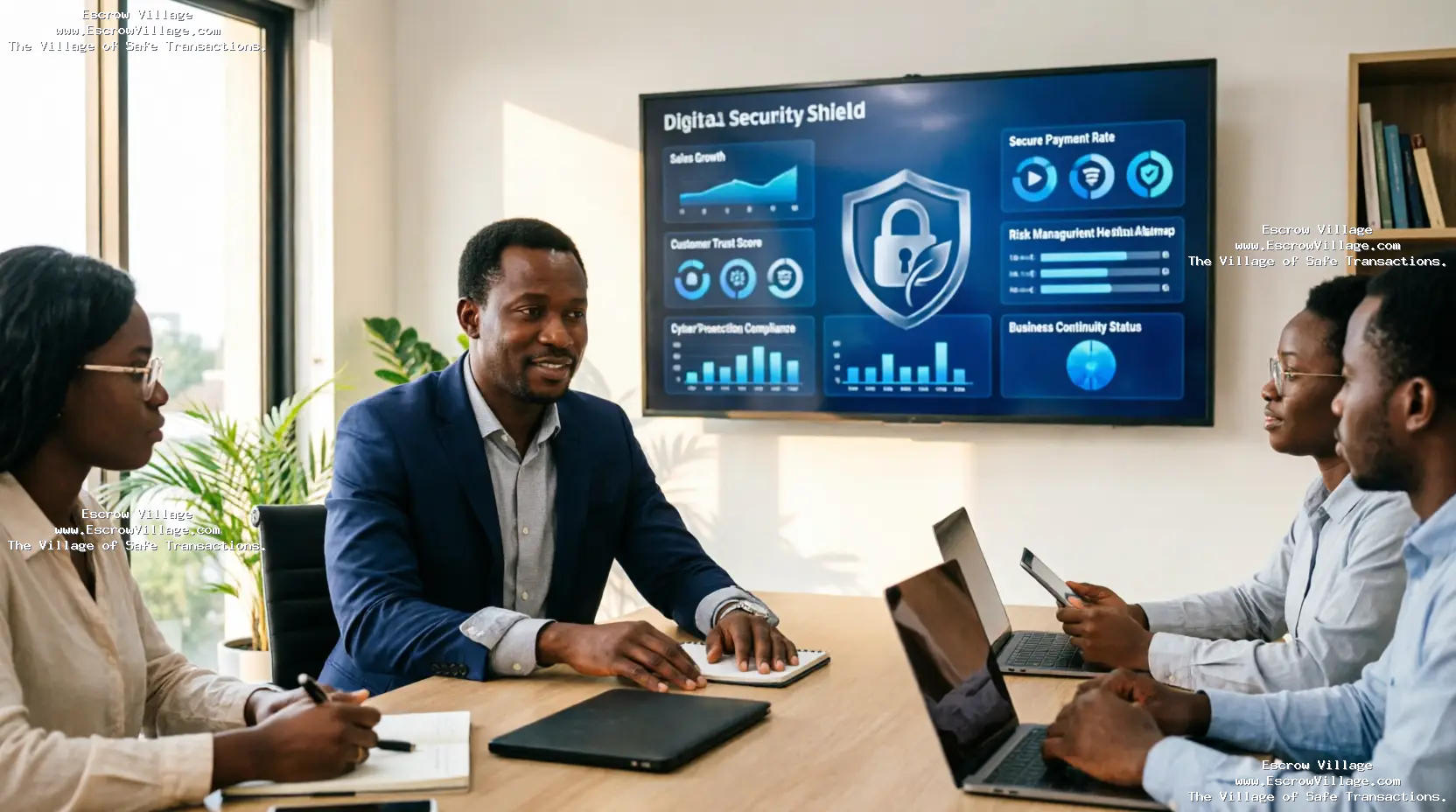
Understanding what is cybersecurity is only the first step.
The bigger question for an online business owner is whether your current processes actually protect your business and customers.
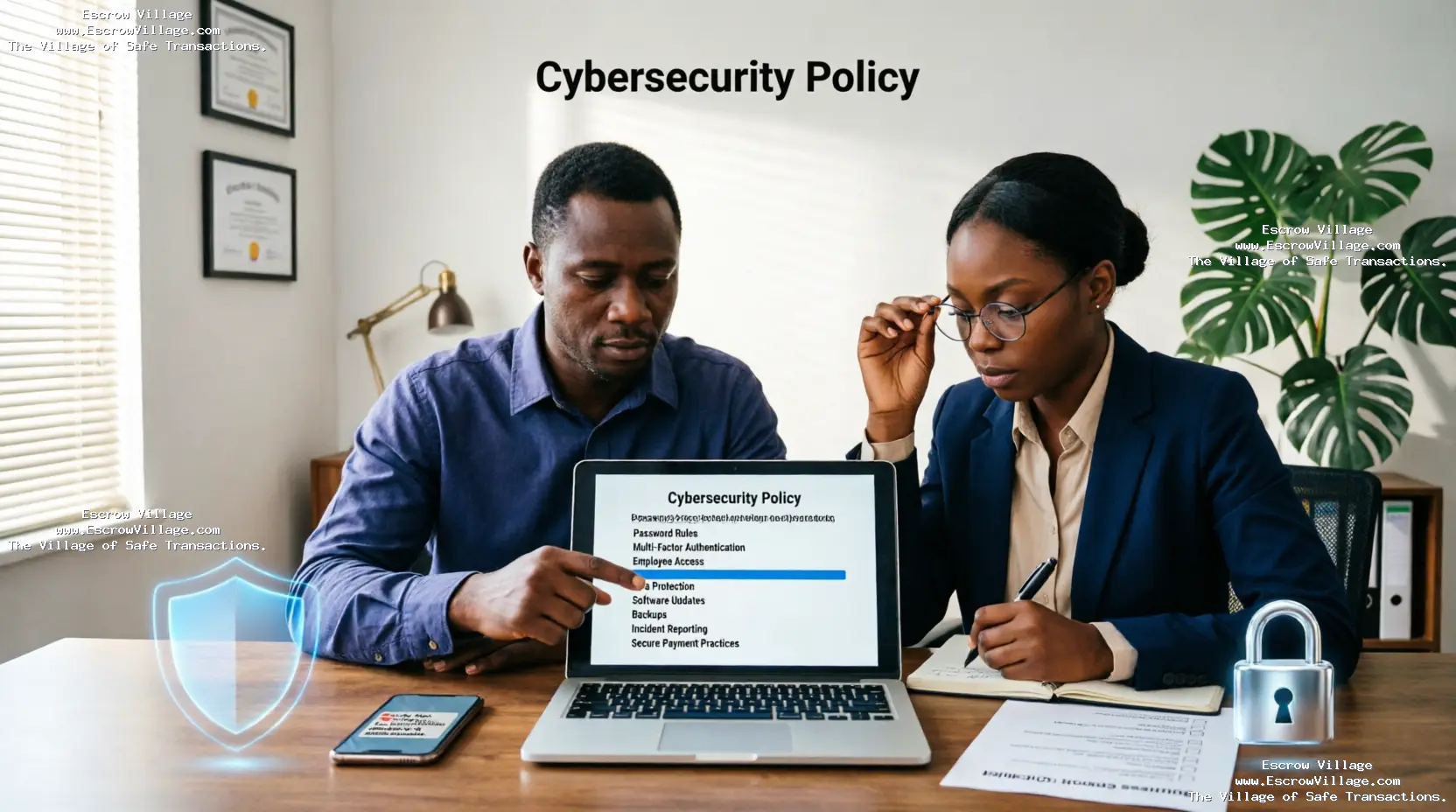
Strong passwords, two-factor authentication, secure devices, payment verification, employee awareness, and careful handling of customer information can significantly reduce your exposure to cyber threats.
But security should extend beyond protecting your accounts. The way you handle transactions matters too.
If you sell products or services online, especially high-value items or deals involving people you do not know personally, consider using a trusted escrow platform to reduce transaction risks and create greater confidence between buyers and sellers.
Escrow Village helps businesses and customers transact with greater confidence by providing a structured escrow process for online deals.
Protect your accounts. Protect your customers. Protect your transactions.Build a safer online business with Escrow Village.