The Pros and Cons of Paying a Real Estate Agent Directly
Written by BLESSING ABADI IFEOMA133 views
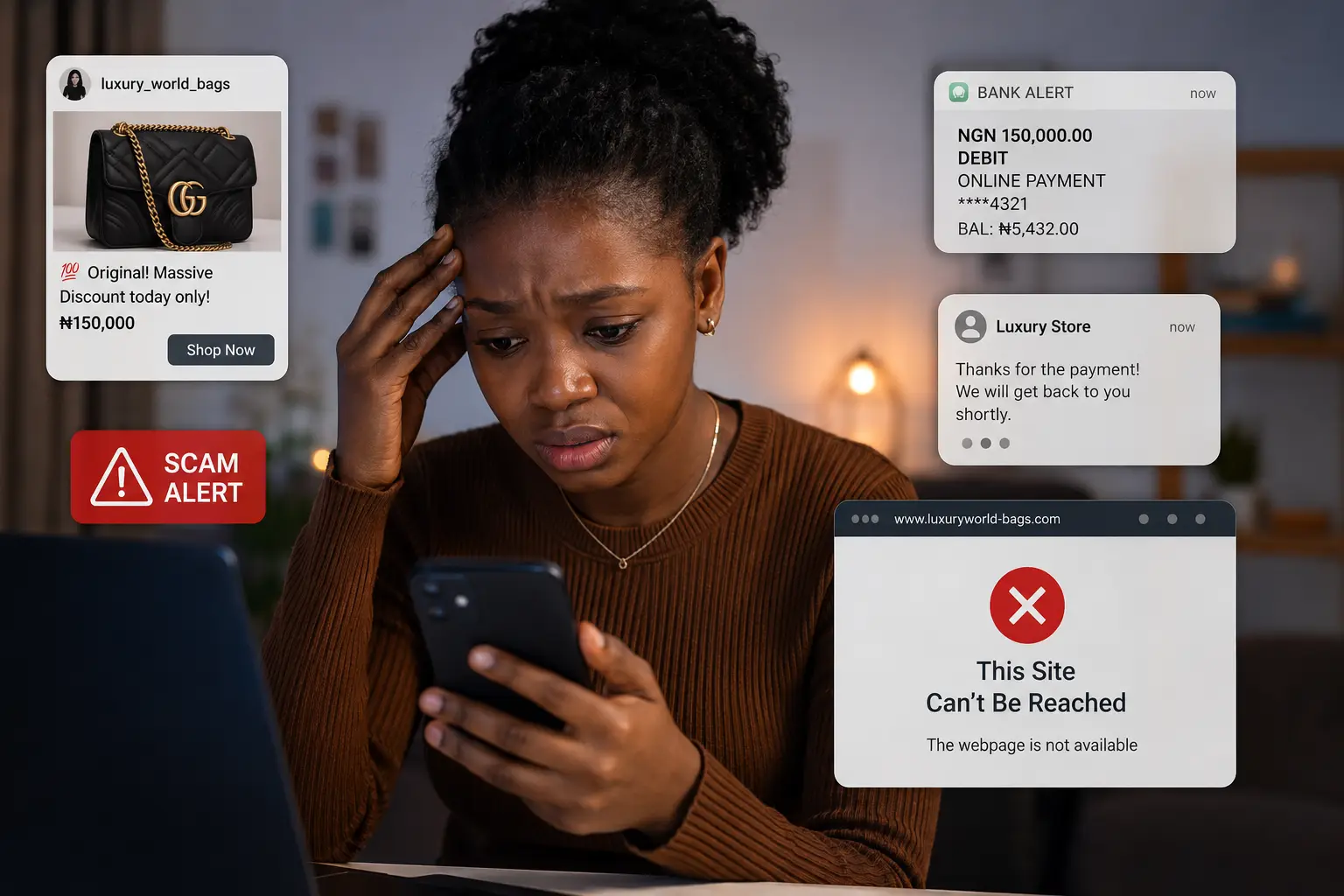
One bank transfer can move you closer to your dream home, or it can leave you chasing someone who suddenly stops answering your calls, or worse, send you back to your village.
That is why the question "should you pay a real estate agent directly" deserves more attention than it usually gets.
Paying an agent directly is not automatically a bad idea. In many legitimate property transactions, buyers make payments to agents or agencies for agreed fees, deposits or other charges.
The problem begins when you don't know exactly who you're paying, what the payment is for, who authorised it, and what happens after the money leaves your account.
Before you transfer money for a property, let's look at both sides of paying a real estate agent directly and what you can do to protect yourself.
What Does Paying a Real Estate Agent Directly Mean?
Simply put, paying a real estate agent directly means transferring money to the agent or their agency instead of using an independent payment arrangement such as escrow.
The payment could be for an agency fee, inspection fee, rent, deposit, reservation fee or another agreed property-related expense.
The important thing is that the payment should have a clear purpose and be supported by proper documentation.
Nigeria's SCUML framework recognises real estate agents, developers and brokers as designated non-financial businesses and professions, and it provides guidance relevant to the sector.
But regulation does not mean every person who introduces themselves as an agent is automatically trustworthy. You still have to verify the individual and the transaction.
The Pros of Paying a Real Estate Agent Directly
1. It Can Be Simple and Convenient
Direct payment can make a legitimate transaction straightforward. You agree on the amount, the agent provides the appropriate payment details, and you make the transfer.
There may be no need to introduce another party into a simple transaction. For an established agent or agency that you have properly verified, this can be convenient.
2. You Can Deal Directly With the Person Handling the Transaction
When you pay the agent directly, communication can be simple. You know who received the money and can discuss the next step with them.
For example, if you're paying an agreed agency fee after successfully securing a property, a direct payment may be perfectly reasonable.
3. It May Work Well for Smaller, Clearly Defined Fees
Not every property-related payment requires an elaborate payment structure.
If you've properly verified the agent and you're paying a clearly documented professional fee, direct payment may be practical.
The problem isn't necessarily the payment method.
The problem is paying without knowing exactly what you're paying for.
The Cons of Paying a Real Estate Agent Directly
1. Your Money May Be Difficult to Recover
This is one of the biggest risks. Once you transfer money directly to someone, you may have limited practical options if they disappear, refuse to refund you or fail to deliver what was promised.
That doesn't mean a bank transfer is inherently unsafe. It means you should be extremely careful before making a significant payment to someone you don't know well.
The EFCC has repeatedly handled cases involving alleged fraud and false pretences involving substantial sums, showing why financial transactions require proper verification.
2. The Person May Not Actually Be Authorised to Represent the Property
This is where things can become complicated. Someone can introduce themselves as a real estate agent without having the authority to represent a particular property.
You might inspect the property, communicate with the person and even receive convincing documents, yet still not know whether they are authorised to collect money for that transaction.
Before paying, establish who owns the property and what authority the agent has to act on the owner's behalf.
3. You Could Be Paying for a Property That Has a Problem
A property can exist and still have problems. There could be disputes over ownership, documentation issues or other legal complications.
This is why paying an agent is only one part of a property transaction.
For significant purchases, independent legal and property due diligence is important.
In other words, don't treat the agent as the only person who needs to be involved when you're making a major property purchase.
4. Pressure Can Cause You to Skip Important Checks
This is a common problem.
You find a property you love, and the agent tells you: “Someone else is coming to pay.” “You need to transfer today.” “If you don't pay now, you'll lose it.” Maybe the property really does have other interested buyers.
But pressure shouldn't replace verification. If someone wants your money before you're allowed to ask reasonable questions, review documents or understand the agreement, slow down.
So, Is Paying a Real Estate Agent Directly Safe? There isn't a simple yes or no answer. It depends on the person, the property, the transaction and the safeguards around the payment.
Before paying directly, ask yourself:
- Have I verified the agent?
- Have I confirmed the property exists?
- Does the agent have authority to represent the property?
- Do I know exactly what this payment is for?
- Do I have the agreement in writing?
- Have I verified the payment account?
- Have I reviewed the relevant property documents?
- What happens if the transaction falls through?
- Do I have evidence of the payment?
If you cannot confidently answer these questions, don't rush to transfer the money.
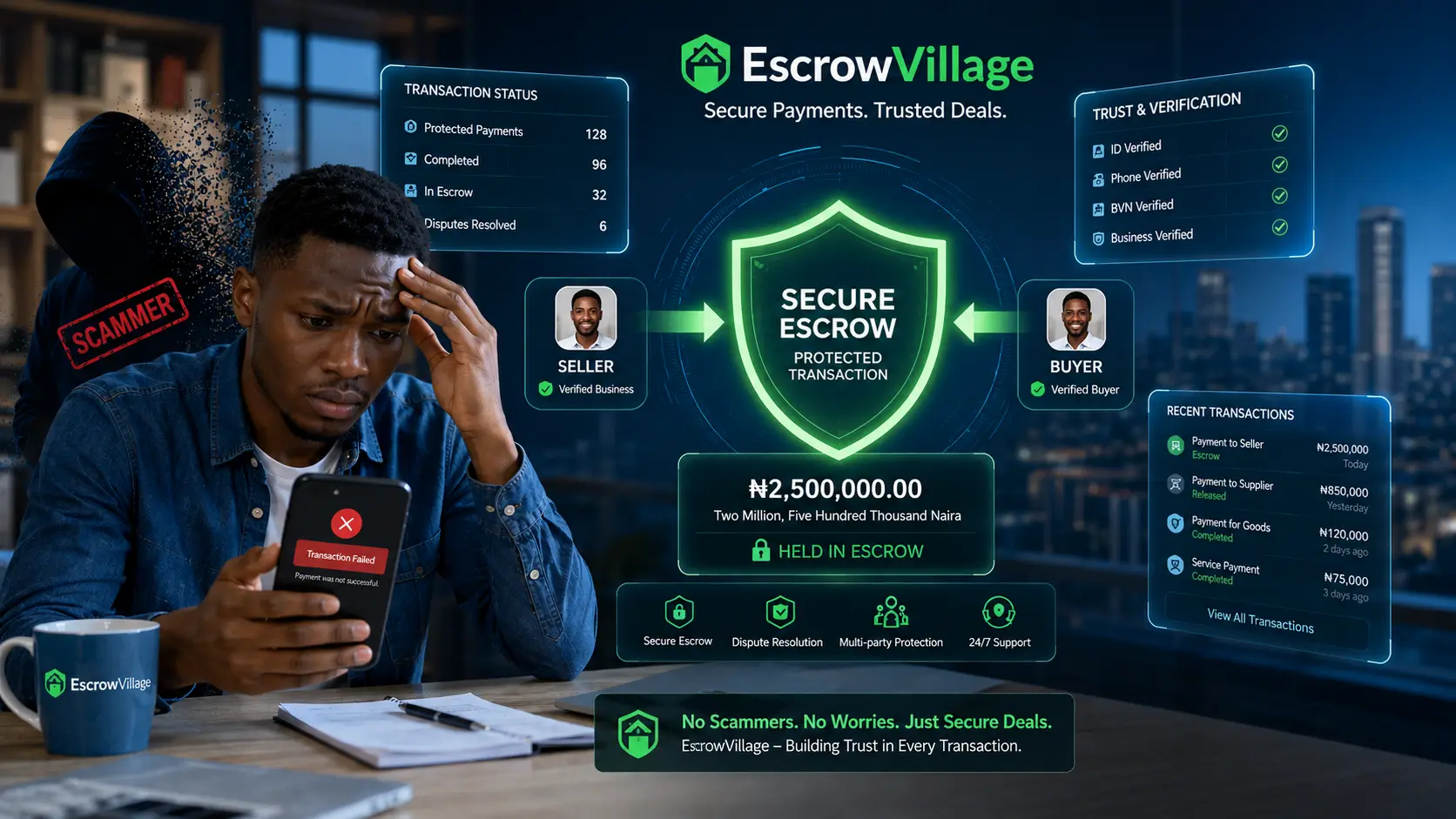
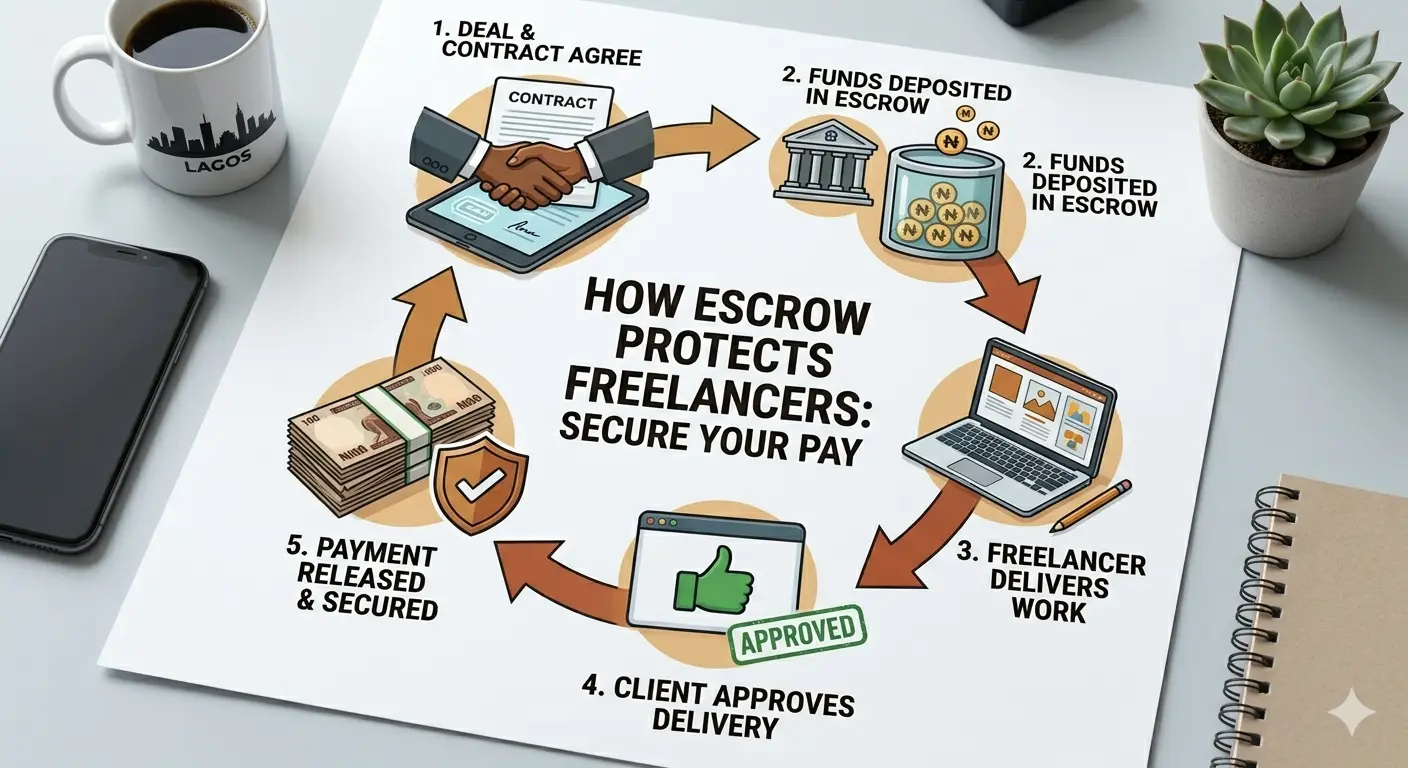
Instead of relying entirely on trust when transferring money directly to another party, an escrow arrangement can provide a structured way to handle funds.
The basic idea is simple: the money is held according to agreed transaction conditions and released when those conditions are satisfied.
That can be particularly useful when you're dealing with someone you don't know well or when a transaction involves a significant amount of money.
For example, instead of simply paying someone and hoping they fulfil their side of the agreement, the parties can agree beforehand on what needs to happen before the funds are released.
Escrow doesn't replace property verification, legal checks or proper documentation. Think of it as another layer of protection around the payment itself.
What If You Have Already Paid the Agent and Something Goes Wrong?
Don't wait for weeks hoping the situation will resolve itself.
Start by gathering everything connected to the transaction:
- Payment receipts
- Bank transfer details
- WhatsApp or email conversations
- The property listing
- Agreements or receipts
- The agent's phone numbers
- Account details
- Property documents provided to you
Then contact your bank or payment provider as soon as possible and explain what happened.
If you suspect fraud, consider reporting the matter to the appropriate authorities. The EFCC provides channels for submitting petitions and reporting financial crimes.
If the issue concerns the ownership, documentation or legal status of the property, speak with a qualified property lawyer.
Most importantly, don't send additional money simply because the person promises that another payment will unlock your refund or complete the transaction.
Before You Pay, Protect the Transaction
Paying a real estate agent directly can be convenient, and it can be perfectly legitimate when you're dealing with a properly verified agent and a clearly documented transaction.
But convenience shouldn't come at the expense of protection.
Before transferring money, verify the agent, verify the property, understand the agreement and keep records of everything.
And for transactions where you want an additional layer of payment protection, consider using Escrow Village instead of relying entirely on direct payment.
Because buying property is already a major financial decision. Your payment shouldn't be the part you leave to chance.