What Personal Information Should Business Owners Avoid Sharing Online?
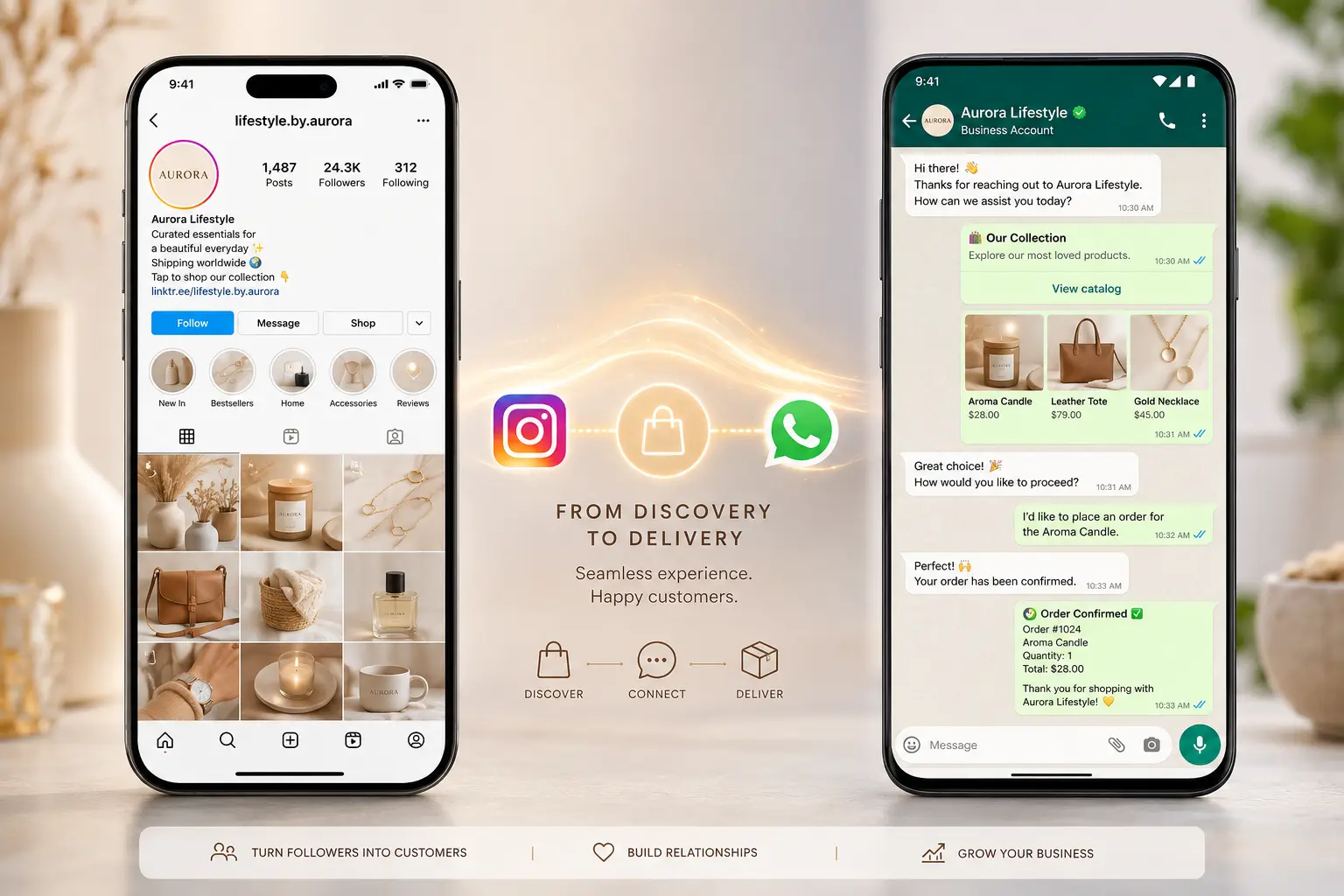
Running a business online means putting yourself out there. You share your products, talk to customers, post updates, and sometimes even share a little about your personal life.
But there’s a line between being visible and giving strangers information they can use against you.
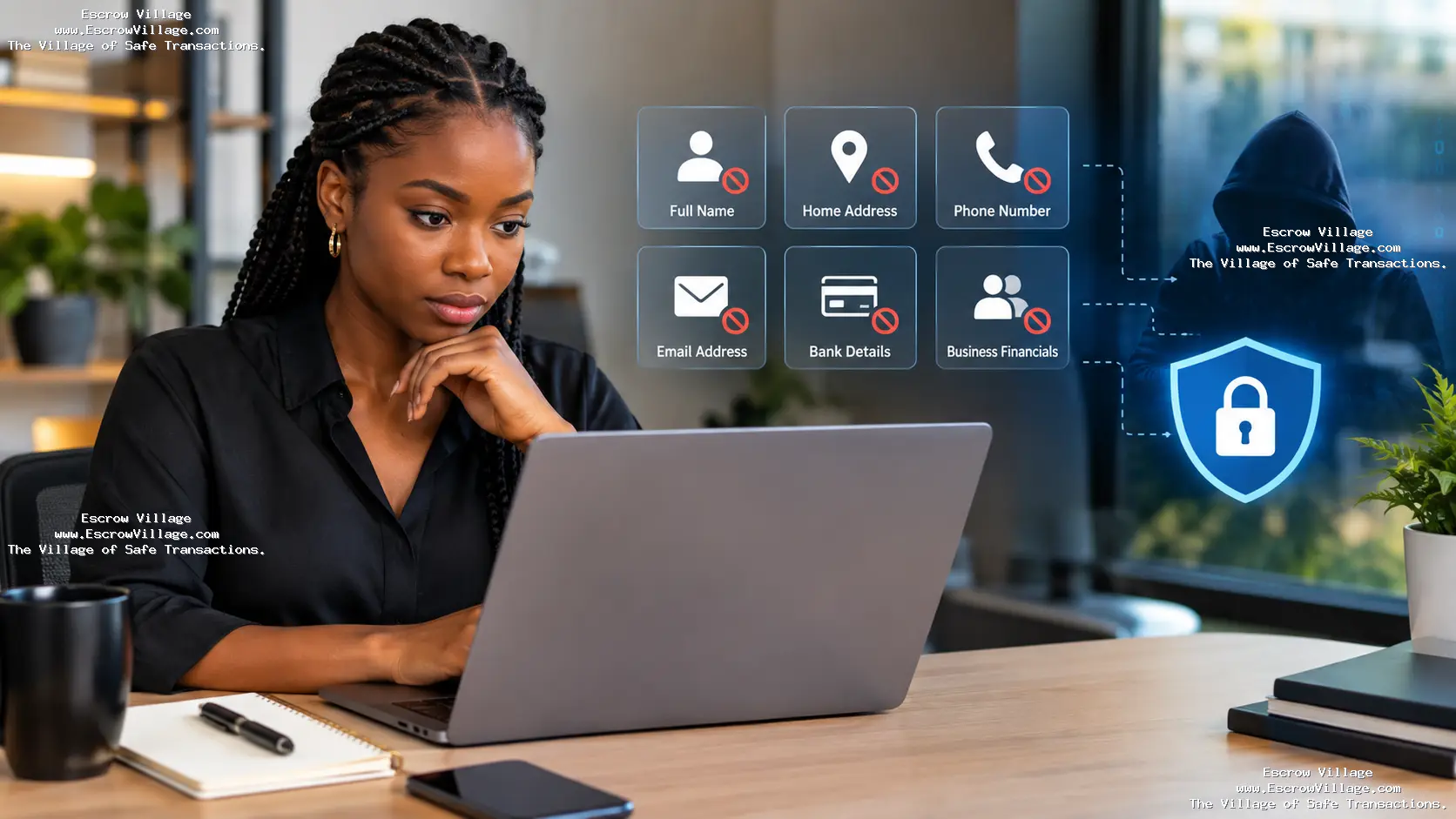
For example, you probably don’t need to share your home address publicly, especially if customers don’t need it to do business with you.
The same goes for your personal phone number if you can use a separate business line instead.
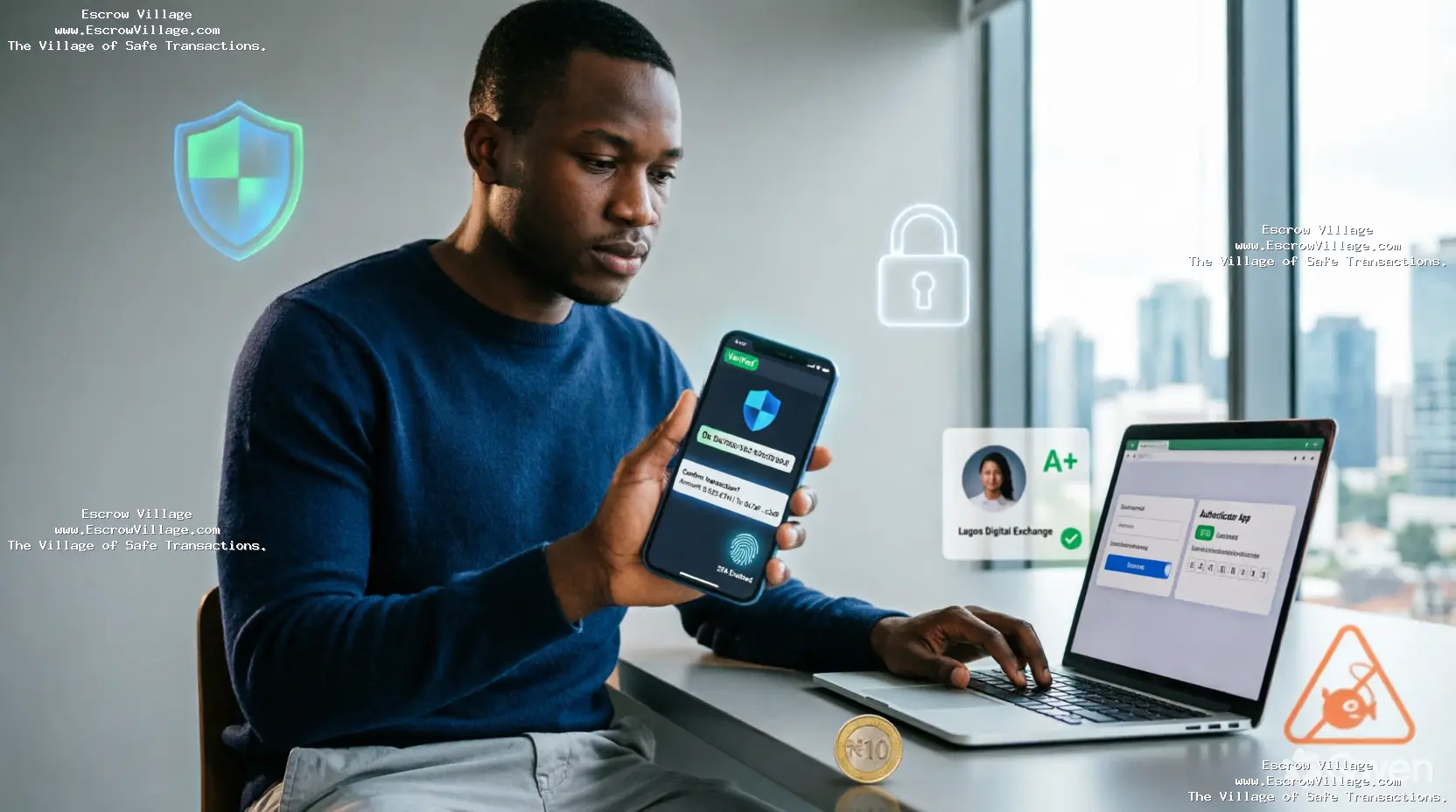
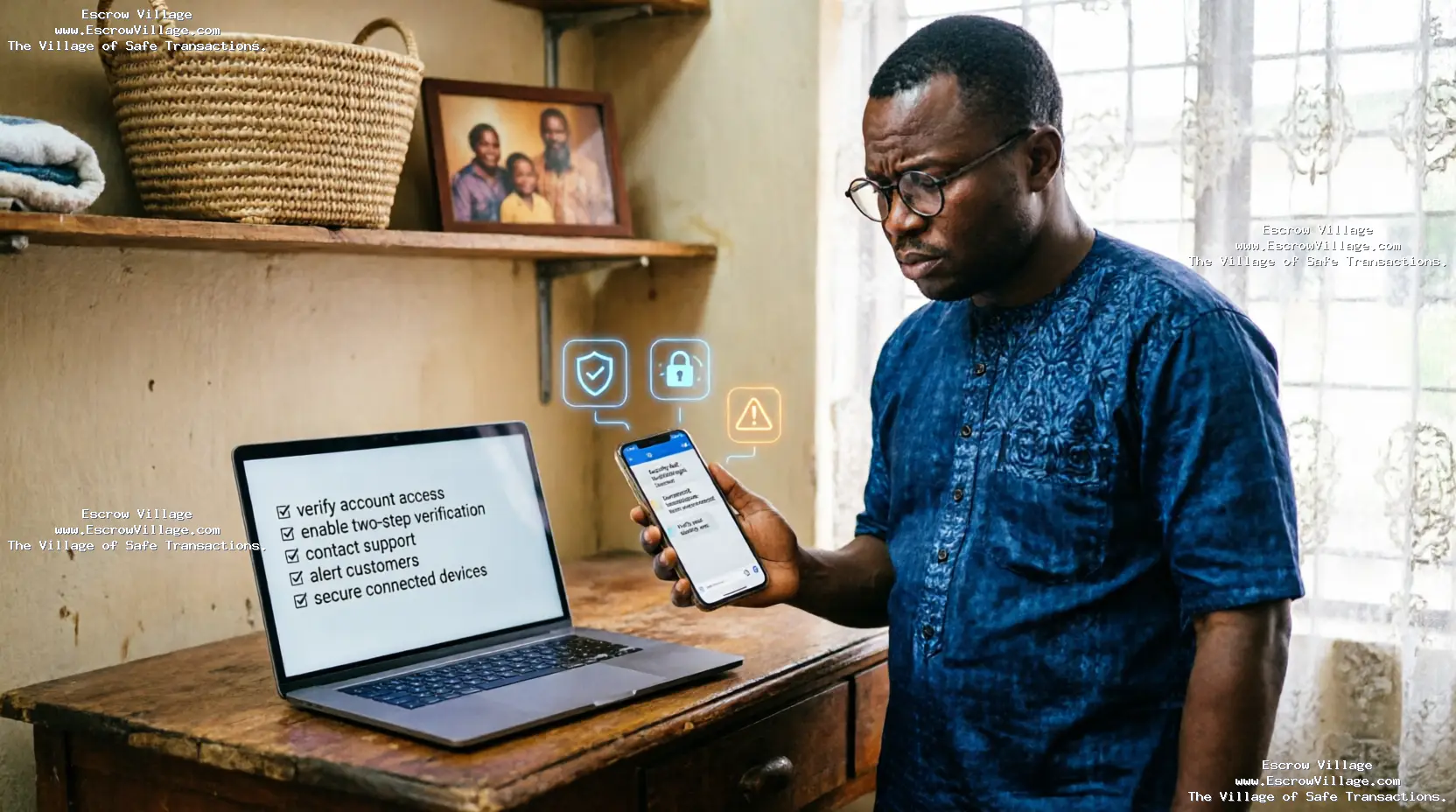
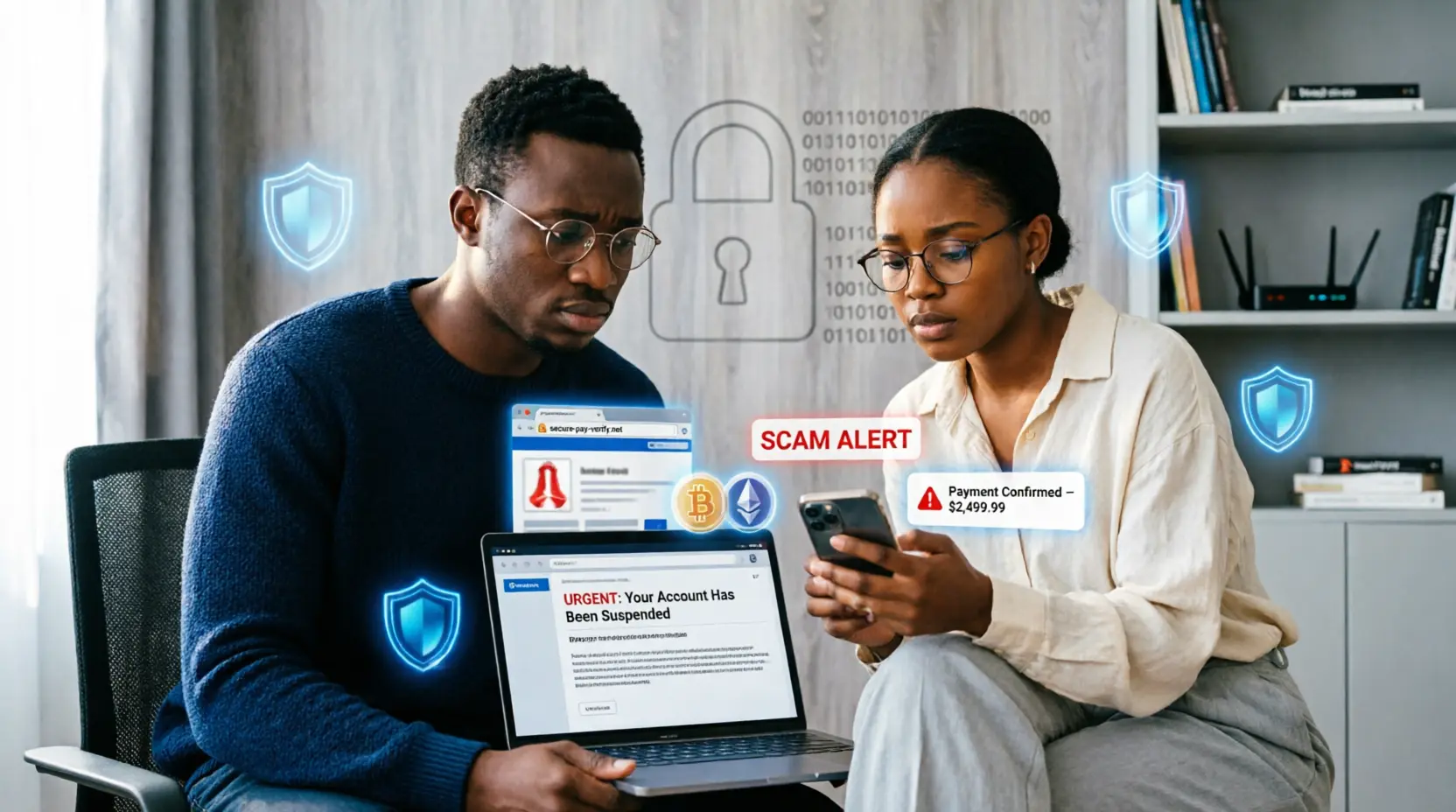
You should also keep sensitive information such as your bank account details, passwords, PINs, BVN, NIN, OTPs, and card information private. Your customers may need your business payment details, but they should never need your passwords or OTPs.
And be careful with what you post casually. A picture showing your boarding pass, ID card, business documents, invoices, or even your exact location can reveal more information than you realise.
Here’s the simple rule: if someone doesn’t need the information to do business with you, think twice before putting it online.
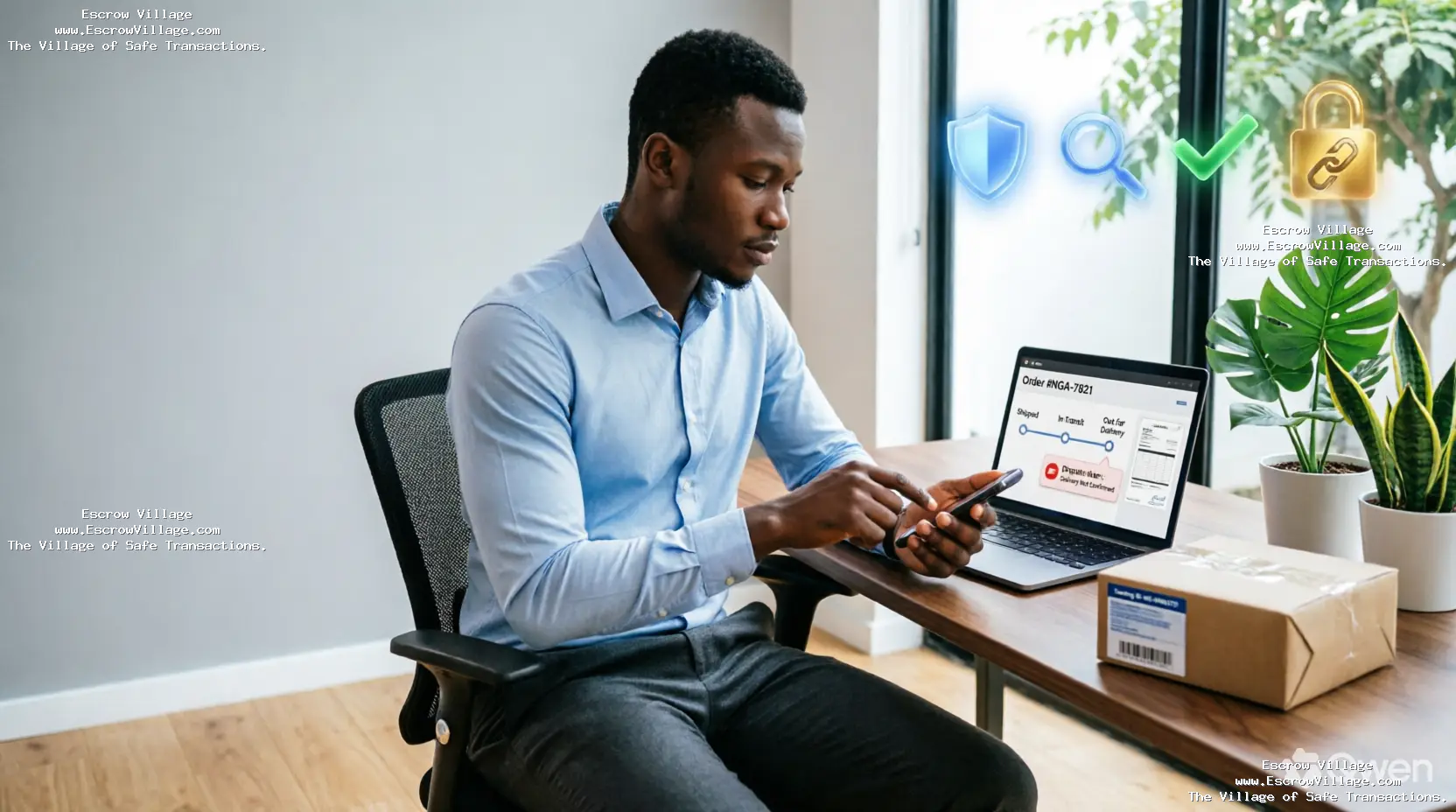
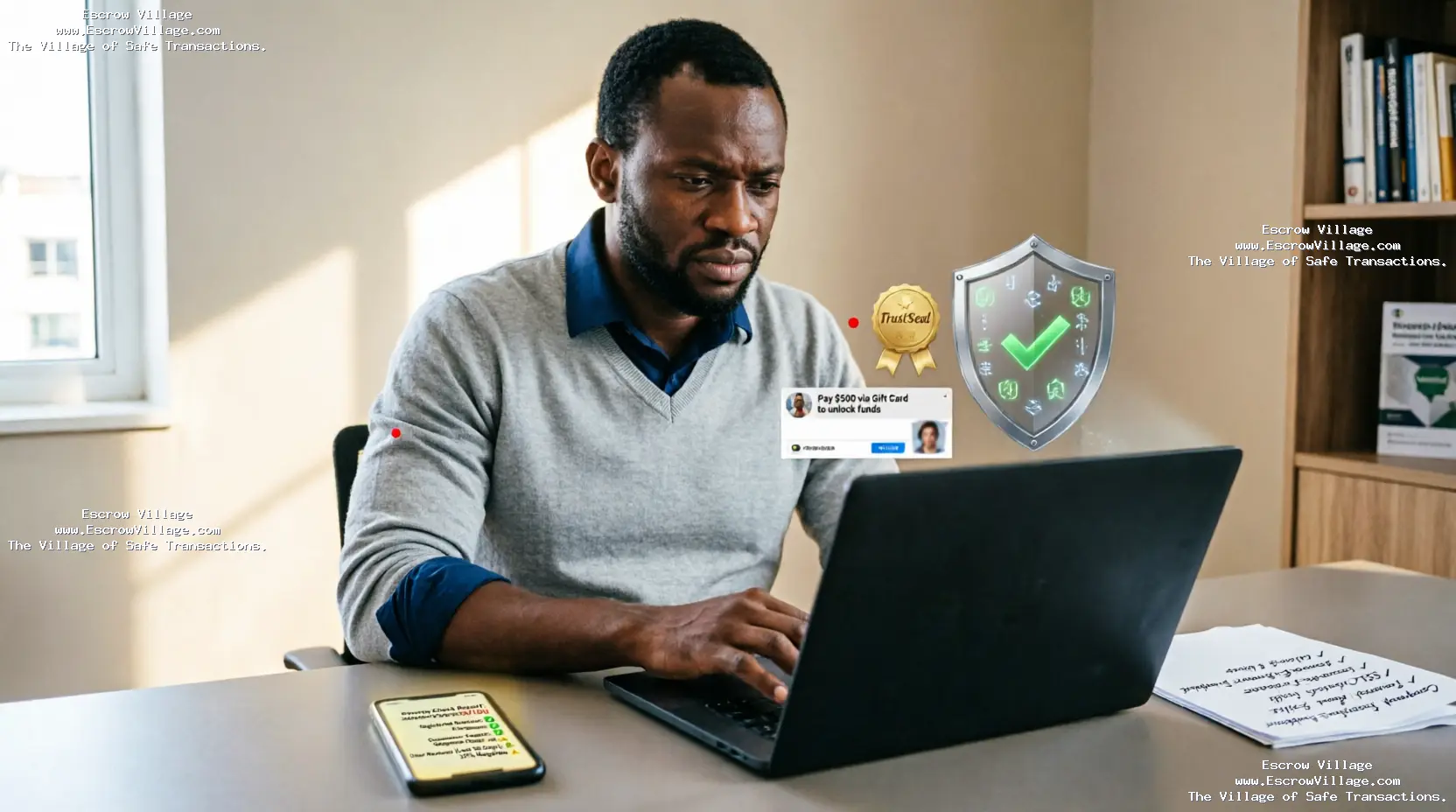
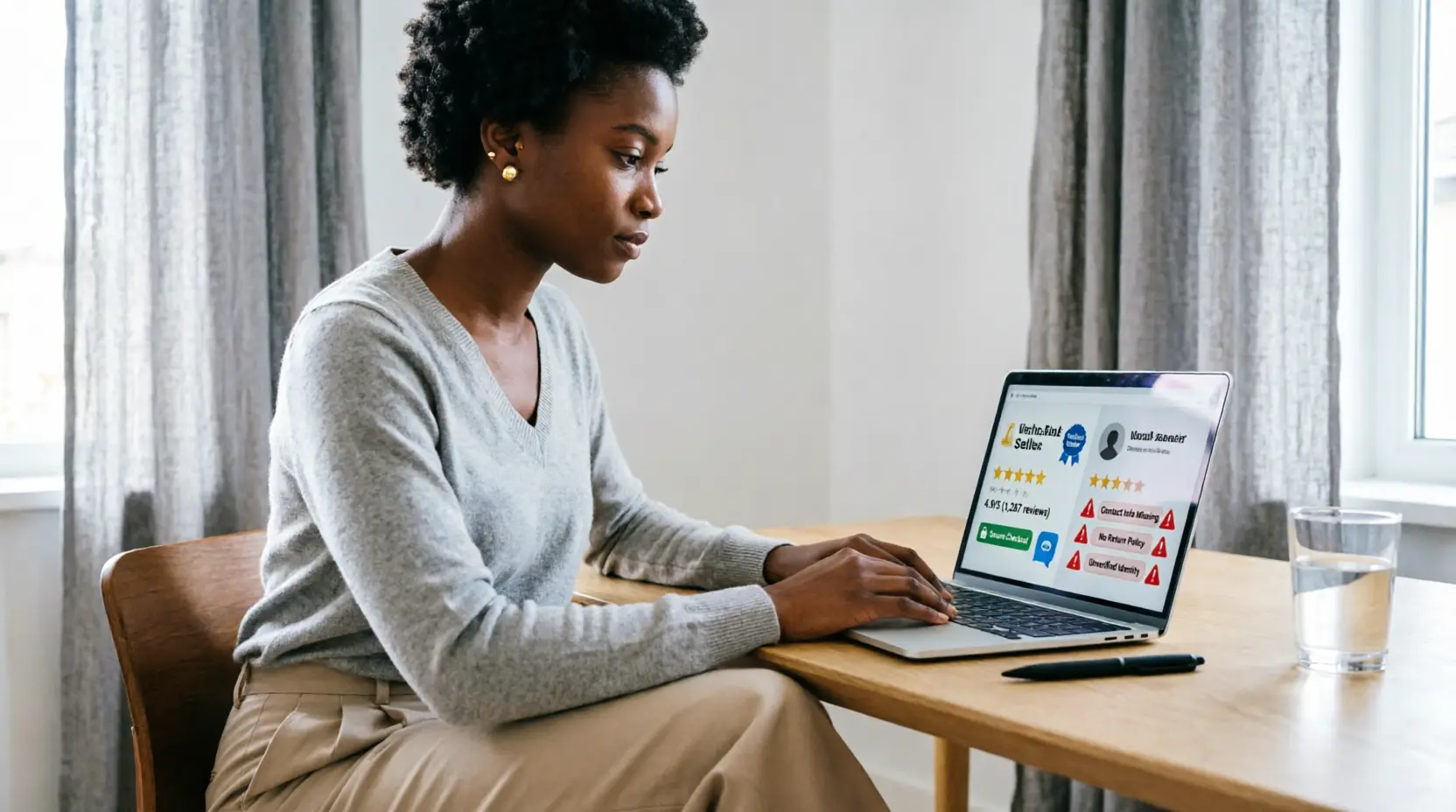
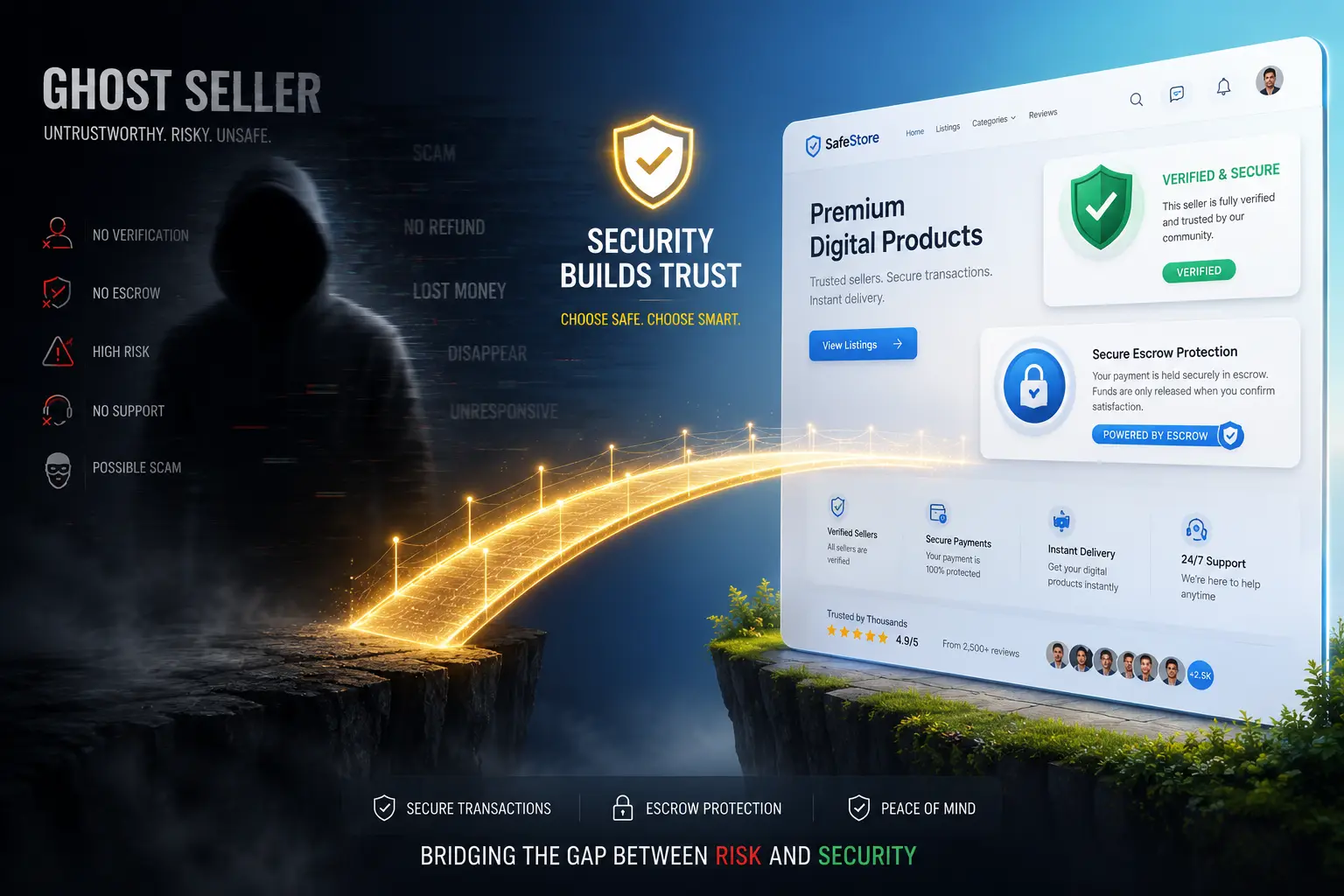
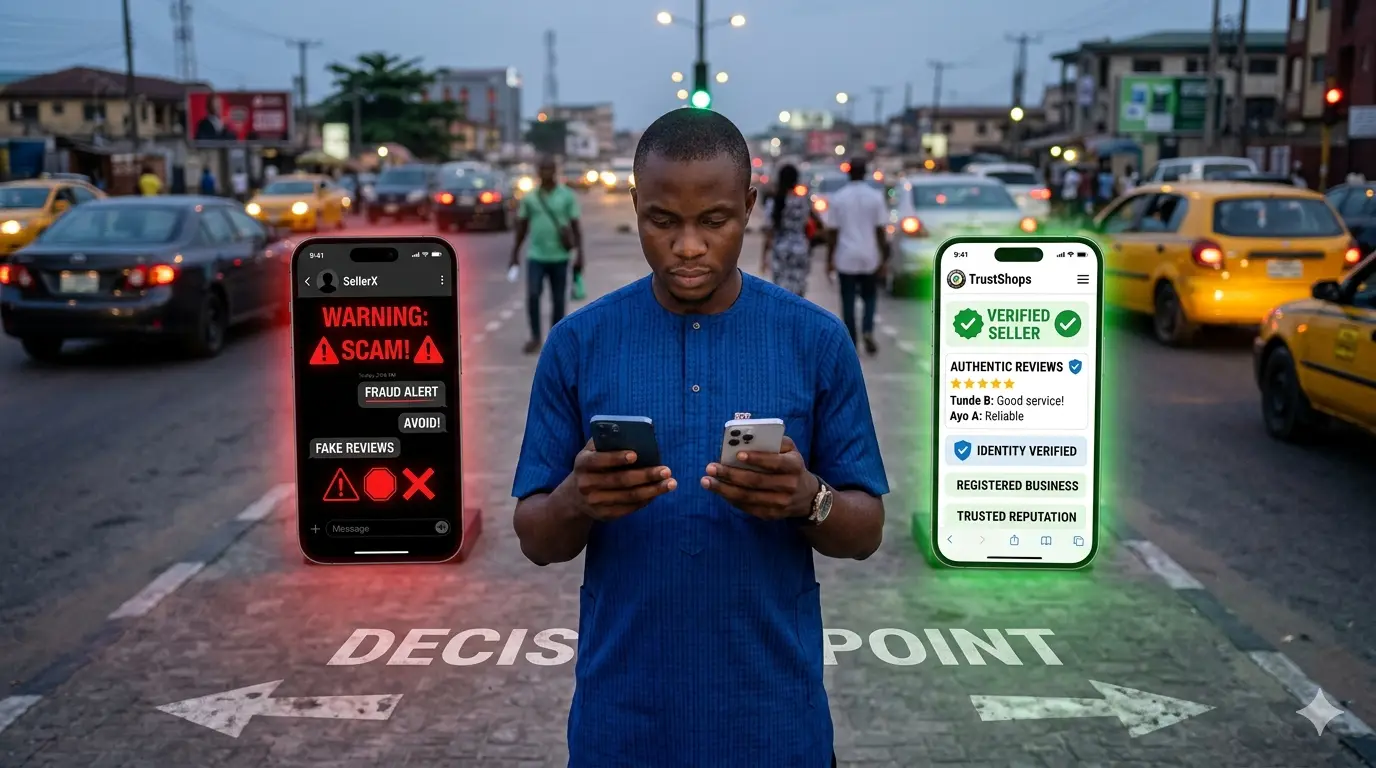
But protecting your personal information is only one part of staying safe when doing business online. You also need to think about how you receive payments and protect yourself from dishonest buyers or sellers.
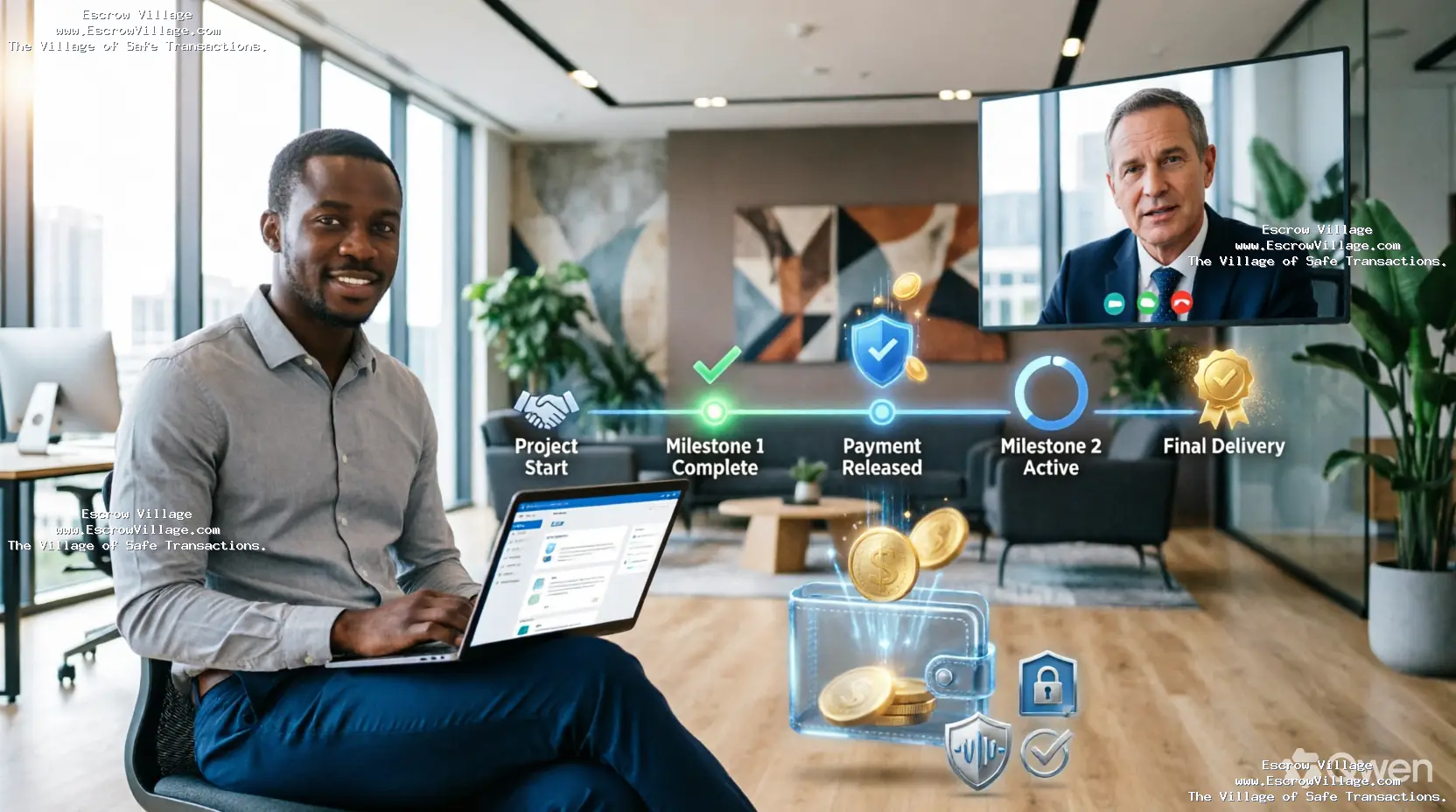
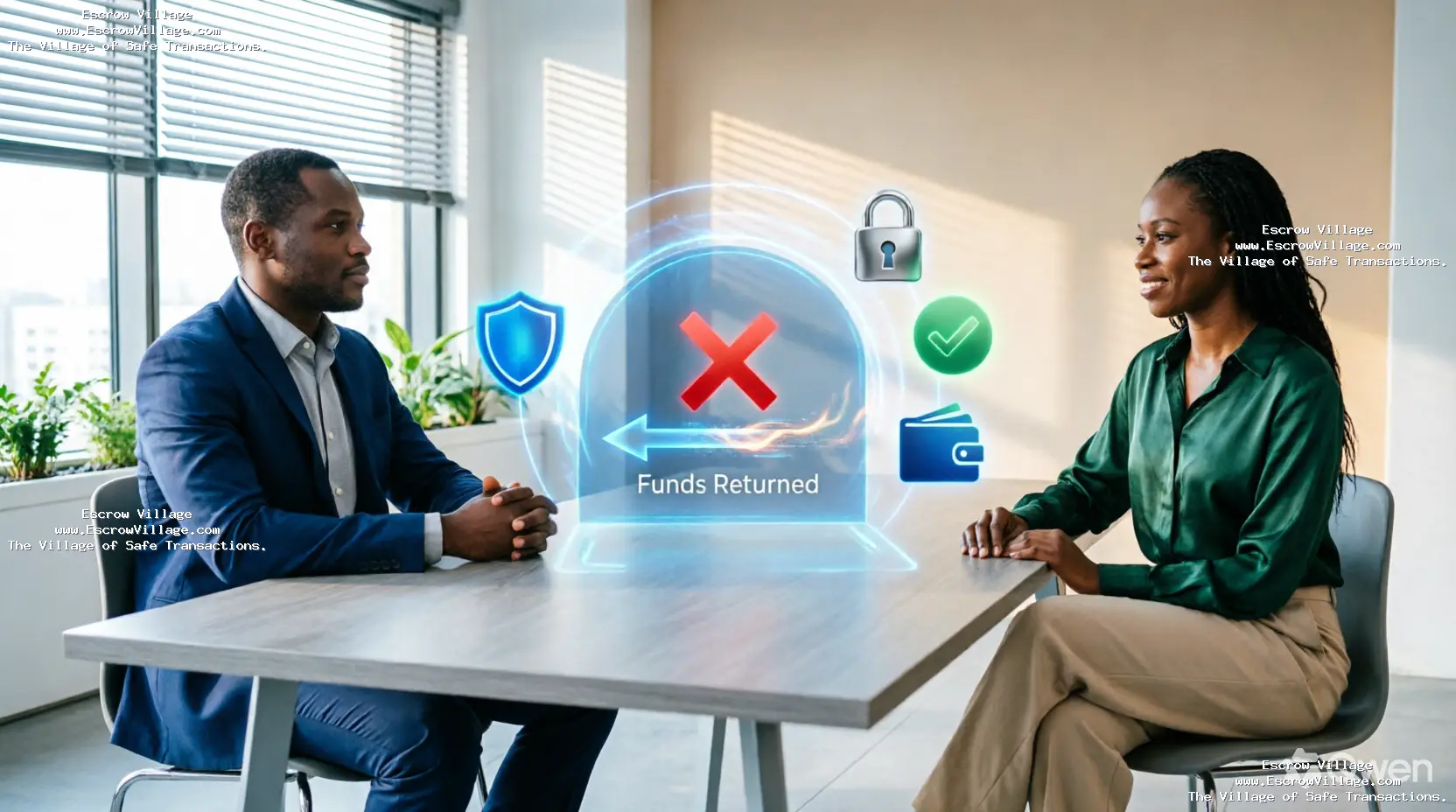
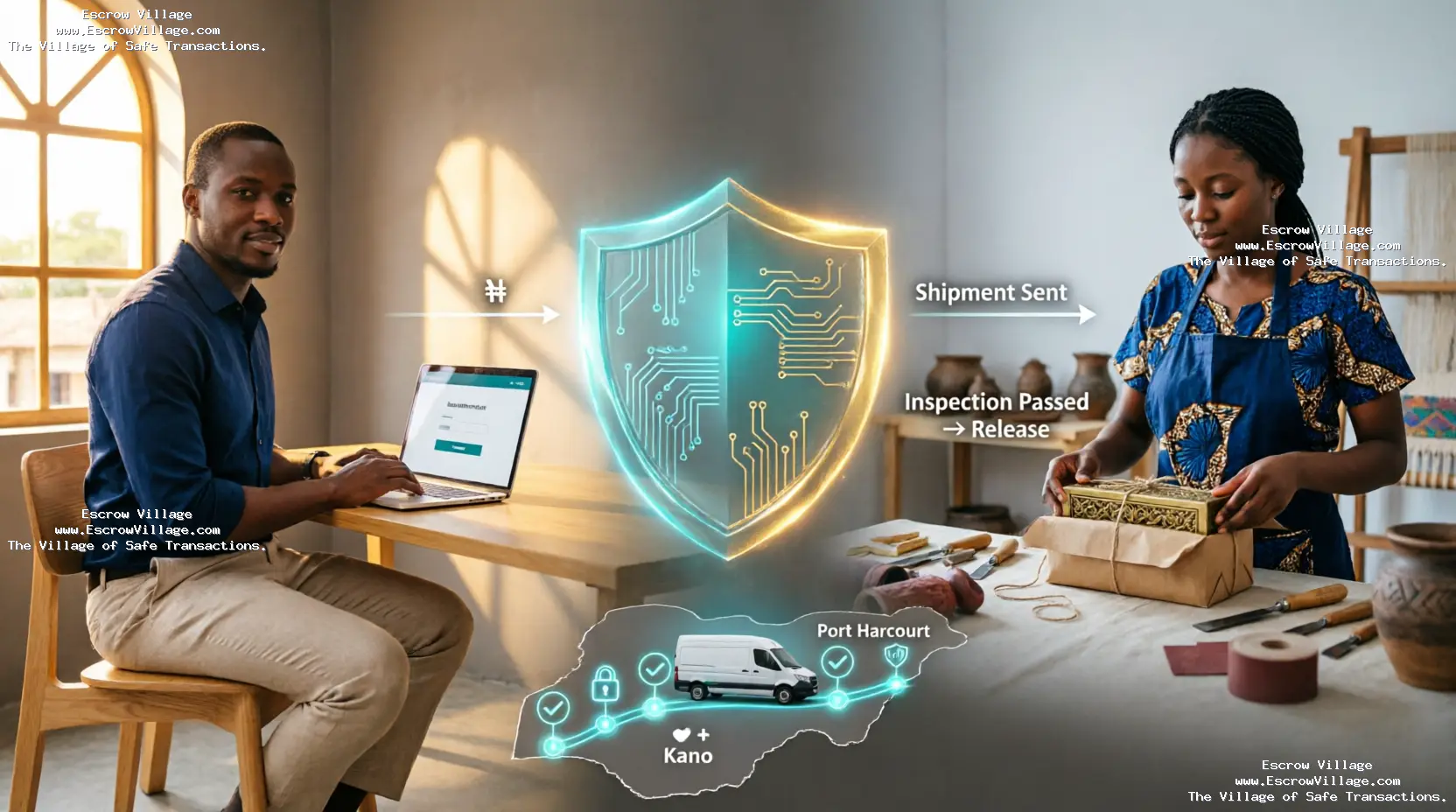
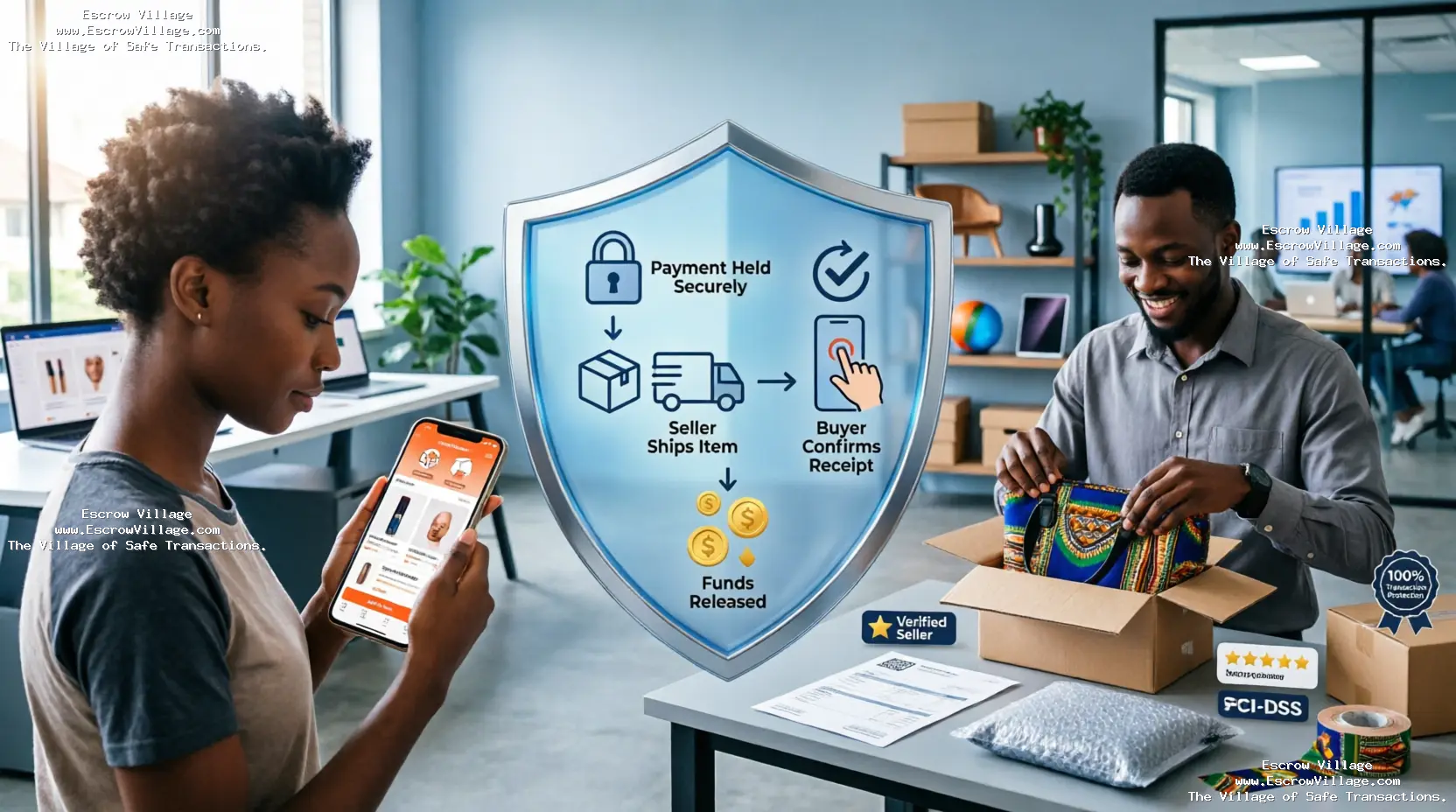
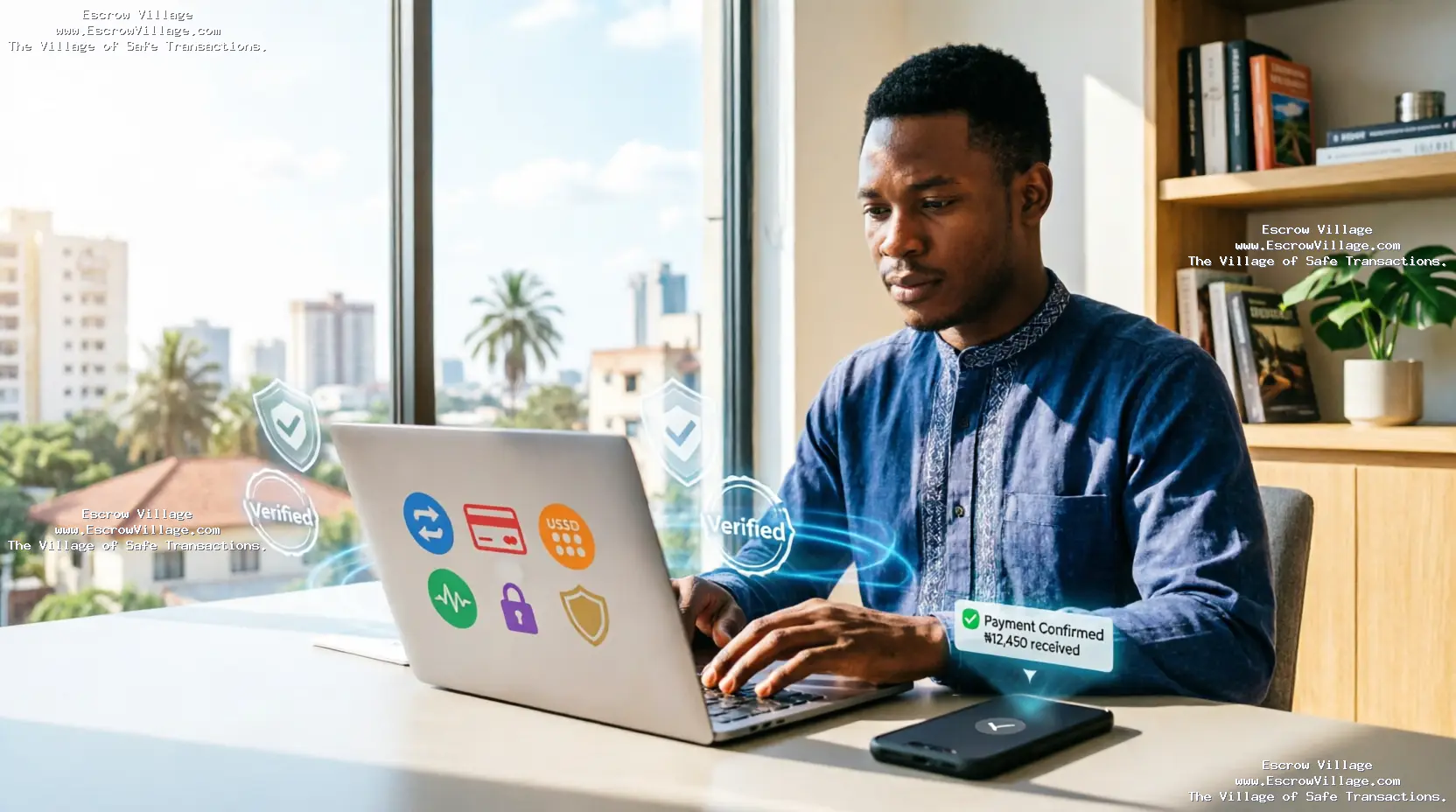
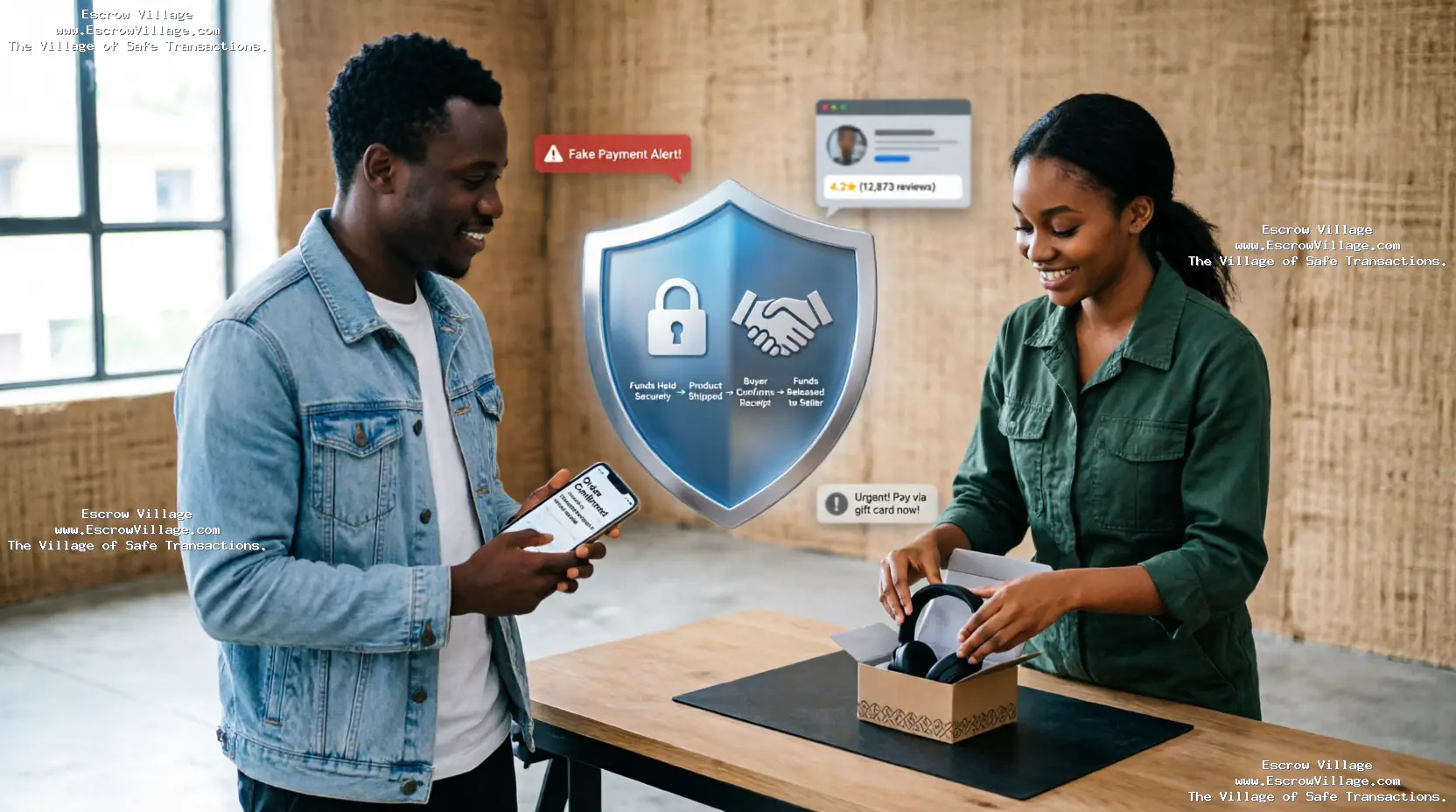
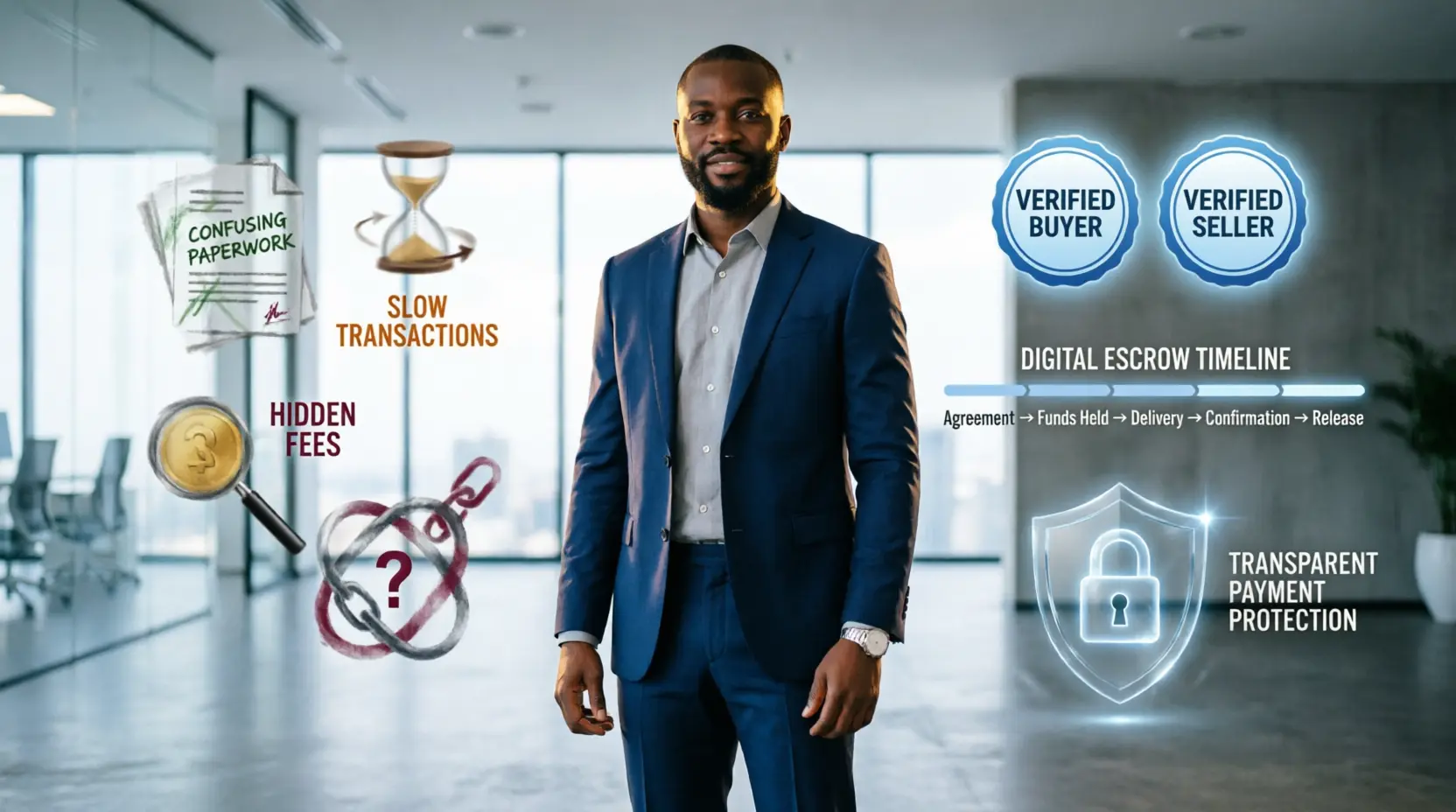
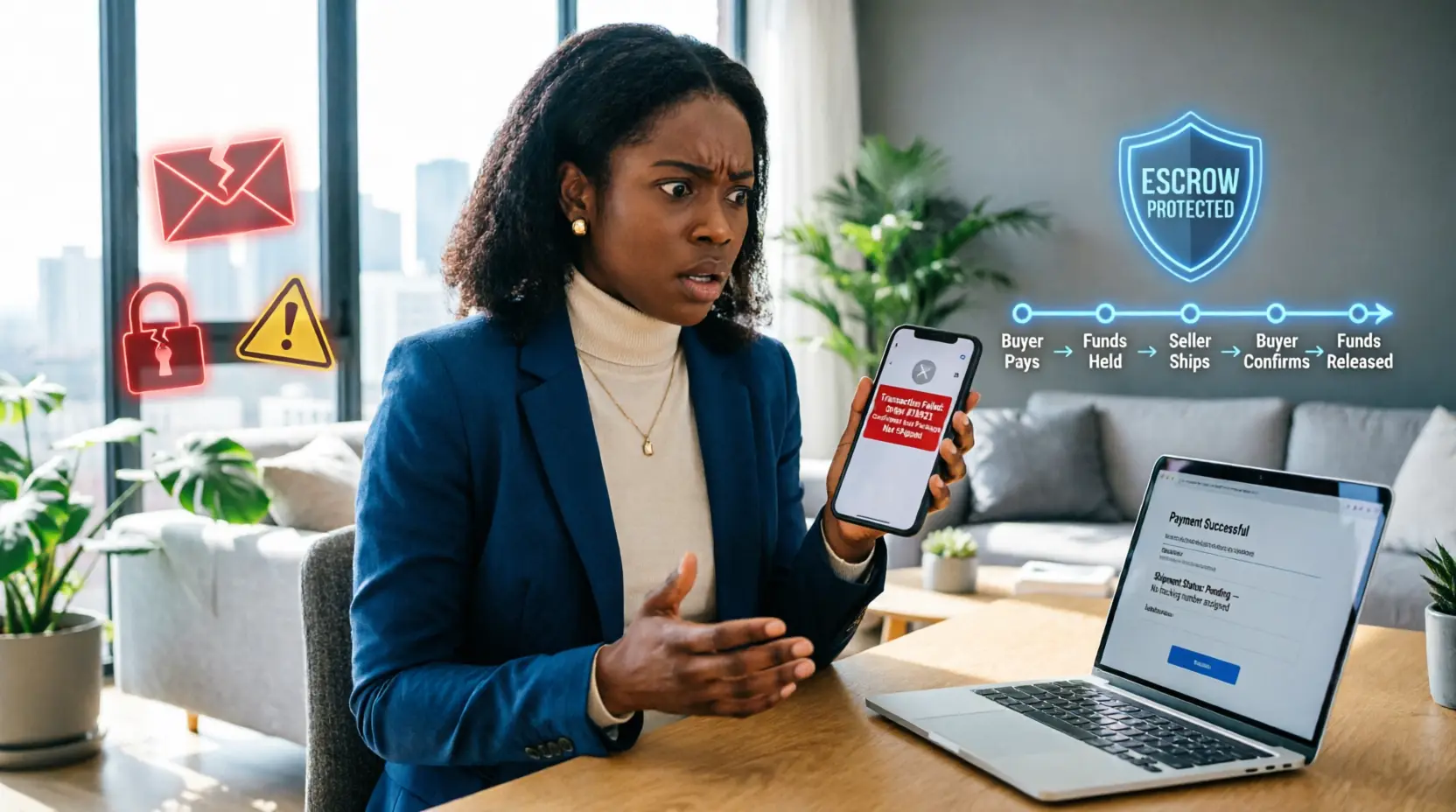
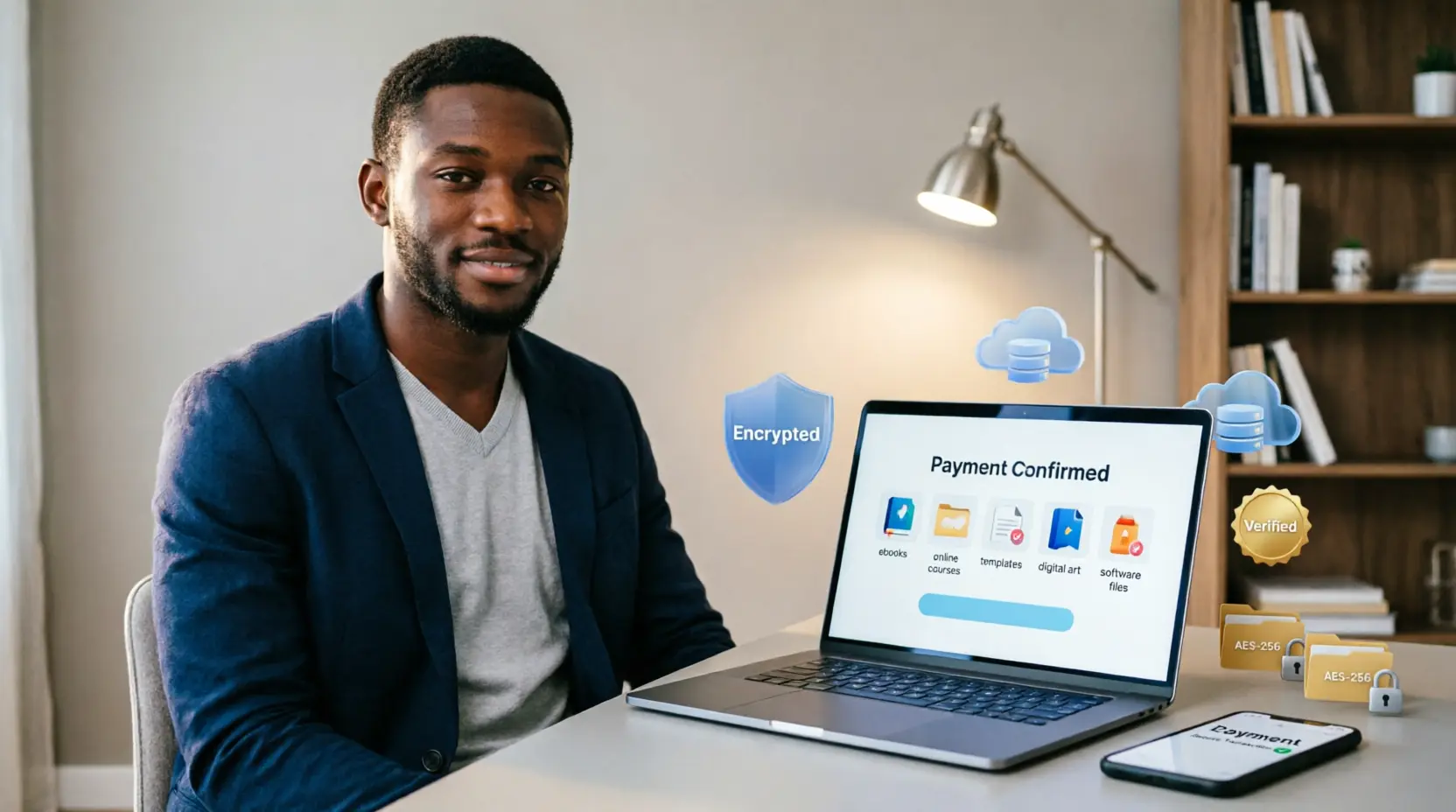
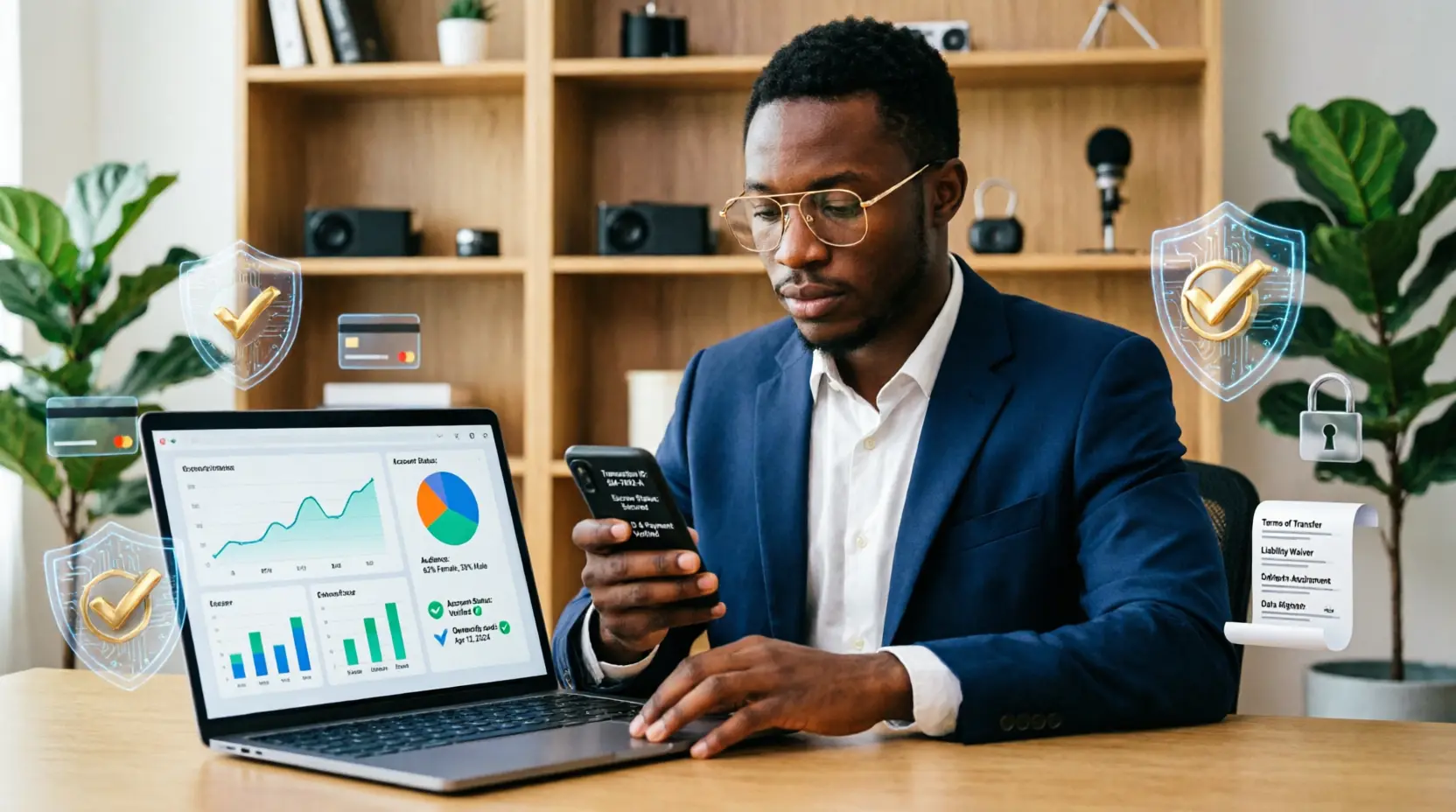
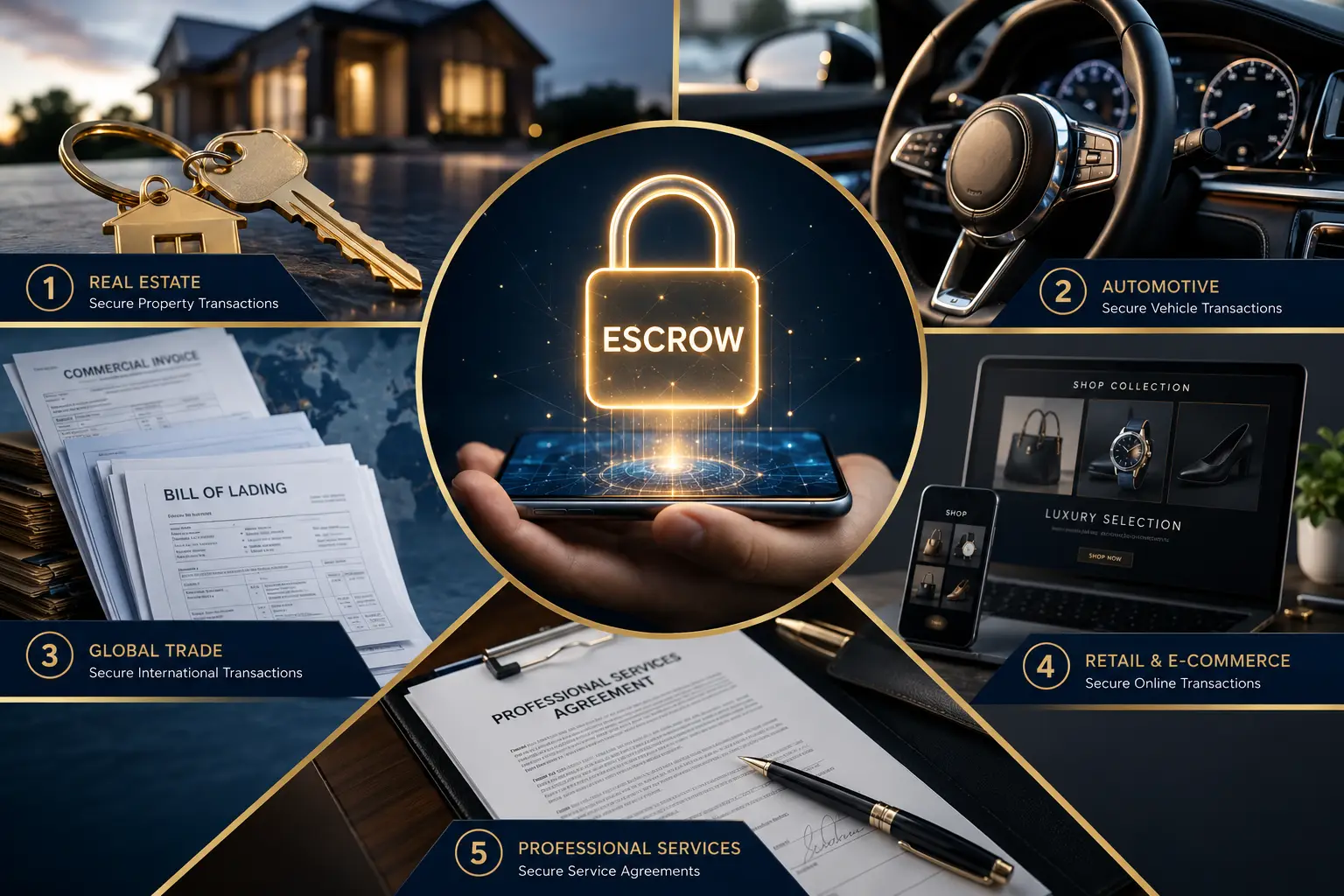
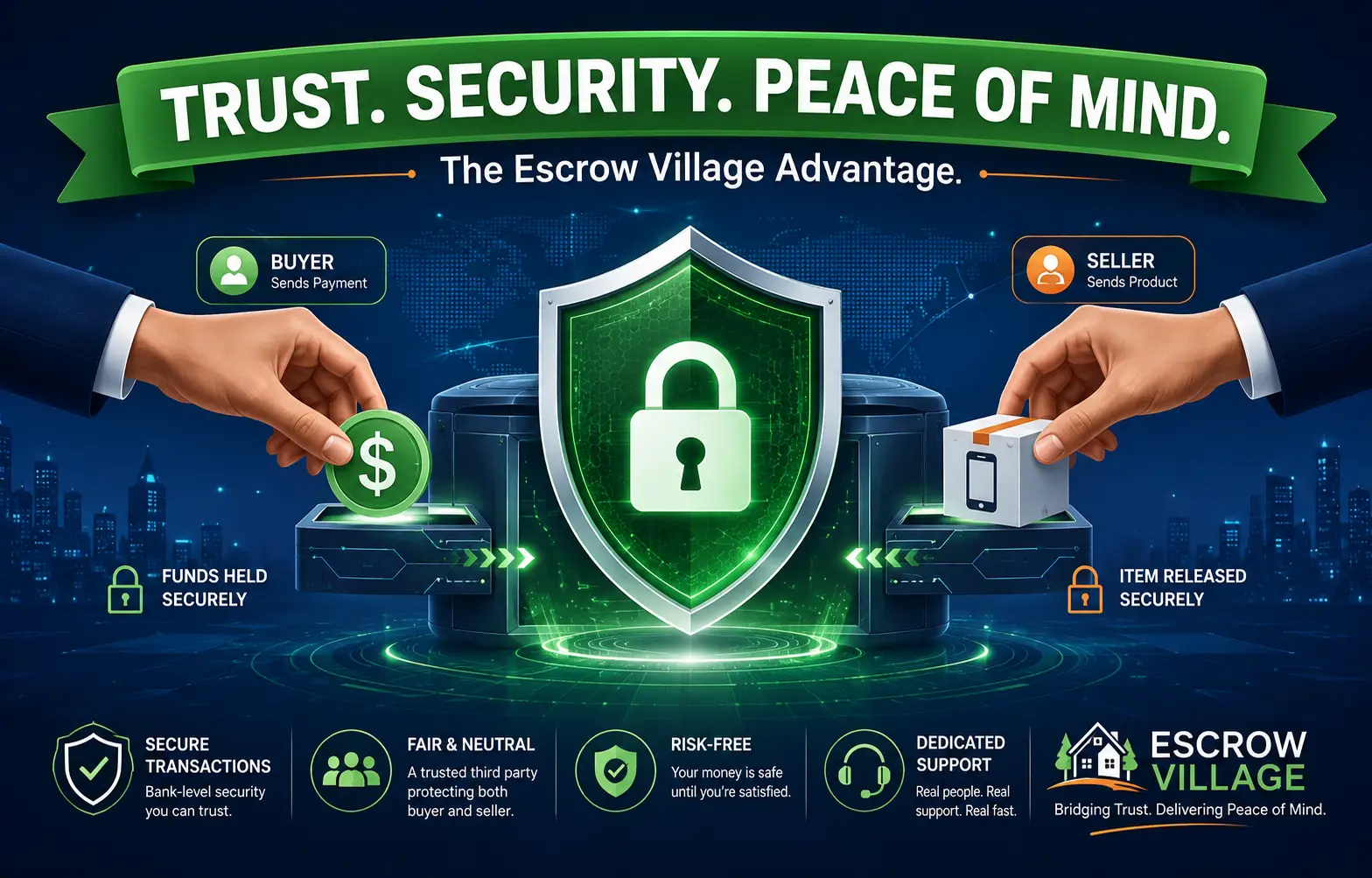
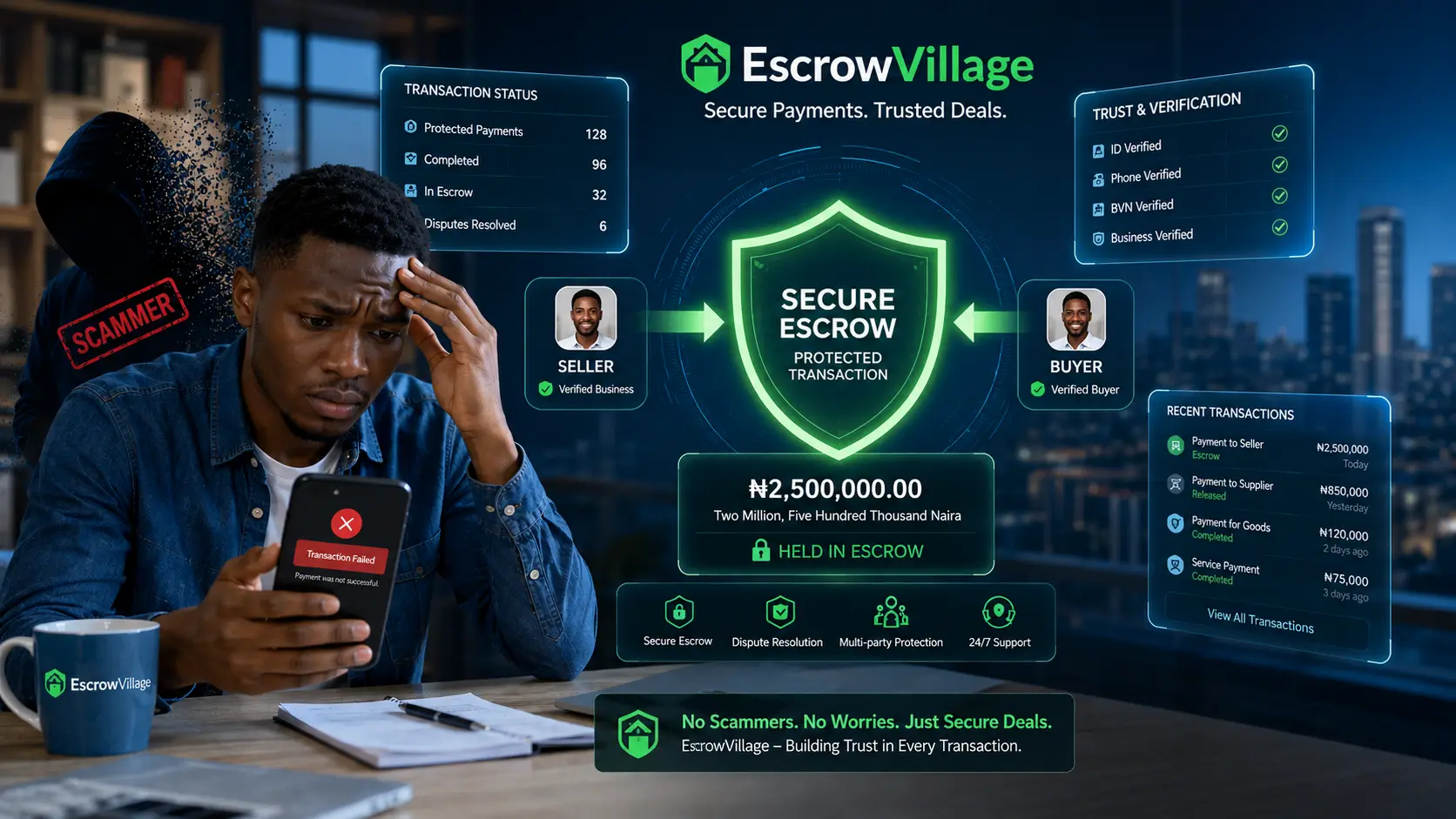
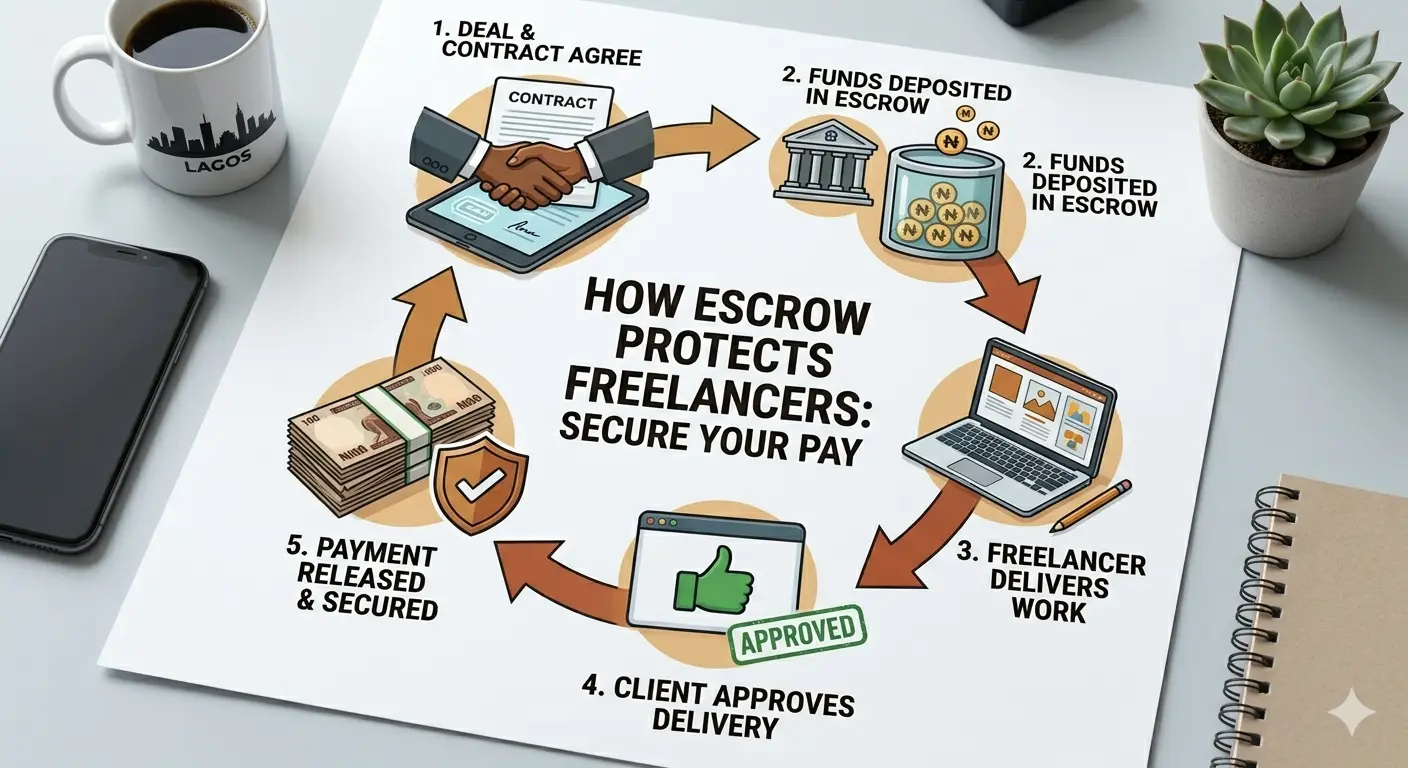
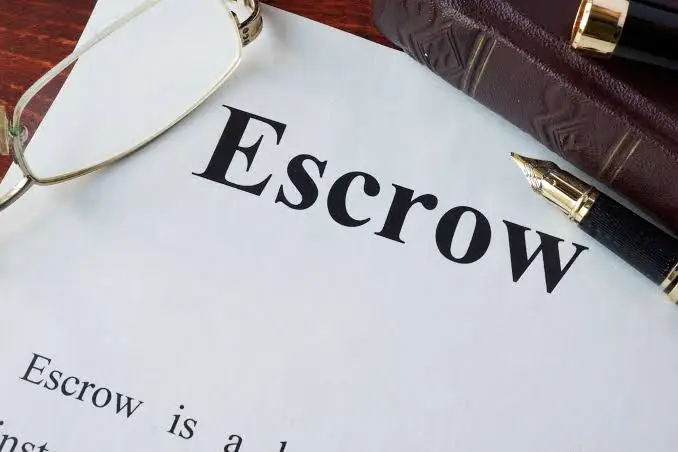
With Escrow Village, your transaction funds can be held securely until the agreed conditions of the transaction are met, helping both parties trade with greater confidence.
Ready to make your online transactions safer? Explore Escrow Village and see how escrow can help protect your next deal.
But there’s a line between being visible and giving strangers information they can use against you.
For example, you probably don’t need to share your home address publicly, especially if customers don’t need it to do business with you.
The same goes for your personal phone number if you can use a separate business line instead.
You should also keep sensitive information such as your bank account details, passwords, PINs, BVN, NIN, OTPs, and card information private. Your customers may need your business payment details, but they should never need your passwords or OTPs.
And be careful with what you post casually. A picture showing your boarding pass, ID card, business documents, invoices, or even your exact location can reveal more information than you realise.
Here’s the simple rule: if someone doesn’t need the information to do business with you, think twice before putting it online.
But protecting your personal information is only one part of staying safe when doing business online. You also need to think about how you receive payments and protect yourself from dishonest buyers or sellers.
With Escrow Village, your transaction funds can be held securely until the agreed conditions of the transaction are met, helping both parties trade with greater confidence.
Ready to make your online transactions safer? Explore Escrow Village and see how escrow can help protect your next deal.