
How Milestone Payments Work for Freelance and Business Projects
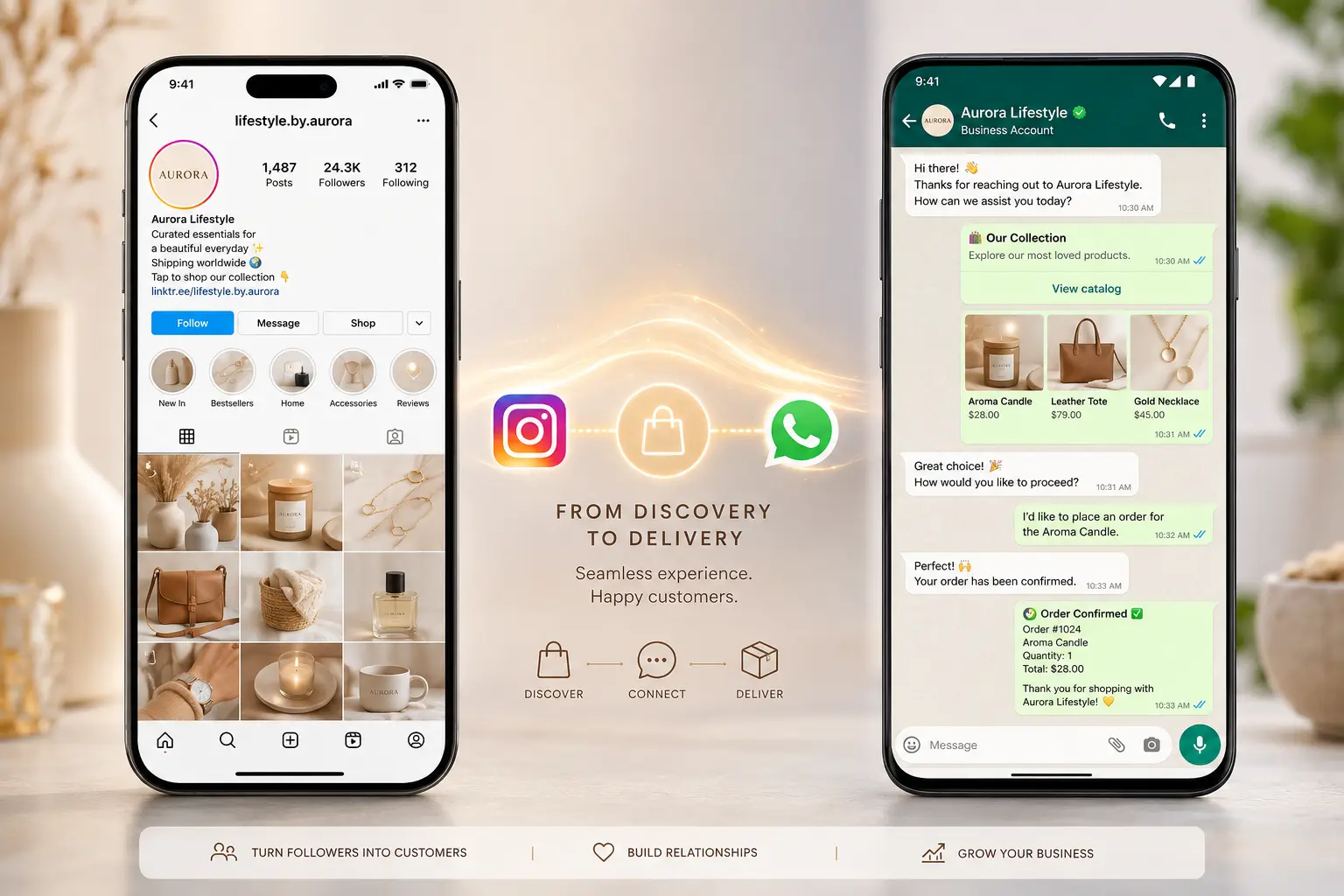
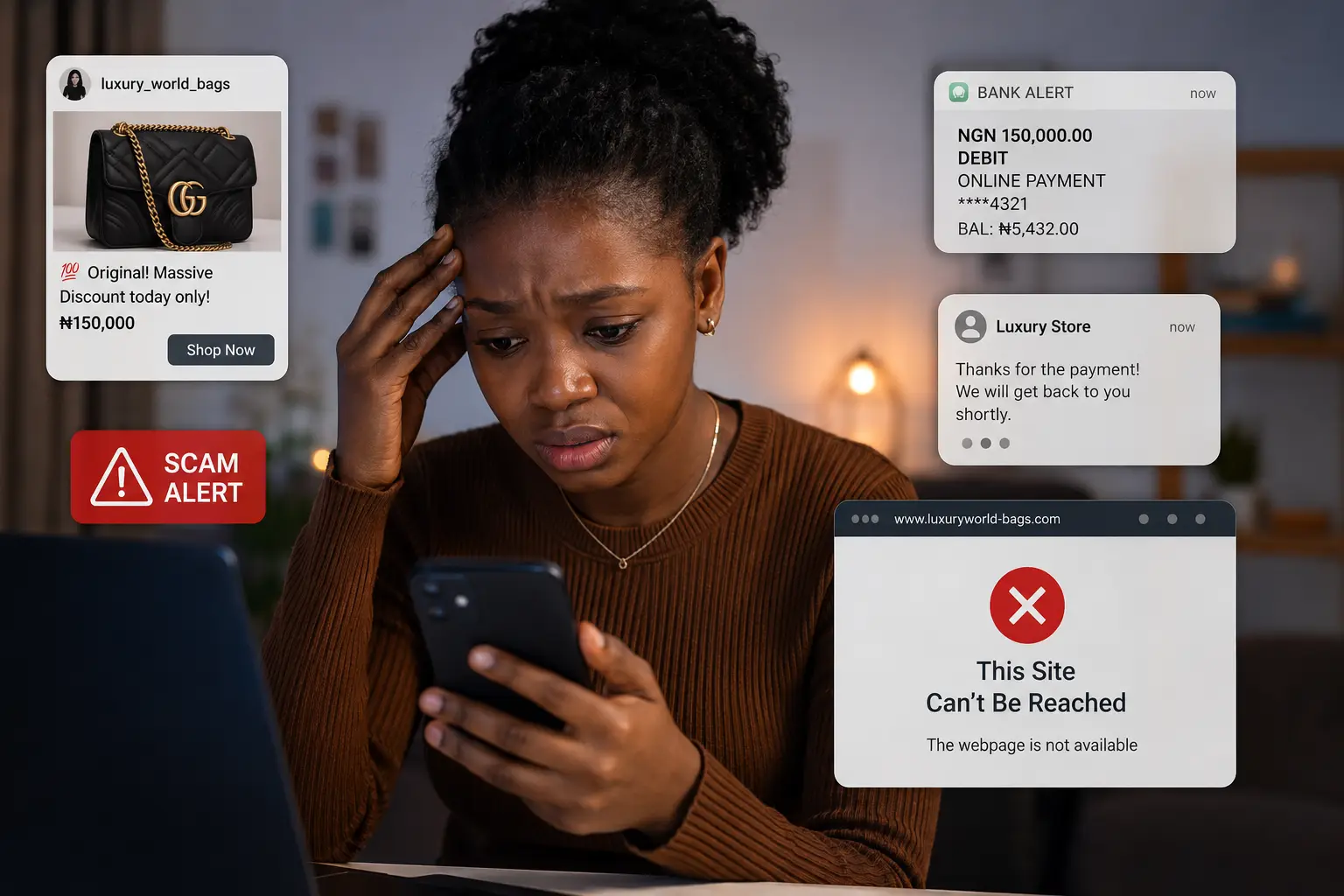
A friend of mine, a graphic designer in Abuja, once took on a rebranding project for a client she found on Instagram.
No contract, no upfront deposit, just a verbal agreement to "pay when the work is done."
Three weeks and two logo revisions later, the client went quiet. No payment, no explanation, just silence.
Stories like this are common among freelancers and small businesses in Nigeria, especially when work happens outside big platforms like Upwork or Fiverr, which have built-in protections.
Milestone payments fix a big part of this problem, and understanding how they actually work can save you from a lot of wasted effort.
A website project, for example, might be broken into: design mockup approved, homepage built, full site delivered.
Each stage has its own payment attached to it. This protects both sides.
The freelancer isn't working for free, hoping payment shows up at the end, and the client isn't paying the full amount before seeing any real progress.
Next comes the first draft or prototype, the initial version of the work for the client to review, which typically accounts for another 30–40%.
After that, revisions based on feedback usually make up 10–20% of the payment.
The final stage, full delivery of the completed and approved work, closes out the remaining 20–30%.
The exact split isn't fixed; it depends on the type of work.
A simple logo design might only need two milestones, while a more involved software build could stretch to five or six stages.
If a client refuses to pay after a milestone is delivered, the freelancer has little recourse, especially with no contract or platform backing them up.
And it goes both ways: a client who pays a milestone upfront has no guarantee the freelancer will actually deliver.
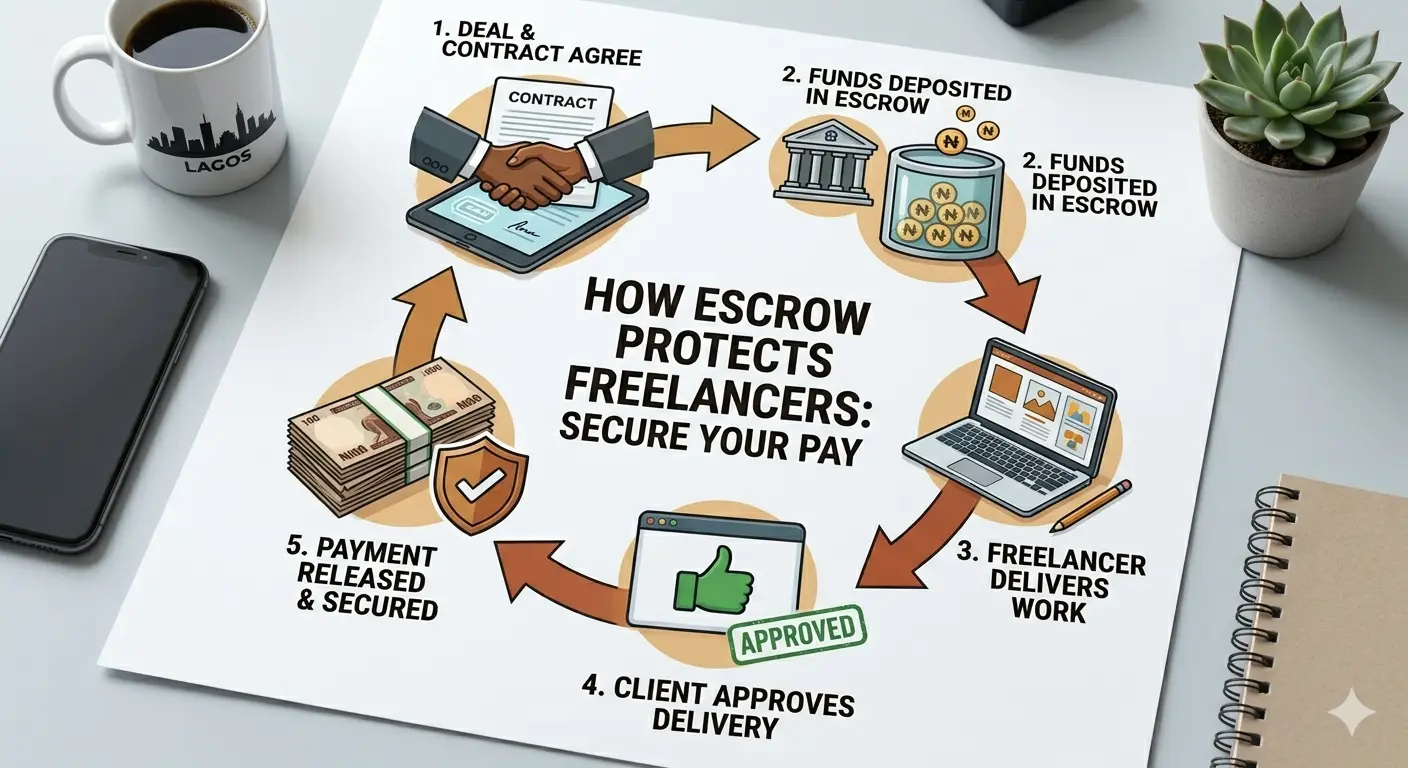
This is exactly the gap that trust tools like escrow are built to close.
Neither side is stuck taking the other's word for it.
For a freelancer, this means no more chasing clients for payment after work is already delivered.
For a business hiring freelance talent, it means not having to release money based on trust alone.
That's the whole point of building escrow into the structure; it removes the guesswork and the awkward "did you send it yet?" messages.
Start protecting your freelance payments. Sign up at Escrow Village
No contract, no upfront deposit, just a verbal agreement to "pay when the work is done."
Three weeks and two logo revisions later, the client went quiet. No payment, no explanation, just silence.
Stories like this are common among freelancers and small businesses in Nigeria, especially when work happens outside big platforms like Upwork or Fiverr, which have built-in protections.
Milestone payments fix a big part of this problem, and understanding how they actually work can save you from a lot of wasted effort.
- What Milestone Payments Actually Mean
A website project, for example, might be broken into: design mockup approved, homepage built, full site delivered.
Each stage has its own payment attached to it. This protects both sides.
The freelancer isn't working for free, hoping payment shows up at the end, and the client isn't paying the full amount before seeing any real progress.
- A Typical Milestone Structure
Next comes the first draft or prototype, the initial version of the work for the client to review, which typically accounts for another 30–40%.
After that, revisions based on feedback usually make up 10–20% of the payment.
The final stage, full delivery of the completed and approved work, closes out the remaining 20–30%.
The exact split isn't fixed; it depends on the type of work.
A simple logo design might only need two milestones, while a more involved software build could stretch to five or six stages.
- The Problem With Milestones Without Protection
If a client refuses to pay after a milestone is delivered, the freelancer has little recourse, especially with no contract or platform backing them up.
And it goes both ways: a client who pays a milestone upfront has no guarantee the freelancer will actually deliver.
This is exactly the gap that trust tools like escrow are built to close.
- How Escrow Makes Milestone Payments Actually Work
Neither side is stuck taking the other's word for it.
For a freelancer, this means no more chasing clients for payment after work is already delivered.
For a business hiring freelance talent, it means not having to release money based on trust alone.
- Setting Up Milestone Payments the Right Way
- ● Put milestones in writing before work starts; vague terms like "when it's done" cause most disputes.
- ● Attach a clear deliverable and payment percentage to each stage, not just a date
- Use a dispute resolution process as a fallback, not a last resort you hope you never need.
- ● Avoid full upfront or full-on-completion payment for anything beyond small, quick jobs.
- Common Questions About Milestone Payments
- ● What happens if a client rejects a milestone? A clear scope agreed upfront makes this easier to resolve; most disputes happen when "done" was never clearly defined.
- ● Can milestone payments work for one-off, small jobs?
- Usually not necessary; they're most useful for projects with multiple stages or longer timelines.
- ● Is milestone payment the same as a payment plan?
- No, a payment plan is just about timing. Milestone payment ties each payment to actual, verifiable progress.
- Get Paid for Work You Actually Deliver
That's the whole point of building escrow into the structure; it removes the guesswork and the awkward "did you send it yet?" messages.
Start protecting your freelance payments. Sign up at Escrow Village