What to Consider When Choosing a Payment Gateway
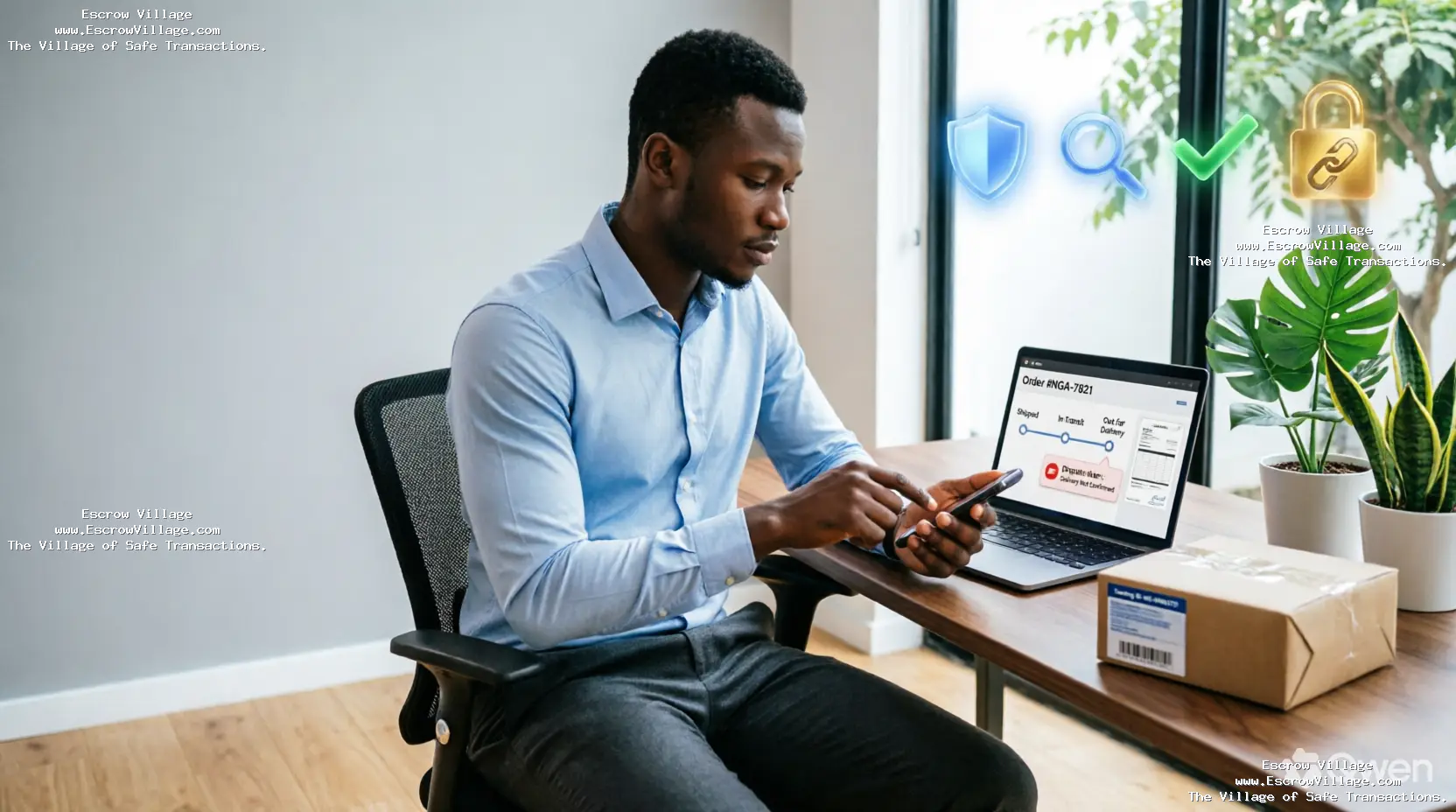
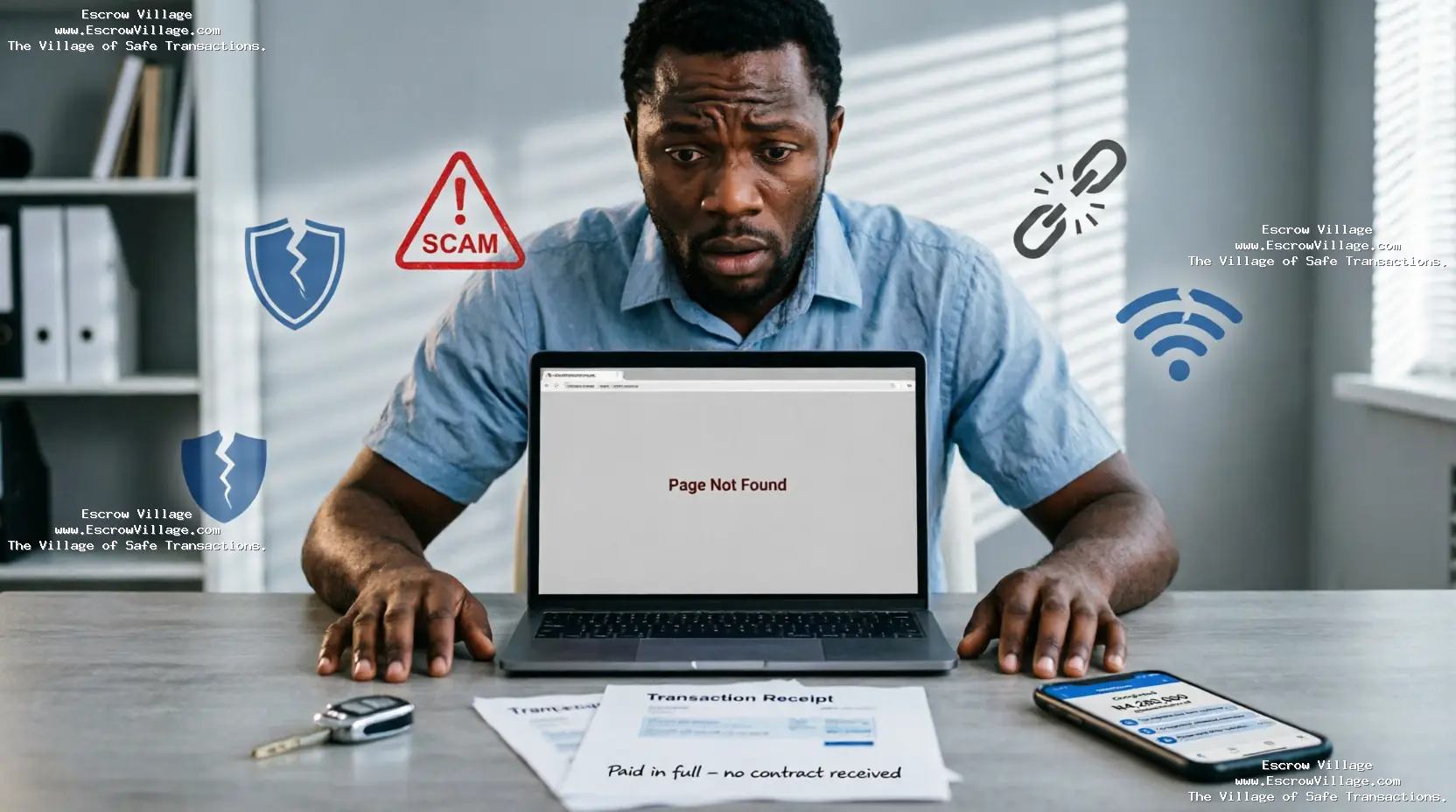
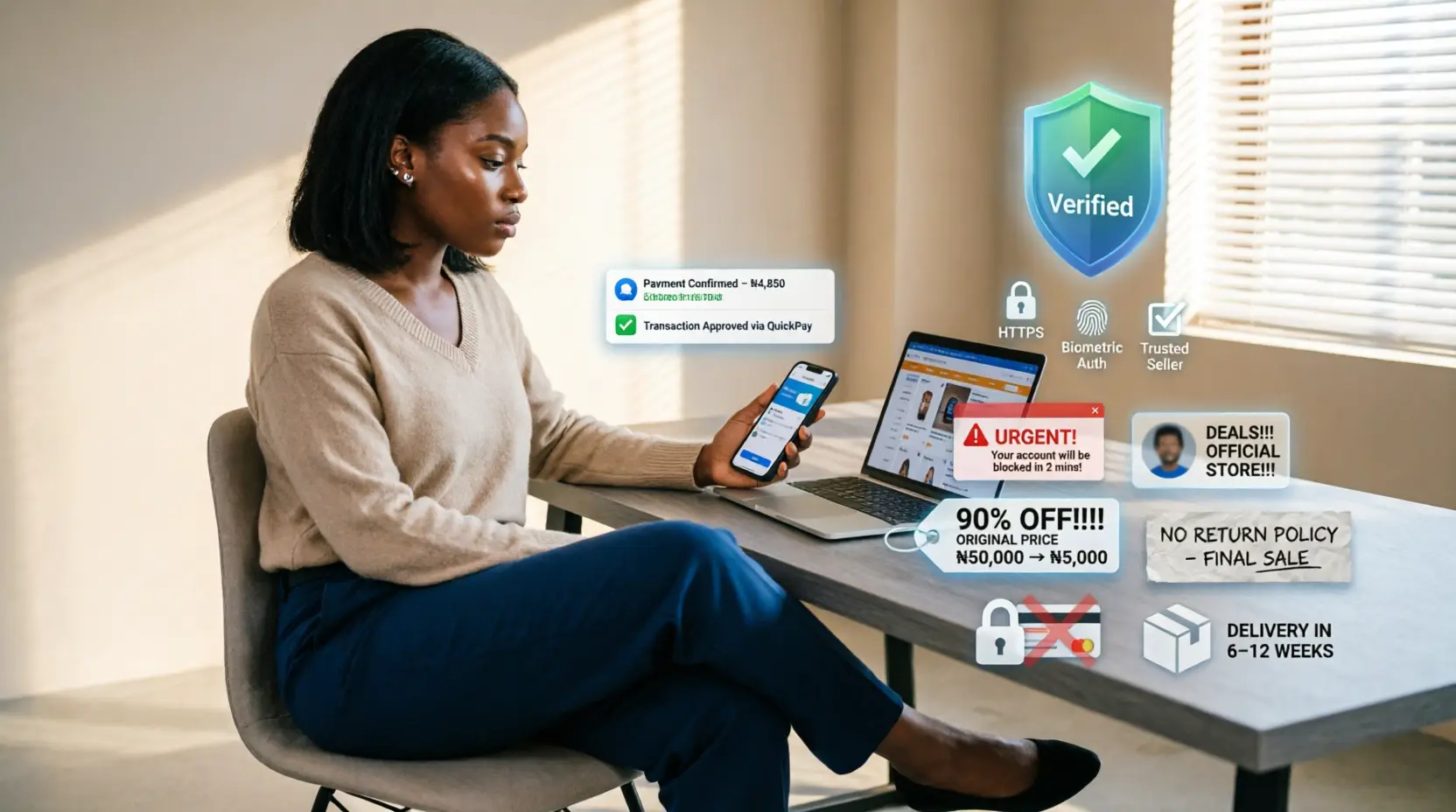
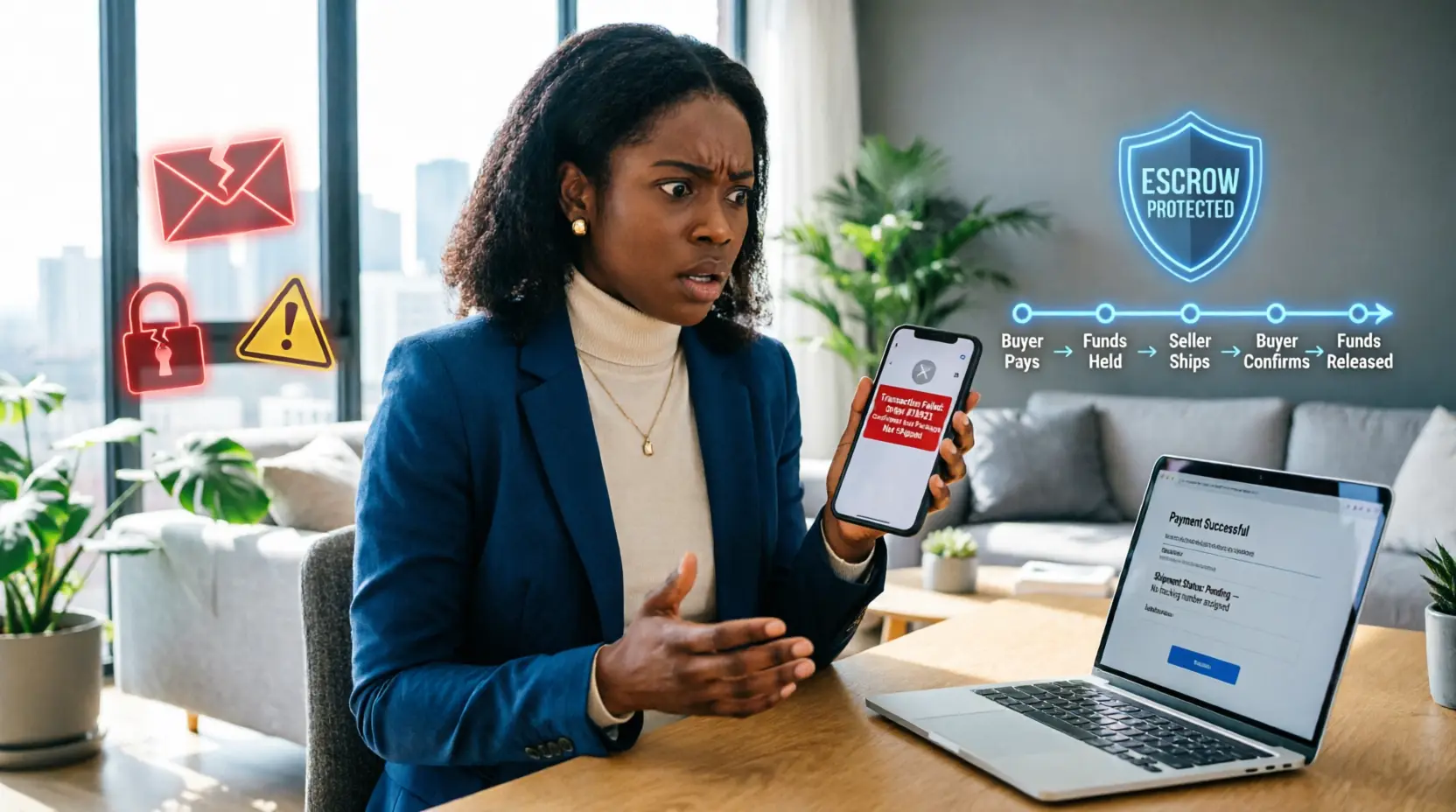
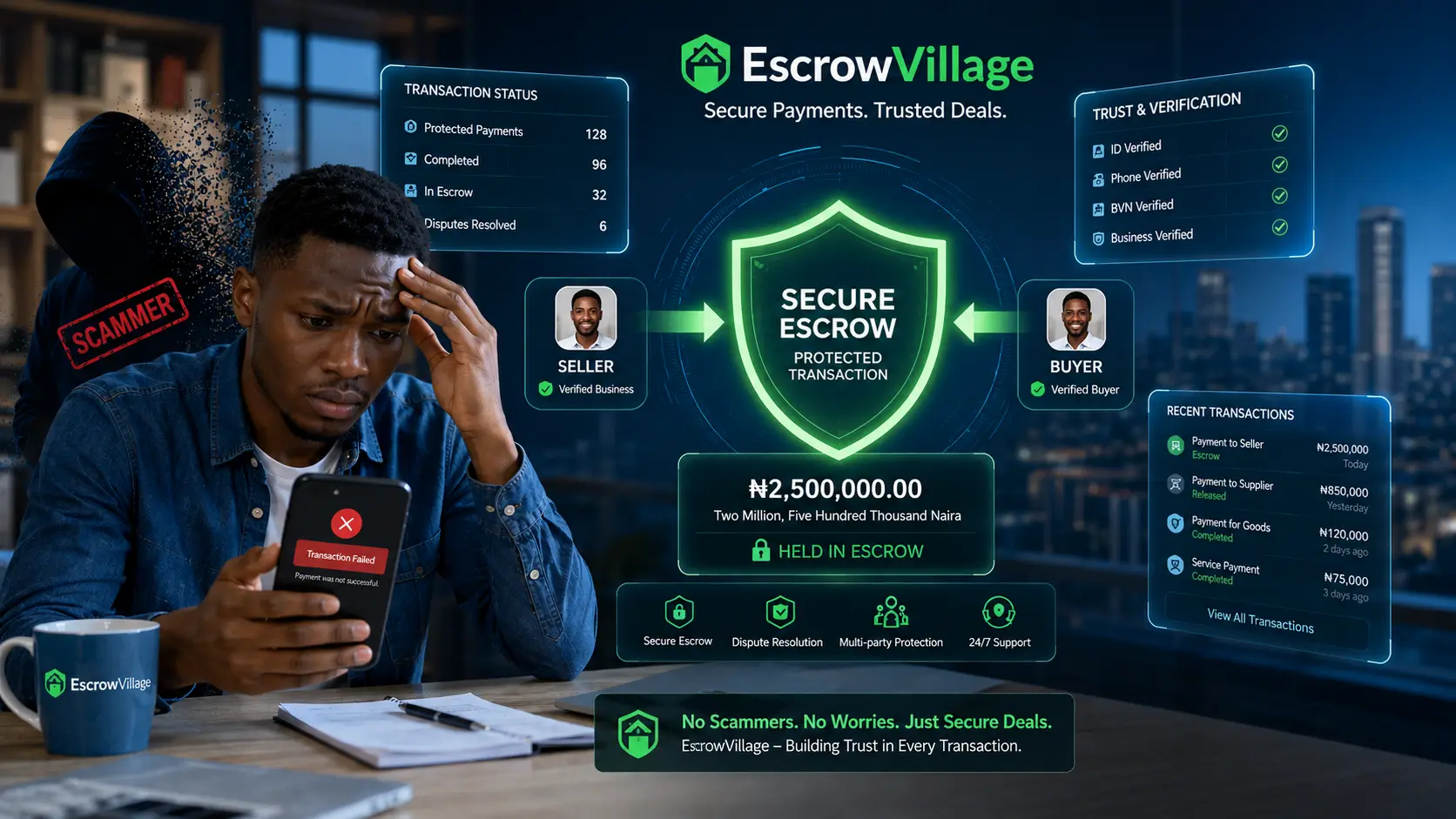
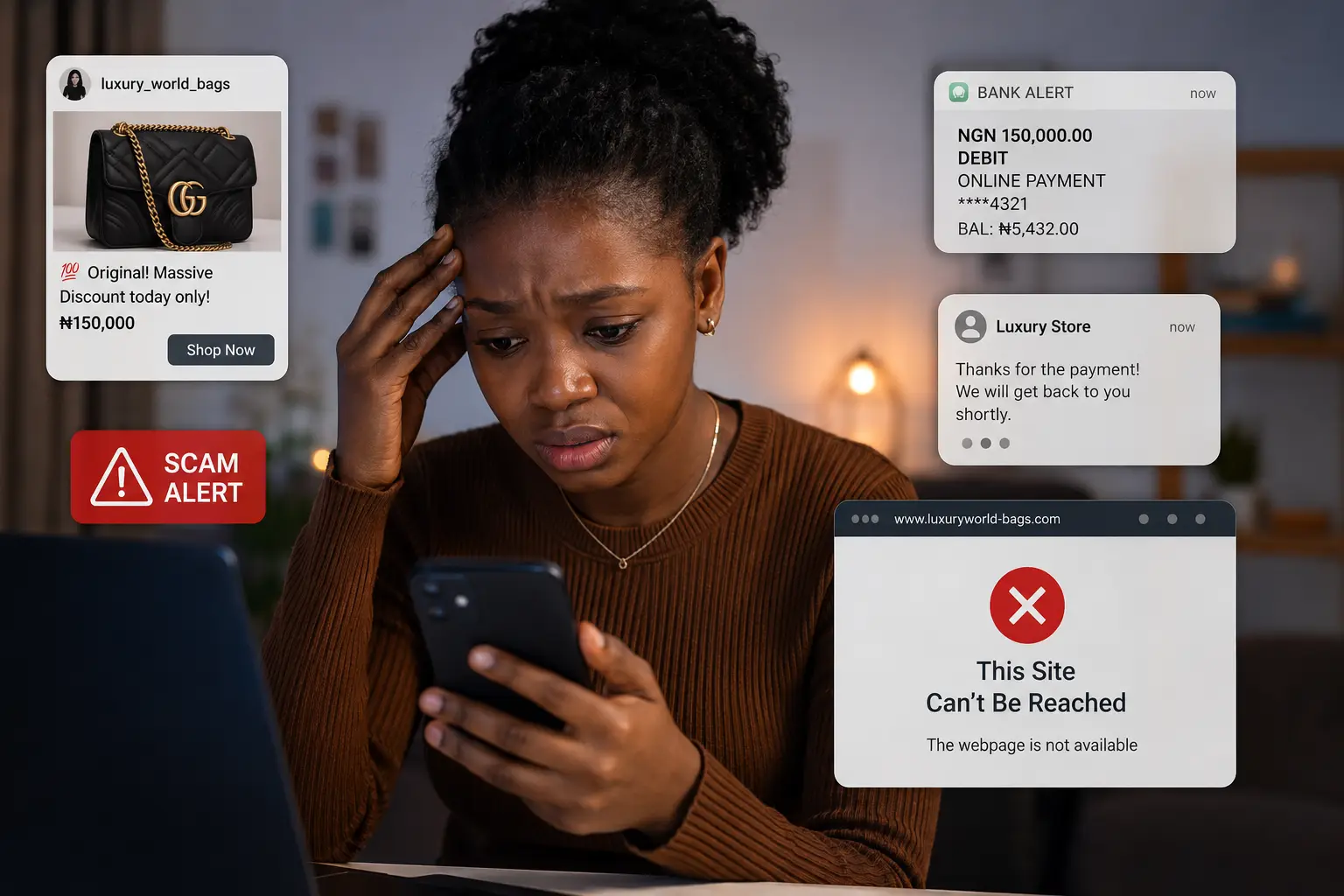
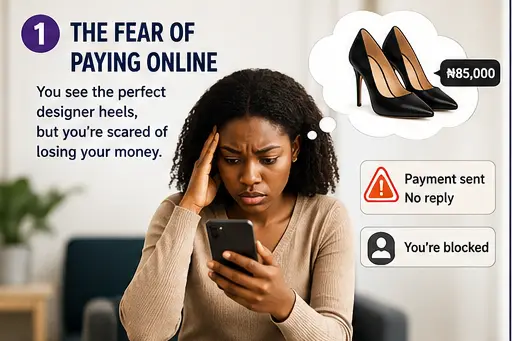
Imagine a customer is ready to buy from your online store. They click Pay, but the payment fails. They try again and get debited, yet you don't receive the money.
Now you're both confused, and the customer may start wondering if your business can be trusted.This is where your choice of payment gateway matters.
A payment gateway is the system that helps an online business accept and process payments from customers.
When someone pays with a card, bank transfer, or another supported payment method, the gateway sends the payment information through the right channels and confirms whether the transaction was successful.
But choosing one isn't just about finding a platform that can collect money. You also need to consider how reliable it is, what it charges, which payment methods it supports, how quickly you receive your money, how secure it is and what happens when a transaction goes wrong.
Here's what to look at before choosing a payment gateway for your business.
Some prefer debit cards, while others are more comfortable with bank transfers, USSD or other digital payment options.
If your gateway doesn't support the payment methods your customers prefer, you could lose sales simply because paying is inconvenient.
Think about your target audience and how they normally pay. If you're selling to a wide range of customers, having multiple payment options can make the checkout process easier.
Most payment gateways charge a fee for processing transactions, but don't stop at the headline transaction rate.
Find out whether there are additional charges for refunds, settlements, international payments, chargebacks or other services.
A gateway with a slightly higher transaction fee may still be better for your business if it provides better reliability and customer support.
Calculate the actual cost based on how much you expect to process each month before making your decision.
What happens next?
Situations like this can quickly damage the trust between a buyer and seller. The customer may think you've received the money and are pretending otherwise, while you're looking at your dashboard wondering where the payment went.
A reliable payment gateway should have a clear process for handling failed, reversed or delayed transactions.
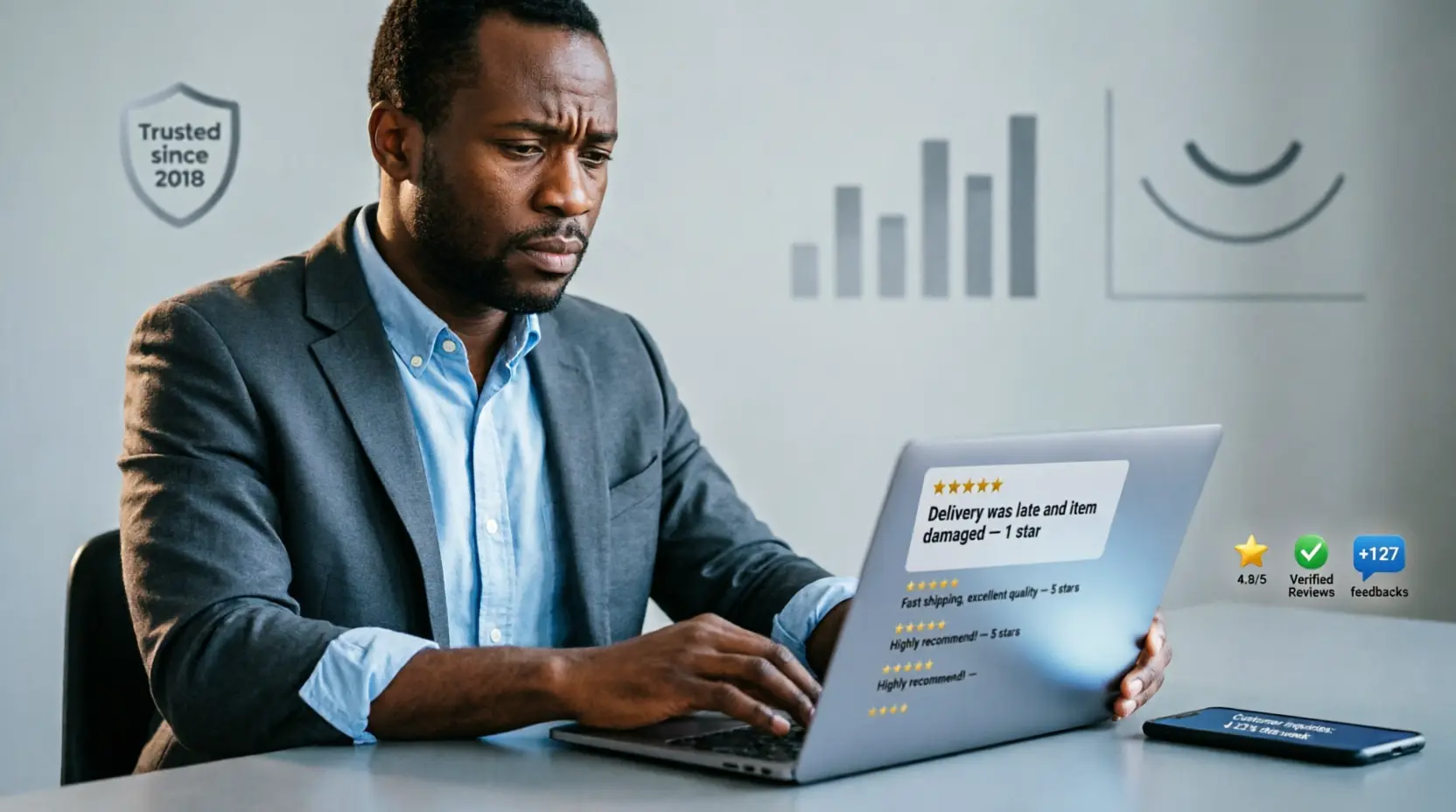
Look at user reviews and complaints before choosing one. Don't rely only on what the company says about itself.
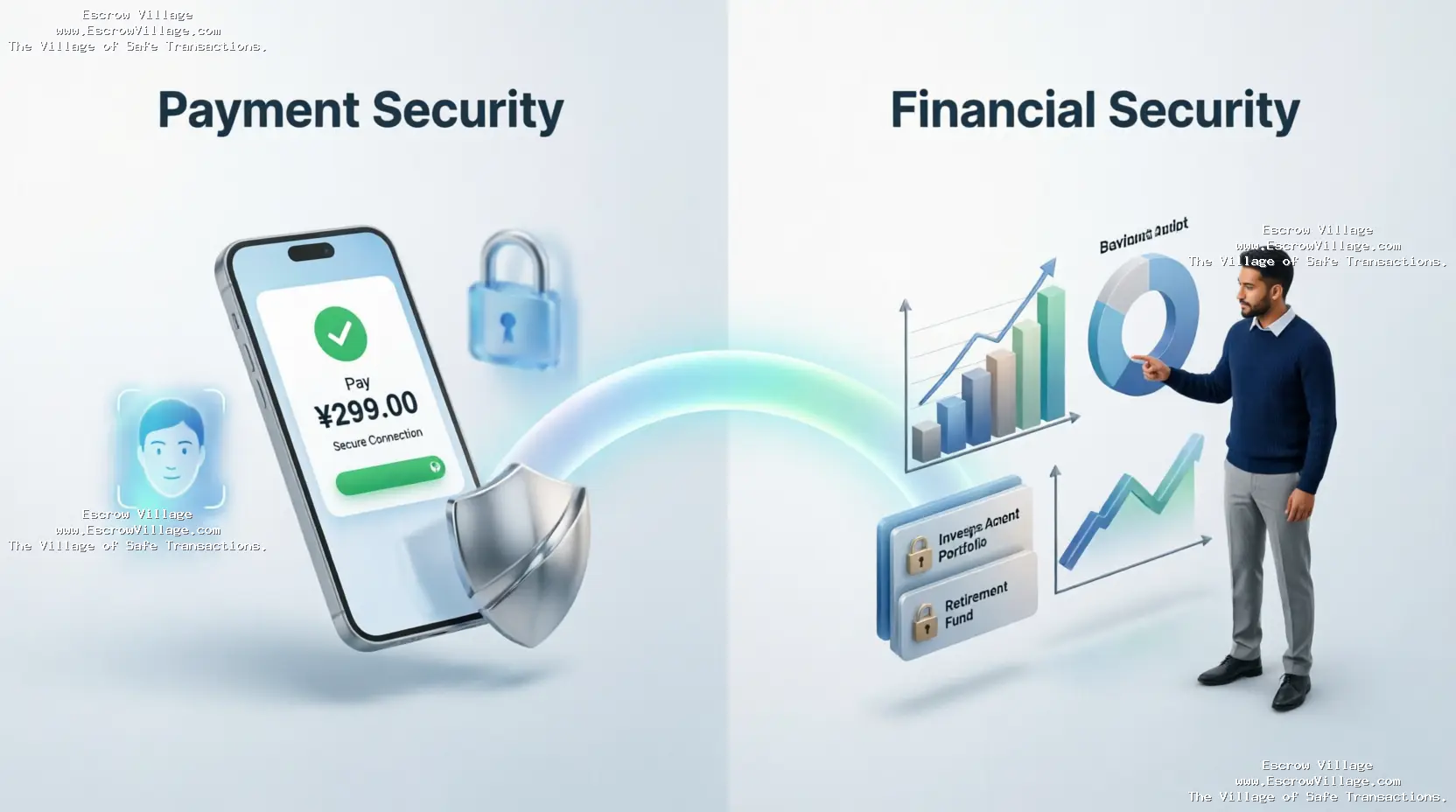
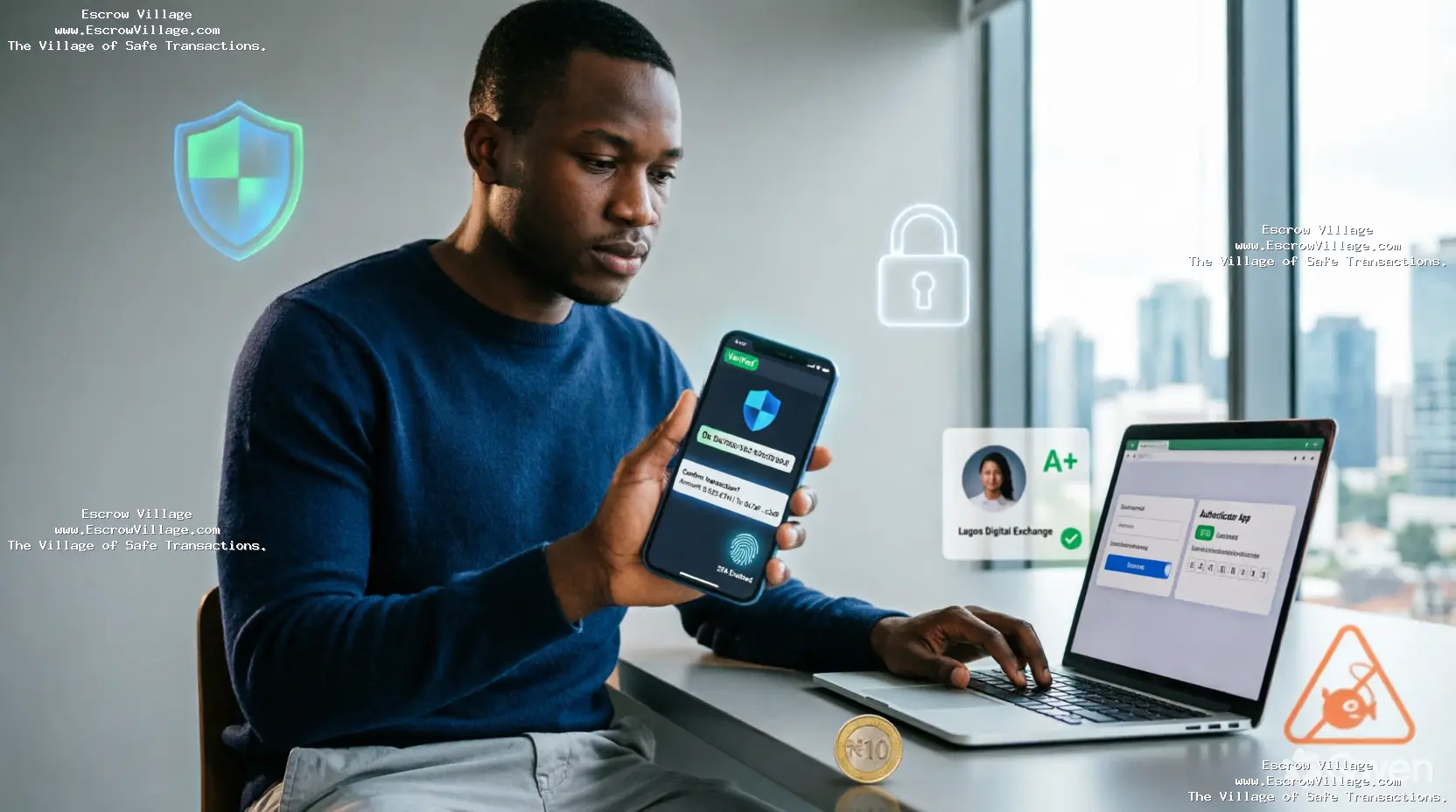
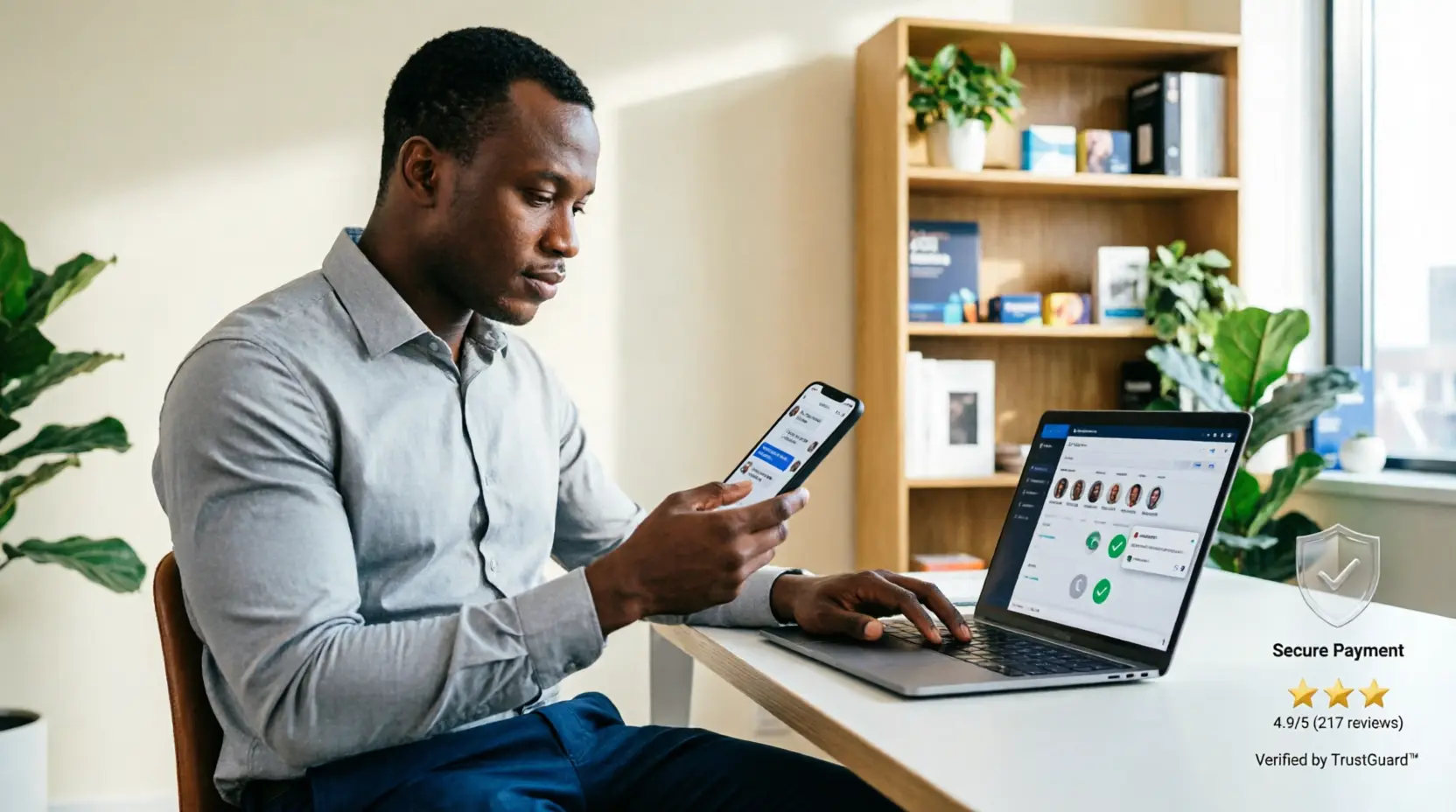
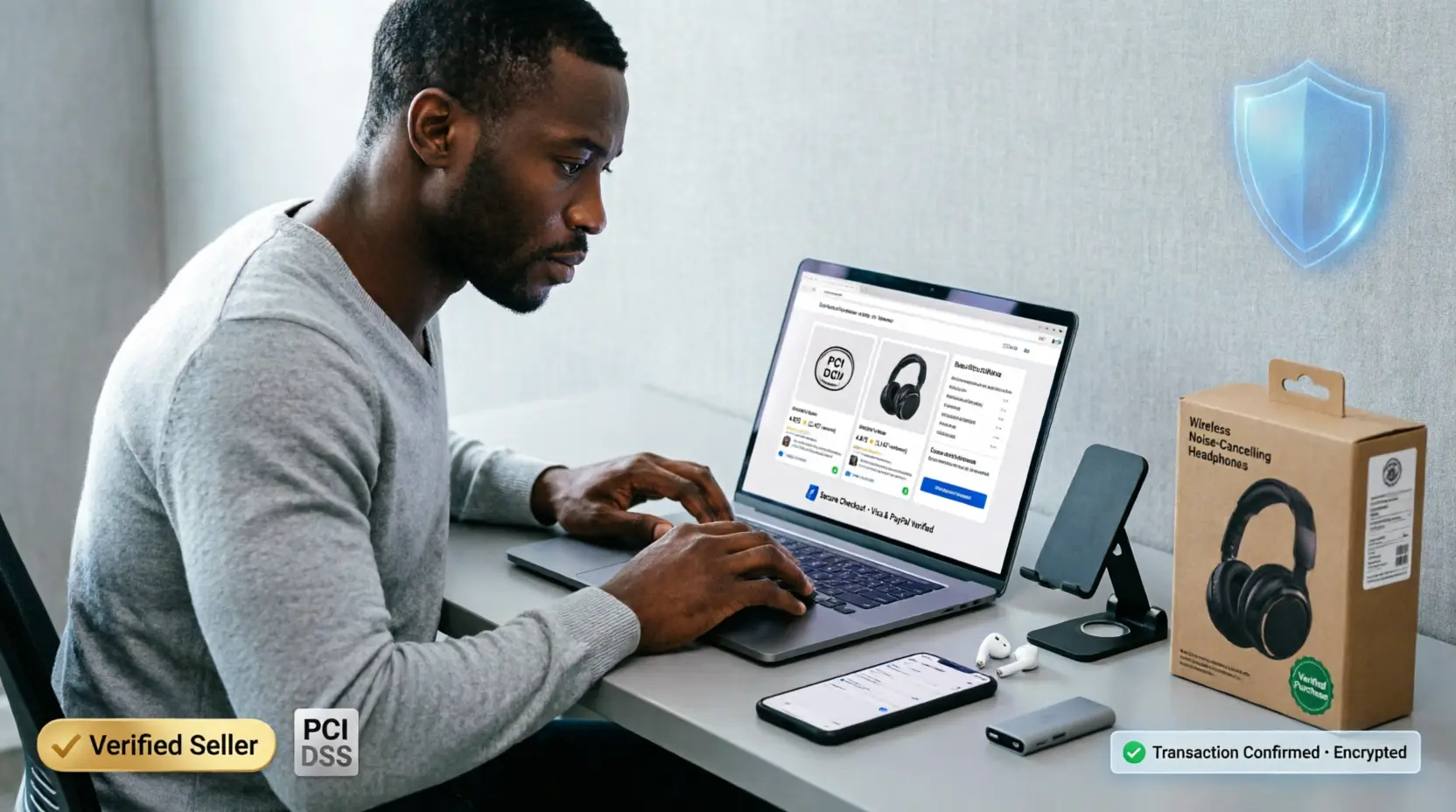
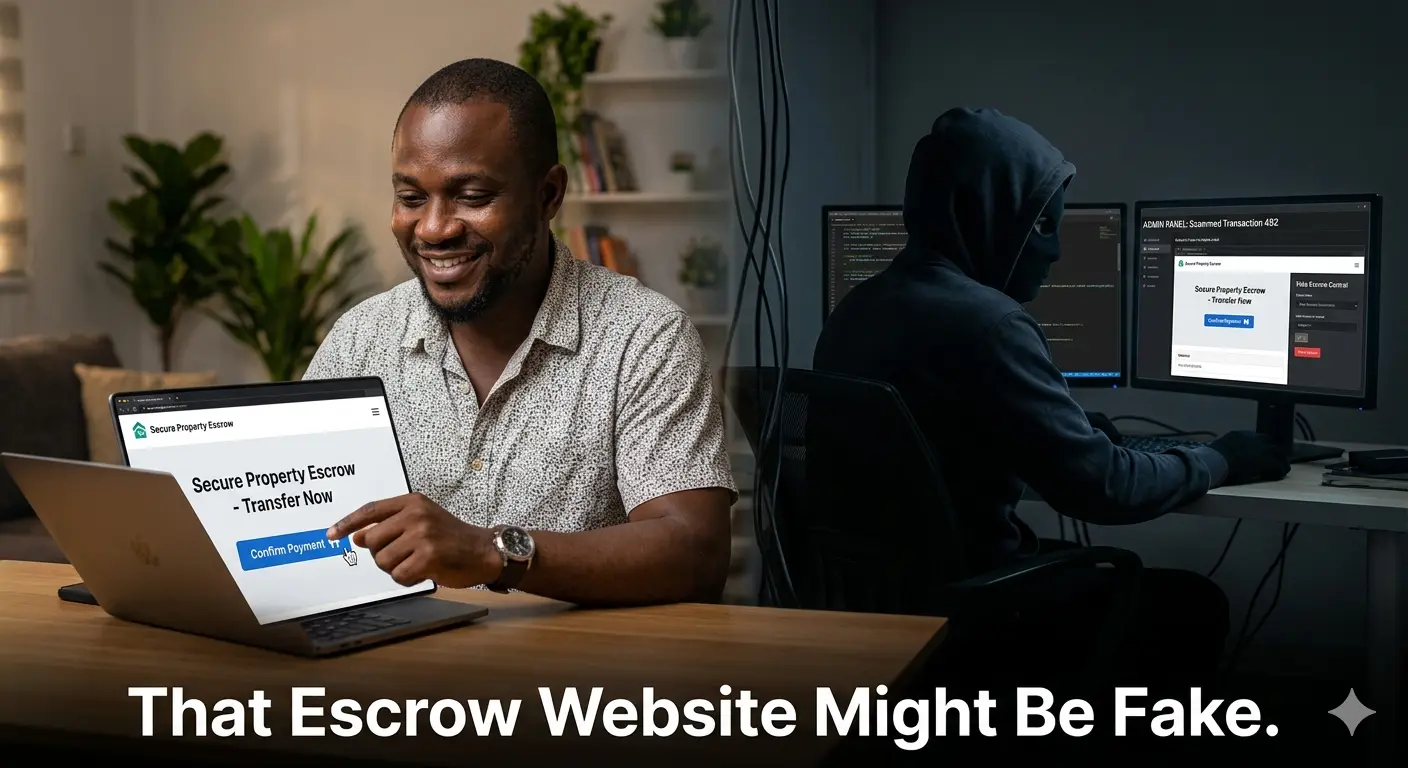
But there's an important distinction to understand: a secure payment gateway doesn't automatically mean the entire transaction is protected.
A gateway can securely process a payment, but it doesn't necessarily guarantee that a seller will deliver the product or service they promised.
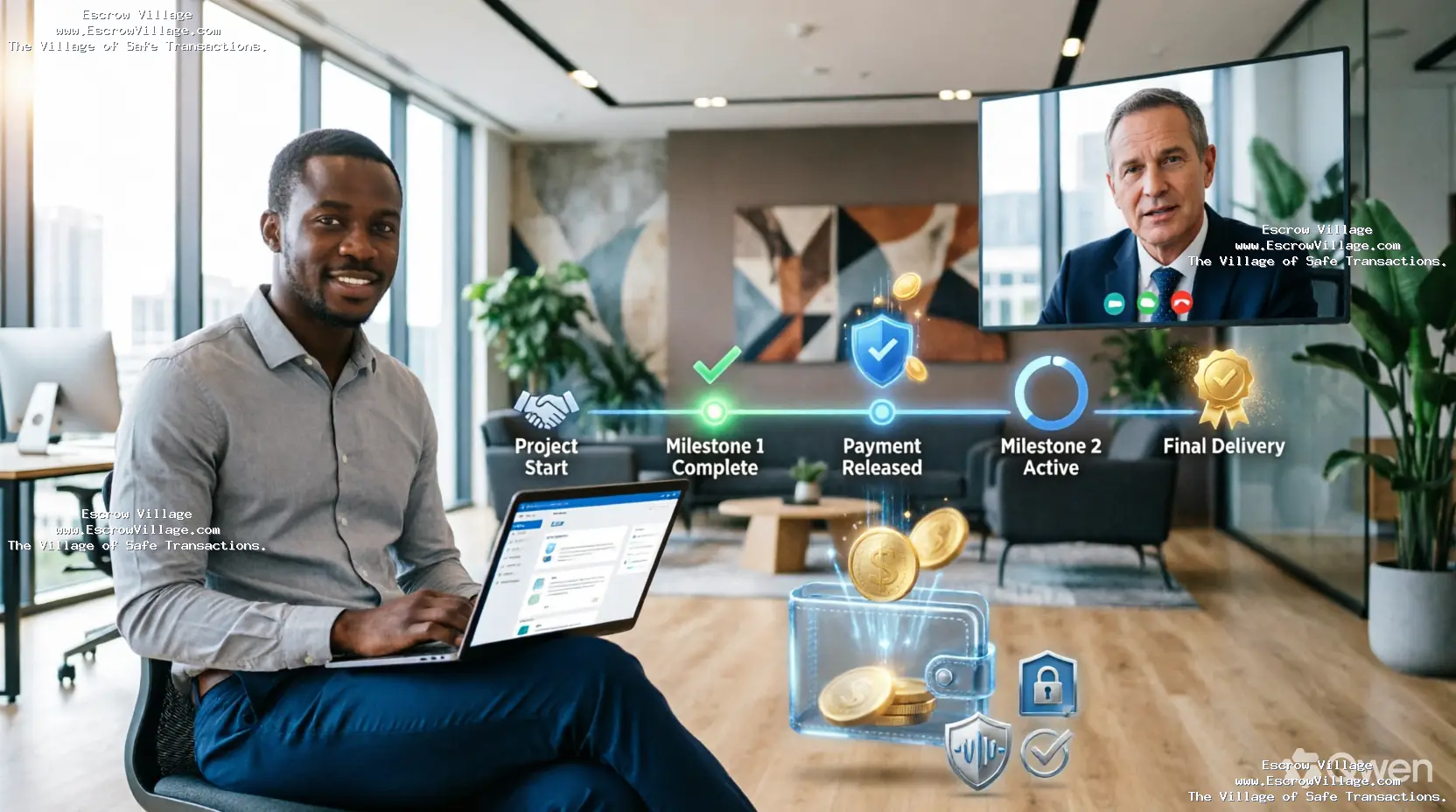
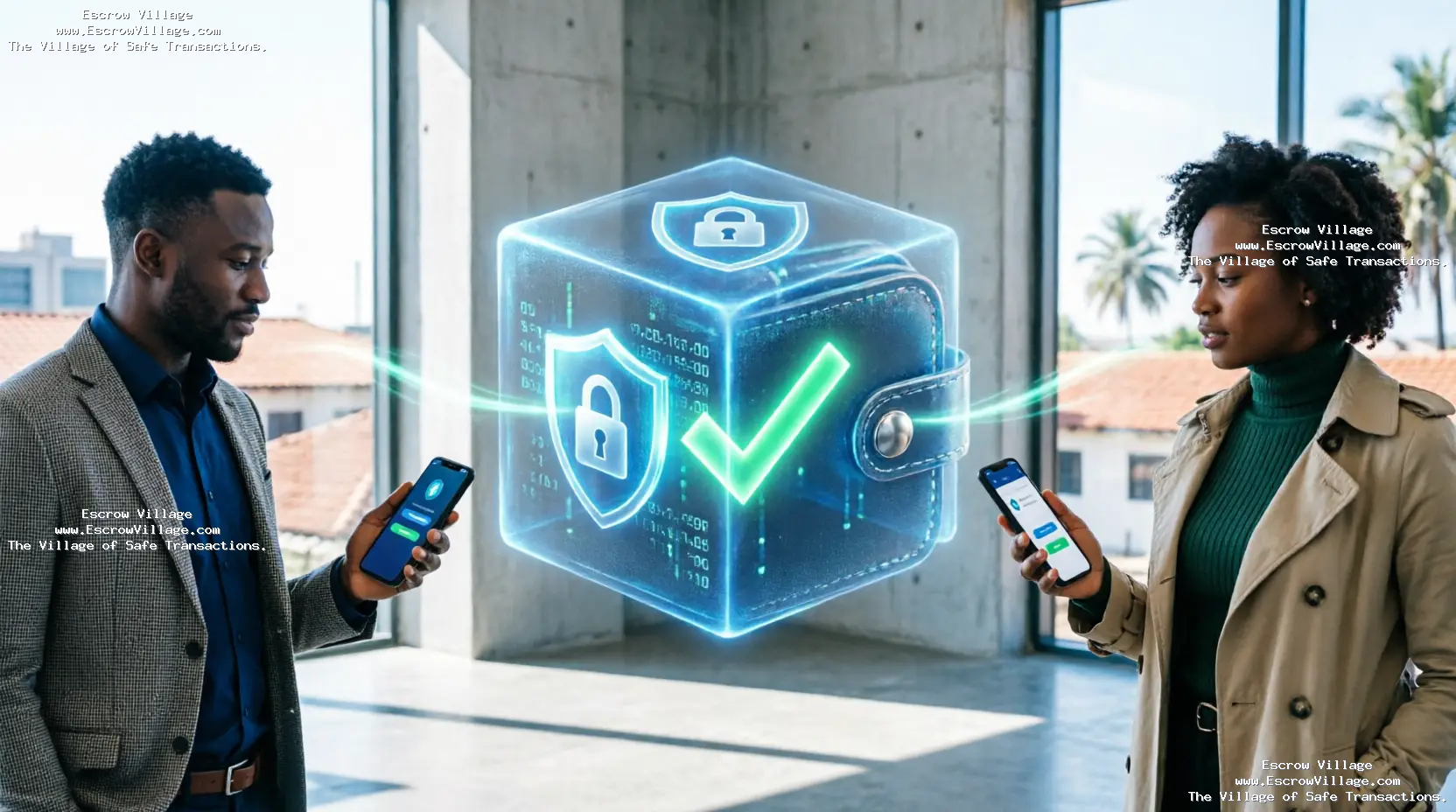
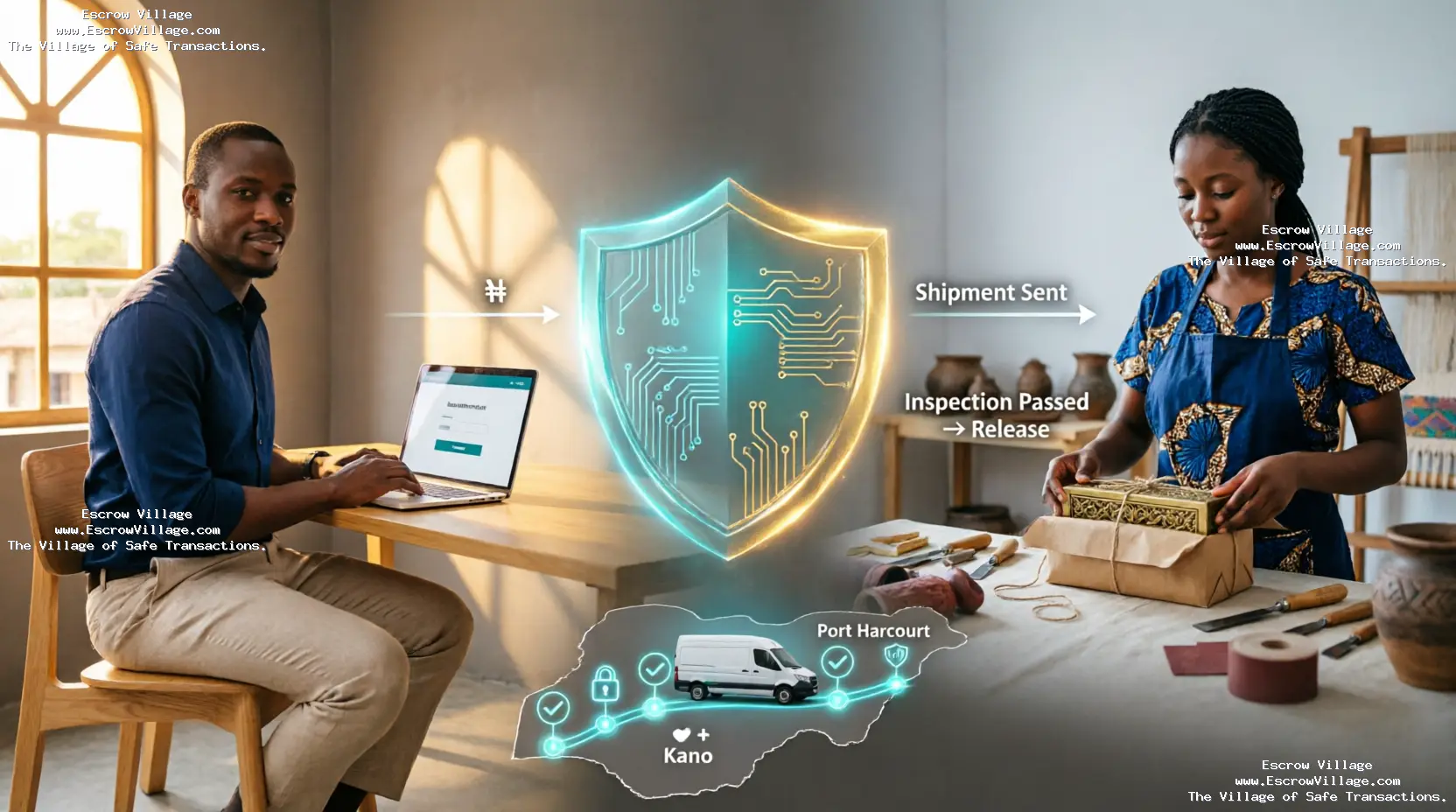
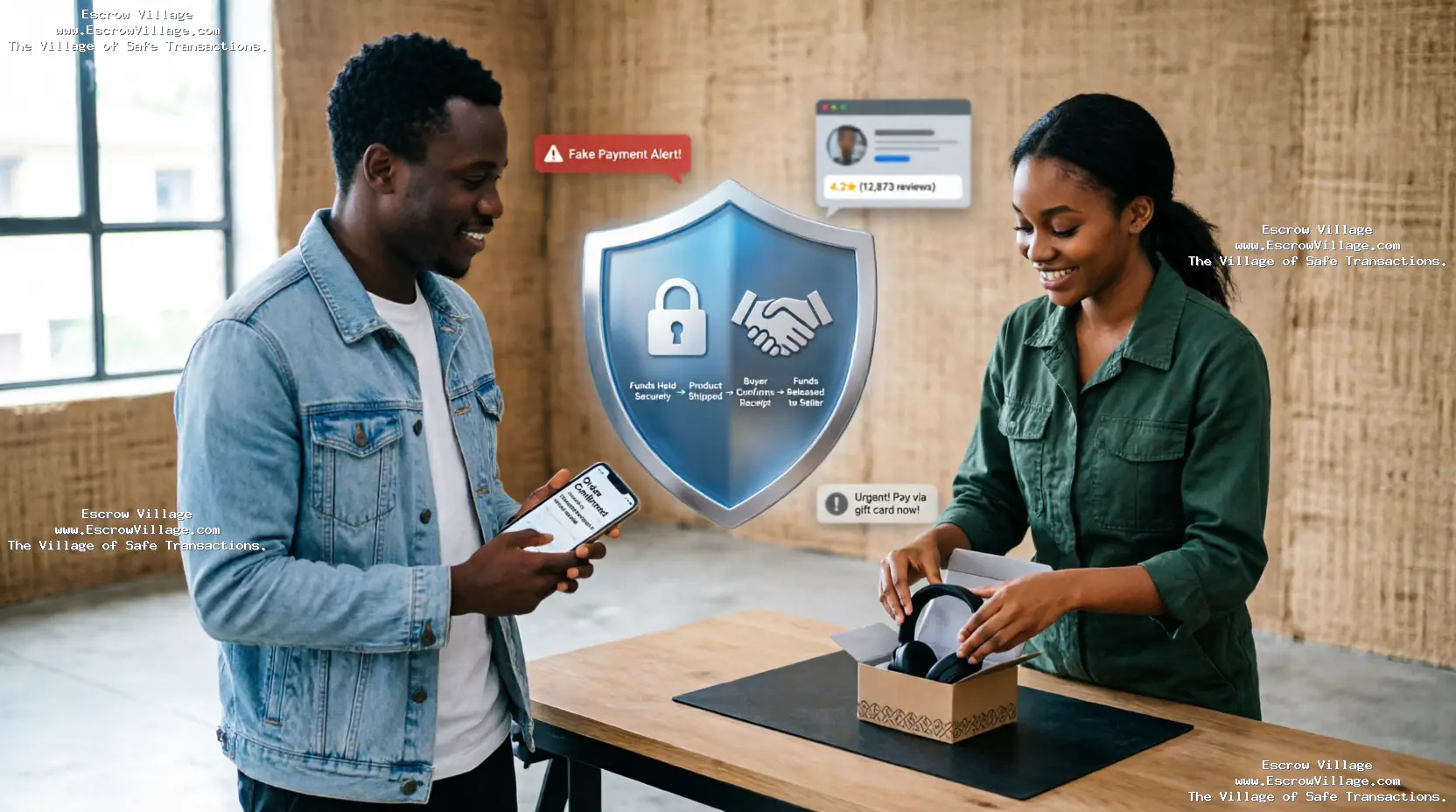
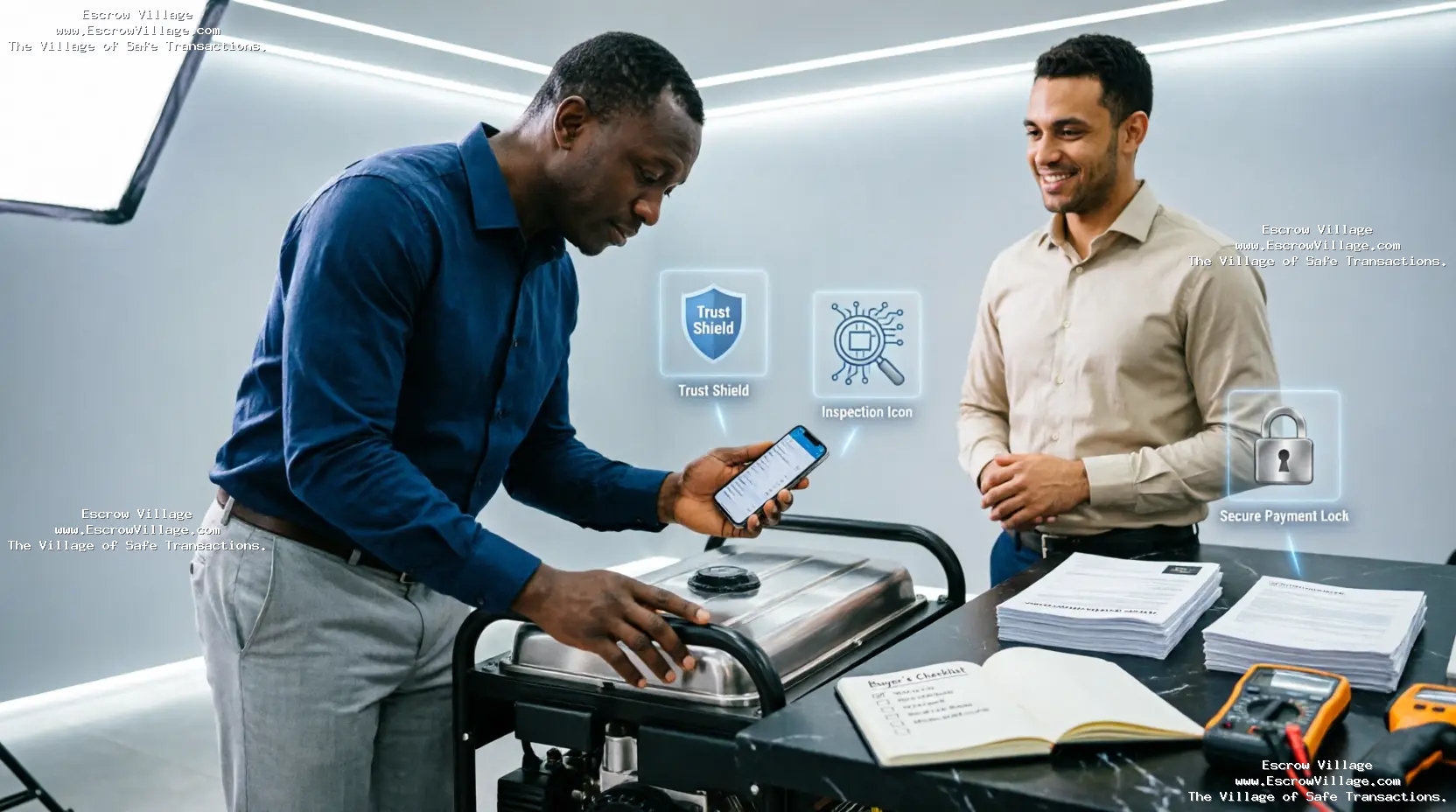
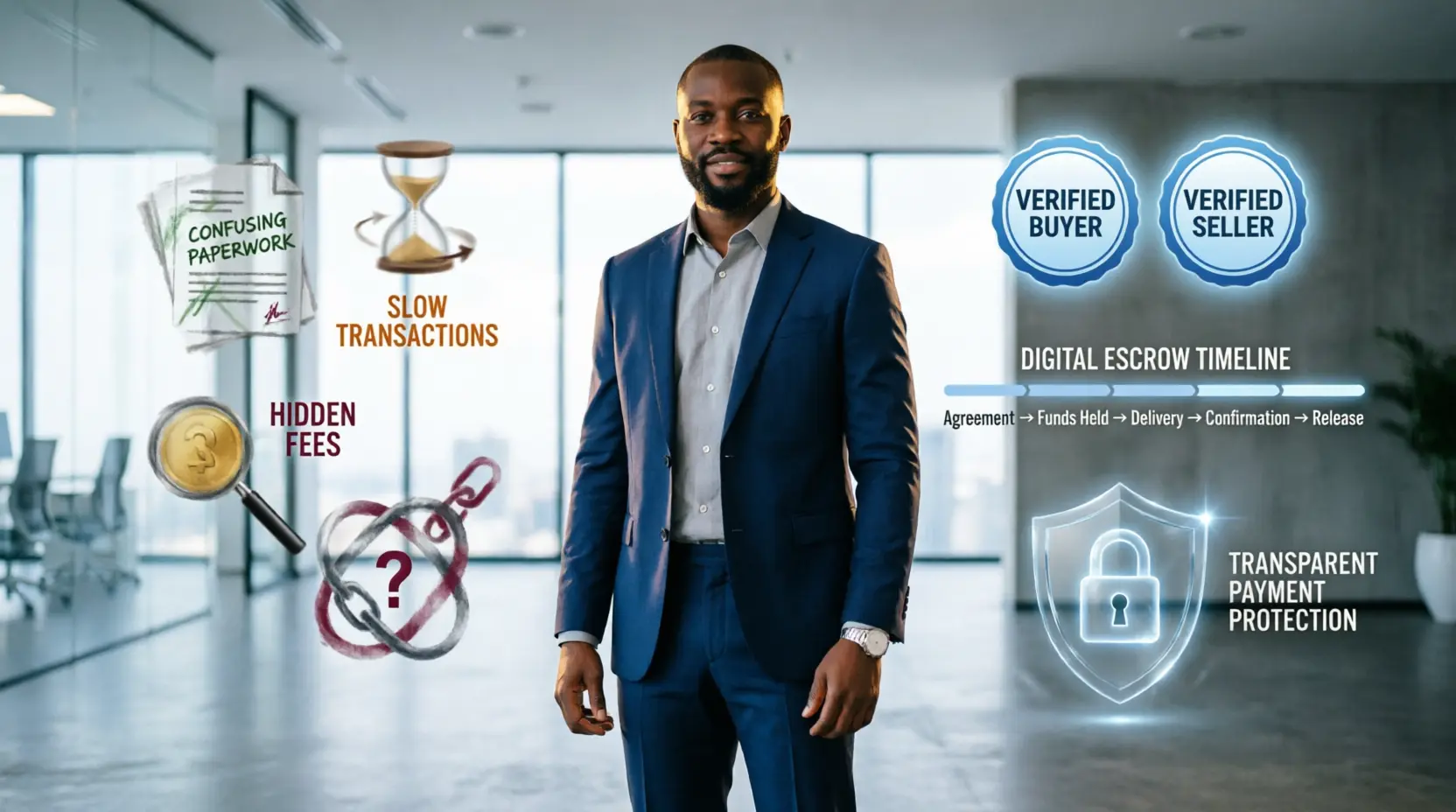
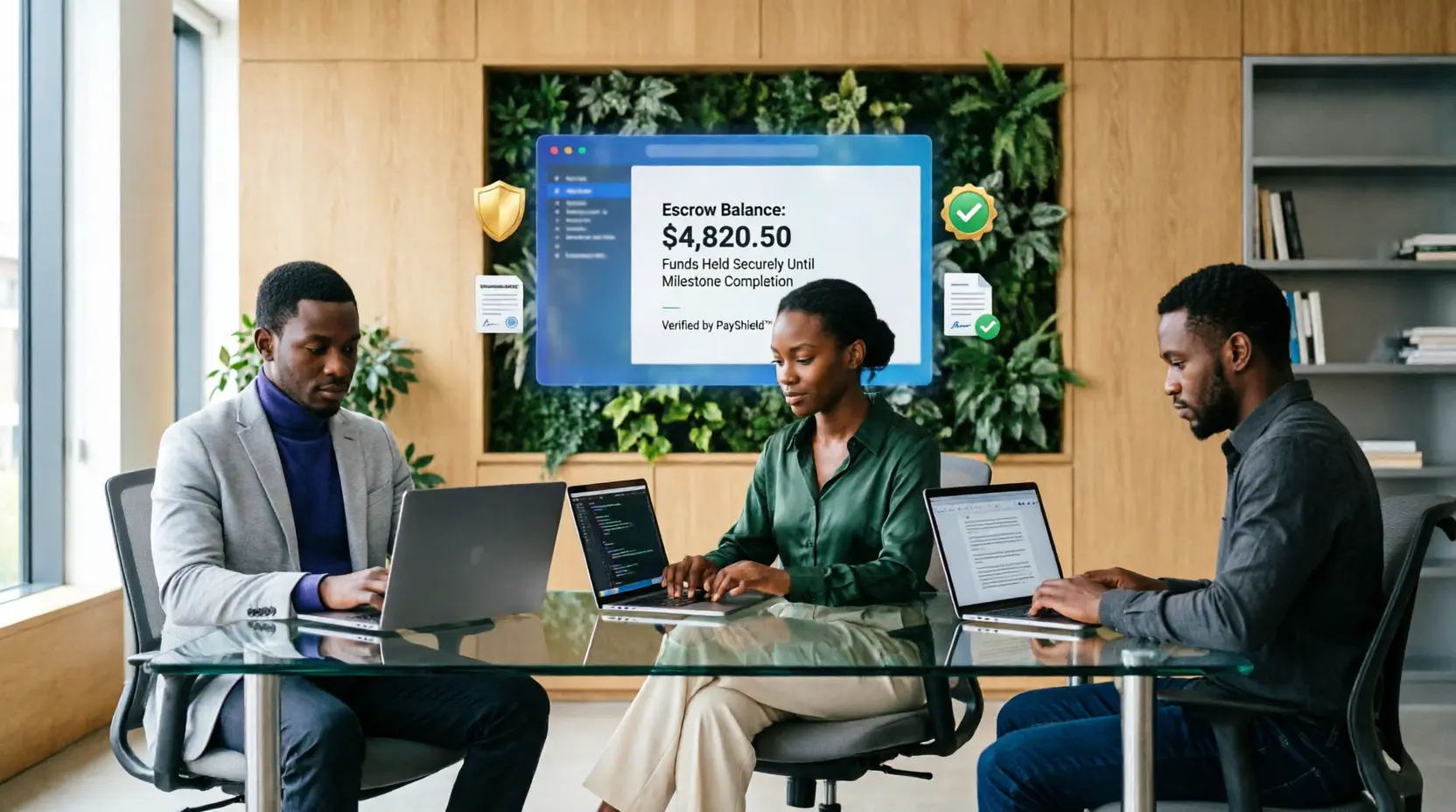
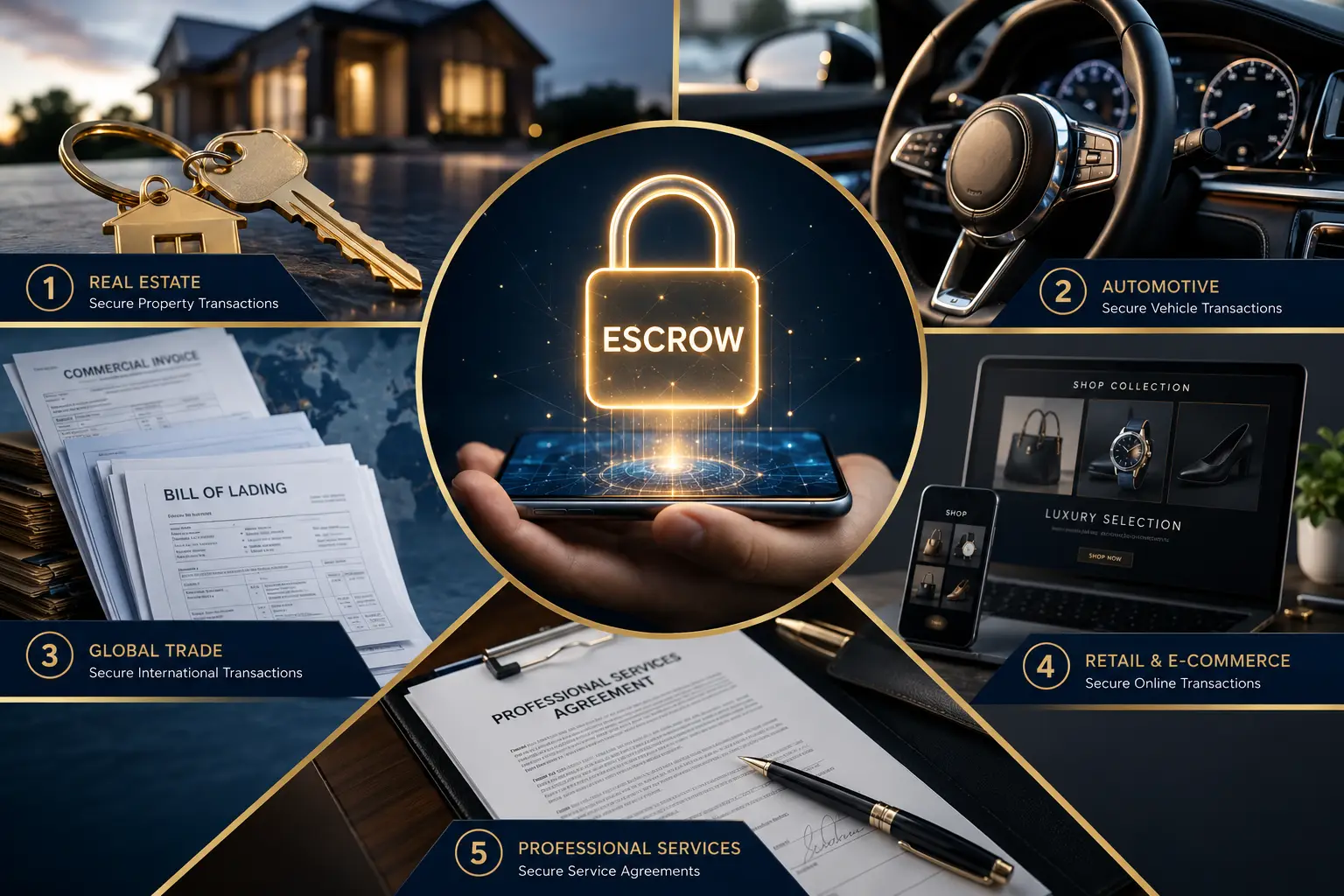
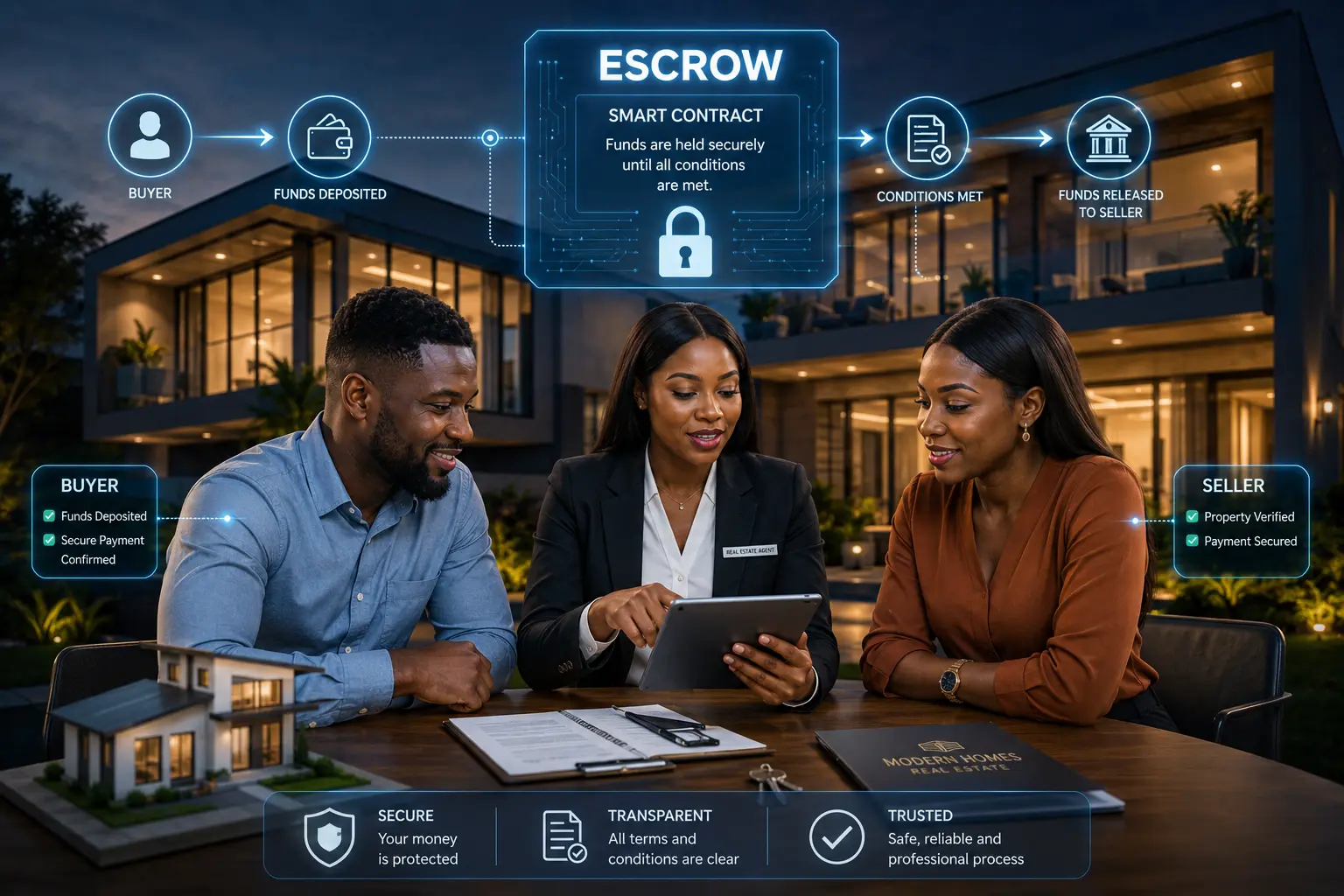
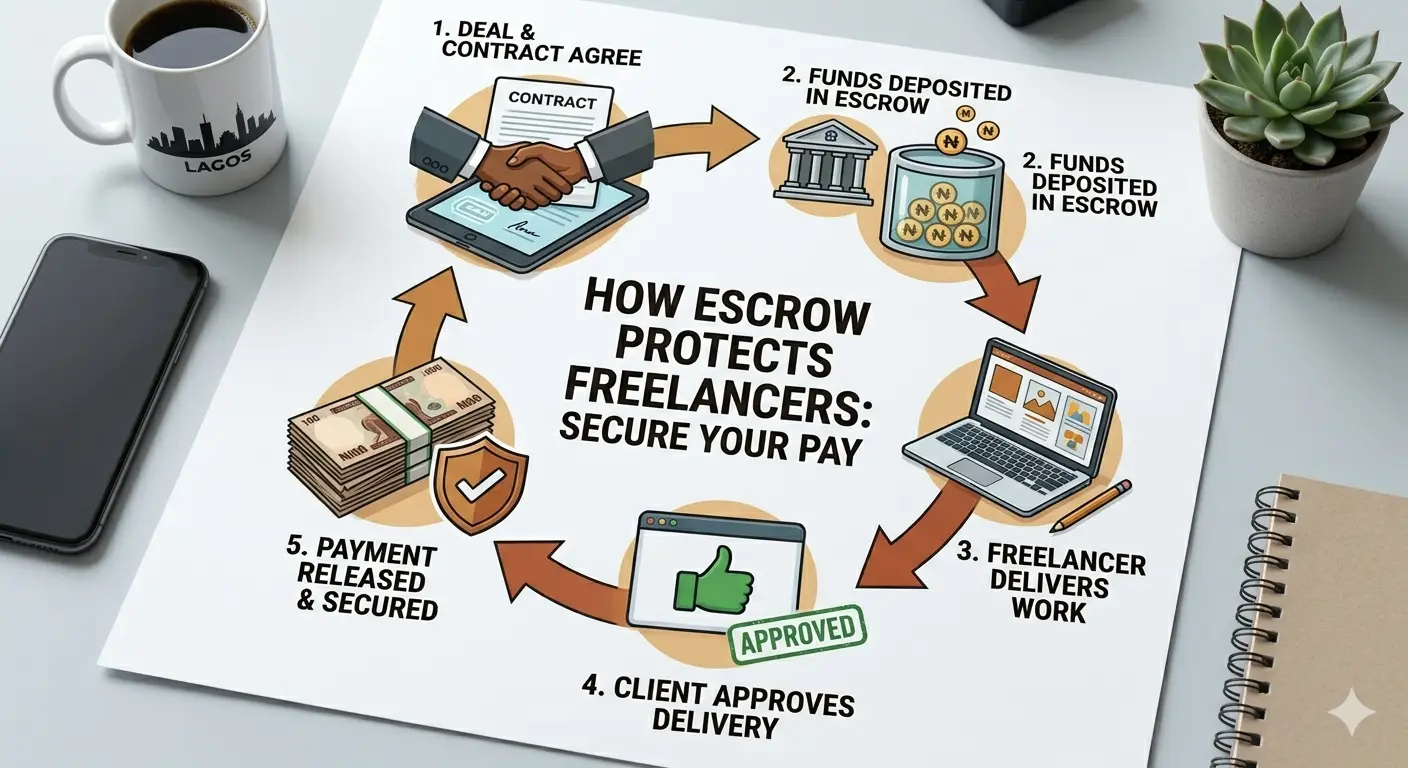
That's where escrow can provide an additional layer of protection.With how escrow Works, money can be held while both parties fulfil the agreed terms of the transaction.
This can be particularly useful when buyers and sellers don't know each other personally.
Payment gateways have different settlement periods. Some may settle funds within a day, while others can take longer depending on the payment method, business type or other factors.
This matters because your cash flow affects everything from restocking products to paying suppliers.
Before signing up, find out:
If a customer is debited but their payment isn't showing on your end, you need to know who to contact and how quickly you'll get a response.
Check whether the gateway offers support through channels you can easily access, such as email, live chat or WhatsApp.
Also, look beyond the company's website. Search for reviews from existing users. How does the company handle complaints?
Do customers get useful responses, or are they left waiting?
Good customer support becomes especially important when you're dealing with failed payments and customers who are already frustrated.
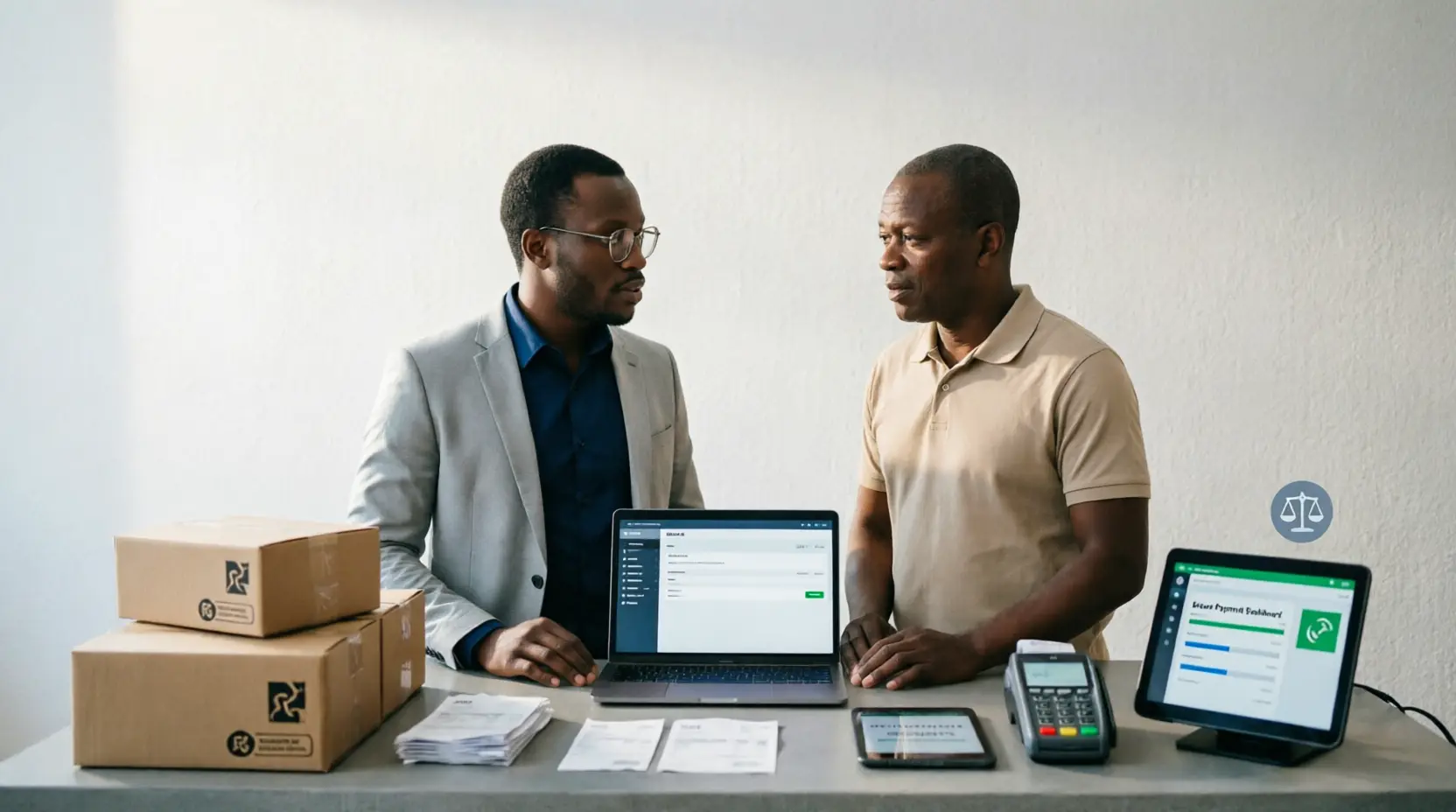
A payment gateway's primary role is to process payments. It isn't necessarily designed to resolve disagreements between a buyer and seller.
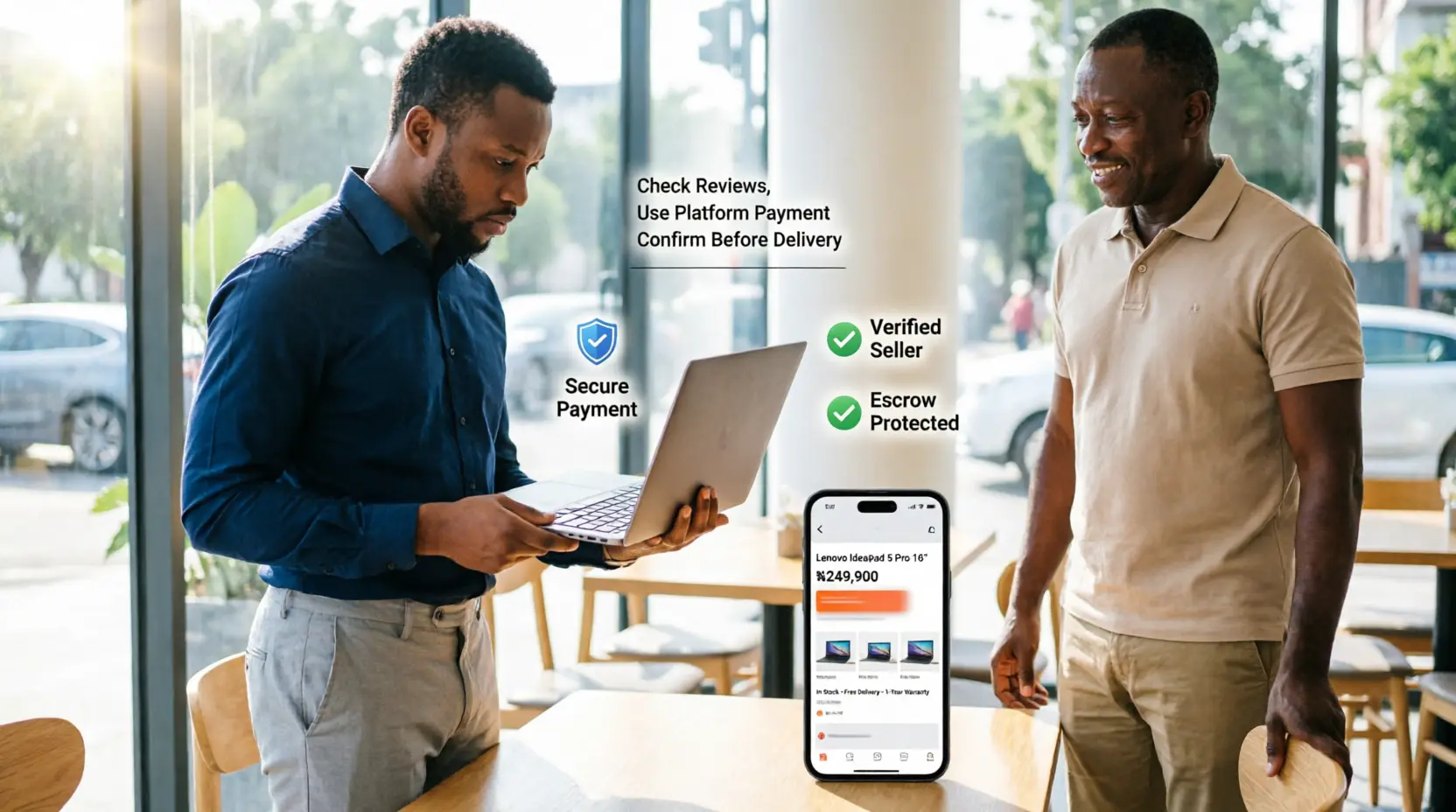
For example, imagine you pay a seller ₦300,000 for a laptop. The payment goes through successfully, but the seller doesn't send the laptop.
The payment gateway may have successfully done its job. But you still have a problem.
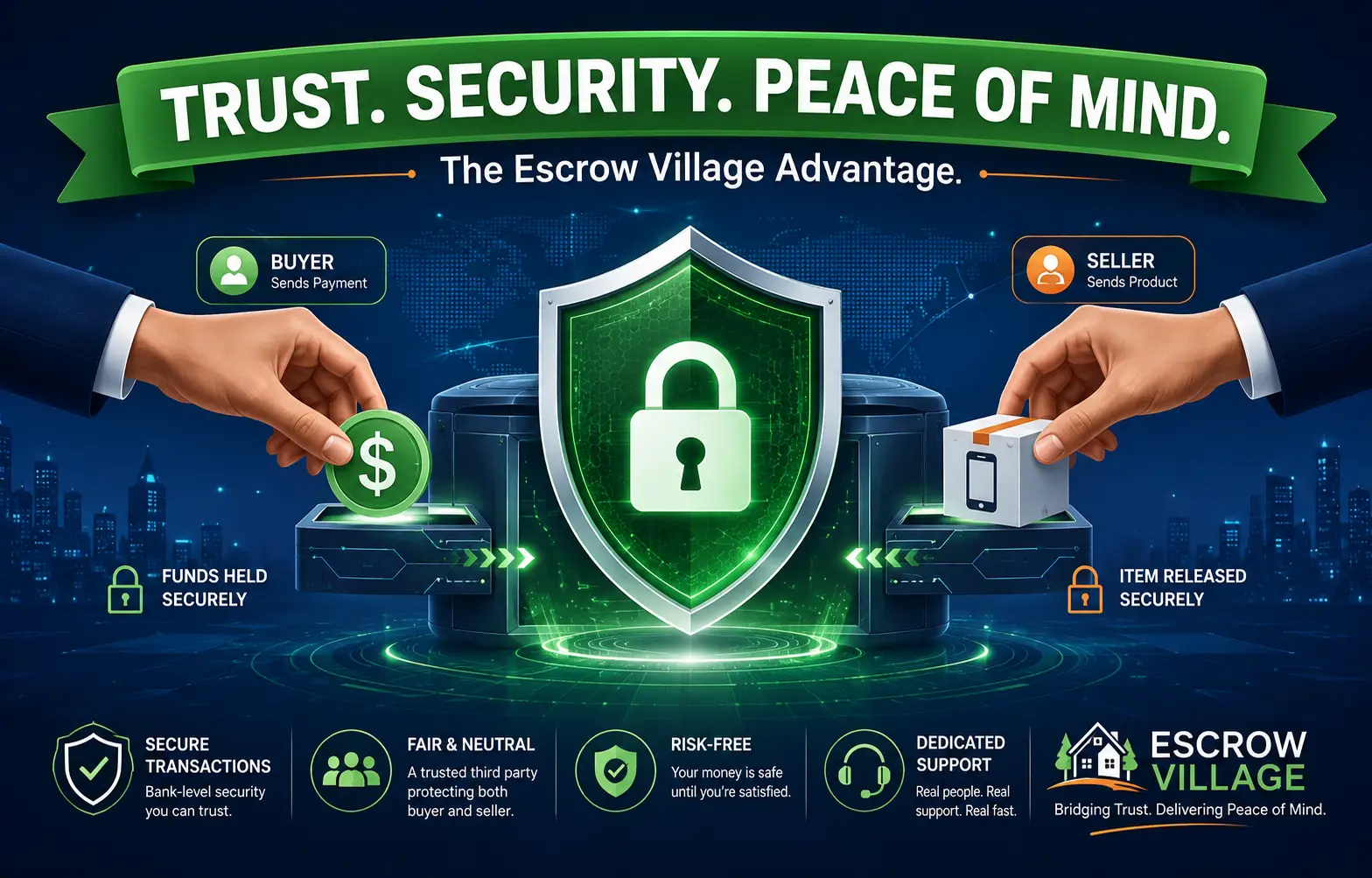
This is where an escrow service can be useful.Escrow Village, for example, can act as a neutral layer between the buyer and seller.
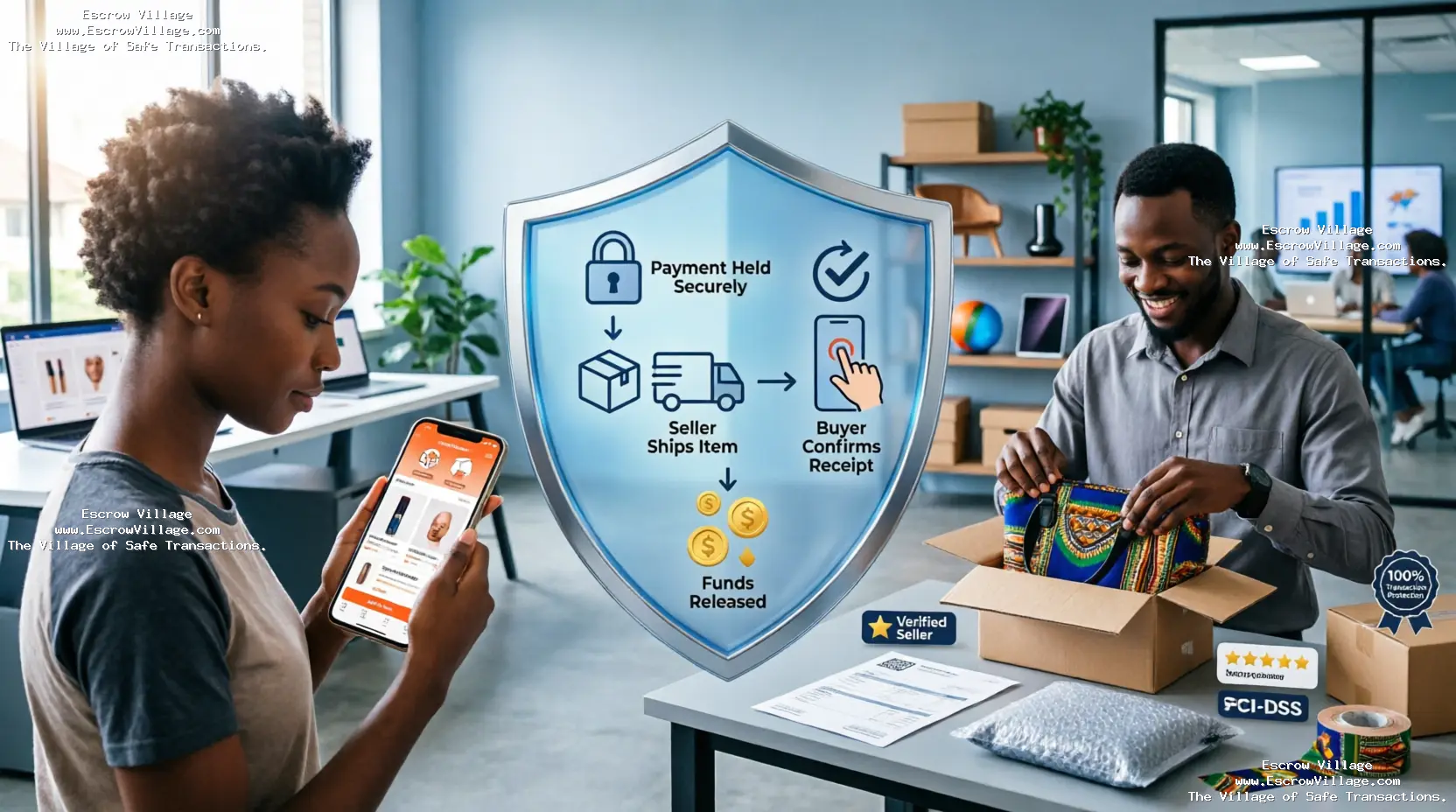
Instead of the buyer sending money directly to an unfamiliar seller and simply hoping everything works out, the transaction can be structured so that the funds are held until the agreed conditions are met.
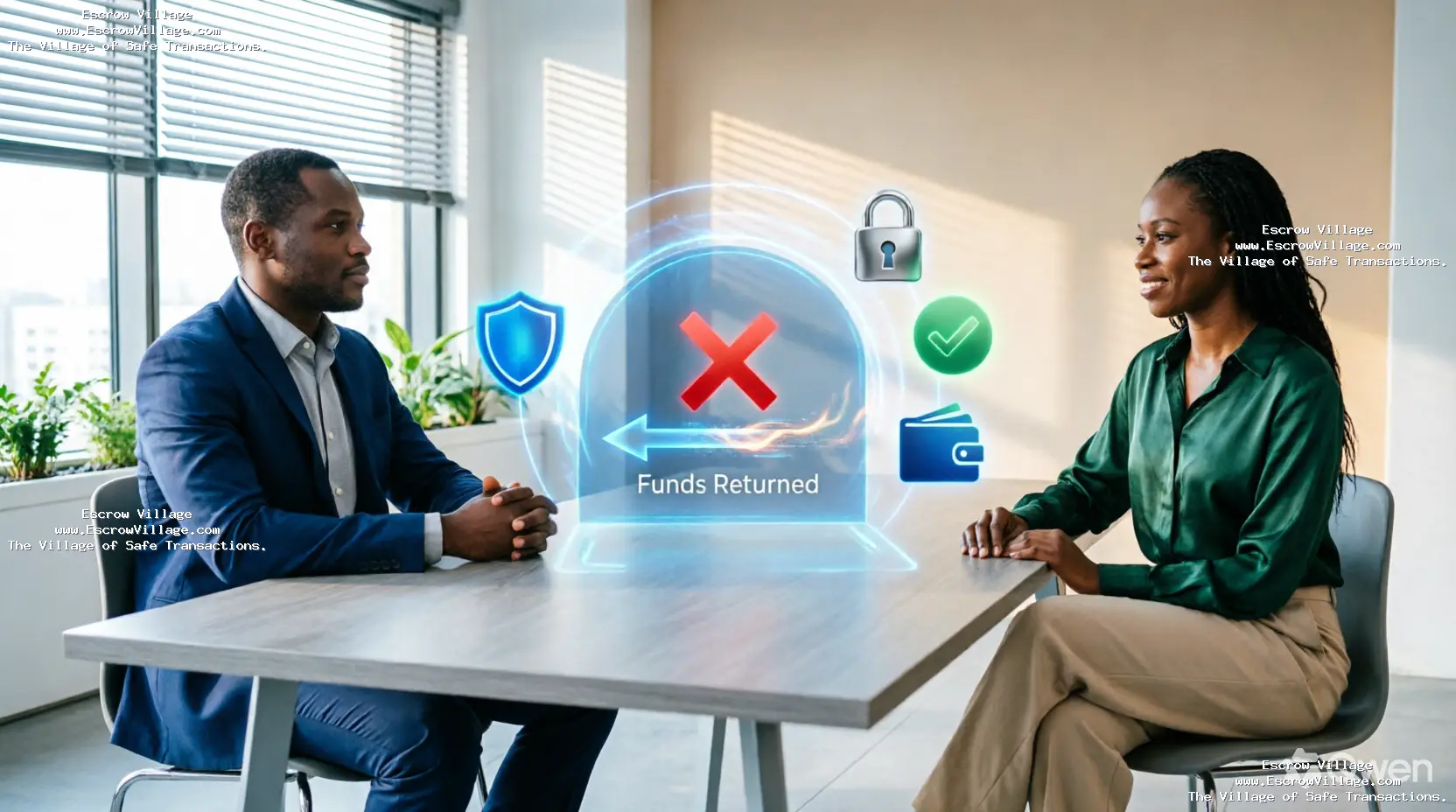
If something goes wrong, dispute resolution can provide a structured process for addressing the disagreement.
For high-value transactions, this additional layer of trust can make buyers more comfortable doing business online.
Test the checkout process yourself.Is it easy to understand? Does it work properly on a mobile phone? Are there too many steps?
Do payments fail regularly?
Since many Nigerian consumers shop from their phones, your payment process needs to work well on mobile.
A confusing or unreliable checkout can cause customers to abandon their purchases before completing payment.
A payment gateway helps process the payment.
An escrow service helps create trust around the transaction, particularly when the buyer and seller need protection while fulfilling their obligations.
You may need both depending on how your business operates.
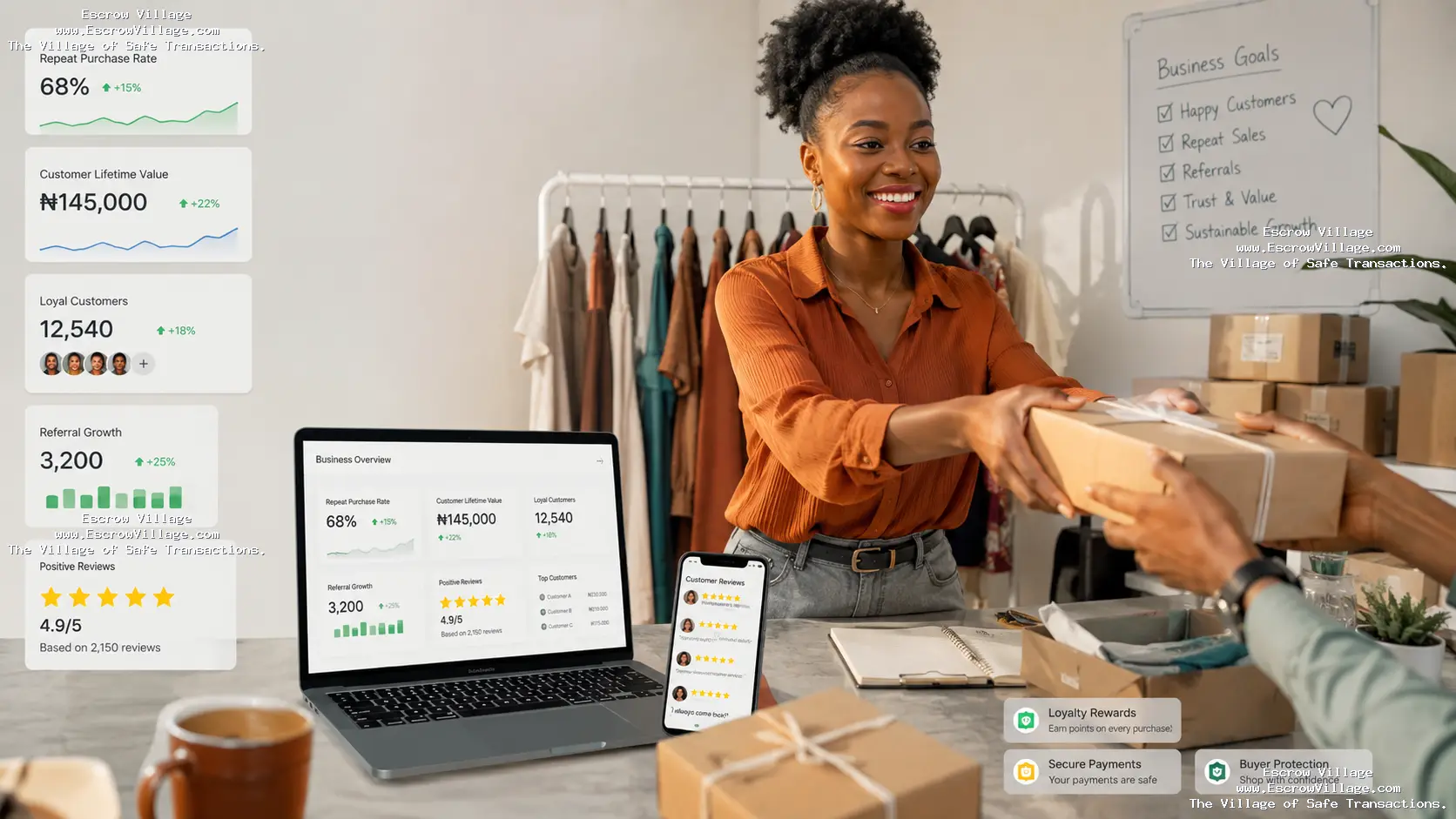
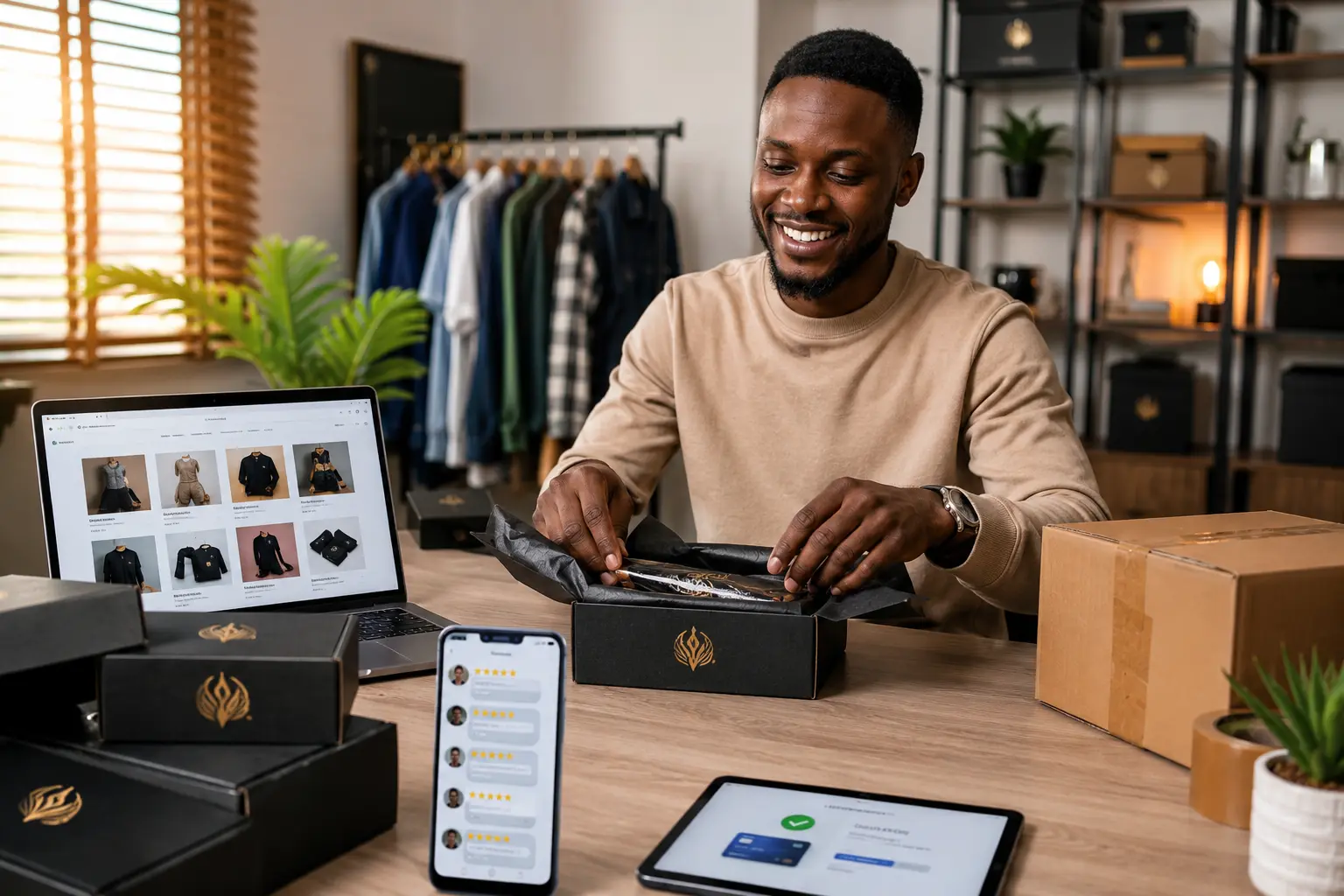
For example, a fashion store selling low-cost items to returning customers may mainly need a reliable payment gateway.
But if you're facilitating a ₦1 million transaction between two people who have never done business together, transaction protection becomes much more important.
You can learn more about protecting buyers in online transactions through buyer protection.
Look at the full picture: payment methods, transaction fees, reliability, security, settlement times, customer support and the ease of the checkout experience.
Then consider what happens after the payment has been processed.
Because successfully moving money from one account to another doesn't automatically mean the transaction itself is safe.
If you're dealing with new customers, unfamiliar vendors or high-value purchases, adding an escrow layer can give both sides more confidence.
Escrow Village helps buyers and sellers create safer transactions by adding trust and structure to the payment process.
Ready to make your online transactions safer? Sign up with Escrow Village and give your customers another reason to trust your business.
Now you're both confused, and the customer may start wondering if your business can be trusted.This is where your choice of payment gateway matters.
A payment gateway is the system that helps an online business accept and process payments from customers.
When someone pays with a card, bank transfer, or another supported payment method, the gateway sends the payment information through the right channels and confirms whether the transaction was successful.
But choosing one isn't just about finding a platform that can collect money. You also need to consider how reliable it is, what it charges, which payment methods it supports, how quickly you receive your money, how secure it is and what happens when a transaction goes wrong.
Here's what to look at before choosing a payment gateway for your business.
- 1. The Payment Methods Your Customers Use
Some prefer debit cards, while others are more comfortable with bank transfers, USSD or other digital payment options.
If your gateway doesn't support the payment methods your customers prefer, you could lose sales simply because paying is inconvenient.
Think about your target audience and how they normally pay. If you're selling to a wide range of customers, having multiple payment options can make the checkout process easier.
- 2. Transaction Fees and Other Charges
Most payment gateways charge a fee for processing transactions, but don't stop at the headline transaction rate.
Find out whether there are additional charges for refunds, settlements, international payments, chargebacks or other services.
A gateway with a slightly higher transaction fee may still be better for your business if it provides better reliability and customer support.
Calculate the actual cost based on how much you expect to process each month before making your decision.
- 3. How Reliable Is the Gateway?
What happens next?
Situations like this can quickly damage the trust between a buyer and seller. The customer may think you've received the money and are pretending otherwise, while you're looking at your dashboard wondering where the payment went.
A reliable payment gateway should have a clear process for handling failed, reversed or delayed transactions.
Look at user reviews and complaints before choosing one. Don't rely only on what the company says about itself.
- 4. Check the Security
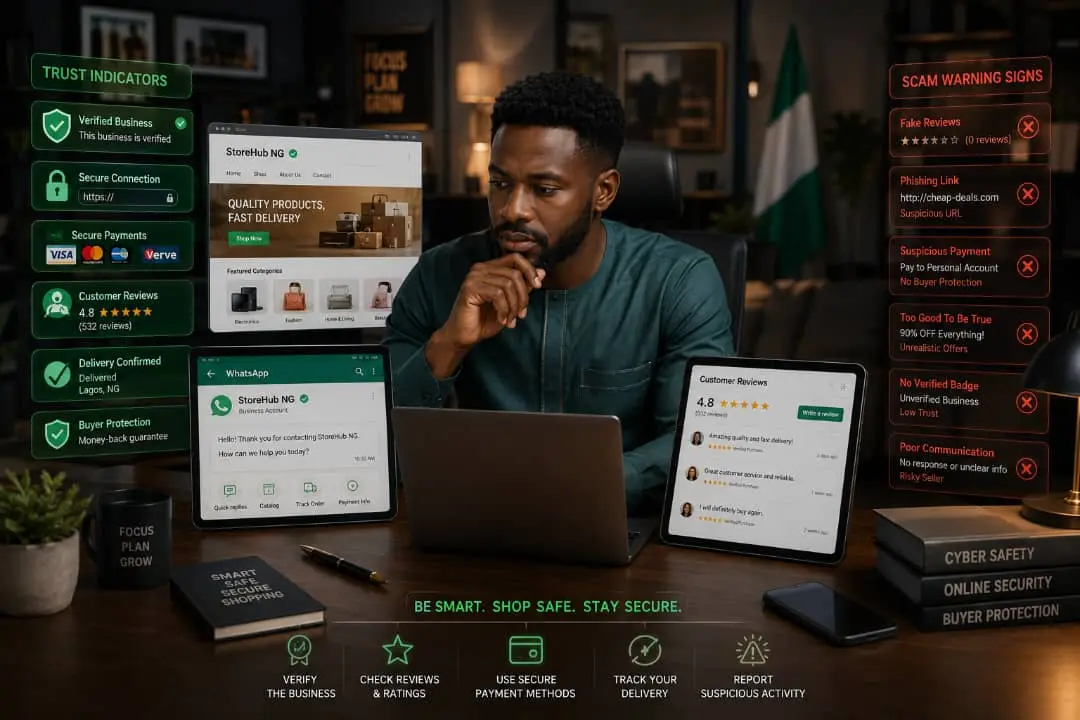
But there's an important distinction to understand: a secure payment gateway doesn't automatically mean the entire transaction is protected.
A gateway can securely process a payment, but it doesn't necessarily guarantee that a seller will deliver the product or service they promised.
That's where escrow can provide an additional layer of protection.With how escrow Works, money can be held while both parties fulfil the agreed terms of the transaction.
This can be particularly useful when buyers and sellers don't know each other personally.
- 5. How Quickly Will You Receive Your Money?
Payment gateways have different settlement periods. Some may settle funds within a day, while others can take longer depending on the payment method, business type or other factors.
This matters because your cash flow affects everything from restocking products to paying suppliers.
Before signing up, find out:
- ● How long settlements normally take
- ● Whether weekends affect settlement
- ● Whether there are minimum settlement amounts
- ● Whether settlement fees apply
- ● Knowing when you'll actually receive your money helps you plan your business better.
- 6. What Kind of Customer Support Do They Offer?
If a customer is debited but their payment isn't showing on your end, you need to know who to contact and how quickly you'll get a response.
Check whether the gateway offers support through channels you can easily access, such as email, live chat or WhatsApp.
Also, look beyond the company's website. Search for reviews from existing users. How does the company handle complaints?
Do customers get useful responses, or are they left waiting?
Good customer support becomes especially important when you're dealing with failed payments and customers who are already frustrated.
- 7. What Happens When a Transaction Goes Wrong?
A payment gateway's primary role is to process payments. It isn't necessarily designed to resolve disagreements between a buyer and seller.
For example, imagine you pay a seller ₦300,000 for a laptop. The payment goes through successfully, but the seller doesn't send the laptop.
The payment gateway may have successfully done its job. But you still have a problem.
This is where an escrow service can be useful.Escrow Village, for example, can act as a neutral layer between the buyer and seller.
Instead of the buyer sending money directly to an unfamiliar seller and simply hoping everything works out, the transaction can be structured so that the funds are held until the agreed conditions are met.
If something goes wrong, dispute resolution can provide a structured process for addressing the disagreement.
For high-value transactions, this additional layer of trust can make buyers more comfortable doing business online.
- 8. Is the Checkout Experience Simple?
Test the checkout process yourself.Is it easy to understand? Does it work properly on a mobile phone? Are there too many steps?
Do payments fail regularly?
Since many Nigerian consumers shop from their phones, your payment process needs to work well on mobile.
A confusing or unreliable checkout can cause customers to abandon their purchases before completing payment.
- Payment Gateway vs Escrow: They Solve Different Problems
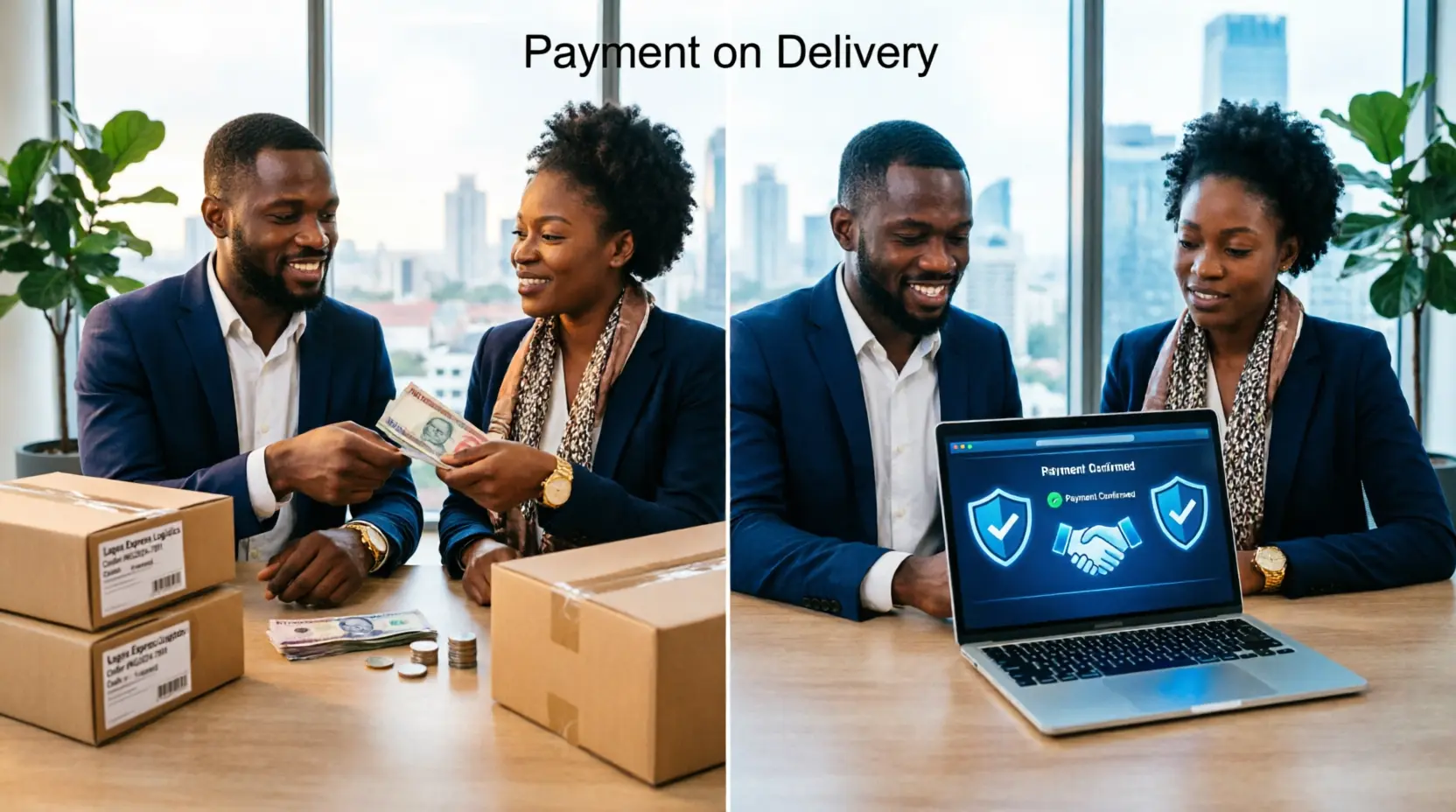
A payment gateway helps process the payment.
An escrow service helps create trust around the transaction, particularly when the buyer and seller need protection while fulfilling their obligations.
You may need both depending on how your business operates.
For example, a fashion store selling low-cost items to returning customers may mainly need a reliable payment gateway.
But if you're facilitating a ₦1 million transaction between two people who have never done business together, transaction protection becomes much more important.
You can learn more about protecting buyers in online transactions through buyer protection.
- Don't Choose a Gateway Based on Price Alone
Look at the full picture: payment methods, transaction fees, reliability, security, settlement times, customer support and the ease of the checkout experience.
Then consider what happens after the payment has been processed.
Because successfully moving money from one account to another doesn't automatically mean the transaction itself is safe.
If you're dealing with new customers, unfamiliar vendors or high-value purchases, adding an escrow layer can give both sides more confidence.
Escrow Village helps buyers and sellers create safer transactions by adding trust and structure to the payment process.
Ready to make your online transactions safer? Sign up with Escrow Village and give your customers another reason to trust your business.