How Escrow Fits Into the Digital Payments Ecosystem
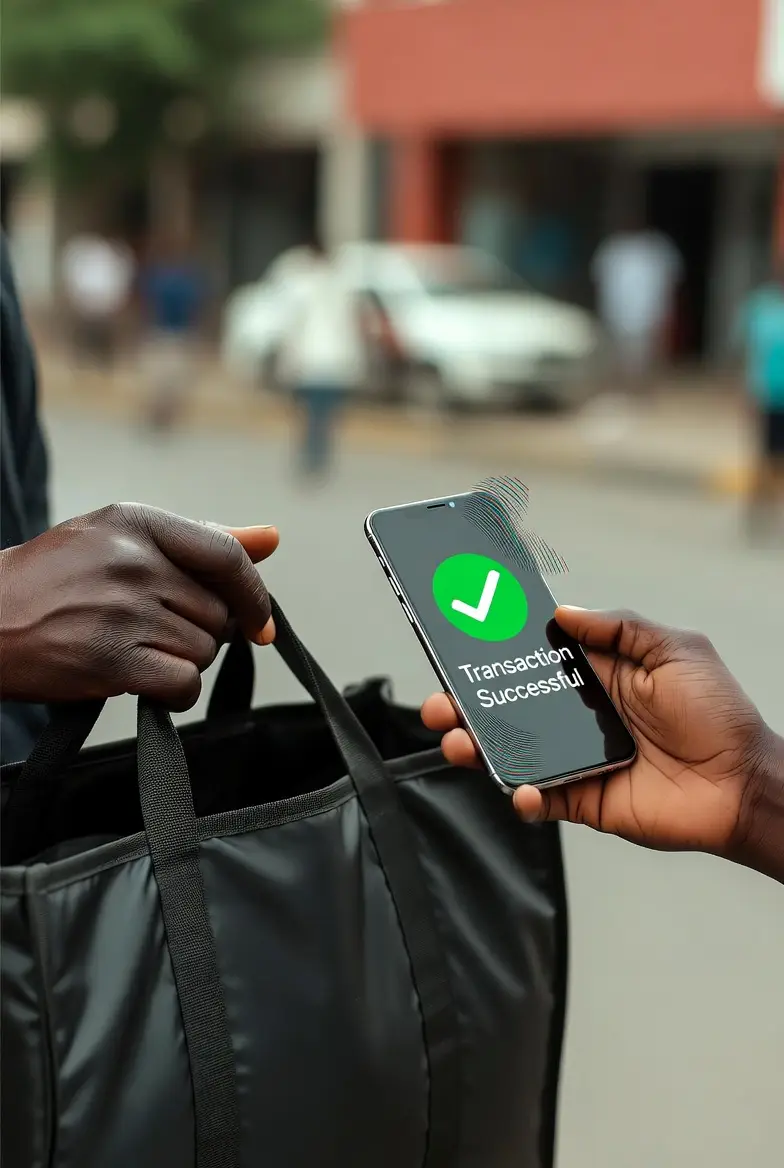
Digital payments have made it easier for people and businesses to send and receive money. Today, you can pay for products online, hire a freelancer, transfer money to a business, or pay for services without handling cash.
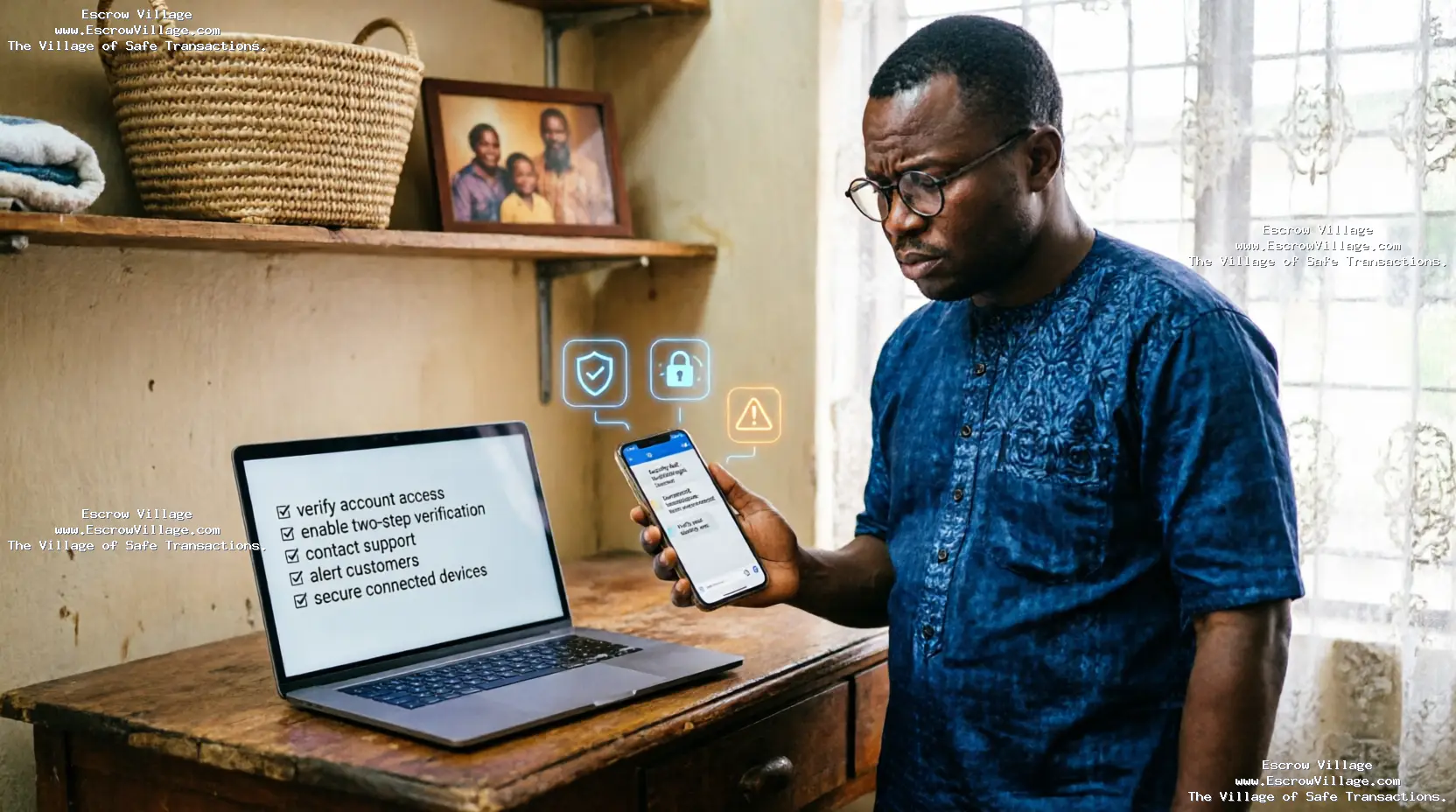
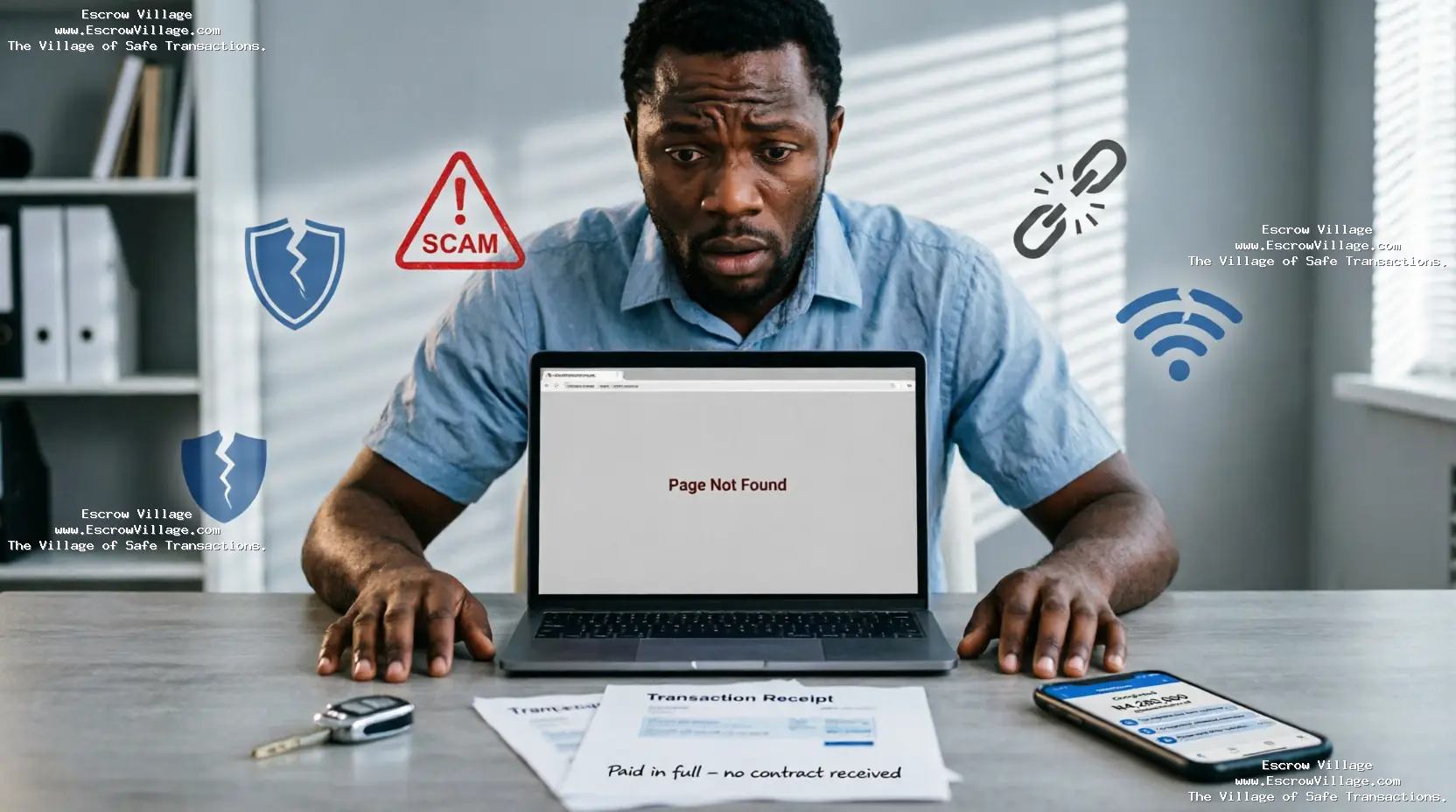
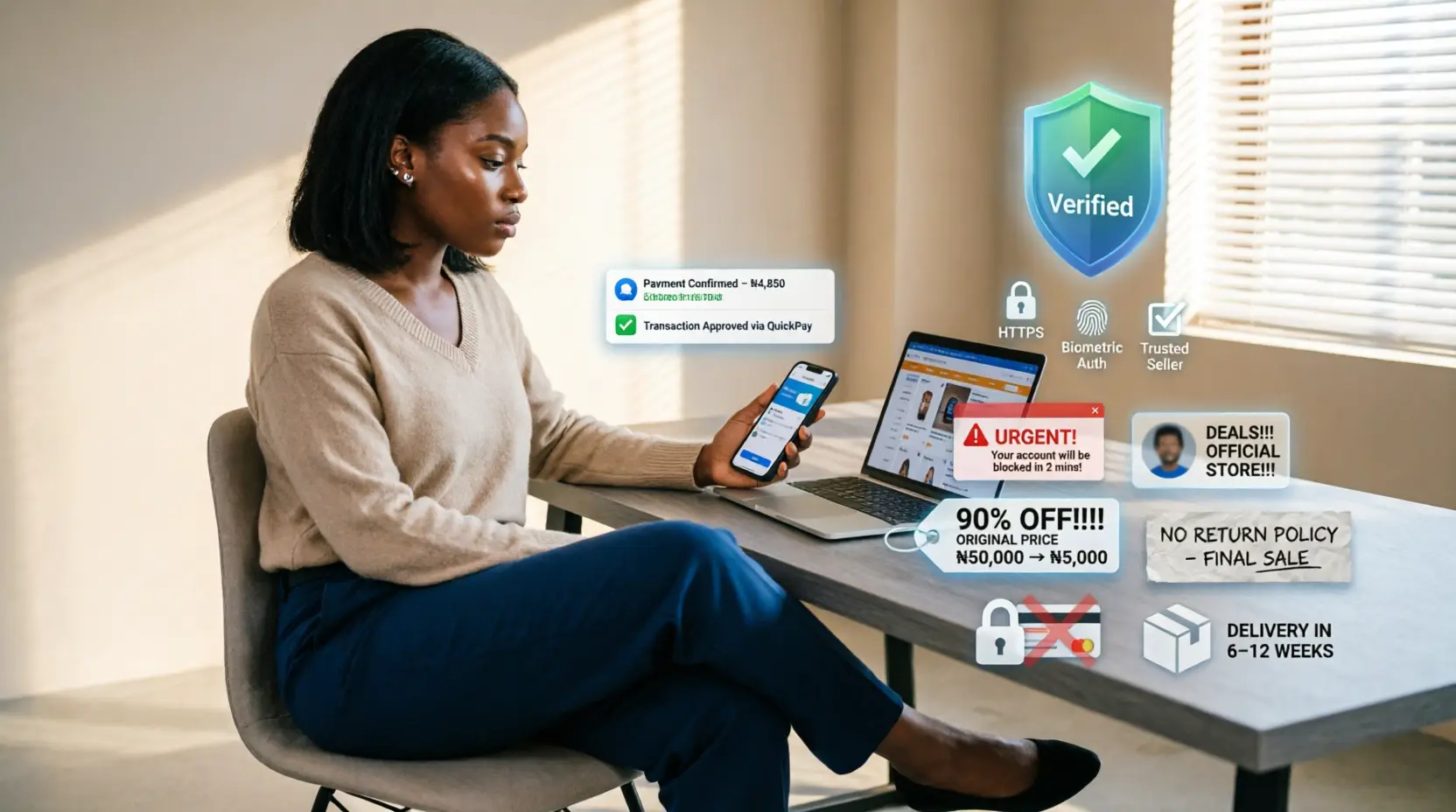
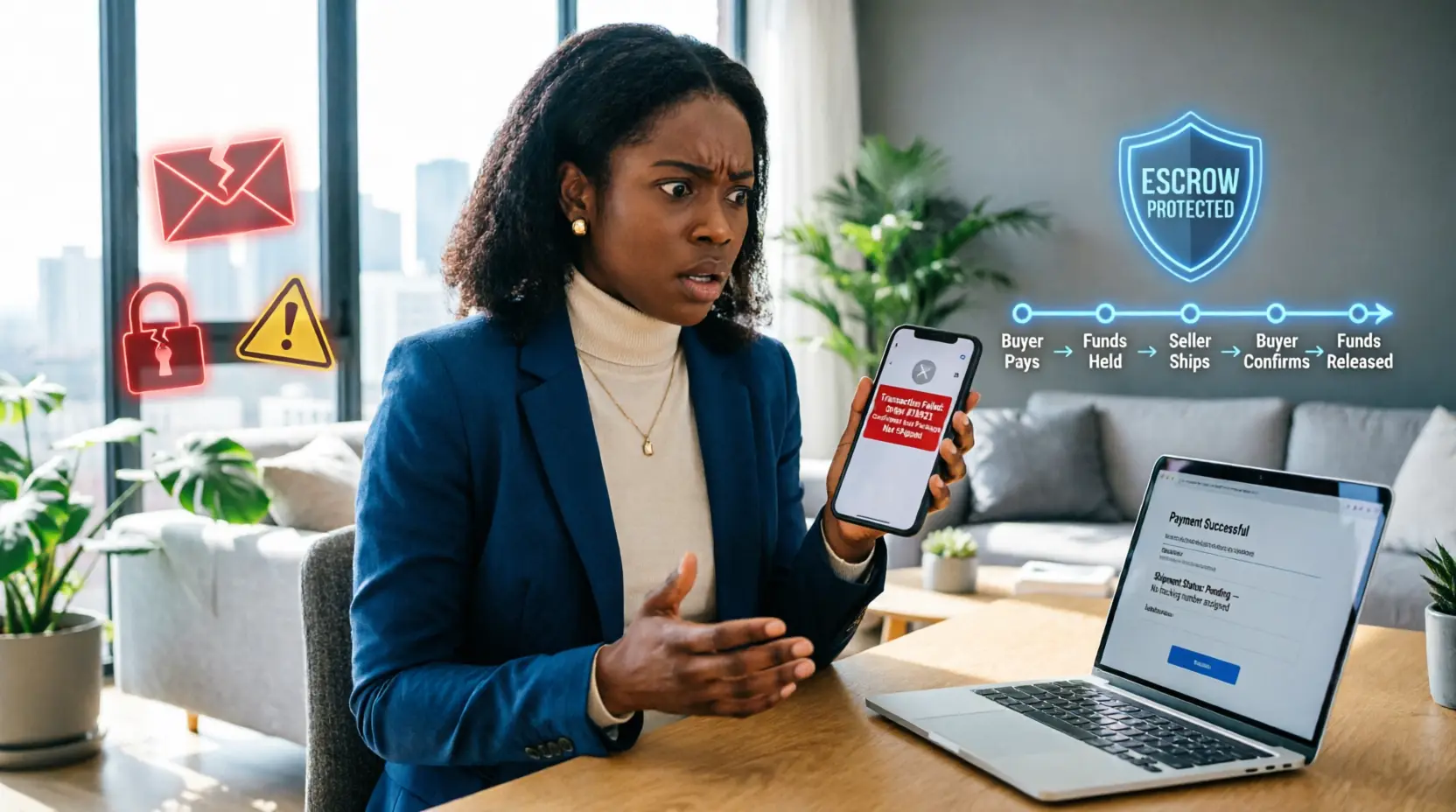
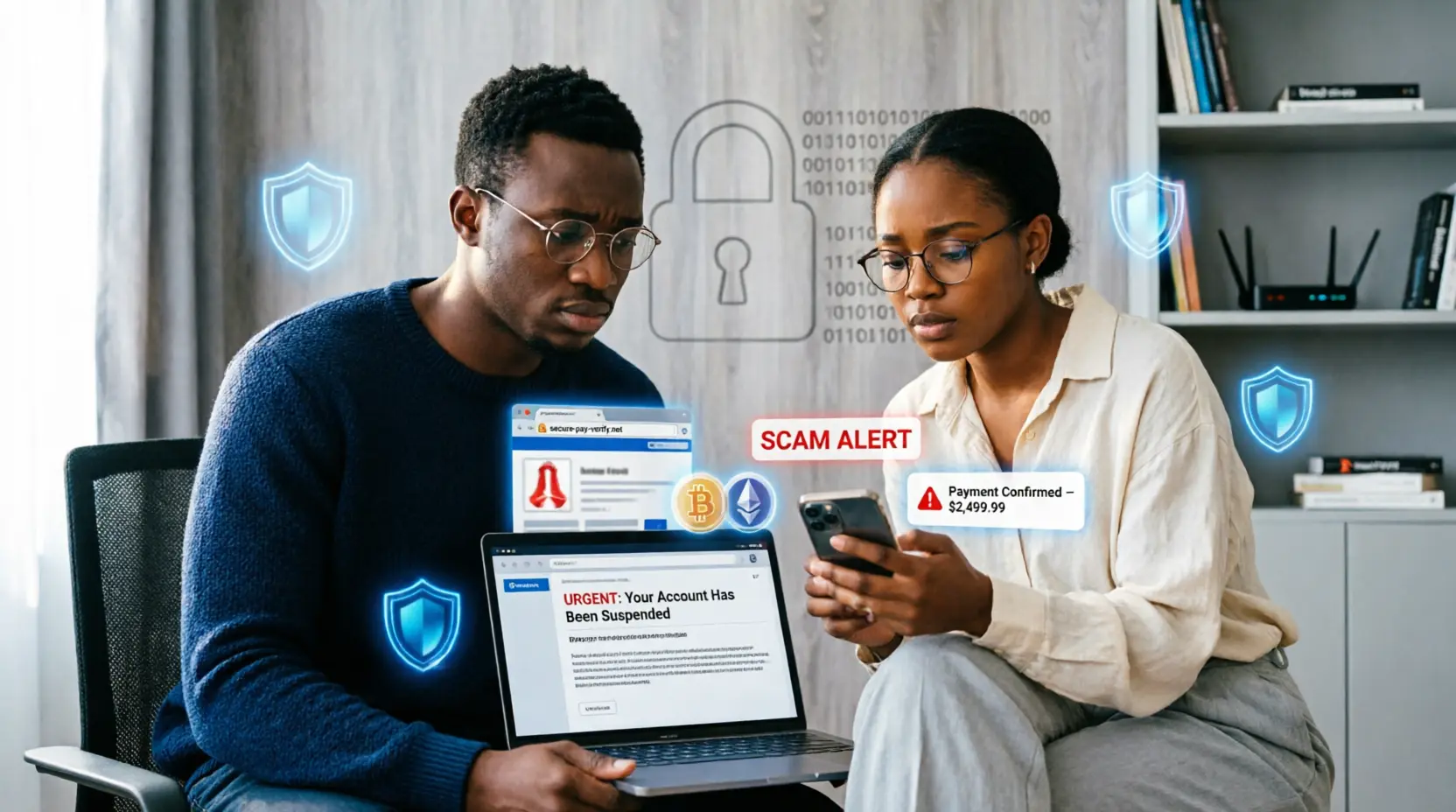
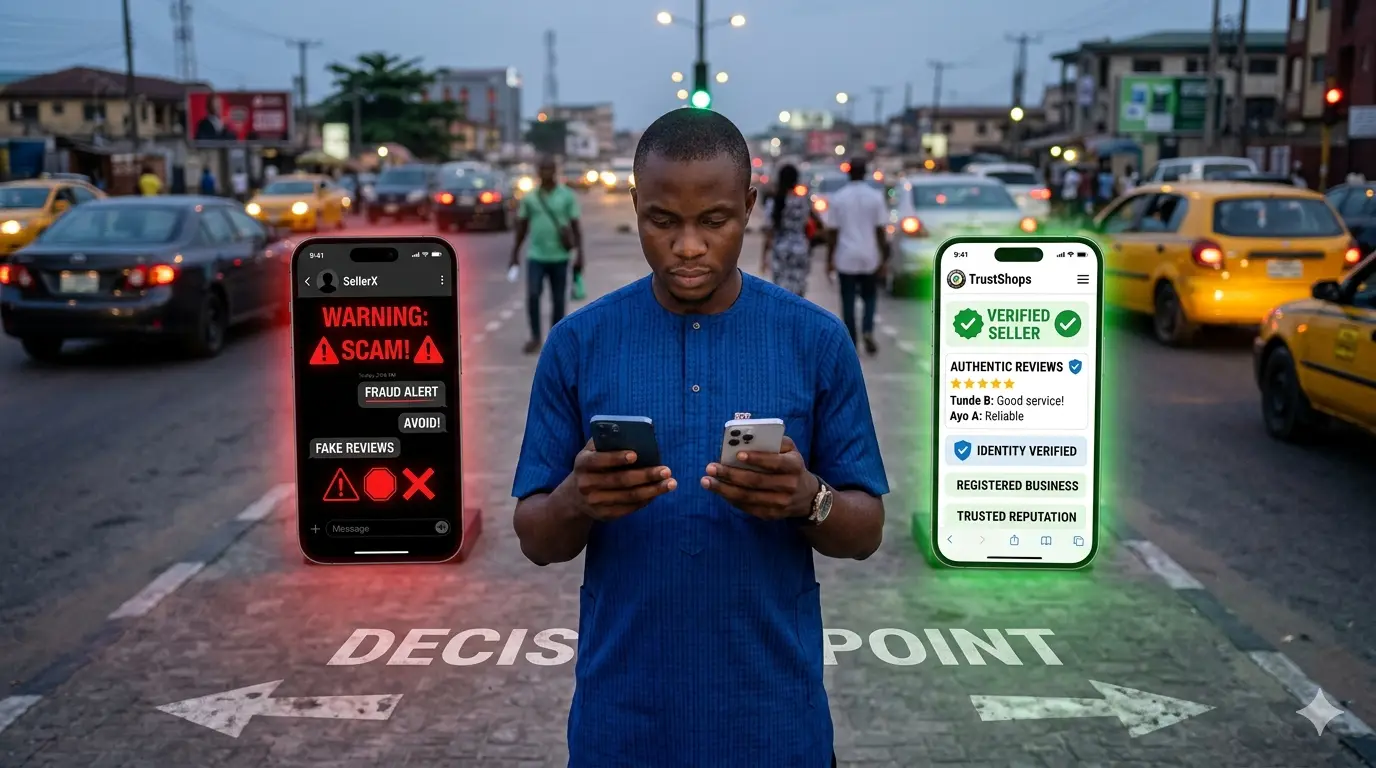
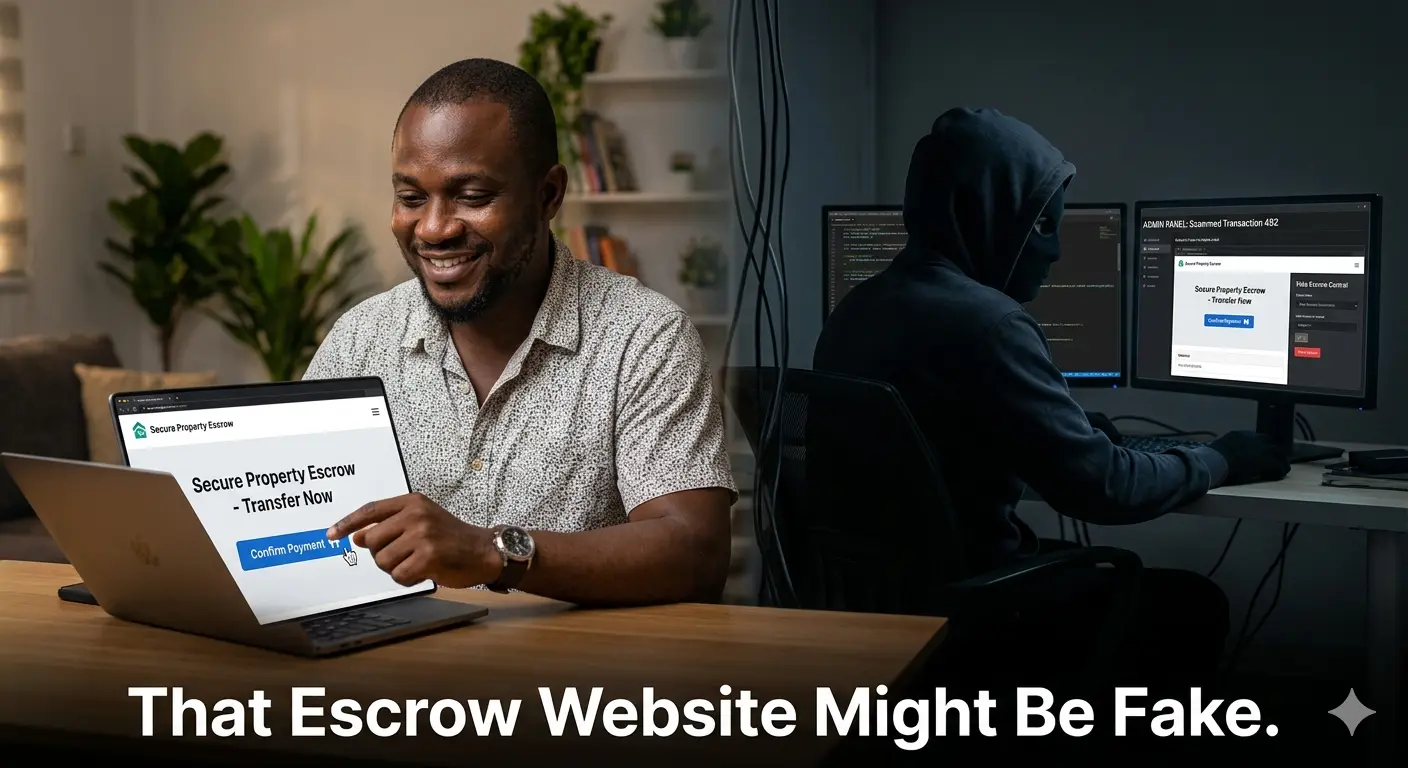
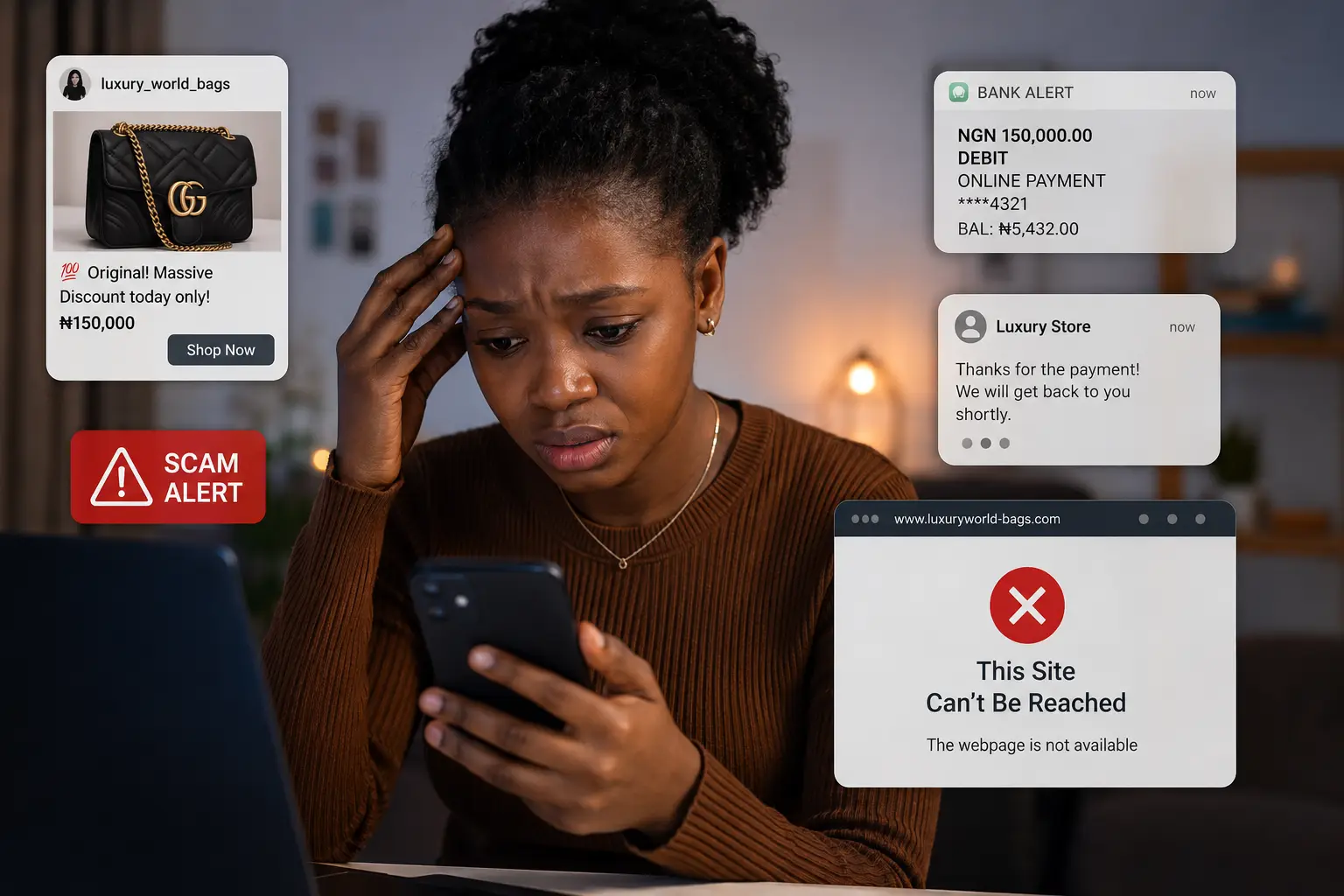
But while digital payments make transactions faster and more convenient, they don't always guarantee that both parties will fulfil their agreement. A buyer may pay for an item that never arrives, or a seller may worry about delivering a product without receiving payment.
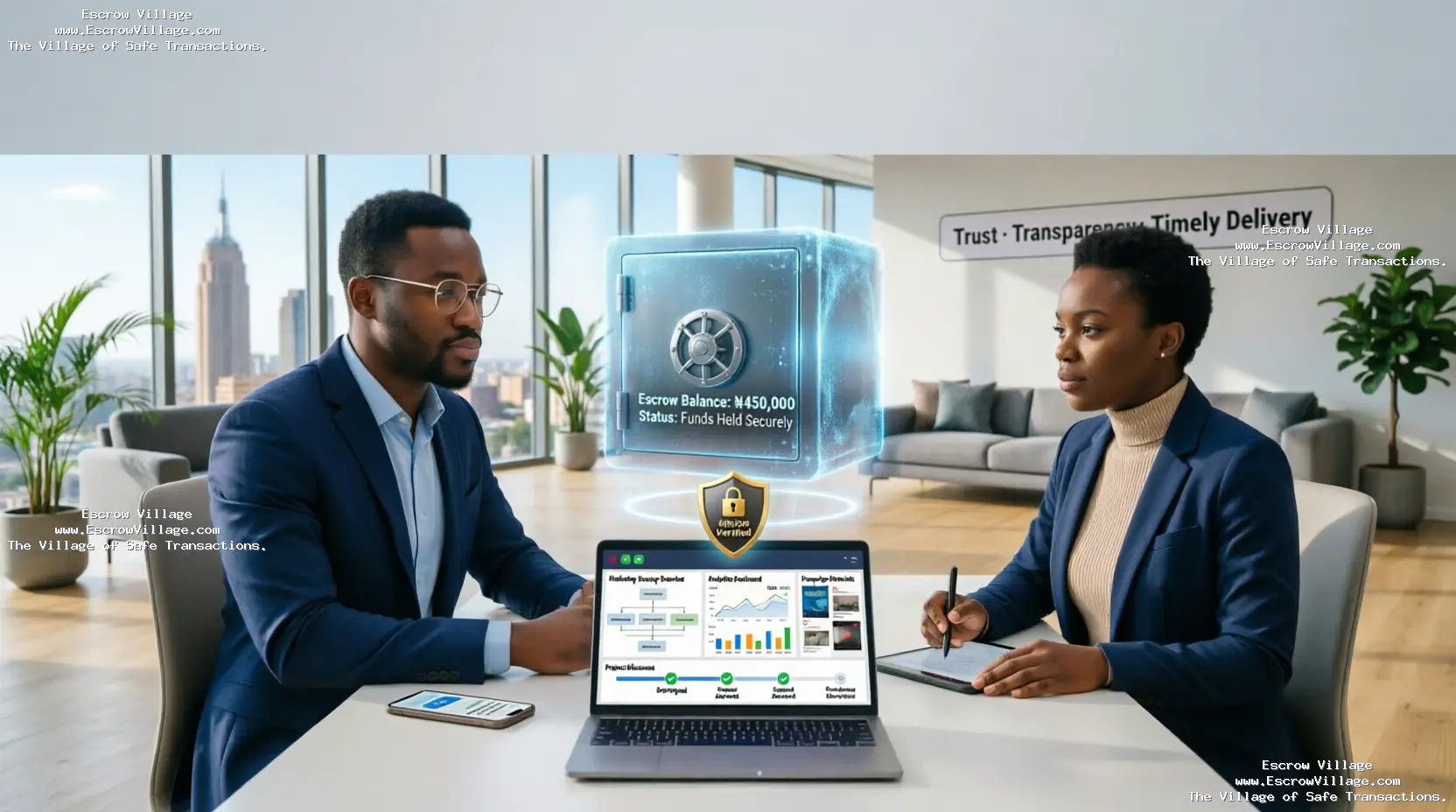
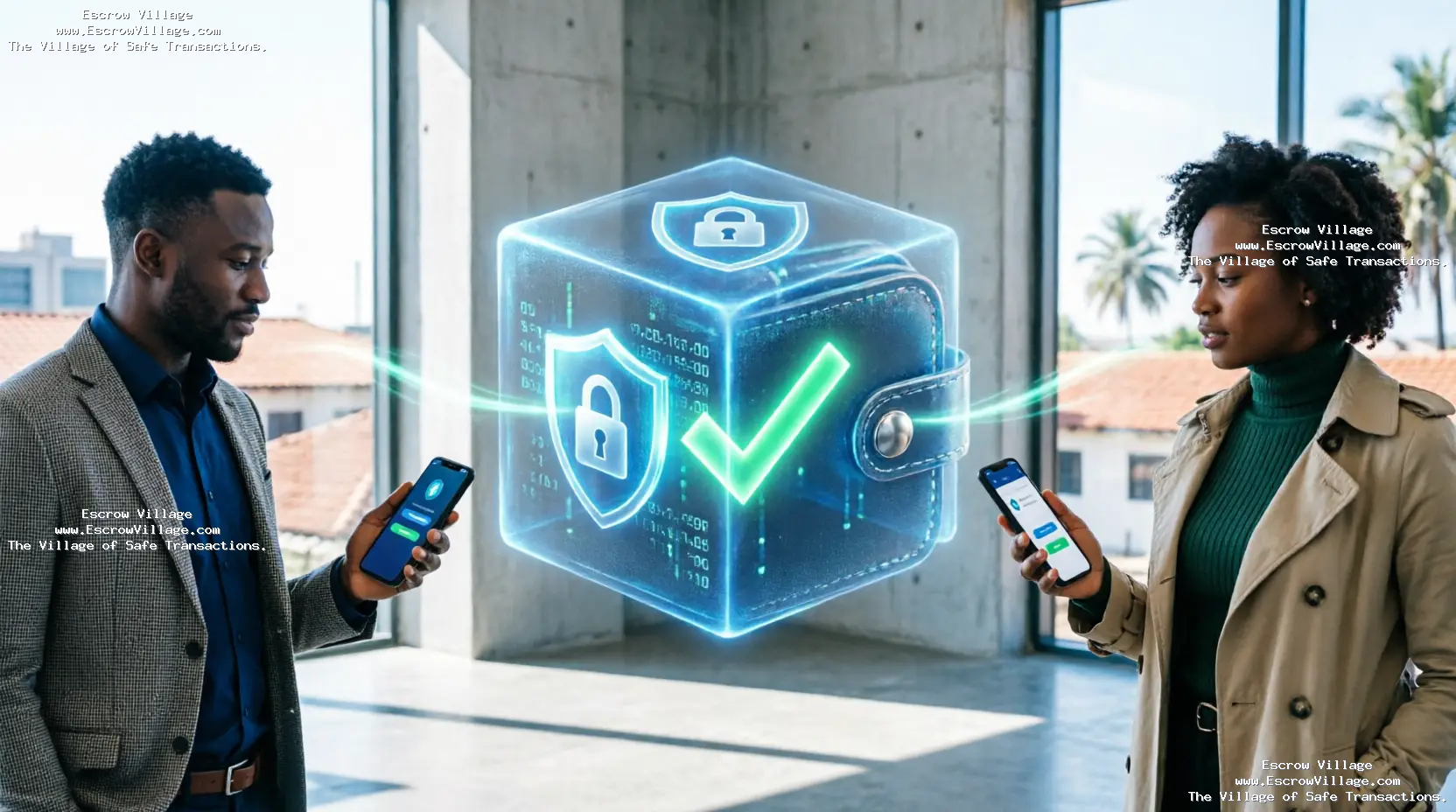
This is where escrow fits into the digital payments ecosystem. It adds an extra layer of security by helping protect the payment while both parties fulfil their agreed responsibilities.
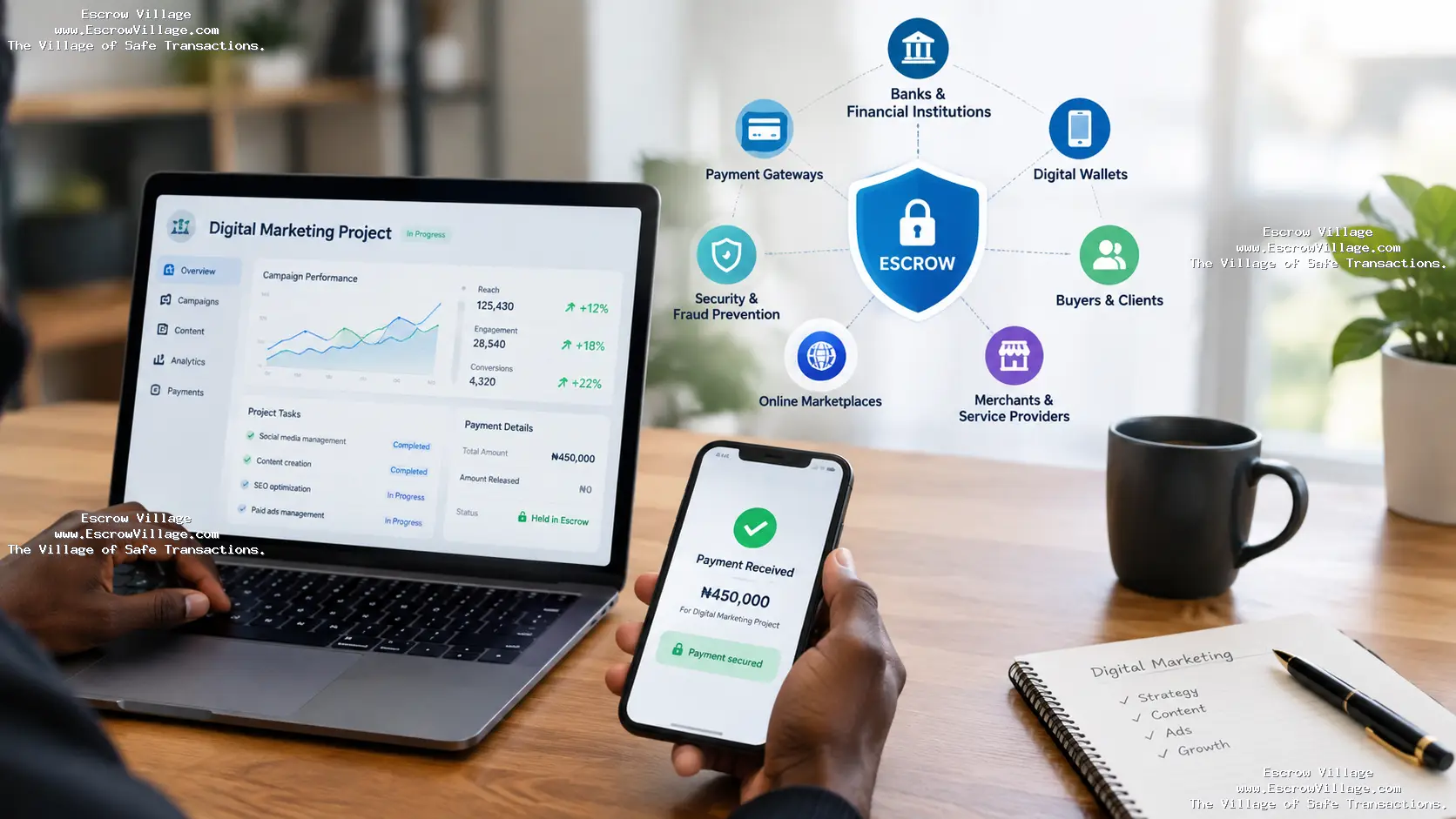
It includes banks, payment processors, mobile money services, fintech companies, digital wallets, and online payment platforms. Each plays a role in helping money move from one person or business to another.
For example, when you pay for a product online, a payment provider may process the transaction and transfer the money to the seller. The process makes payment convenient, but it doesn't necessarily protect you if the seller fails to deliver what was promised.
That is one gap escrow can help address.
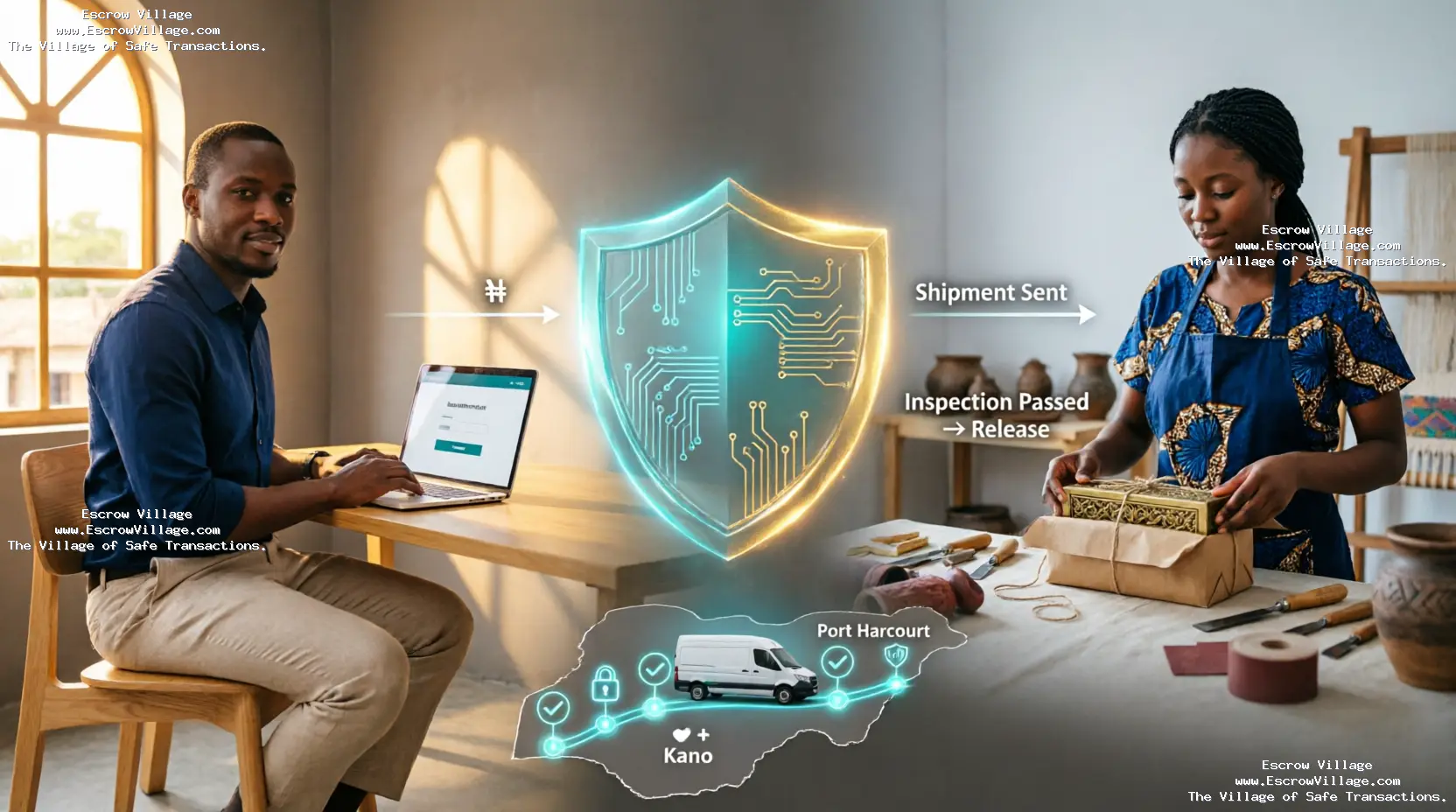
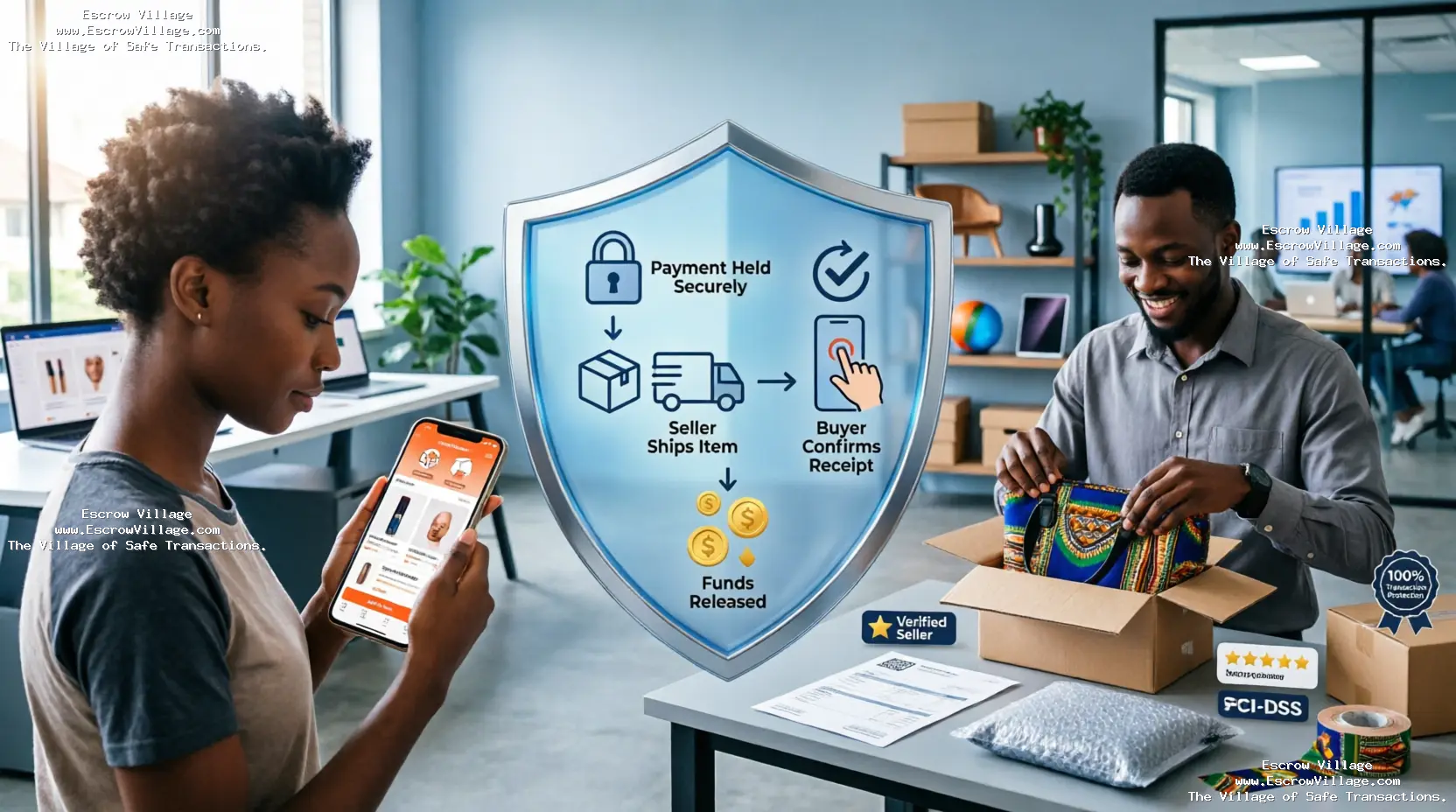
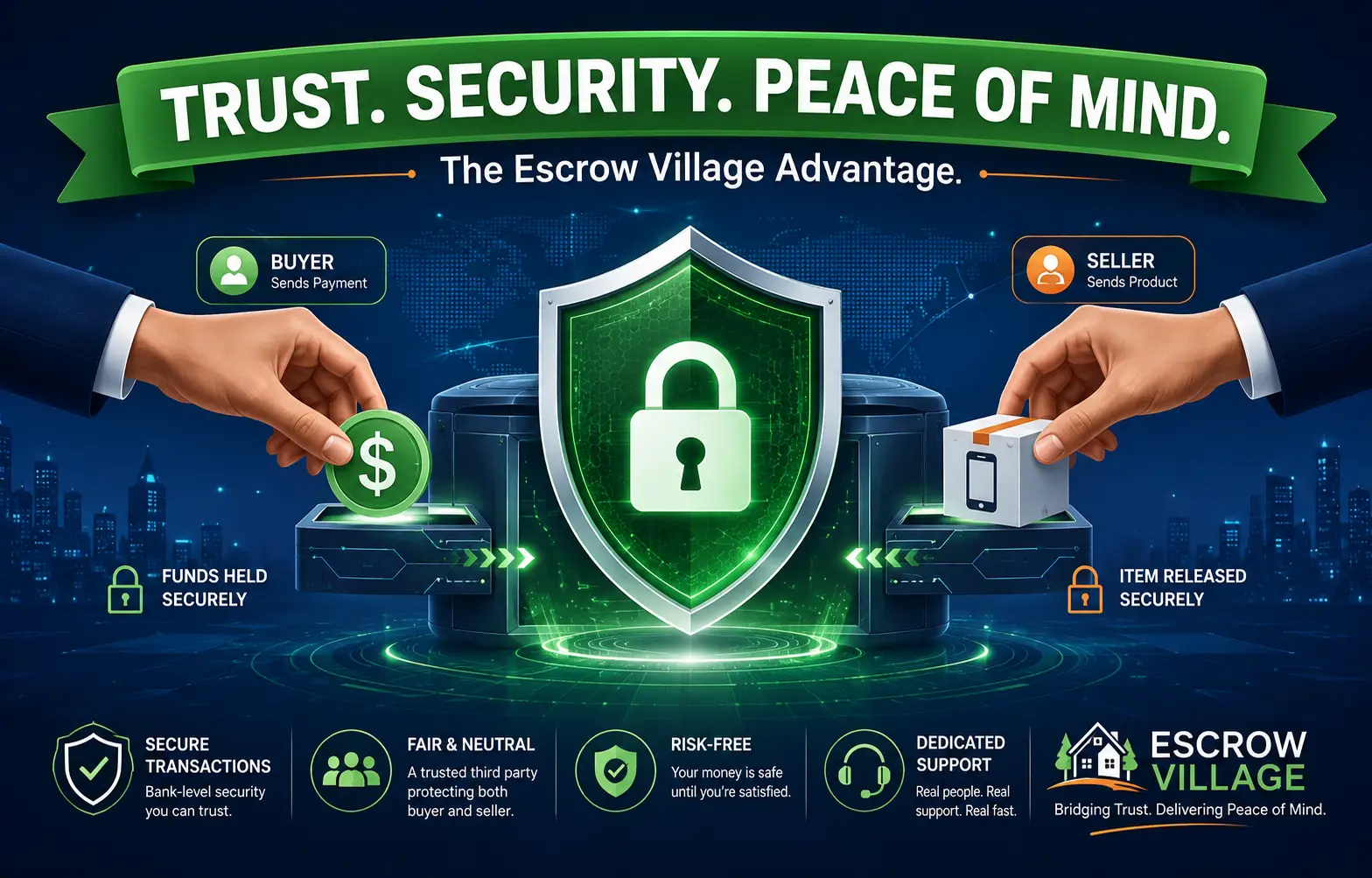
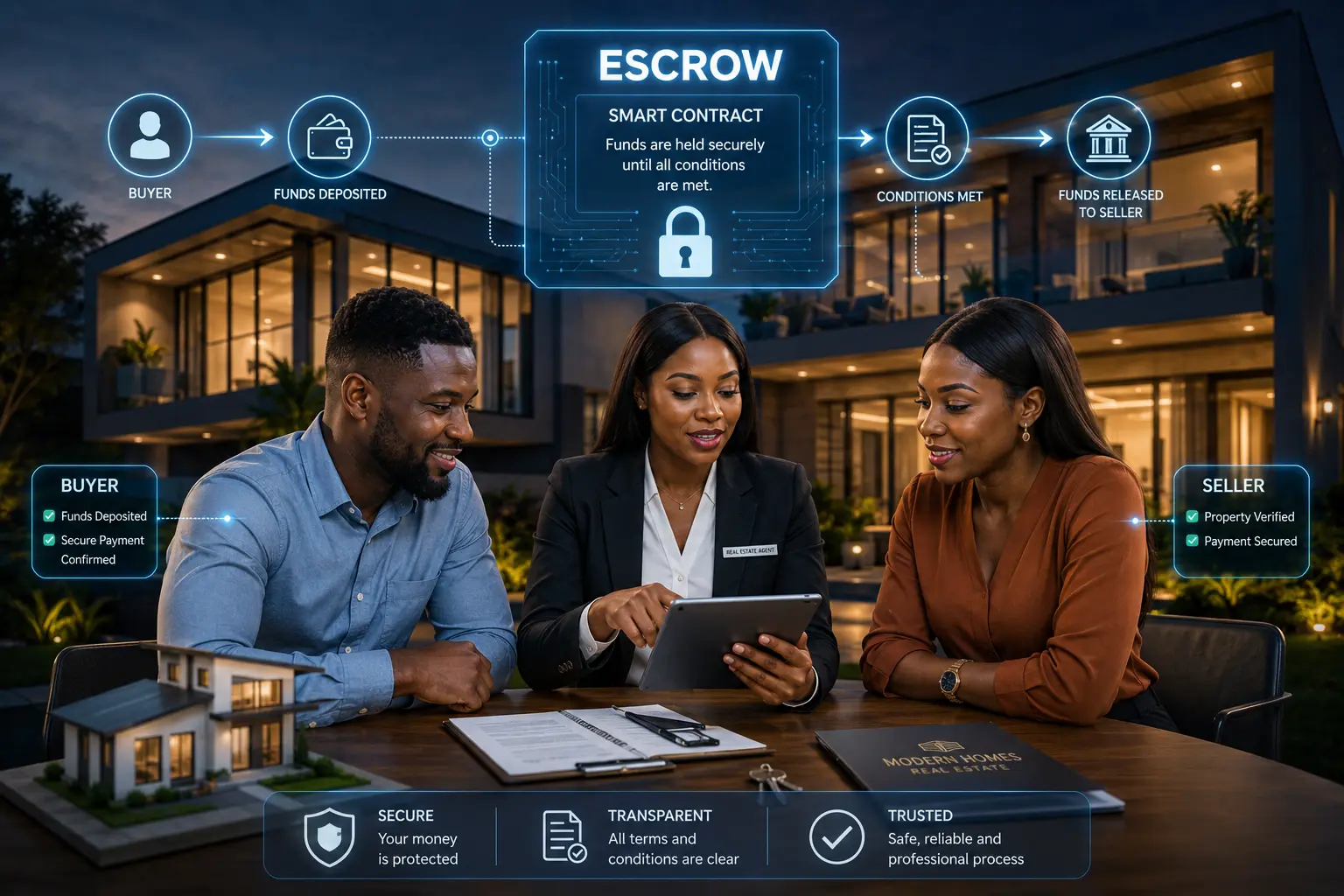
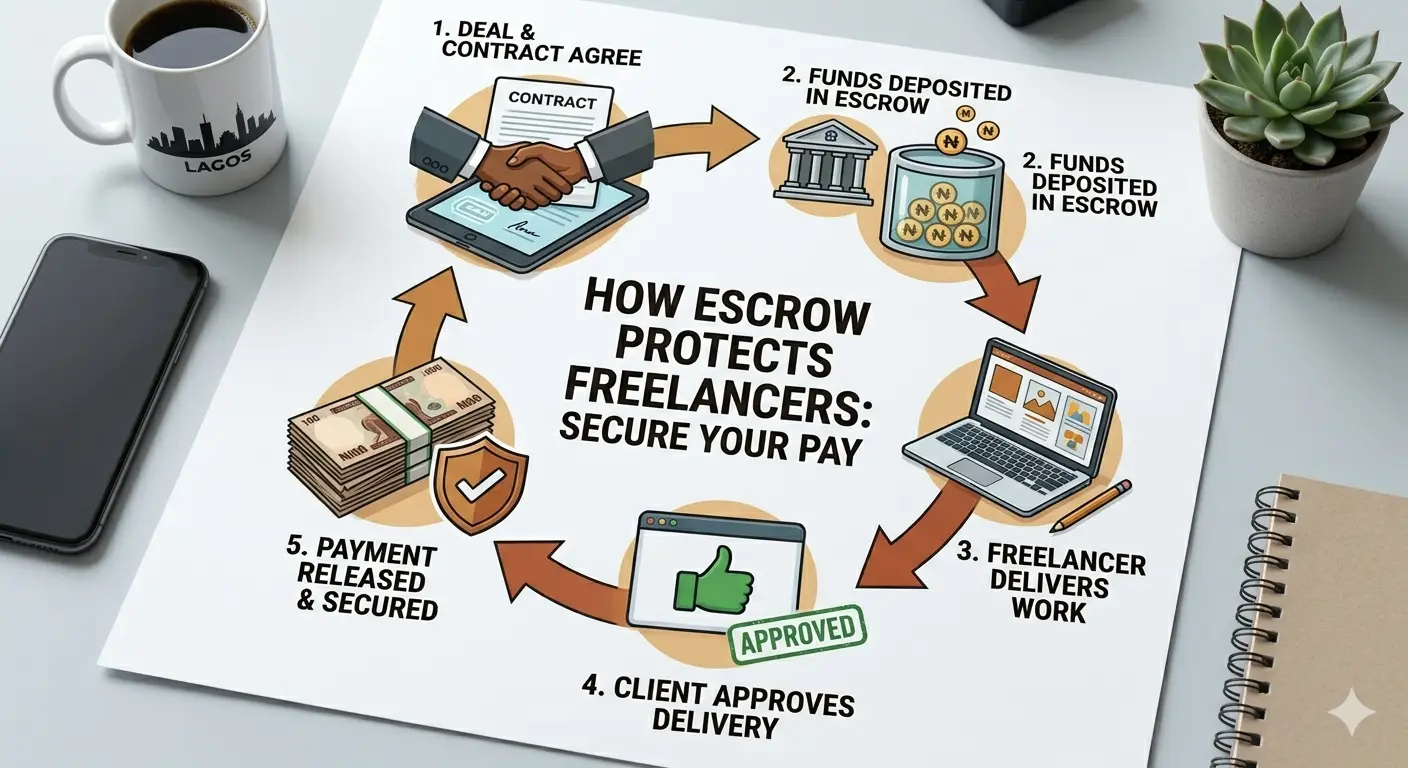
Here's how it typically works:1. Both parties agree on the terms: The buyer and seller decide what is being exchanged, the payment amount, and the conditions for releasing the funds.
2. The buyer makes payment: The money is sent through the escrow service using its supported payment method.
3. The seller fulfils the agreement: The seller delivers the product or completes the agreed service.
4. The payment is released: Once the agreed conditions are satisfied, the funds are released to the seller.
This process helps both parties transact with greater confidence, especially when they are dealing with someone they haven't met before.
A digital payment service helps move money between parties.
Escrow focuses on the conditions under which that money is released.
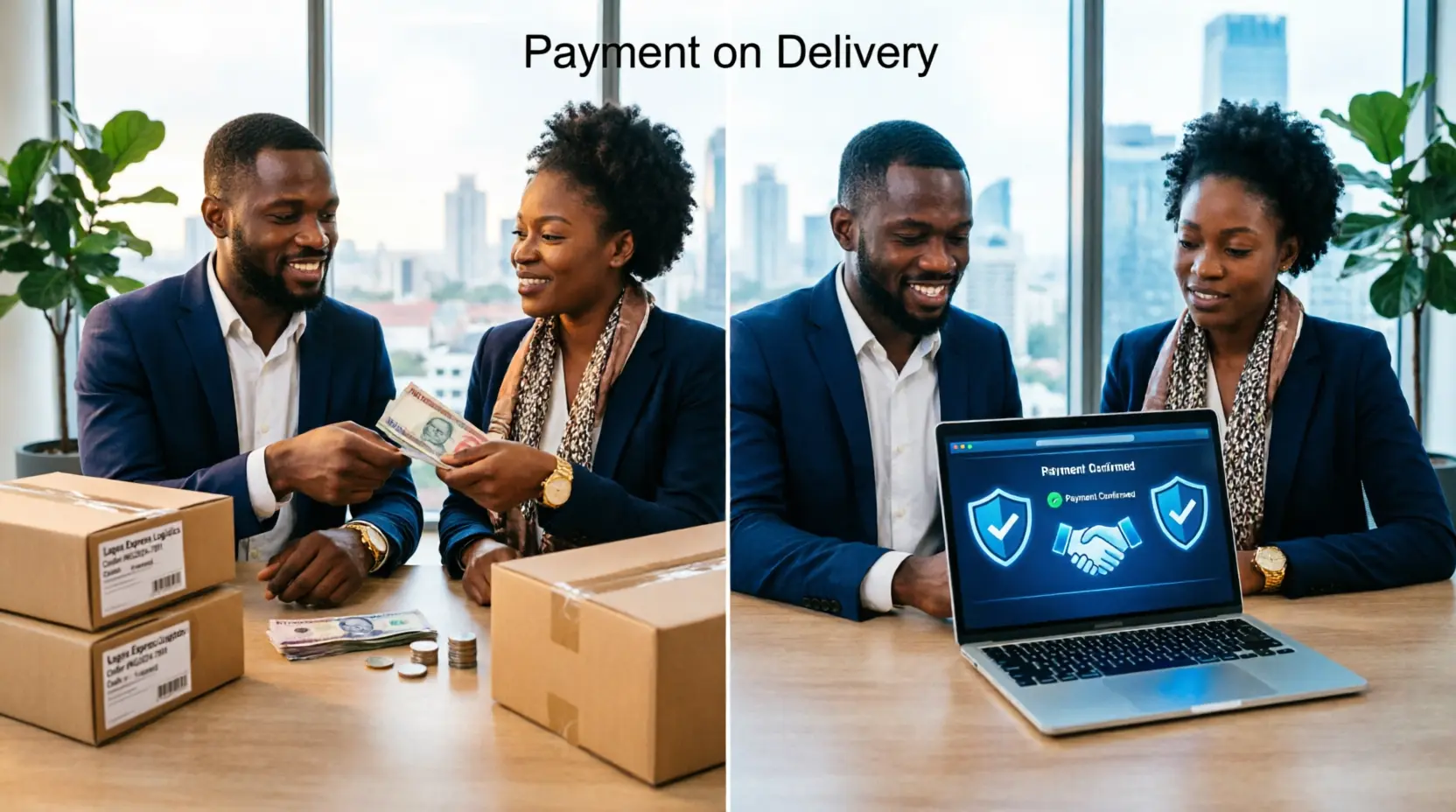
For example, when you pay a seller directly through a bank transfer, the payment may be completed before you receive your item. With an escrow arrangement, the payment can be held until the seller.
Escrow does not replace payment systems. It can work alongside them to add transaction protection.
Escrow helps reduce this concern by giving both parties a structured process to follow.
The buyer knows the payment will not be released immediately, while the seller has assurance that the funds are available under the agreed terms.
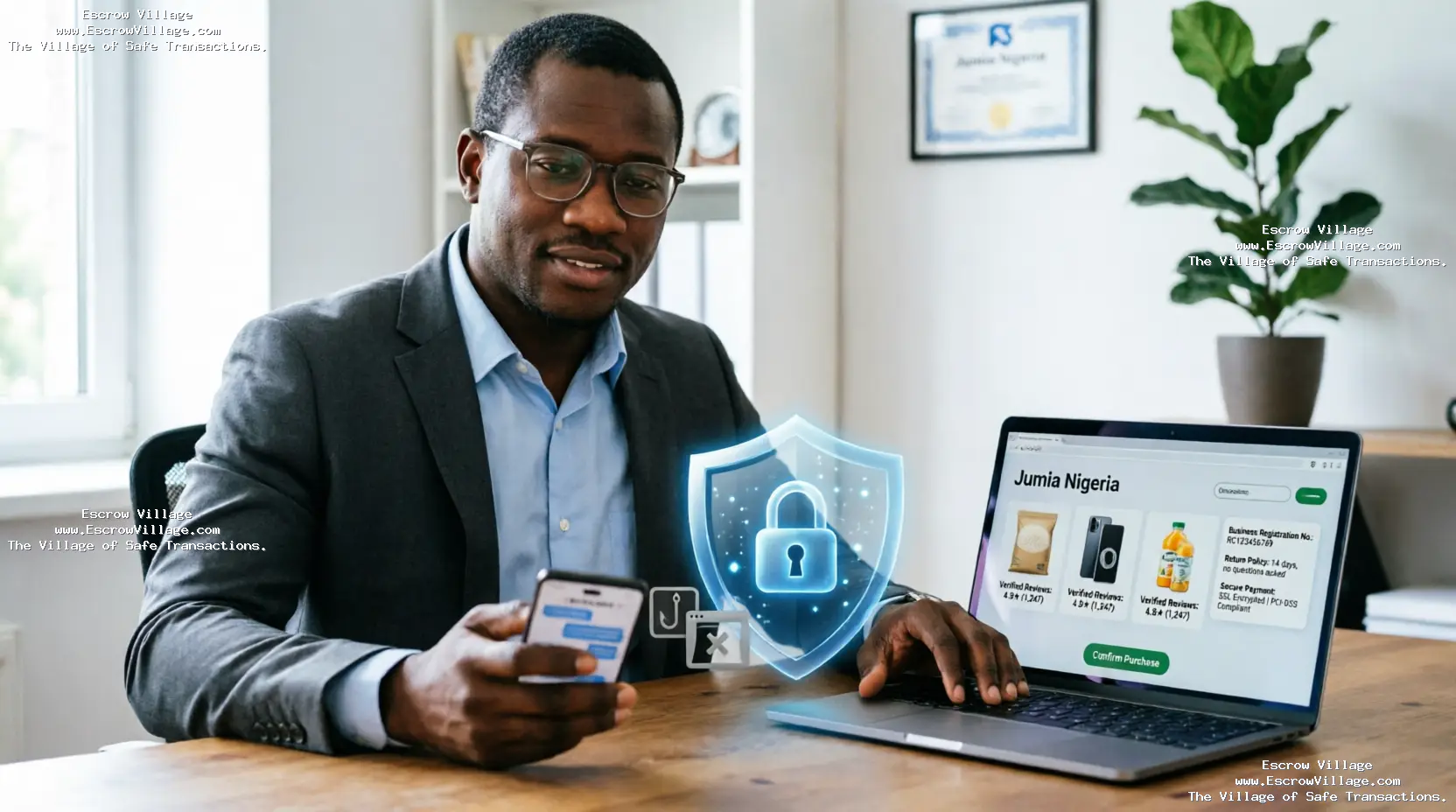
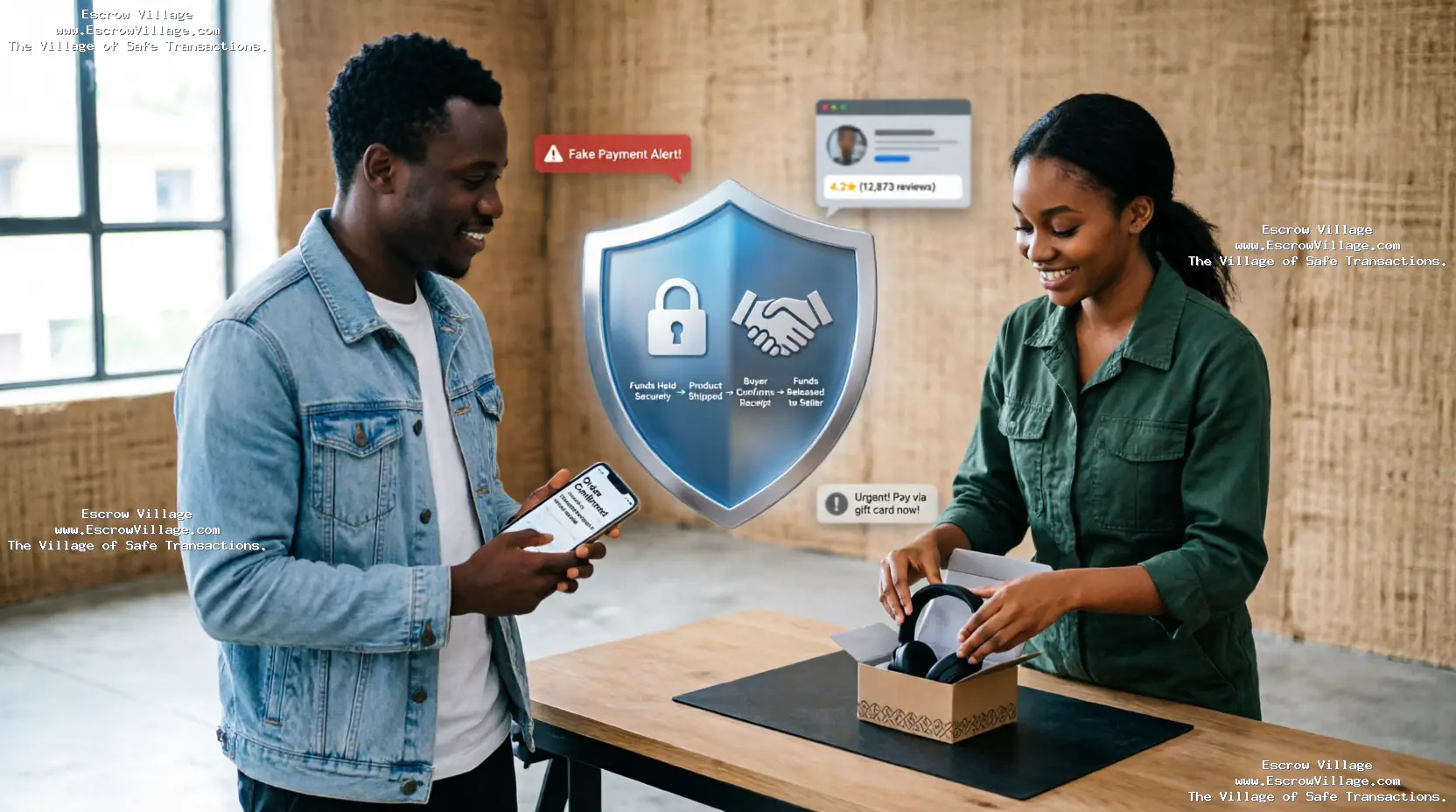
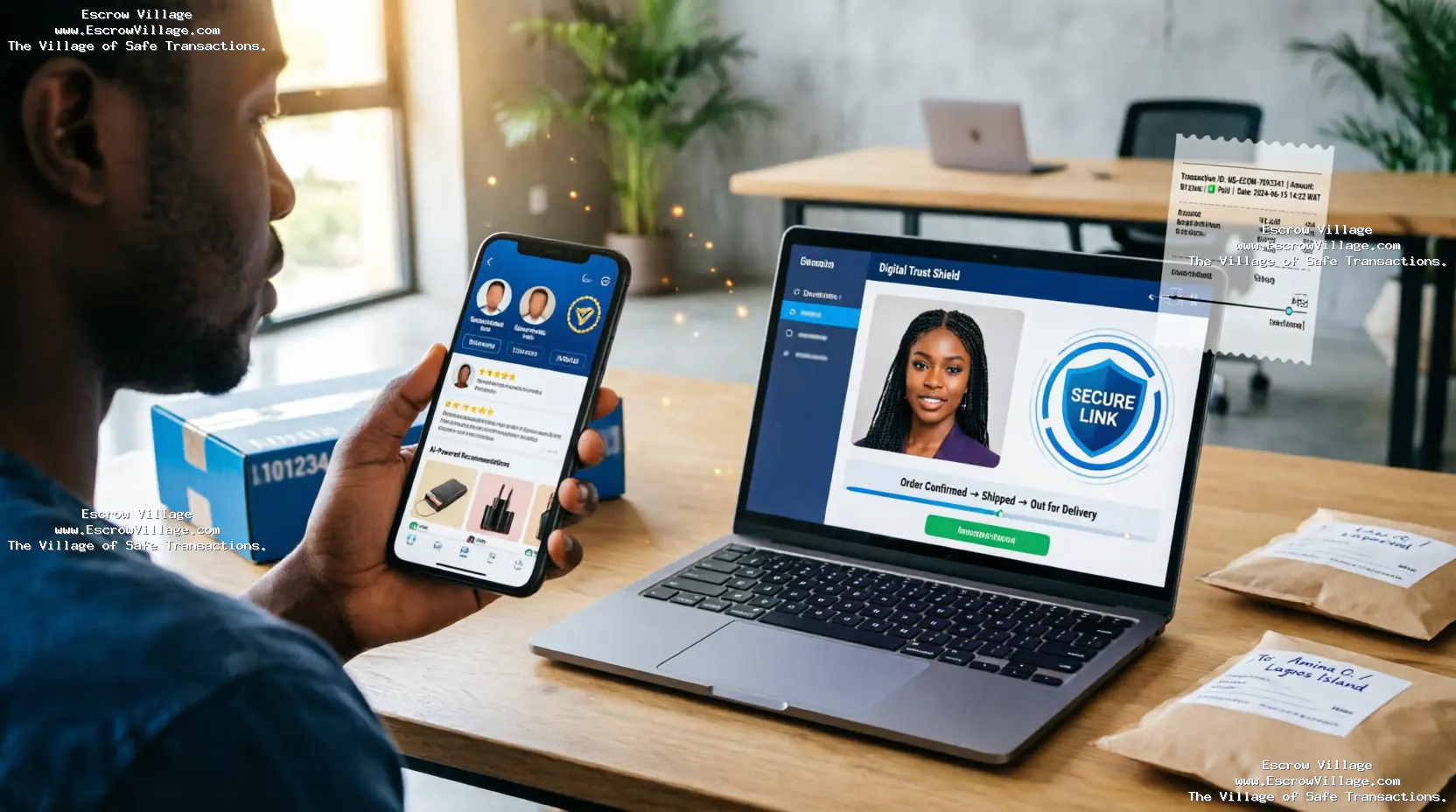
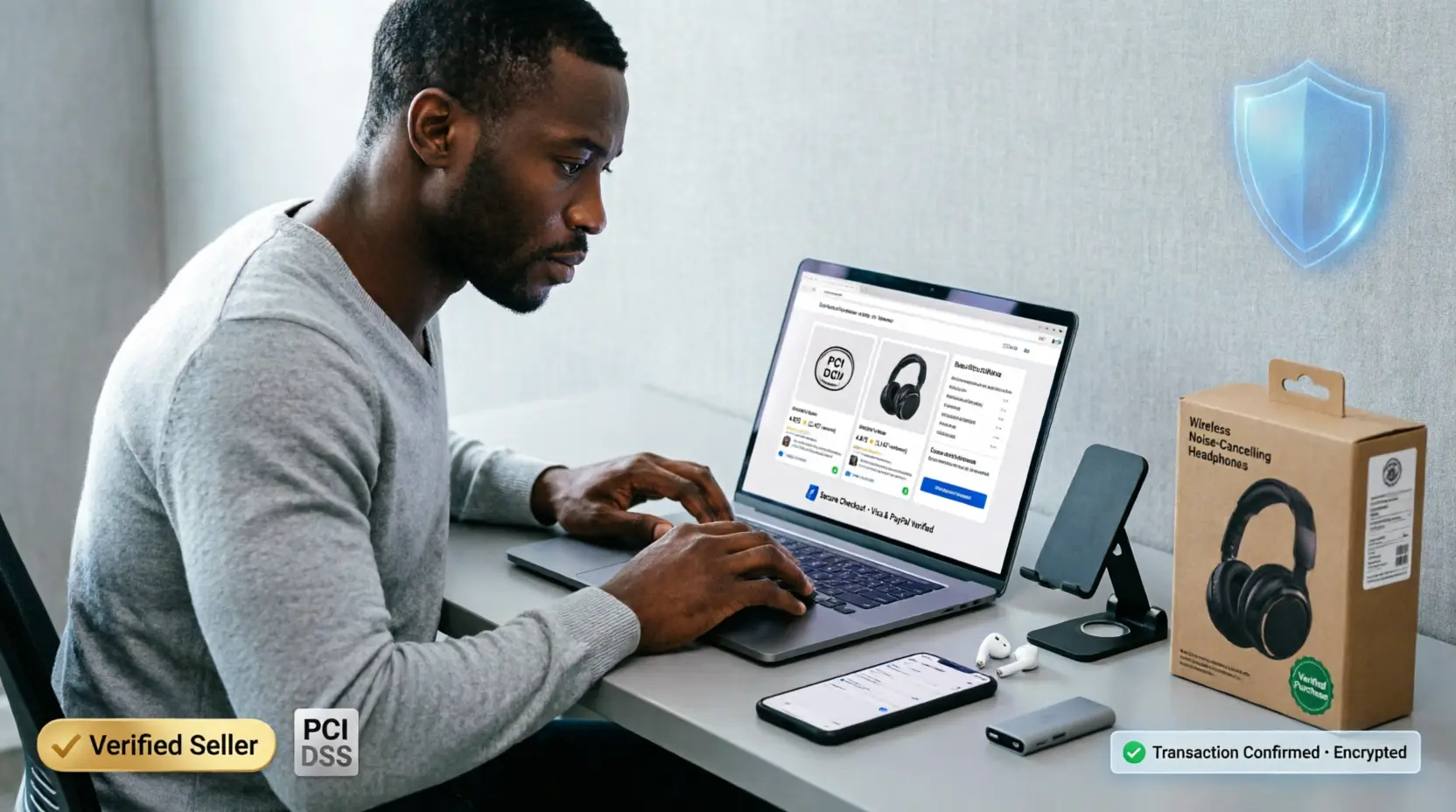
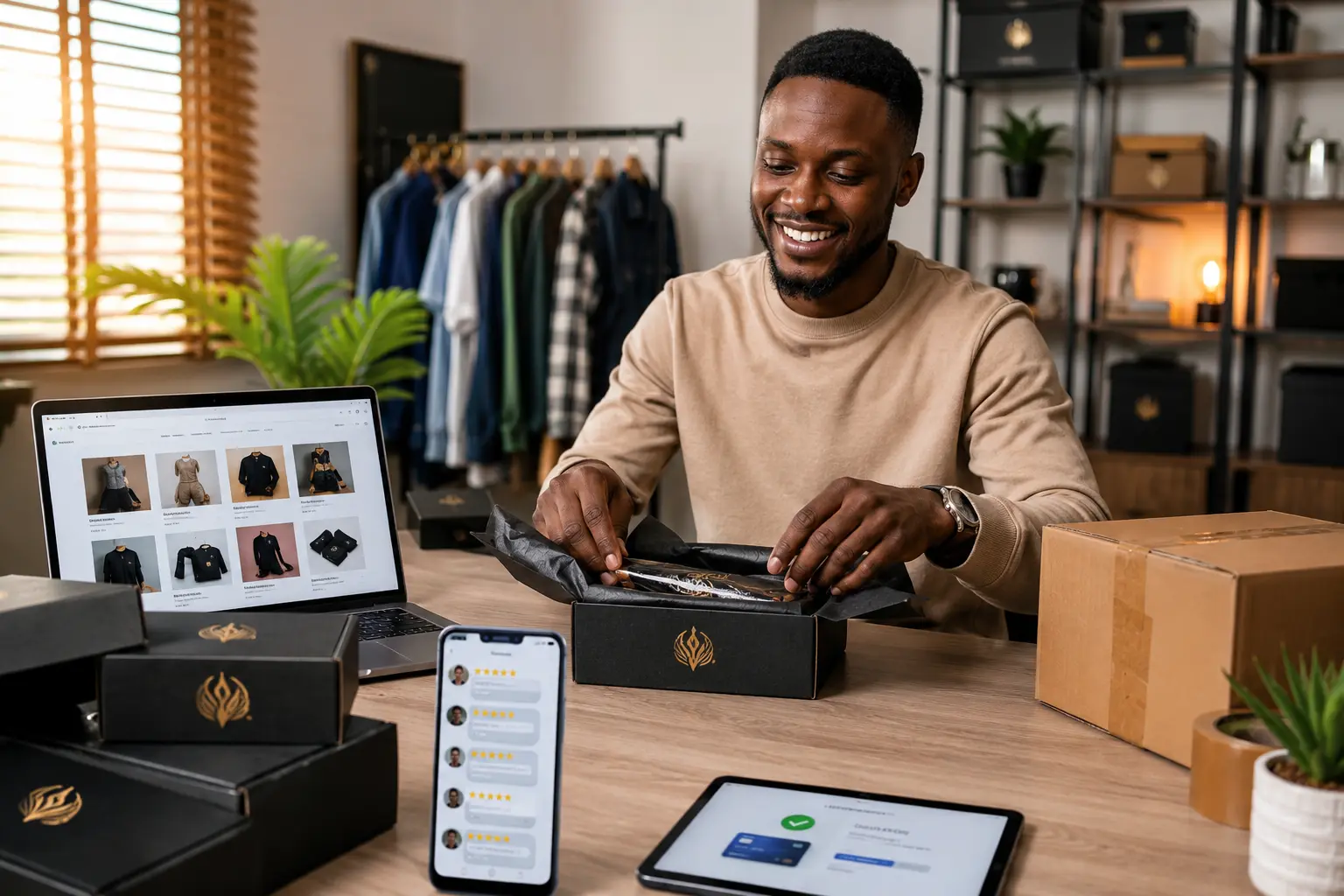
2. It Supports Safer Online TransactionsOnline marketplaces, social commerce platforms, and independent businesses often connect buyers and sellers who do not know each other personally.
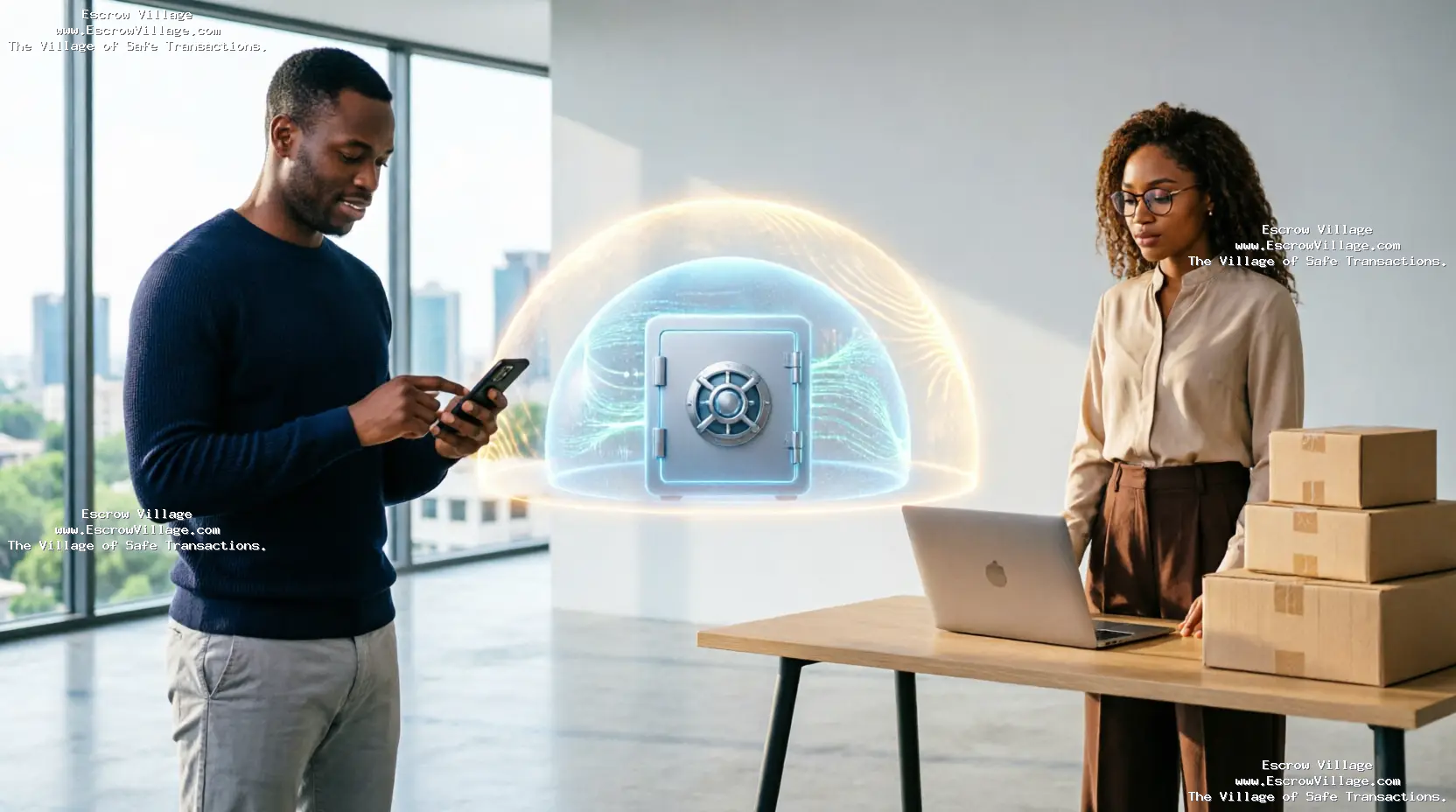
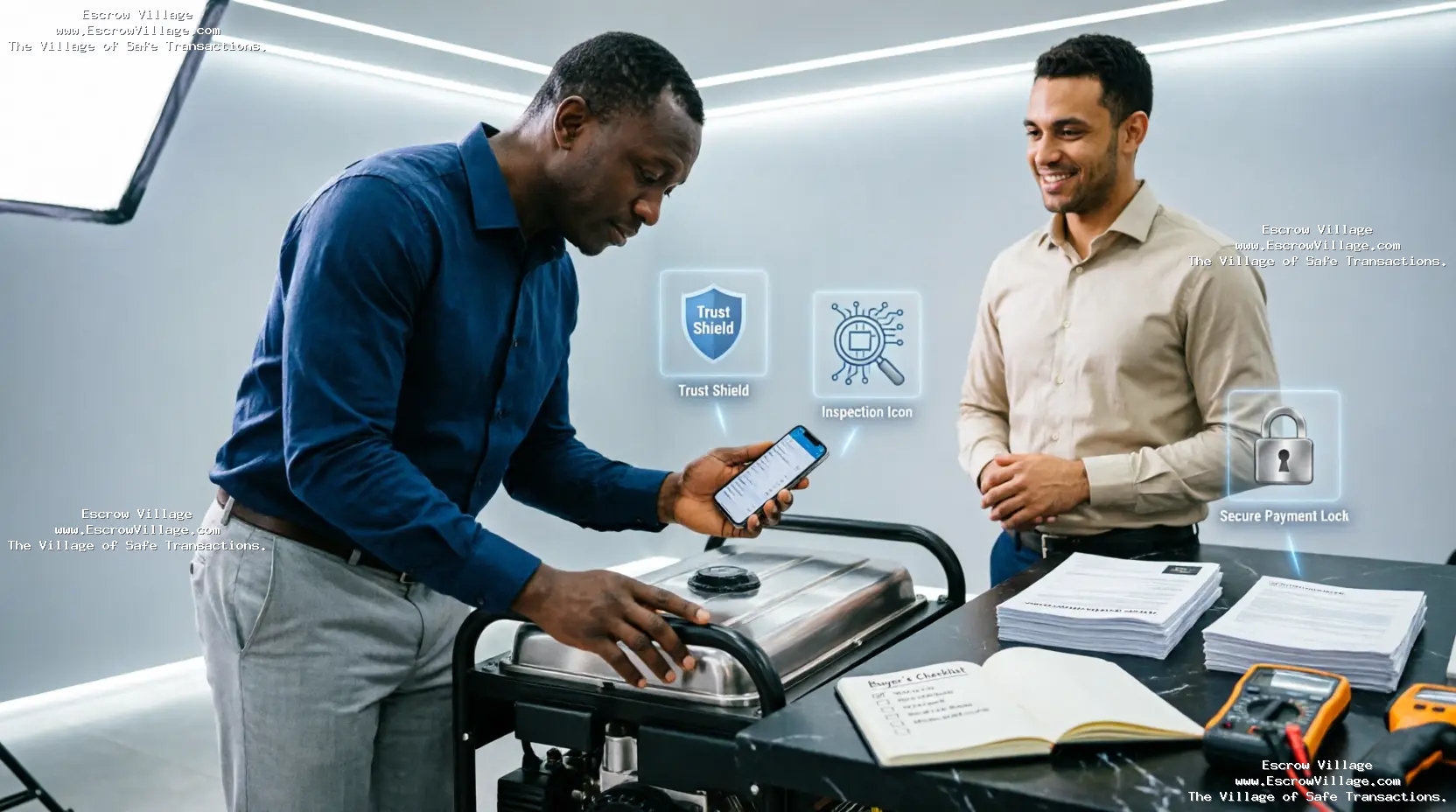
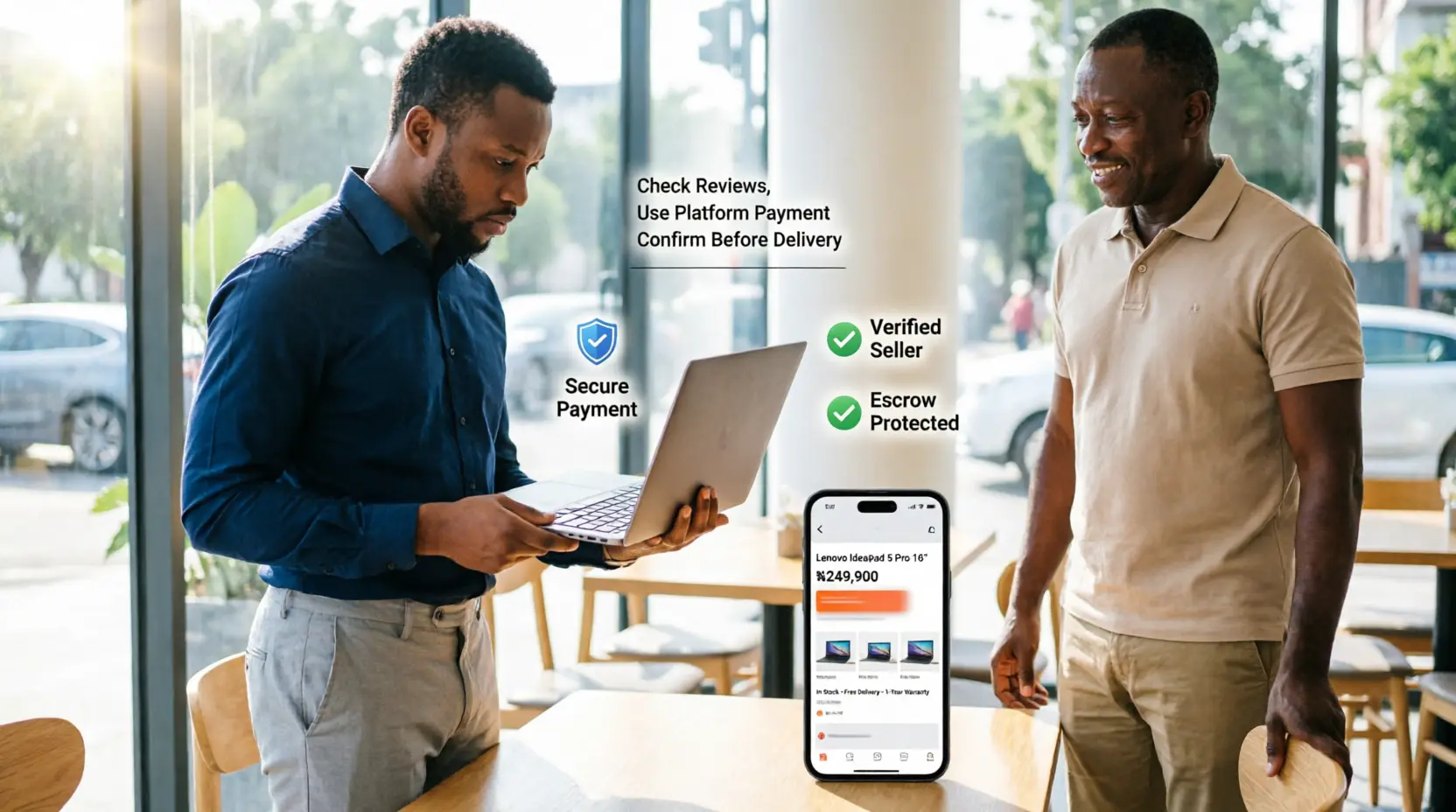
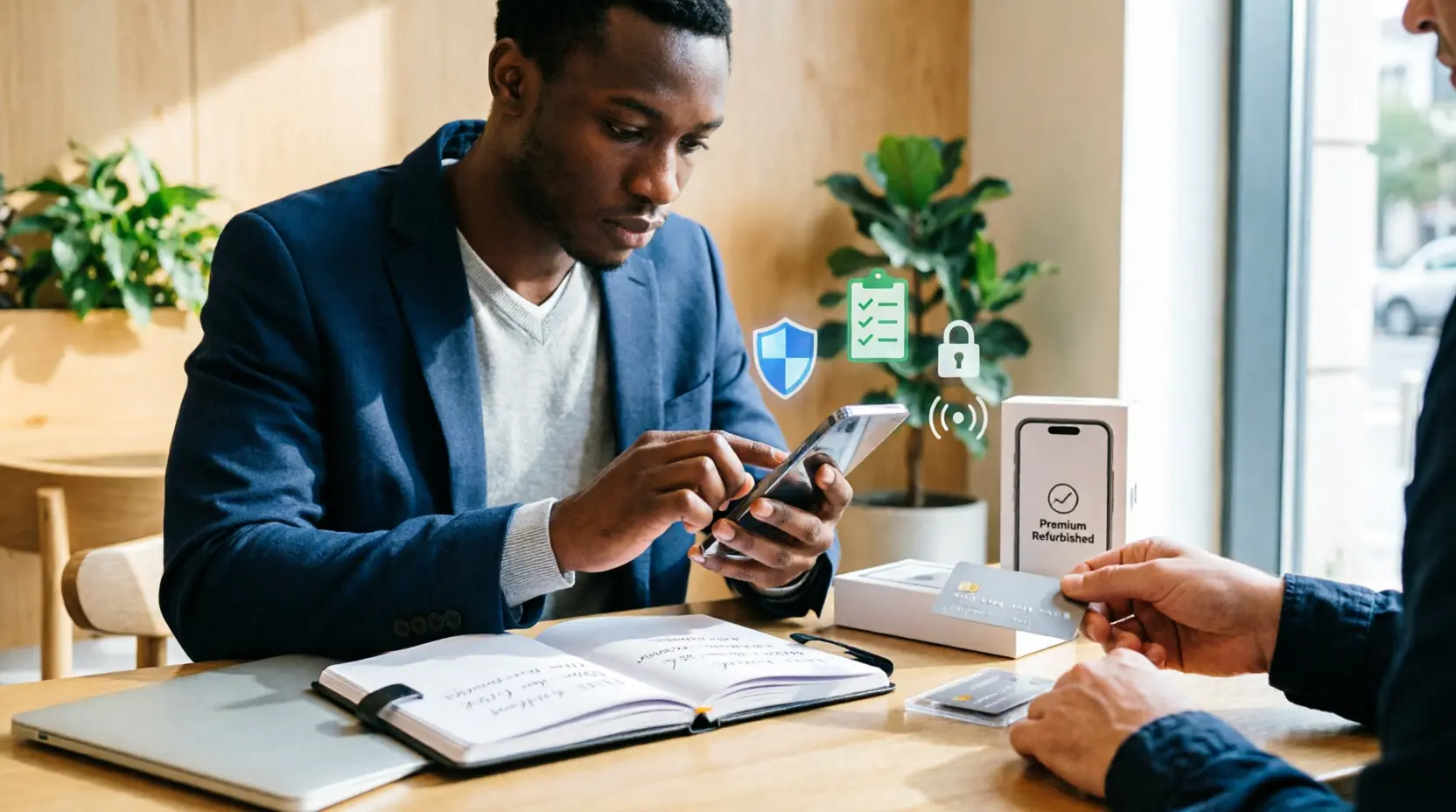
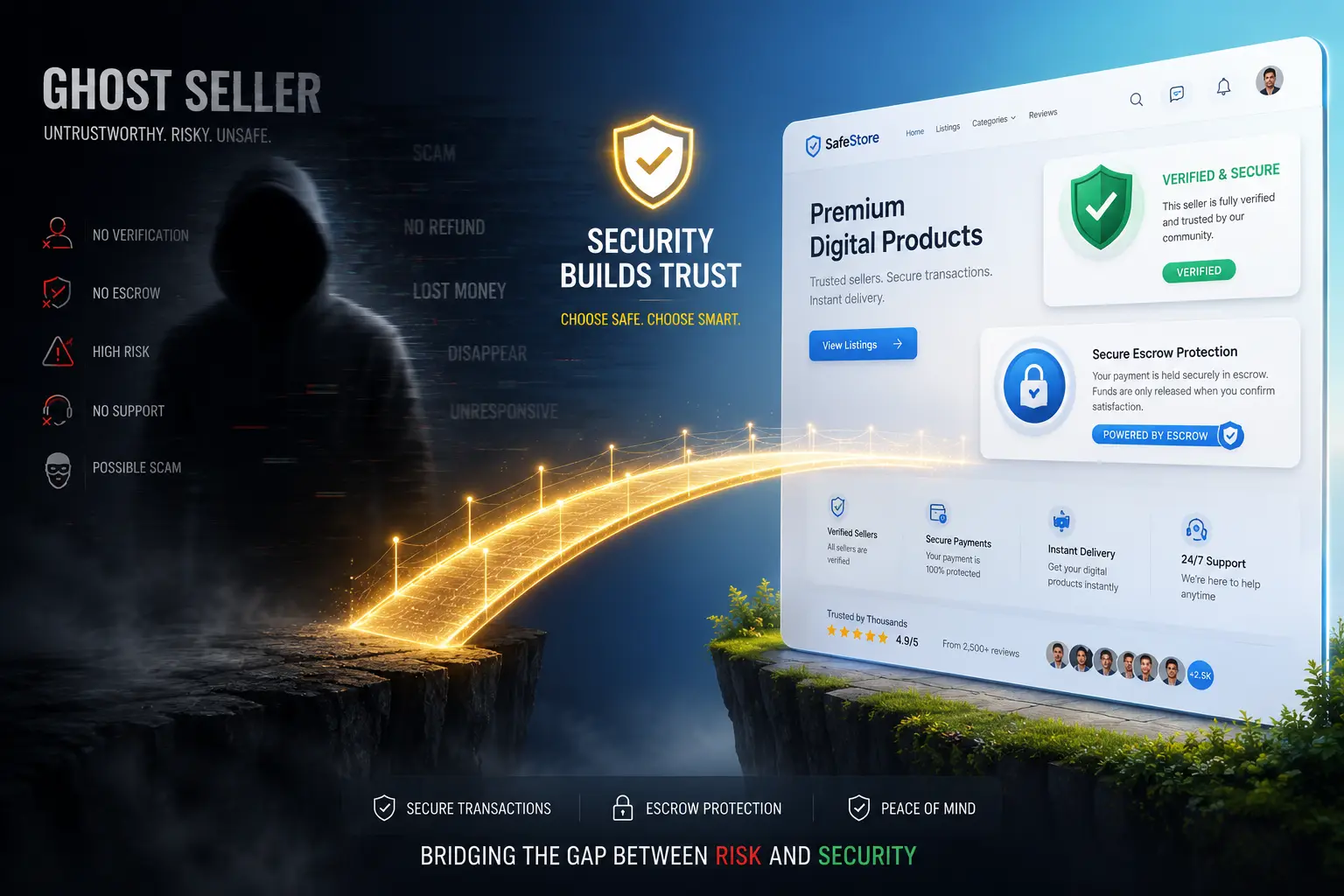
Escrow can help protect these transactions by holding the payment while the seller fulfils the agreement. This can be useful when buying electronics, purchasing goods through social media, or paying for services online.
By establishing clear terms before payment, escrow can help both parties understand what is expected and when funds should be released. Depending on the service, a dispute-resolution process may also be available.
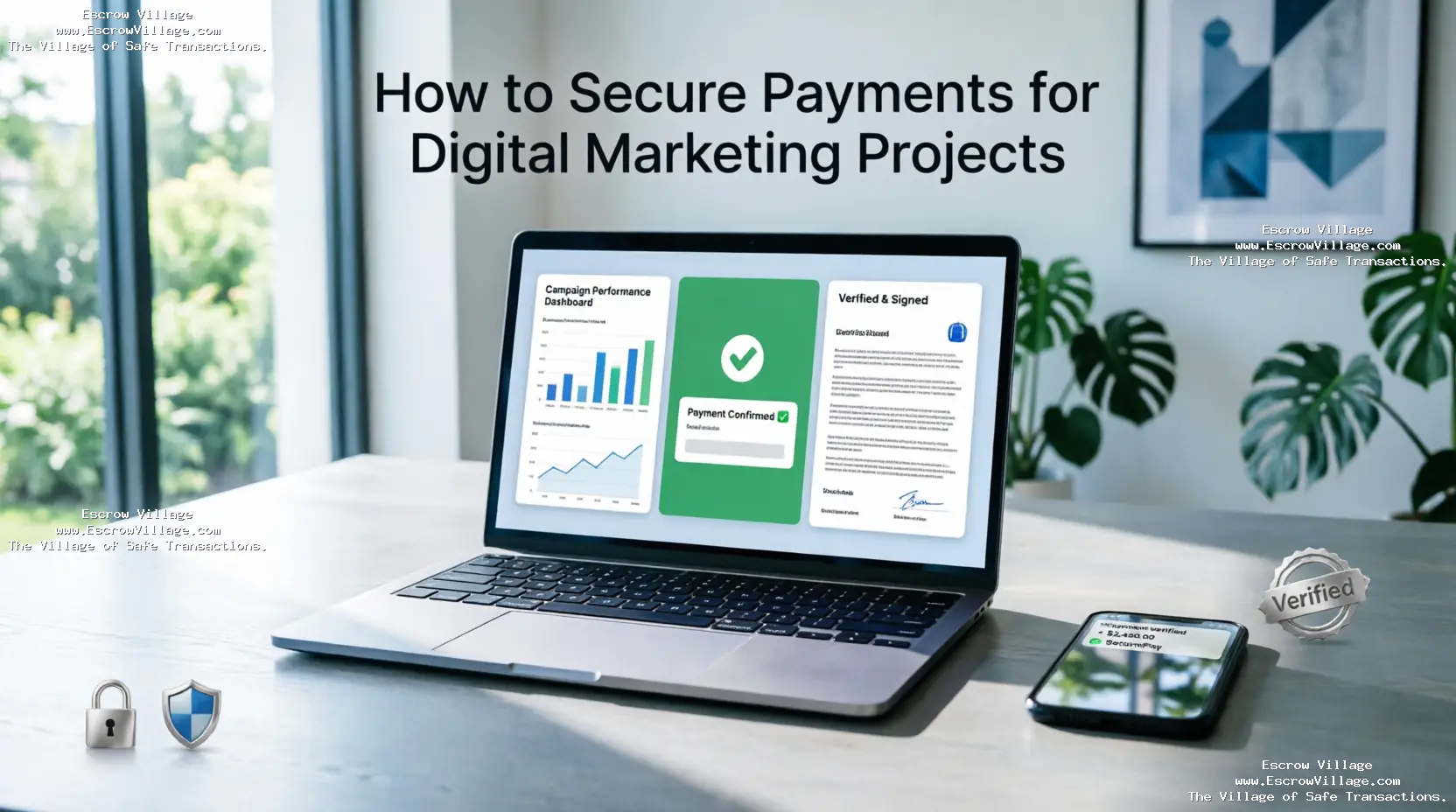
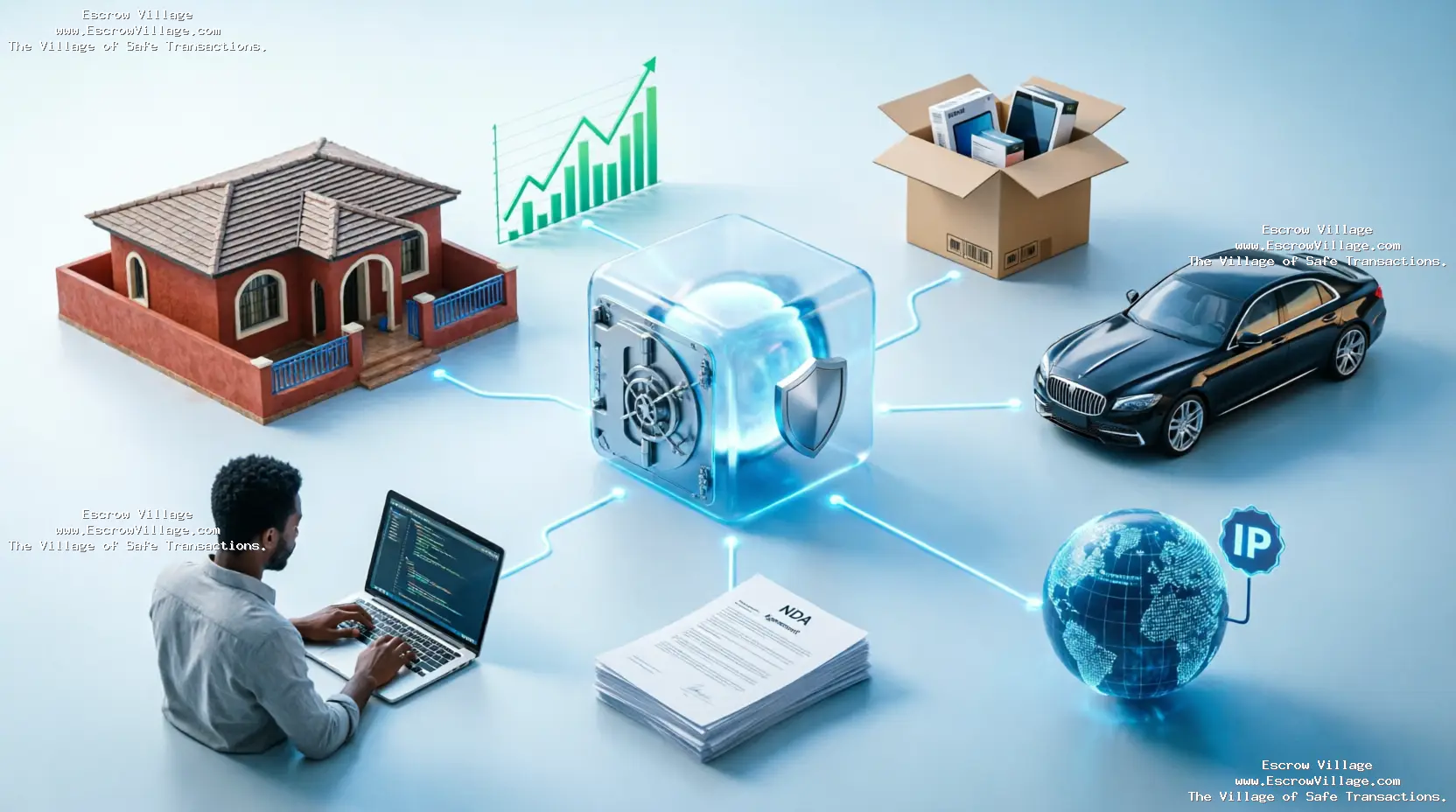
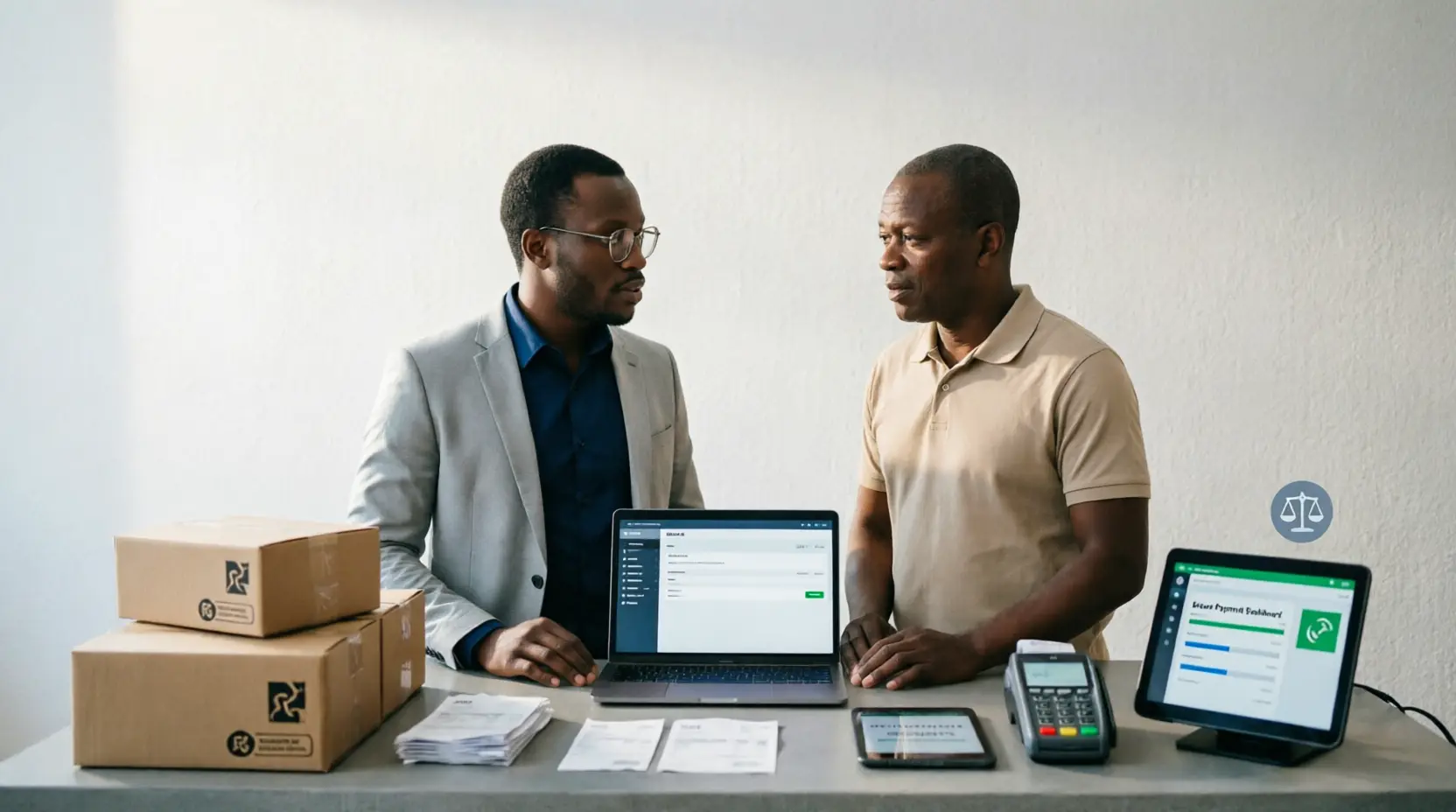
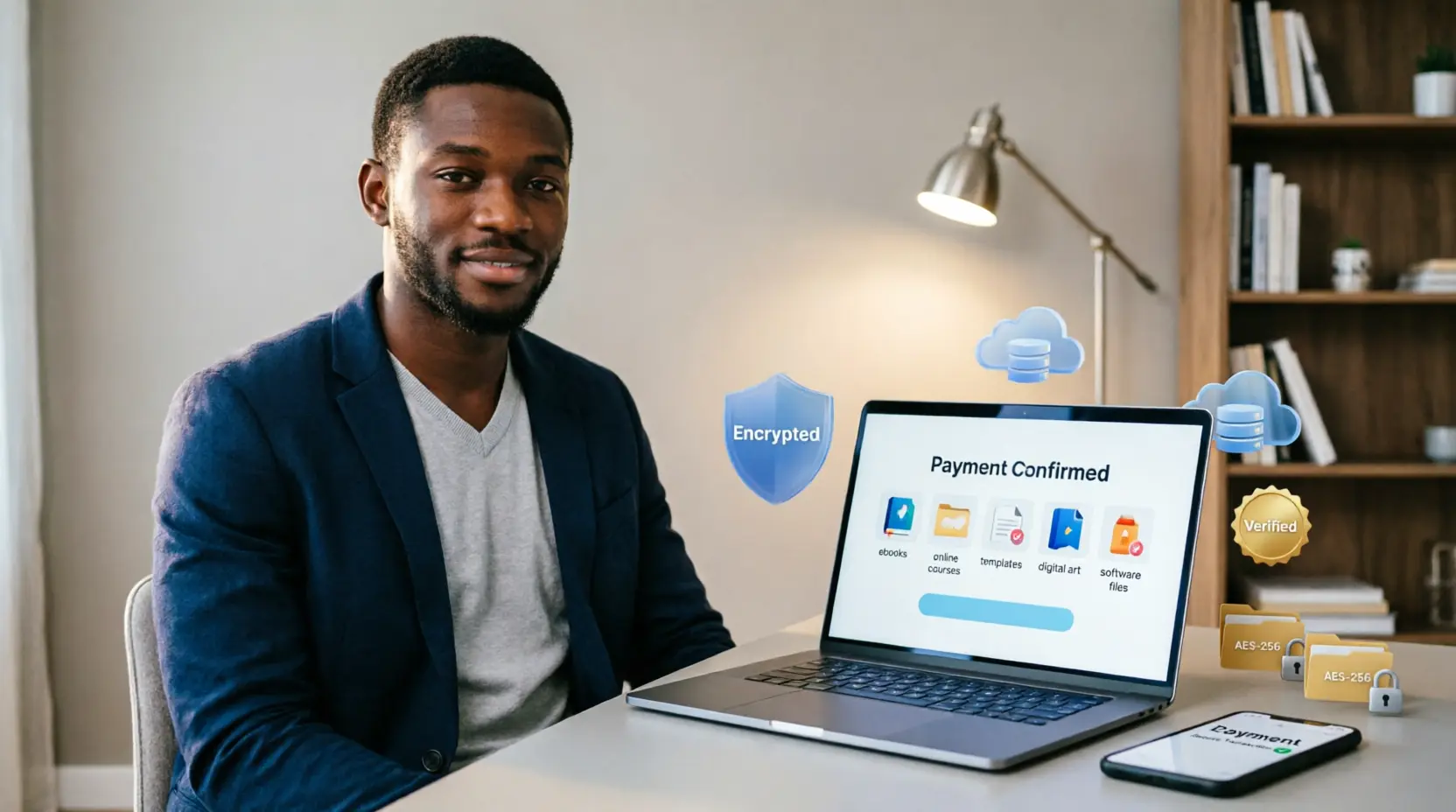
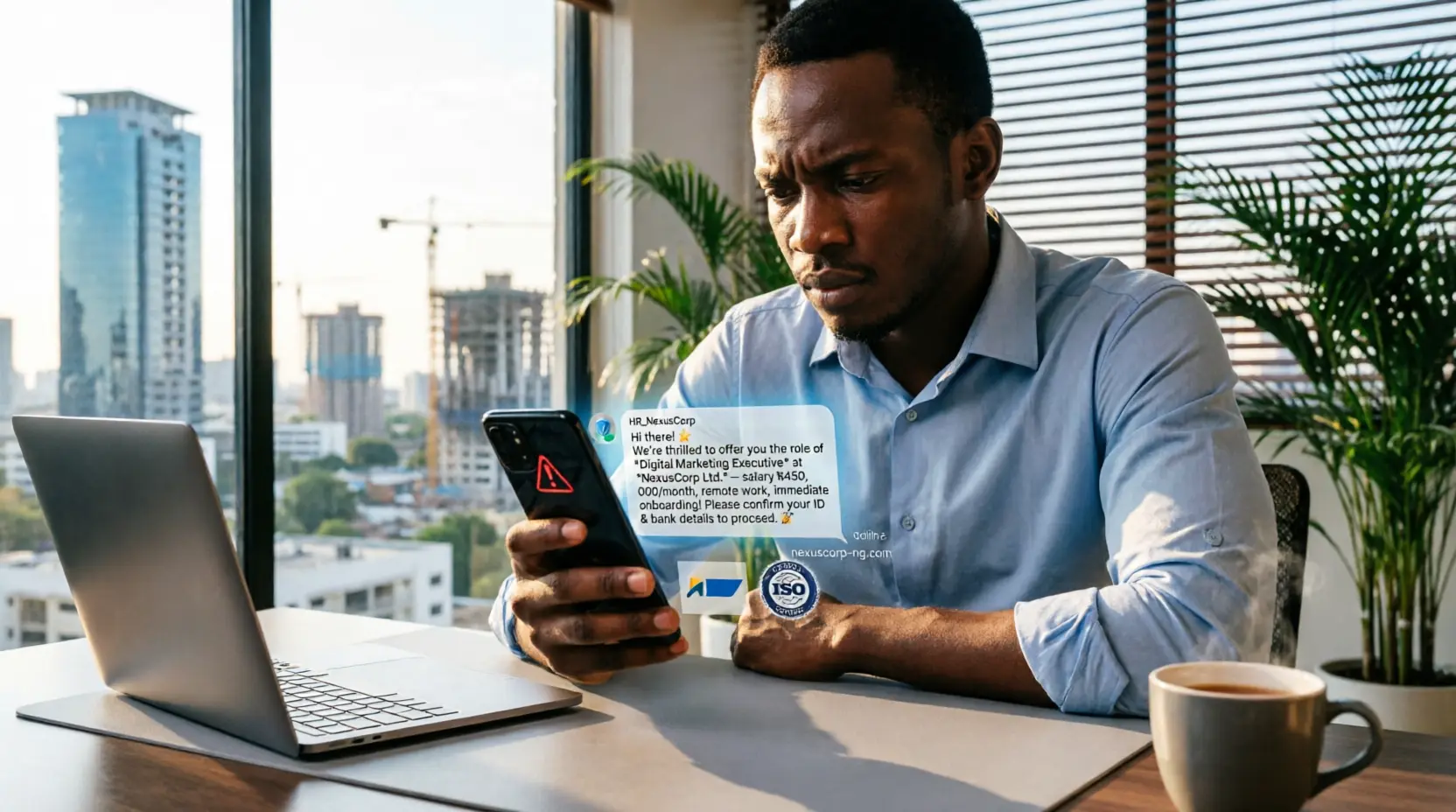
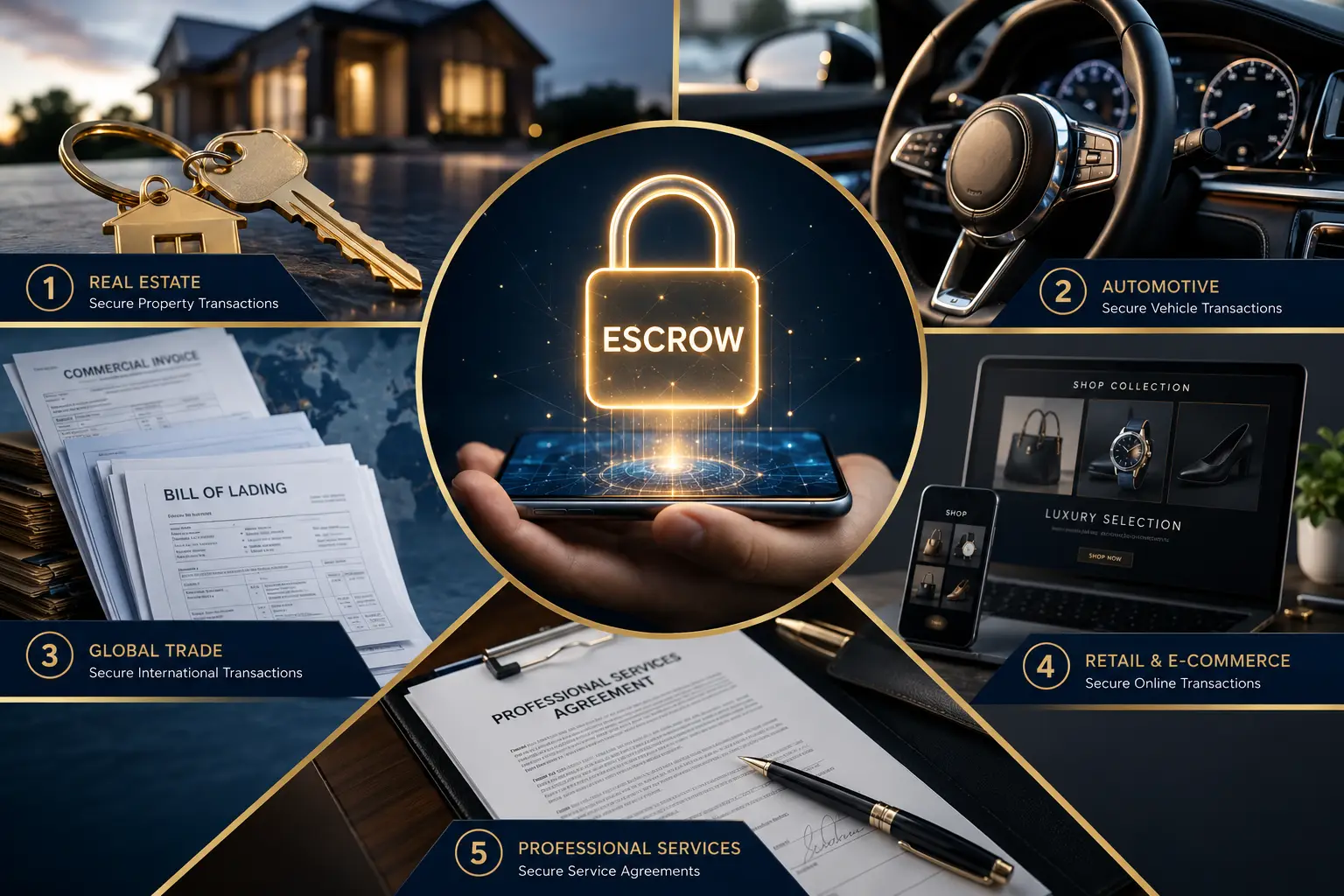
4. It Supports Different Types of Digital TransactionsEscrow is not limited to buying physical products. It can also be used for freelance work, digital marketing projects, software development, and other services where payment depends on completing agreed deliverables.
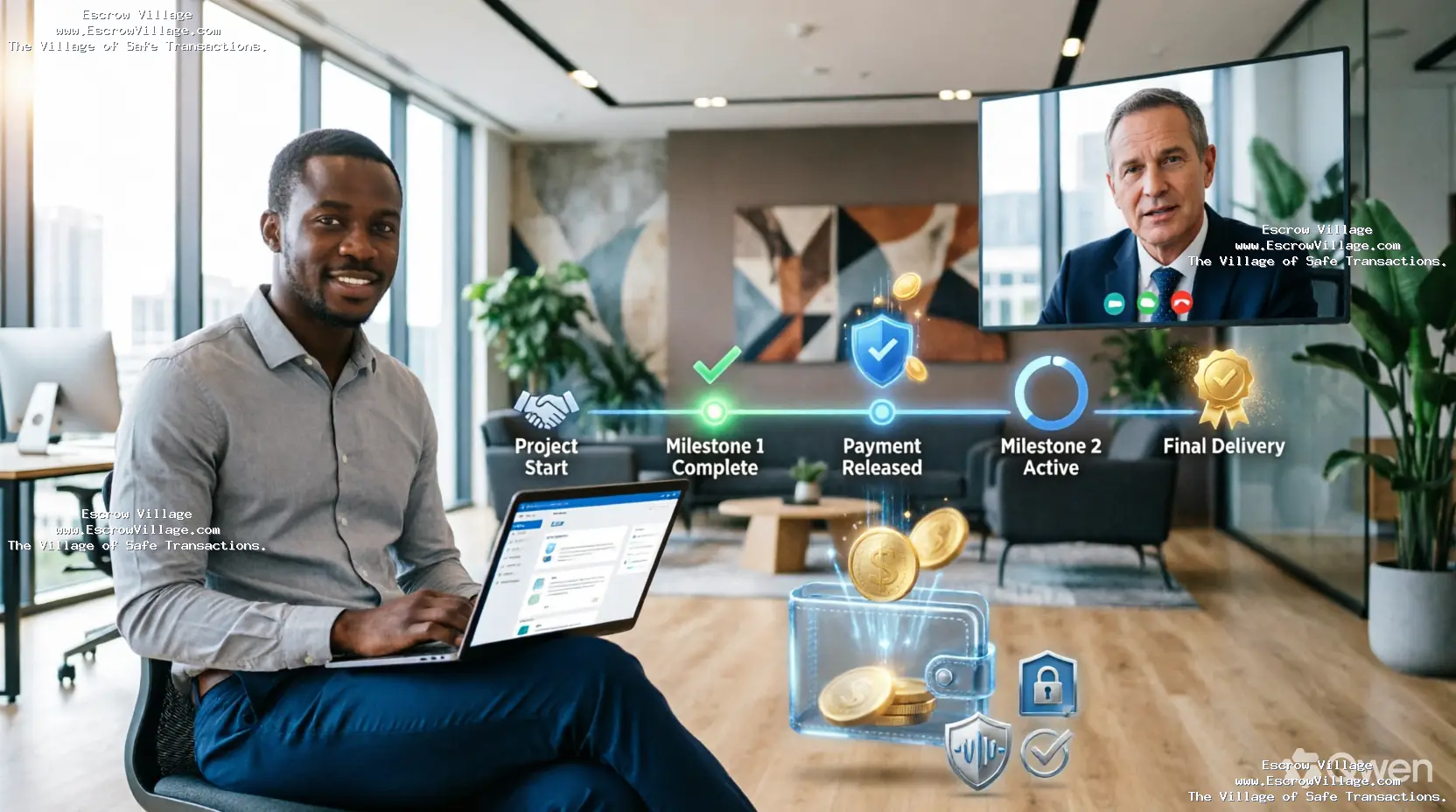
For example, a business hiring a web developer could agree to release payment in stages as specific parts of the project are completed
Instead of relying only on a direct payment between a buyer and seller, parties can use an escrow arrangement in which funds are held until the agreed conditions are met.
This can be useful for online purchases, business transactions, and service-based agreements where both parties want more confidence in the payment process.
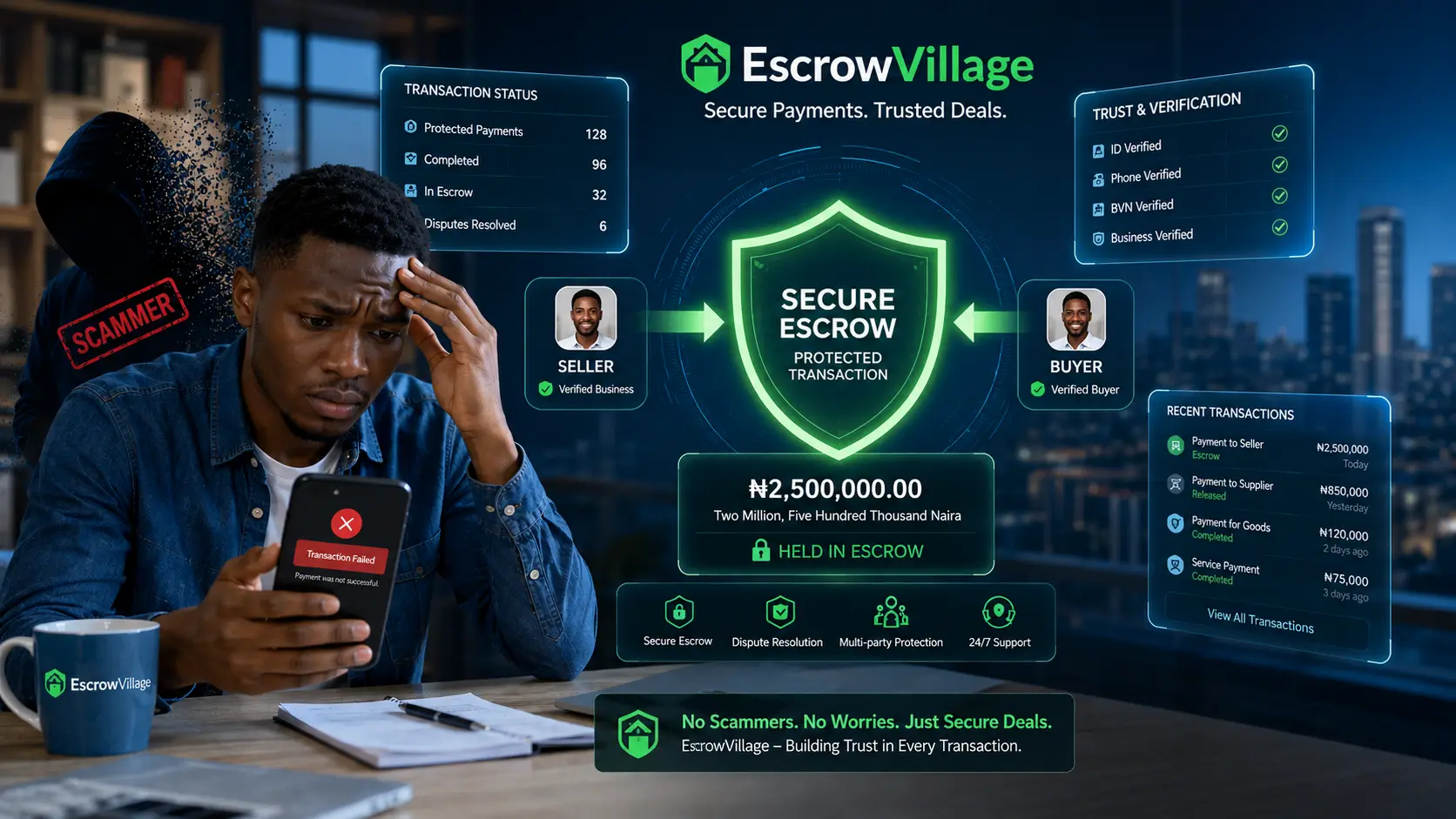
By combining digital payments with an agreed process for releasing funds, Escrow Village helps make it easier for buyers and sellers to transact with greater peace of mind.
Digital payments have made sending and receiving money easier, but convenience alone does not remove the risks involved in online transactions.
Escrow helps fill this gap by connecting payment to the fulfilment of an agreement. It can support trust, provide clearer payment conditions, and help protect both buyers and sellers.
As more businesses and consumers rely on digital payments, escrow can play an important role in making transactions more secure.
With Escrow Village, buyers and sellers can add an extra layer of protection to eligible transactions and focus on fulfilling their agreements with greater confidence.
But while digital payments make transactions faster and more convenient, they don't always guarantee that both parties will fulfil their agreement. A buyer may pay for an item that never arrives, or a seller may worry about delivering a product without receiving payment.
This is where escrow fits into the digital payments ecosystem. It adds an extra layer of security by helping protect the payment while both parties fulfil their agreed responsibilities.
- What Is the Digital Payments Ecosystem?
It includes banks, payment processors, mobile money services, fintech companies, digital wallets, and online payment platforms. Each plays a role in helping money move from one person or business to another.
For example, when you pay for a product online, a payment provider may process the transaction and transfer the money to the seller. The process makes payment convenient, but it doesn't necessarily protect you if the seller fails to deliver what was promised.
That is one gap escrow can help address.
- How Does Escrow Work Within Digital Payments?
Here's how it typically works:1. Both parties agree on the terms: The buyer and seller decide what is being exchanged, the payment amount, and the conditions for releasing the funds.
2. The buyer makes payment: The money is sent through the escrow service using its supported payment method.
3. The seller fulfils the agreement: The seller delivers the product or completes the agreed service.
4. The payment is released: Once the agreed conditions are satisfied, the funds are released to the seller.
This process helps both parties transact with greater confidence, especially when they are dealing with someone they haven't met before.
- The Difference Between Digital Payments and Escrow
A digital payment service helps move money between parties.
Escrow focuses on the conditions under which that money is released.
For example, when you pay a seller directly through a bank transfer, the payment may be completed before you receive your item. With an escrow arrangement, the payment can be held until the seller.
Escrow does not replace payment systems. It can work alongside them to add transaction protection.
- Why Escrow Matters in the Digital Payments Ecosystem
Escrow helps reduce this concern by giving both parties a structured process to follow.
The buyer knows the payment will not be released immediately, while the seller has assurance that the funds are available under the agreed terms.
2. It Supports Safer Online TransactionsOnline marketplaces, social commerce platforms, and independent businesses often connect buyers and sellers who do not know each other personally.
Escrow can help protect these transactions by holding the payment while the seller fulfils the agreement. This can be useful when buying electronics, purchasing goods through social media, or paying for services online.
- 3. It Can Help Reduce Payment Disputes
By establishing clear terms before payment, escrow can help both parties understand what is expected and when funds should be released. Depending on the service, a dispute-resolution process may also be available.
4. It Supports Different Types of Digital TransactionsEscrow is not limited to buying physical products. It can also be used for freelance work, digital marketing projects, software development, and other services where payment depends on completing agreed deliverables.
For example, a business hiring a web developer could agree to release payment in stages as specific parts of the project are completed
- How Escrow Village Fits Into This Ecosystem
Instead of relying only on a direct payment between a buyer and seller, parties can use an escrow arrangement in which funds are held until the agreed conditions are met.
This can be useful for online purchases, business transactions, and service-based agreements where both parties want more confidence in the payment process.
By combining digital payments with an agreed process for releasing funds, Escrow Village helps make it easier for buyers and sellers to transact with greater peace of mind.
Digital payments have made sending and receiving money easier, but convenience alone does not remove the risks involved in online transactions.
Escrow helps fill this gap by connecting payment to the fulfilment of an agreement. It can support trust, provide clearer payment conditions, and help protect both buyers and sellers.
As more businesses and consumers rely on digital payments, escrow can play an important role in making transactions more secure.
With Escrow Village, buyers and sellers can add an extra layer of protection to eligible transactions and focus on fulfilling their agreements with greater confidence.