
How AI Can Save Nigerian Small Businesses Time and Money in 2026
Multiply that across thousands of small businesses in Nigeria, and you get a staggering amount of hours that could go into actually growing the business instead of answering the same five questions on repeat.
That's where AI comes in, not as some futuristic luxury, but as a practical tool that is already helping Nigerian entrepreneurs reclaim their time and reduce costs.
Let's be clear about what "AI" actually means here. It's not robots or sci-fi.
In this context, AI refers to software that can learn patterns and automate tasks that used to require a human replying to customers, sorting expenses, predicting which products will sell out, or writing a product description in seconds.
You don't need a computer science degree or a six-figure budget to use it. Many of the tools mentioned in this article cost less than a data subscription.
This piece walks through where AI helps most: operations, marketing, finance, customer service, and HR and gives you a realistic plan to start using it, even if your business runs mostly on WhatsApp and word of mouth.
- Why AI Matters for Small Businesses in Nigeria

Running a small business here comes with pressures that are hard to overstate: unreliable power, rising costs of goods, currency fluctuation, and the constant juggling act of doing five jobs at once because you can't afford to hire five people.
AI doesn't fix the power situation, but it does help with the juggling.The advantage is simple automation handles repetitive work, personalisation happens at scale (your business can "remember" a thousand customers' preferences, not just your regulars), and decisions get sharper because they're based on data instead of gut feeling alone.
There's a persistent myth that AI is expensive and complicated, something only big companies with IT departments can afford.
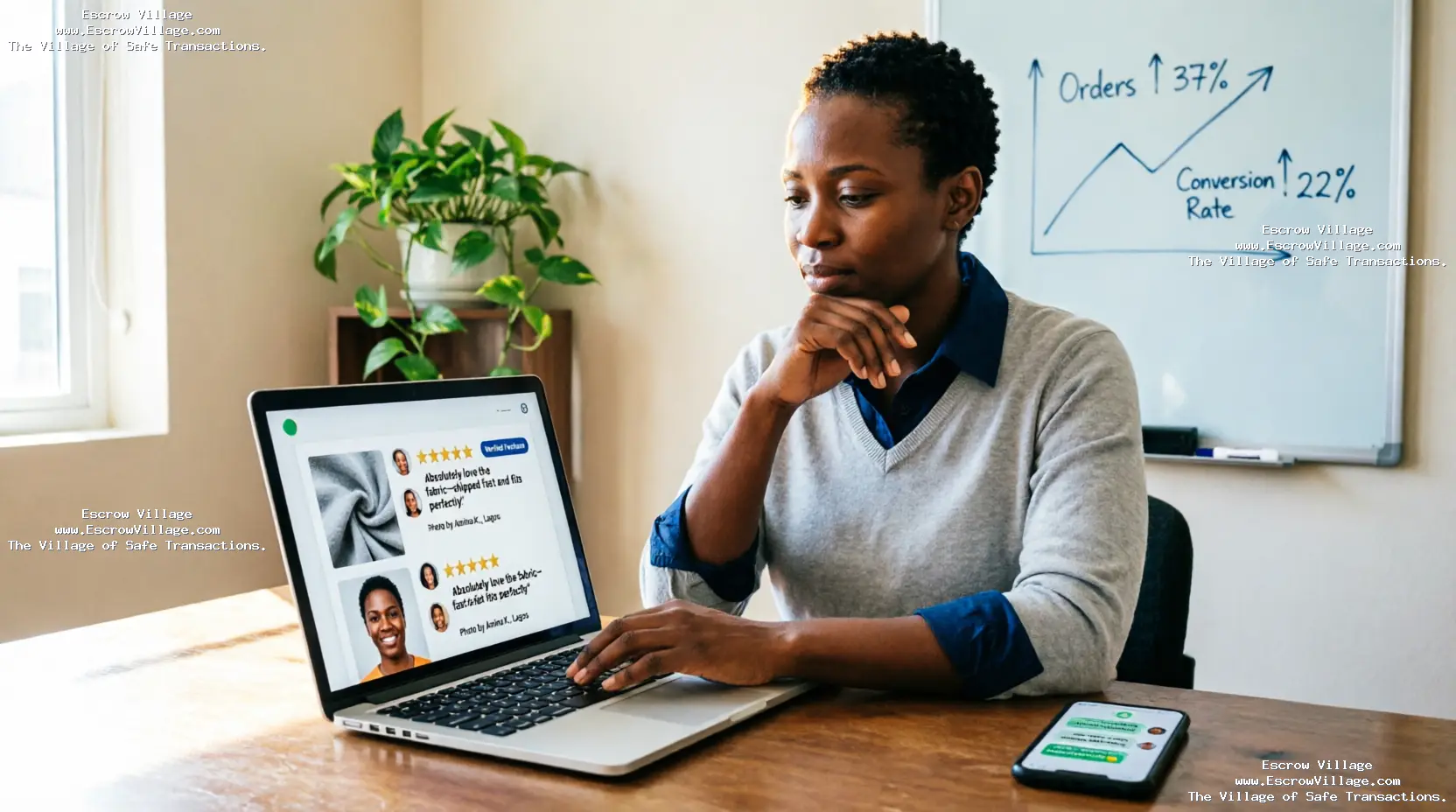
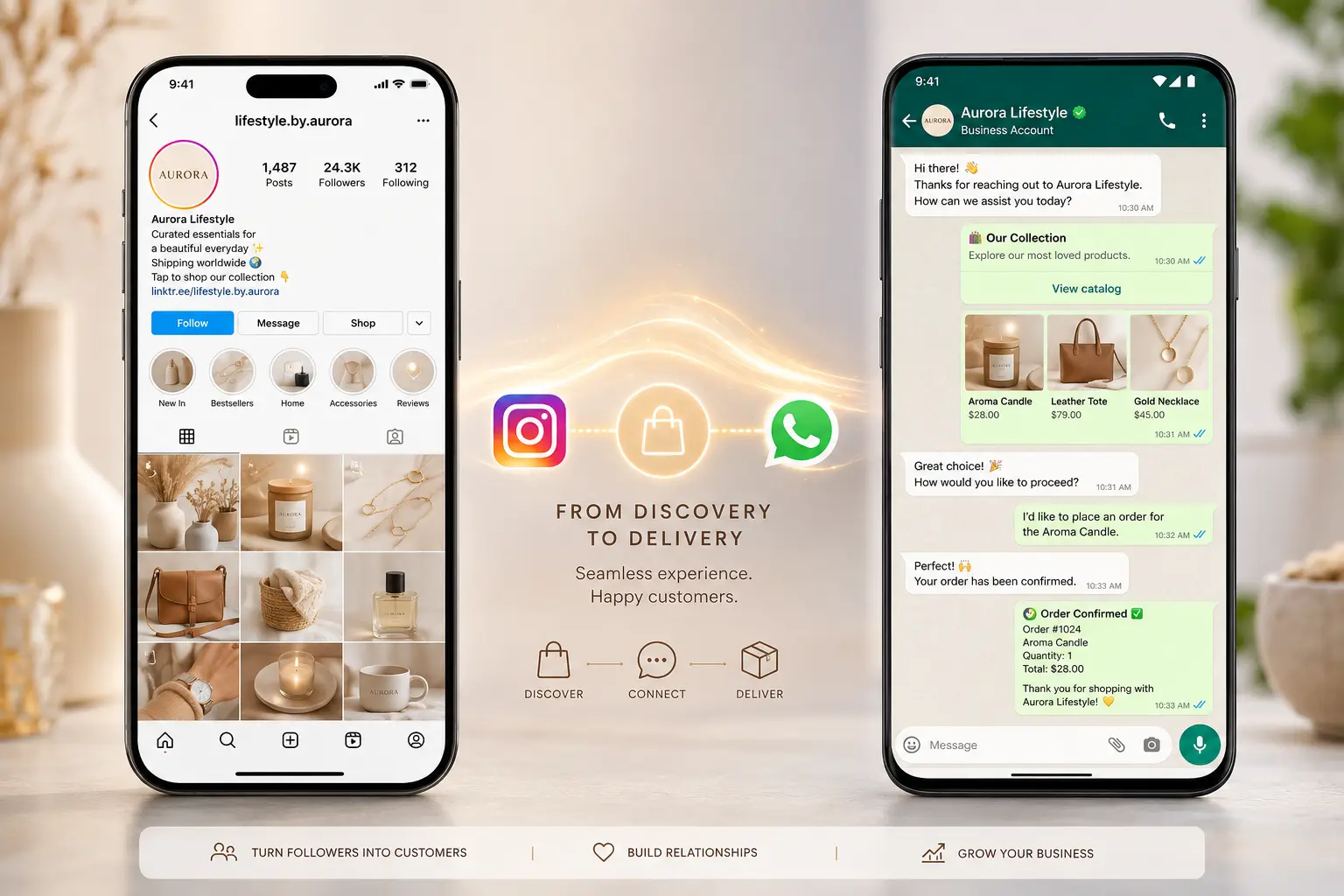
That's outdated thinking. Today, a market woman selling ankara fabric can use a free AI chatbot plugin on her Instagram page. A logistics startup with four staff can use AI to forecast demand instead of guessing.
Accessibility is the whole point now.
- How to Start: Practical First Steps

Before buying any tool, sit down and map out where your time actually goes. Which tasks eat the most hours each week? Where do customers complain the most: slow replies, wrong orders, delayed invoices? Those bottlenecks are your starting point.
Next, set a goal you can actually measure, like "Cut customer response time by half" is more useful than "use more AI."
Then pick one low-risk area to pilot: customer support, bookkeeping, or social media captions are good places to start because mistakes there are cheap to fix.
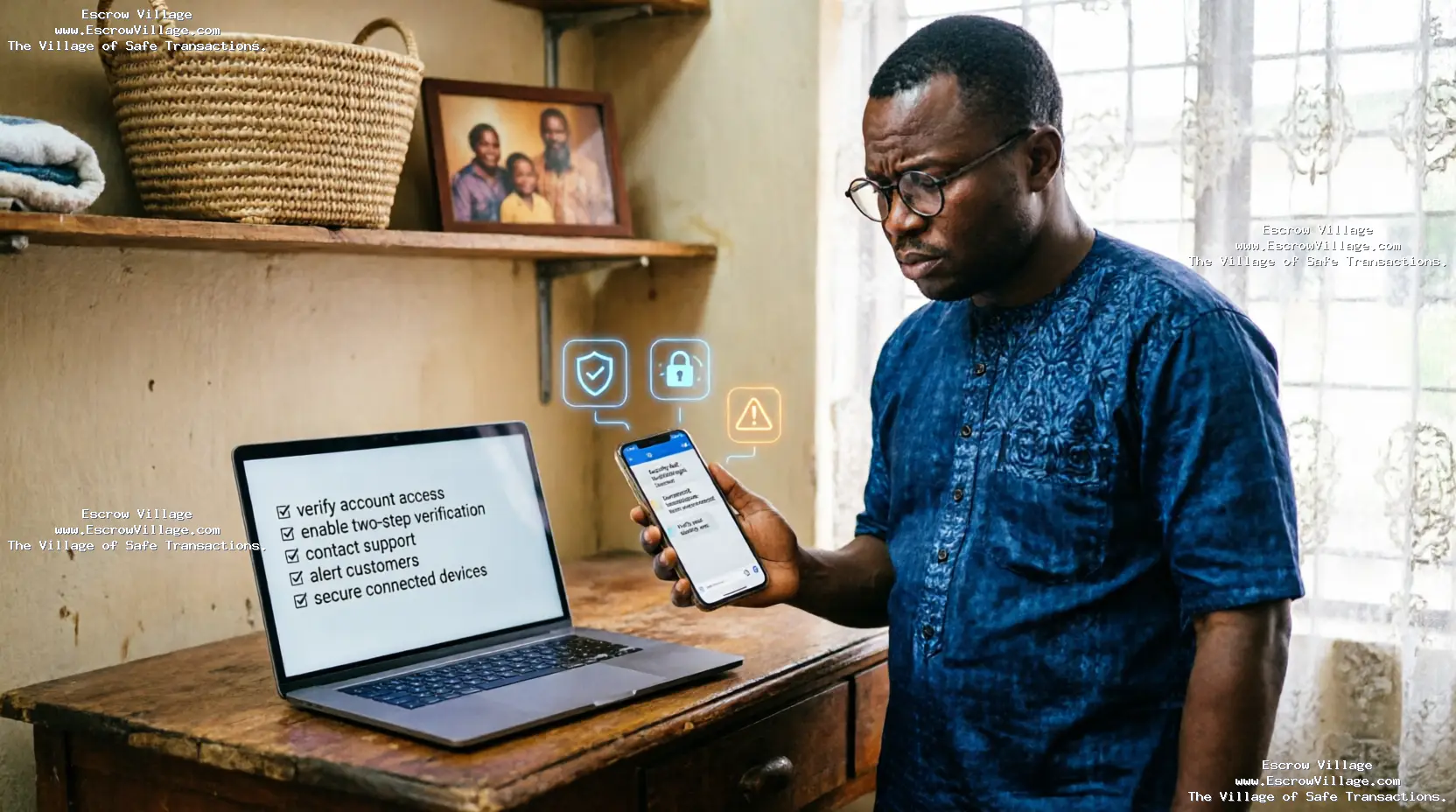
One thing entrepreneurs often skip: check how a tool handles your data before signing up. Where is it stored? Does it share information with third parties? You don't need a law degree, just five minutes reading the privacy page before you commit your customer list to it.
- AI That Saves You Time

- ● Customer support: A chatbot that answers "do you deliver to Ibadan" instantly, day or night, frees up hours and can cut response time dramatically.
- ● Scheduling: AI calendar assistants handle appointment bookings and reminders, so you're not manually texting confirmations.
- ● Document automation: Invoices, receipts, and simple contracts can be generated in seconds instead of copy-pasted from an old template.
- ● Inbox triage: AI can sort and flag urgent emails so you're not scrolling through fifty messages to find the one that matters.
- ● Inventory alerts: Get notified automatically when stock is running low, instead of realising it when a customer complains it's out.
- AI That Saves You Money

Bookkeeping tools that automatically categorise expenses can save you from paying an accountant to do manual data entry every month.
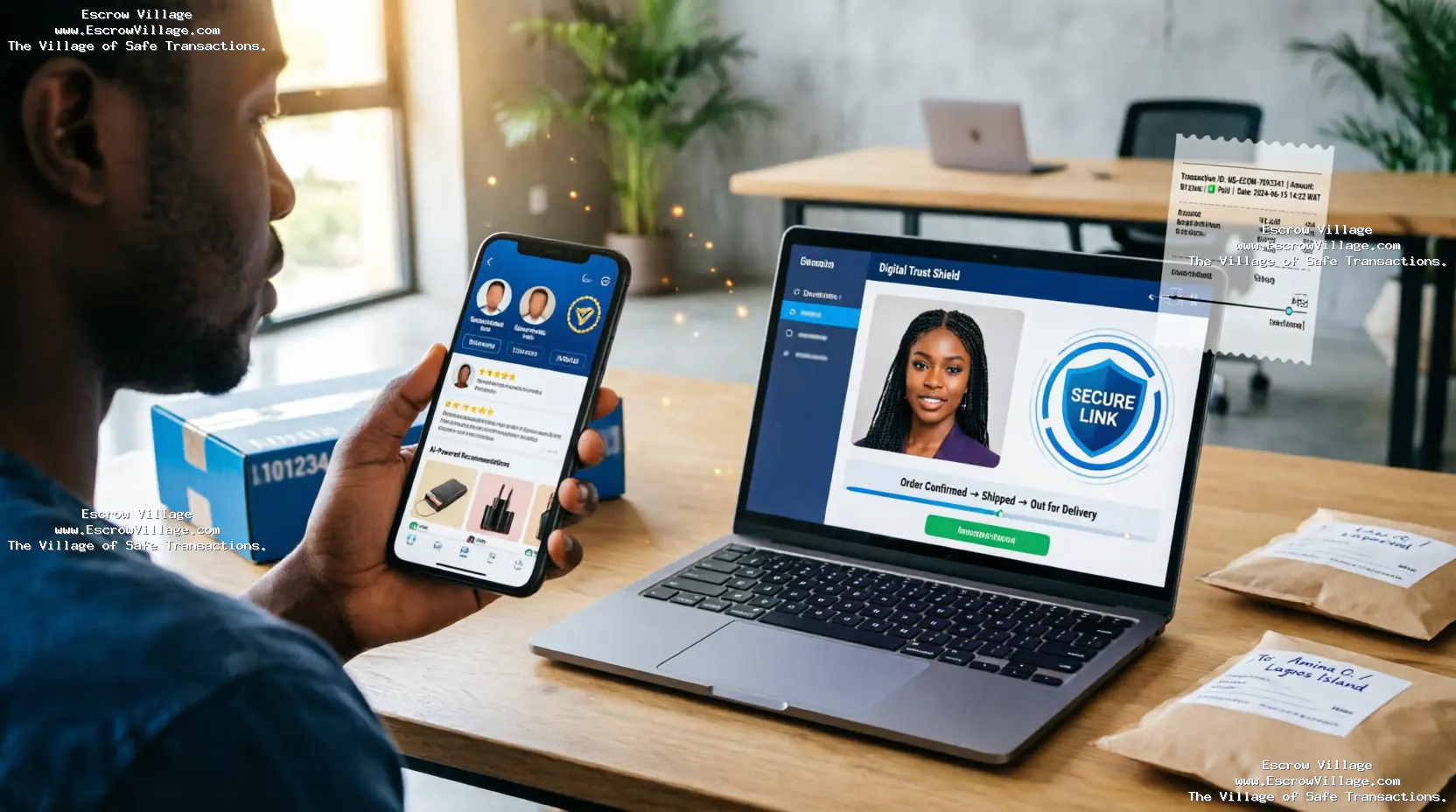
Demand forecasting helps you avoid overstocking (money tied up in unsold goods) or understocking (lost sales).Some AI tools also flag suspicious transactions, which matters a lot given how common payment fraud has become in Nigerian e-commerce.
Even something as simple as optimising your electricity or generator usage with smart tracking can shave costs over time.
Marketing, Sales, and HiringFor marketing, generative AI tools can draft product descriptions, blog outlines, or ad copy in minutes, useful if you can't afford a full-time copywriter.
Lead scoring tools help you focus on the customers most likely to actually buy, rather than chasing everyone equally.
On the hiring side, AI can shortlist CVs faster, though it's worth double-checking results manually so you're not accidentally filtering out good candidates due to a biased algorithm.
- Choosing the Right Tools

When comparing tools, look at cost, how easily it integrates with what you already use (WhatsApp Business, Instagram, your POS system), the level of support offered, and whether it can grow with you.
Watch out for pricing traps; some tools look cheap monthly but charge extra per message or per transaction once you scale.- Getting It Right: Best Practices and Risks

Start small. Pick one pilot, measure it honestly, and only then expand.
Involve your staff early; resistance usually comes from people fearing AI will replace them, not automate their boring tasks.Keep a human checking anything AI produces before it reaches a customer, especially around pricing or legal documents. And always have a manual backup plan for when the tech fails, because in Nigeria, it sometimes will.
On the ethics side, be transparent with customers when they're chatting with a bot, protect their data properly, and stay aware of any local regulatory requirements for your industry.

AI isn't about replacing the hustle that built your business; it's about giving you back the hours currently lost to repetitive tasks so you can focus on what actually grows revenue.
Start with one small pilot, measure it properly, and build from there. You don't need a big budget to begin just a clear sense of where your time is going and the willingness to test something new.