What Happens When an Escrow Transaction Is Cancelled?
Escrow transactions protect both parties, but what happens when a deal is cancelled before completion?
Whether you are buying cryptocurrency from a P2P trader or selling digital assets, cancellation can raise important questions:
The answer depends on why the escrow transaction was cancelled, whether payment was completed, and the terms agreed by both parties.
Understanding the process can help you avoid unnecessary disputes and protect your funds.
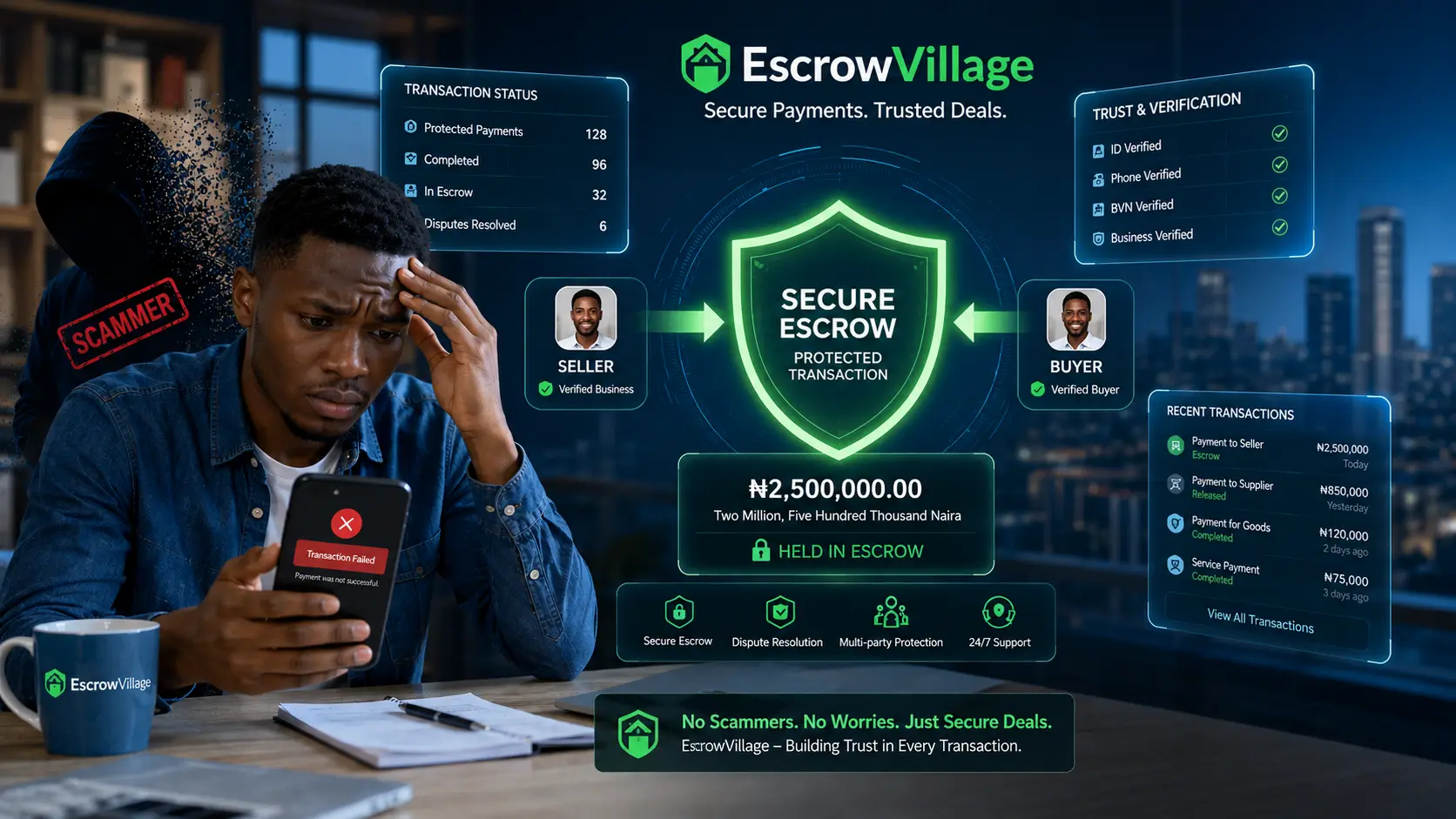
In this article, we’ll explain what generally happens when an escrow transaction is cancelled and how using a structured escrow process with Escrow Village can make P2P crypto transactions easier to manage.
Cancellation is not necessarily a sign that something went wrong.
Sometimes, it simply prevents a transaction from continuing when the original terms can no longer be met.
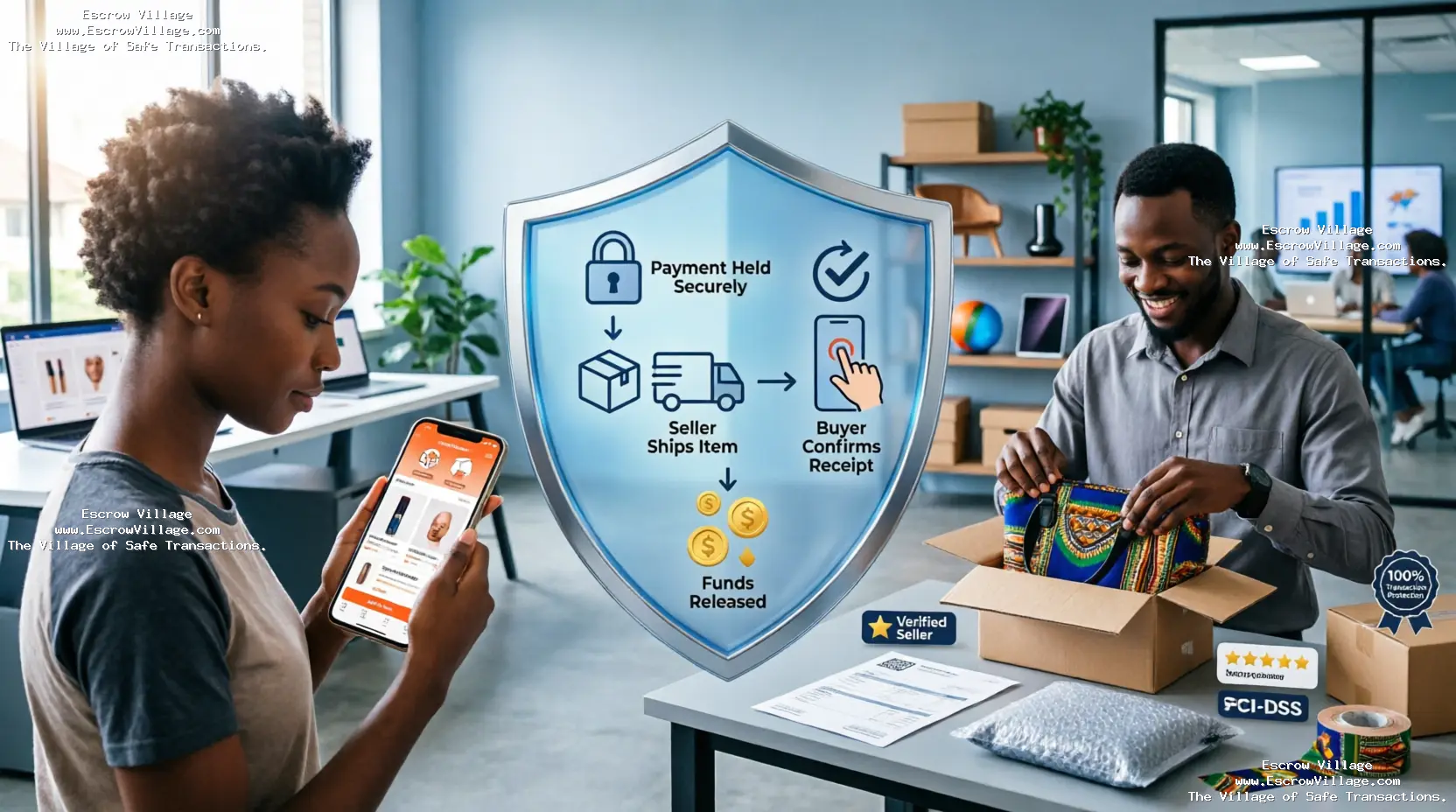
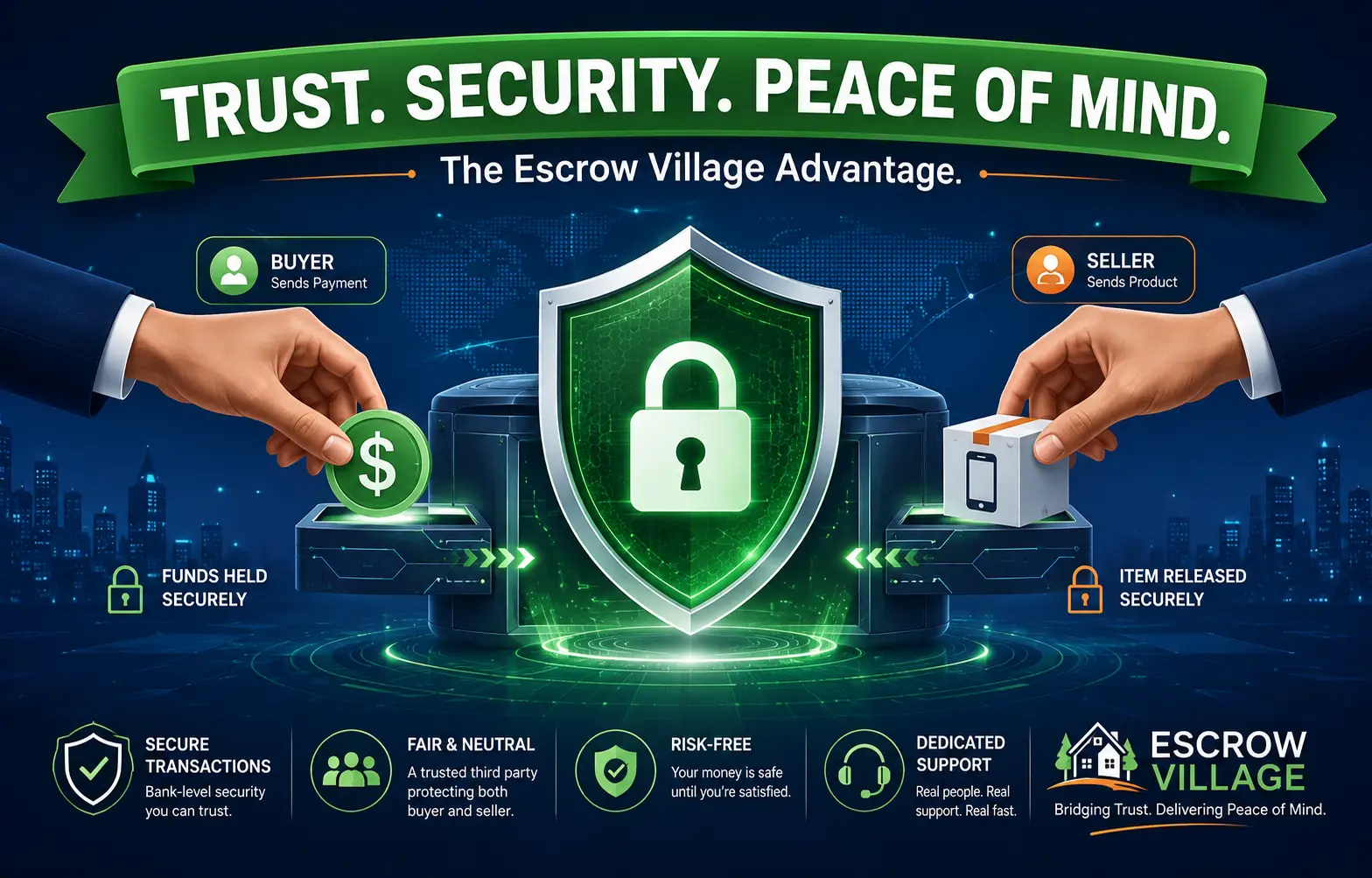
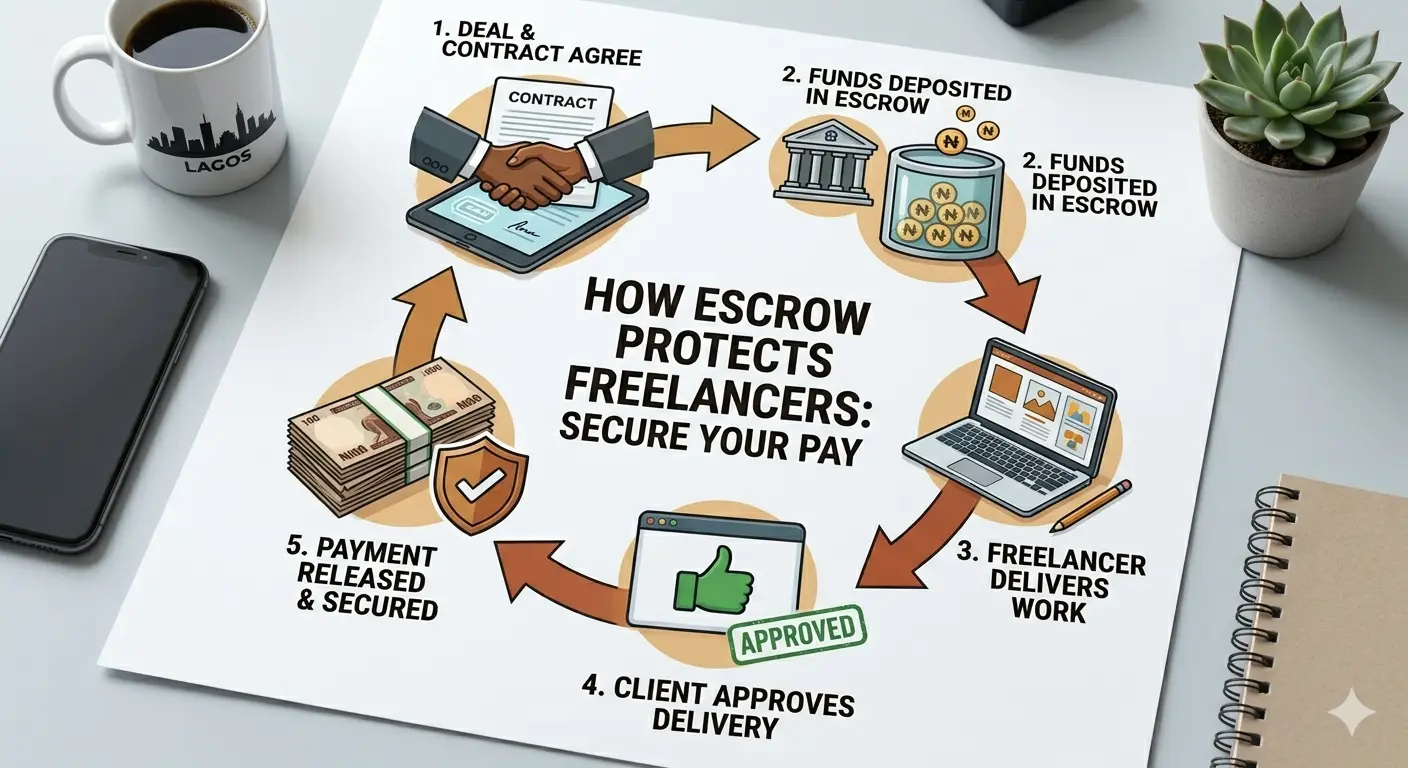
● If Payment Has Already Been Made. This is where things become more important. If the buyer has already paid, the funds should be handled according to the escrow transaction terms and cancellation process. For example, imagine a buyer agrees to purchase ₦500,000 worth of goods.
The buyer makes the payment, but the seller can no longer complete the trade.
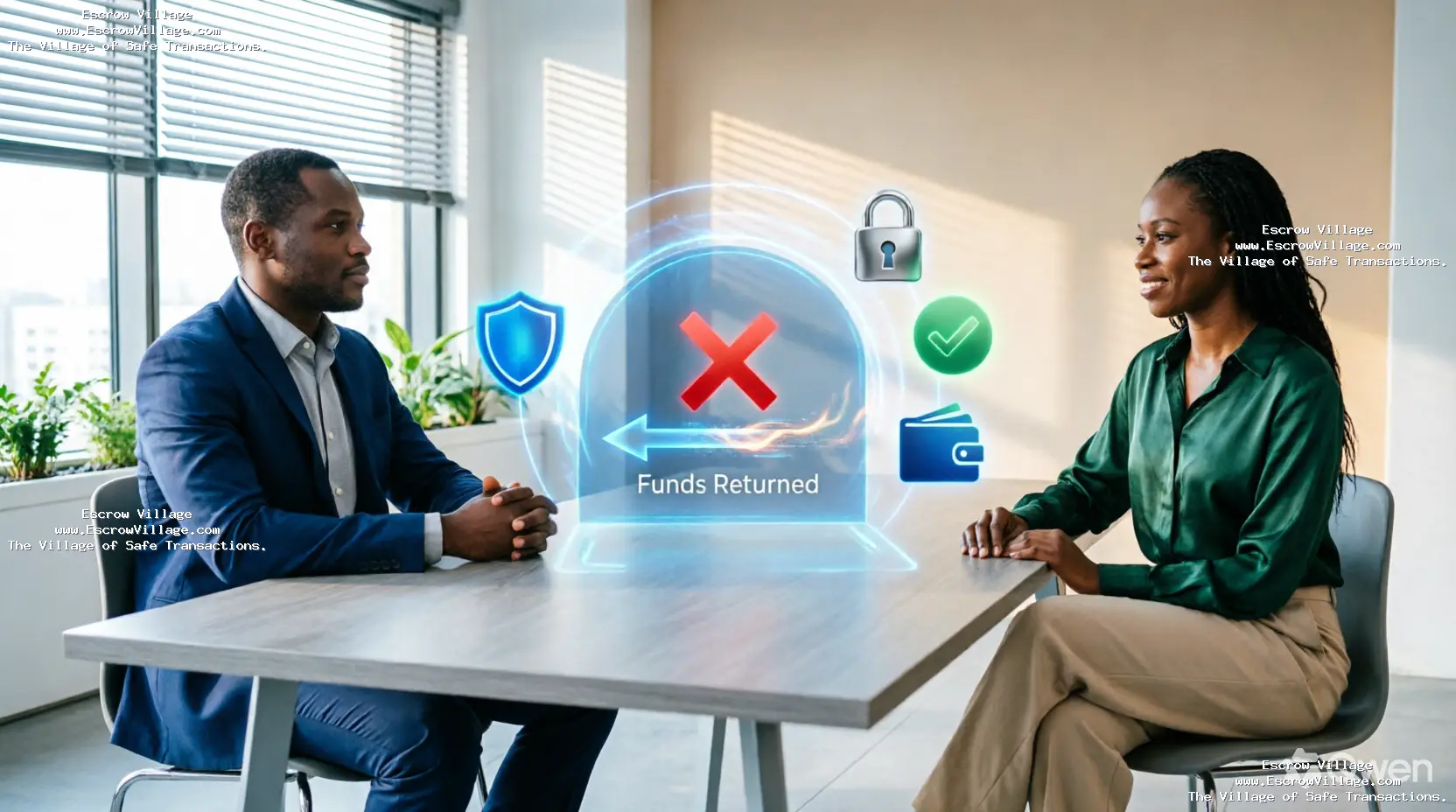
Instead of the seller keeping the money, the transaction can be cancelled and the funds handled through the appropriate escrow process.
Before starting a transaction, both parties can agree on the terms and understand what should happen if the deal does not go as planned.
If a transaction needs to be cancelled or a disagreement occurs, having a defined process can make the situation easier to manage.
For P2P crypto traders, this added structure can provide greater confidence when dealing with unfamiliar buyers or sellers.
Knowing these terms beforehand can prevent confusion later.
With Escrow Village, you can approach P2P transactions with a clearer process, better protection, and greater confidence, even when a deal does not go according to plan
Whether you are buying cryptocurrency from a P2P trader or selling digital assets, cancellation can raise important questions:
- ● Where does the money go?
- ● Does the buyer get a refund?
- ● What happens to the cryptocurrency?
The answer depends on why the escrow transaction was cancelled, whether payment was completed, and the terms agreed by both parties.
Understanding the process can help you avoid unnecessary disputes and protect your funds.
In this article, we’ll explain what generally happens when an escrow transaction is cancelled and how using a structured escrow process with Escrow Village can make P2P crypto transactions easier to manage.
- Why Would an Escrow Transaction Be Cancelled?
- ● The buyer changes their mind before completing payment.
- ● The seller cannot provide the agreed cryptocurrency.
- ● Payment is not made within the agreed timeframe.
- ● The parties discover an issue with the transaction.
Cancellation is not necessarily a sign that something went wrong.
Sometimes, it simply prevents a transaction from continuing when the original terms can no longer be met.
- What Happens to the Money?
● If Payment Has Already Been Made. This is where things become more important. If the buyer has already paid, the funds should be handled according to the escrow transaction terms and cancellation process. For example, imagine a buyer agrees to purchase ₦500,000 worth of goods.
The buyer makes the payment, but the seller can no longer complete the trade.
Instead of the seller keeping the money, the transaction can be cancelled and the funds handled through the appropriate escrow process.
- How Escrow Village Helps
Before starting a transaction, both parties can agree on the terms and understand what should happen if the deal does not go as planned.
If a transaction needs to be cancelled or a disagreement occurs, having a defined process can make the situation easier to manage.
For P2P crypto traders, this added structure can provide greater confidence when dealing with unfamiliar buyers or sellers.
- Always Understand the Terms Before Trading
- ● Cancellation conditions
- ● Payment deadlines
- ● Refund conditions
- ● Dispute procedures
- ● When payment can be released
Knowing these terms beforehand can prevent confusion later.
With Escrow Village, you can approach P2P transactions with a clearer process, better protection, and greater confidence, even when a deal does not go according to plan