Don’t Get Scammed: 15 Warning Signs Before You Invest Online
Written by BLESSING ABADI IFEOMA852 views
Investing online can be convenient. From buying shares and cryptocurrency to forex trading, agricultural platforms, and digital investment schemes, Africans can now access financial opportunities from their smartphones. But convenience also creates opportunities for fraud.
In May 2026, Nigeria's Securities and Exchange Commission issued a warning to the public about the increasing promotion of unregistered online investment schemes through WhatsApp, Instagram, Telegram, Facebook, TikTok and other digital platforms.
The regulator specifically warned against platforms promising unrealistic or guaranteed returns. In July 2026, it published a list of entities operating online without the required investment licences and advised the public to verify investment providers before committing money.
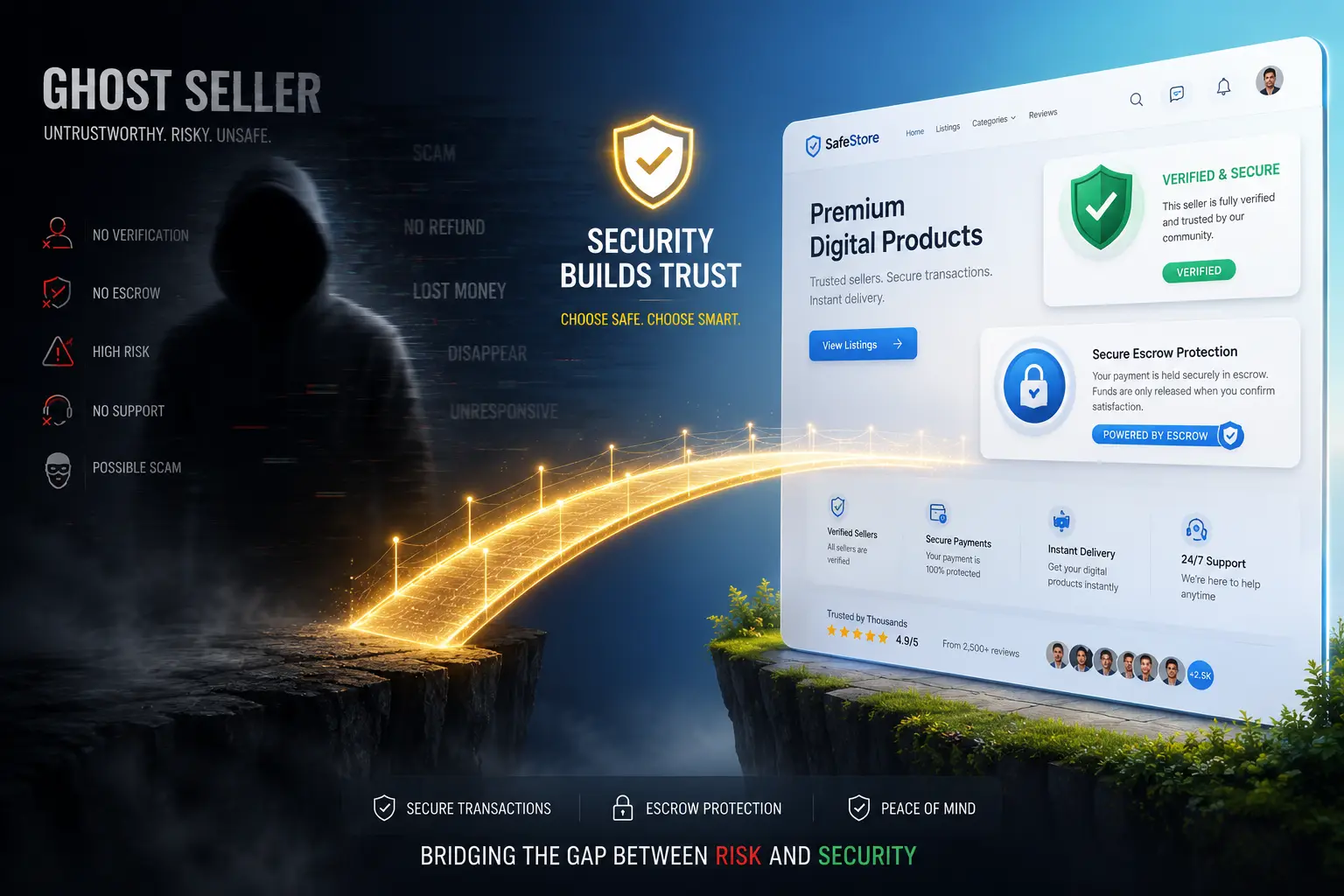
The problem is not that online investing is inherently unsafe. Legitimate investment platforms exist across Africa. The problem is that scammers can make fraudulent platforms look just as convincing as legitimate ones.
That is why knowing the red flags before investing online is important.
This guide covers 15 warning signs that can help you identify online investment scams, understand common investment fraud warning signs, and make safer investments.
Why Online Investment Platforms Can Be Risky
The way Africans invest is changing. convincing
People can now discover investment opportunities through Instagram adverts, TikTok videos, WhatsApp groups, Telegram channels and online communities. Some platforms offer access to stocks, cryptocurrency, forex, agriculture, real estate and other investments without requiring a traditional visit to a financial institution. Unfortunately, scammers use the same channels.
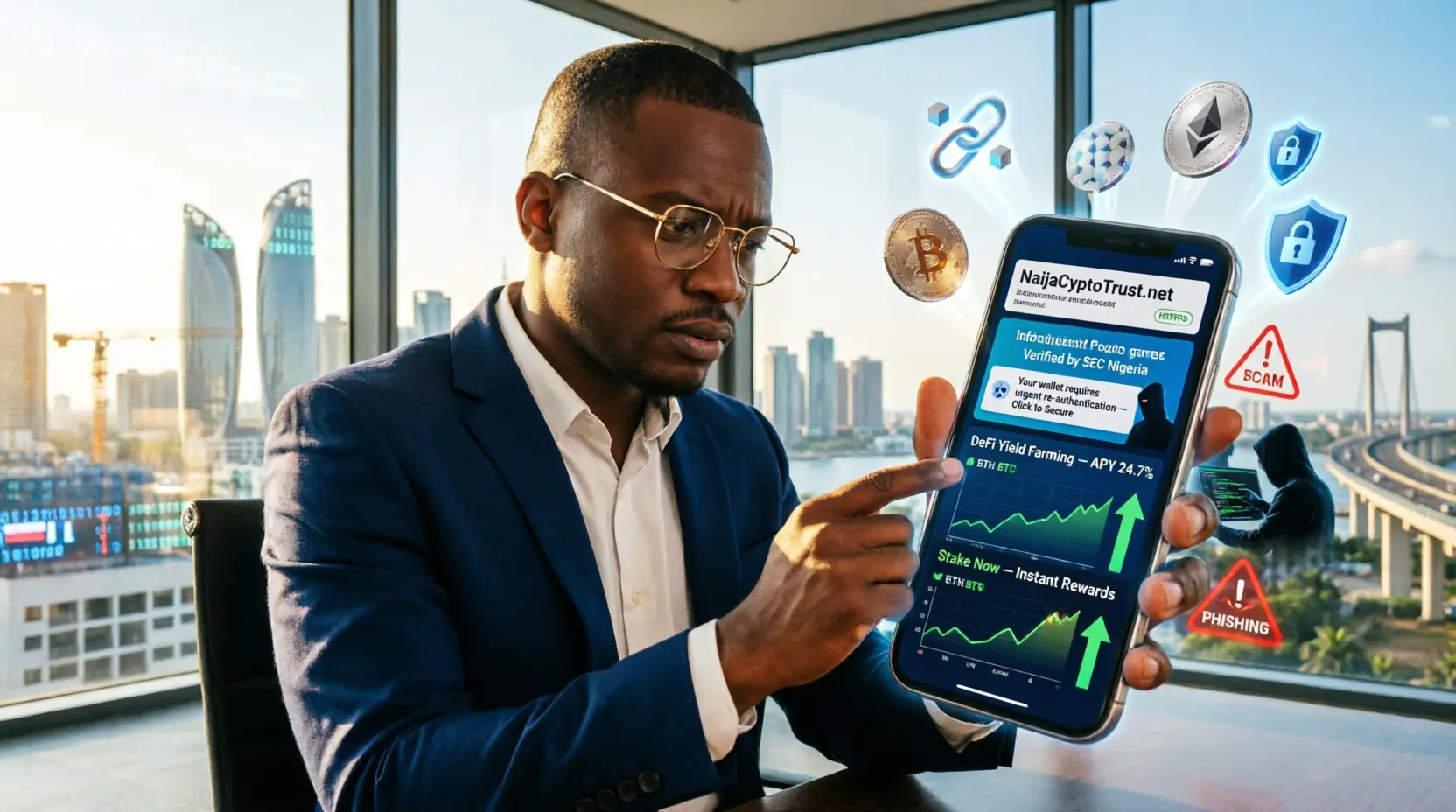
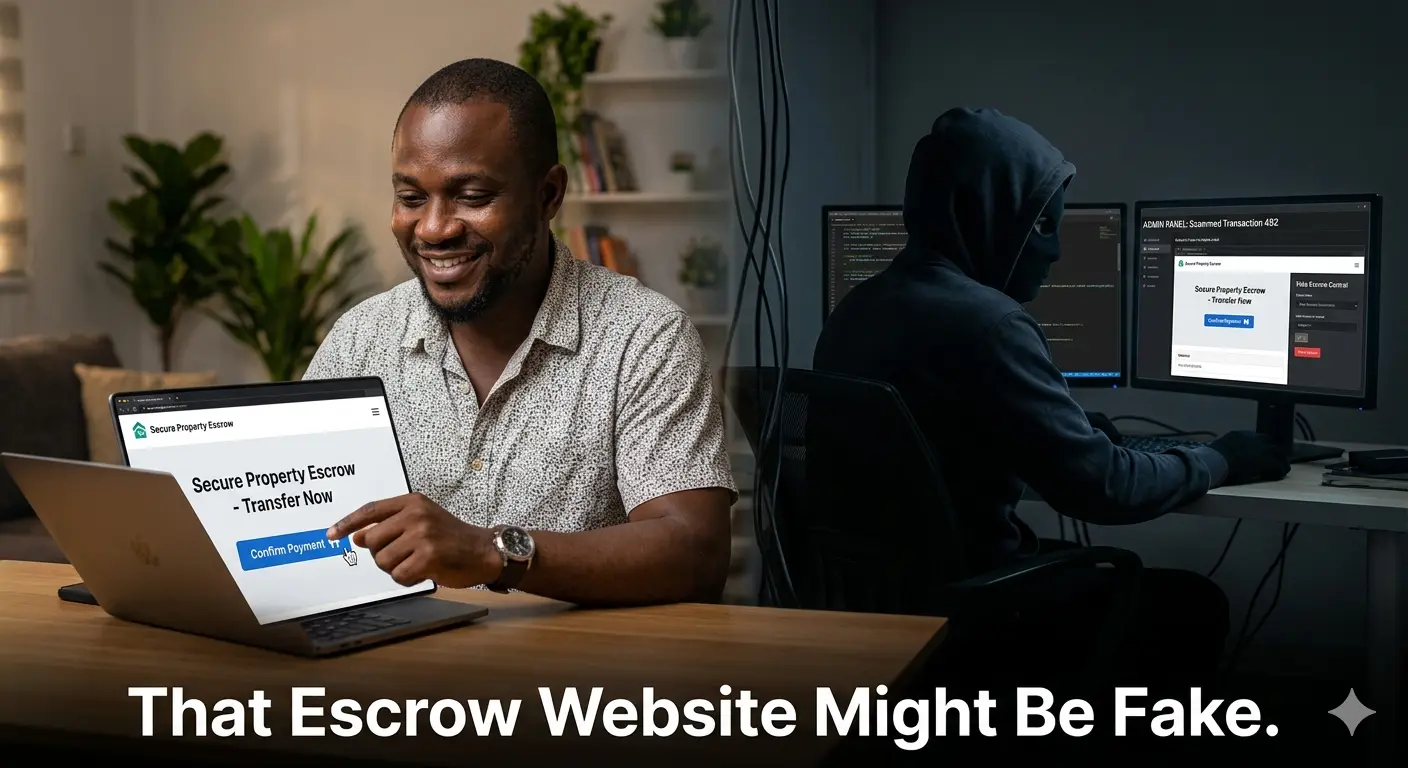
A fake investment platform can create a professional website, display a convincing account balance, use fake testimonials and even create a WhatsApp group filled with supposed investors showing screenshots of their profits.
Regulators are increasingly warning about these tactics. Nigeria's SEC, for example, has reported cases involving unregistered platforms promoted through social media and online forums, including schemes displaying characteristics associated with Ponzi operations.
The lesson is simple: an investment opportunity being online does not make it legitimate. Before you send money, look for these warning signs.
15 Red Flags Before Investing Online
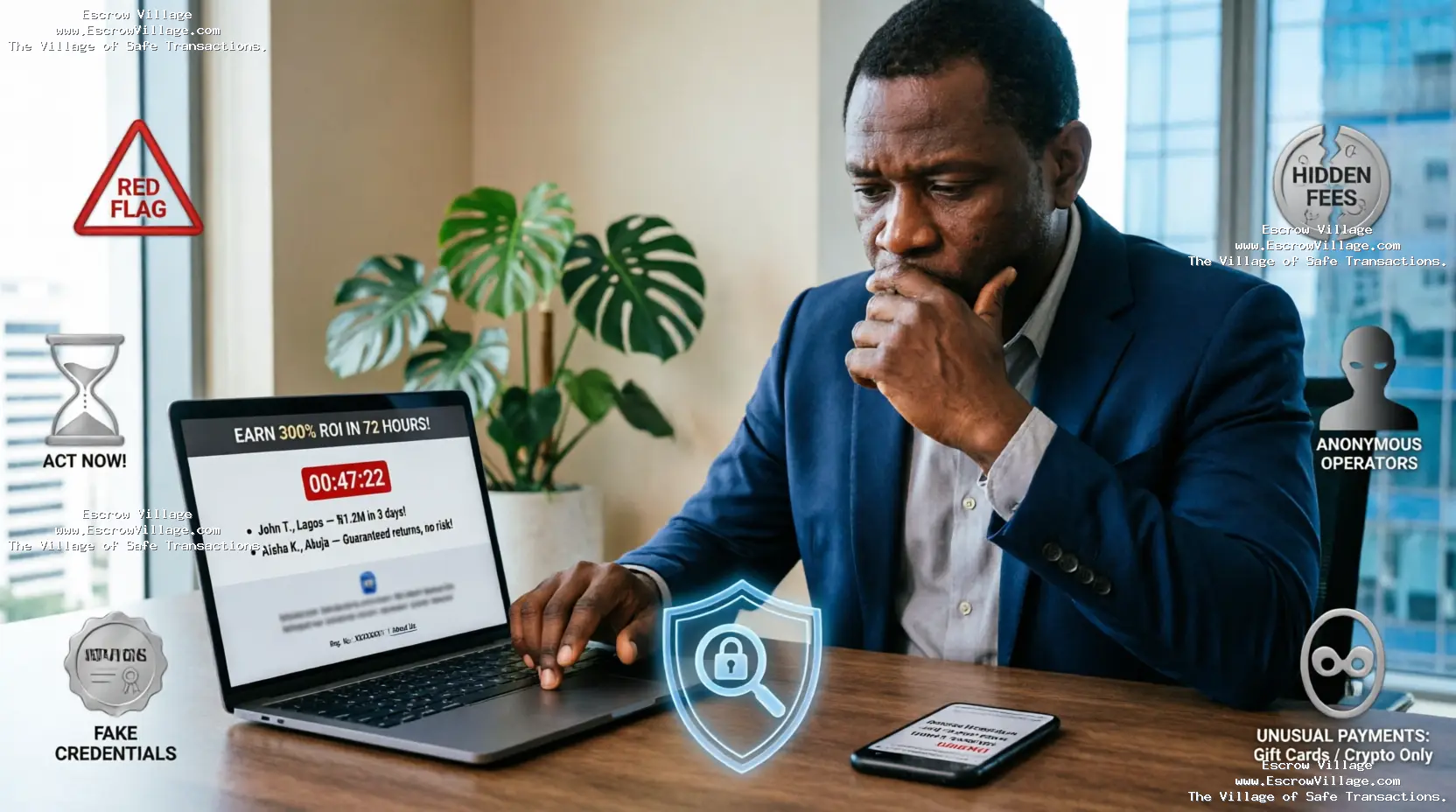
1. Guaranteed or “Too Good to Be True” Returns
One of the biggest warning signs is a promise of guaranteed profit.
For example, someone may tell you that investing ₦100,000 will give you ₦150,000 in 30 days, or that you can earn a fixed percentage every day without taking any risk.
That should immediately make you pause.
Real investments can make money, but they can also lose money. The level of risk depends on the investment.
If someone says you cannot lose, ask yourself an important question: If the investment is so profitable and risk-free, why do they need my money?
2. No Clear Regulatory Information or Licence
A legitimate investment business should be able to tell you who regulates it and what licence or authorisation it operates under, where applicable.
But don't stop at what the website tells you.
Search for the company directly on the official website of your country's financial regulator.
For example, investors in Nigeria can check the SEC's registration information before dealing with an investment platform.
The Nigerian SEC specifically advises the public to verify investment companies and platforms through its official registration portals.
Other African countries have their own regulators.
The important point is this: a licence number printed on a website is not proof of a licence. Verify it independently.
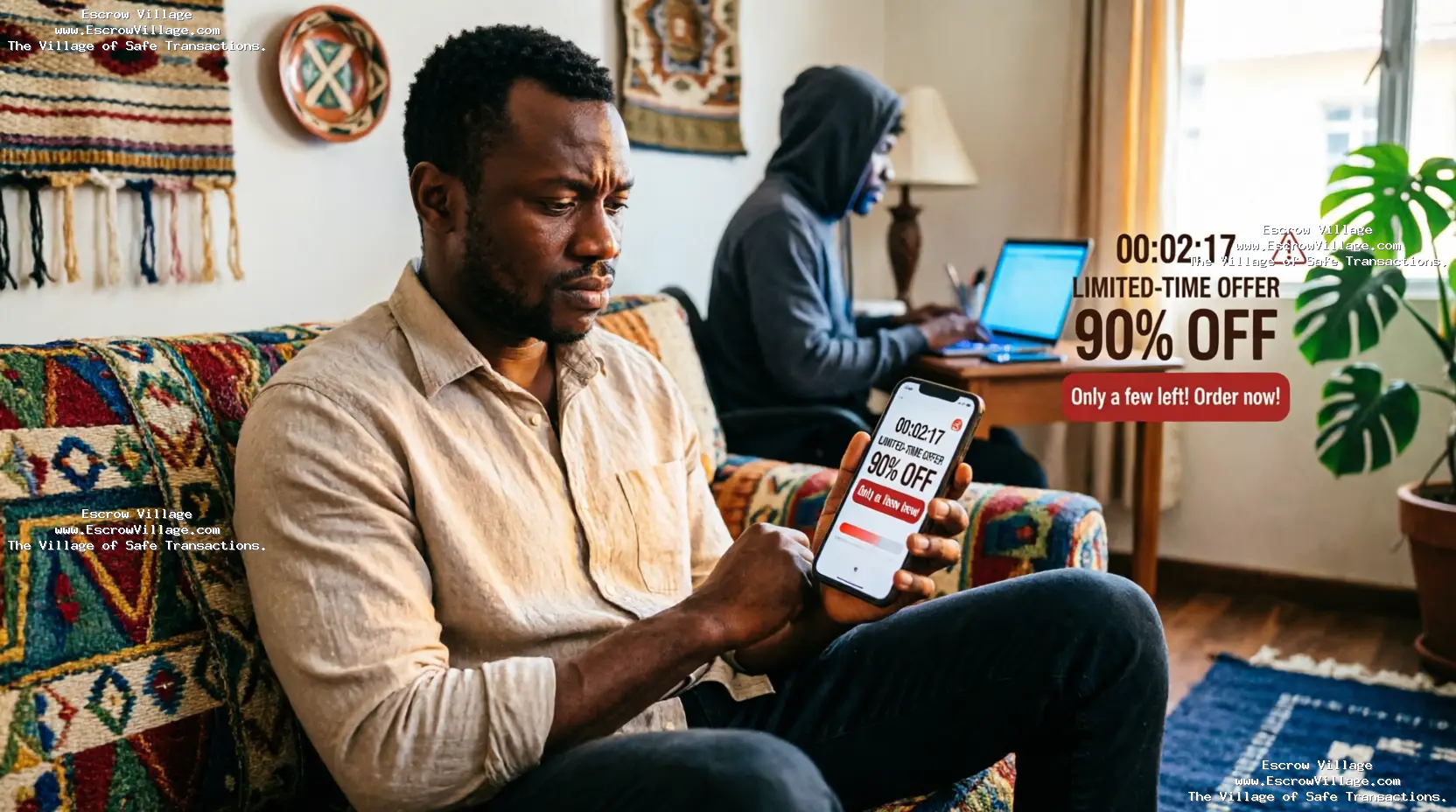
3. Pressure to Invest Immediately
“Send the money today.”
“Registration closes tonight.”
“Only five slots are left.”
“Your friends are already making money.”
These statements are designed to make you act before you investigate.
A legitimate investment opportunity should not depend on you making a rushed decision.
Scammers know that the more time you have to research, the more likely you are to discover problems. So they create artificial urgency.
When someone pressures you to invest immediately, slow down instead.
4. Nobody Can Clearly Explain How the Returns Are Generated
Be careful when an investment platform uses impressive words without explaining what actually happens to your money.
You might hear phrases such as:
- “AI-powered trading”
- “Advanced algorithm”
- “Automated forex system”
- “Blockchain technology”
- “Secret trading strategy”
- “Guaranteed passive income”
Technology can be used legitimately in investing, but technology words do not explain where your returns come from.
Ask: What does the company actually do with my money?
If the explanation remains vague, complicated or impossible to verify, consider walking away.
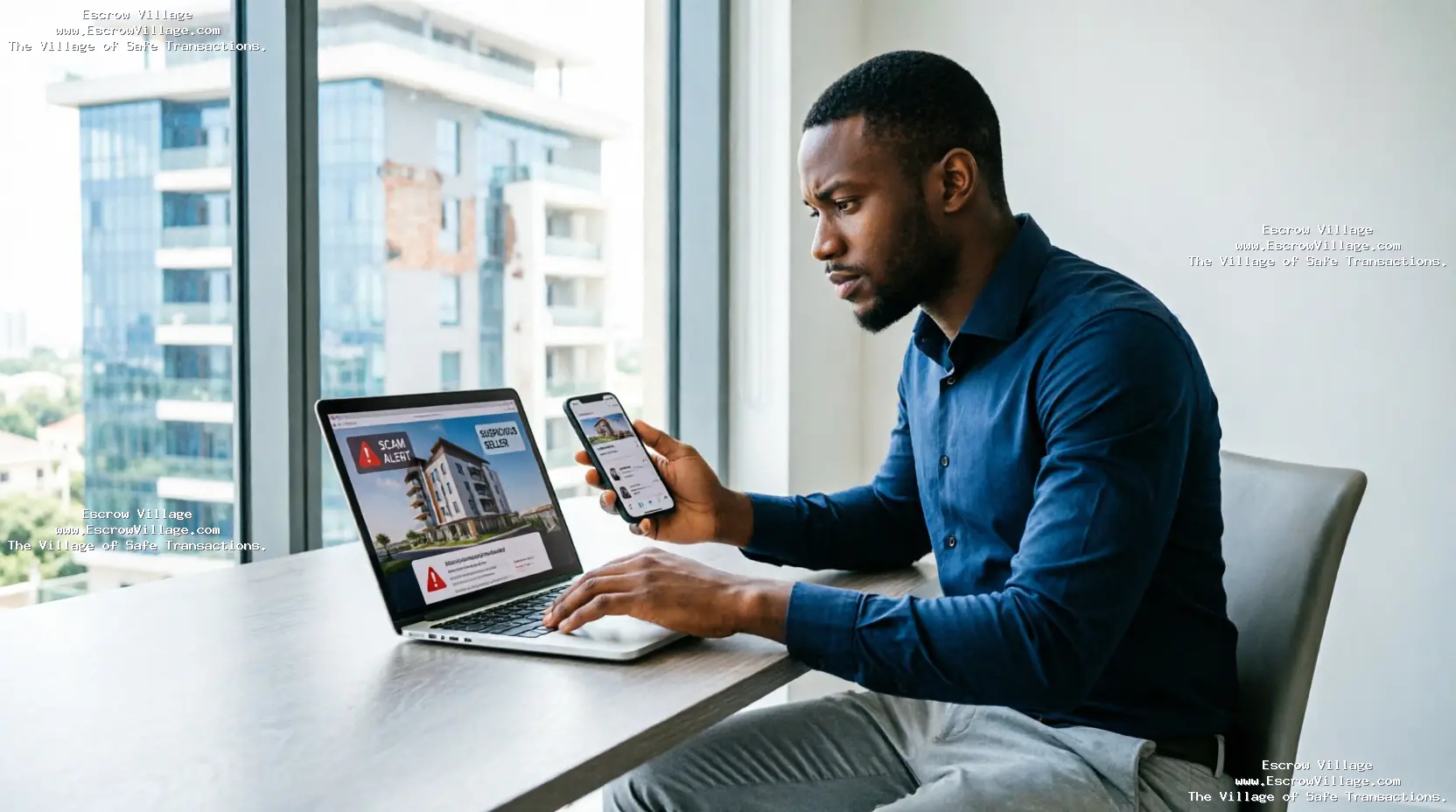
5. The Website or App Looks Suspicious
Poor design, broken links, copied content, strange domain names and repeated spelling errors can be warning signs.
However, there is an important distinction: a professional website does not automatically mean the investment is legitimate.
Scammers can build attractive websites too.
Also, seeing HTTPS or a padlock in your browser only tells you that the connection is encrypted.
It does not prove that the company behind the website is trustworthy.
Treat the website as one piece of evidence, not the entire investigation.
6. There Is No Verifiable Address or Contact Information
Be cautious if the only way to contact an investment company is through WhatsApp, Telegram, Instagram or a generic contact form.
A legitimate company should normally provide information that allows you to identify and contact it, depending on the type of business and jurisdiction.
Check whether the stated address actually exists and whether the company can be independently verified there.
A WhatsApp number alone is not evidence that you are dealing with a legitimate financial business.
7. You Are Asked to Use an Unusual Payment Method
Pay close attention to where you are being asked to send your money. Warning signs can include requests to:
- Transfer money to an individual's personal bank account.
- Send cryptocurrency to a private wallet.
- Pay using gift cards.
- Send money through an account unrelated to the investment company.
- Make repeated “activation” or “release” payments.
A Nigerian SEC warning about ModMount, for example, noted that the entity solicitedNigerian investors and encouraged funds to be remitted through Nigerian bank accounts despite not being registered with the SEC.
The payment method alone does not prove fraud, but unexplained payment arrangements deserve serious scrutiny.
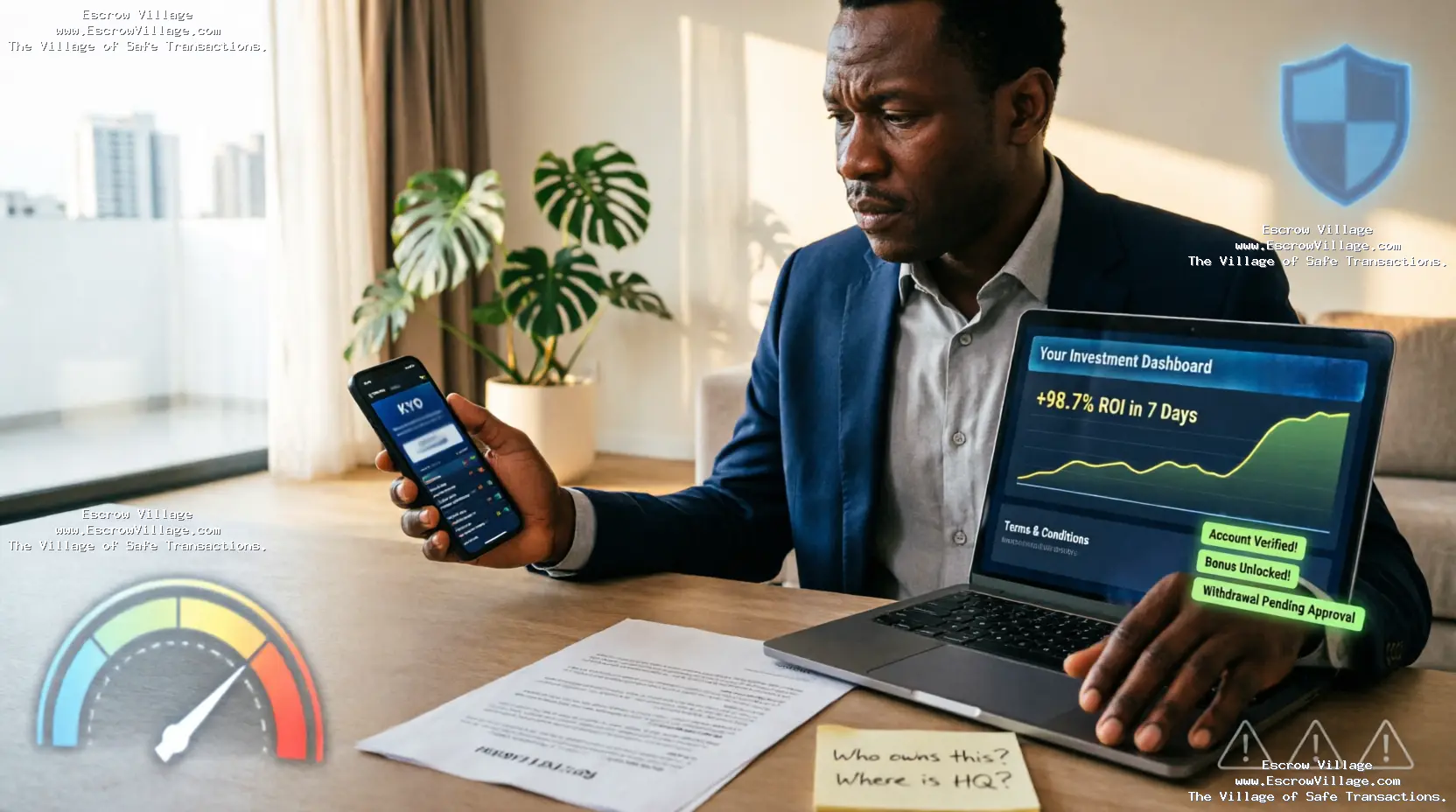
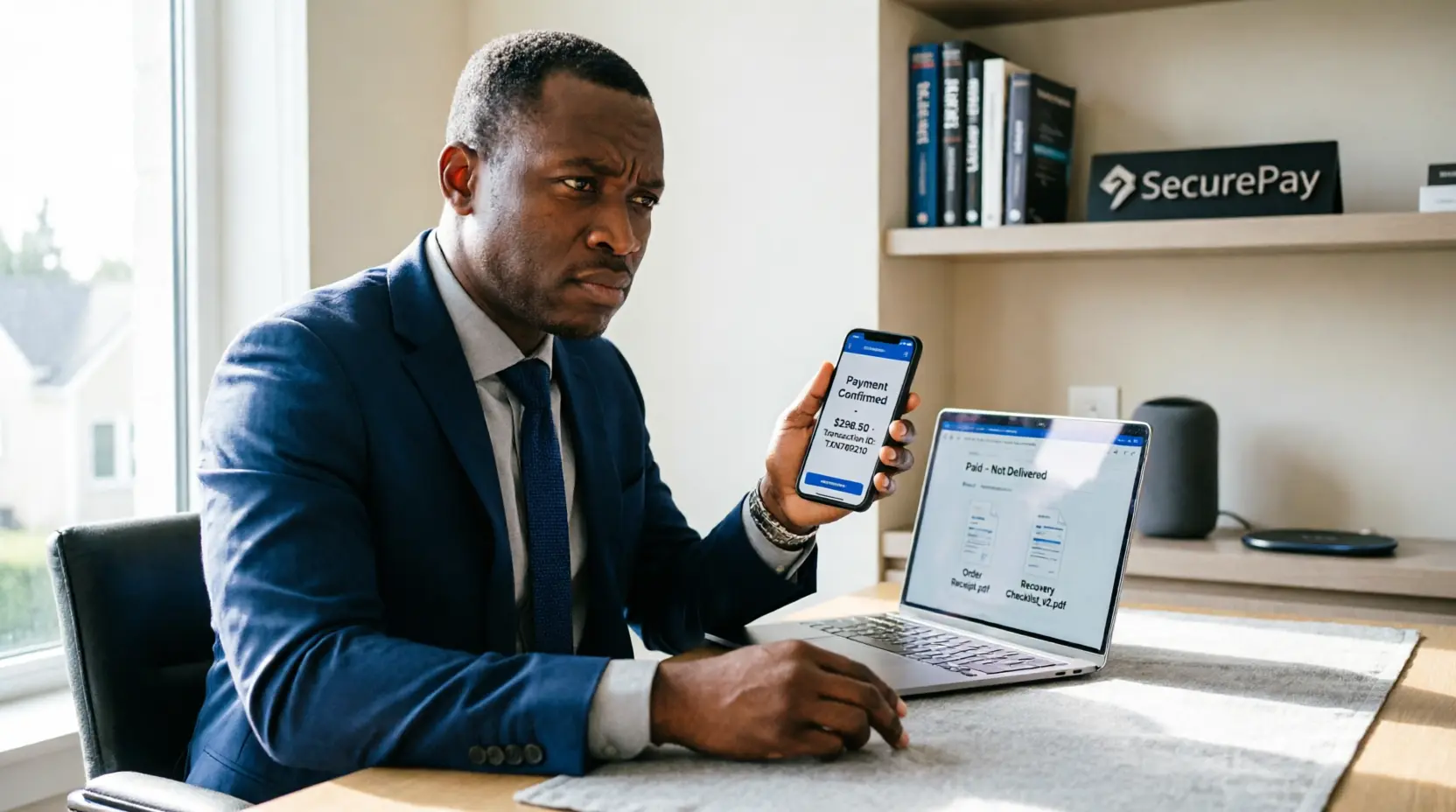
8. Withdrawals Suddenly Become Difficult
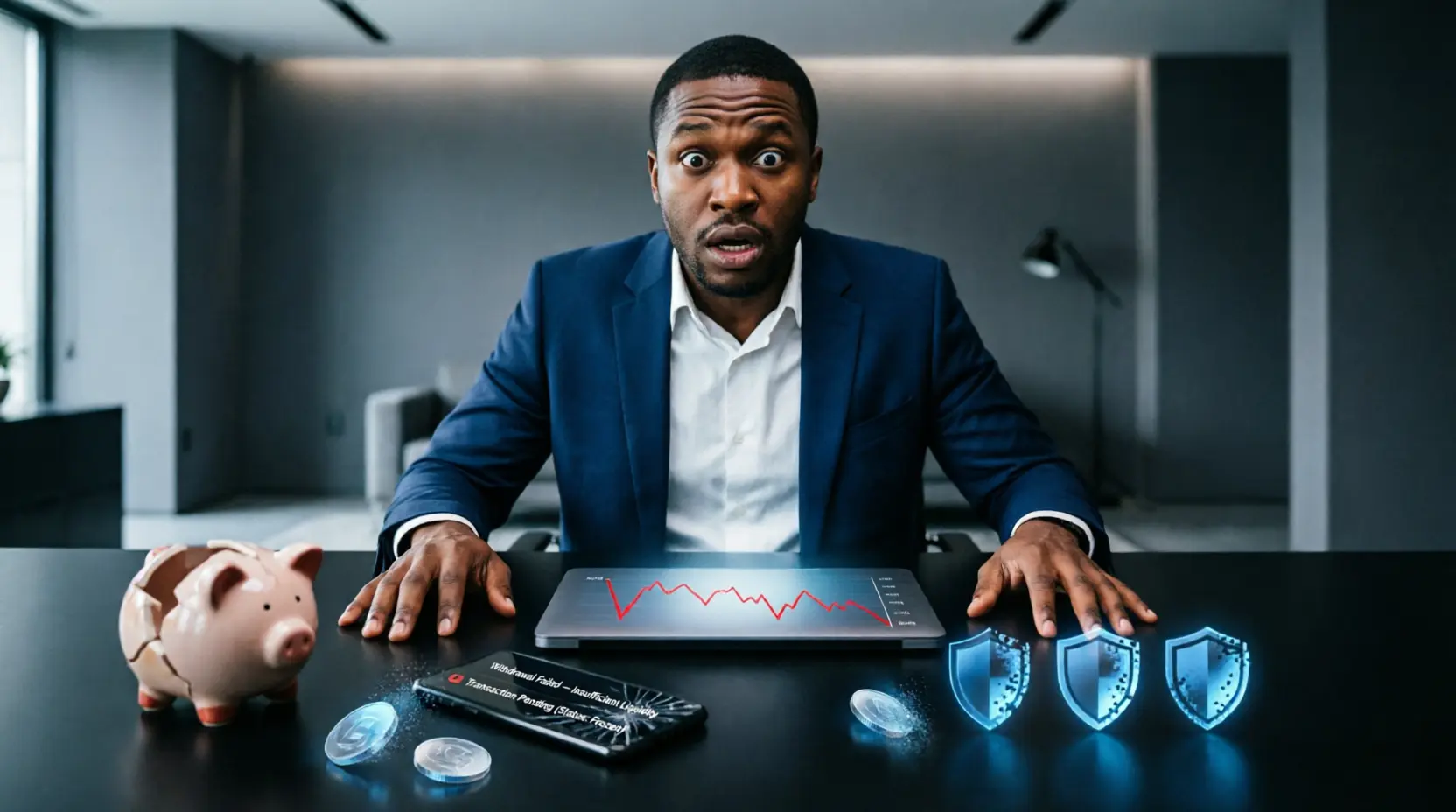
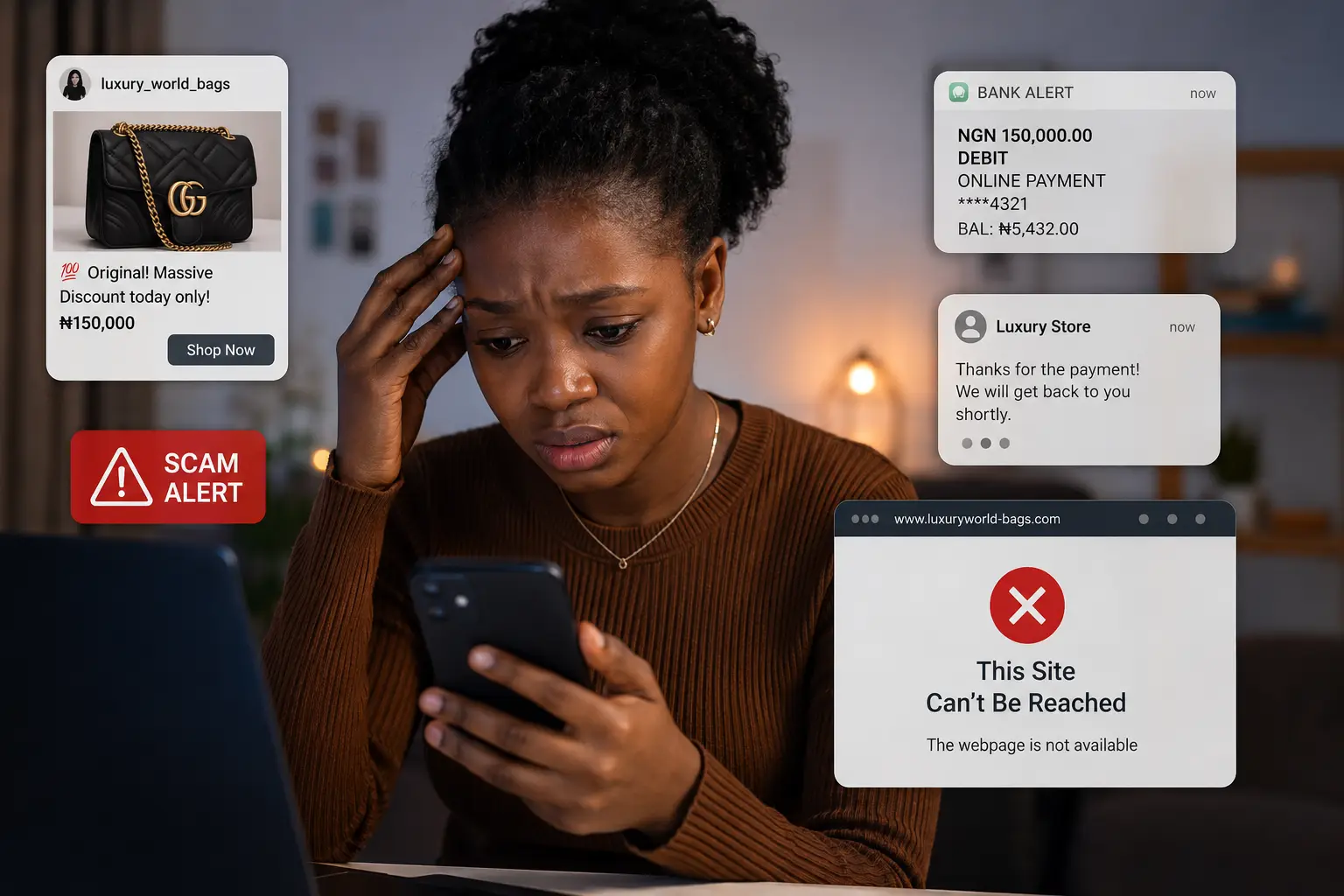
This is one of the most important signs to watch. A fake investment platform may allow you to deposit money and show attractive profits on your dashboard. But when you try to withdraw, the problems begin. You may suddenly be told to pay:
- A tax- A withdrawal fee
- A verification charge
- An account activation fee
- A “liquidity” fee
You may also be told to deposit more money before your existing balance can be released.
Nigeria's SEC reported complaints involving withdrawal difficulties in its warning about Glorious Wealth Fund and identified failure to honour withdrawal requests as a warning sign.
If you cannot withdraw your money without continually sending more money, stop.
9. Every Review Is Perfect
Be suspicious when every testimonial says the same thing:
“Best investment platform ever!” “I invested ₦50,000 and made ₦500,000!” “Thank you for changing my life!” Fake reviews can be created easily, especially on social media.
Search outside the platform. Look for independent discussions, complaints, regulator warnings and credible news reports. And don't rely entirely on screenshots of supposed bank balances or payment alerts. A screenshot can be edited.
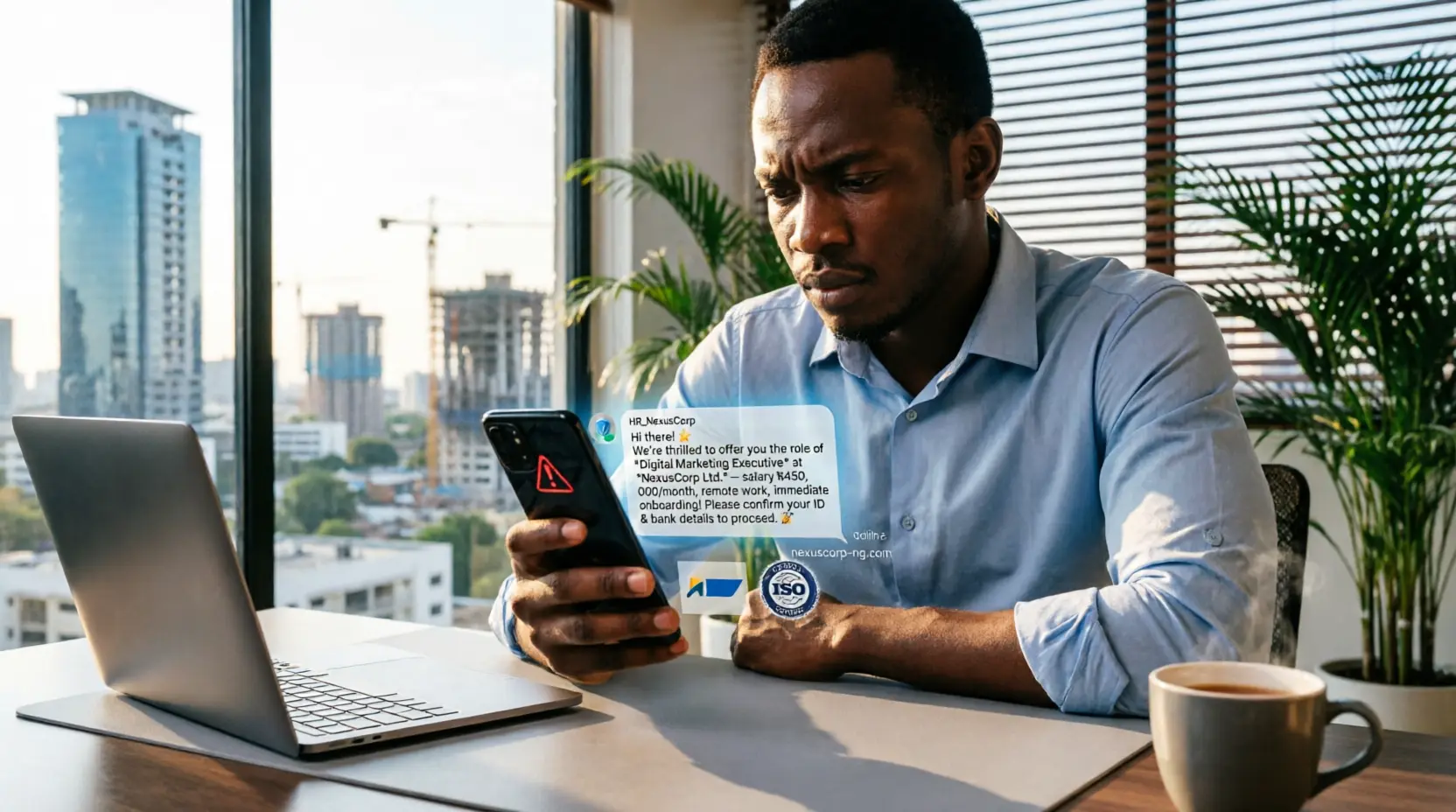
10. Someone Randomly Messages You With an Investment Opportunity
An unexpected WhatsApp message, Instagram DM, Telegram invitation or Facebook message promising an “exclusive” investment opportunity deserves caution.
The person may claim to be an investment expert, financial adviser or successful trader. They may even build a relationship with you first. This is particularly dangerous because scammers can use trust to make people lower their guard.
Do not invest simply because the person appears friendly, wealthy or knowledgeable.
Verify the investment independently.
11. There Is No Proper Documentation
Before investing, you should understand what you are agreeing to.
Look for relevant documents such as terms and conditions, investment agreements, fee information, risk disclosures and information about withdrawals.
If someone says, “Don't worry about all those documents; just send the money,” stop.
A WhatsApp conversation or voice note is not a substitute for proper documentation.
12. The Platform Cannot Explain Its Legal Status in Your Country
An investment platform might tell you that it is “international,” “offshore,” “decentralised” or “registered abroad.”
That does not automatically mean it is fraudulent.
But it also does not automatically make it safe.
The important question is whether it is legally allowed to offer the specific service to people in your country.
This matters because financial regulation differs across African countries.
Before investing, find out which regulator oversees the service and whether the company is authorised to operate in your jurisdiction.
13. You Are Encouraged to Recruit Friends and Family
Be careful when the focus seems to be on bringing in new people rather than explaining the actual investment.
You might be offered bonuses for recruiting your friends, relatives, colleagues or church members.
A referral programme by itself does not prove that something is fraudulent.
But when recruitment becomes central to how people supposedly make money, it deserves serious investigation.
Never risk your relationships by convincing people to invest in something you have not properly verified yourself.
14. Your Account Statements Do Not Make Sense
Check your investment statements regularly.
Look for:
- Transactions you did not authorise. - Missing deposits. - Unexpected fees. - Balances that do not match your records. - Trades you never approved. - Statements you cannot download or verify.
If something does not add up, don't ignore it because the platform is showing you a large balance.
Keep screenshots and transaction records and contact the platform through independently verified channels.
15. Nobody Can Verify Who Runs the Company
Finally, ask:
Who is behind this platform?
Can you find the founders or directors? Are their professional backgrounds real? Does the company exist outside its own website and social media accounts?
Nigeria’s SEC has warned about fraudulent schemes operating as faceless entities through anonymous or unverifiable websites, social media accounts and mobile applications. It has also warned about scammers using AI-generated voices, faces and videos to create false credibility.
Do not assume that a photo of a businessman, celebrity or government official proves anything.
Verify the identity independently.
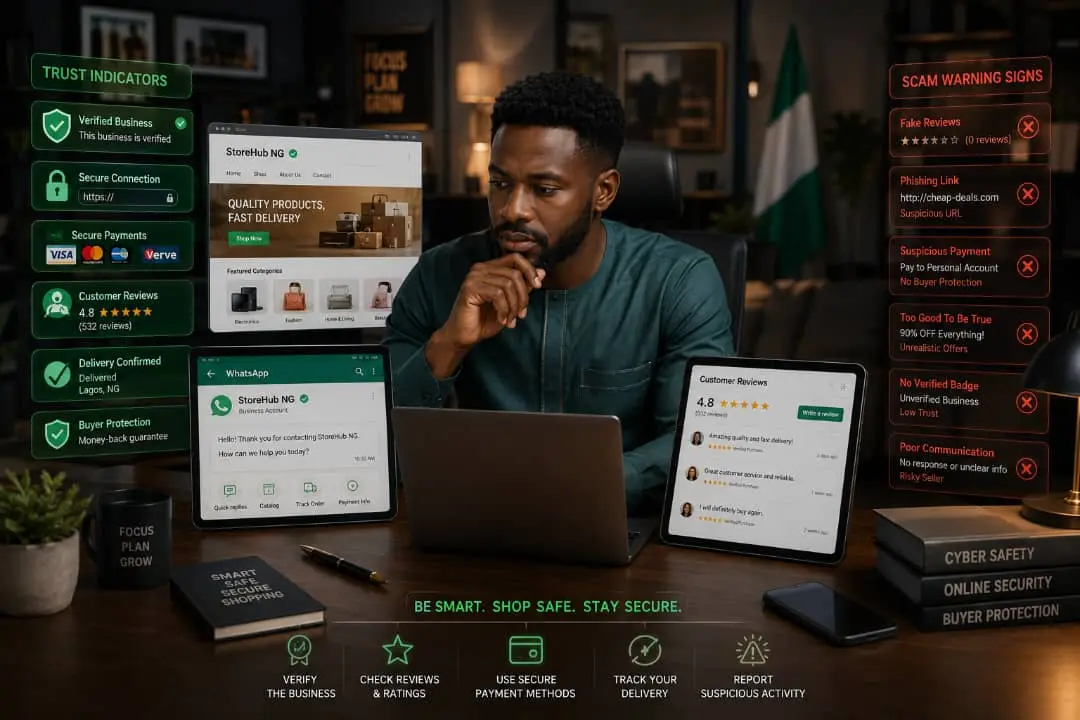
How to Spot Fake Investment Platforms Before Sending Money
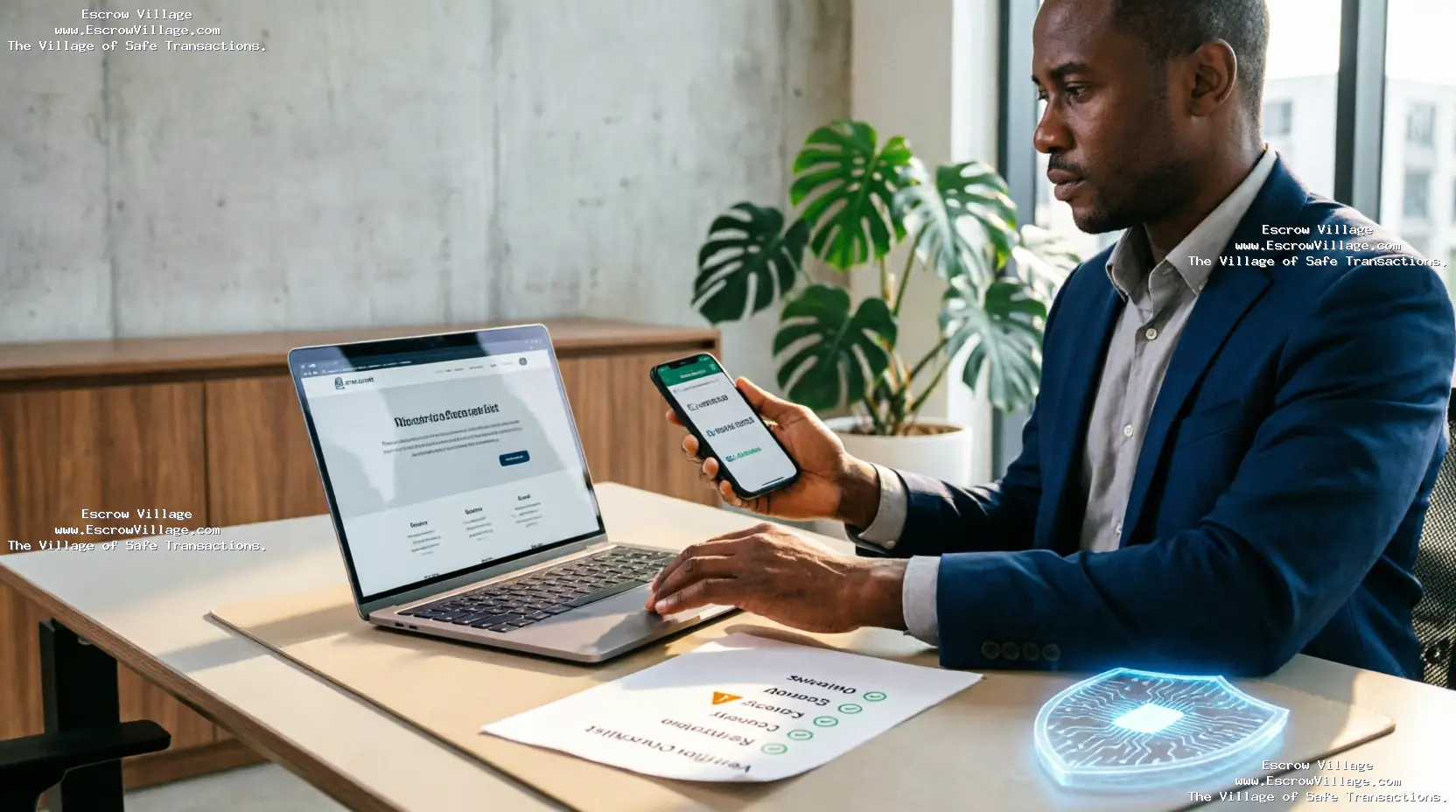
Before investing, use this simple verification process.
● Check the financial regulator
● Find the official regulator in your country and search its database.
For example, Nigerian investors can verify investment operators through the SEC's official channels. The SEC has repeatedly advised Nigerians to verify registration before transacting with online investment platforms.
● Search beyond the company's own website
Google the company name alongside terms such as:
- “scam”
- “fraud”
- “complaints”
- “withdrawal problems”
- “regulator warning”
● Do not rely only on testimonials published by the company.
● Check how the company communicates
● Ask specific questions about regulation, fees, withdrawals, risks and where your money is held.
If customer support becomes aggressive, evasive or threatening when you ask reasonable questions, take that seriously.
● Never confuse a small successful withdrawal with proof of legitimacy
Some fraudulent schemes may allow early withdrawals to build trust.
So the fact that you successfully withdrew ₦20,000 does not necessarily prove that you can safely deposit ₦2 million.
Start with research—not with a large deposit.
What to Do If You Spot These Red Flags
If you identify several warning signs, don't keep investing just because you have already put money into the platform.
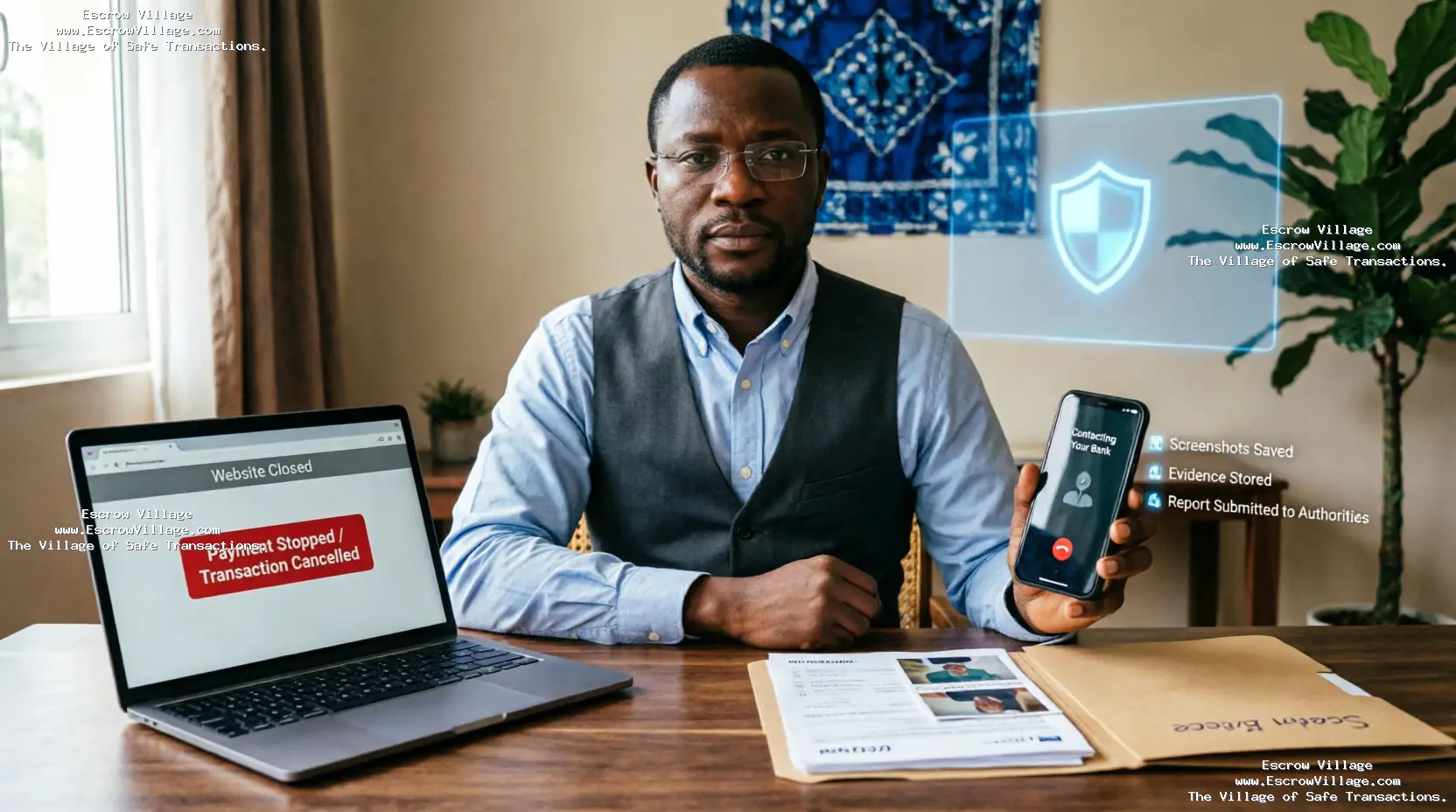
Stop sending additional funds. Then:
1. Take screenshots of the website, account dashboard and conversations.
2. Save receipts, bank statements, transaction IDs and emails.
3. Do not send additional money to “unlock” your account.
4. Contact your bank or payment provider immediately if you have already transferred funds.
5. Report the platform to the relevant financial regulator and law-enforcement authority.
6. Be careful of people who later promise to recover your lost money for an upfront fee.
Most importantly, don't feel embarrassed about reporting a scam.
Fraudsters rely on victims staying silent because they feel ashamed or believe they should have known better.
The biggest mistake you can make when investing online is assuming that a professional website, convincing testimonials or a friendly WhatsApp representative means your money is safe.
It doesn't. The strongest protection is independent verification.
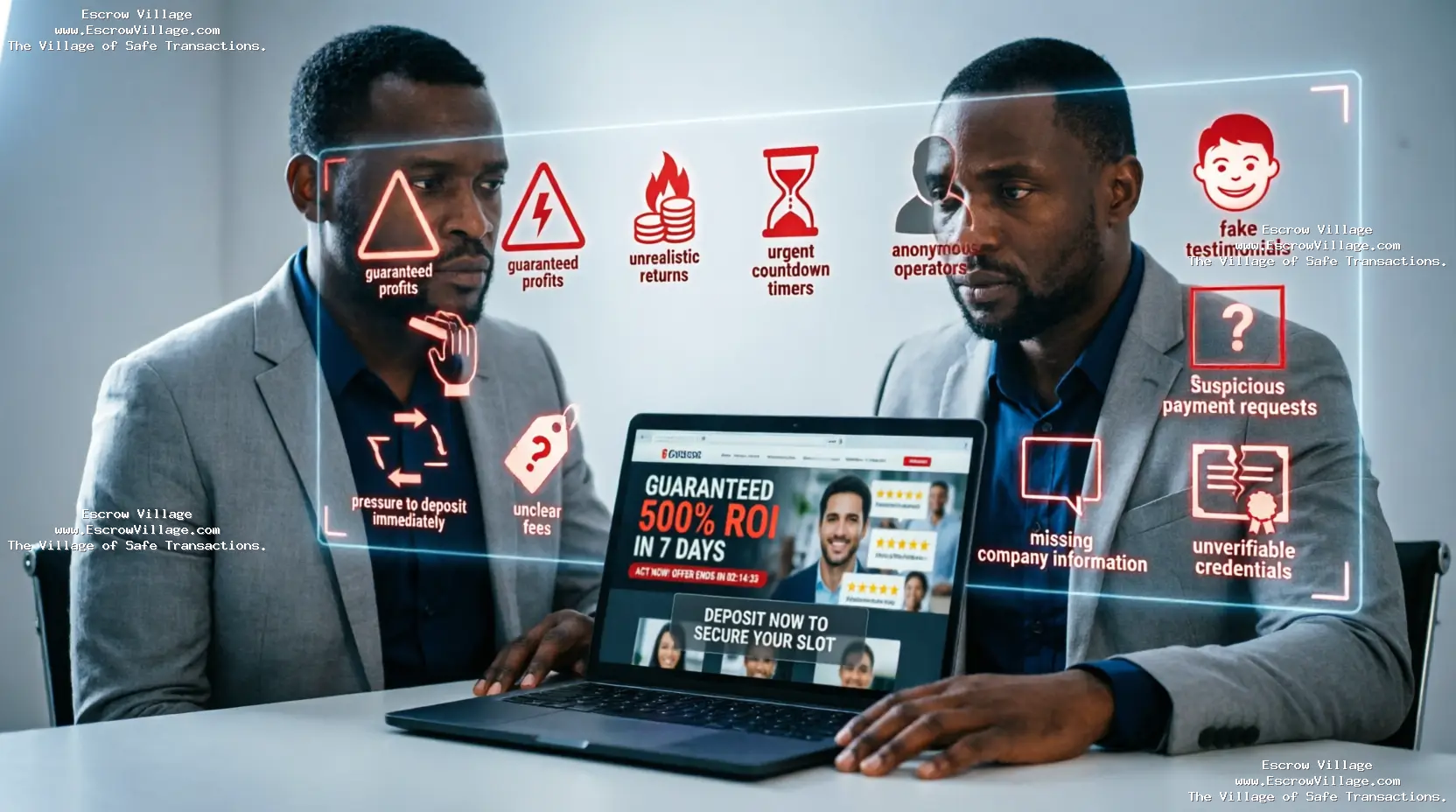
Watch for guaranteed returns, pressure tactics, unclear business models, unlicensed operators, suspicious payment requests, withdrawal problems, fake testimonials and anonymous teams.
The rules for investing differ across African countries, but the basic principle remains the same: Verify first. Invest later.
Don't allow excitement, fear of missing out or pressure from friends to make financial decisions for you.