
How to Build a Business That Runs Without You
But there is a problem: if everything stops when you stop working, you haven't really built a scalable business yet.
A business that runs without you is not one where the owner disappears completely. It is a business with systems, people, processes and tools that allow daily operations to continue even when the owner is unavailable.Here is how to build one.
- What Does It Mean to Build a Business That Runs Without You?

A business that runs without you can continue handling its core activities without requiring the owner to supervise every small task.
That means employees know what to do, customers can get help without contacting you personally, payments can be processed through reliable systems, and recurring tasks follow documented processes.
The goal is not to make yourself unnecessary. The goal is to move yourself from being the person doing everything to the person responsible for direction, strategy and growth.
Research and practical guidance on business systemisation consistently point to the same foundation: repeatable processes, documented procedures and effective delegation.
- 1. Identify Everything You Do Repeatedly
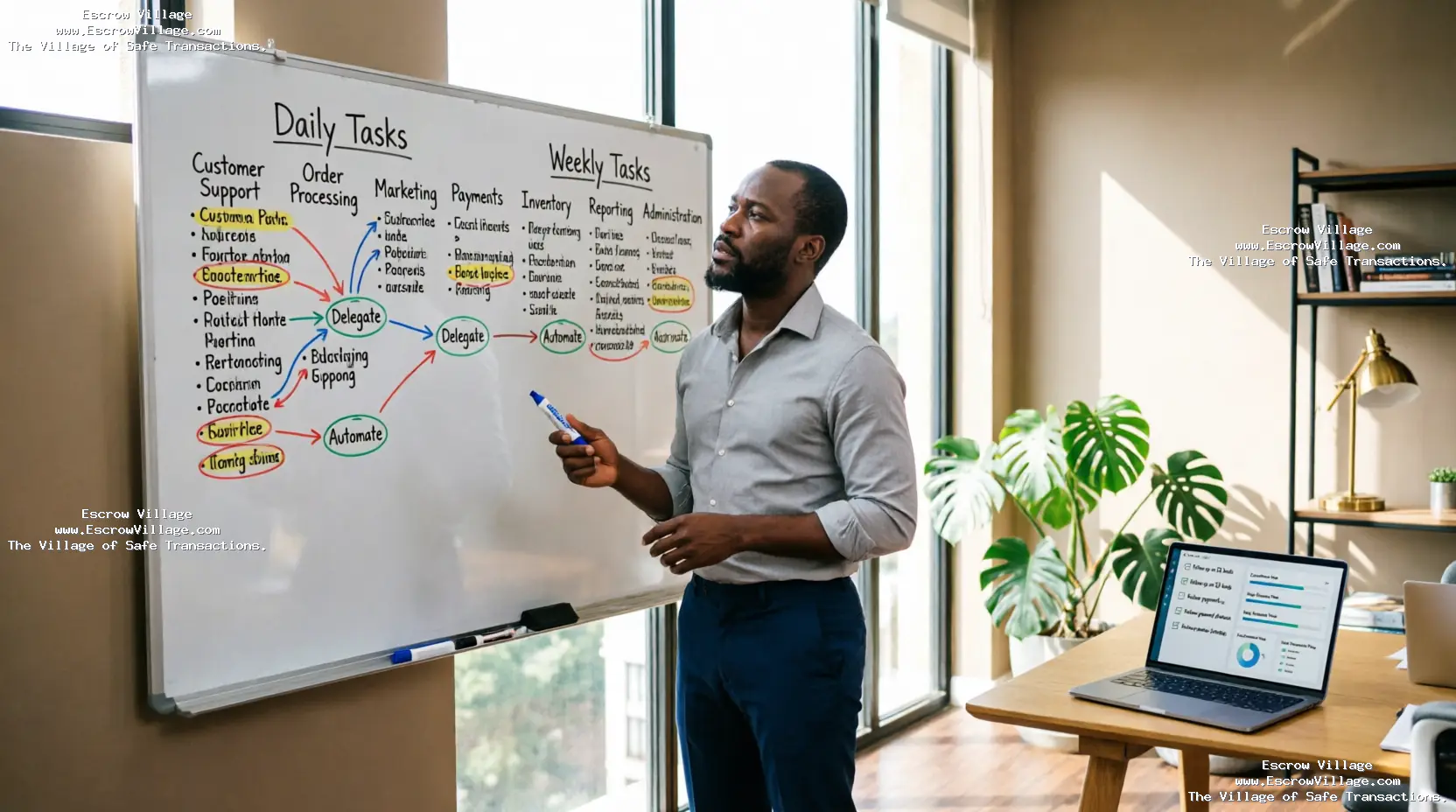
Start by paying attention to your own work. Write down the tasks you perform every day, week and month.
This could include:- ● Responding to customer questions
- ● Processing orders
- ● Confirming payments
- ● Managing inventory
- ● Posting on social media
- ● Sending invoices
- ● Handling complaints
- ● Following up with customers
- ● Managing suppliers
- ● Tracking expenses
Do not assume a task is too small to document. If you repeatedly perform it, there is a good chance it can eventually become a process someone else can follow.
A useful question is:“If I were unavailable for two weeks, what would someone else struggle to do because only I know how it works?”Those tasks are your starting point.
- 2. Turn Your Knowledge Into Standard Operating Procedures

Once you know what you repeatedly do, document how you do it.
These documents are commonly called Standard Operating Procedures (SOPs). An SOP gives someone clear instructions for completing a recurring task without constantly asking the owner what to do.
For example, instead of telling a new employee:“Handle customer complaints the way I normally do,”
create a process:
- ● Read the customer's complaint carefully.
- ● Confirm the order details.
- ● Check the customer's payment and delivery status.
- ● Apologise where appropriate.
- ● Offer the approved solution.
- ● Escalate unusual cases.
- ● Record the outcome.
Now your employee has a system rather than a vague instruction. Start with your five most frequently performed tasks. You do not need a 100-page operations manual on day one.
- 3. Automate Repetitive Work

Not everything needs another employee.Some tasks can be handled by technology.
For example, you can automate appointment reminders, email responses, payment notifications, invoices, inventory alerts and parts of your customer onboarding process.
The principle is simple: Automate what technology can reliably handle. Delegate what requires human judgment. Keep your attention for decisions that genuinely require the owner. This can dramatically reduce the number of routine decisions that come back to you.- 4. Build a Team Around Responsibilities, Not Just Tasks

Delegation does not mean randomly giving your workload to other people.Instead, give people clear areas of responsibility.
For example:- ● Customer support: Handles customer questions and approved complaints.
- ● Operations: Manages orders, suppliers and delivery coordination.
- ● Finance: Tracks revenue, expenses and payments.
- ● Marketing: Manages content, campaigns and customer acquisition.
Each person should understand what they are responsible for, what decisions they can make and when they need to involve you. Effective delegation works better when people have clearly defined outcomes, authority and escalation rules.
- 5. Create Rules for Decisions

One reason business owners become bottlenecks is that employees ask them about everything.
- “Can I refund this customer?”
- “Can I give this discount?”
- “Should we replace this product?”
- “Can I approve this supplier?”
For example:
- ● Refunds below ₦20,000 can be approved by customer support.
- ● Discounts up to 10% can be approved by sales.
- ● Larger refunds require management approval.
- ● Supplier contracts above a certain amount require the owner's approval.
- ● This gives your team freedom without giving them unlimited authority.
- 6. Make Payments and Transactions More Reliable

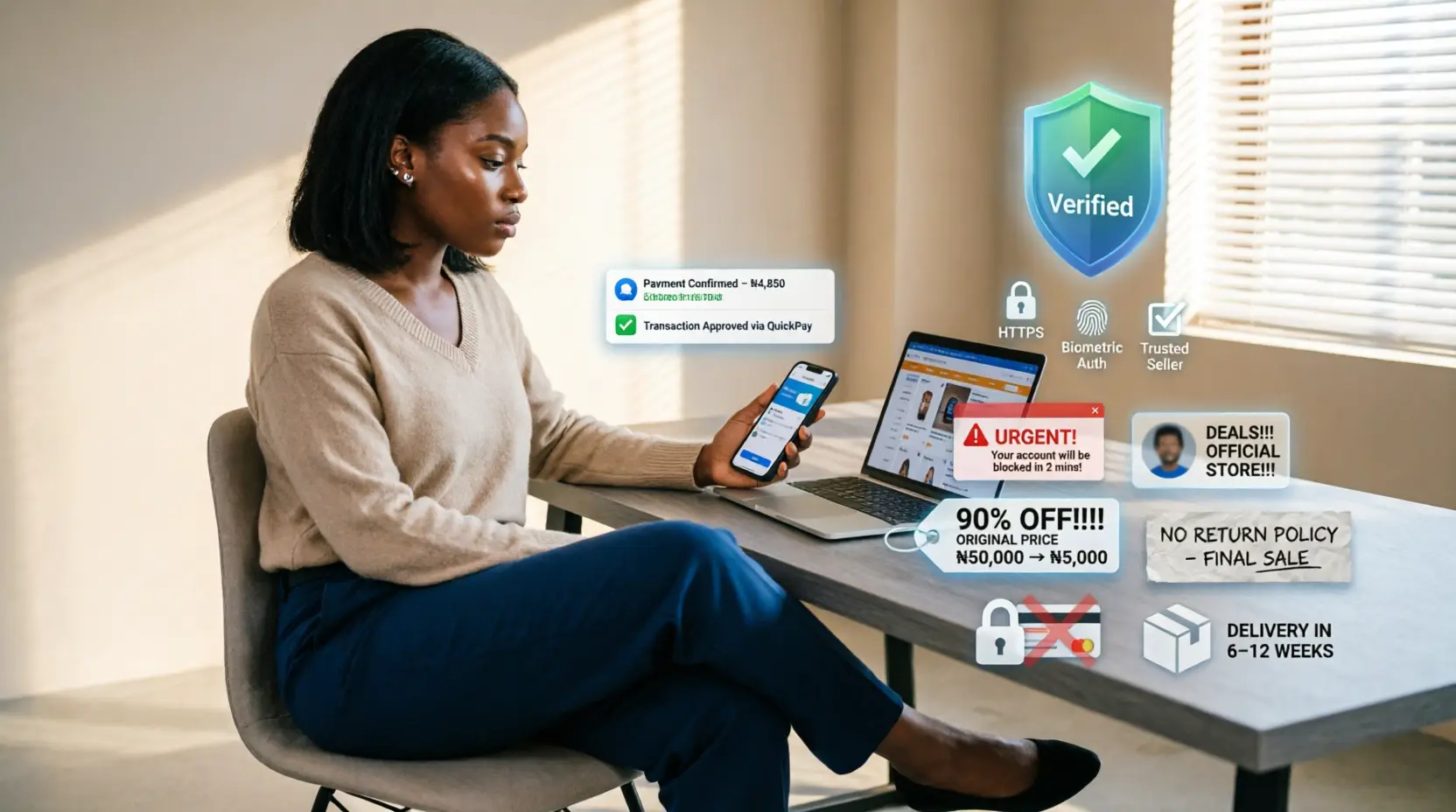
A business cannot truly operate independently if every transaction requires the owner to personally verify whether money has been received or whether a customer can be trusted.
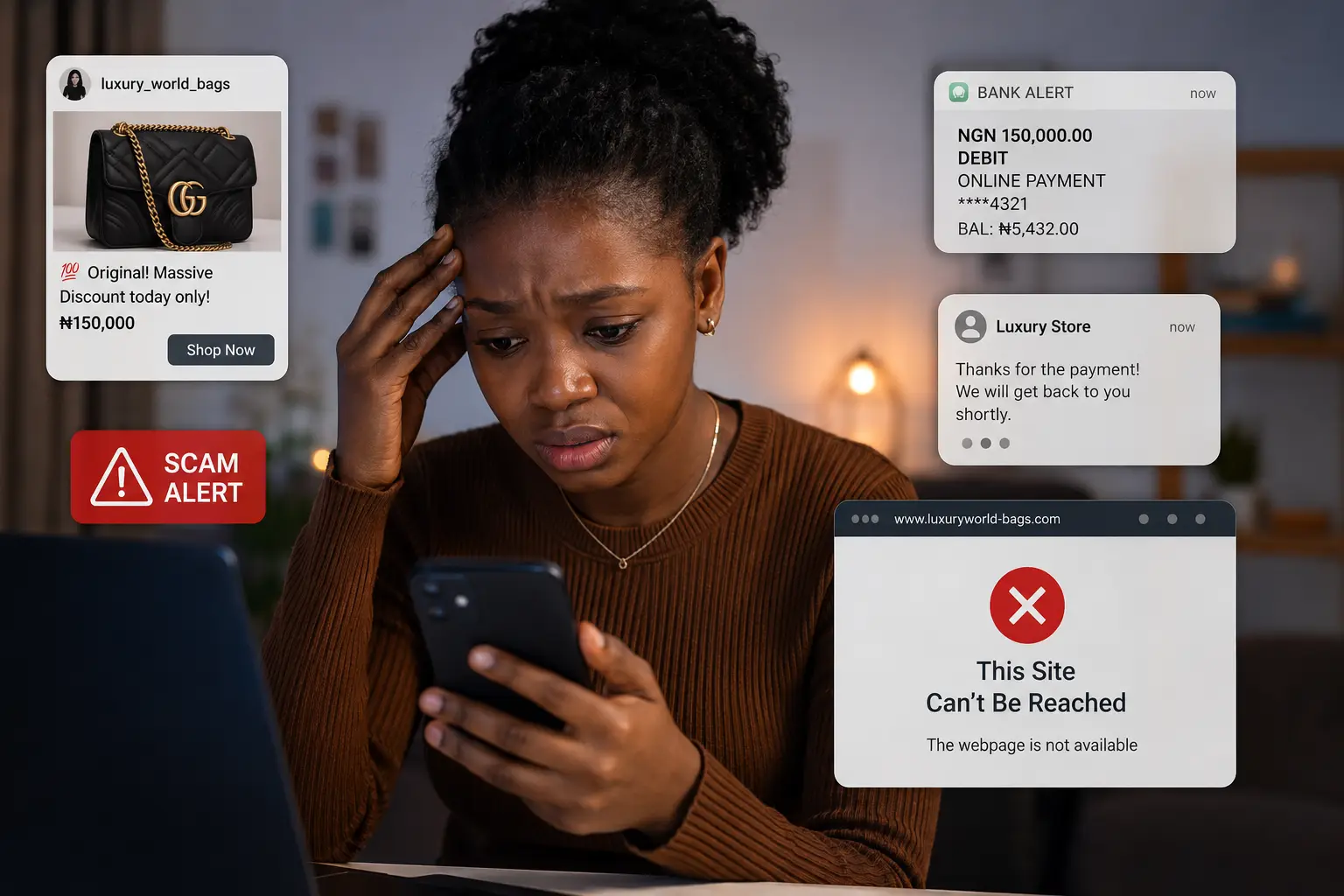
This is particularly important for online businesses where buyers and sellers may not know each other.
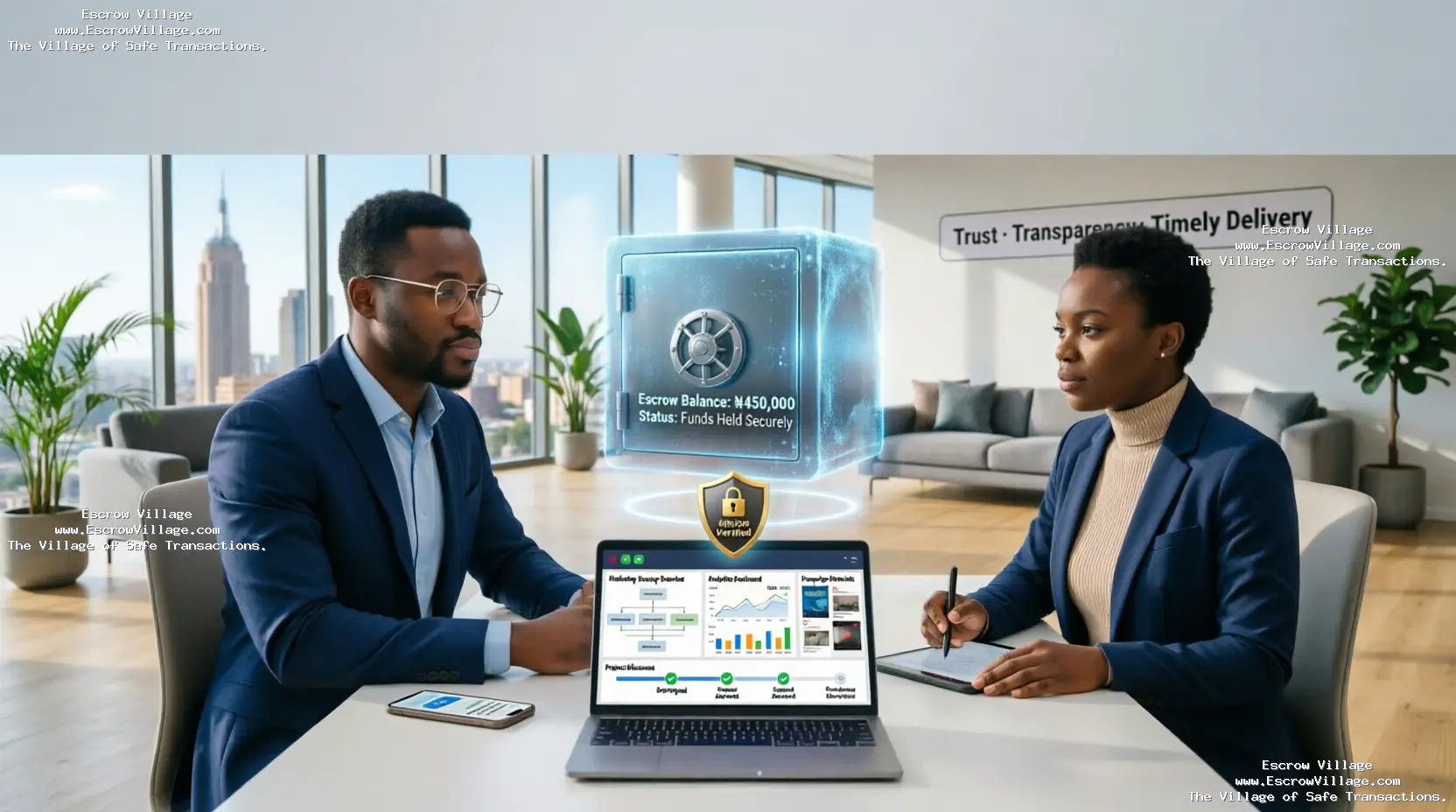
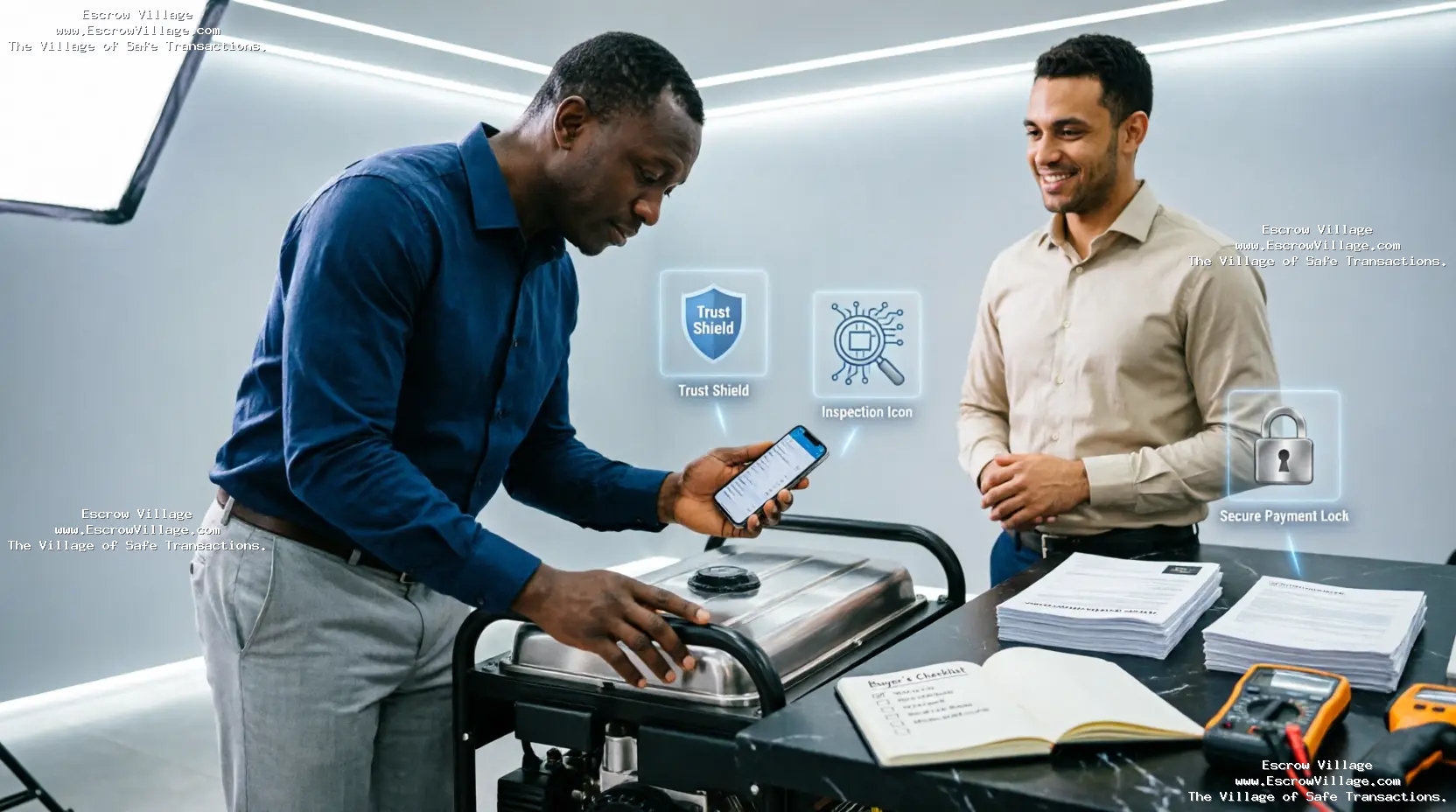
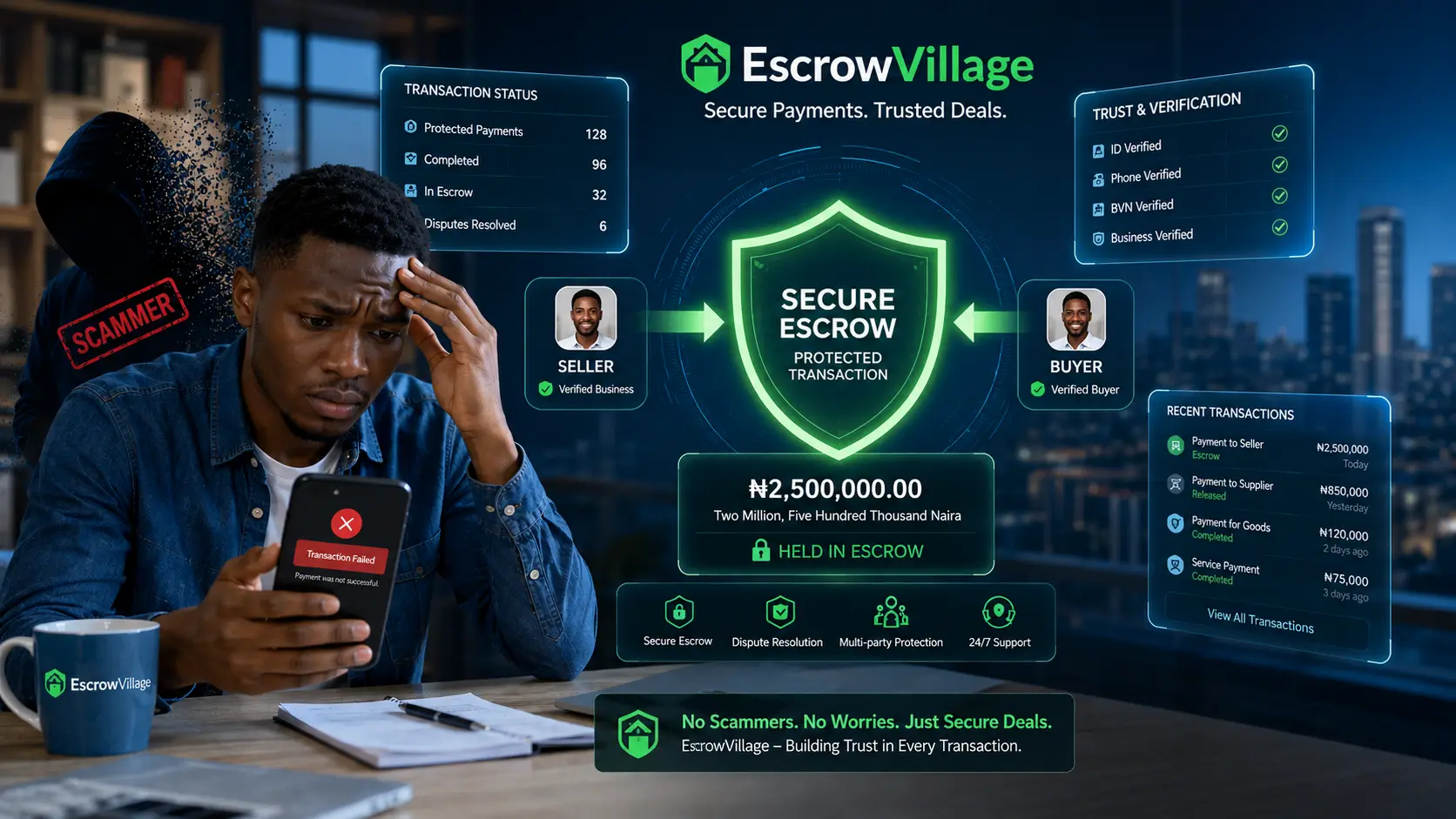
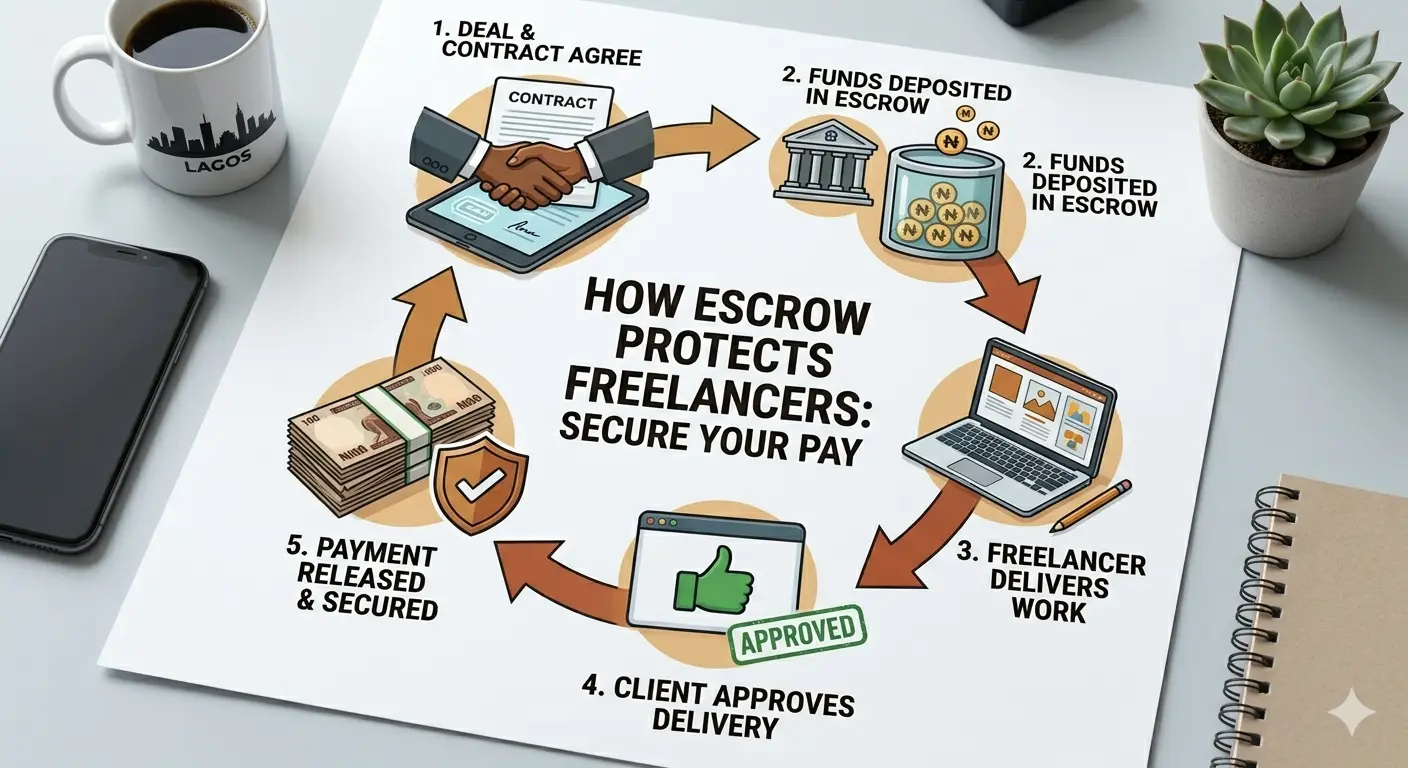
Escrow can become part of your transaction system.With an escrow arrangement, a third party holds the buyer's payment until agreed conditions are fulfilled. This reduces the need for both parties to rely entirely on personal trust.
For example, Escrow Village allows funds to be held while the seller completes the agreed delivery, with the funds released when the transaction conditions are satisfied.
This is especially useful for businesses dealing with new customers, suppliers, freelancers or high-value online transactions.
- 7. Track the Business With Numbers

A business that runs without you still needs supervision. The difference is that you should not need to supervise every activity.
Create a simple dashboard showing important numbers such as:- ● Monthly revenue
- ● Profit
- ● Number of new customers
- ● Repeat customers
- ● Customer complaints
- ● Order completion rate
- ● Refunds
- ● Marketing costs
- ● Cash flow
You should be able to look at these numbers and understand whether the business is healthy without checking every individual transaction.
- 8. Test Whether the Business Actually Works Without You

This is the step many entrepreneurs skip.Take a short break.
Do not answer every message. Do not approve every decision. Do not immediately solve every problem.Watch what happens.If everything continues normally, your systems are working.If your team constantly calls you, customers cannot get answers or payments cannot be processed without you, you have discovered where your business is still dependent on you.
Fix those weaknesses and test again.The Goal Is Freedom, Not Absence
Building a business that runs without you does not mean abandoning it.
It means creating a company where your presence is valuable because you are working on strategy, growth and important decisions, not because nobody else knows how to send an invoice or answer a customer.
Start small. Document one process. Delegate one responsibility. Automate one repetitive task. Create one decision-making rule.Then repeat.
Eventually, you stop building a business that simply needs you to survive and start building one that can grow beyond you.
For businesses selling online, systems should also extend to the way customers pay and transact.
A safer transaction process can reduce friction, strengthen customer confidence and allow the business to handle more transactions without relying on the owner to personally reassure every buyer.