
How to Build Customer Trust as an Online Vendor
- Why Trust Is the Only Currency That Actually Converts.
In e-commerce, trust is the invisible foundation that everything else is built upon.
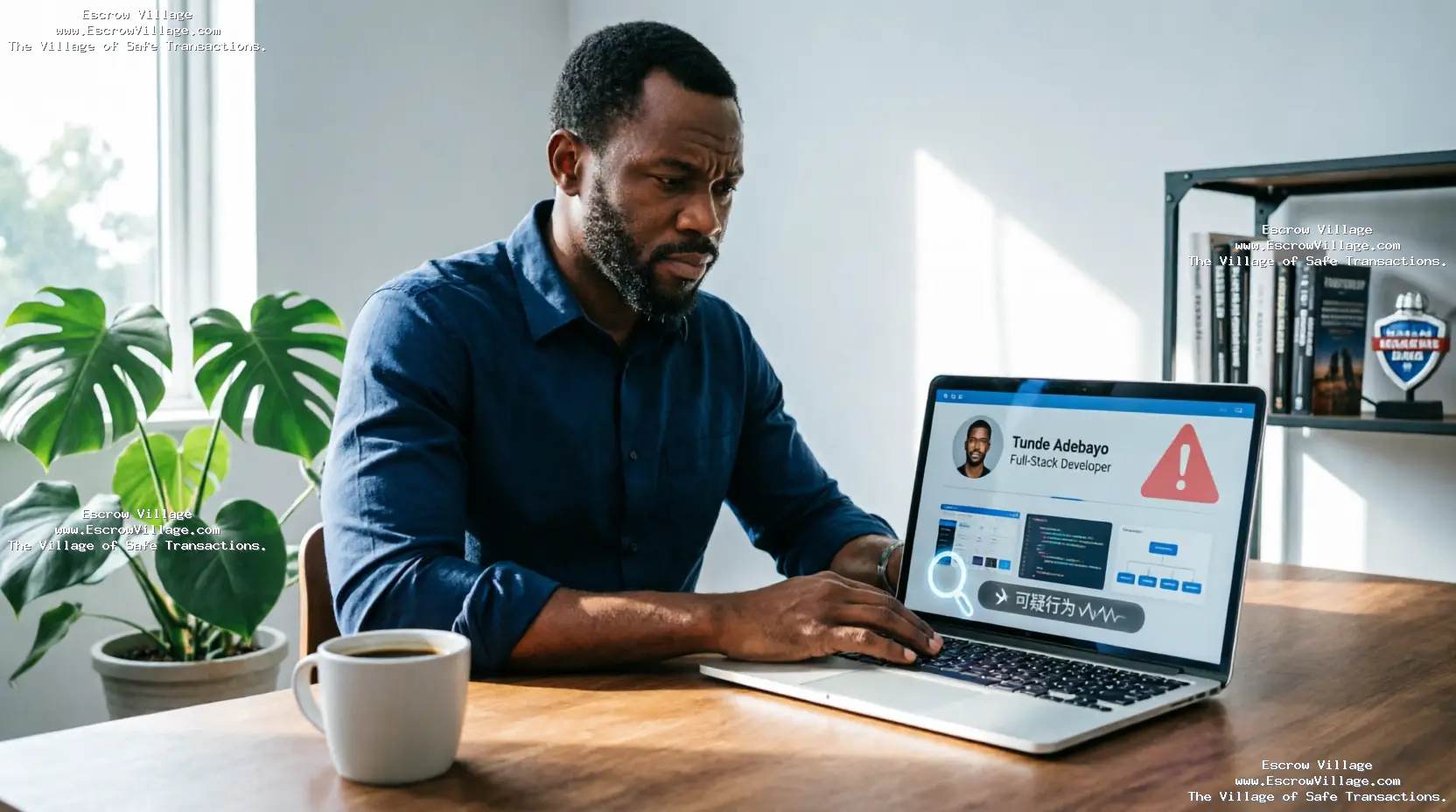
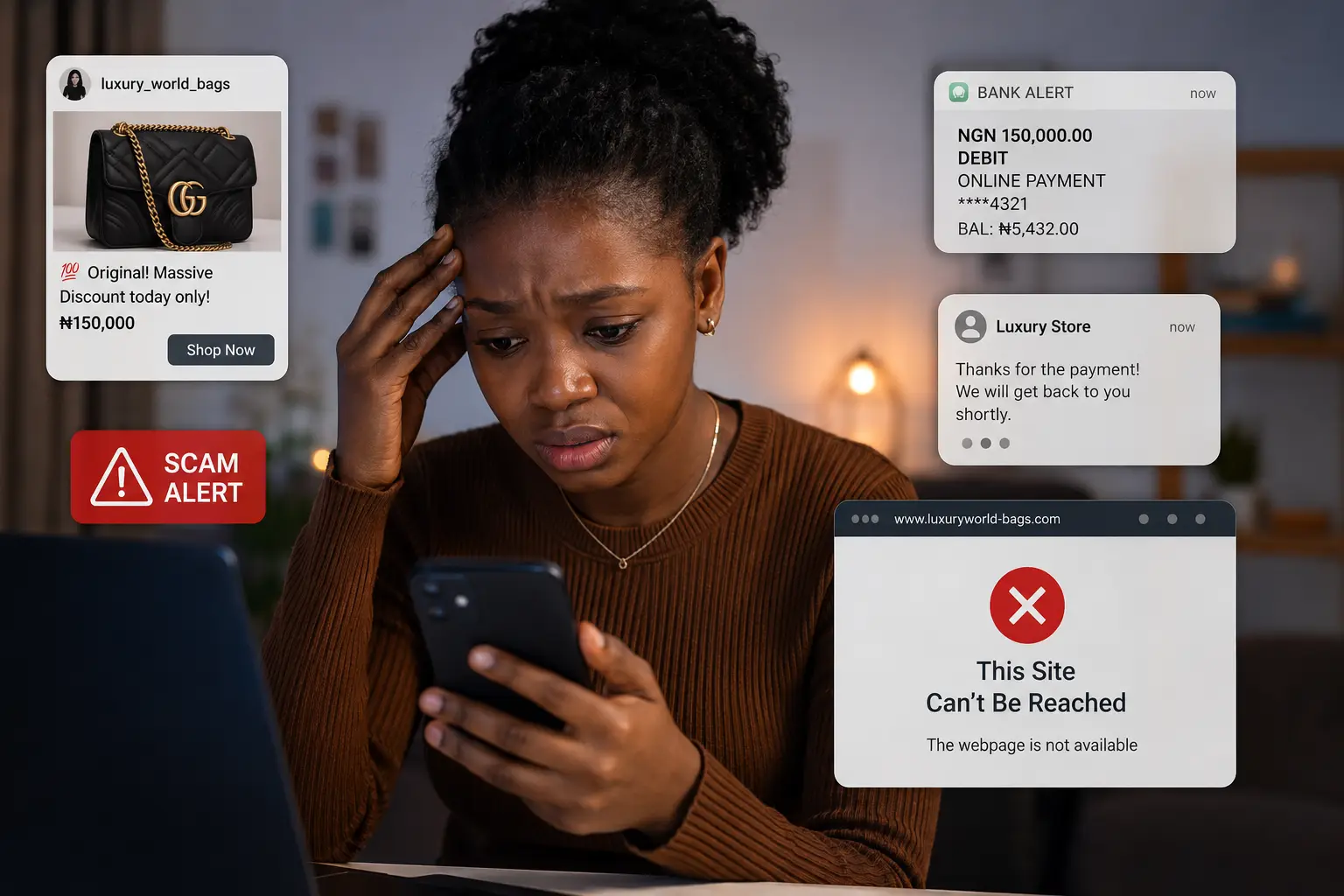
As a seller, imagine a buyer found your product and liked it, added it to the cart, and then paused. They feel something about the website just doesn't sit right. No reviews. Vague return policy. A WhatsApp number that led nowhere. They closed the tab and bought elsewhere.
How would you feel if you ever found out about that? Not so good, right? And that alone is not good for business.
That moment happens thousands of times a day across Nigeria and the rest of Africa. And if you're an online vendor, it's happening to your store too.
The Nigerian e-commerce space, for all its growth, is still wrestling with a credibility problem.
According to NIBSS, electronic payments in Nigeria touched N600 trillion in 2023, more than half a trillion higher than the N387 trillion recorded the previous year. Yet alongside that growth, attempted fraud rose by 45% in 2023 alone, with mobile channels and online platforms being the most exploited modes. source
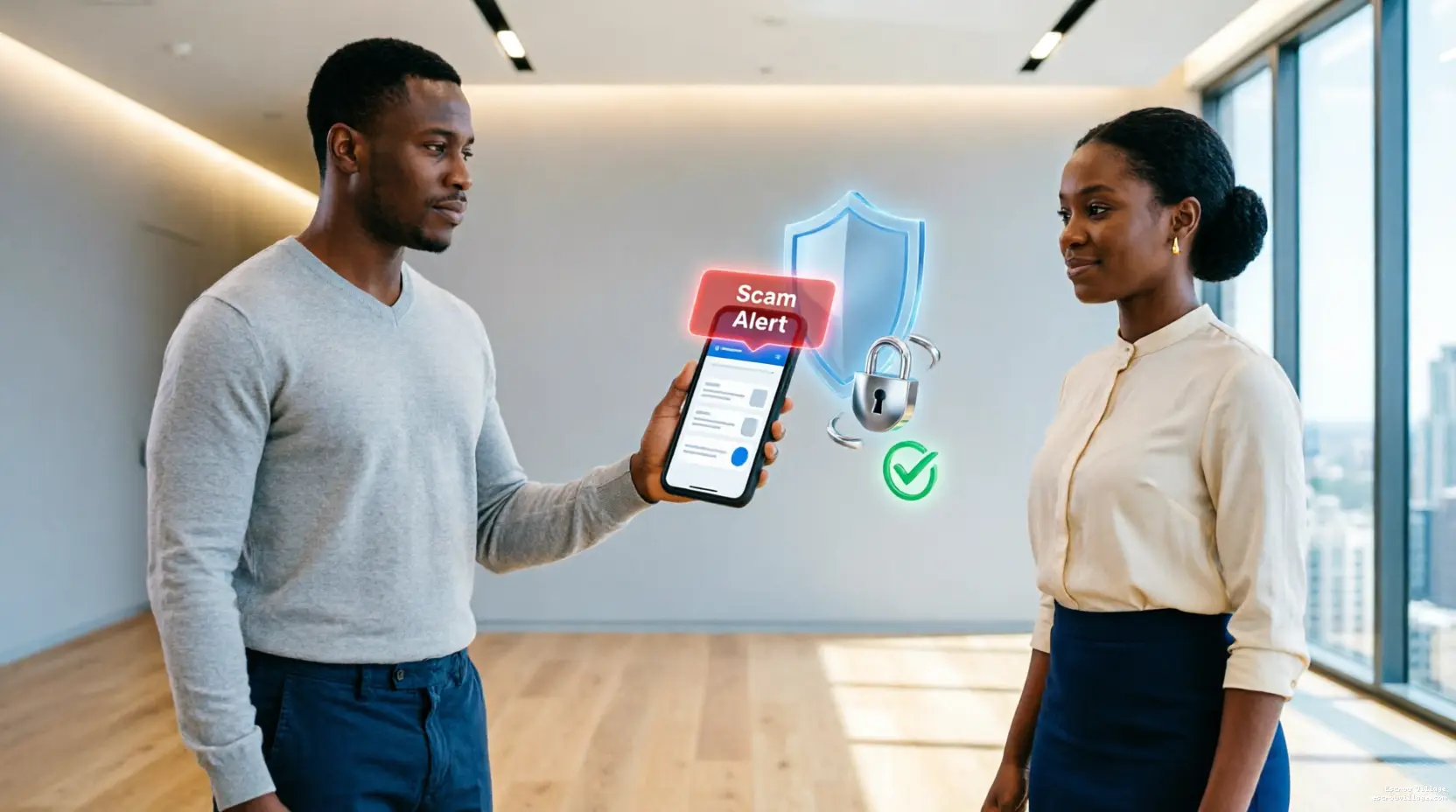
The average Nigerian online shopper has either been scammed personally or knows someone who has. That lived experience is the wall you're selling against.
Not getting people to trust you doesn't just cost you a sale. It costs you the referral that the sale could have generated, the repeat purchase three months later, and the brand equity that takes years to rebuild.
- What It Means to Build Customer Trust as an Online Vendor
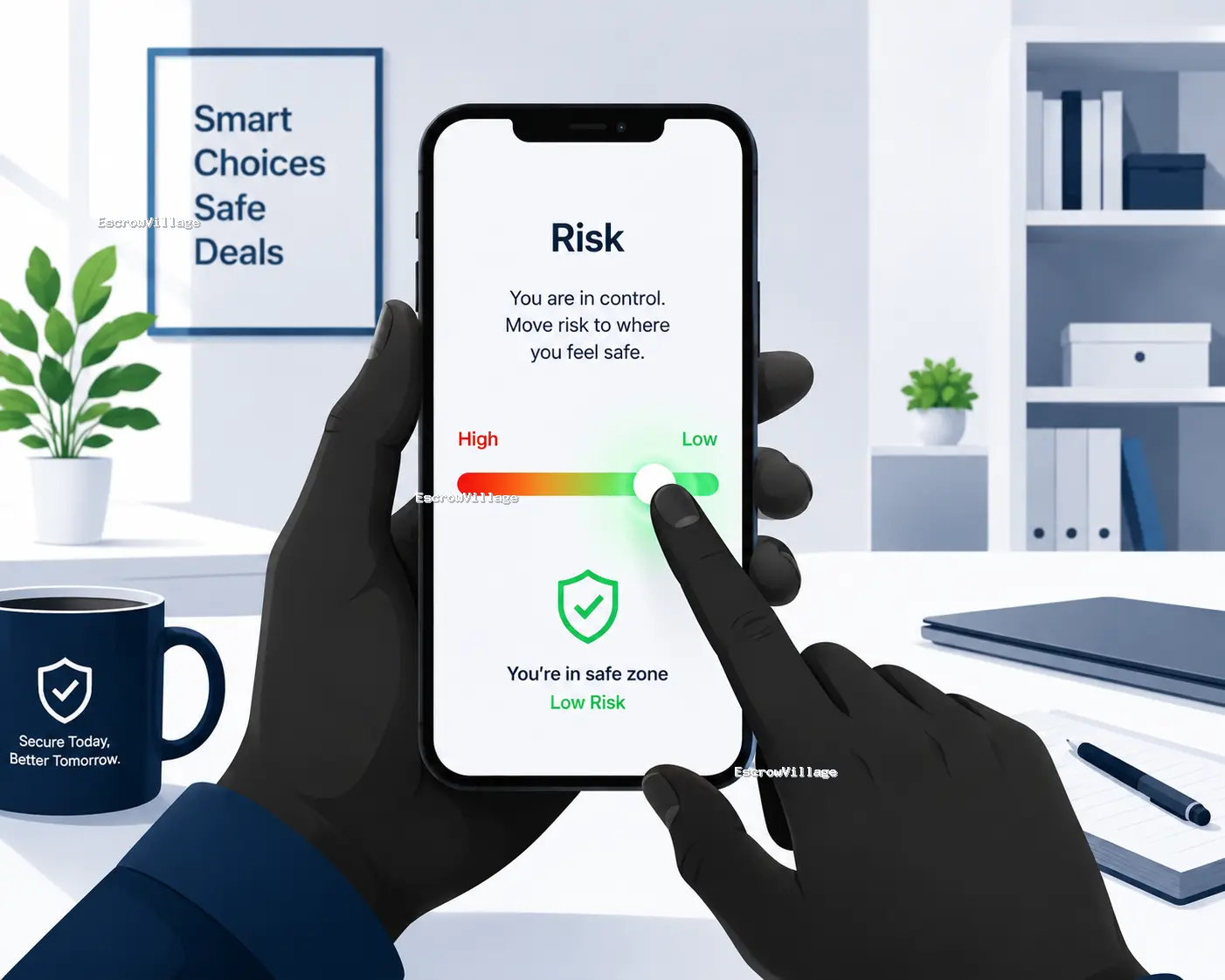
It involves transparent communication, secure payment infrastructure, verifiable social proof, and reliable delivery, all working together so that a first-time visitor feels confident enough to buy, and a past buyer feels confident enough to return.
Here are practical steps you can take to build trust as an online vendor
- 1. The Foundation: Your Store Has to Look Like It Has Skin in the Game

A customer can't see your face. They can't touch your product before paying. What they can see is how much effort you've invested in your storefront, and they use that as a proxy for how seriously you'll treat their order.
- ° Professional Presentation Isn't Vanity, It's a Signal
- Your domain name, product images, and page copy are doing reputational work 24 hours a day. A custom domain (yourstore.com instead of yourstore.myshopify.com) costs less than ₦40,000 a year in most cases, but the credibility it communicates is disproportionate to that cost.
- Clear, well-lit product photos, even taken with a smartphone, signal care. Blurry stock images signal the opposite.
- Write product descriptions that answer the question a buyer is actually asking: Will this work for me, and what happens if it doesn't?
- The second part, your return or dispute policy, is something most Nigerian vendors leave vague. Make it specific, and it immediately separates you from 80% of competitors.
- ° Your Contact Information Is a Trust Signal, Not a Formality
- Many vendors hide behind a single DM inbox. Don't. Display a business email, a working phone number, and, where applicable, a physical address or registered business location.
- The Nigerian Corporate Affairs Commission (CAC) offers business registration at accessible rates. A CAC registration number on your website tells a buyer: this person exists, and they can be held accountable.
- 2. Social Proof: Let Your Previous Customers Do the Selling
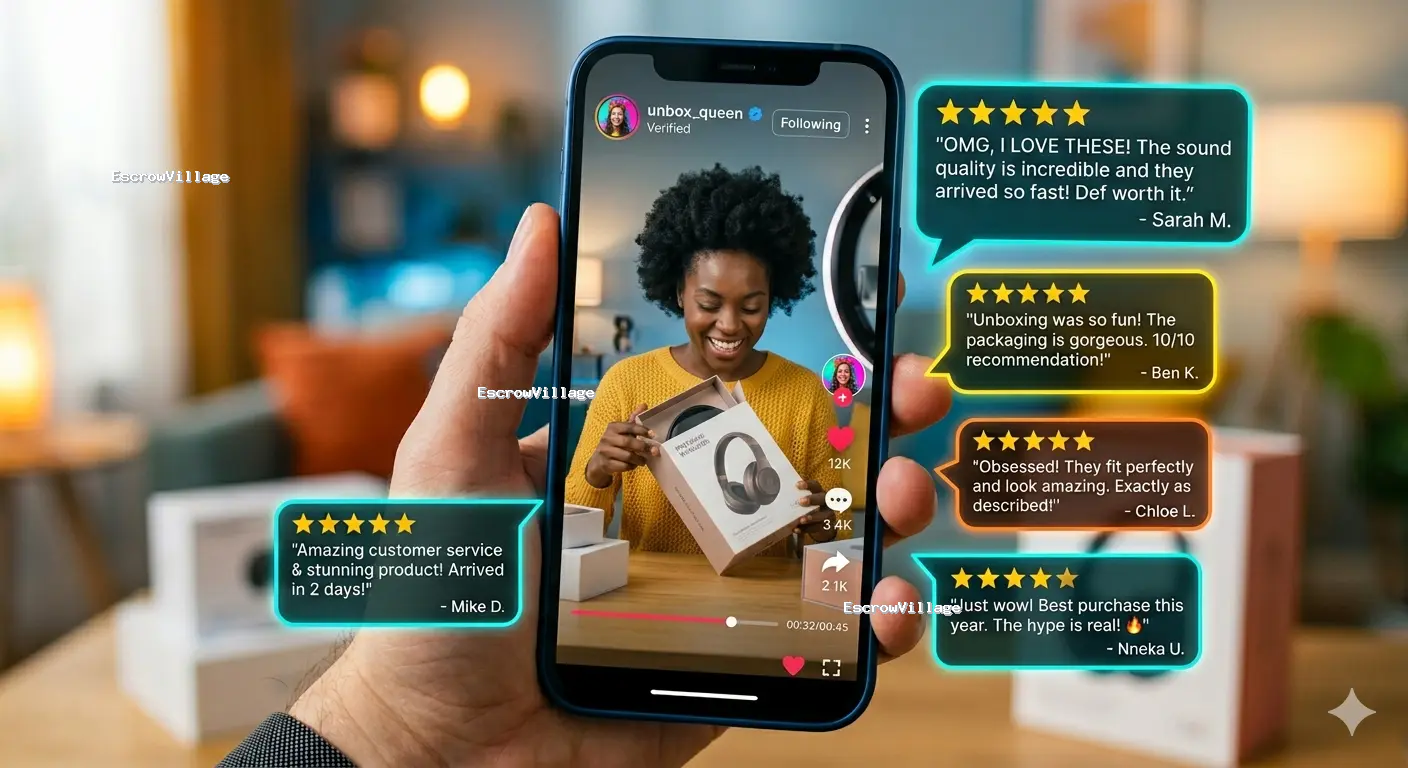
People trust other people more than they trust brands. This is not new information, but most online vendors dramatically underinvest in collecting and displaying proof that others have bought from them and lived to tell about it.
- ° Reviews That Actually Work
- Generic five-star ratings do almost nothing. What builds buyer confidence is specificity.
- For example: "Received in 3 days, exactly as described, and the seller responded immediately when I had a sizing question" That review is doing serious conversion work.
- Ask your buyers directly for detailed feedback. Offer a small discount on their next purchase as an incentive.
- Screenshot and share those reviews across your platforms consistently.
- ° Video Proof and Unboxing Content
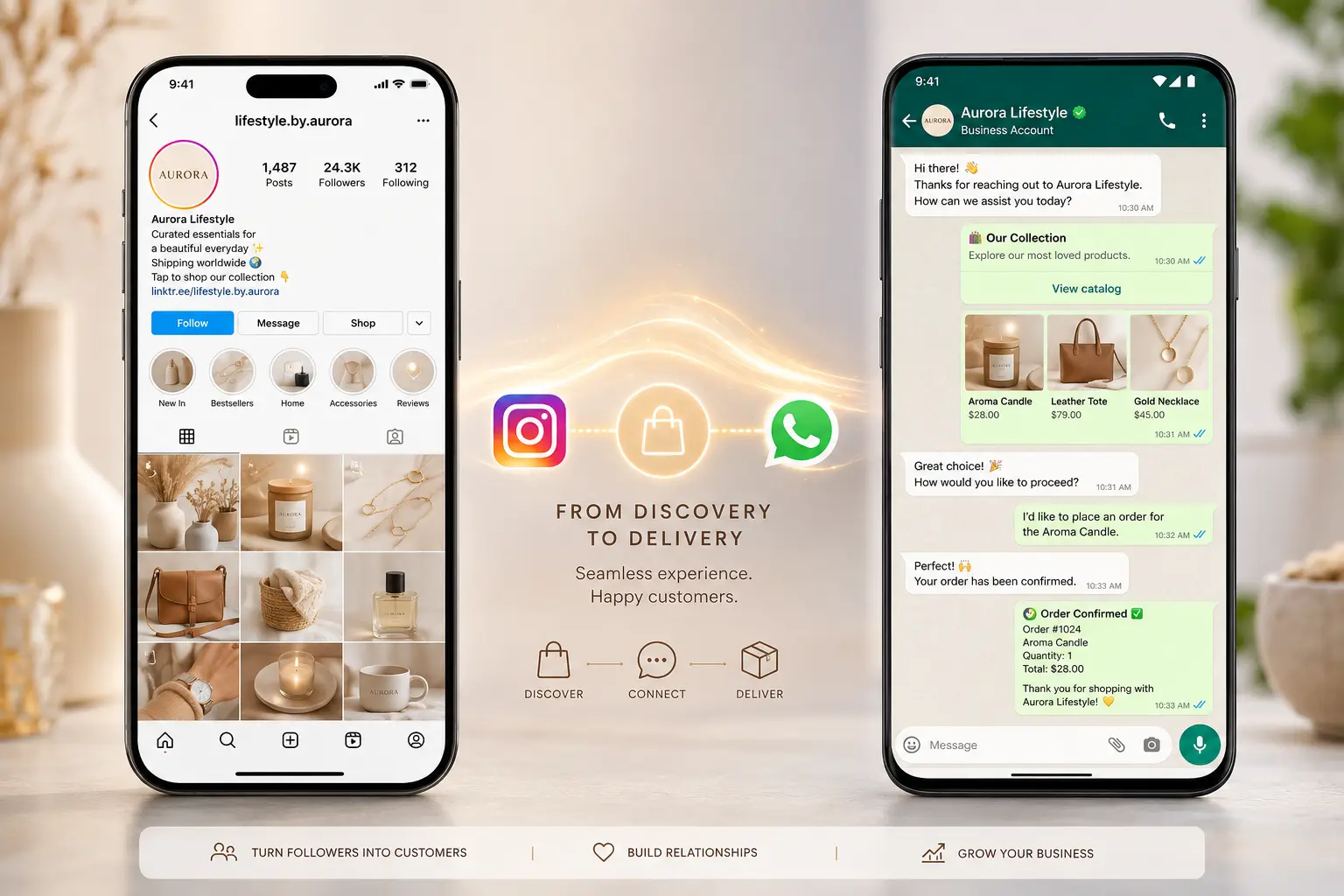
- In the Nigerian social media space, WhatsApp Status and Instagram Reels have become an informal trust infrastructure.
- A 45-second unboxing video posted by a real customer carries more weight than a carefully crafted ad. Encourage it. Repost it. Make your customers feel like they're part of something worth showing off.
- 3. Secure Transactions: The Part Most Vendors Outsource and Ignore
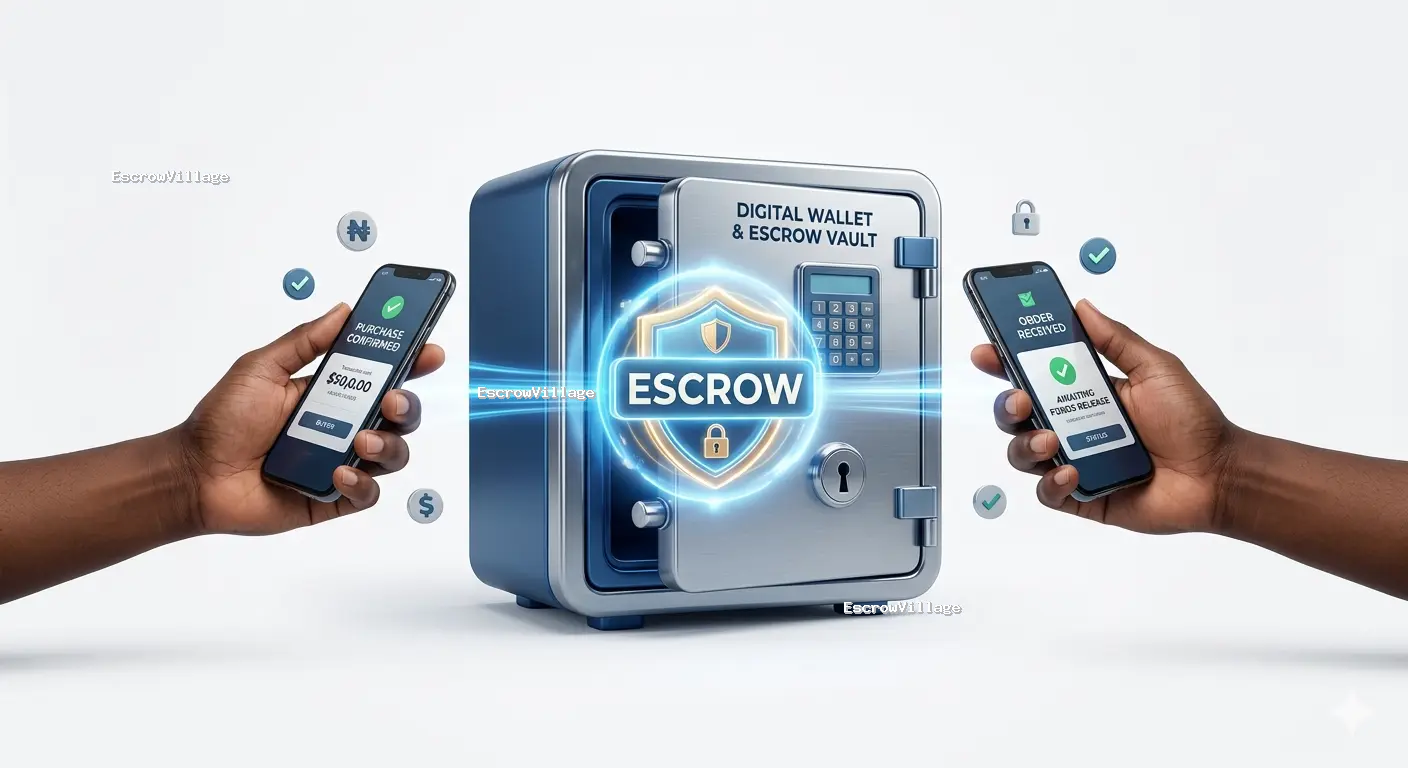
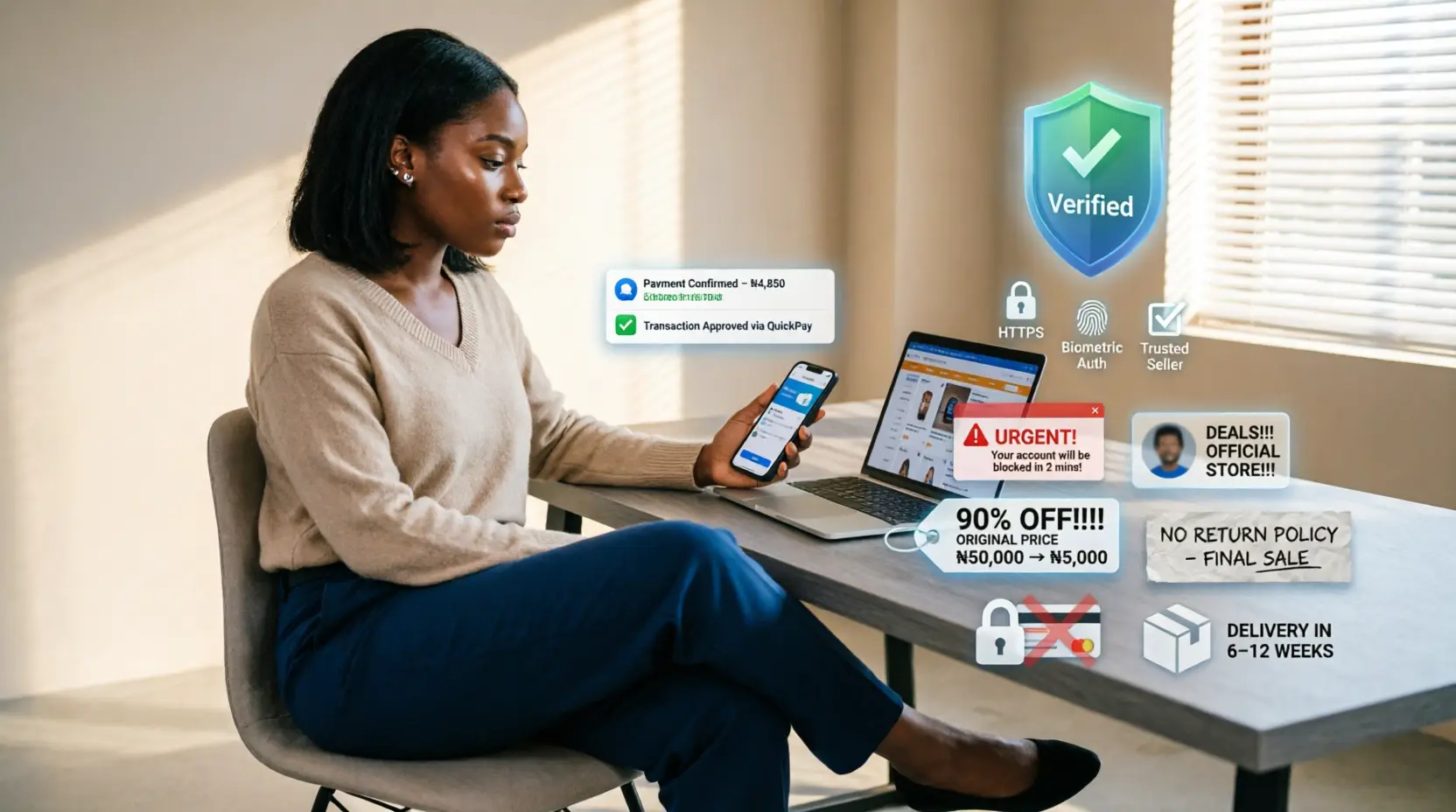
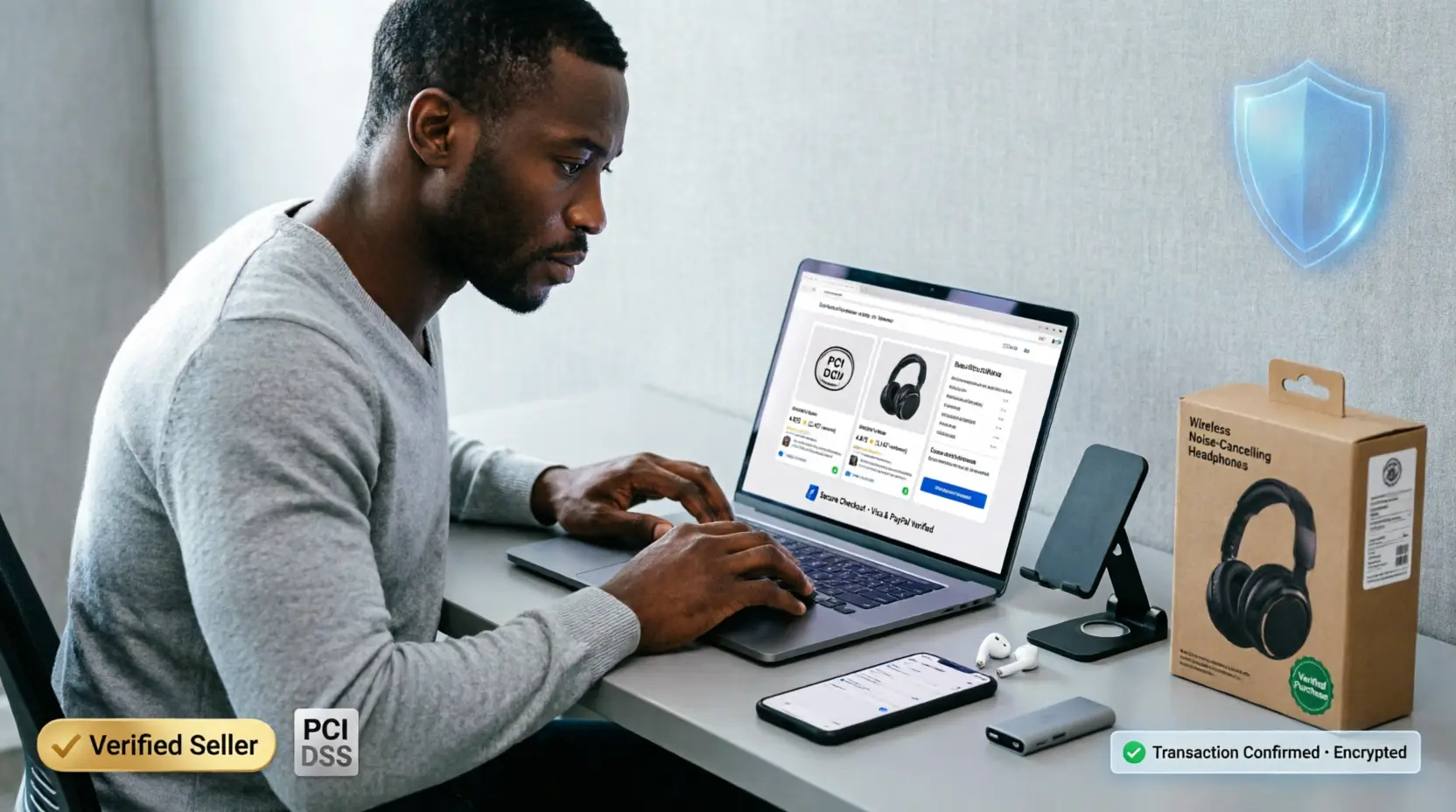
Here is where many online vendors lose buyers at the final, most critical moment, the payment step.
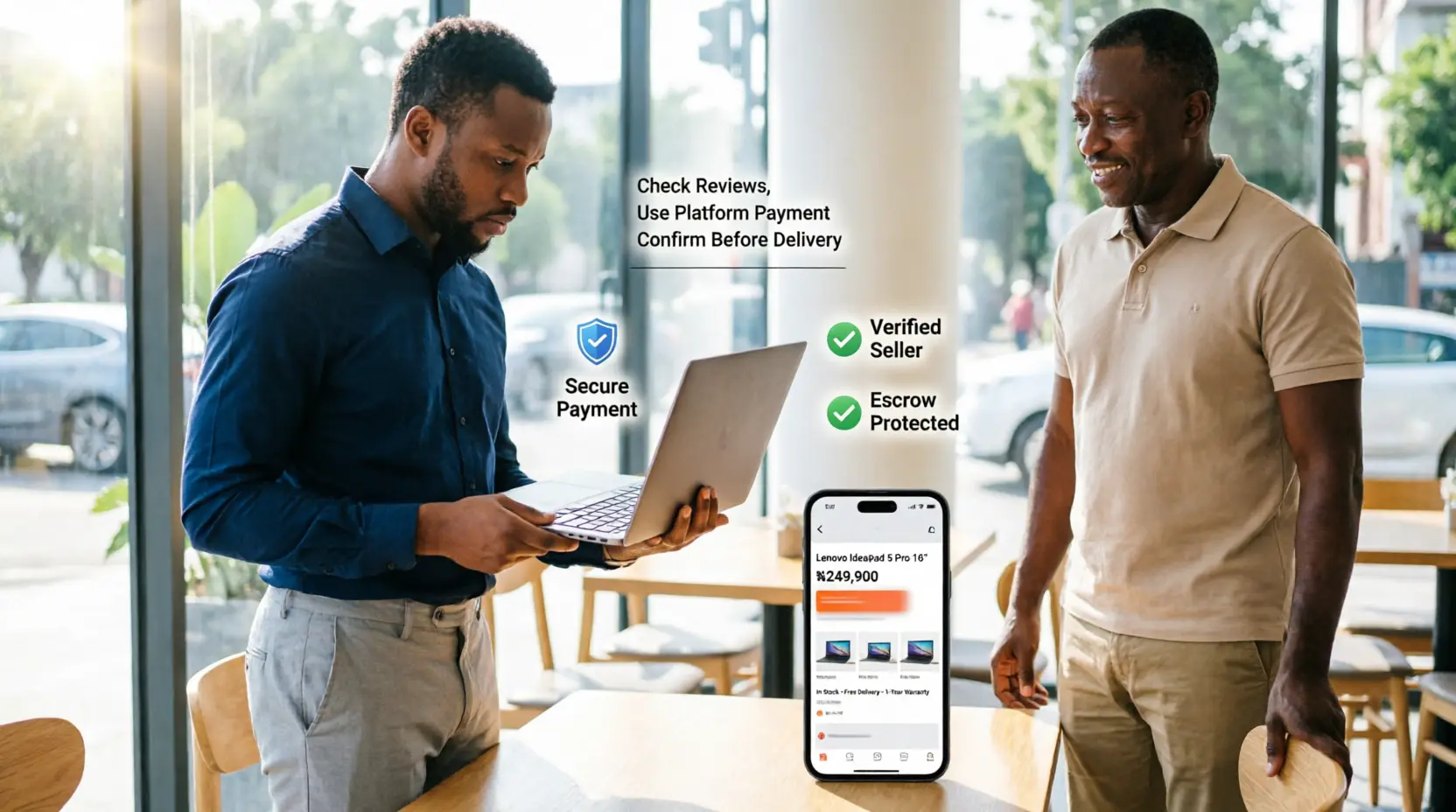
A buyer who has followed you, admired your product, and added it to their cart will still abandon it if the payment experience feels unsafe.This is especially true for high-value items: electronics, rent payments, real estate deposits, import goods. The higher the transaction value, the higher the trust threshold required to complete it.
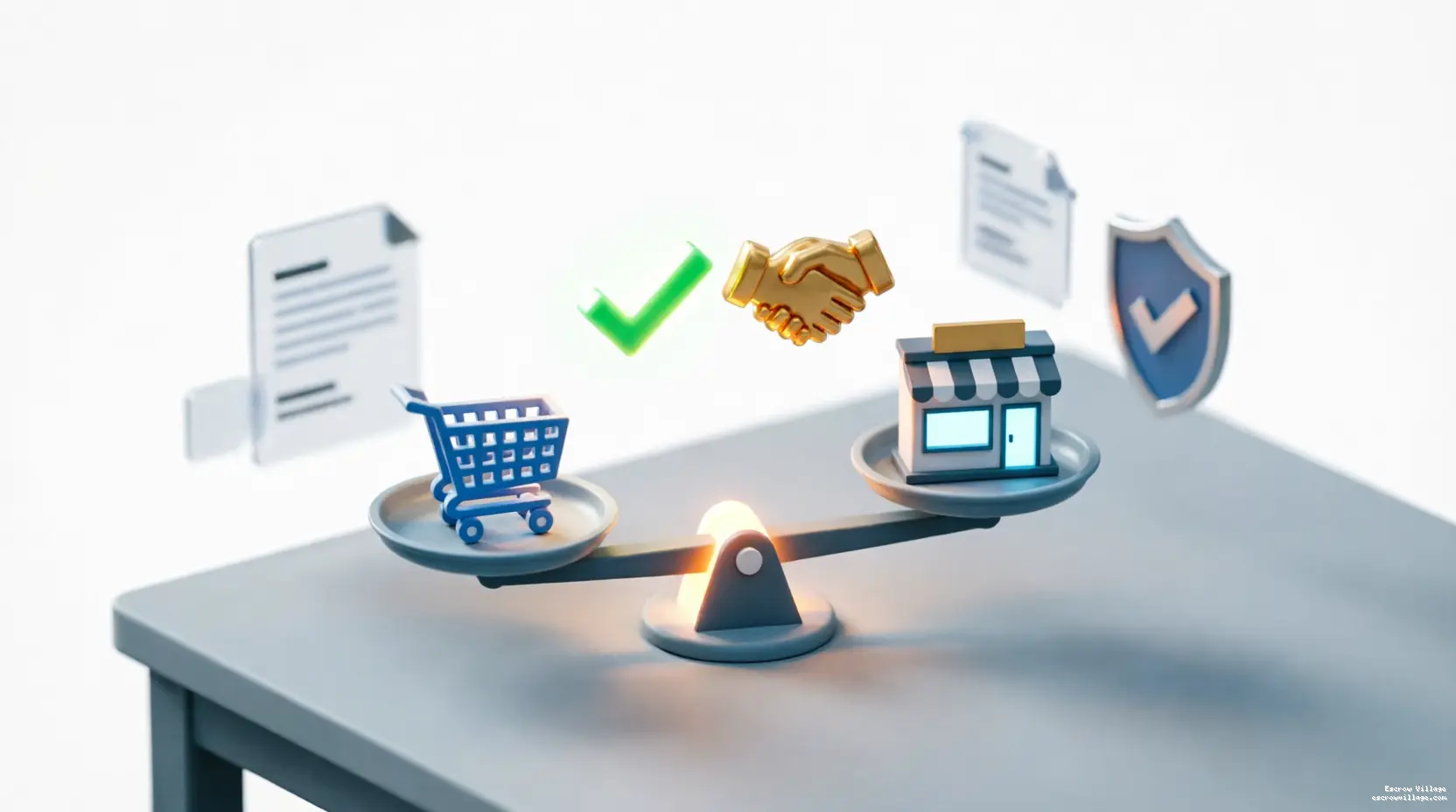
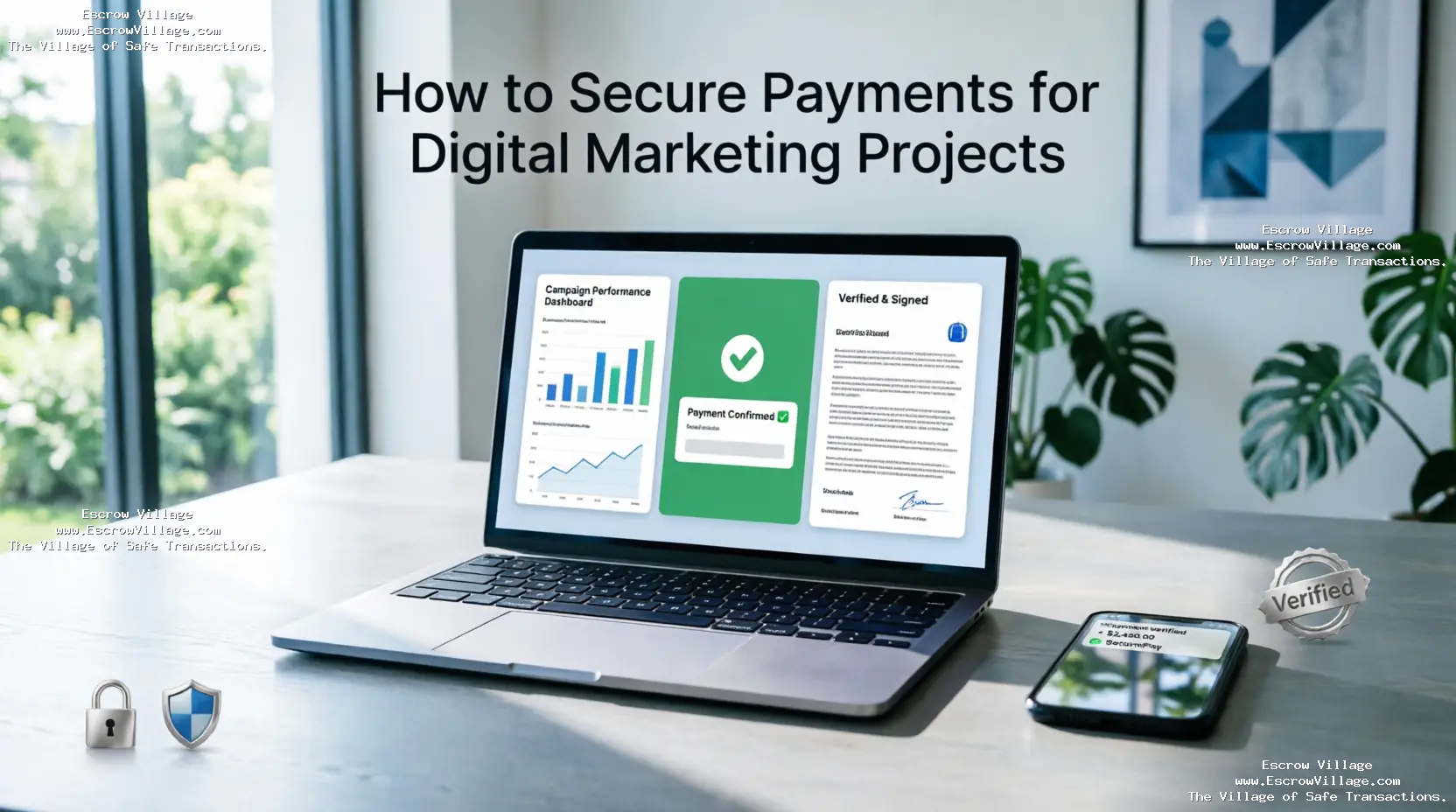
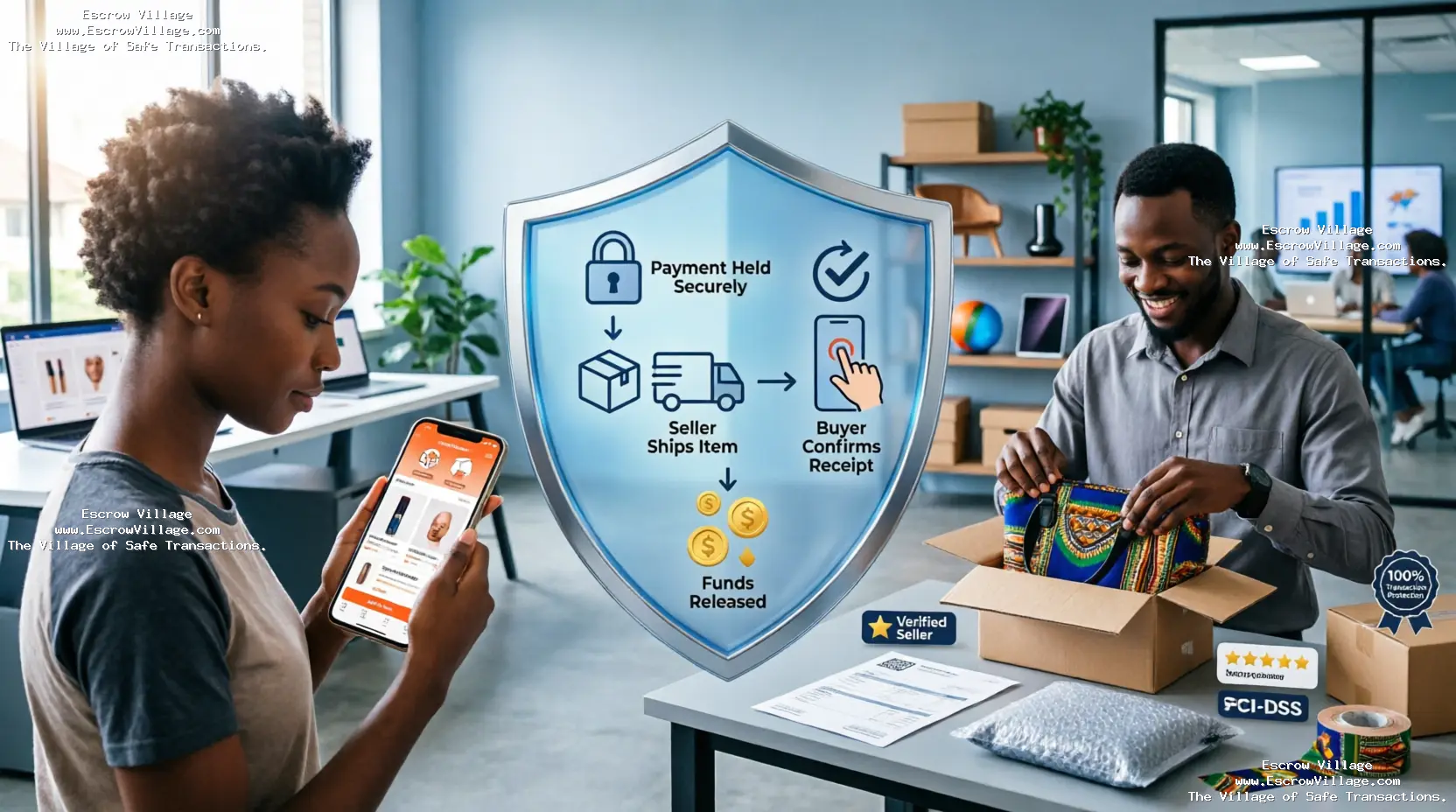
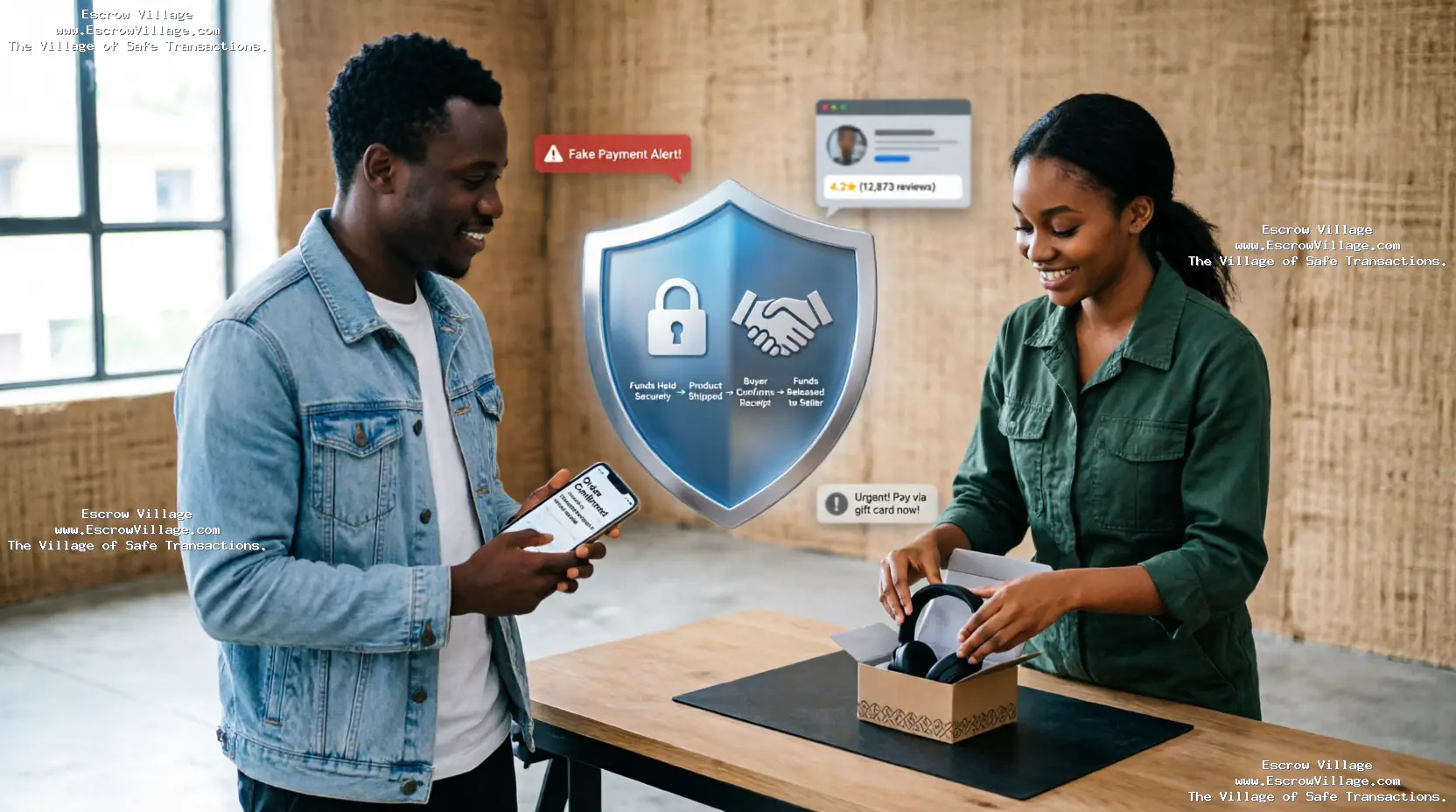
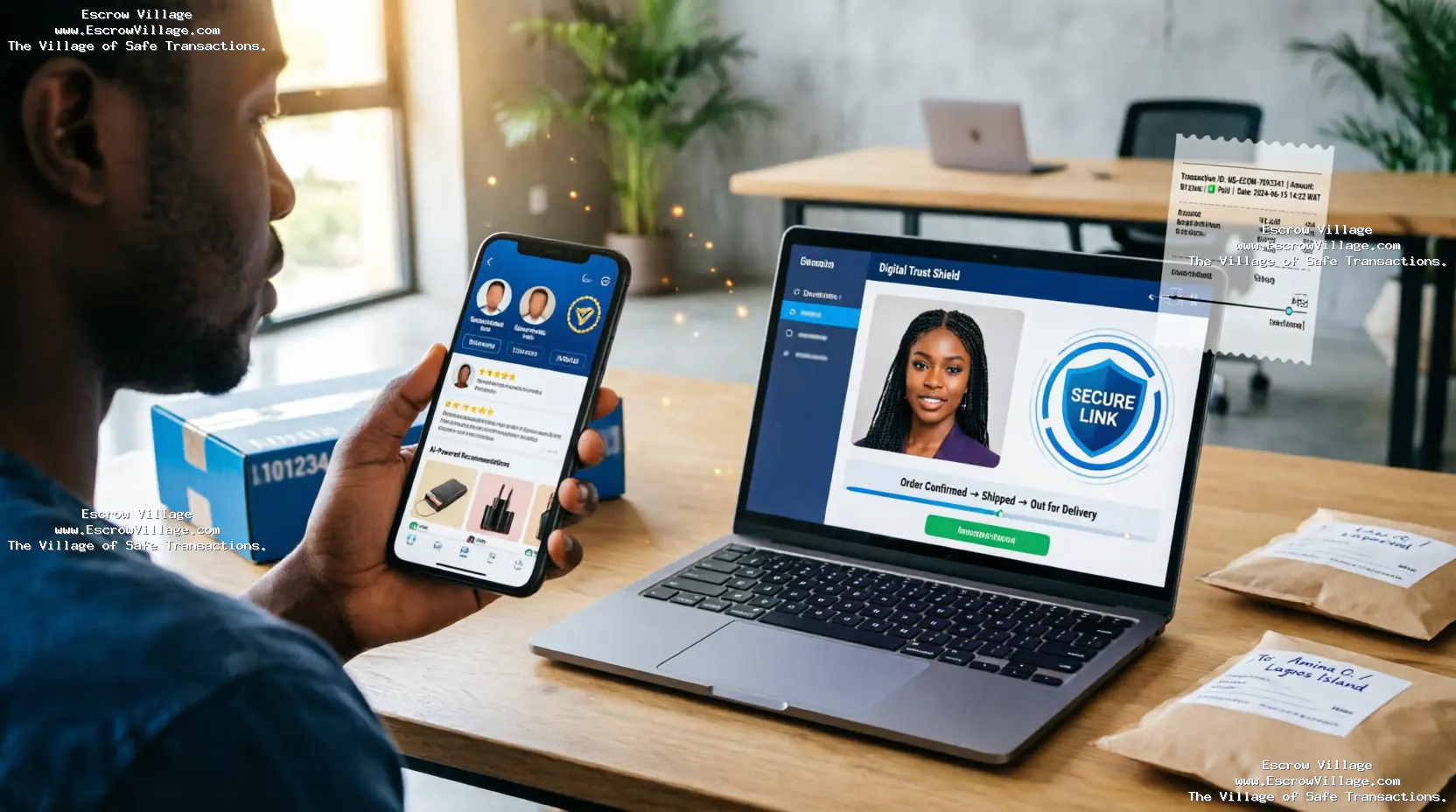
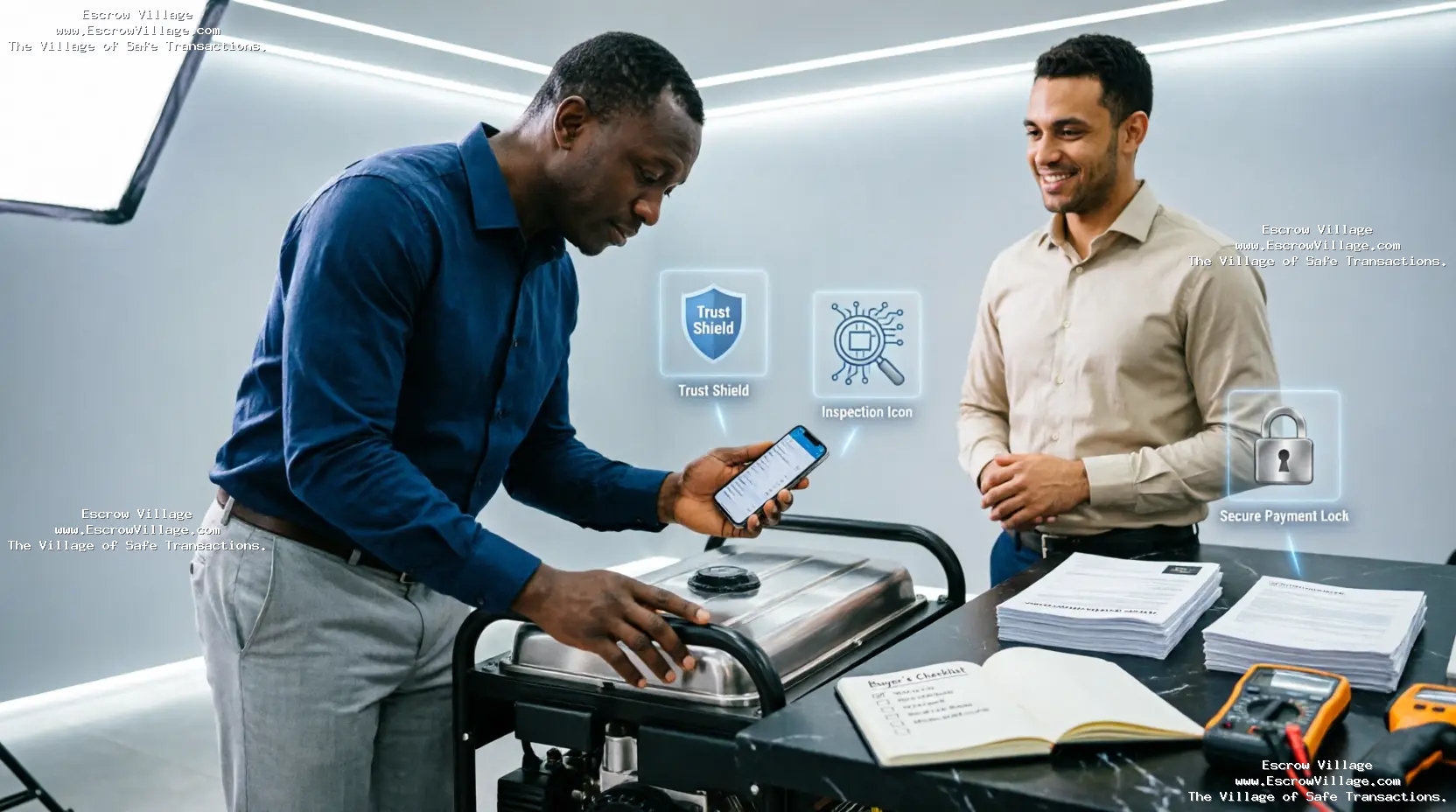
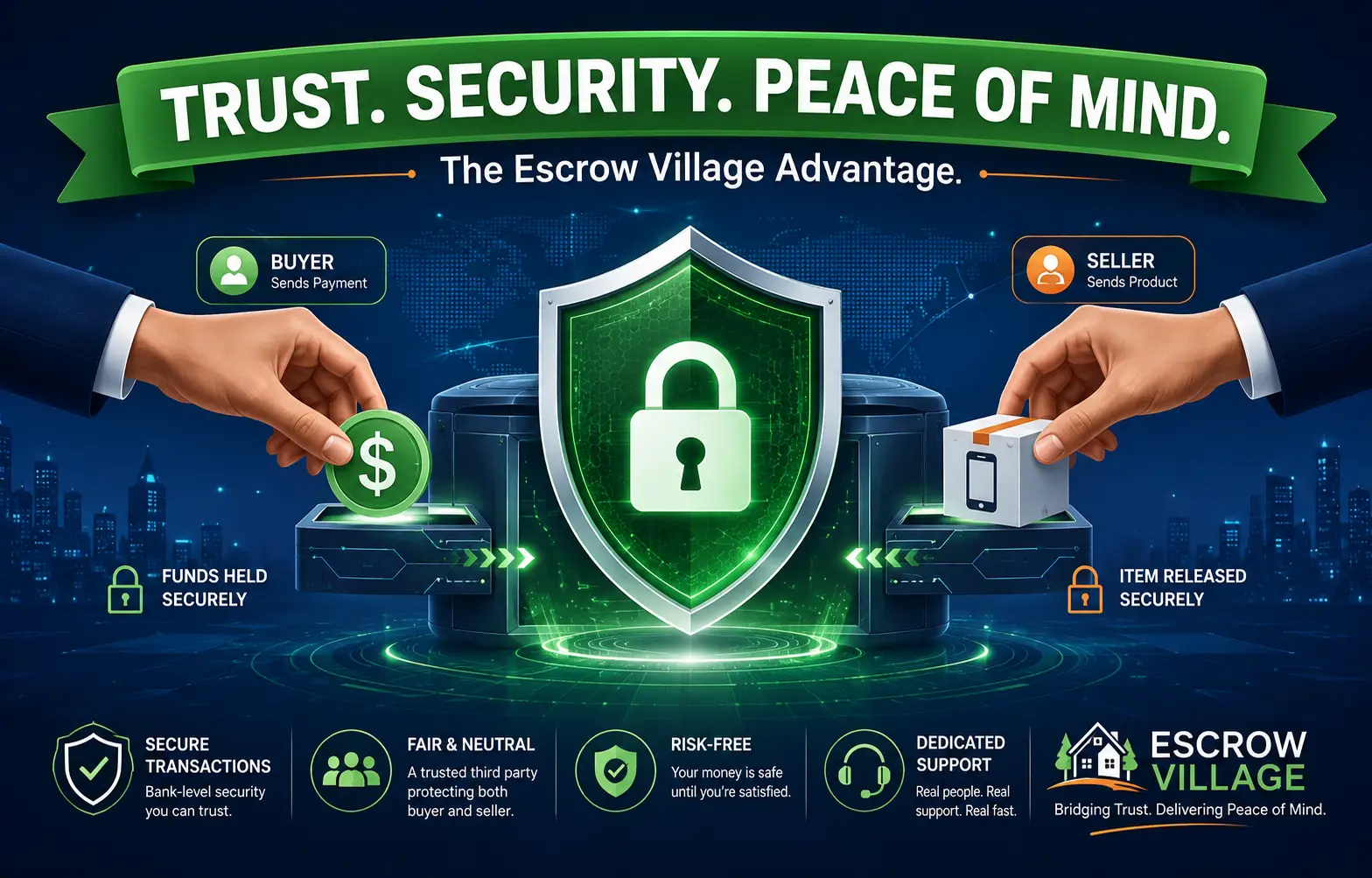
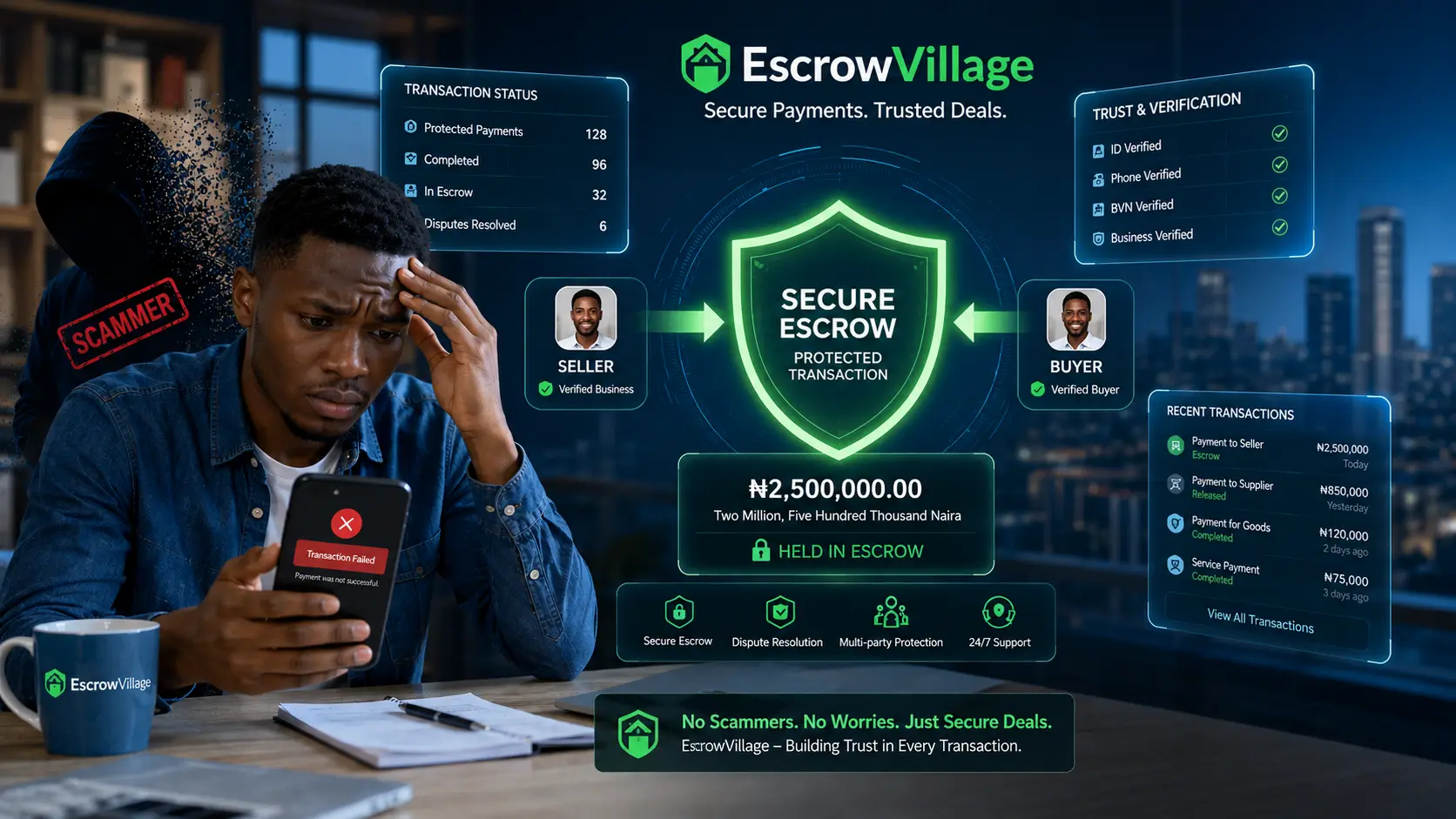
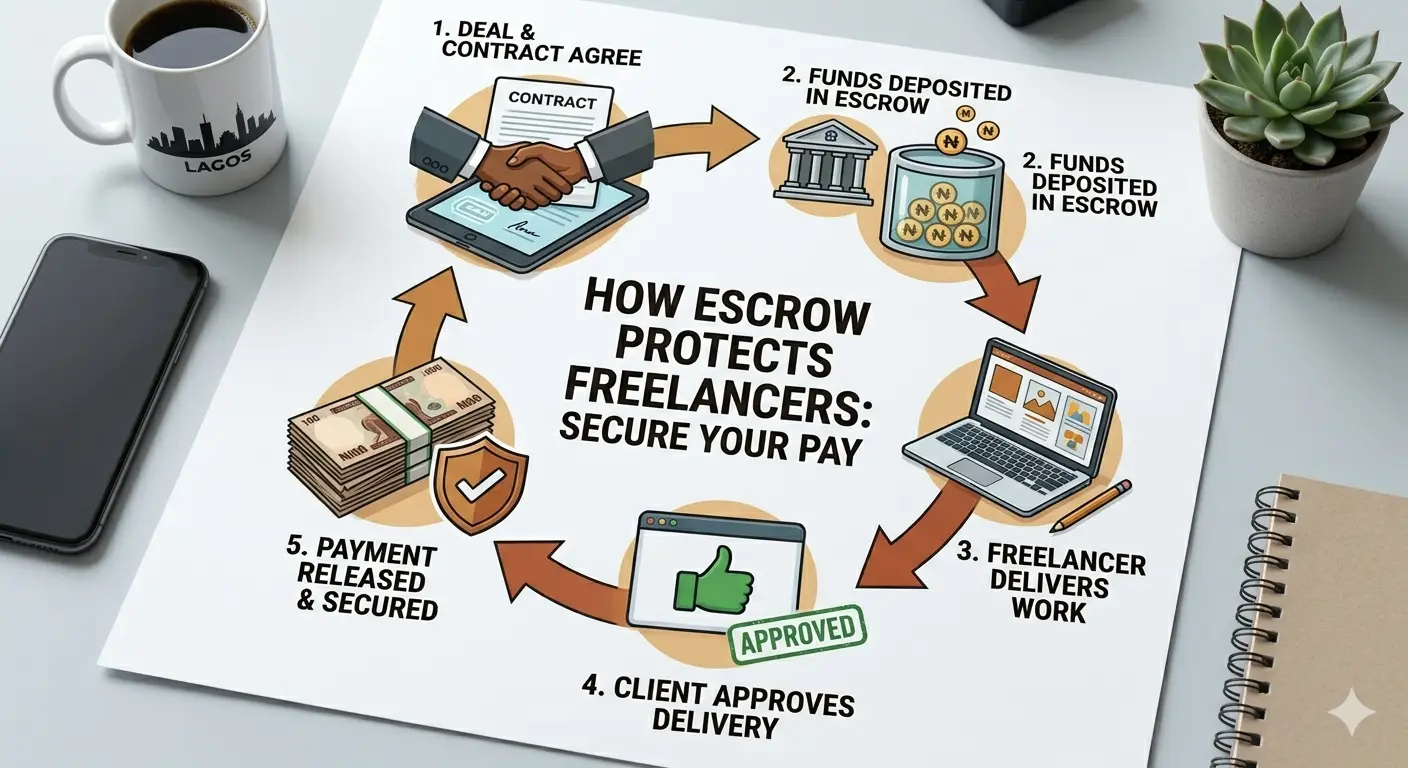
This is precisely where escrow payment systems have changed the game for African ecommerce. When a buyer knows their money is held securely by a neutral third party and only released to the vendor after delivery is confirmed, the psychological barrier to purchase collapses.
Platforms like Escrow Village make this seamless for Nigerian and African transactions, handling the protection layer so that both buyer and vendor can transact confidently.
For high-ticket vendors especially, offering escrow as a payment option isn't just good practice; it's a direct competitive advantage.
- 4. Communication: The Trust Multiplier Nobody Talks About Enough
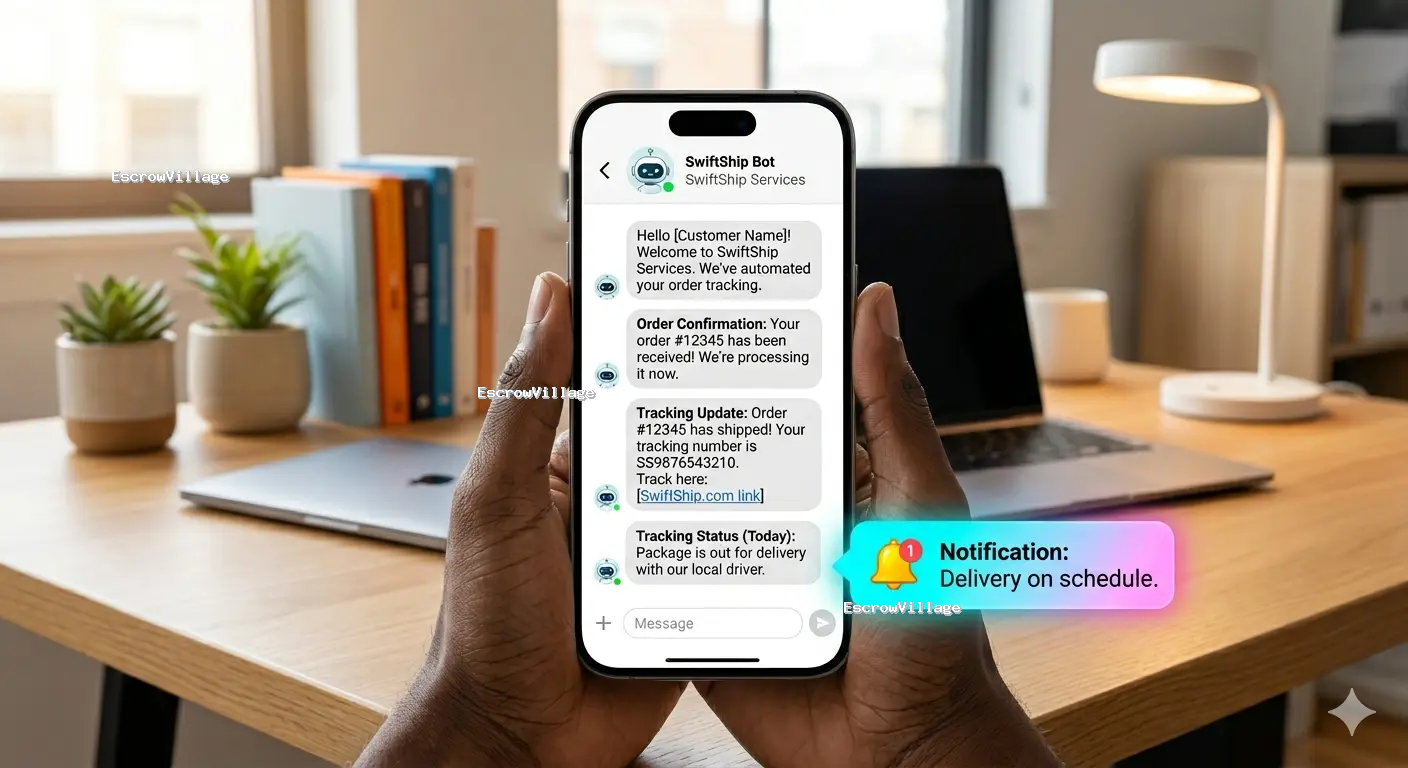
Speed of response is a trust signal. In a space where buyers have been ghosted after payment, simply replying promptly differentiates you from most of your competition.
Set response time expectations (e.g., "We respond within 2 hours during business hours") and then beat them. Send order confirmation messages. Provide tracking updates unprompted. If there's a delay, communicate it before the customer follows up.This proactive communication style is rare enough in the Nigerian e-commerce market that it will be noticed and remembered.
Vendors who communicate this way don't just retain customers, they create advocates.
- 5. Build Customer Trust Through Consistency, Not Just Campaigns

One great experience builds a positive impression. Ten great experiences build a reputation. A hundred builds a brand.
That reputation compounds over time and becomes the most defensible moat in e-commerce.
- The Nigerian Market Reality: Trust Is More Valuable Here Than Almost Anywhere

A 2023 Statista report placed Nigeria among the fastest-growing e-commerce markets in Africa, with projections pointing toward continued double-digit growth. But conversion rates across Nigerian ecommerce platforms still lag behind global averages, not because Nigerians don't want to shop online, but because the trust infrastructure hasn't fully caught up with the appetite.
Your customers want to buy from you. They're not looking for a reason to walk away; they're looking for a reason to stay.
Give them visible proof that you are who you say you are, that their money is safe, and that you'll show up after the sale.
Do that consistently, and trust won't be something you chase; it'll be something buyers talk about without being asked.
Start with one: add your CAC number to your website today, or offer your next high-ticket buyer the option to pay through escrow.
Small moves, compounded. That's how real vendors build real reputations.