The Fake Dubai Prince: What Romance Scams Look Like in 2026
Written by BLESSING ABADI IFEOMA1,514 views
The introduction of the internet has brought about significant changes, most notably in how we meet and interact with people.
It is much easier to meet someone new over the internet through social apps, dating sites, and other platforms.
Online connections are more common than ever, and so are romance scams.
While these schemes have existed for years, they’ve become increasingly sophisticated. Romance scams have evolved from simple emails to sophisticated schemes on social media, dating apps, and messaging platforms.
Scammers now create convincing fake identities, build trust over weeks or months, and use emotional manipulation to request money or personal information.
As technology advances, these scams are becoming harder to spot, making awareness and verification more important than ever.
Scammers use AI, fake identities, deepfake content, and personalised information to appear trustworthy, making deception harder to detect.
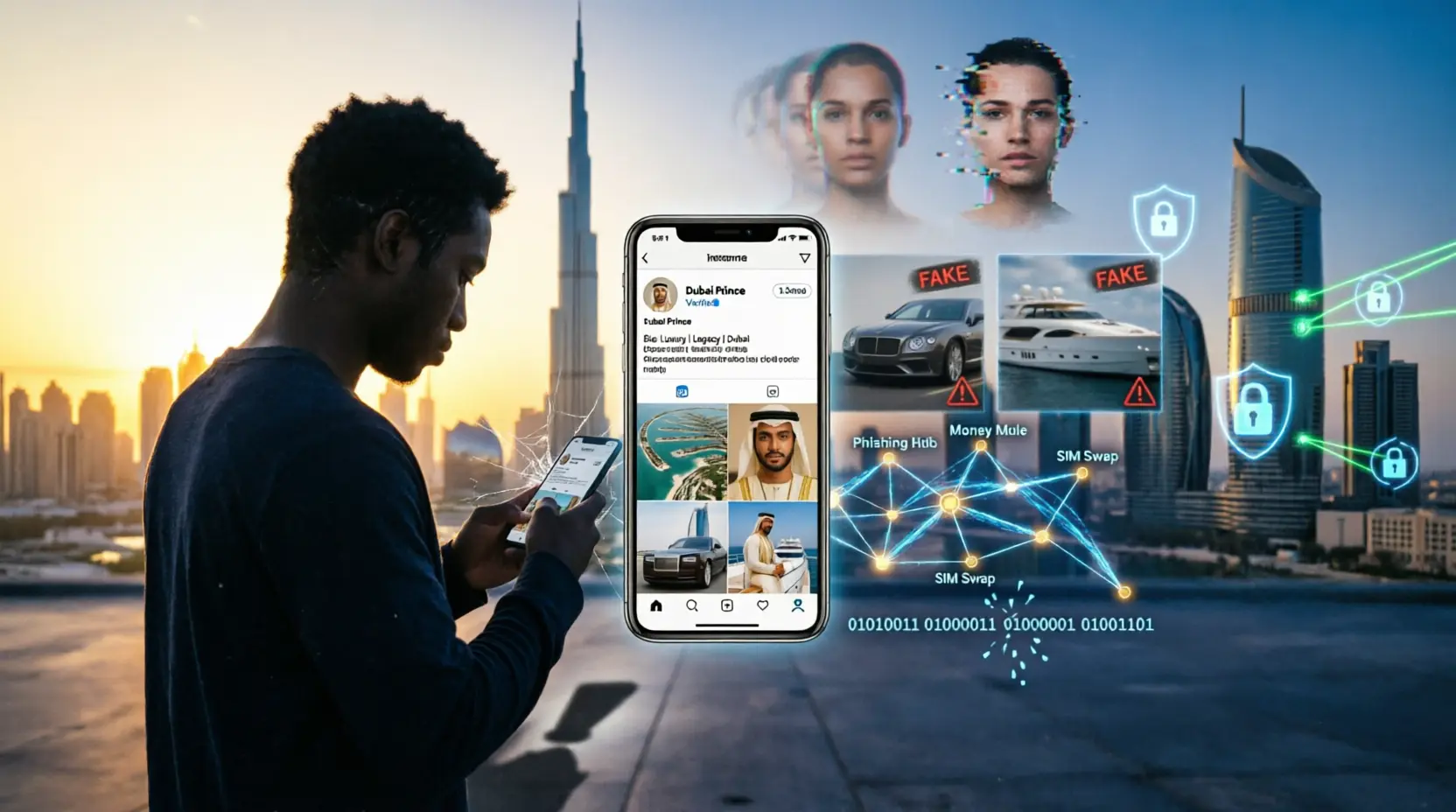
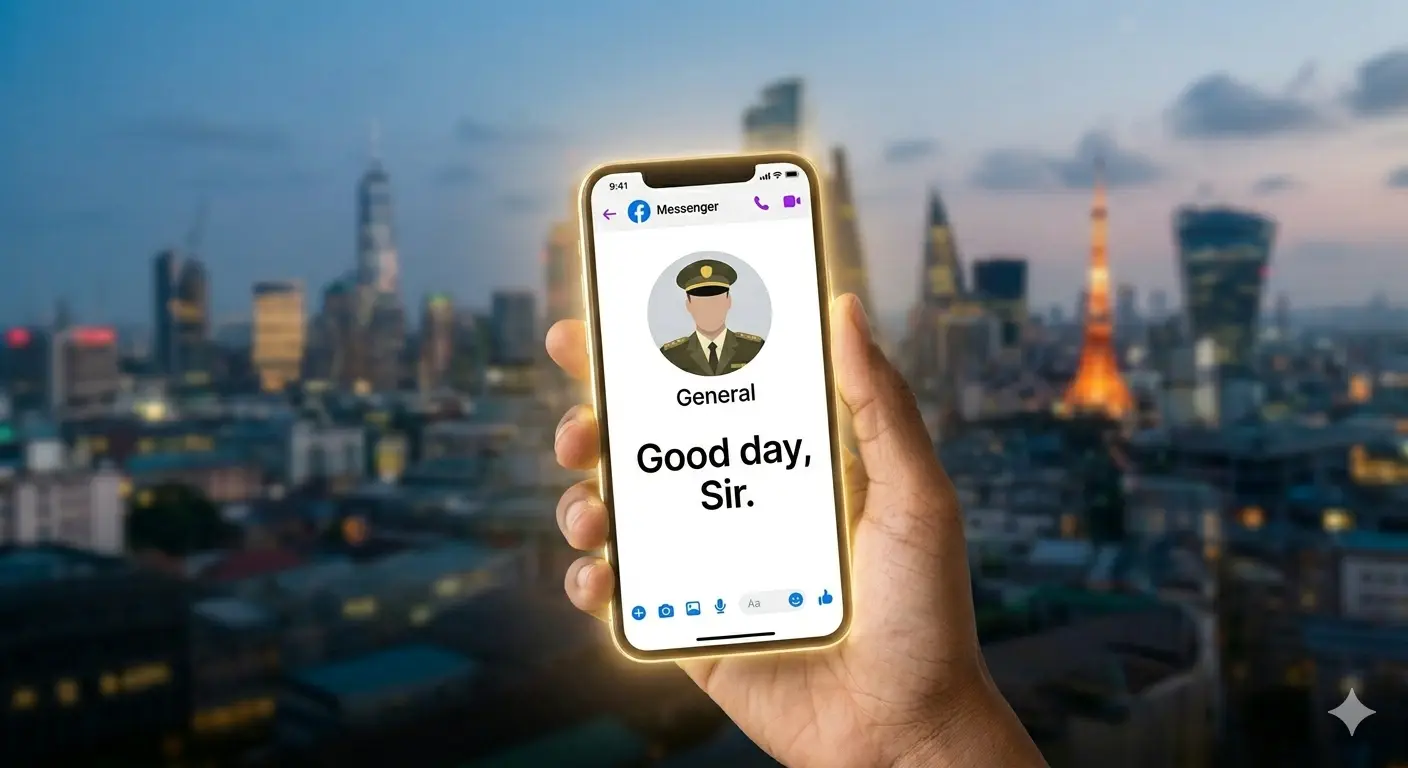
The “Fake Dubai Prince” scam shows how fraudsters use luxury lifestyles, fake identities, and emotional manipulation to steal money.
In this article, readers will learn how romance scams work, recognise warning signs, verify identities, and protect themselves from financial loss.
Romance Scams Have Changed in 2026
AI and social media have made online scams more convincing by helping fraudsters create realistic profiles, fake photos, and believable conversations.
Many scammers pose as wealthy entrepreneurs, celebrities, or royalty to attract attention and build trust.
They often target people seeking companionship, knowing emotional connections can make victims more vulnerable to manipulation and financial exploitation.
Meet the "Fake Dubai Prince”
1. The Perfect Online Persona
Modern romance scammers often create the image of a wealthy entrepreneur, royal family member, or international investor.
Their profiles feature professional-looking photos, luxury lifestyles, and impressive success stories designed to attract attention.
Every detail is carefully planned to appear authentic and trustworthy.
Through polished social media accounts and consistent messaging, they build credibility, making it easier to gain a victim’s confidence before eventually introducing requests for money or financial assistance.
2. The Fast-Track Relationship
A common tactic in romance scams is creating a fast-track relationship.
The scammer showers the target with excessive compliments, constant attention, and affectionate messages from the very beginning.
Within days or weeks, they may claim to have found a soulmate or developed a deep emotional connection.
This rushed intimacy is designed to lower scepticism, build trust quickly, and create an emotional bond that can later be exploited for financial gain.
3. Promises of a Future Together
To strengthen emotional attachment, romance scammers often make exciting promises about a future together.
They may discuss marriage, starting a family, launching a business, or relocating to live with the victim.
These plans create hope and a sense of commitment, making the relationship feel real and long-term.
By painting an attractive future, scammers encourage victims to invest emotionally, making it easier to justify future requests for money or assistance.
Common Red Flags of Romance Scams
° They Avoid Video Calls or In-Person Meetings
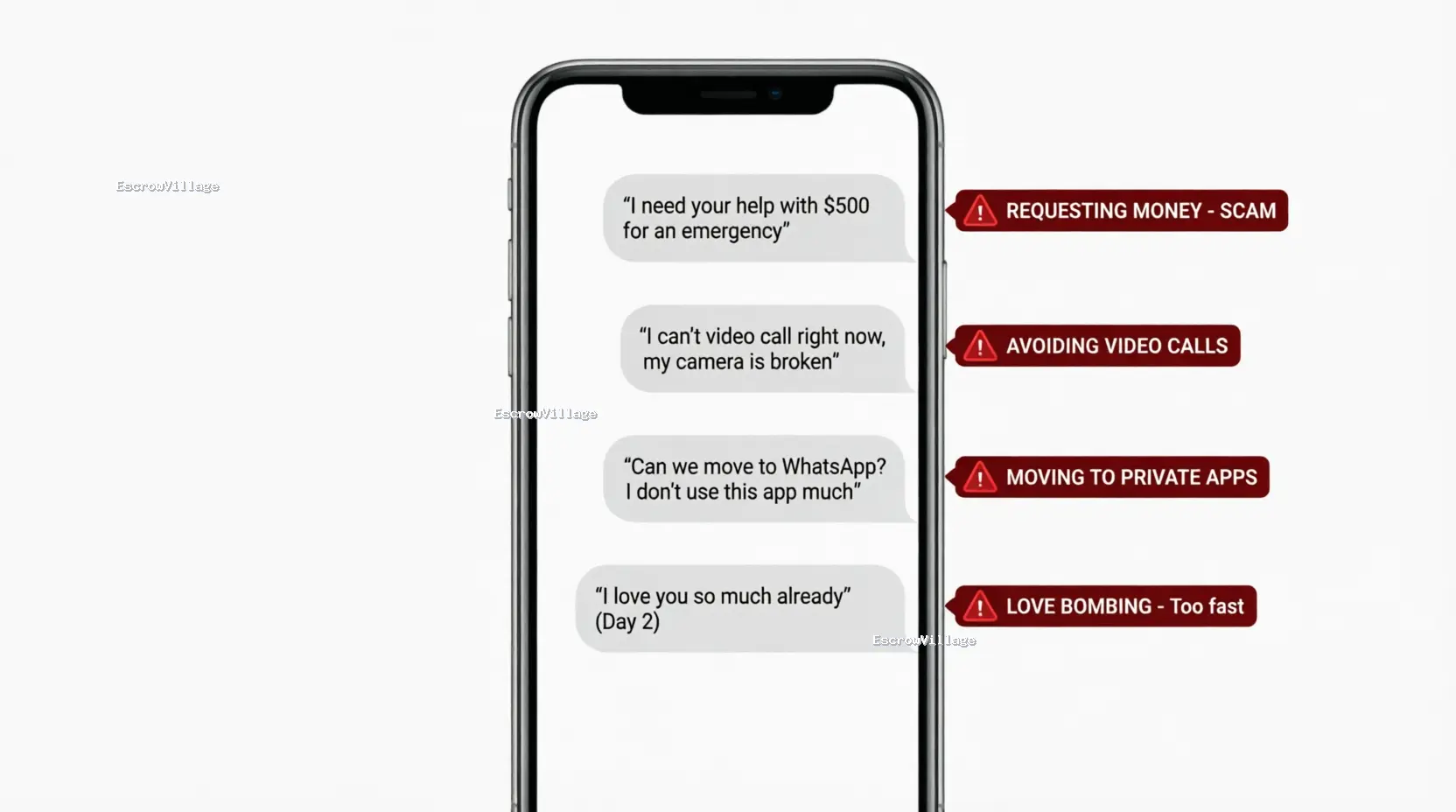
One of the biggest red flags in a romance scam is avoiding video calls or in-person meetings.
Scammers often provide endless excuses, such as travel, work commitments, or technical issues.
When they do agree to video chats, the footage may be poor-quality, heavily filtered, pre-recorded, or manipulated to hide their true identity.
° Their Story Keeps Changing
A scammer’s story is never clear; it often changes.
Details about their job, family background, education, or current location may not match previous conversations.
These inconsistencies can appear small at first but become more noticeable as the relationship develops.
Contradicting information is a major warning sign that the person may be hiding their true identity.
° They Create Emotional Dependence
Romance scammers often create emotional dependence through constant communication and attention.
They send frequent messages, offer excessive affection, and use love bombing to make the victim feel special.
Over time, this emotional manipulation strengthens trust and attachment, making it harder for victims to question suspicious behaviour or recognise warning signs.
° They Eventually Ask for Money
The ultimate goal of most romance scams is financial gain.
Scammers eventually request money for supposed emergencies, medical bills, travel costs, business opportunities, customs fees, or gift deliveries.
These requests often seem urgent and believable, exploiting the trust and emotional connection they have carefully built with the victim over time.
New Romance Scam Tactics in 2026
● AI-Generated Photos and Videos
Modern scammers increasingly use AI-generated photos, deepfake technology, and fake video messages to appear legitimate.
These tools can create realistic images and convincing videos that support false identities.
As the technology improves, it becomes harder to distinguish genuine content from manipulated media, making verification more important than ever.
● Fake Celebrity and Royal Profiles
Scammers frequently impersonate celebrities, business leaders, royalty, and other wealthy public figures to gain attention and credibility.
Using stolen photos, fake social media accounts, and fabricated stories, they create the illusion of status and success.
These profiles are designed to build trust quickly and manipulate victims into emotional or financial involvement.
● Cryptocurrency and Investment Scams
Many modern romance scams eventually shift into cryptocurrency or investment fraud.
After building trust, scammers encourage victims to invest in fake opportunities promising high returns.
What begins as a romantic relationship becomes a financial scheme, with victims often losing significant amounts of money before realising the investment platform or opportunity is fraudulent.
● Cross-Platform Manipulation
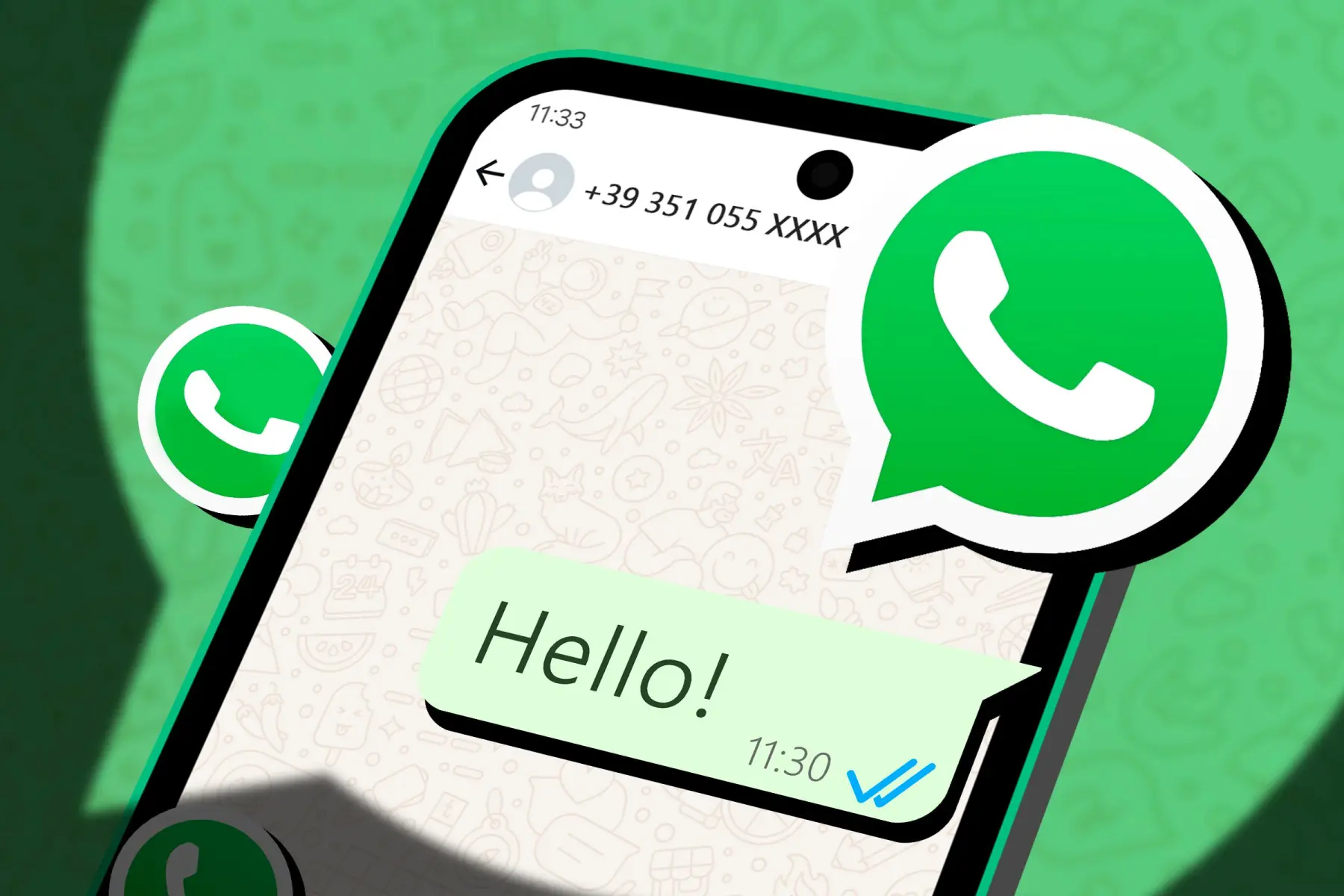
Romance scammers often move conversations from dating platforms to WhatsApp, Telegram, or other private messaging apps.
This allows them to communicate with fewer restrictions and avoid platform monitoring.
Once the conversation becomes more private, they can build trust faster, strengthen emotional connections, and carry out their manipulation with less risk of detection.
How to Verify Someone You Meet Online
1. Reverse Image Search Their Photos
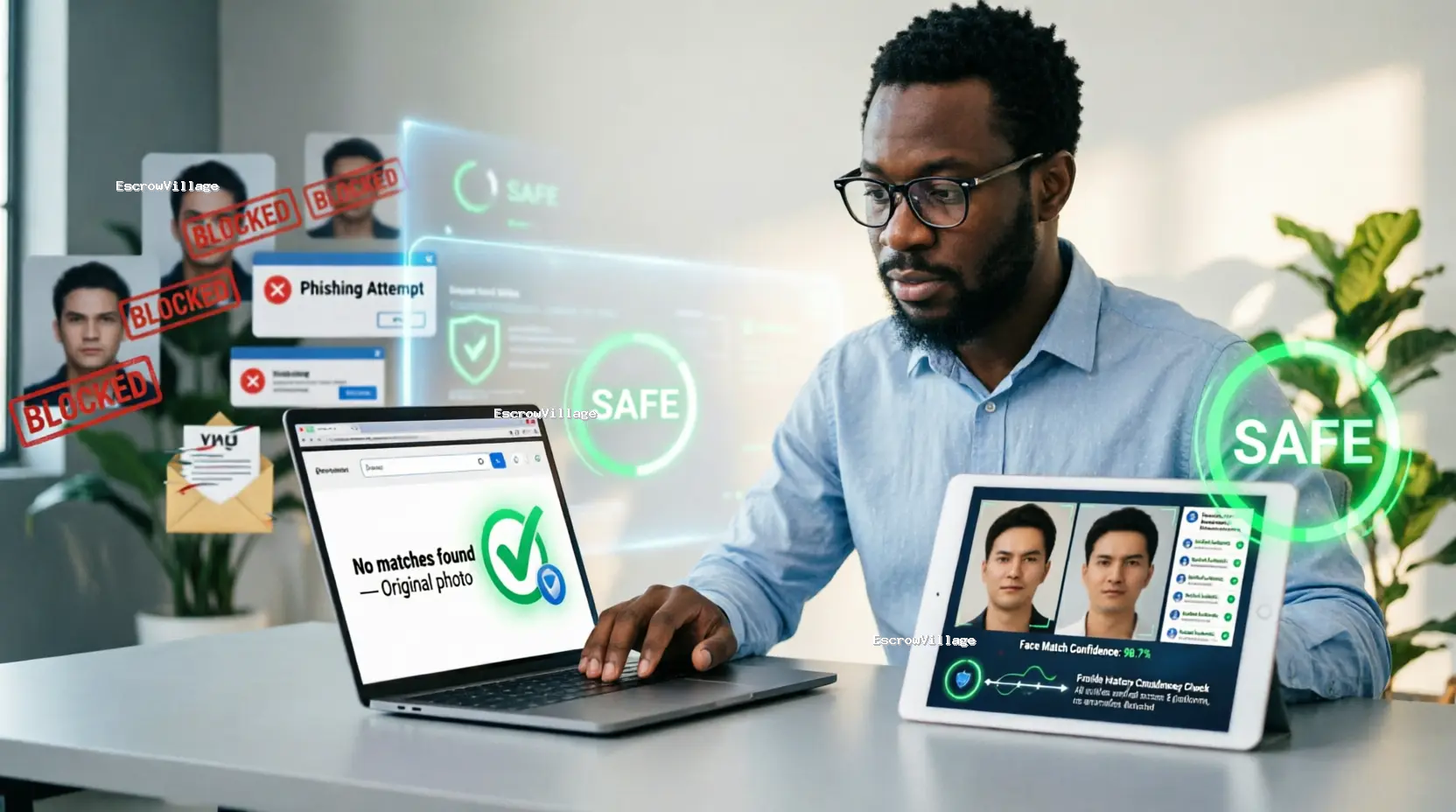
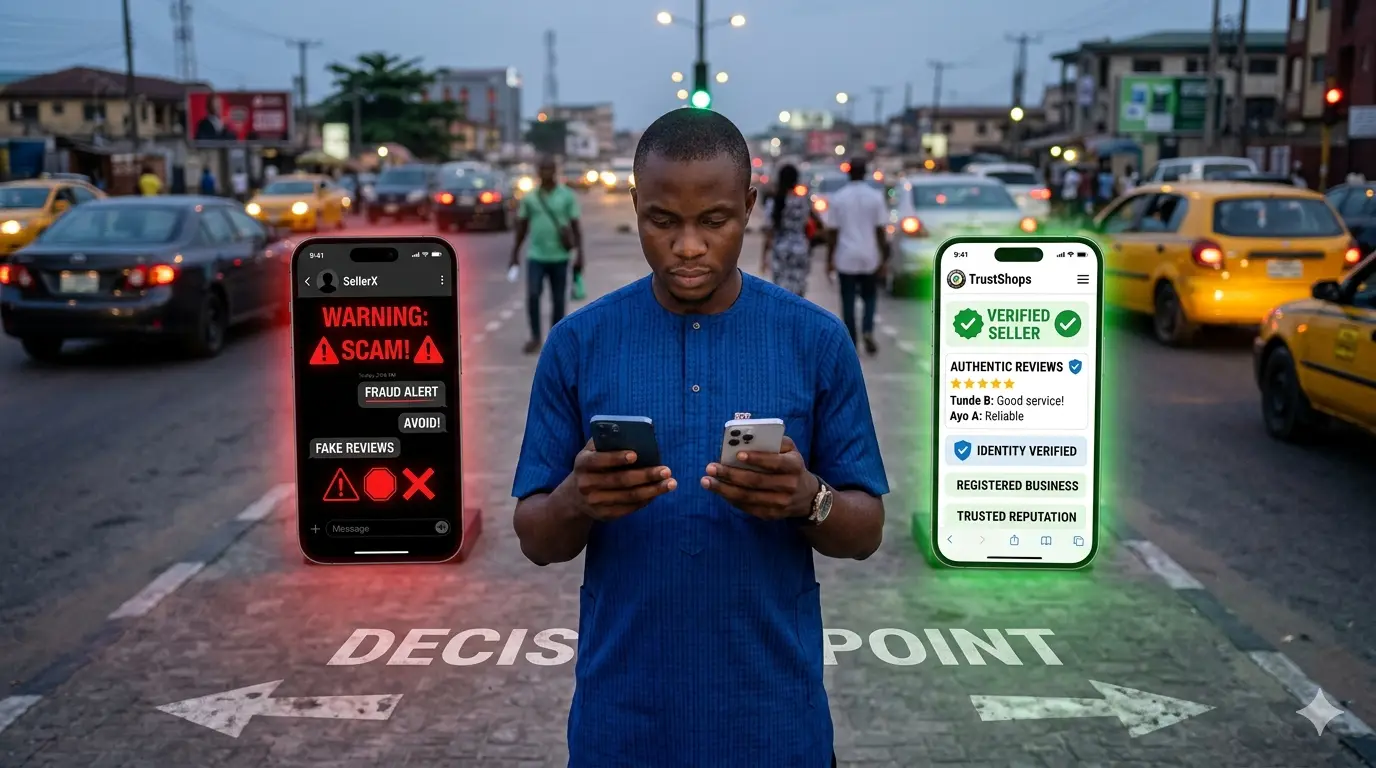
A reverse image search can help verify whether someone's photos are genuine.
Upload or search the image using available tools to see if it appears on other websites, social media accounts, or stock photo platforms. If the same photo is linked to different names or identities, it is a strong warning sign of a scam.
2. Verify Their Social Presence
A genuine social media profile usually has a consistent history, real interactions, and engagement from friends, family, or colleagues.
Check for older posts, tagged photos, comments, and natural conversations.
Be cautious if the account was recently created, has very few interactions, or mainly contains polished photos with little personal activity.
3. Ask for Real-Time Video Calls
One of the simplest ways to verify someone's identity is through a real-time video call.
Live conversations make it harder to rely on stolen photos, pre-recorded videos, or AI-generated content.
If a person repeatedly avoids video calls or makes excuses, it could be a warning sign that they are not who they claim to be.
4. Be Sceptical of Grand Claims
Be cautious when someone claims to be extremely wealthy, a member of a royal family, or living a glamorous lifestyle.
Scammers often use these stories to impress and gain trust.
Always verify such claims through independent sources rather than relying solely on photos, messages, or information provided by the individual.
What to Do If You Think You're Being Targeted
If you suspect you are dealing with a romance scammer, stop sending money immediately and end all financial transactions.
Preserve evidence by saving chats, emails, screenshots, photos, and payment records, as these may help during investigations. Block and report the account on the platform where the scam occurred to prevent further contact.
If money was transferred, contact your bank or payment provider as soon as possible. Finally, share your experience with friends, family, and online communities.
Raising awareness can help others recognise similar warning signs and avoid becoming victims of the same scam.
How to Protect Yourself from Romance Scams
Protecting yourself from romance scams starts with patience and healthy scepticism.
Take relationships slowly and avoid becoming emotionally invested before verifying someone's identity.
Never send money, gifts, or financial assistance to someone you have not met in person. If a relationship seems to be moving unusually fast, discuss it with trusted friends or family members who can offer an objective perspective.
Make it a habit to verify claims, photos, and social media profiles independently. Most importantly, stay informed about emerging scam techniques, as fraudsters constantly adapt their methods.
Awareness remains one of the strongest defences against online romance fraud.
Today's romance scammers rarely appear as obvious criminals. Instead, they combine emotional manipulation with advanced technology, convincing fake identities, and carefully crafted stories.
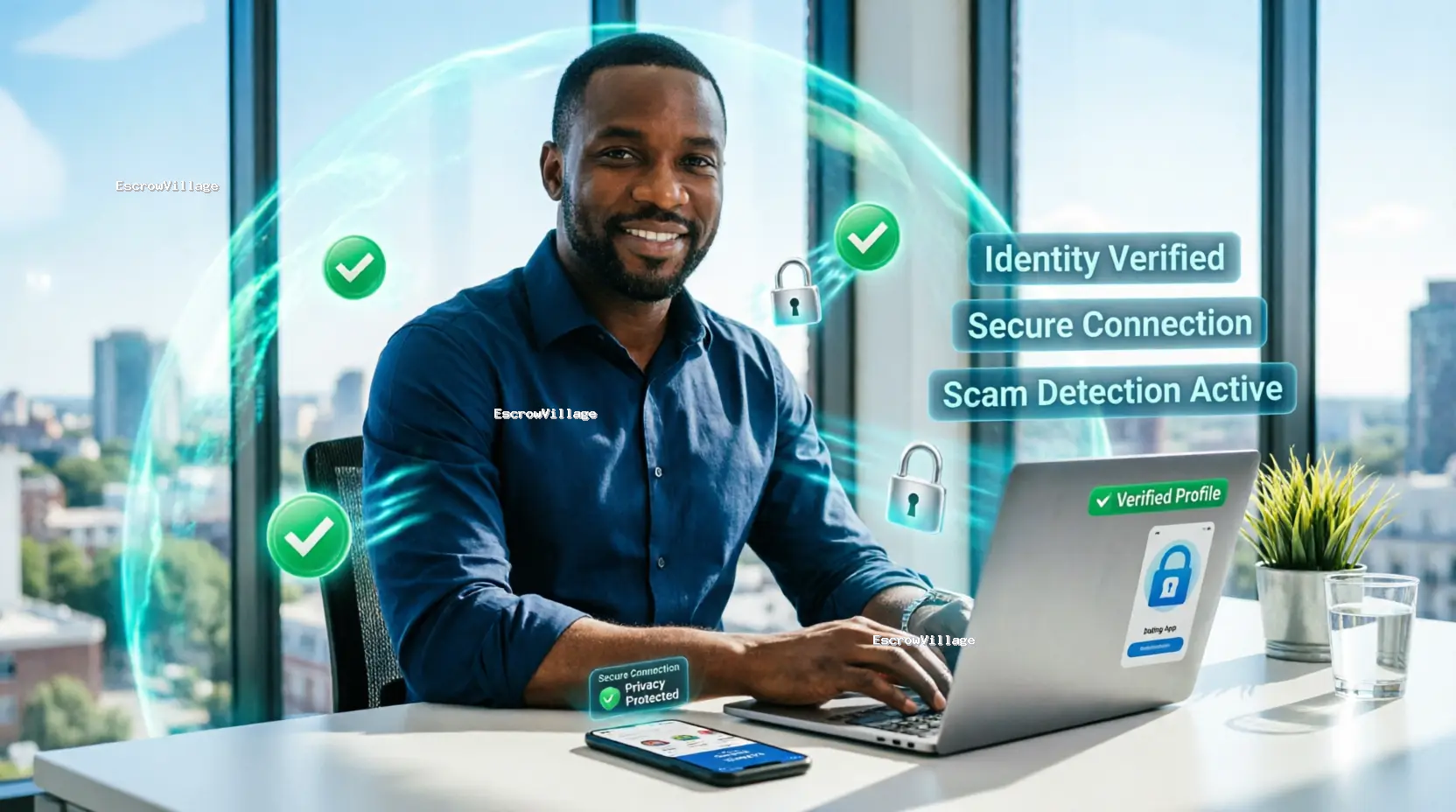
Protecting yourself requires awareness, patience, and verification.
By questioning suspicious claims and verifying identities, you can reduce your risk of becoming the next victim of a “Fake Dubai Prince” scam.