
The Psychology Behind “Limited-Time Offer” Scams
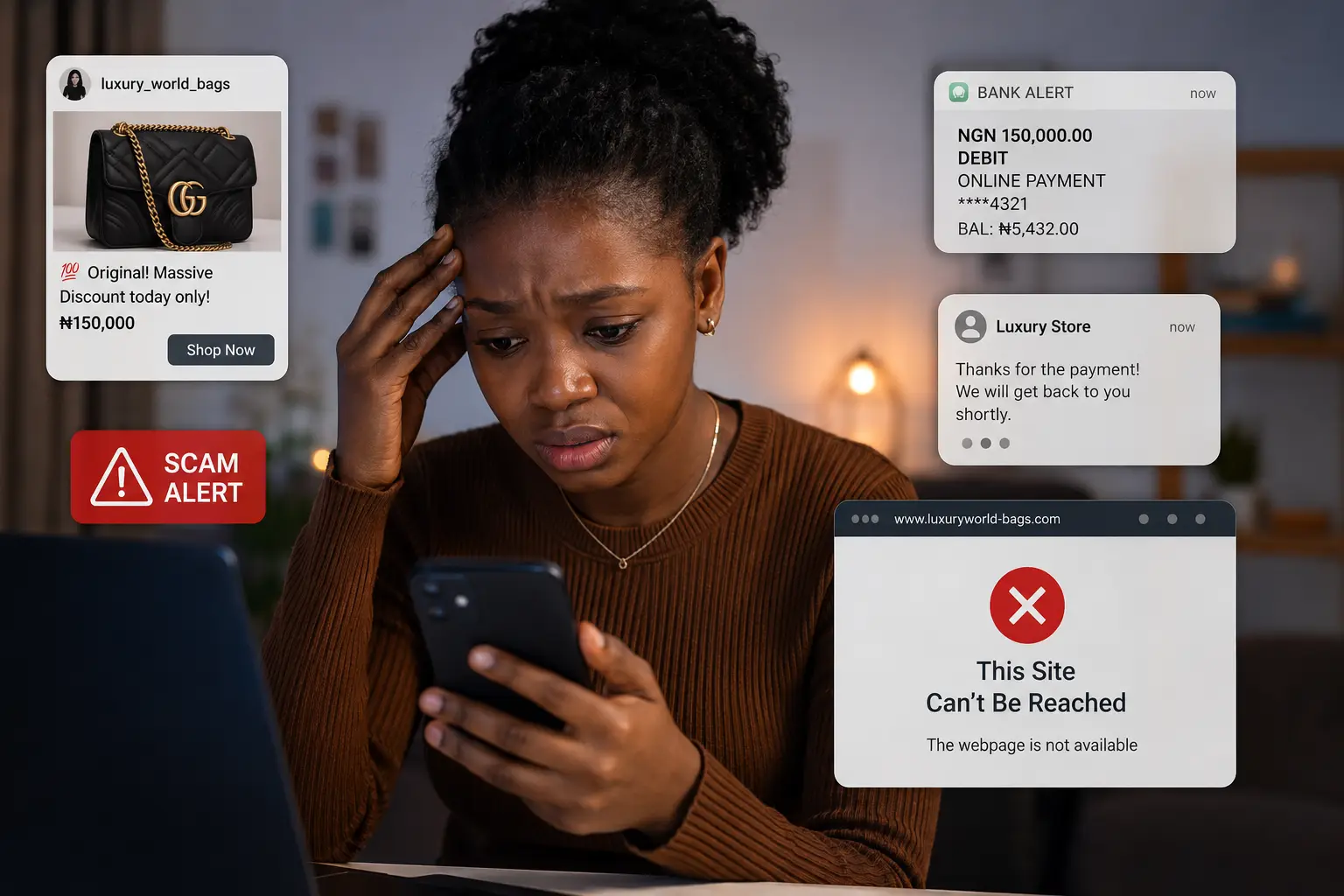
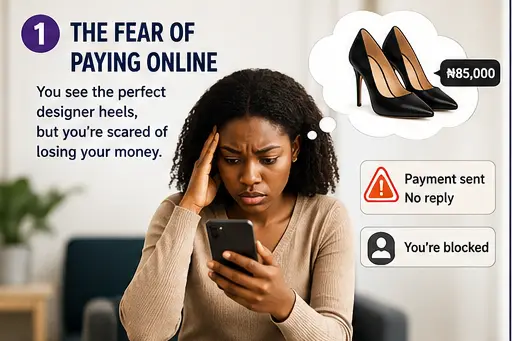
You're scrolling through Instagram when an ad catches your attention.
It's for that item you've wanted to buy for a while. Maybe you've saved it a few times, checked the price, and decided to wait because you couldn't quite afford it.
But this time, the price is different.
The seller is offering 50% off, today only.
You click on the ad to see what the deal is about. The page tells you there are only three items left, and a countdown timer is ticking away.
You hesitate for a moment. Something about the offer feels a little too good to be true. But then you think, “I've wanted this for a long time, and it's finally affordable. If I don't buy it now, I might miss the opportunity.”
So you decide to go for it.
That feeling of urgency is exactly what scammers try to create.
Limited-time offers can be legitimate. Businesses use flash sales, discounts and promotional deadlines all the time. But scammers can also use the same tactics to make you act quickly, before you have enough time to question the seller or investigate the deal.
And the reason these scams can be so convincing has a lot to do with psychology.
Understanding the psychology behind these tactics can help you recognize when an exciting deal is actually a trap.
A scammer might say:“Offer ends tonight.”“Last chance to buy.”“Only two items remaining.”“Price goes up in 30 minutes.”“First 10 customers get the discount.”
These statements create pressure. Instead of asking, “Is this seller legitimate?”, you start thinking, “What if I miss this opportunity?”
That change in thinking is valuable to scammers because hesitation gives you time to investigate.
The Federal Trade Commission (FTC) similarly warns consumers about scammers who pressure people to act immediately, particularly when they claim a limited-time opportunity is available.
Imagine two sellers offering the same product for ₦50,000.The first says:“Available whenever you need it.”The second says:“Only one left. Price returns to ₦80,000 at midnight.”
The second offer may suddenly feel more attractive, even though the product itself has not changed.
Scammers exploit this reaction by inventing scarcity. They may use fake stock counters, false deadlines or constantly changing prices to create the impression that you must act immediately.
The goal isn't necessarily to convince you that the product is amazing. It is to convince you that you don't have enough time to investigate it.
You might normally check a seller's reviews, verify their social media account or compare prices with other vendors.
But when someone tells you that the offer disappears in ten minutes, those steps can suddenly feel like a waste of time.
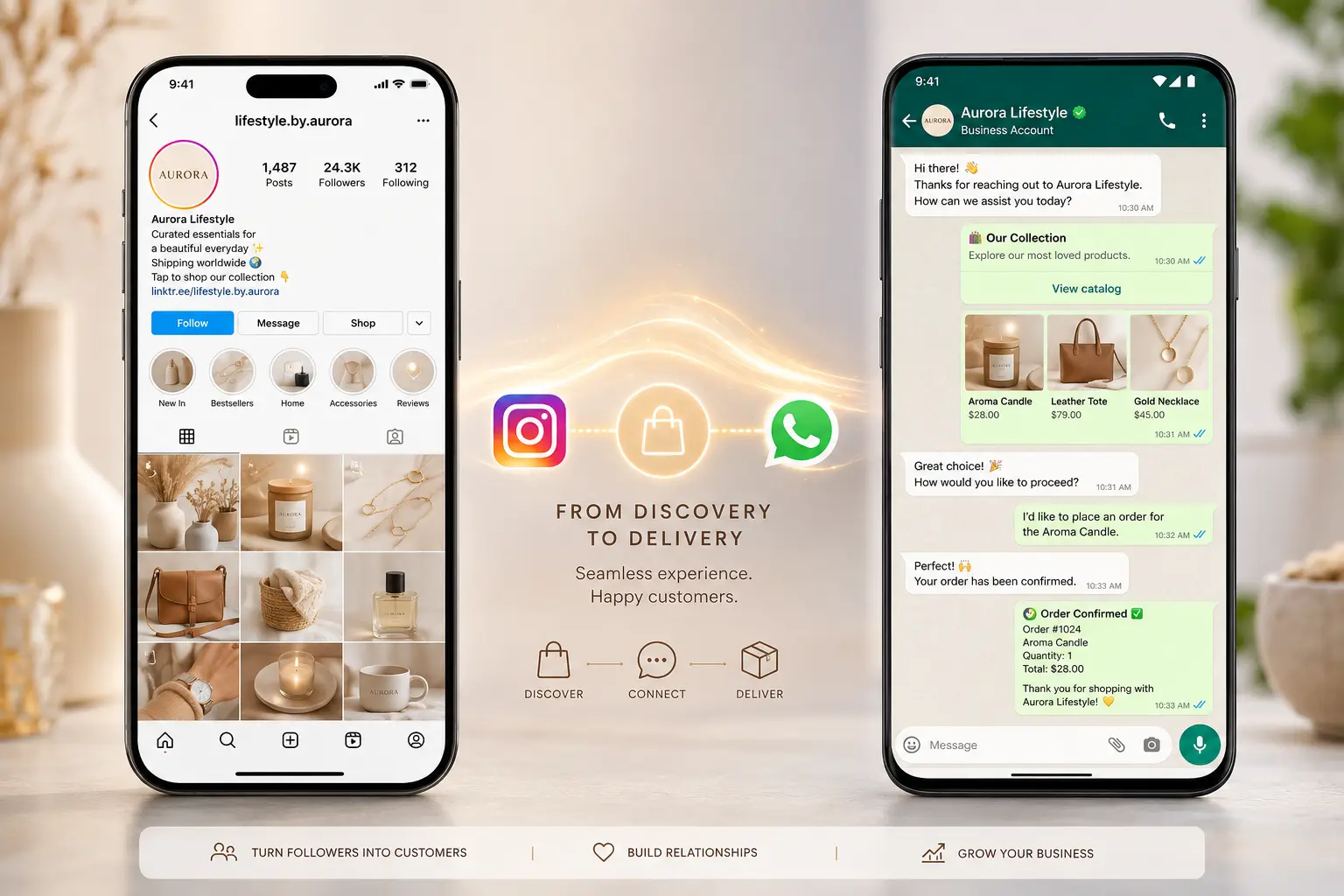
This is especially dangerous with social media shopping, where a convincing advertisement can lead directly to a seller's WhatsApp account, website or payment details.
The FTC recommends checking the seller, comparing prices, reading the terms of the deal and keeping records of online purchases before completing a transaction.
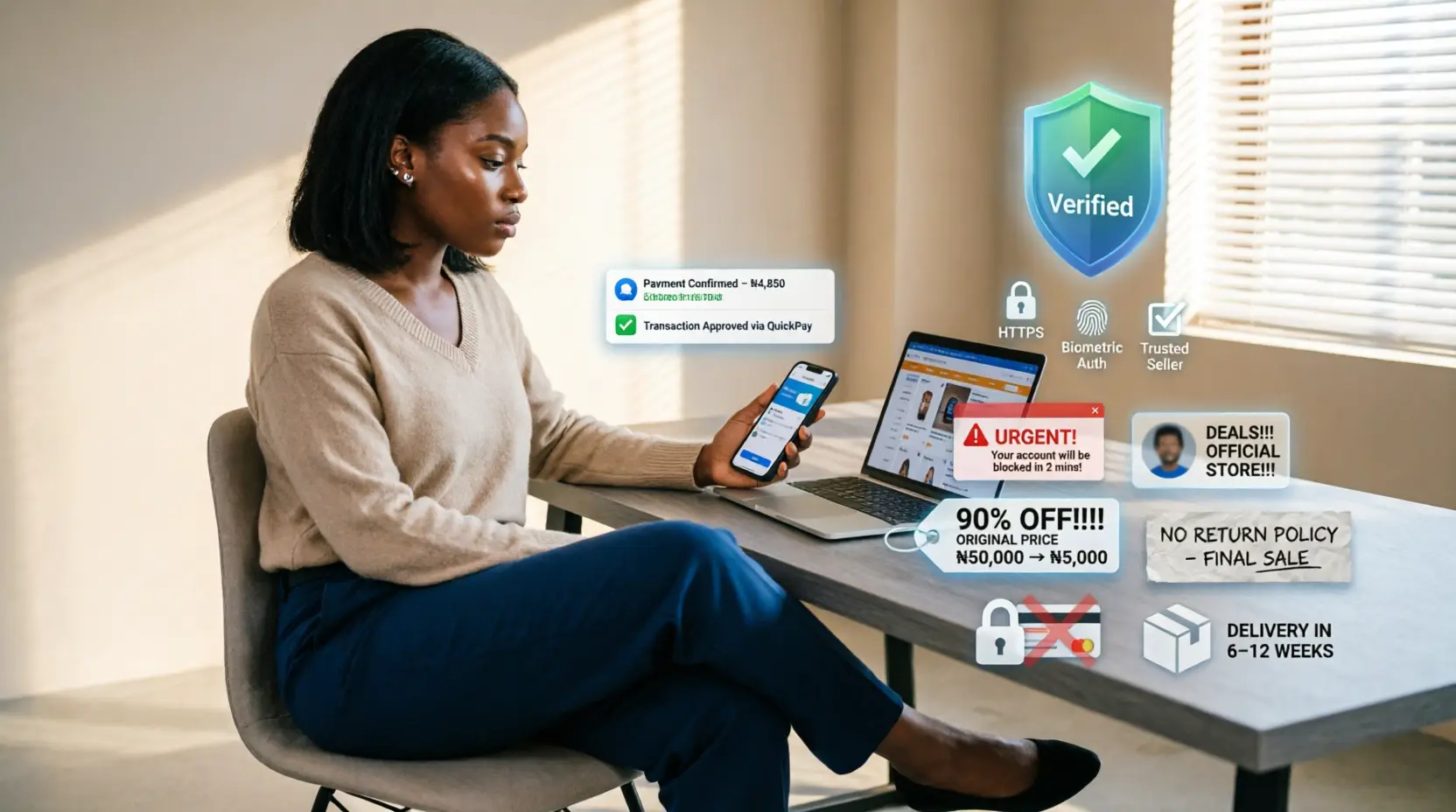
The problem is that the original price might be fake.A scammer could advertise an inflated “original price” simply to make the discount look bigger than it really is.That's why a large discount should make you investigate more, not less.
Before paying, search for the same product elsewhere. Compare prices and check whether the seller has a genuine business presence.
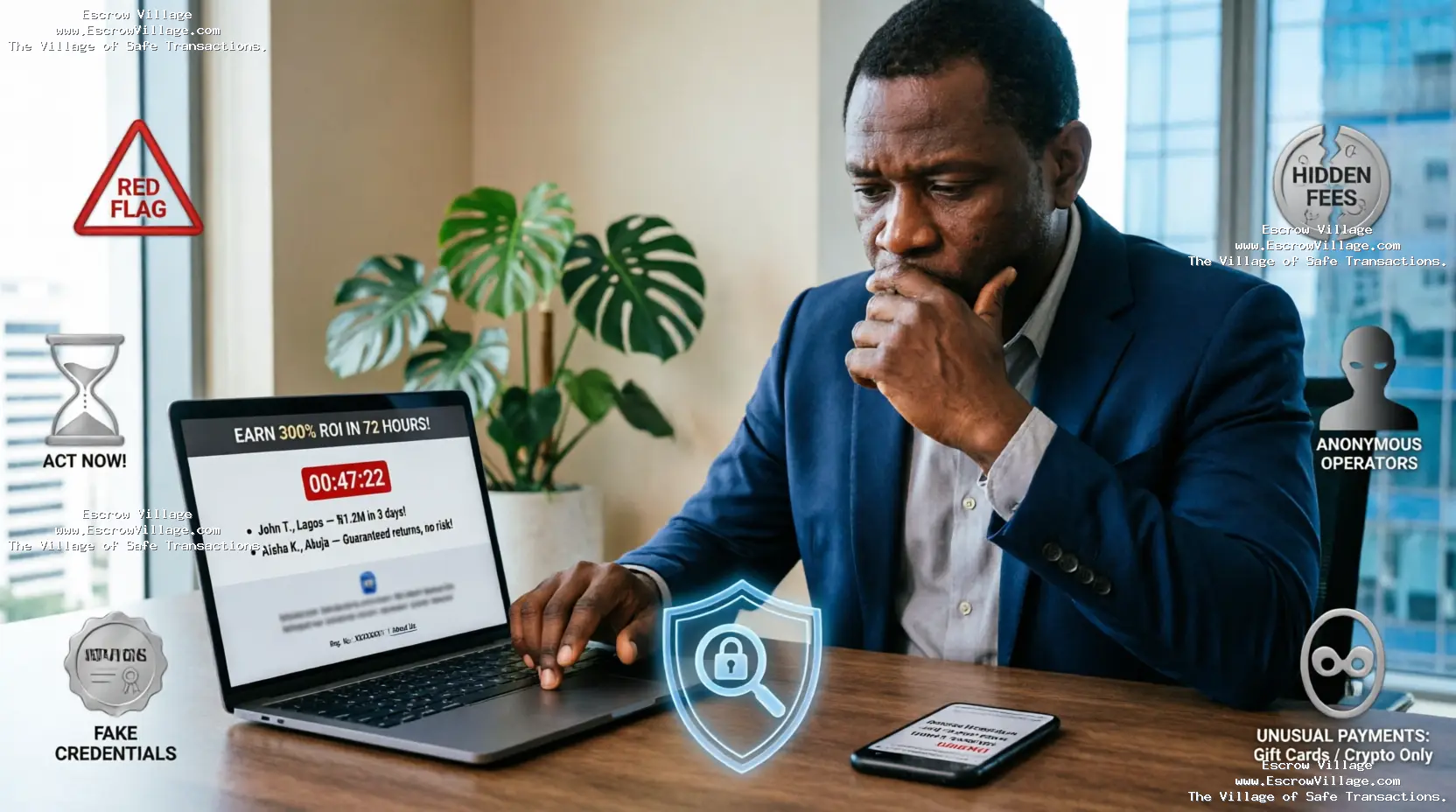
Seeing the numbers drop from 30 minutes to 29 minutes can make the situation feel real.But a countdown timer proves nothing about the legitimacy of a seller.
Some fraudulent websites can simply reset the timer after it reaches zero.The same applies to messages such as “last chance” or “final sale.”If the seller keeps offering the same “final” deal every day, the deadline was probably never genuine.
Urgency reduces investigation.A trustworthy seller should be able to answer reasonable questions about the product, payment, delivery, returns and refunds.
A scammer, however, may become aggressive when you hesitate.They might tell you:“If you don't pay now, someone else will take it.”Or:“I can't hold it for you.”Or:“The offer expires in five minutes.”
These statements are designed to make you feel that asking questions could cost you the deal.
But losing a questionable deal is better than losing your money.
● Never let the seller's deadline become your deadline for making a financial decision.Before paying:Research the seller. Search the business name alongside words such as “scam,” “complaint” or “review.”
● Compare the price. Check whether the supposed discount is actually a discount.
● Read the terms. Look at delivery, refund and return policies.
● Check the seller's identity. Don't rely only on social media followers or reviews.
● Keep transaction records. Save screenshots, receipts and conversations.
● Use safer payment methods. Be particularly cautious when a seller insists on payment methods that make recovering your money difficult.
● Slow down when someone creates extreme urgency.
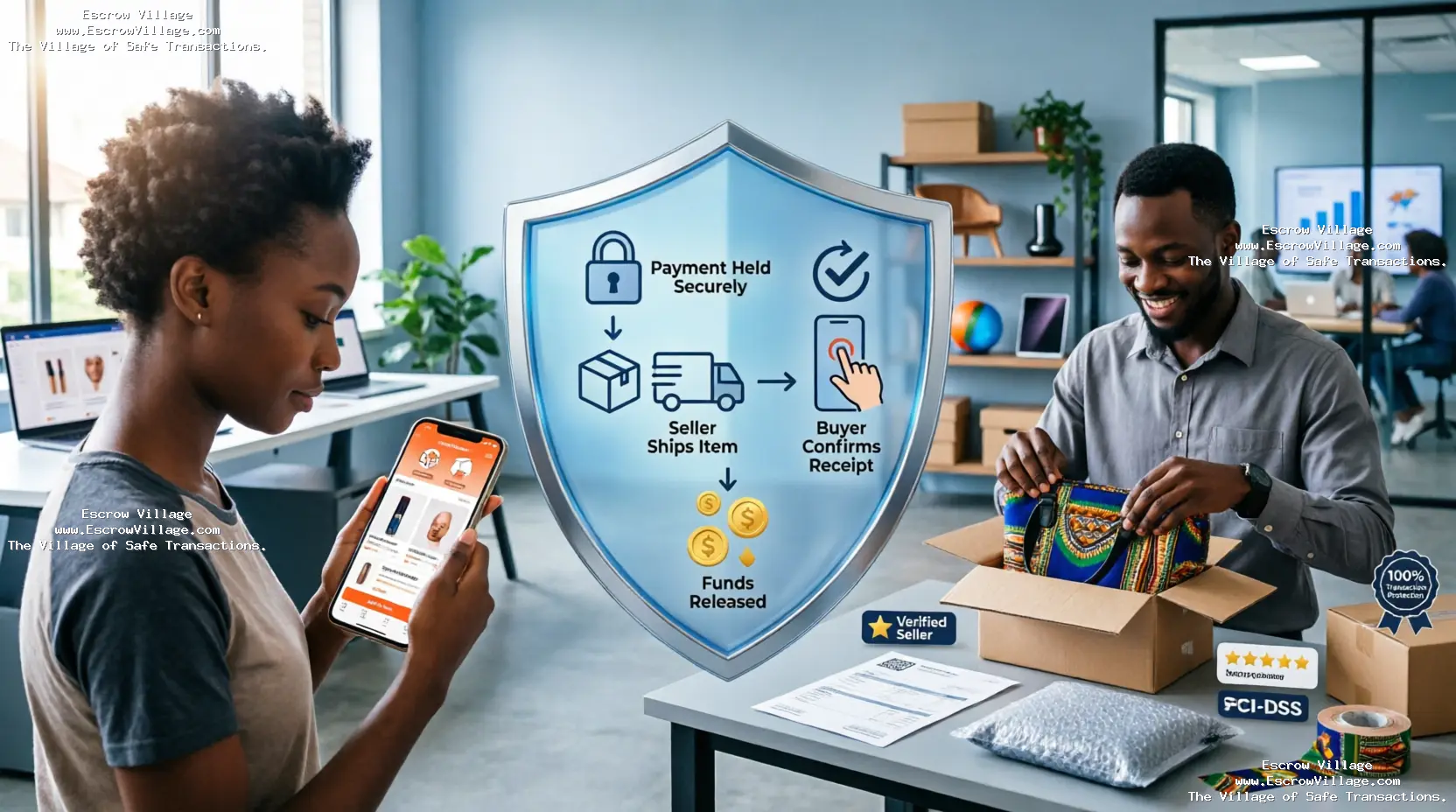
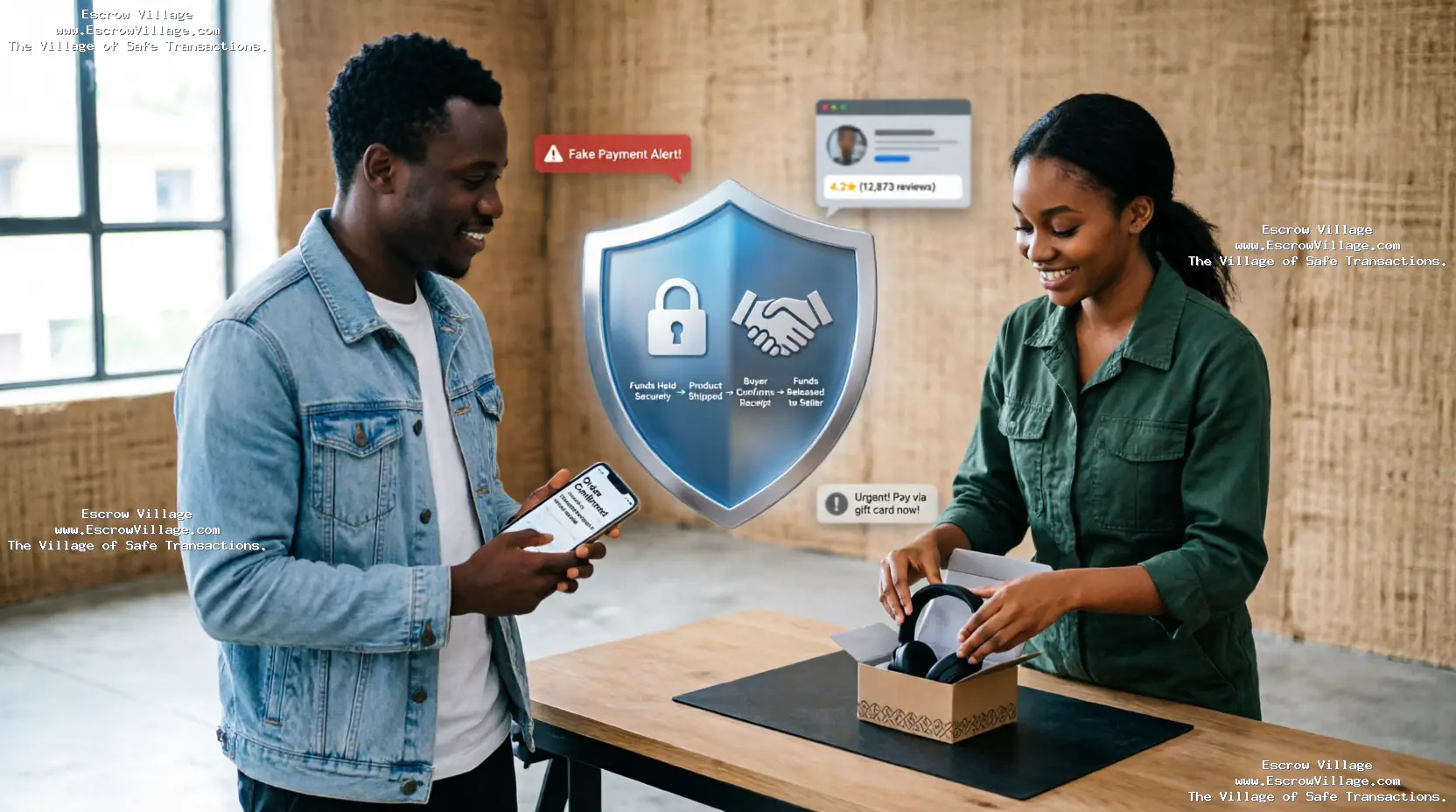
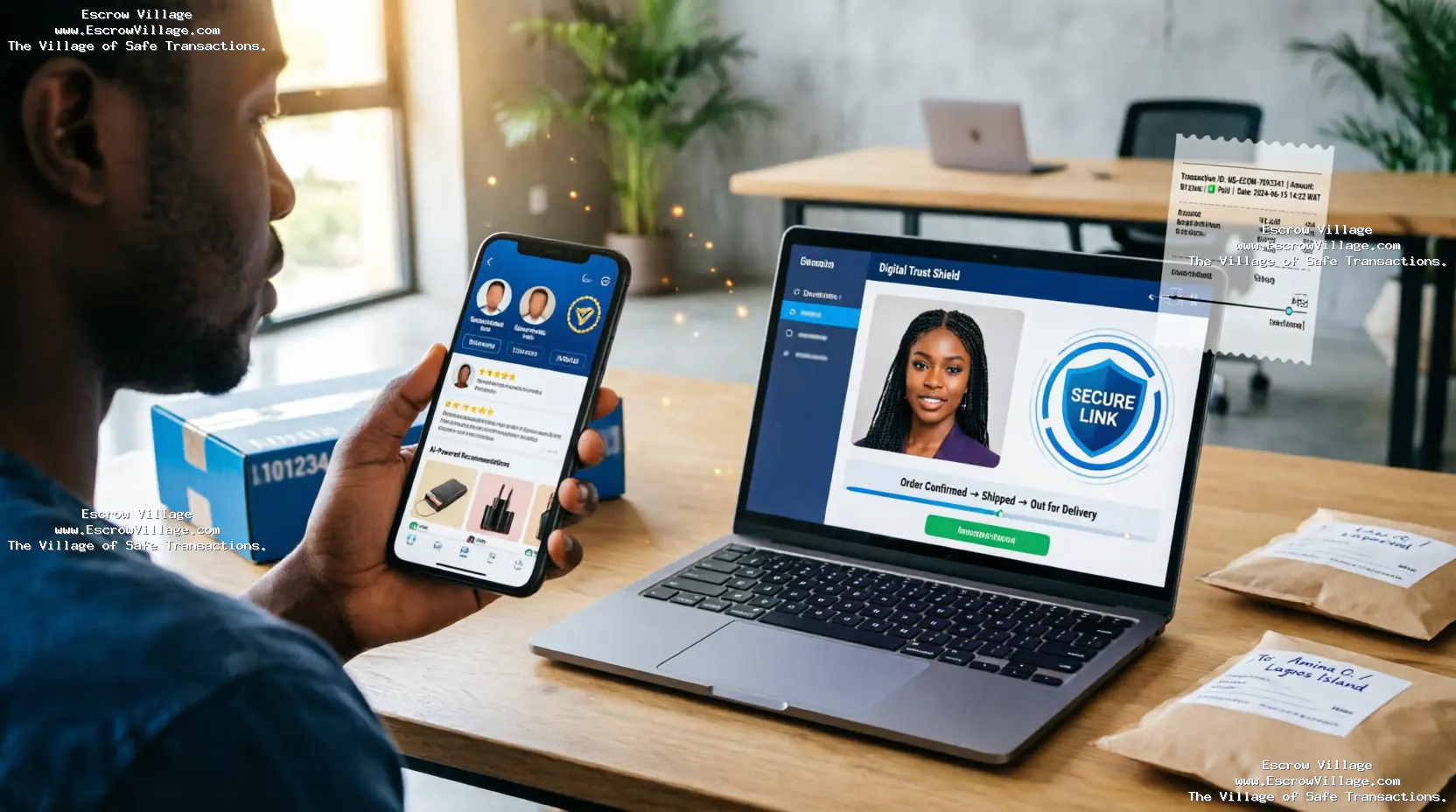
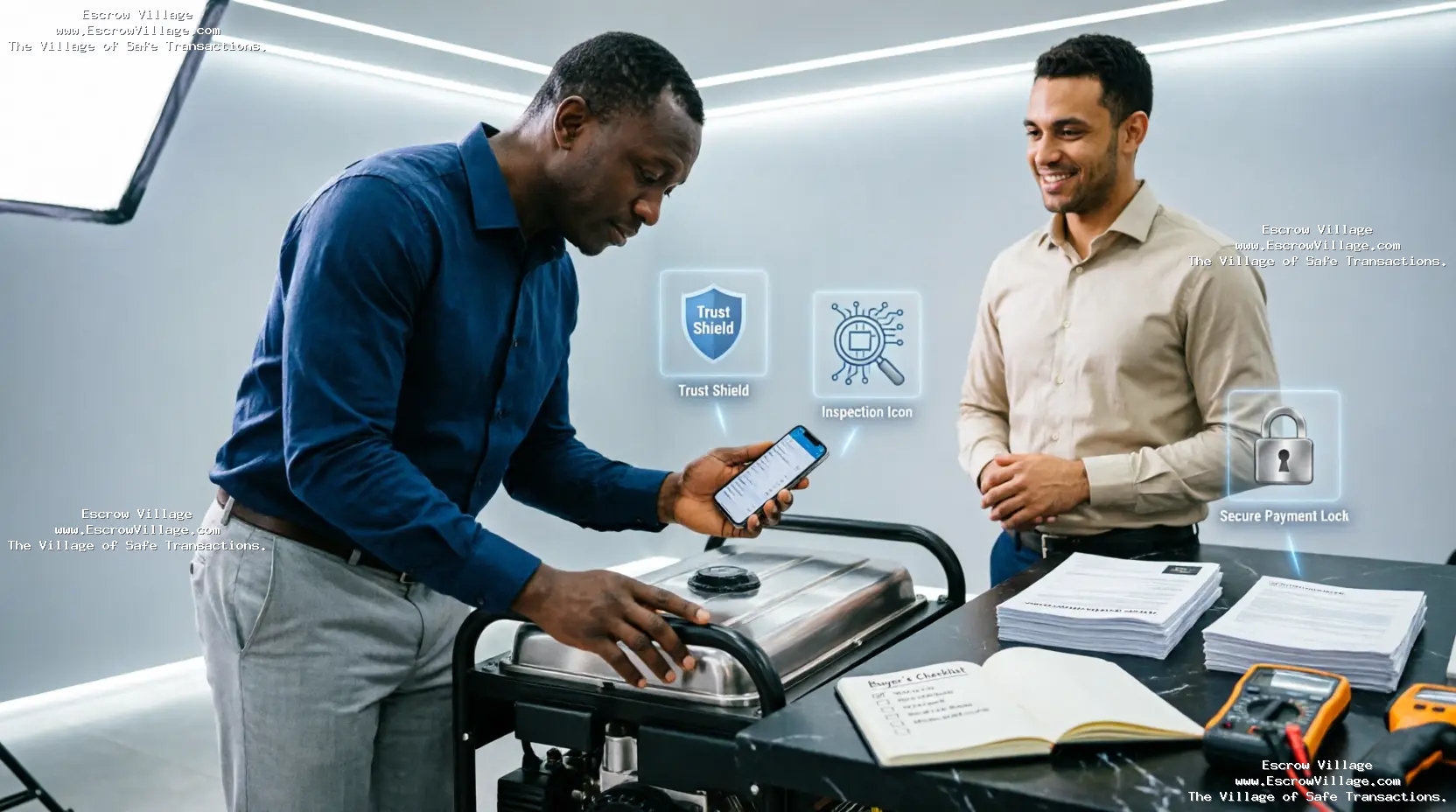
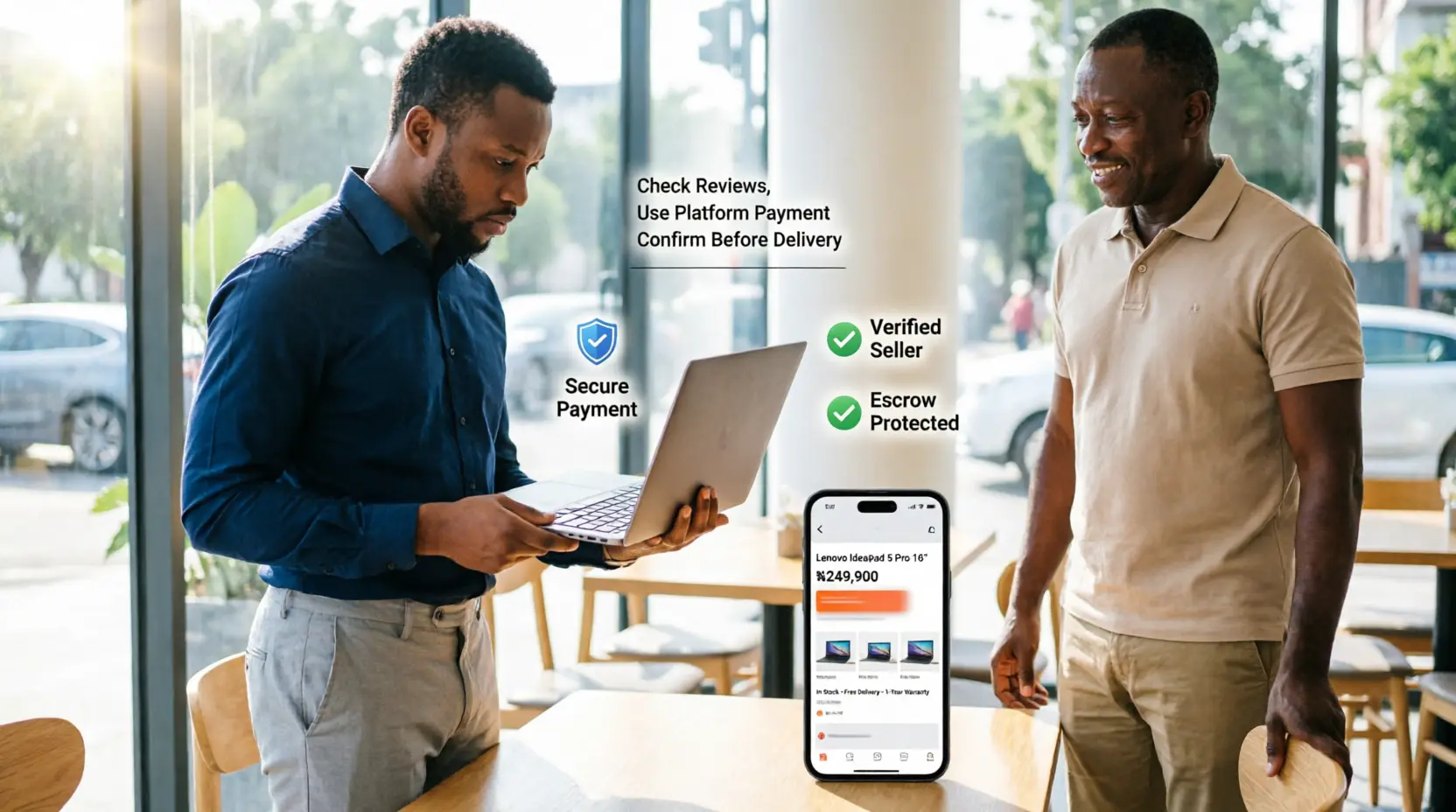
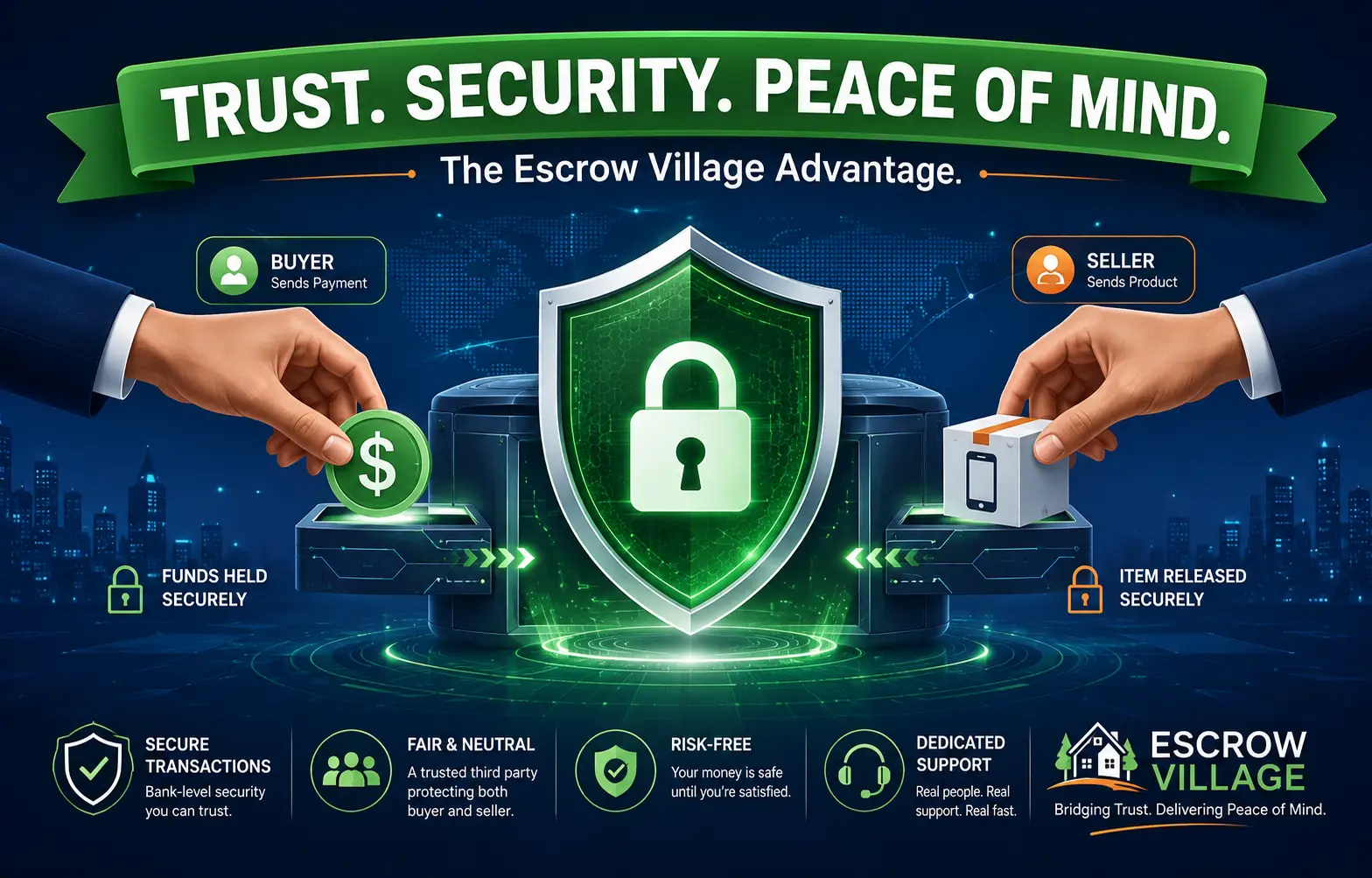
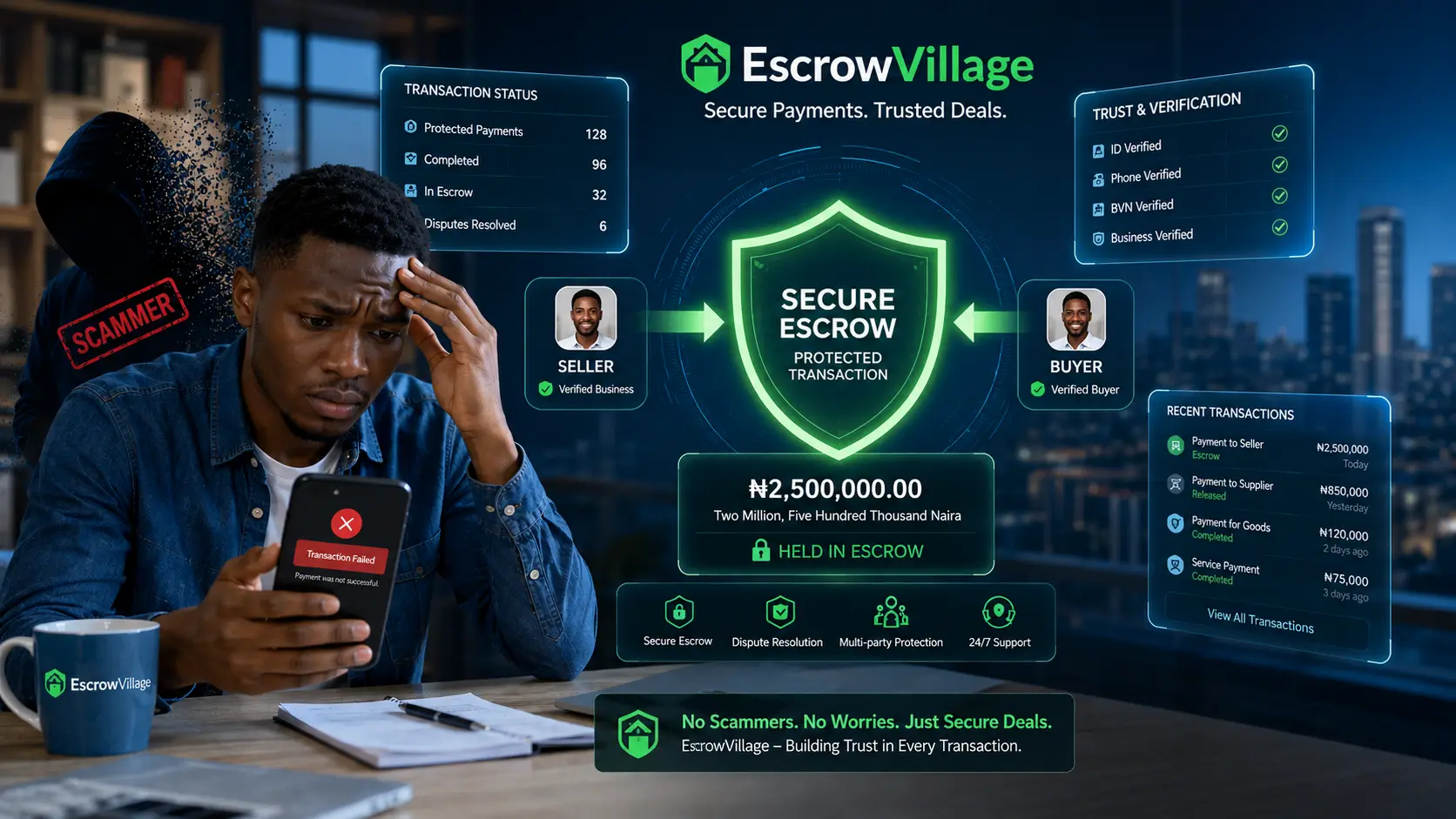
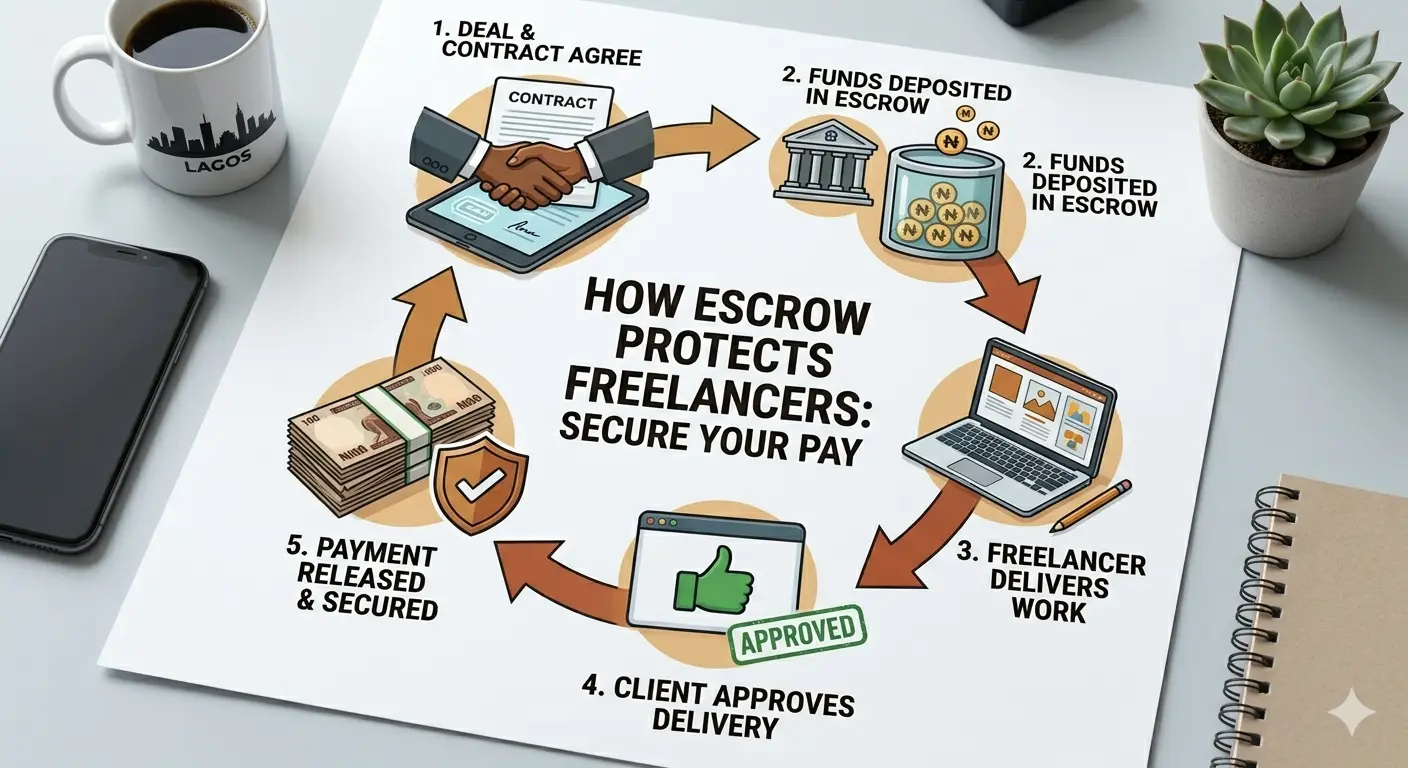
An escrow service can add an extra layer of protection by holding payment until the agreed conditions of a transaction are met.
For buyers and sellers using Escrow Village, the idea is simple: don't let pressure determine how you handle a transaction.
However, escrow should not replace basic research. You should still verify the seller, understand the terms of the transaction and make sure you know exactly what you are purchasing.
Limited-time offers work because they tap into normal human behaviour: our fear of missing out, attraction to bargains and tendency to act quickly when something appears scarce.
The problem is not urgency itself.The problem is urgency used to prevent you from thinking.So the next time you see “BUY NOW — OFFER ENDS IN 10 MINUTES,” don't let the countdown make the decision for you.
Pause. Verify. Compare. Ask questions.Because sometimes the best deal is the one you are willing to walk away from.
It's for that item you've wanted to buy for a while. Maybe you've saved it a few times, checked the price, and decided to wait because you couldn't quite afford it.
But this time, the price is different.
The seller is offering 50% off, today only.
You click on the ad to see what the deal is about. The page tells you there are only three items left, and a countdown timer is ticking away.
You hesitate for a moment. Something about the offer feels a little too good to be true. But then you think, “I've wanted this for a long time, and it's finally affordable. If I don't buy it now, I might miss the opportunity.”
So you decide to go for it.
That feeling of urgency is exactly what scammers try to create.
Limited-time offers can be legitimate. Businesses use flash sales, discounts and promotional deadlines all the time. But scammers can also use the same tactics to make you act quickly, before you have enough time to question the seller or investigate the deal.
And the reason these scams can be so convincing has a lot to do with psychology.
Understanding the psychology behind these tactics can help you recognize when an exciting deal is actually a trap.
- Why Limited-Time Offers Feel So Powerful
A scammer might say:“Offer ends tonight.”“Last chance to buy.”“Only two items remaining.”“Price goes up in 30 minutes.”“First 10 customers get the discount.”
These statements create pressure. Instead of asking, “Is this seller legitimate?”, you start thinking, “What if I miss this opportunity?”
That change in thinking is valuable to scammers because hesitation gives you time to investigate.
The Federal Trade Commission (FTC) similarly warns consumers about scammers who pressure people to act immediately, particularly when they claim a limited-time opportunity is available.
- 1. Scarcity Makes Things Seem More Valuable
Imagine two sellers offering the same product for ₦50,000.The first says:“Available whenever you need it.”The second says:“Only one left. Price returns to ₦80,000 at midnight.”
The second offer may suddenly feel more attractive, even though the product itself has not changed.
Scammers exploit this reaction by inventing scarcity. They may use fake stock counters, false deadlines or constantly changing prices to create the impression that you must act immediately.
The goal isn't necessarily to convince you that the product is amazing. It is to convince you that you don't have enough time to investigate it.
- 2. FOMO Can Override Good Judgment
You might normally check a seller's reviews, verify their social media account or compare prices with other vendors.
But when someone tells you that the offer disappears in ten minutes, those steps can suddenly feel like a waste of time.
This is especially dangerous with social media shopping, where a convincing advertisement can lead directly to a seller's WhatsApp account, website or payment details.
The FTC recommends checking the seller, comparing prices, reading the terms of the deal and keeping records of online purchases before completing a transaction.
- 3. Huge Discounts Trigger the Desire for a Bargain
The problem is that the original price might be fake.A scammer could advertise an inflated “original price” simply to make the discount look bigger than it really is.That's why a large discount should make you investigate more, not less.
Before paying, search for the same product elsewhere. Compare prices and check whether the seller has a genuine business presence.
- 4. Countdown Timers Create Artificial Pressure
Seeing the numbers drop from 30 minutes to 29 minutes can make the situation feel real.But a countdown timer proves nothing about the legitimacy of a seller.
Some fraudulent websites can simply reset the timer after it reaches zero.The same applies to messages such as “last chance” or “final sale.”If the seller keeps offering the same “final” deal every day, the deadline was probably never genuine.
- 5. Scammers Don't Want You to Slow Down
Urgency reduces investigation.A trustworthy seller should be able to answer reasonable questions about the product, payment, delivery, returns and refunds.
A scammer, however, may become aggressive when you hesitate.They might tell you:“If you don't pay now, someone else will take it.”Or:“I can't hold it for you.”Or:“The offer expires in five minutes.”
These statements are designed to make you feel that asking questions could cost you the deal.
But losing a questionable deal is better than losing your money.
- How to Protect Yourself From Limited-Time Offer Scams
● Never let the seller's deadline become your deadline for making a financial decision.Before paying:Research the seller. Search the business name alongside words such as “scam,” “complaint” or “review.”
● Compare the price. Check whether the supposed discount is actually a discount.
● Read the terms. Look at delivery, refund and return policies.
● Check the seller's identity. Don't rely only on social media followers or reviews.
● Keep transaction records. Save screenshots, receipts and conversations.
● Use safer payment methods. Be particularly cautious when a seller insists on payment methods that make recovering your money difficult.
● Slow down when someone creates extreme urgency.
- How Escrow Can Help Reduce Transaction Risk
An escrow service can add an extra layer of protection by holding payment until the agreed conditions of a transaction are met.
For buyers and sellers using Escrow Village, the idea is simple: don't let pressure determine how you handle a transaction.
However, escrow should not replace basic research. You should still verify the seller, understand the terms of the transaction and make sure you know exactly what you are purchasing.
Limited-time offers work because they tap into normal human behaviour: our fear of missing out, attraction to bargains and tendency to act quickly when something appears scarce.
The problem is not urgency itself.The problem is urgency used to prevent you from thinking.So the next time you see “BUY NOW — OFFER ENDS IN 10 MINUTES,” don't let the countdown make the decision for you.
Pause. Verify. Compare. Ask questions.Because sometimes the best deal is the one you are willing to walk away from.