The Most Common Cybersecurity Threats Facing Nigerian SMEs
Running a small or medium-sized business in Nigeria increasingly means doing business online.
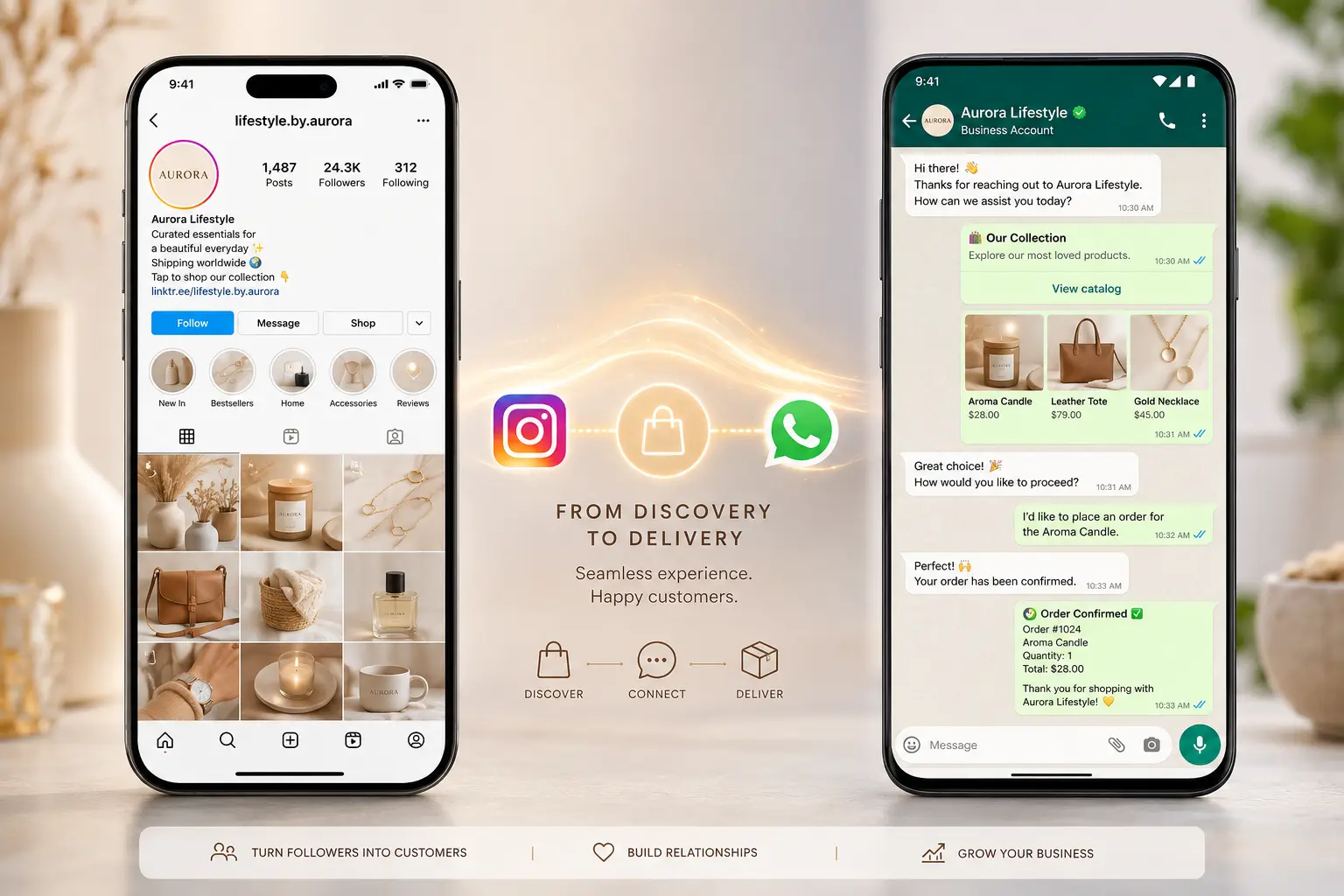
From receiving orders on WhatsApp to accepting payments, communicating with customers, and working with vendors, SMEs depend heavily on digital platforms.
But convenience comes with risks.
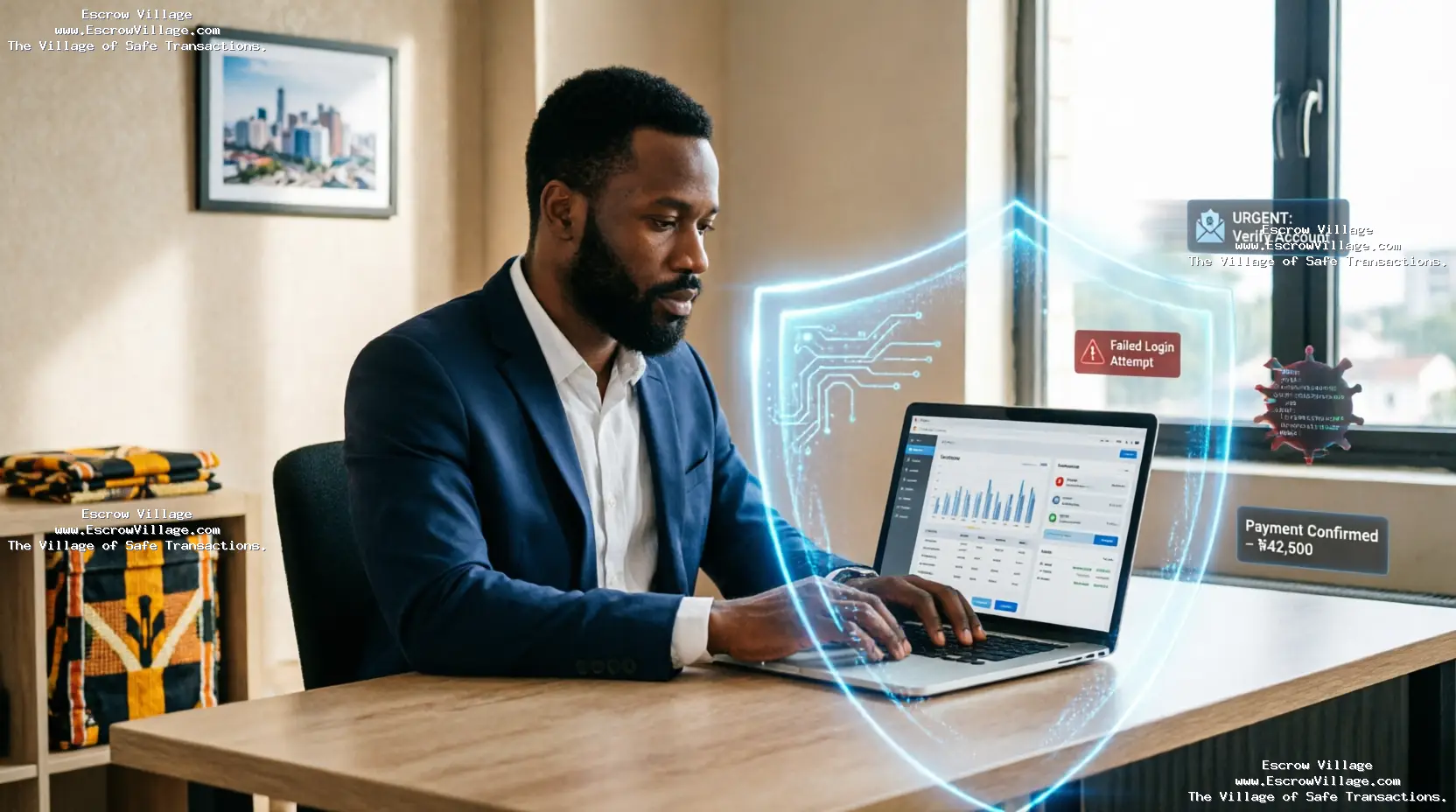
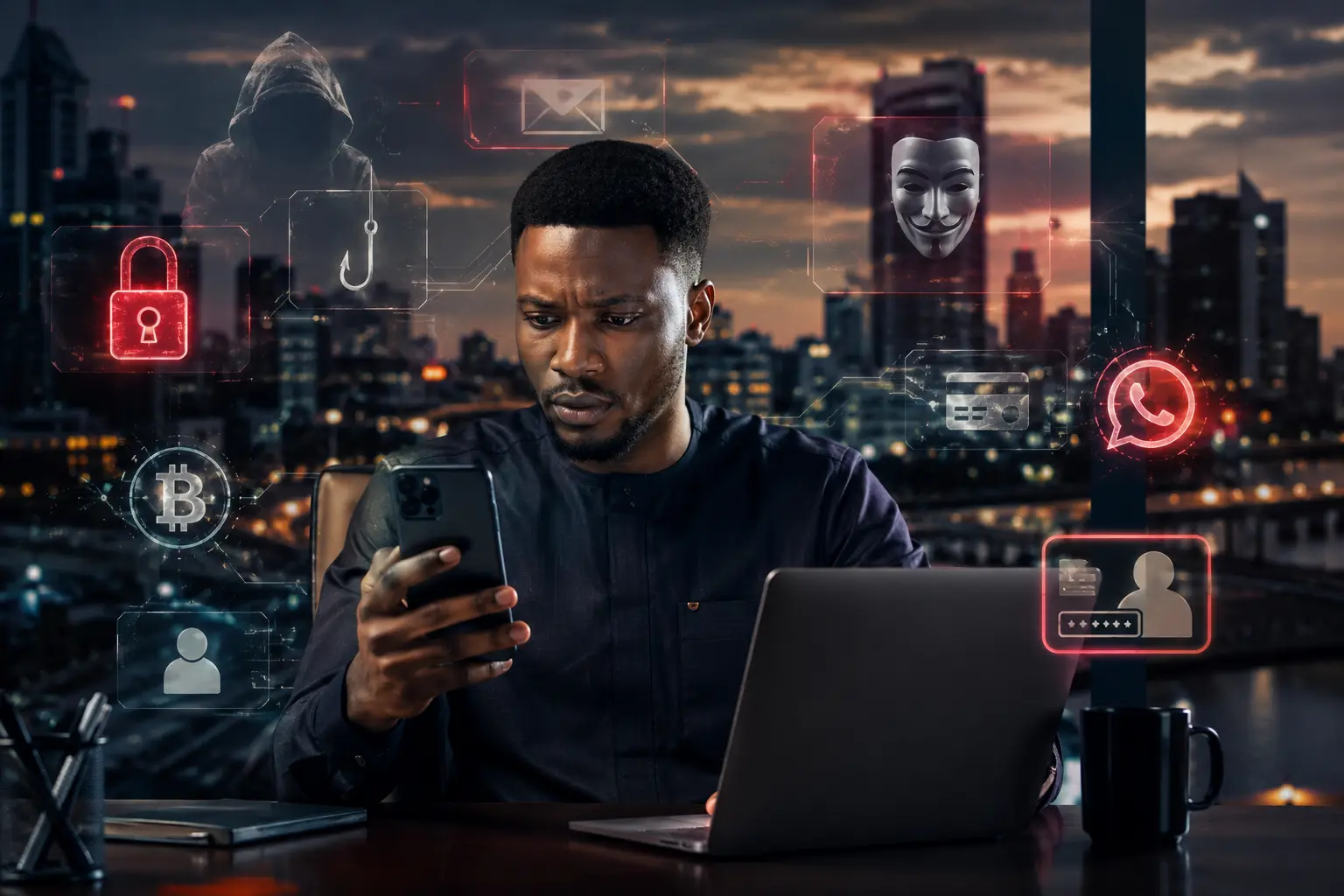
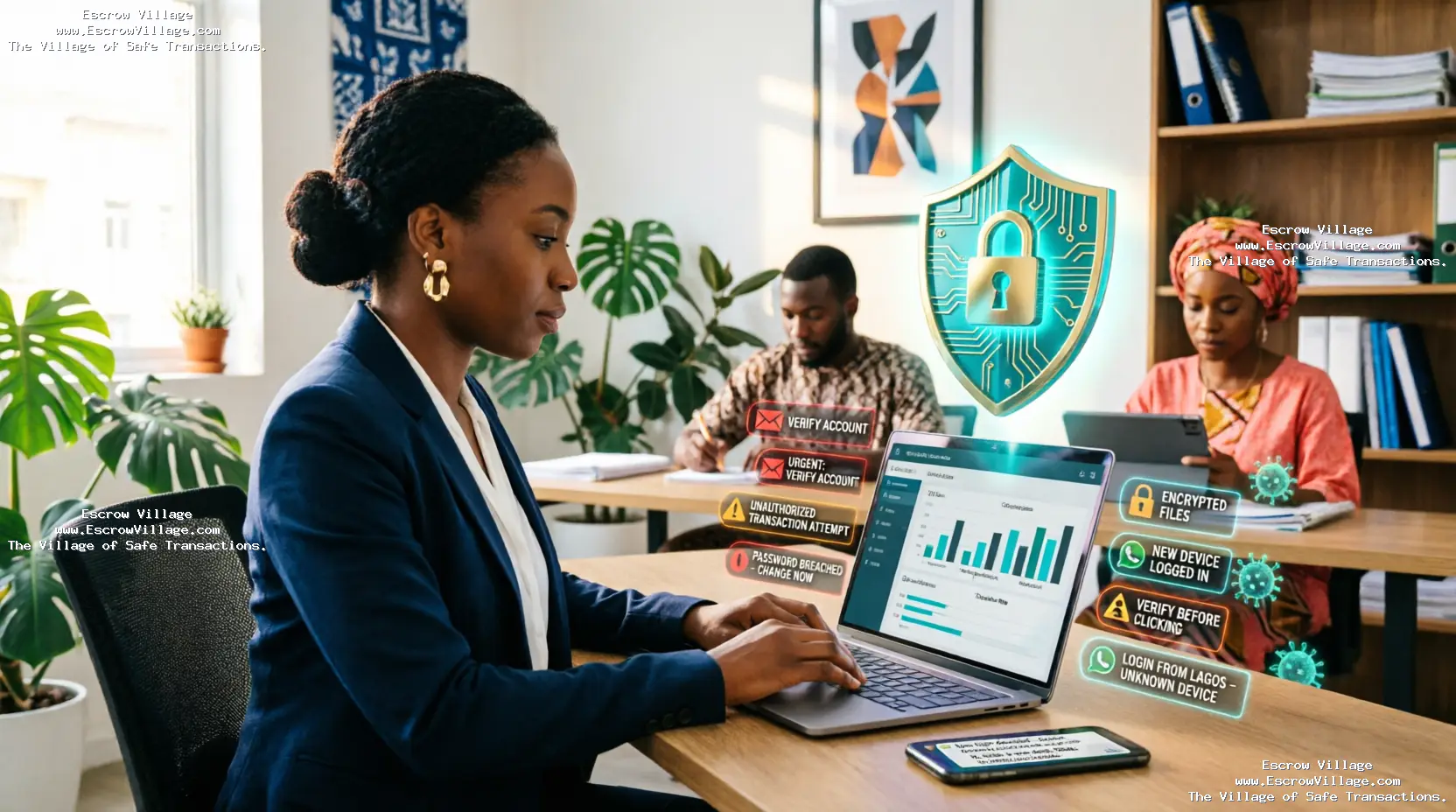
Cybersecurity threats facing Nigerian SMEs can lead to stolen money, compromised accounts, fake transactions, and loss of customer trust.
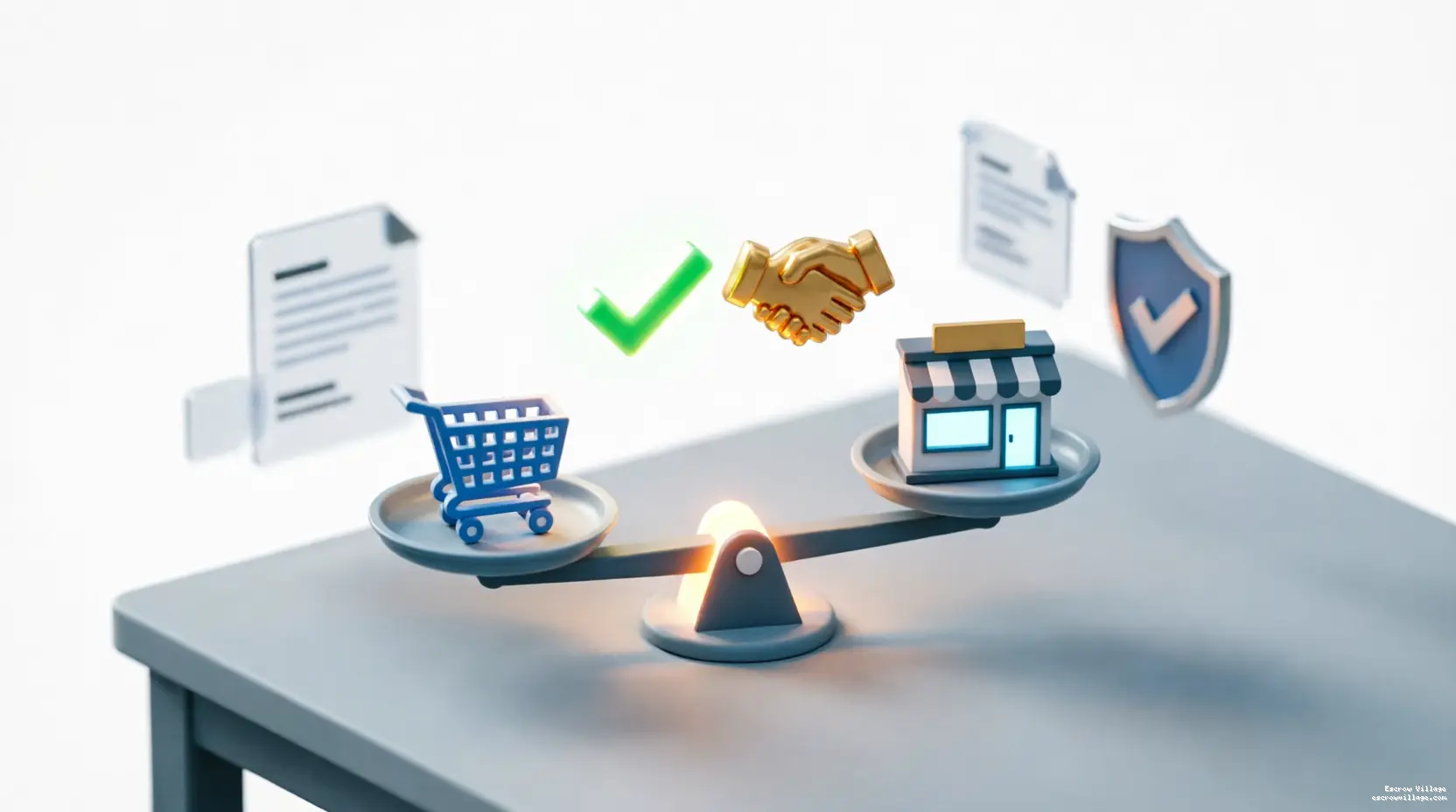
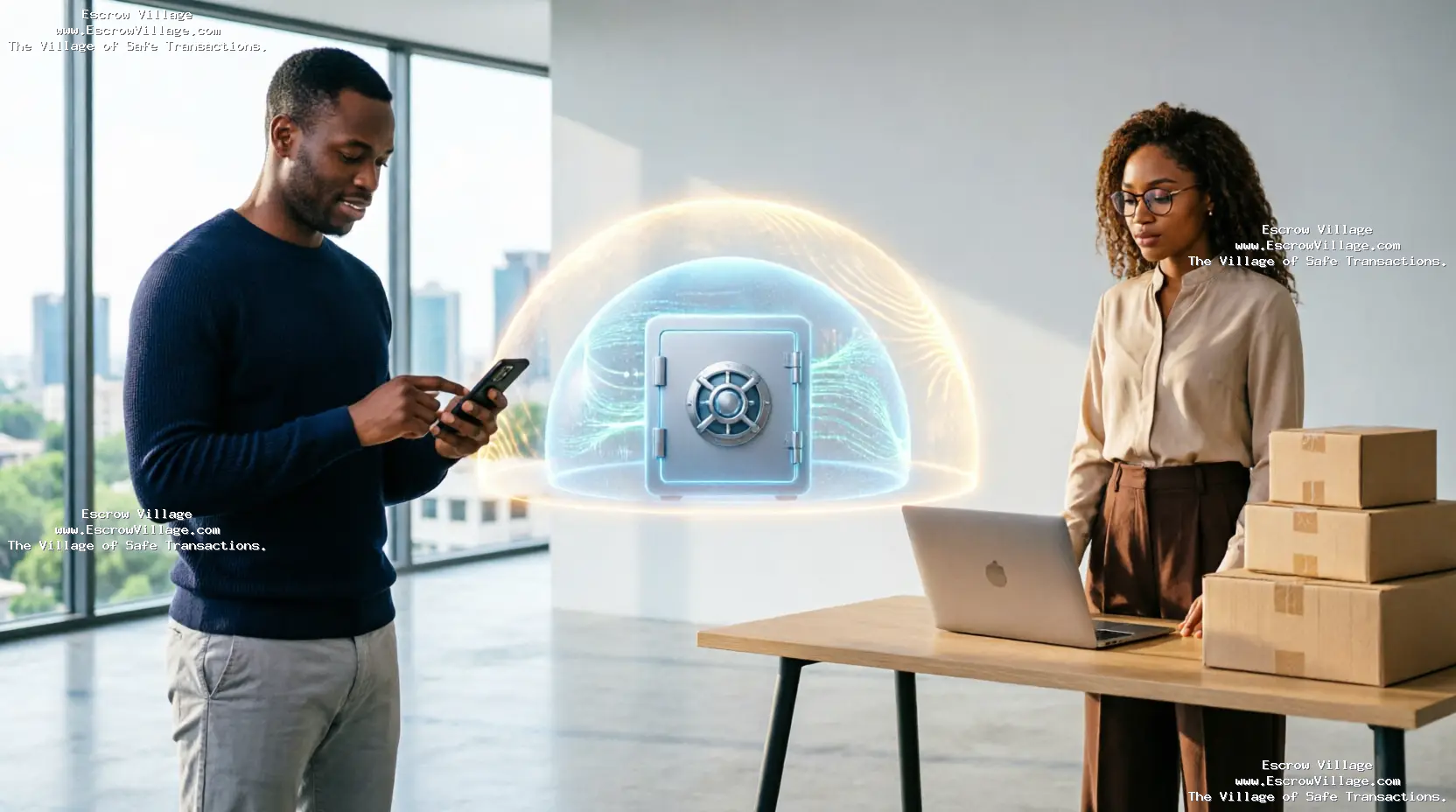
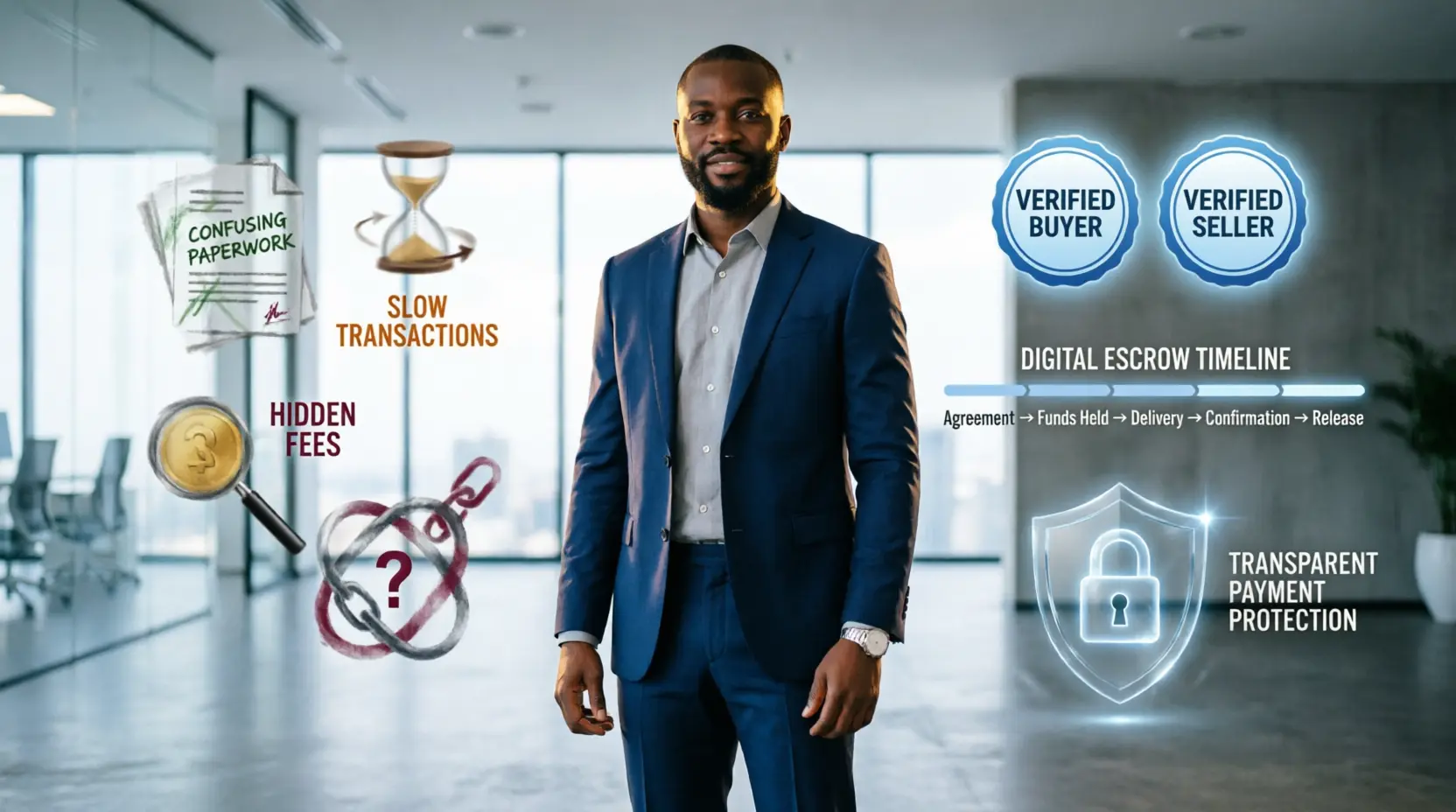
While businesses should protect their devices and accounts, they also need to think about how they protect the money moving through their online transactions.
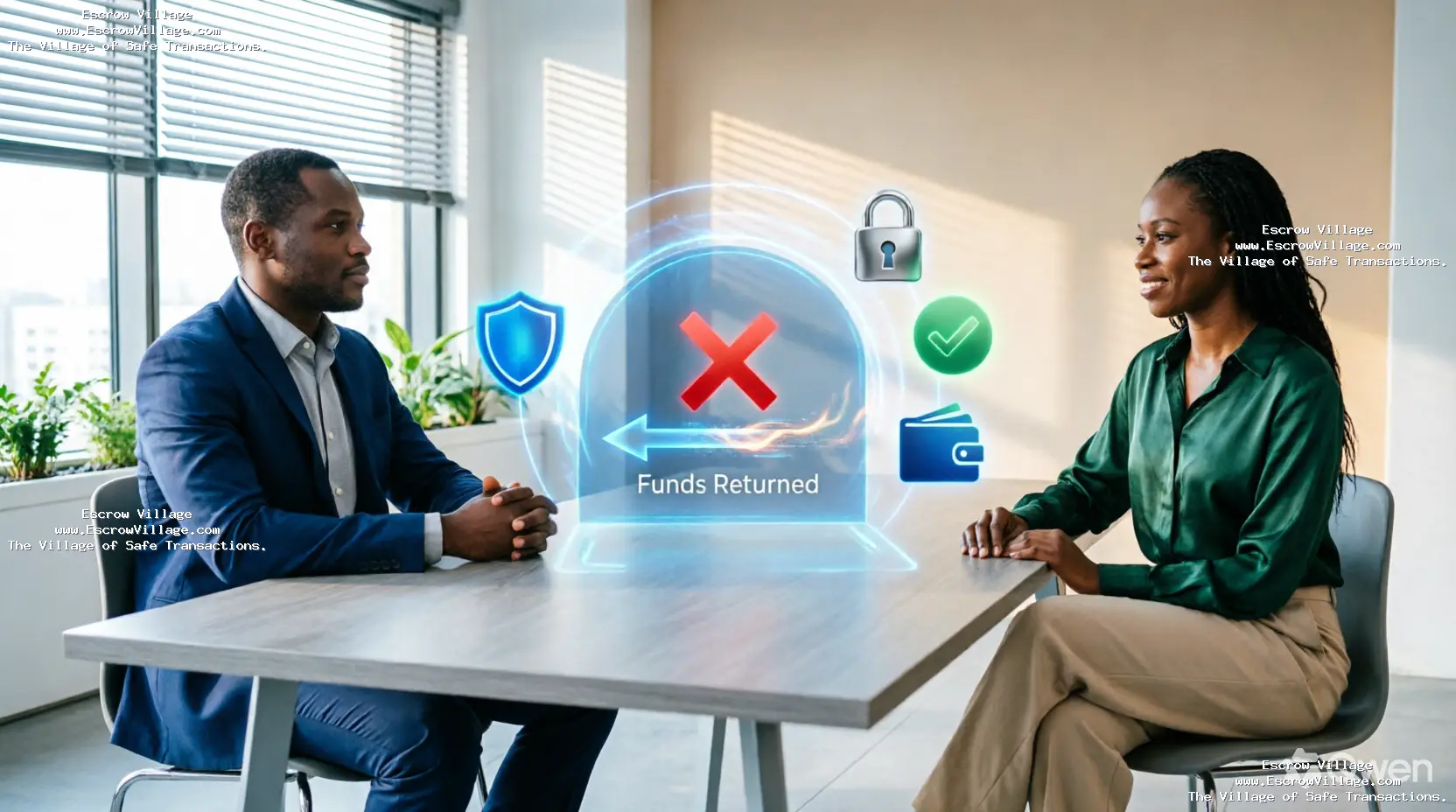
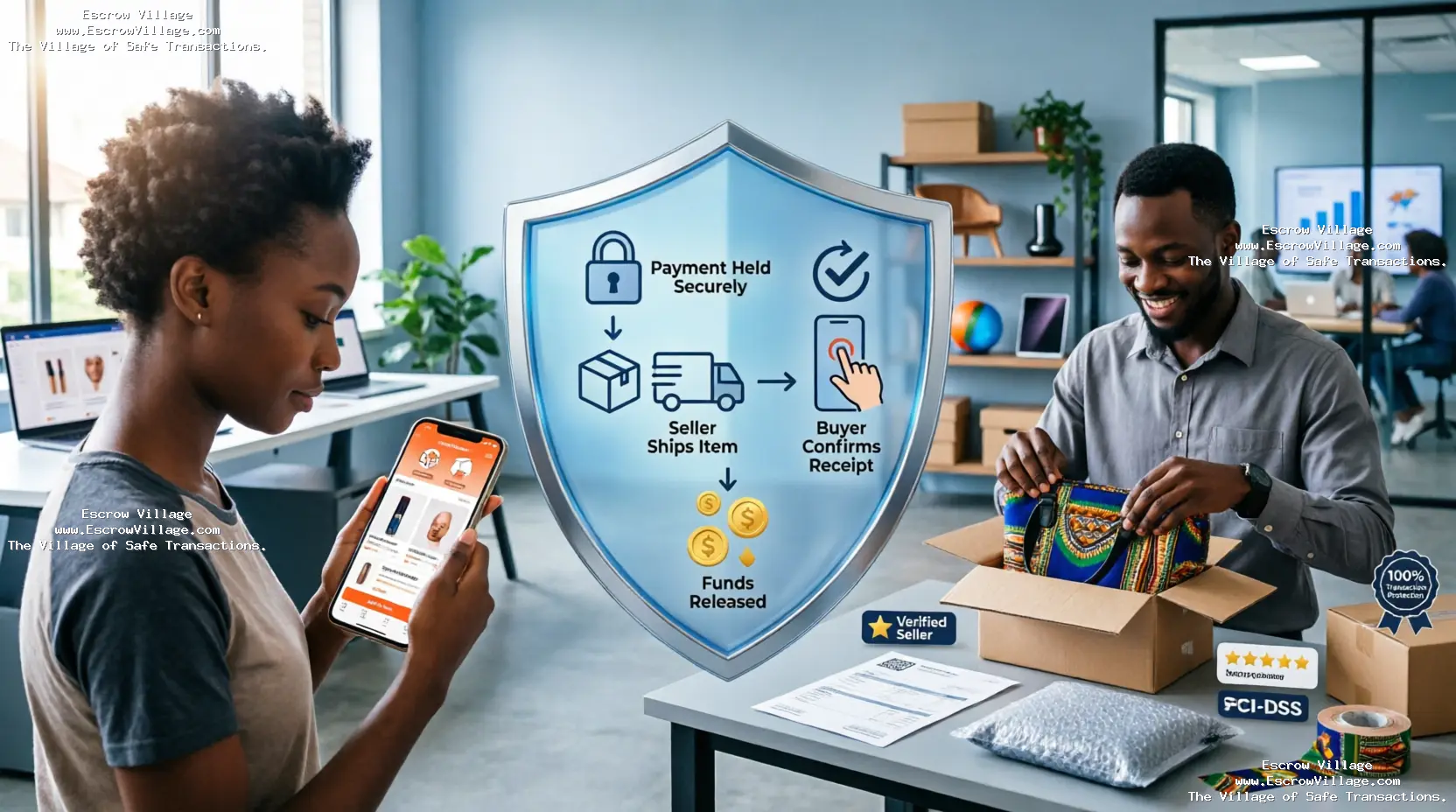
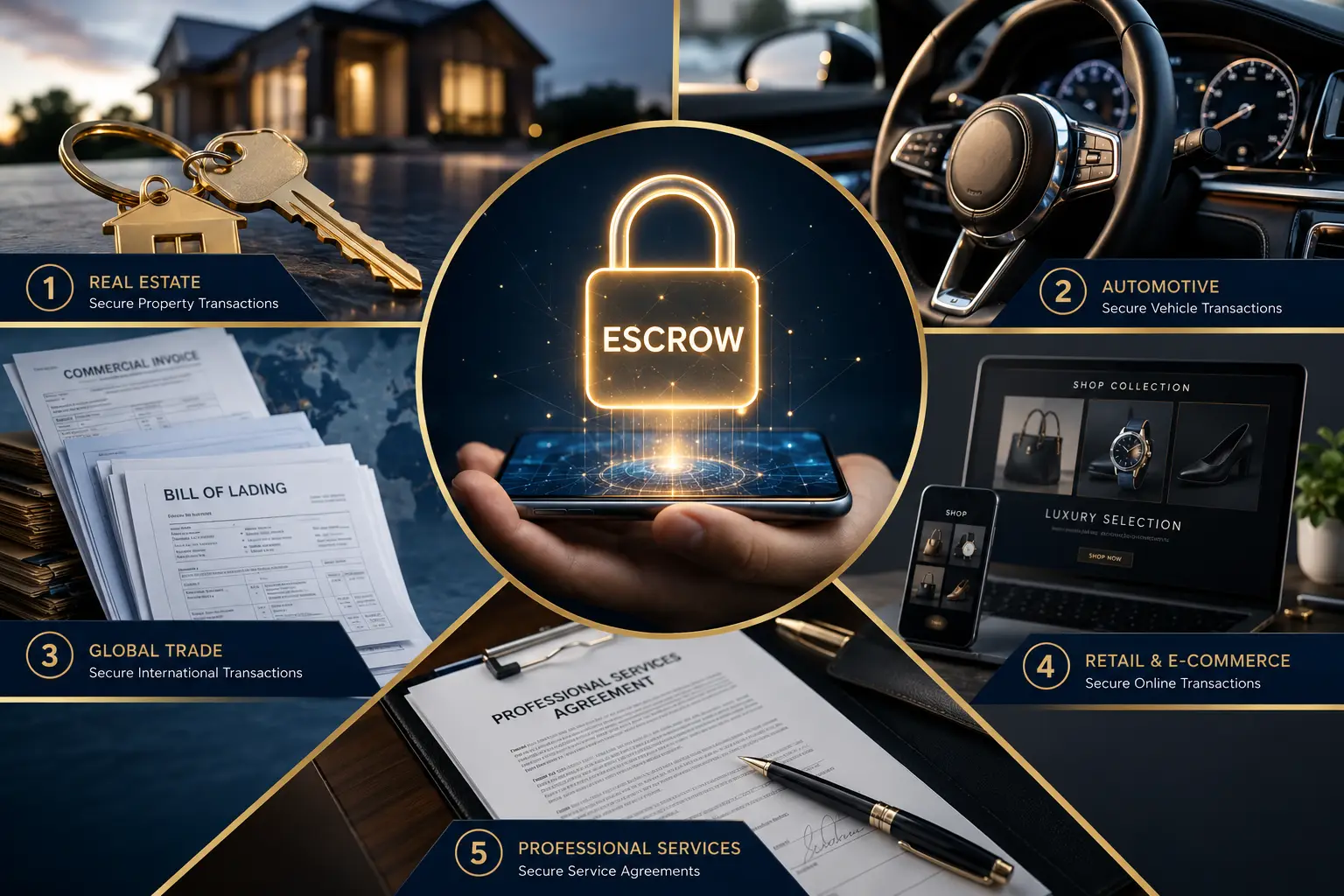
This is where secure payment methods and escrow can provide an additional layer of protection.
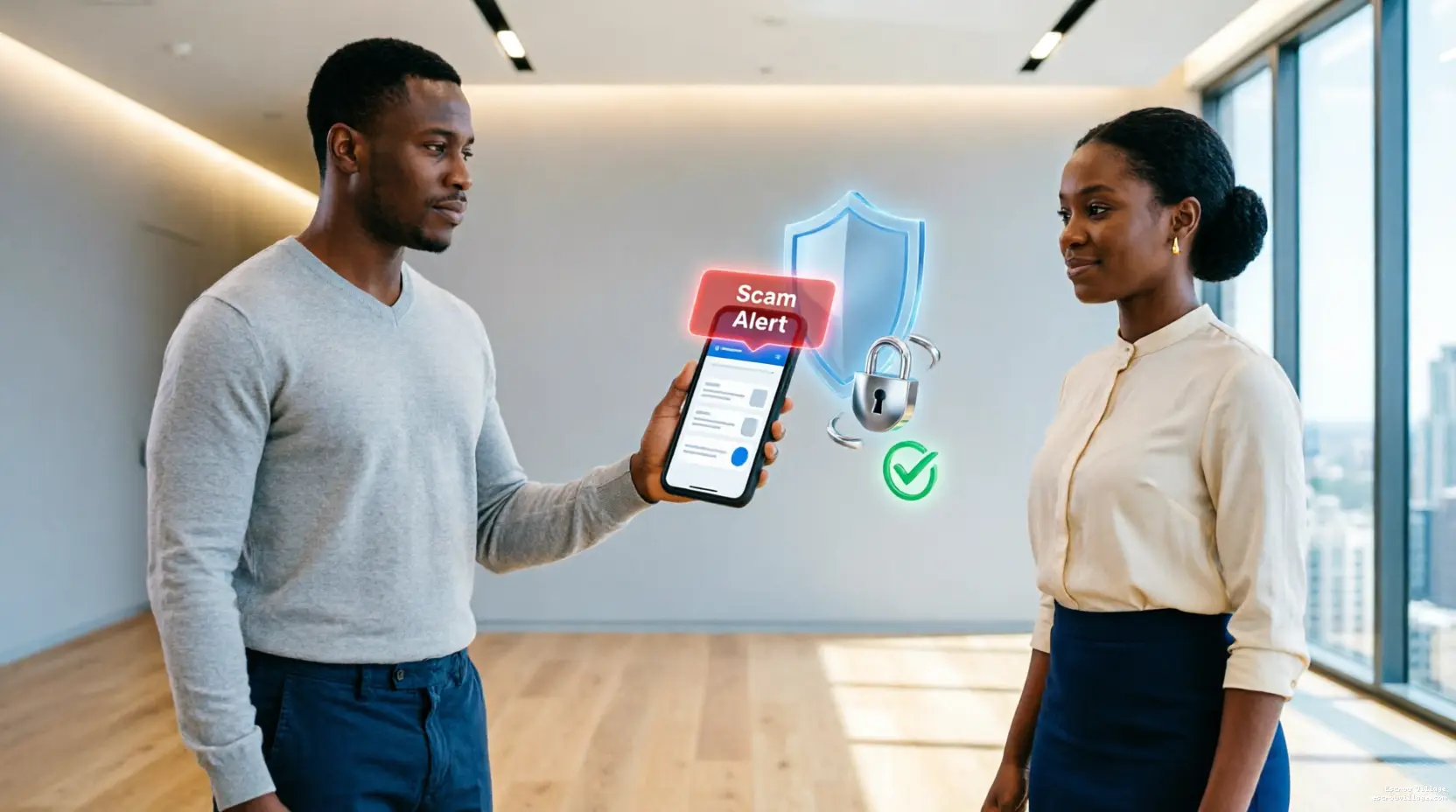
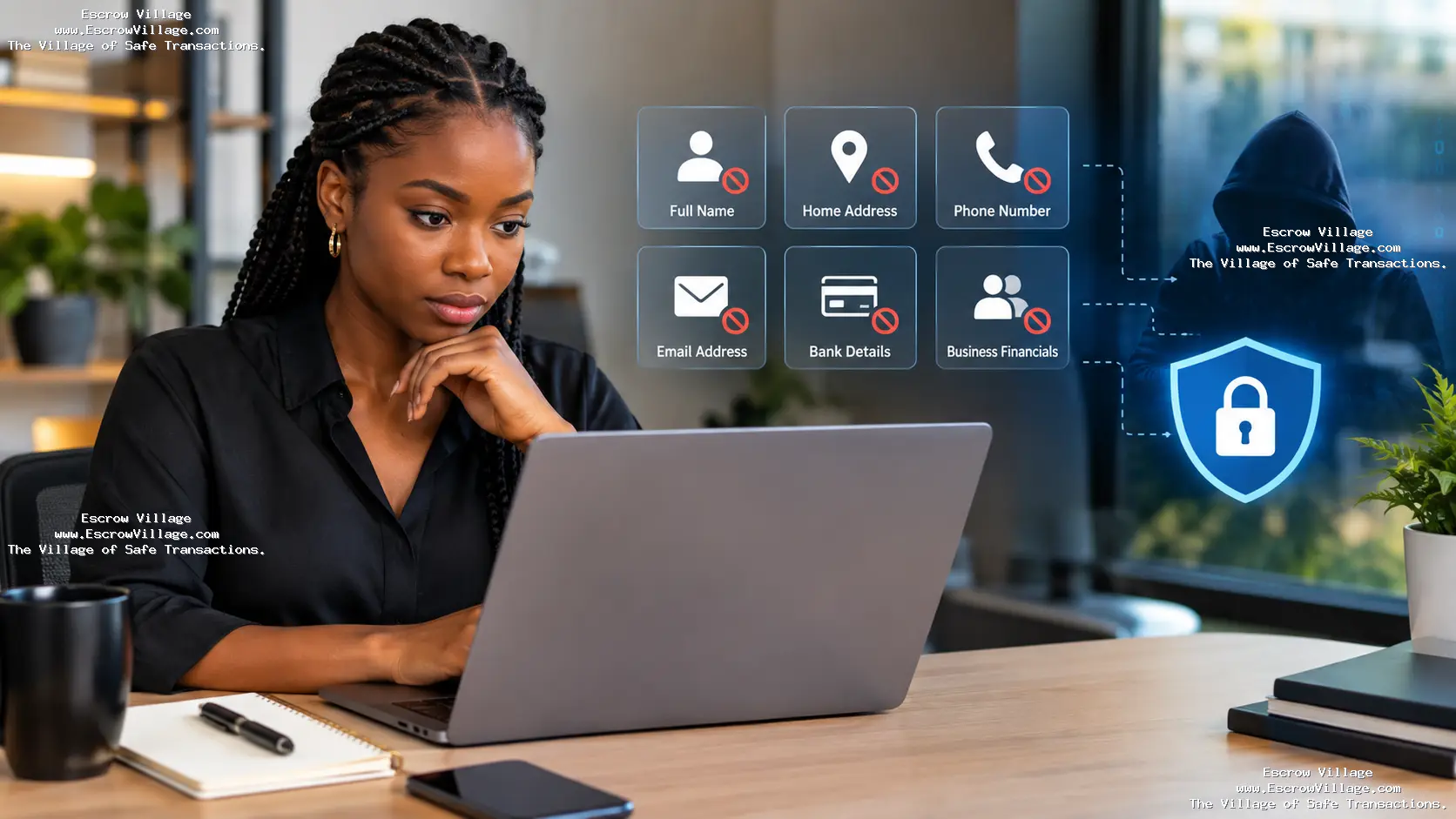
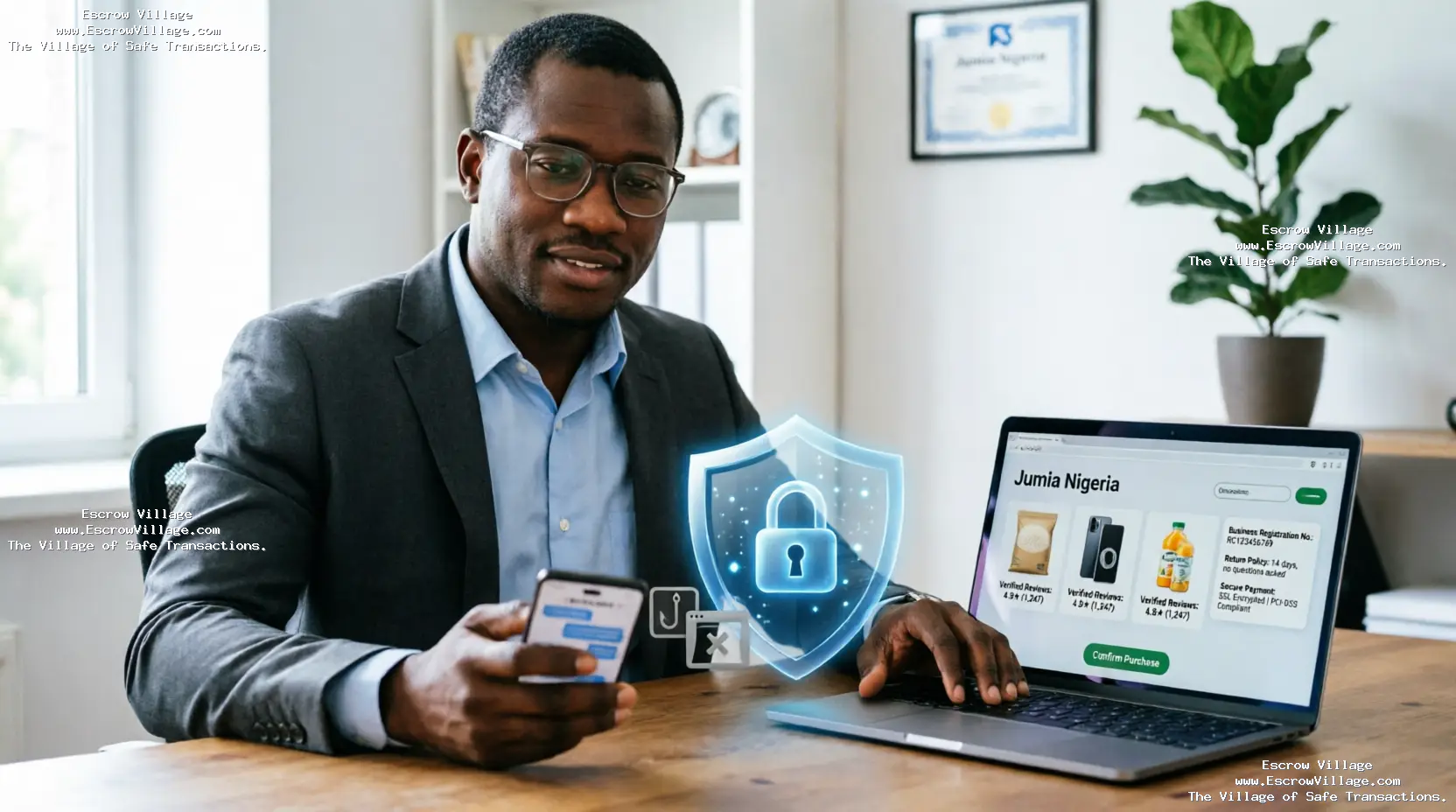
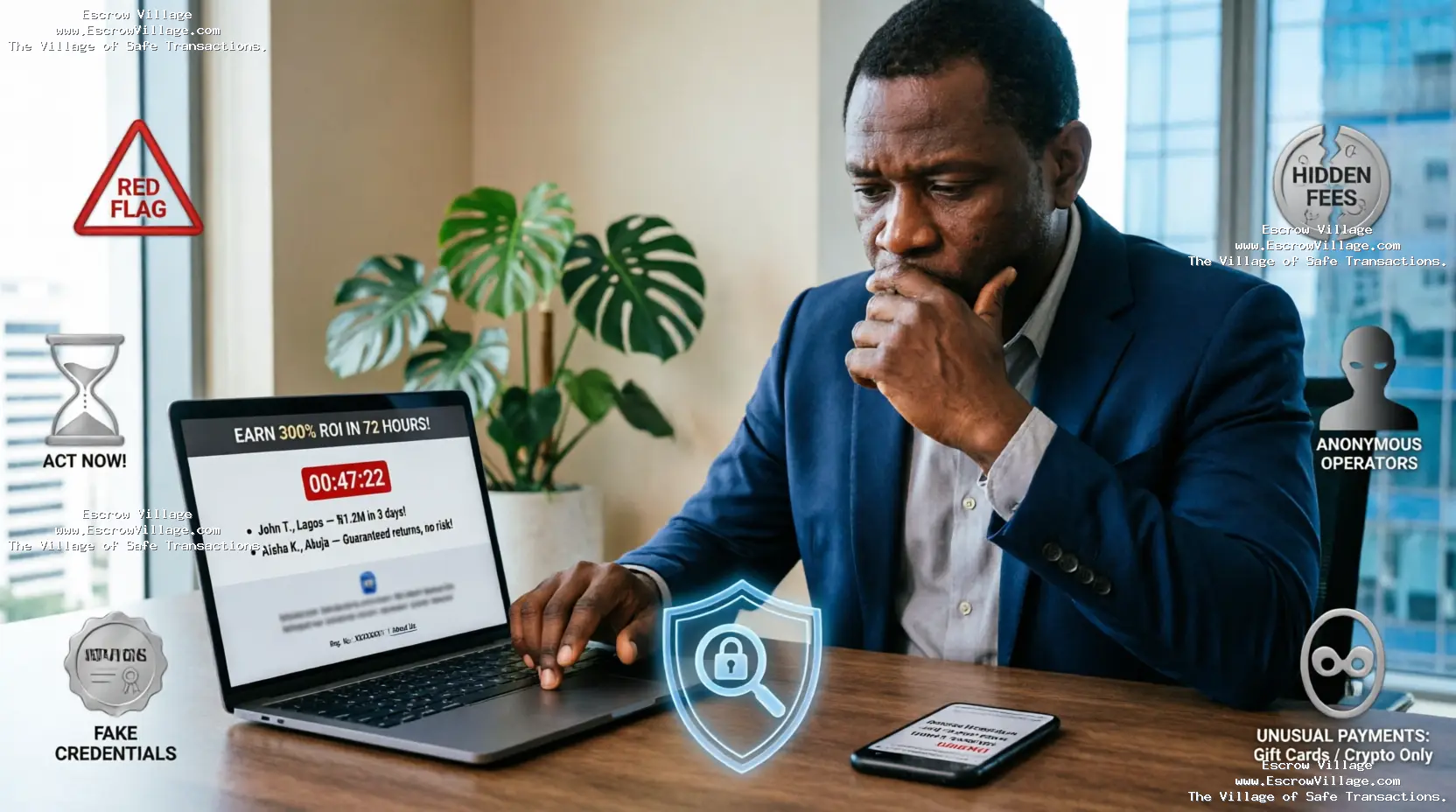
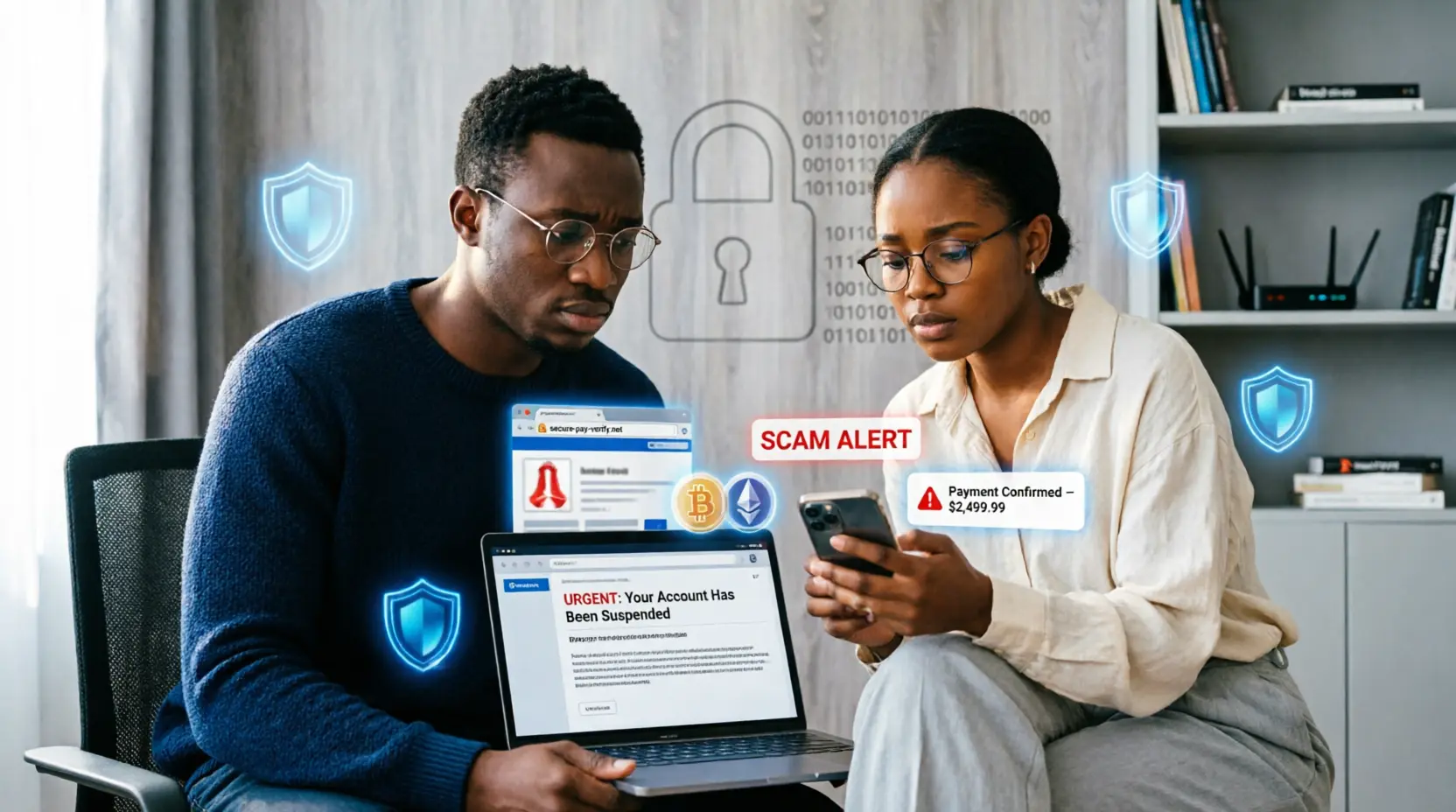
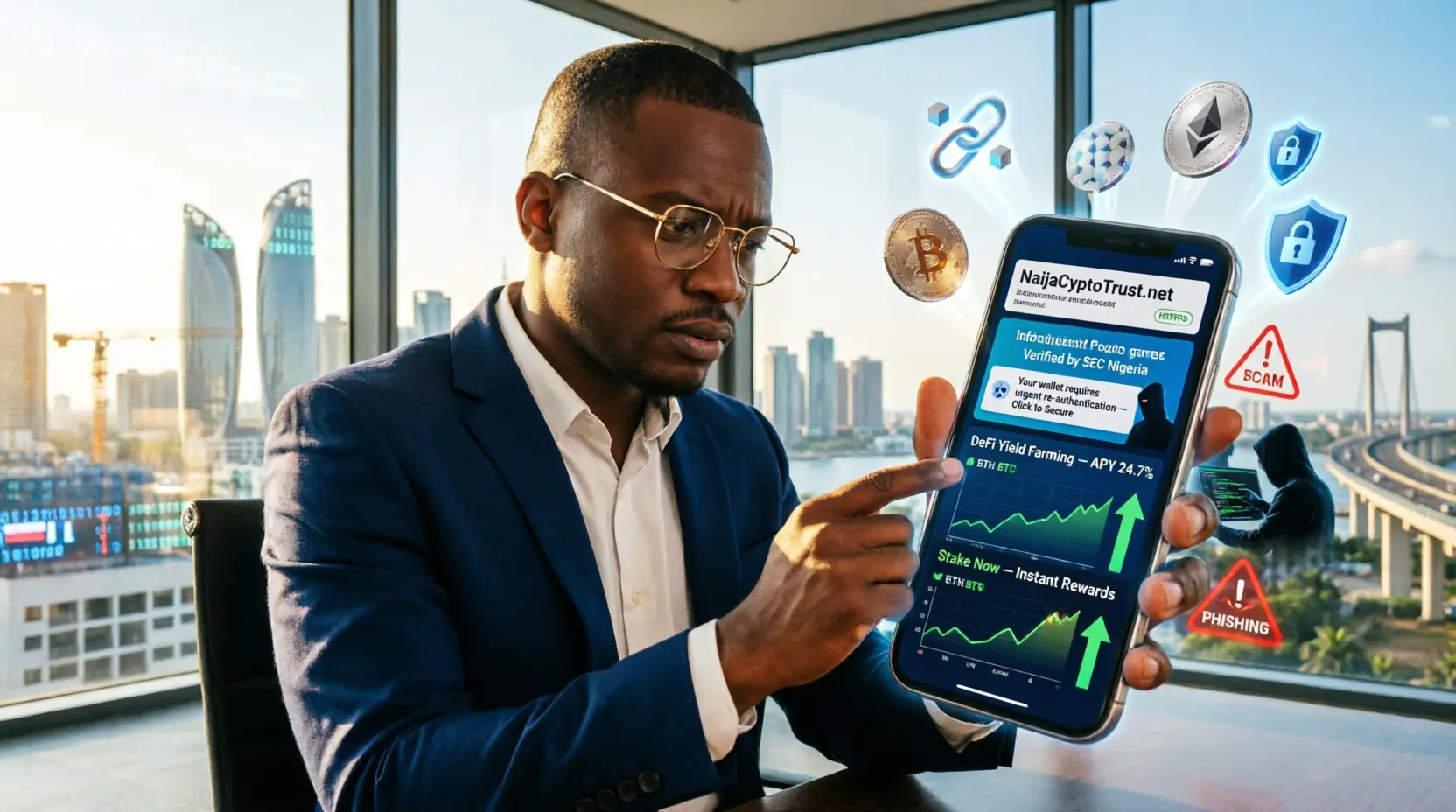
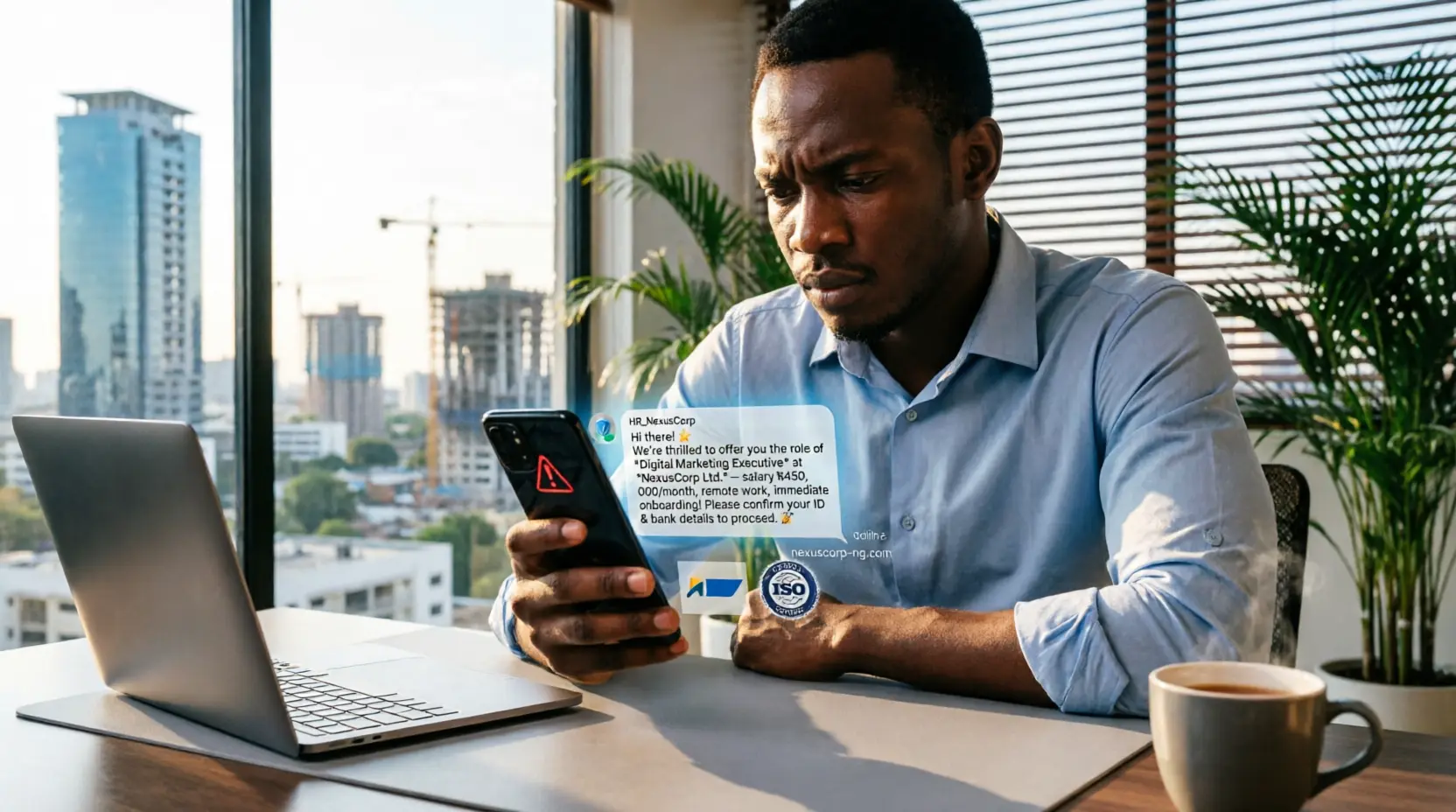
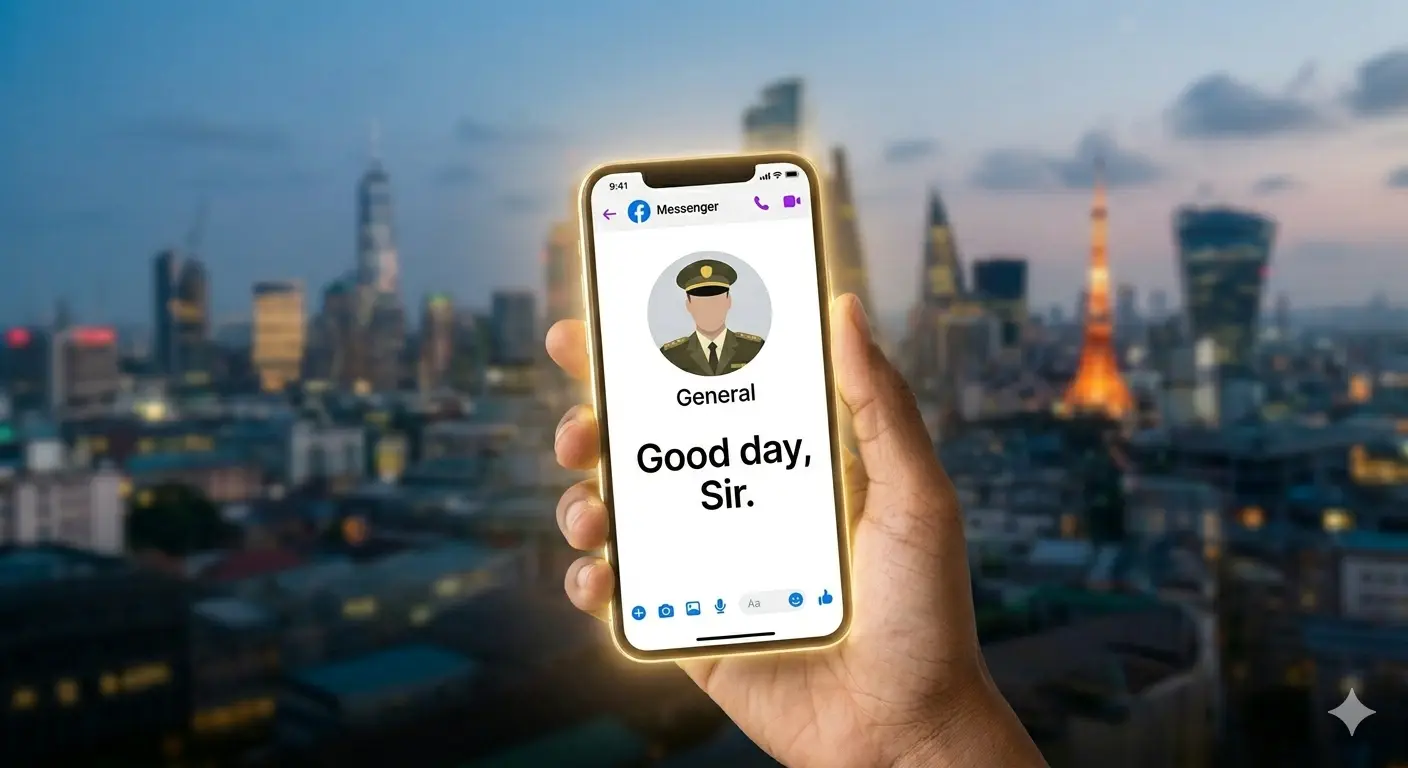
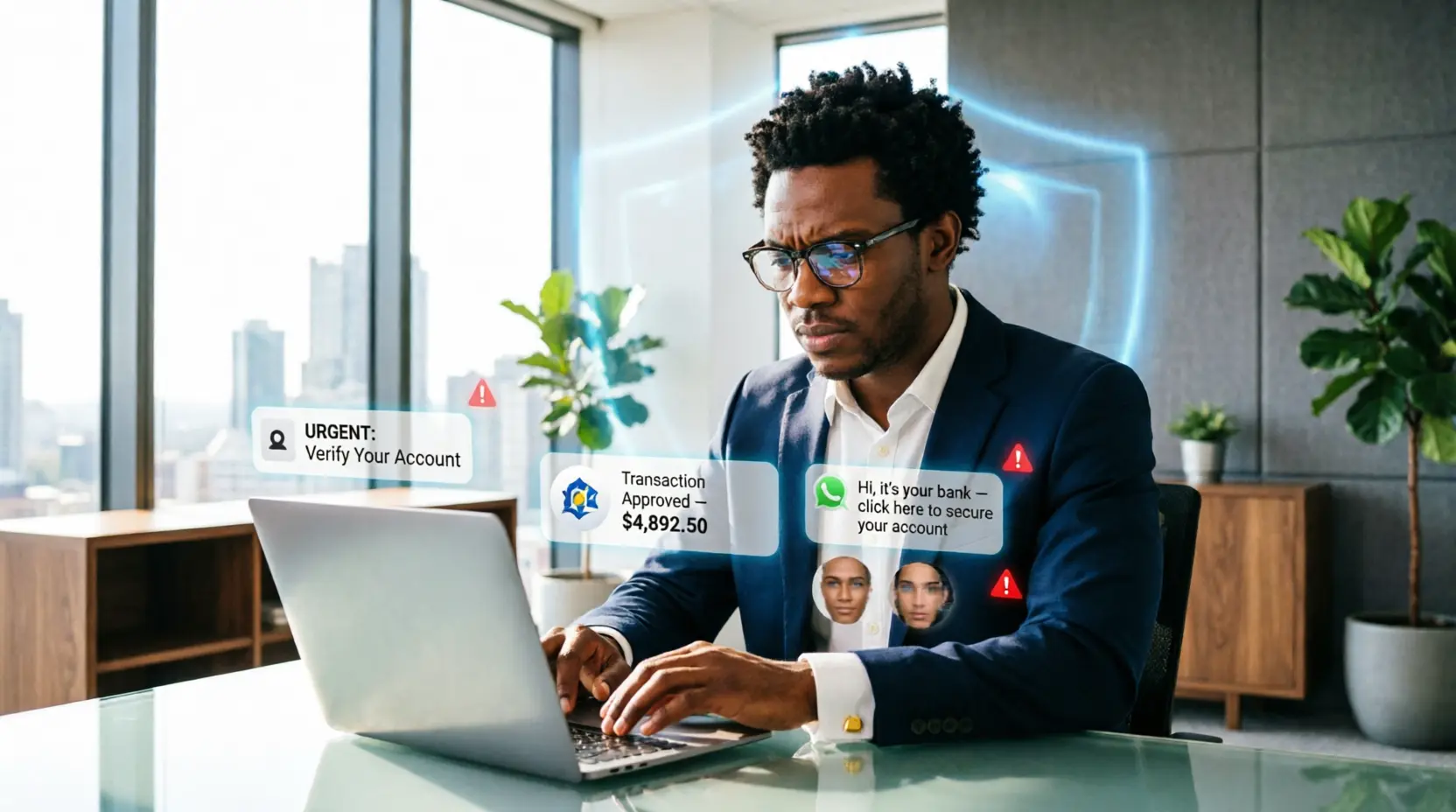
A scammer may send an email, WhatsApp message, or social media message pretending to be a bank, customer, supplier, or another trusted organisation.
The goal is usually to convince the recipient to reveal passwords, payment information, verification codes, or other sensitive details.
For an SME, one compromised account can become a much bigger problem if criminals use it to access business information or deceive customers.
Businesses should train employees to verify suspicious messages and avoid clicking unknown links.
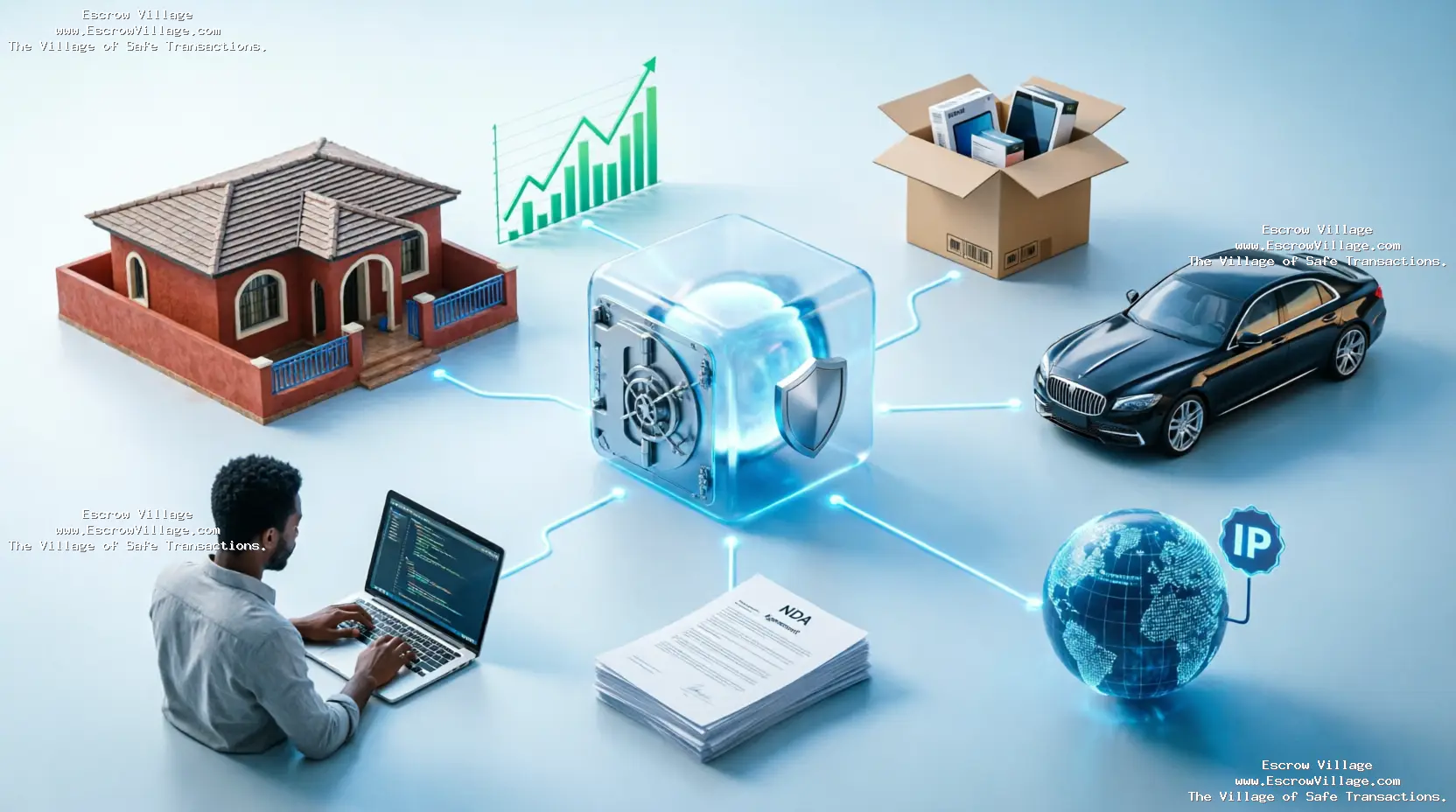
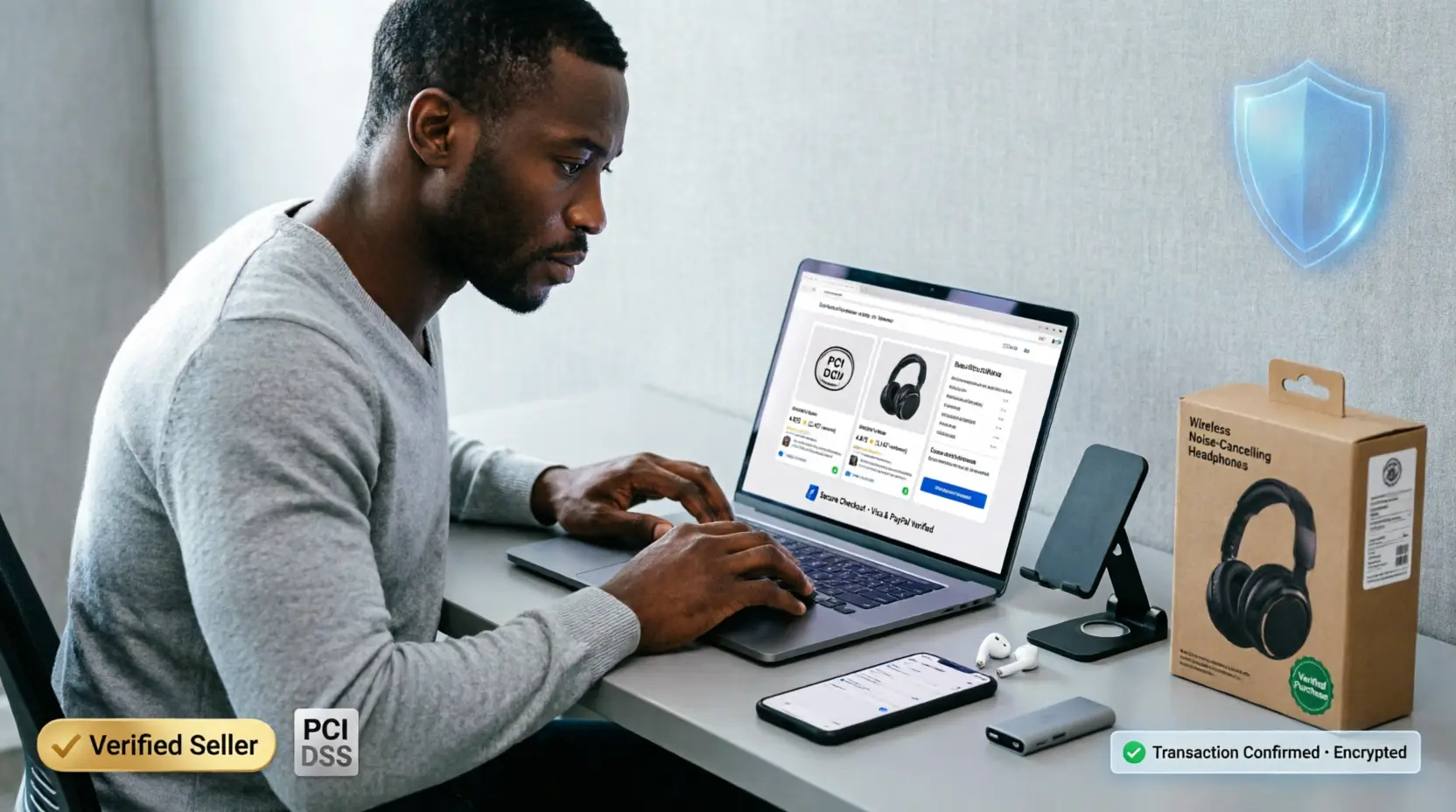
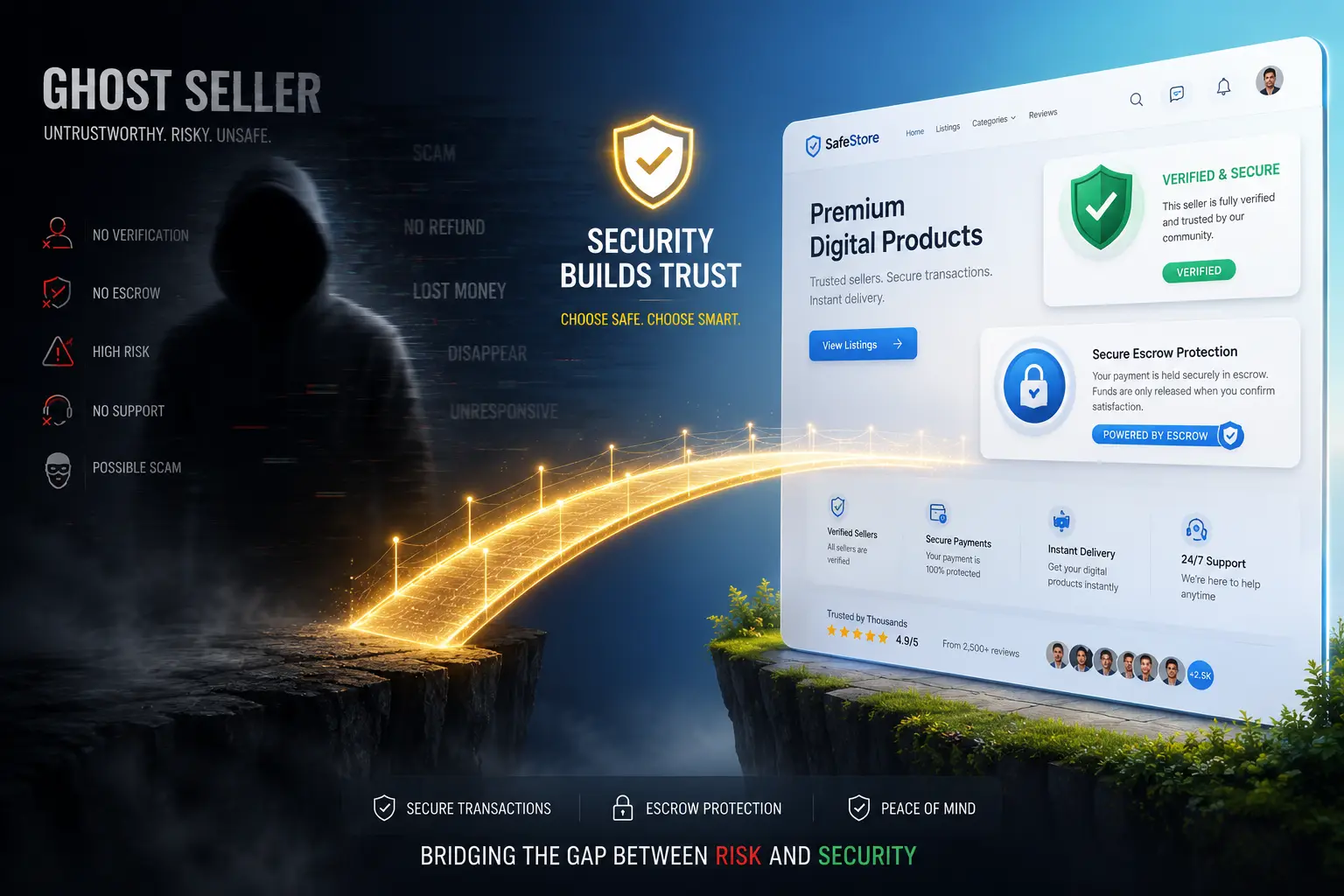
When it comes to payments, using a trusted escrow service can also reduce the need to send money directly to unfamiliar parties.
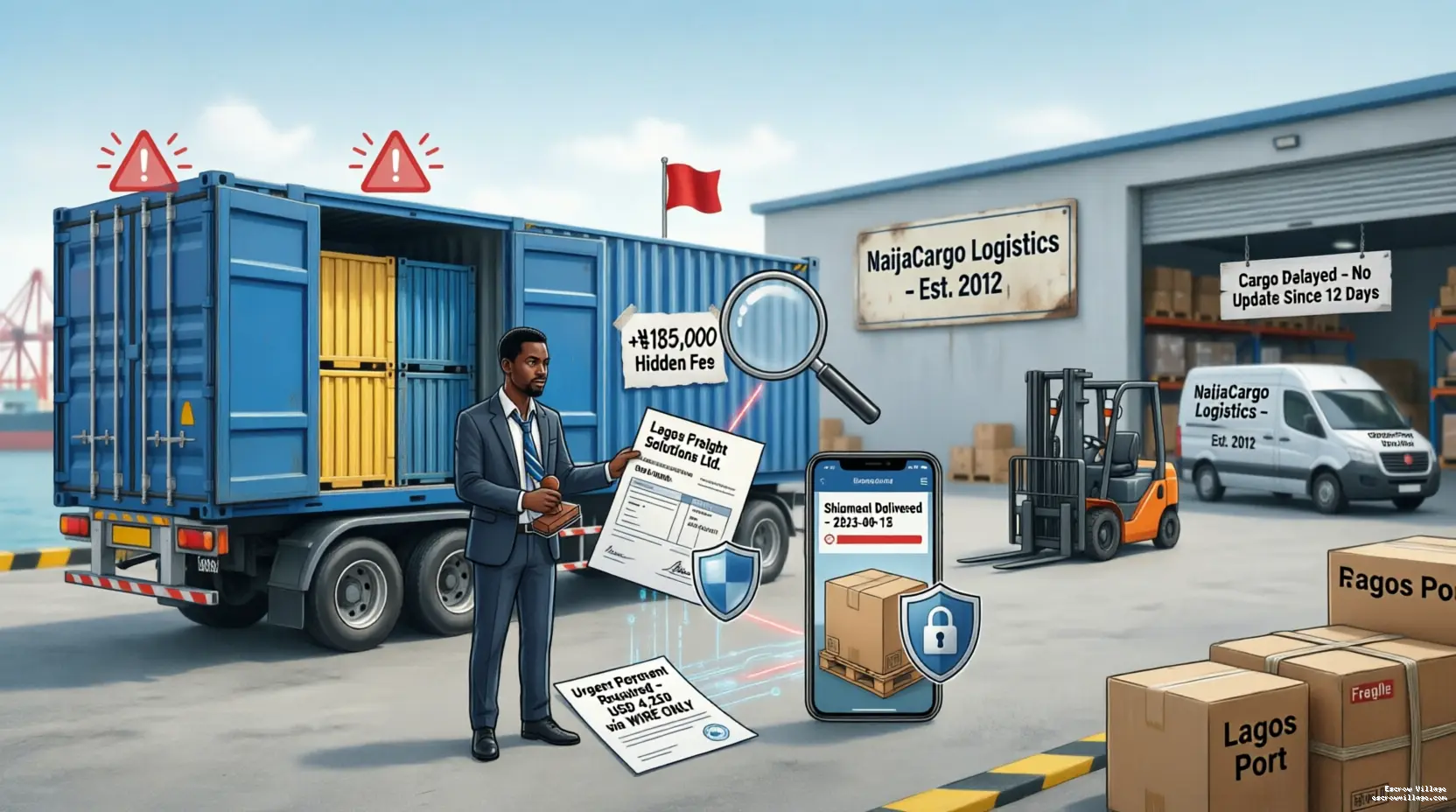
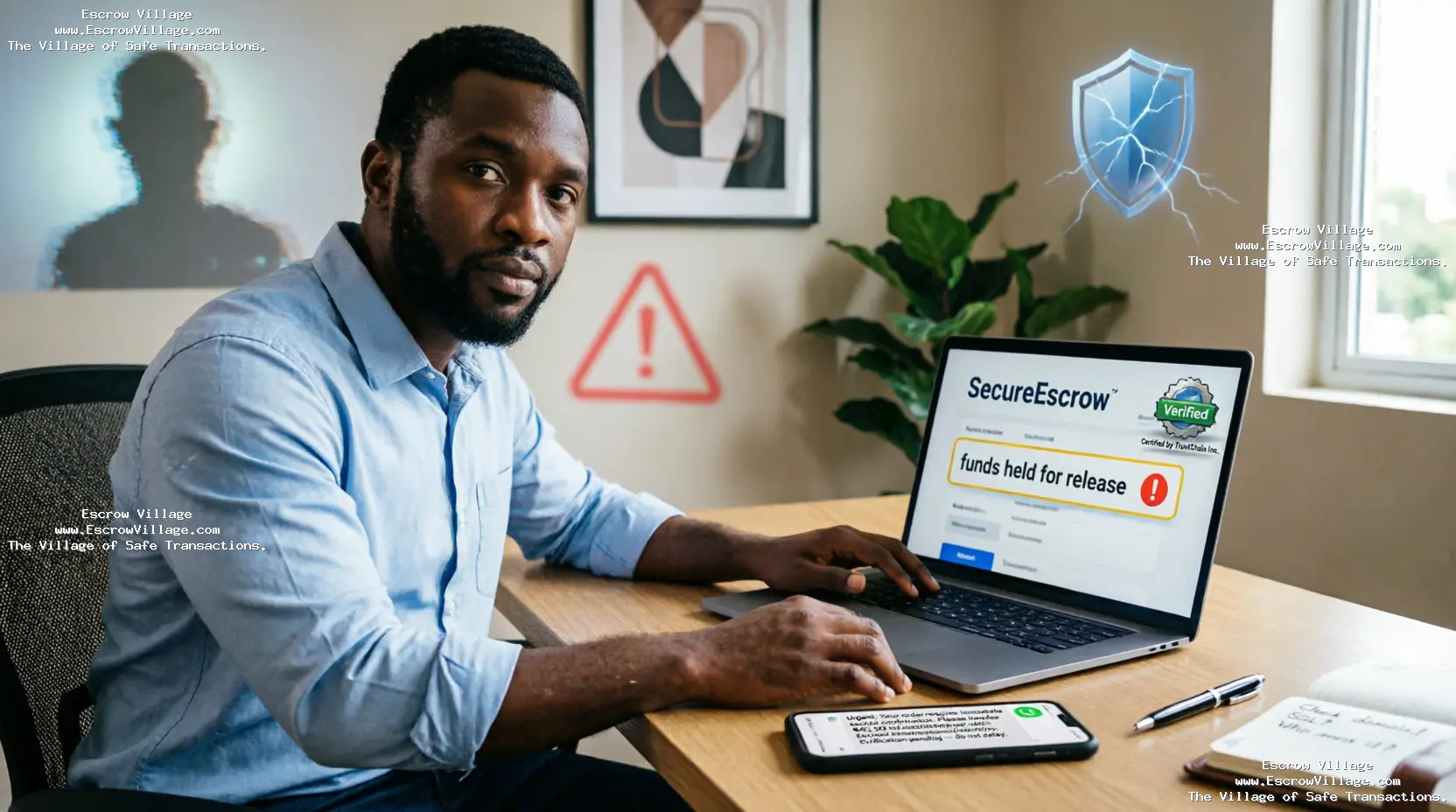
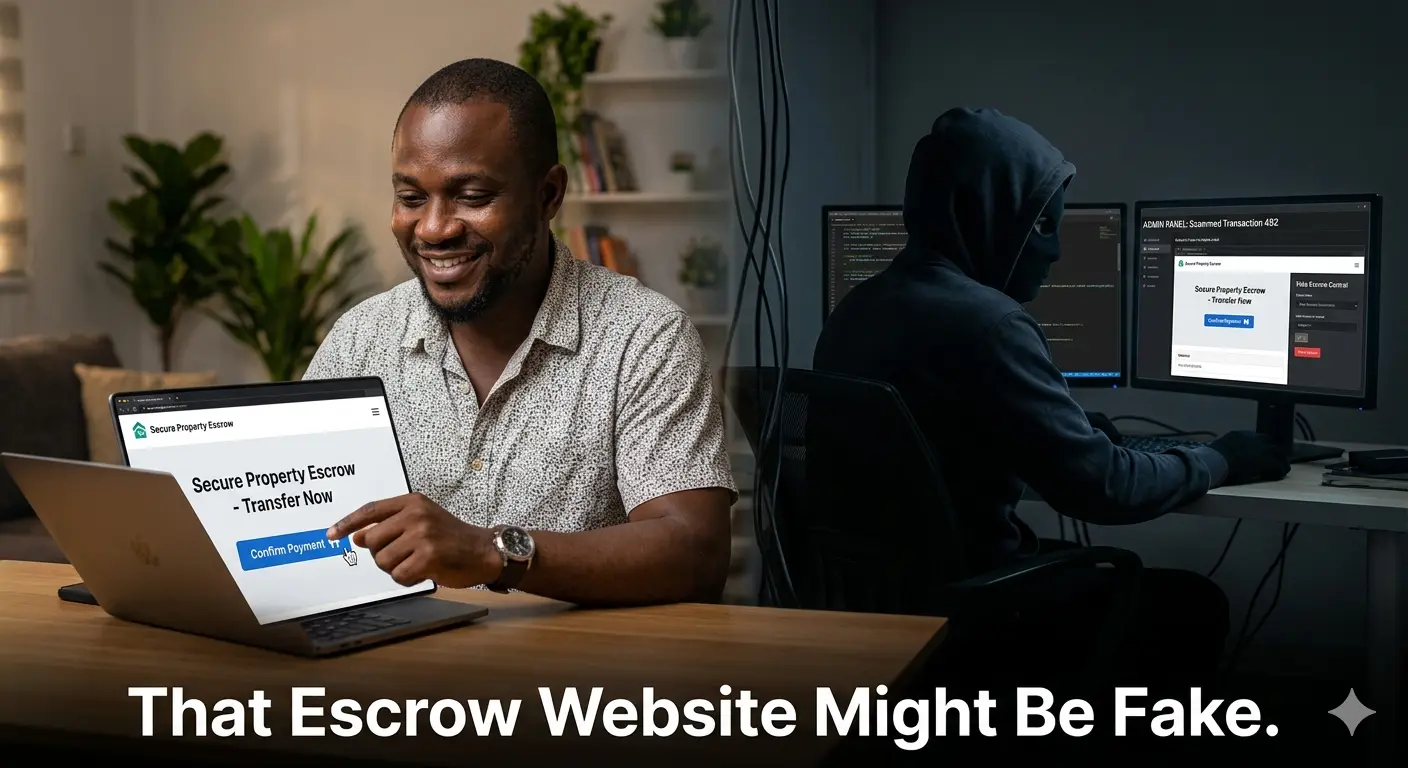
For example, a fake supplier could claim that their bank account has changed and ask the business to send the next payment to a new account.
Instead of acting immediately, businesses should independently confirm changes to payment instructions.
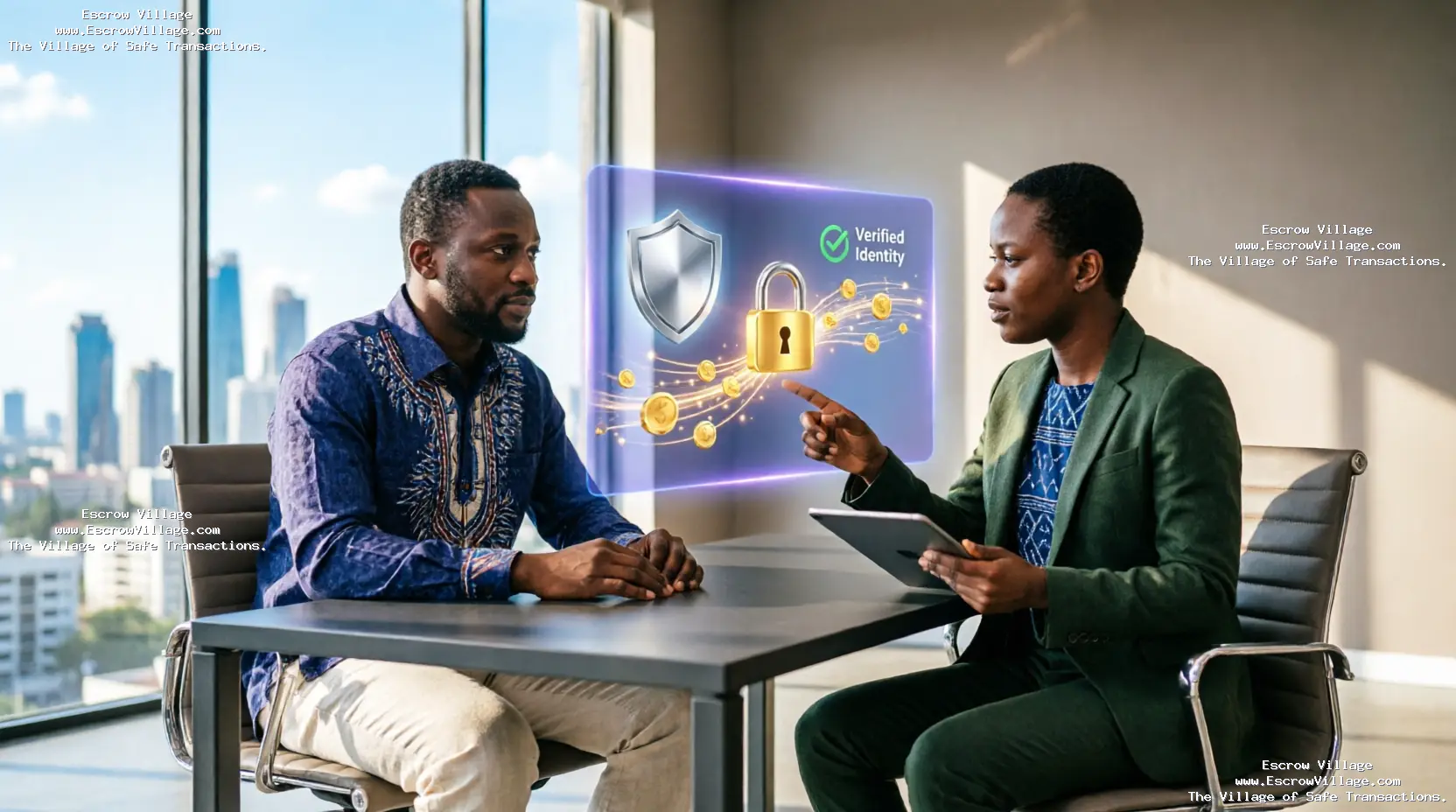
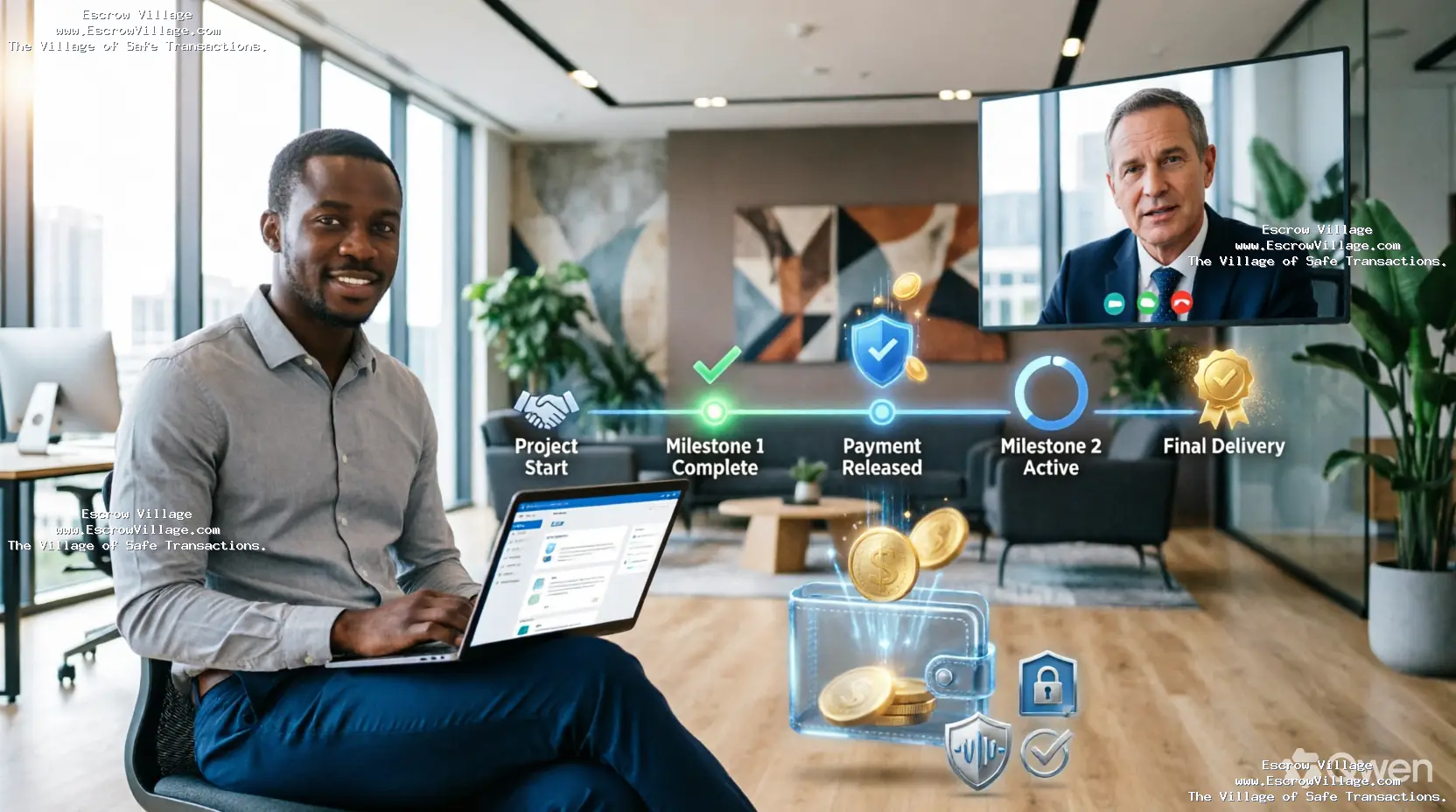
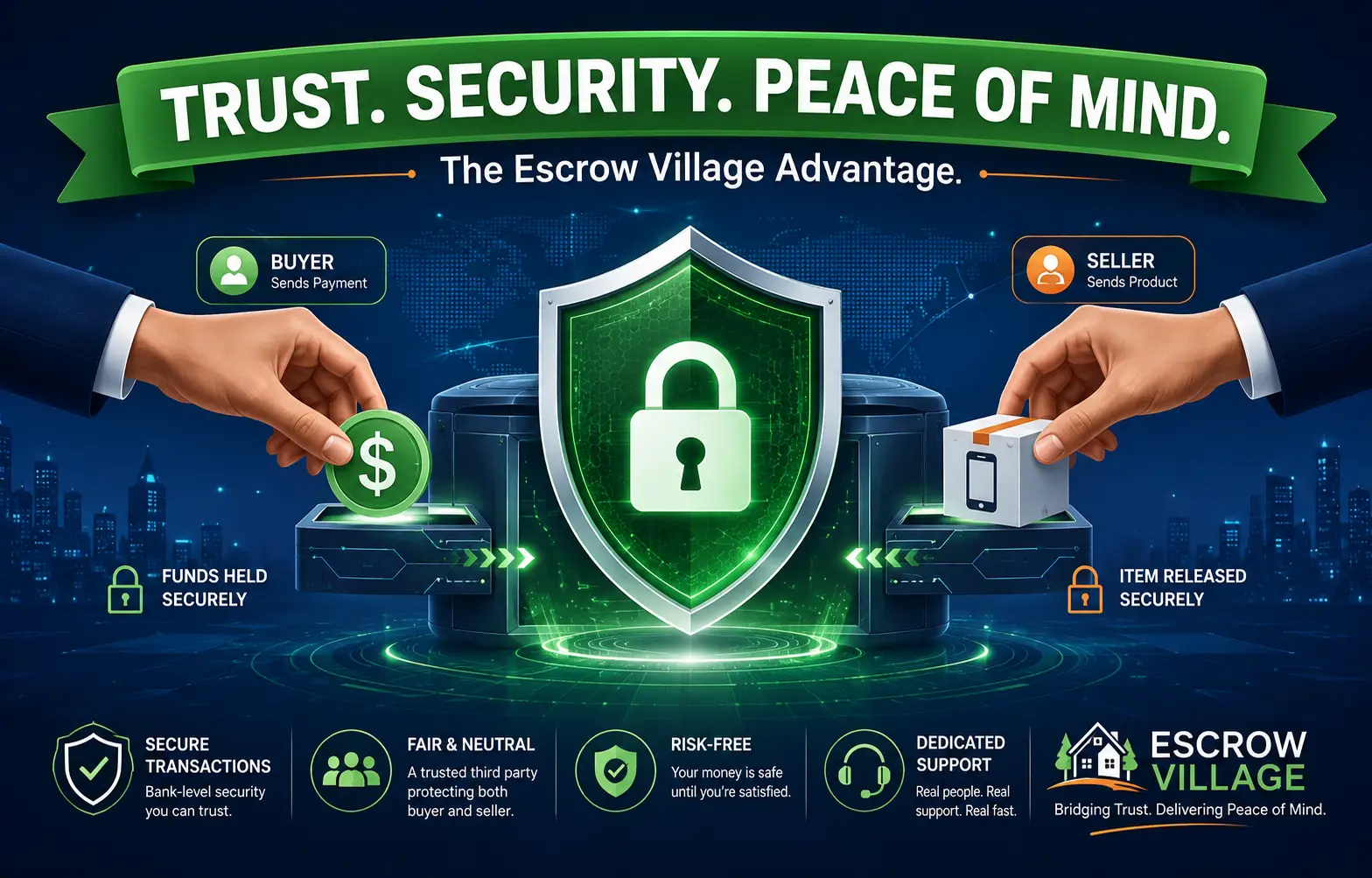
Using Escrow Village for suitable business transactions can provide another layer of transaction security.
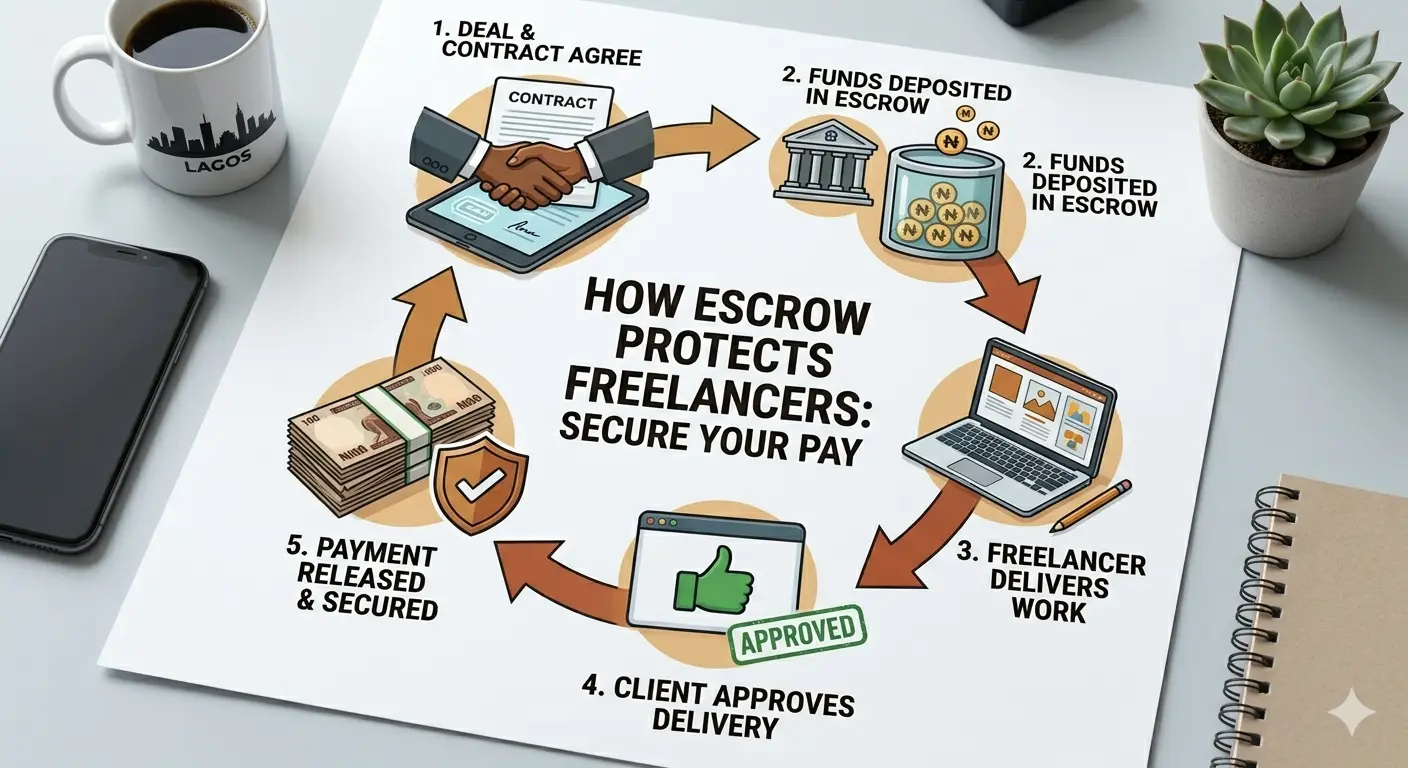
Rather than relying solely on a message instructing you where to send money, an escrow arrangement can help structure the payment around agreed transaction conditions.
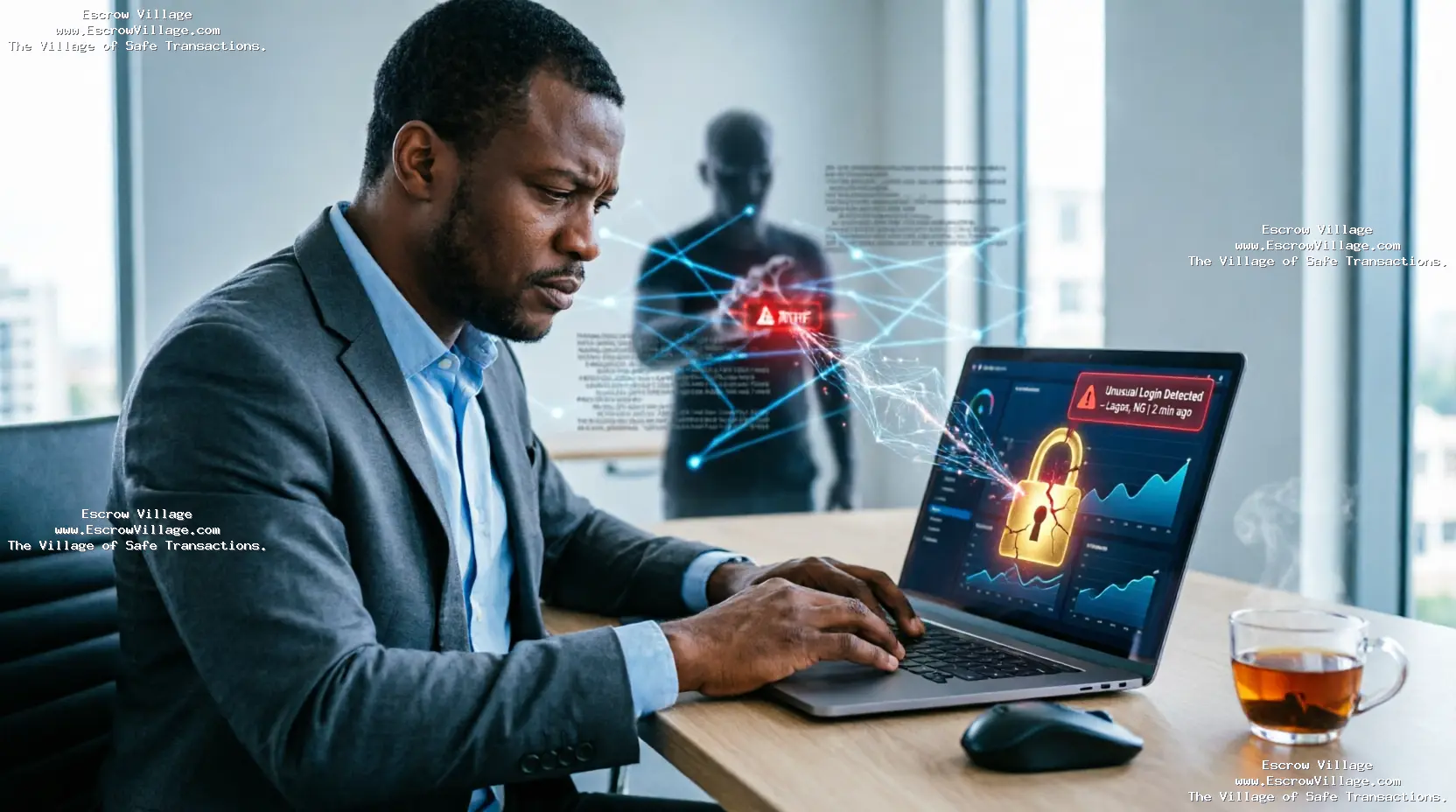
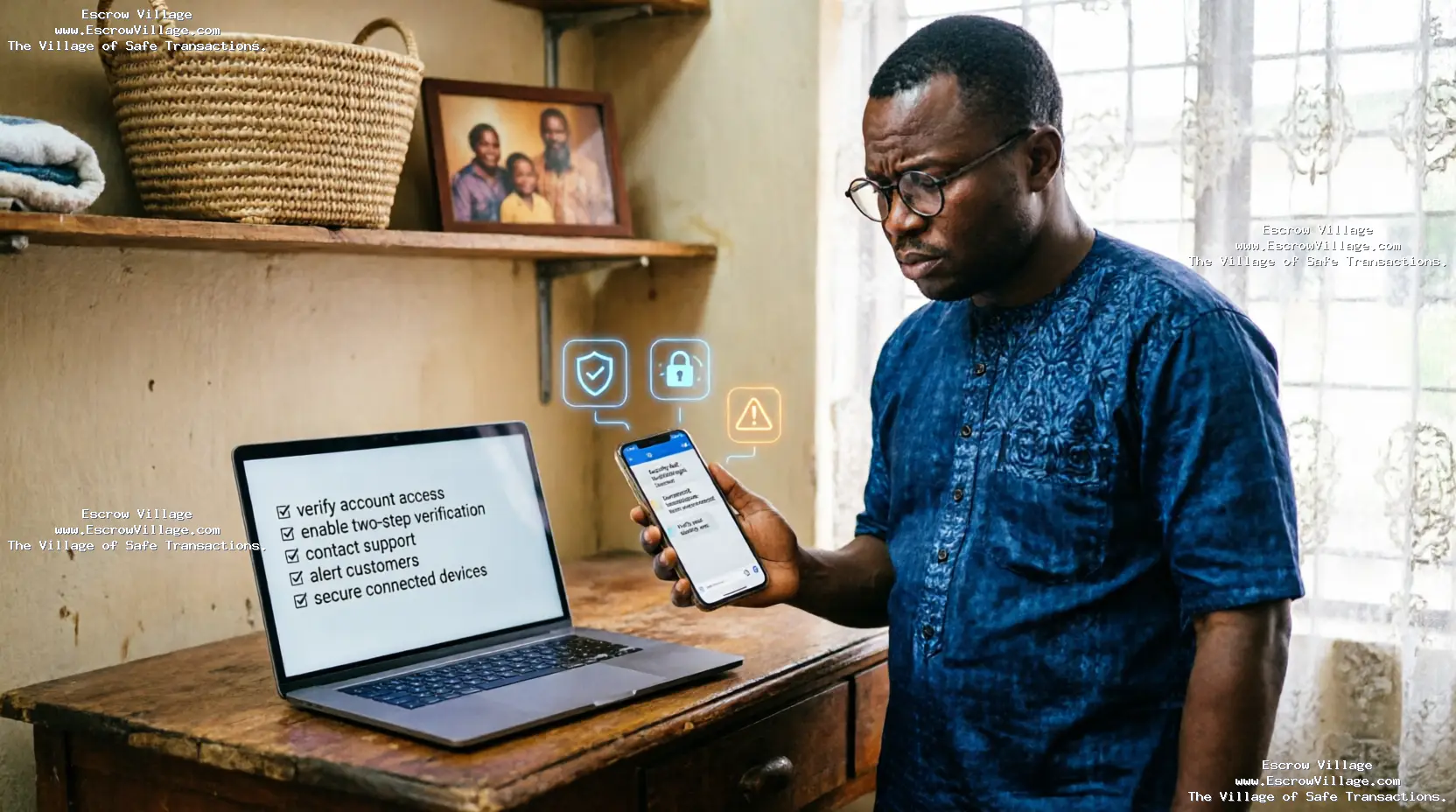
Once they gain access, they may impersonate the business, contact customers, request payments, or damage the company's reputation.
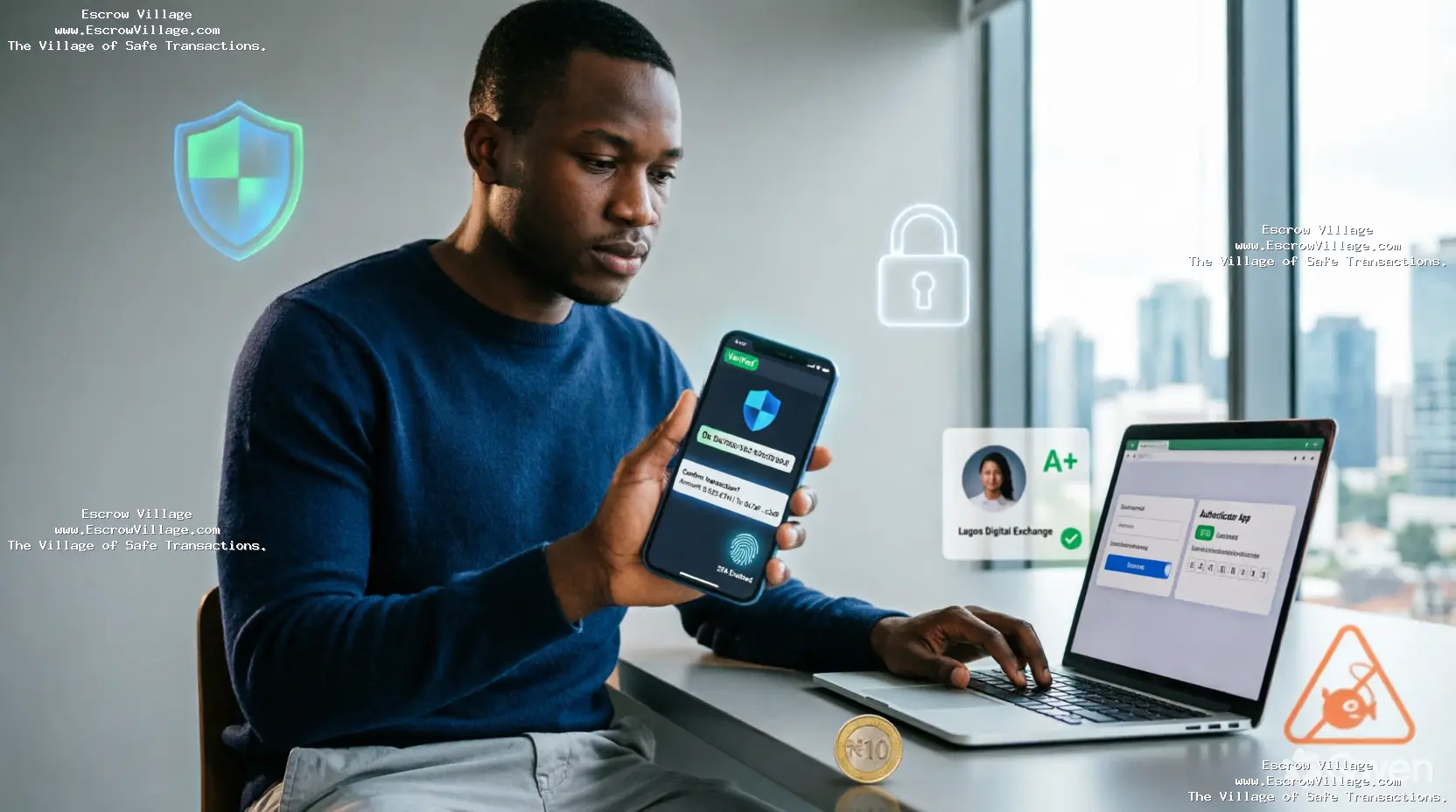
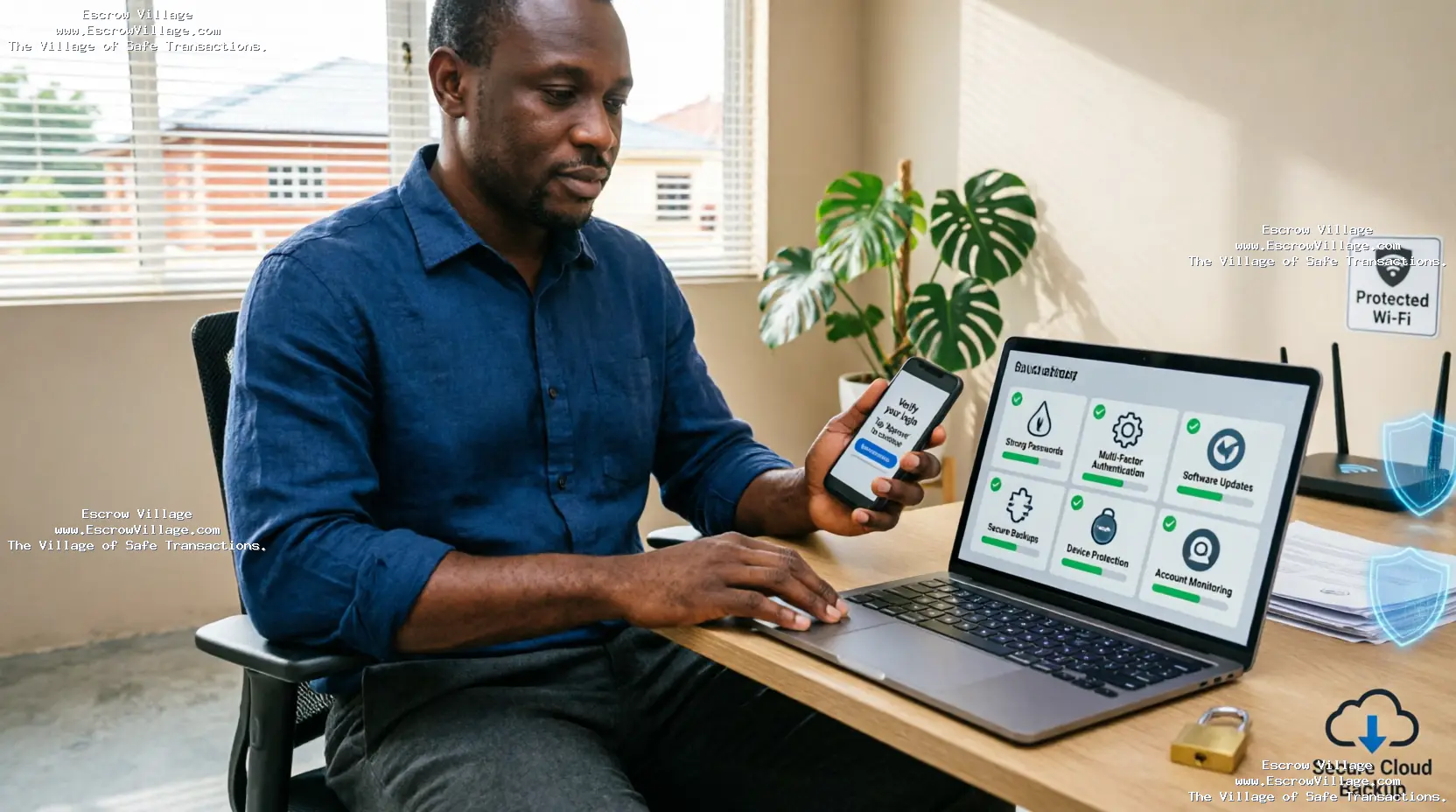
SMEs should use strong, unique passwords, enable two-factor authentication where available, and avoid sharing verification codes.
However, protecting the account is only part of the solution. Businesses also need to consider what happens when customers are asked to make payments through compromised accounts.
Encouraging customers to use a recognised secure transaction process such as Escrow Village can help reduce reliance on payment instructions sent through potentially compromised channels.
Sometimes, the biggest risk is simply dealing with the wrong person.
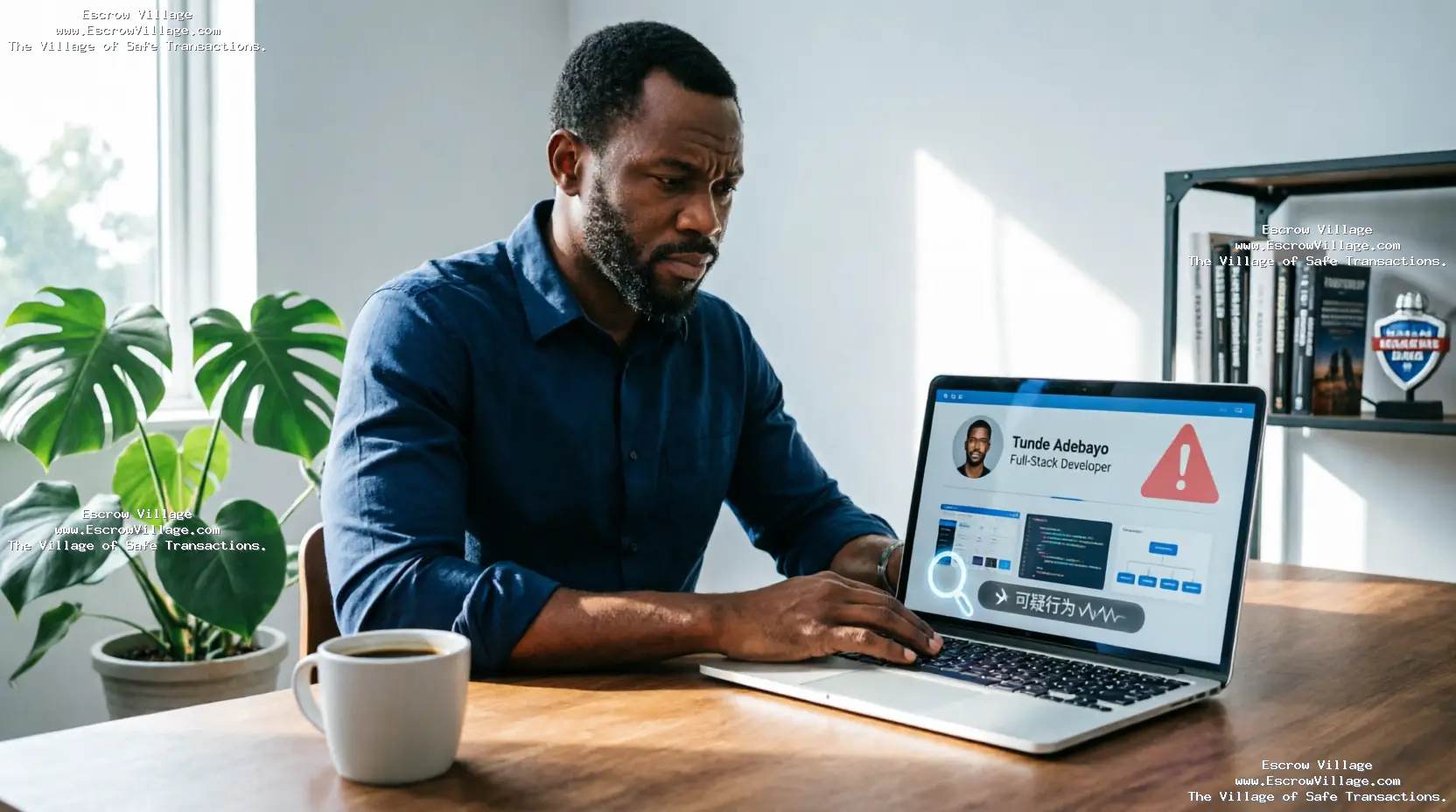
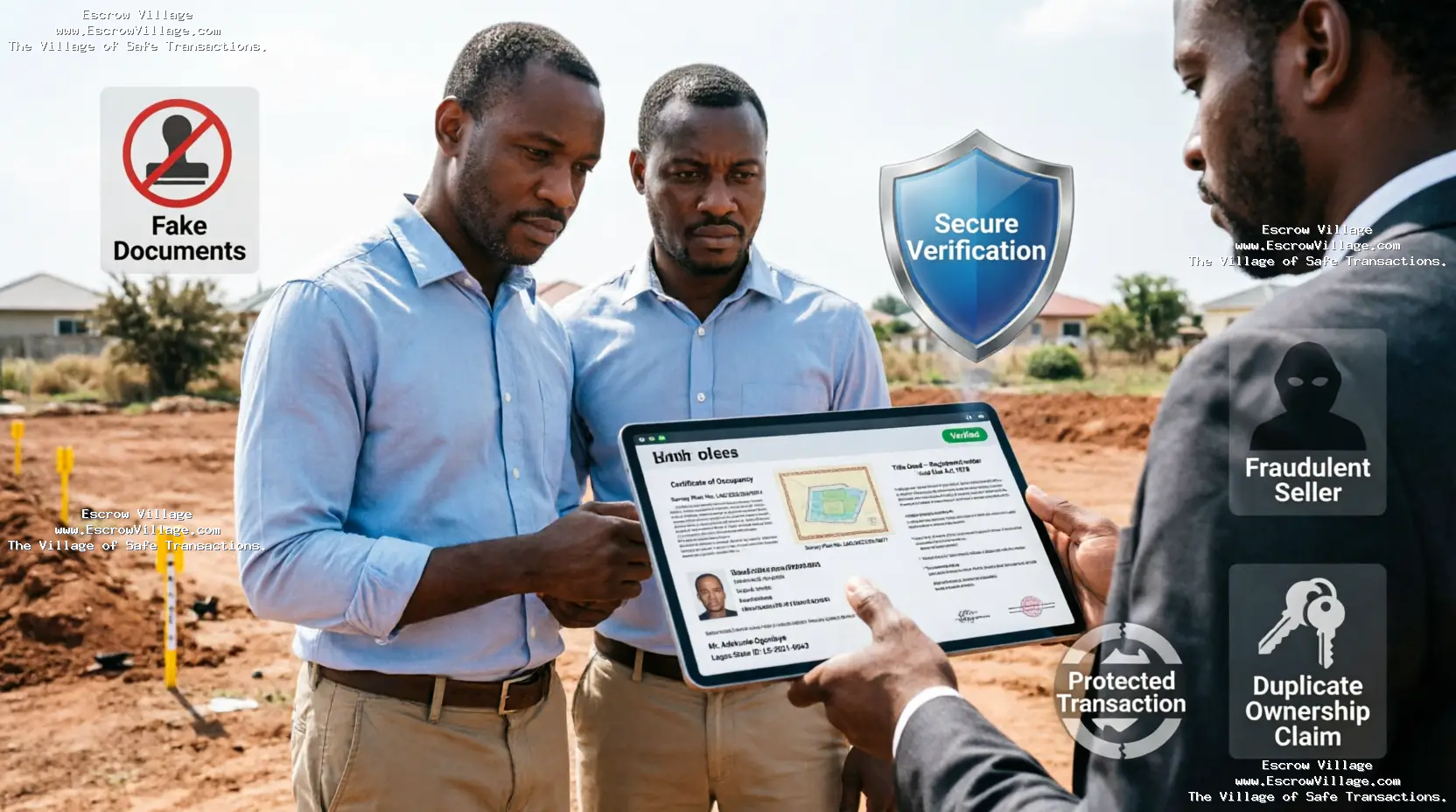
A scammer may create a convincing social media profile, pretend to be a supplier, or pose as a customer interested in making a large purchase.
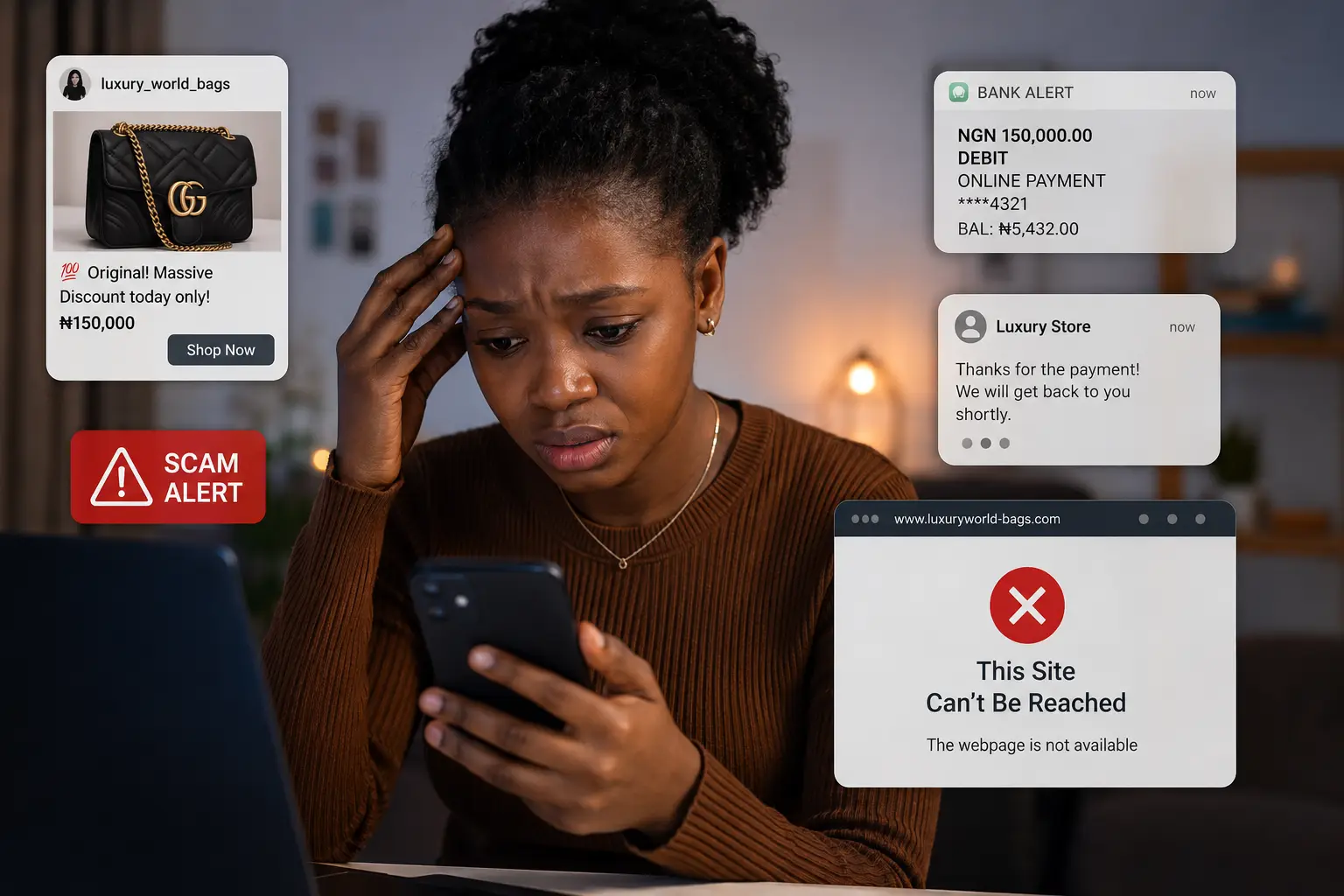
After gaining the business's trust, they may disappear with money or attempt to obtain products without legitimate payment.
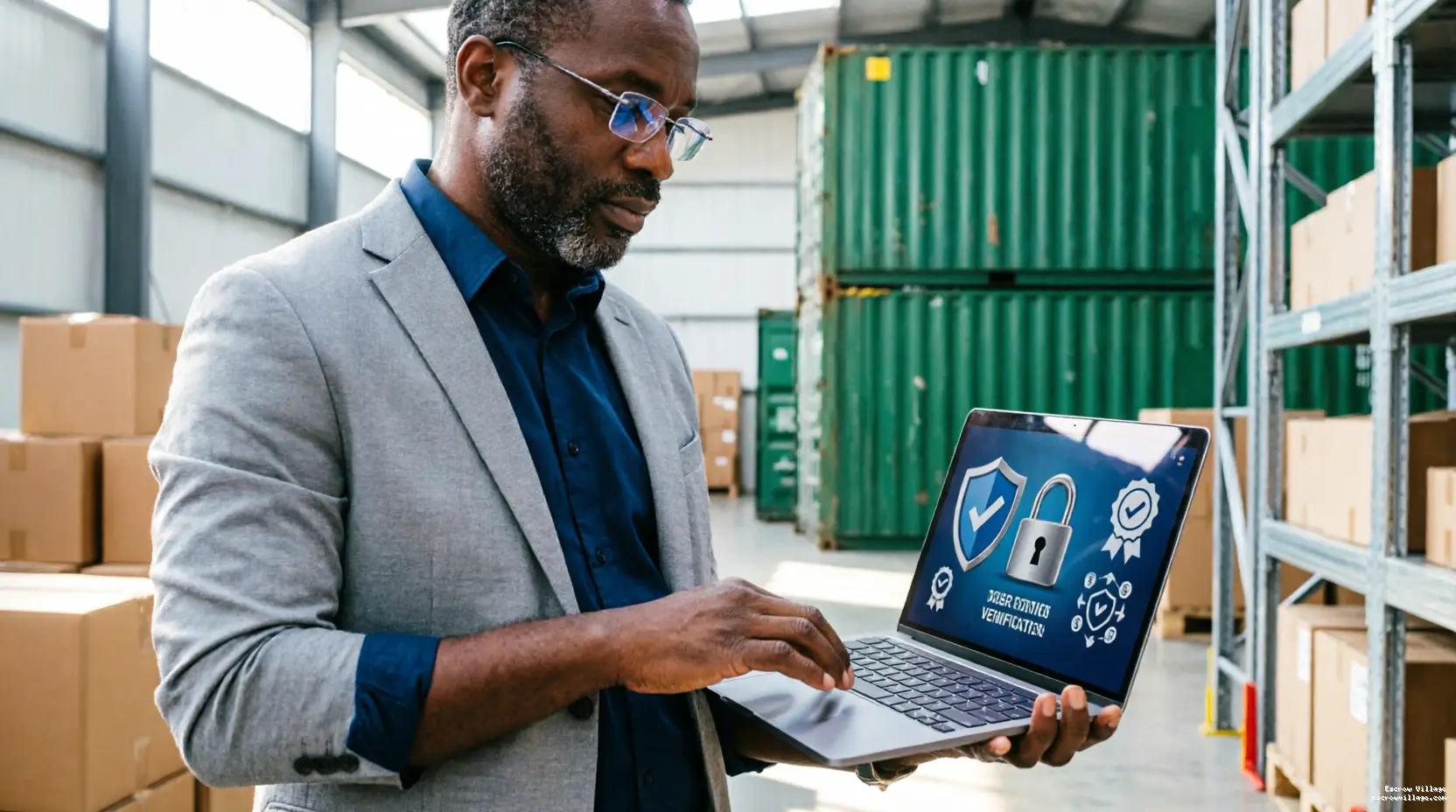
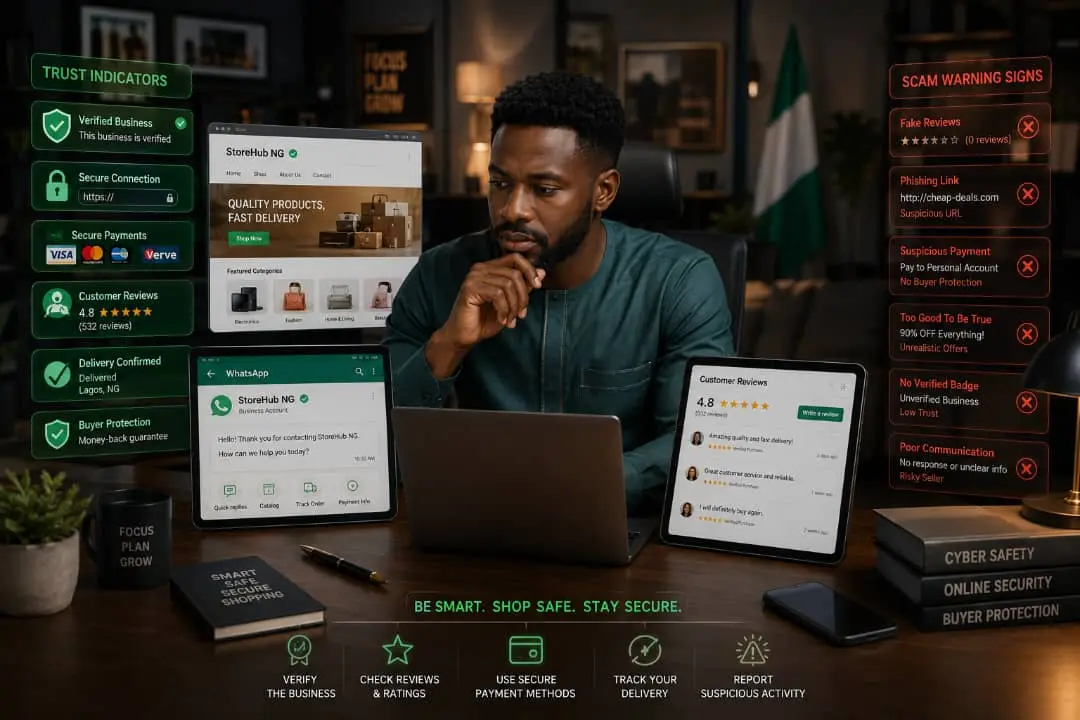
Businesses should verify new customers and suppliers before entering significant transactions.
For higher-risk online deals, escrow can help create a safer transaction process.
With Escrow Village, the parties can agree on the transaction terms and use escrow to add protection to the payment process.
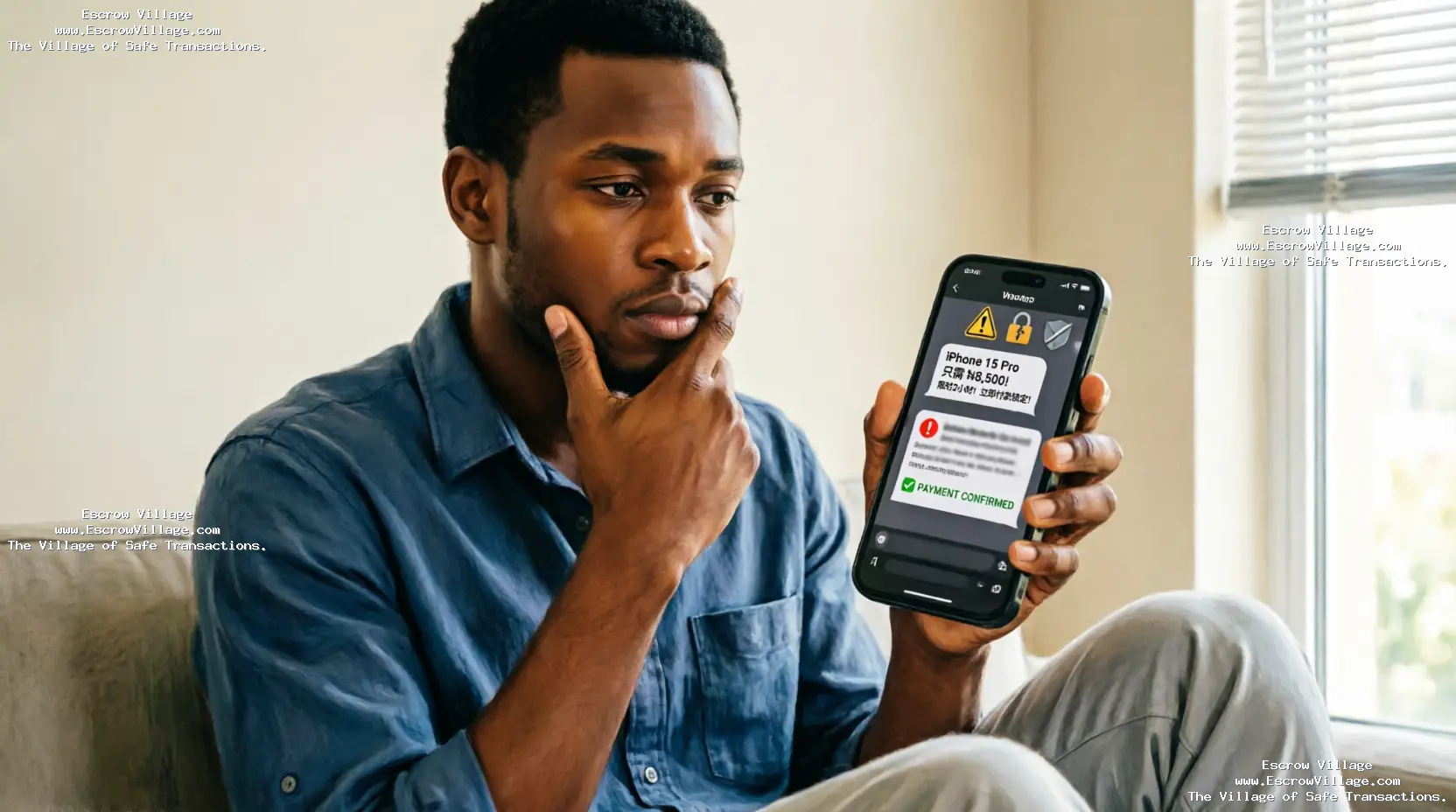
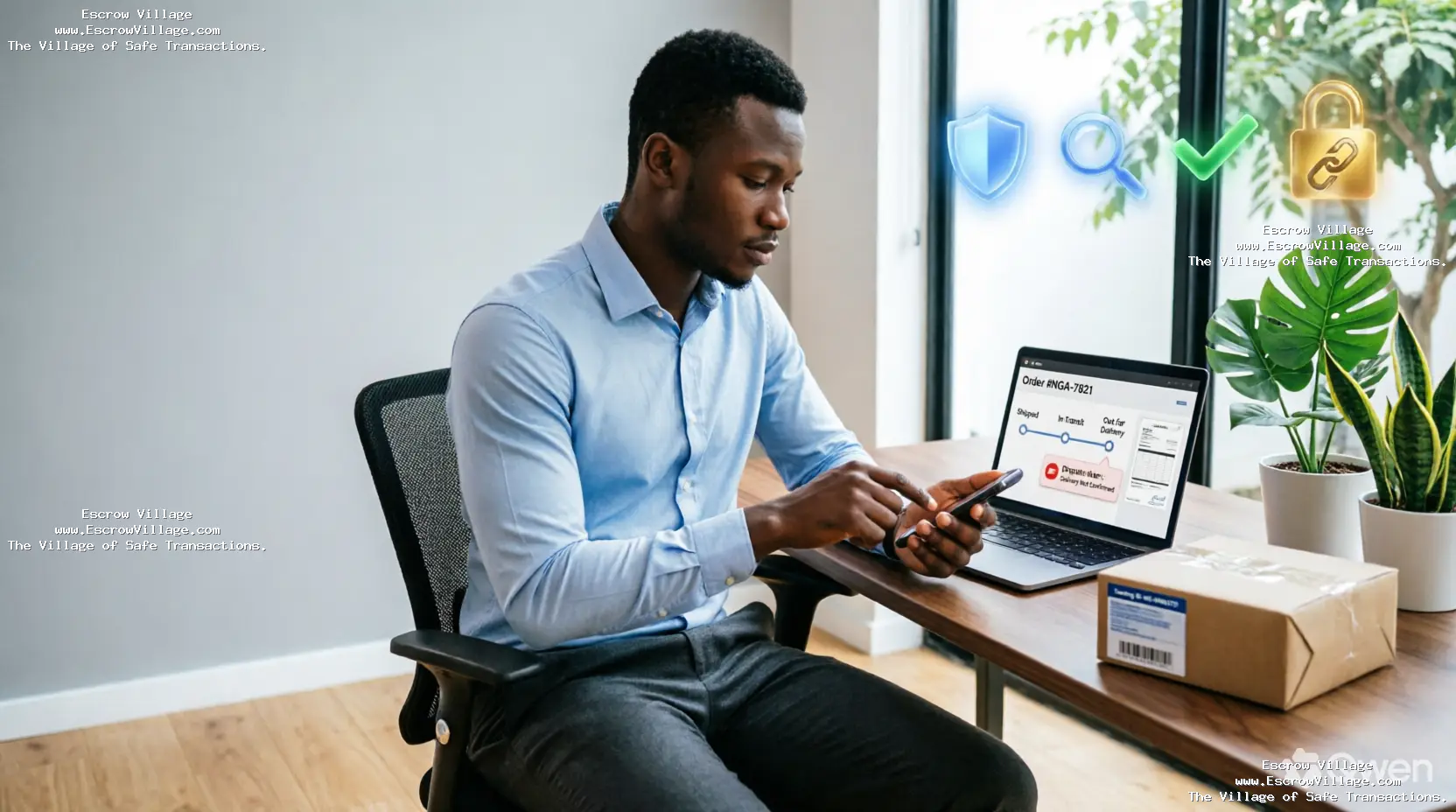
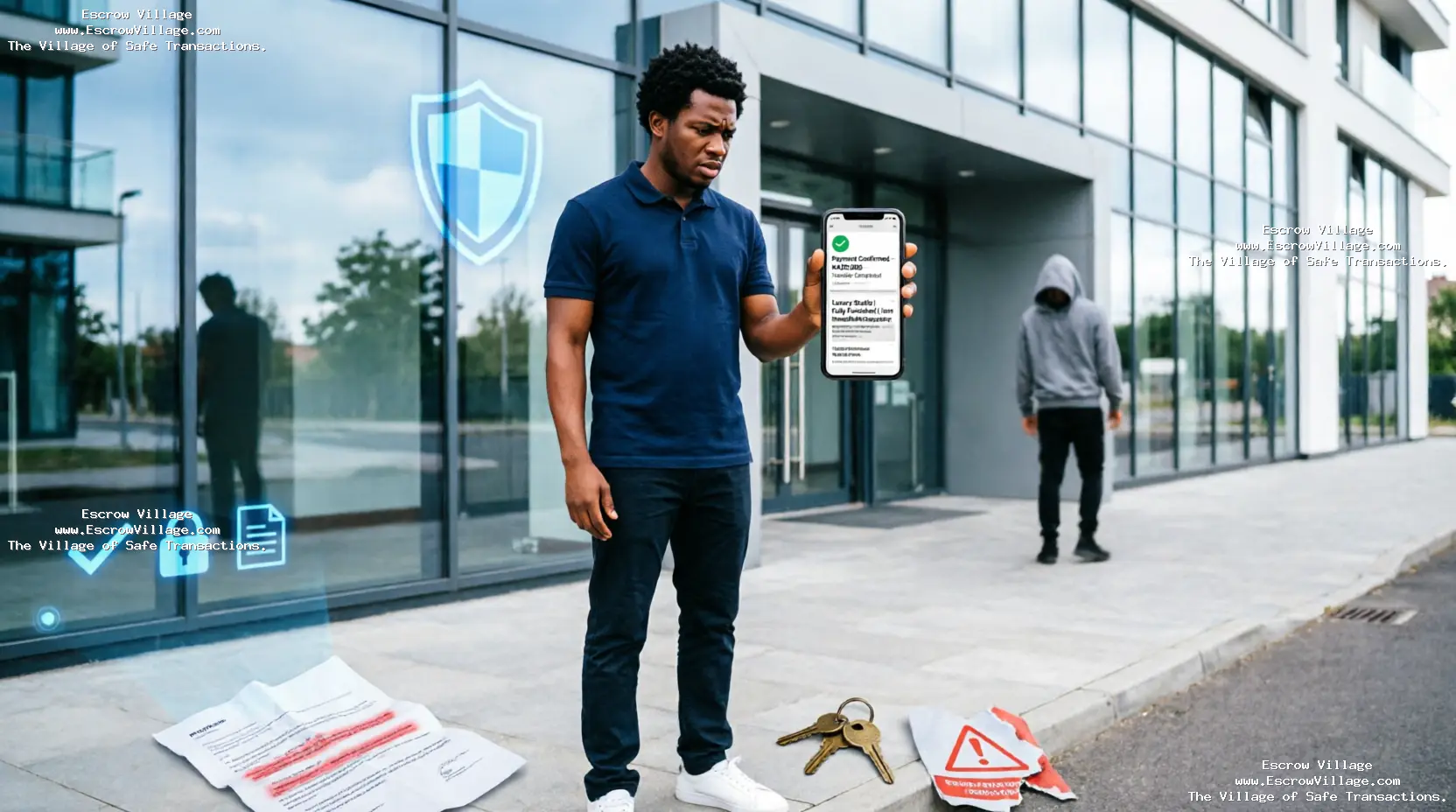
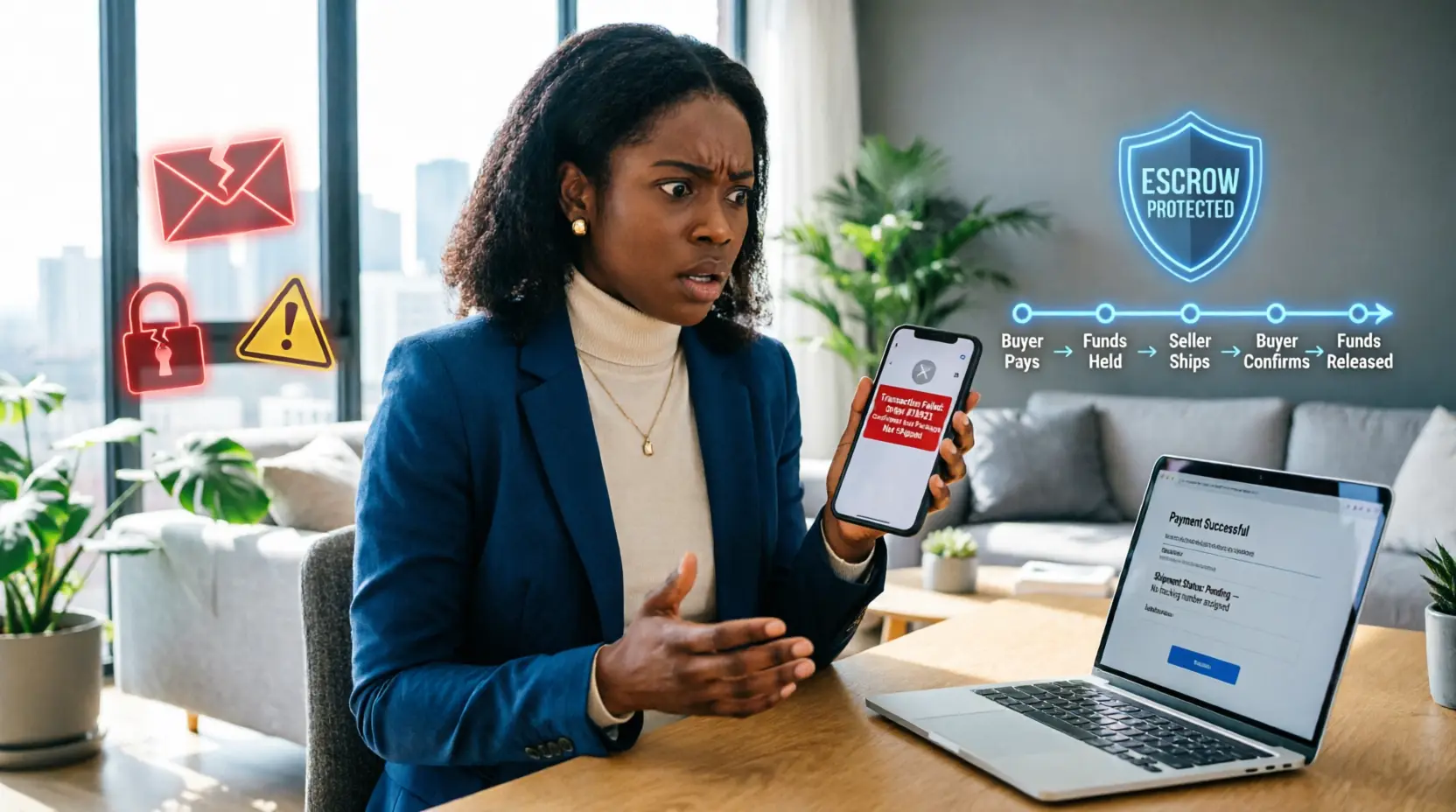
This is particularly dangerous for SMEs because releasing goods before confirming payment can result in direct financial losses.Never rely solely on a screenshot as proof of payment.
Confirm the transaction through the appropriate financial channel.
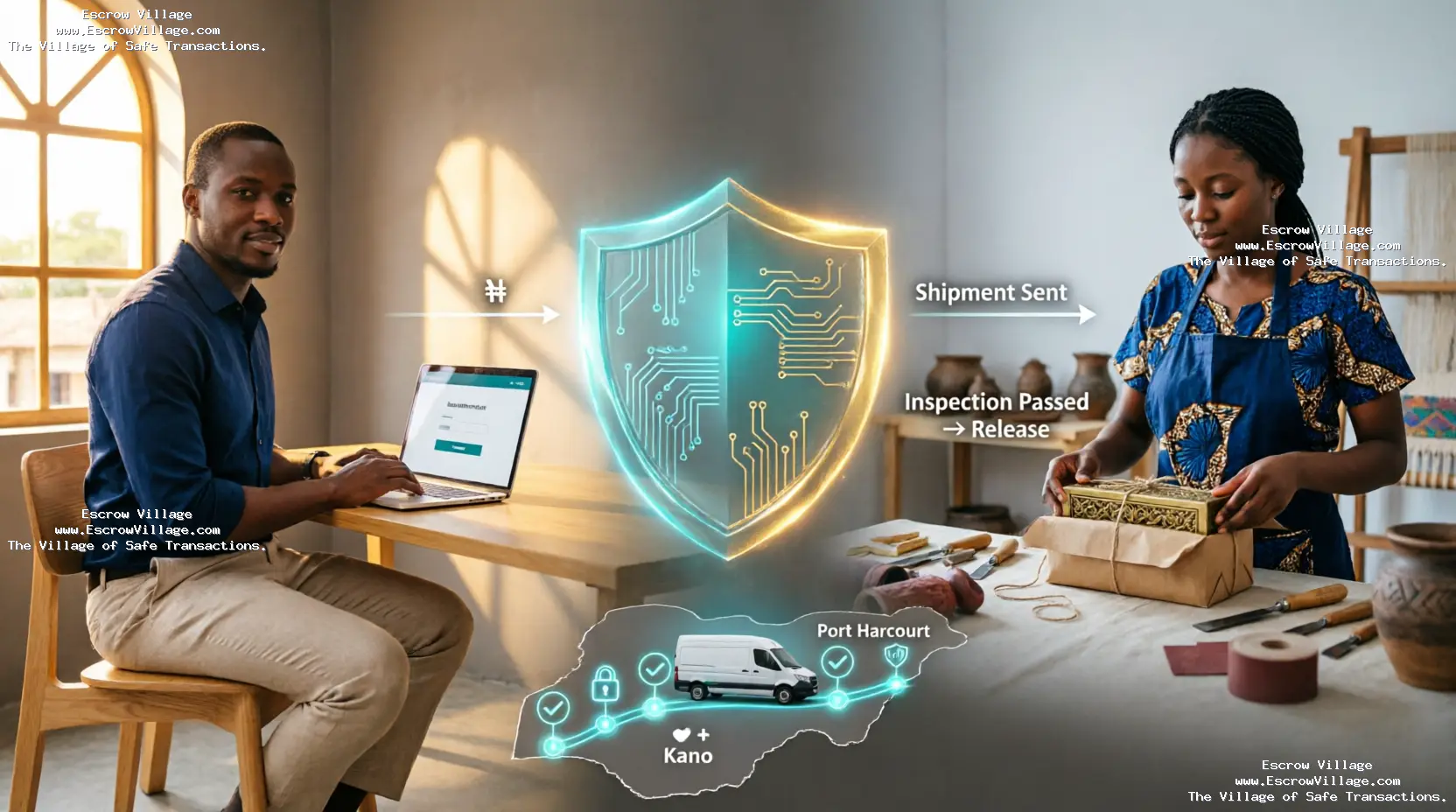
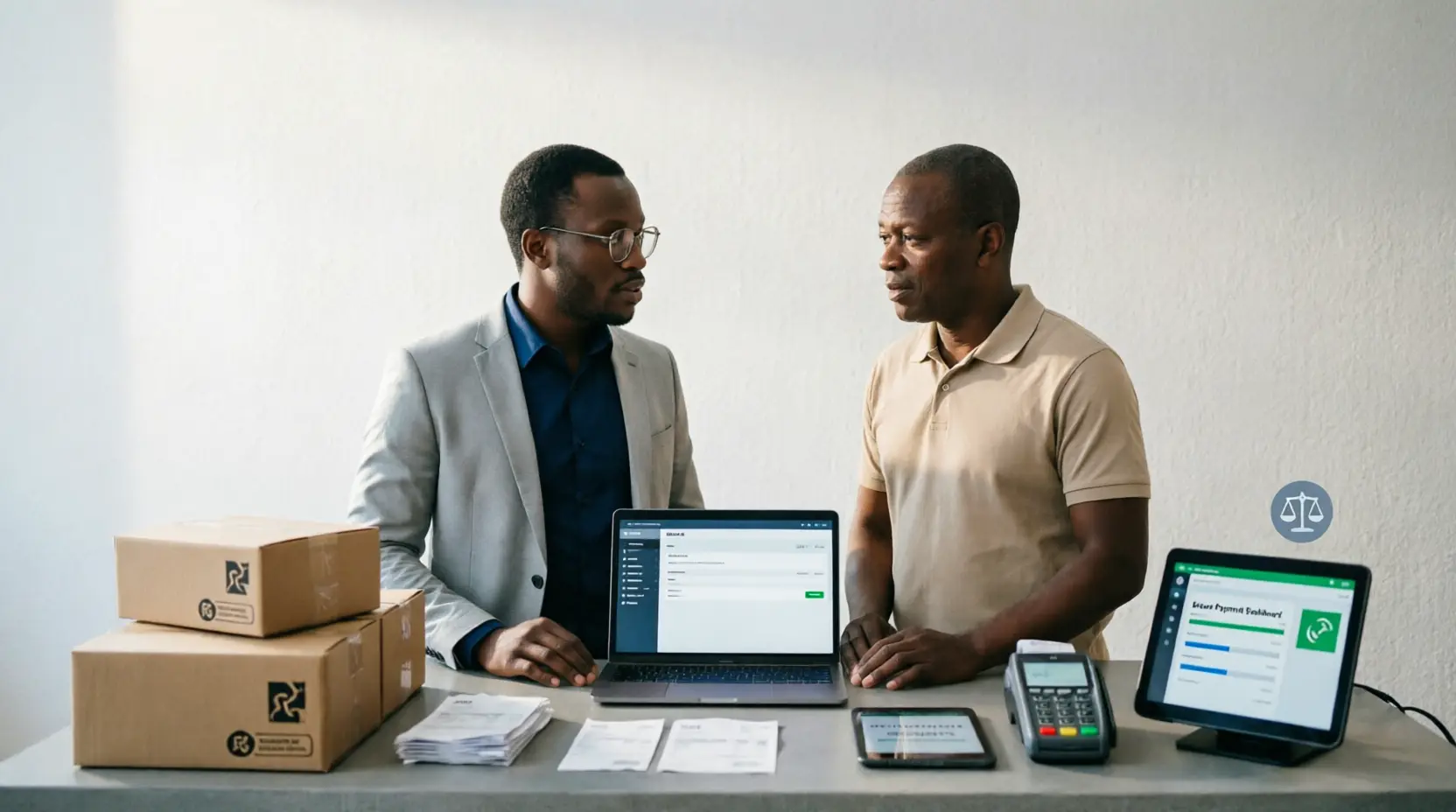
For transactions where both parties need additional reassurance, Escrow Village can help by providing a structured payment process instead of requiring the buyer and seller to rely entirely on trust.
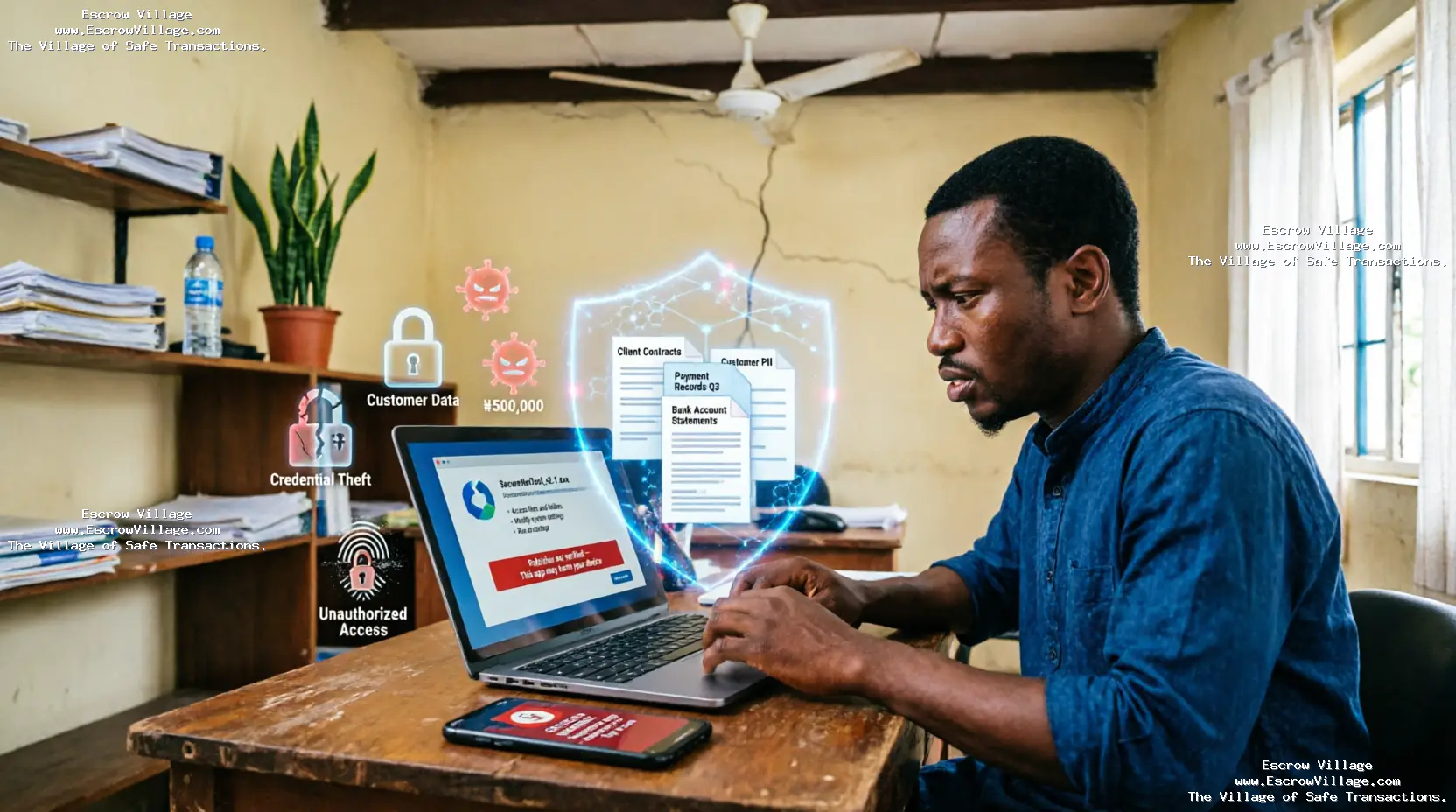
Malware can also steal information, monitor activity, or damage business systems.
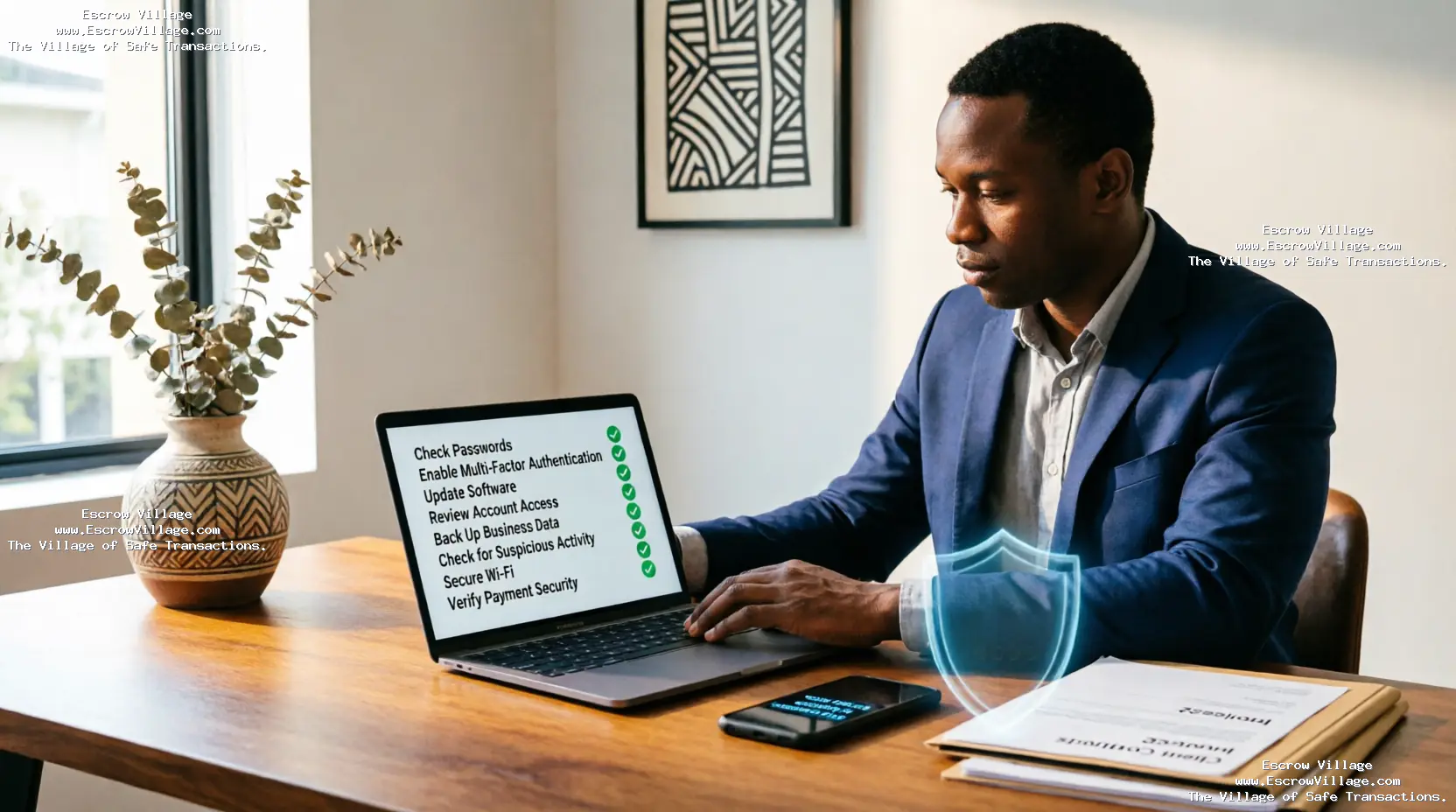
SMEs can reduce these risks by keeping software updated, using reputable security tools, backing up important files, and limiting access to sensitive information.
Cybersecurity, however, is not only about protecting files and computers. Protecting business transactions is equally important, particularly for SMEs that depend on online sales.
A scammer may pretend to be a customer who urgently needs a refund or a company representative requesting sensitive information.
Because the attack targets human behaviour rather than technology alone, even businesses with good security systems can be vulnerable.
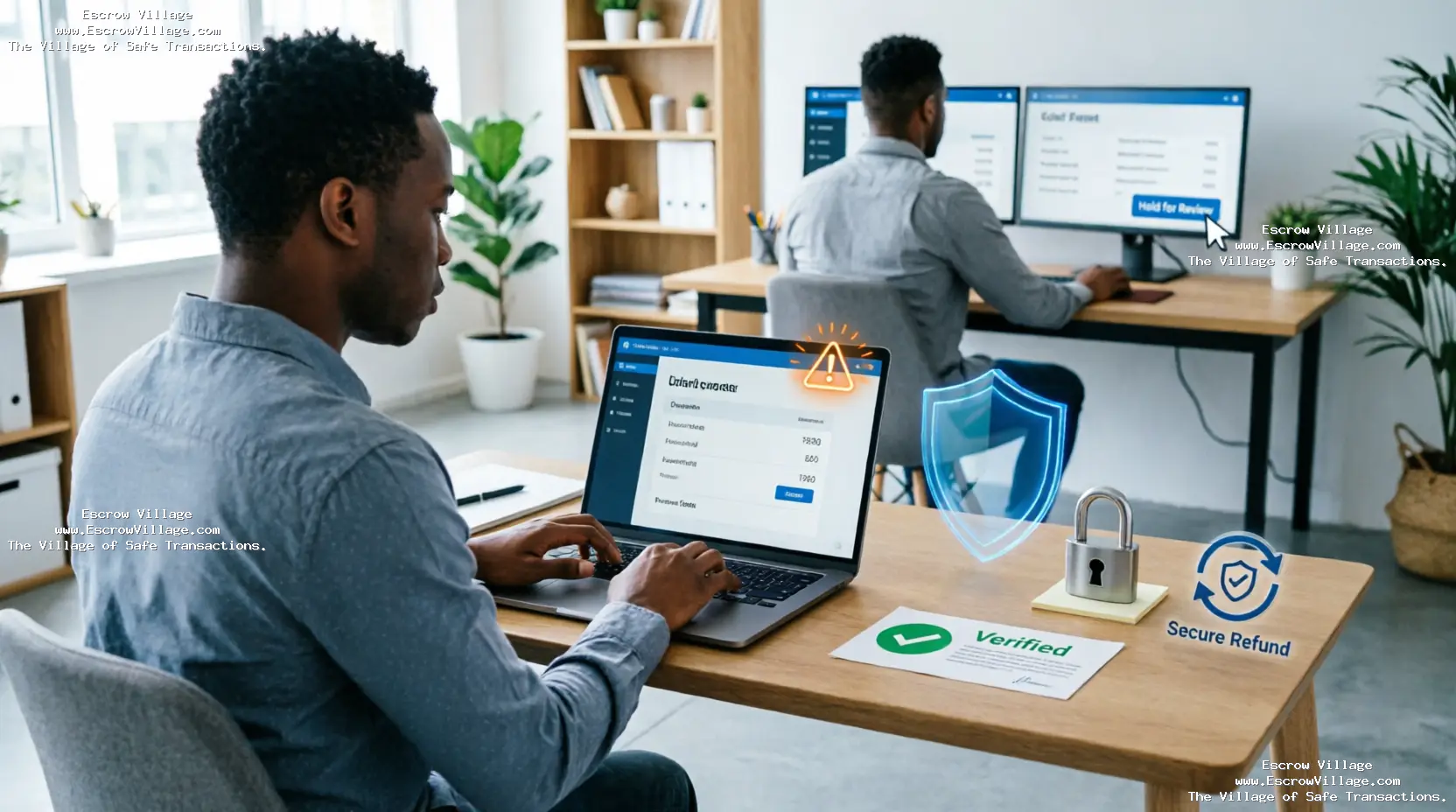
Employees should be encouraged to slow down, verify unusual requests, and never allow pressure or urgency to override security procedures.
Businesses also need to think about how they verify customers, suppliers, payments, and online transactions.
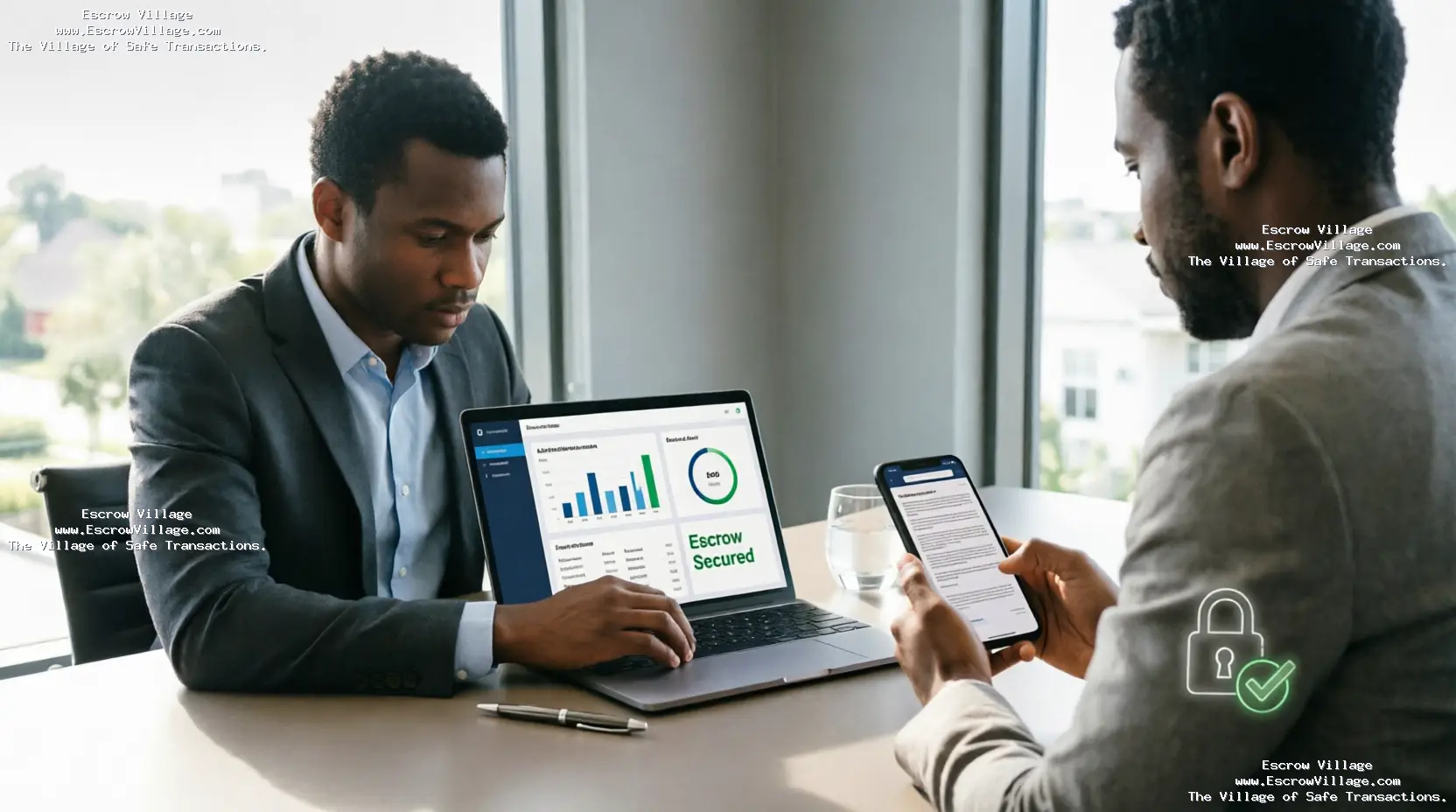
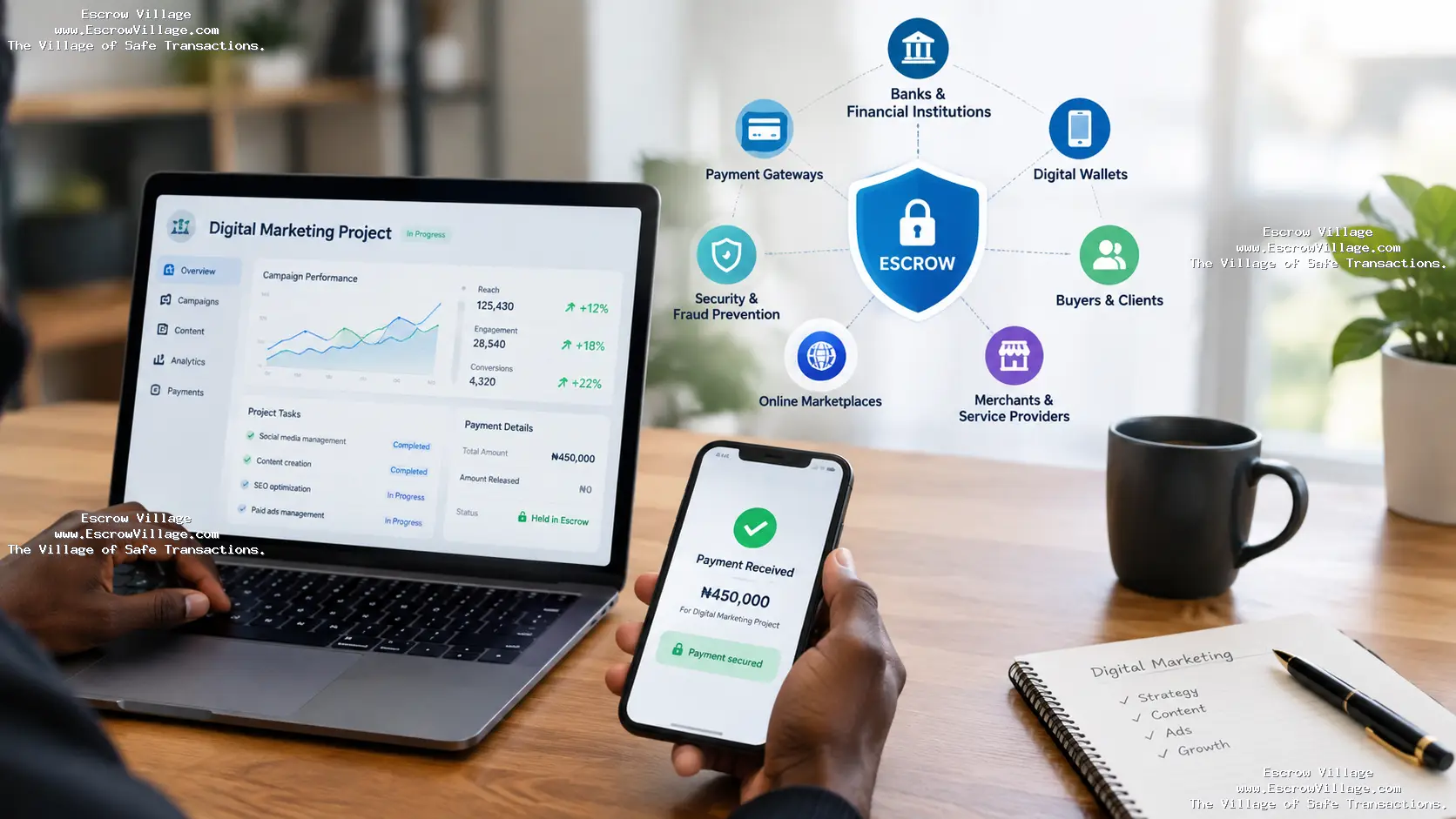
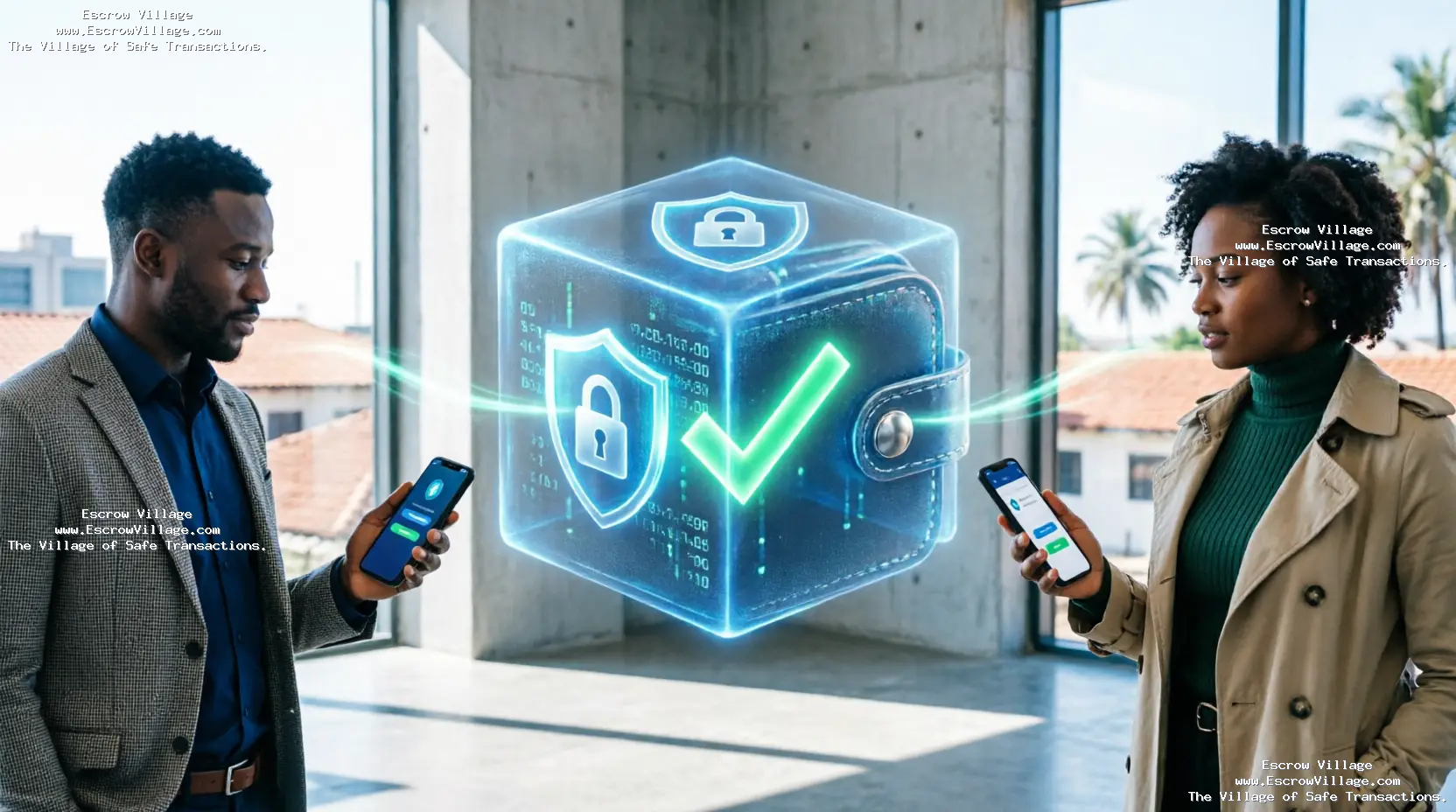
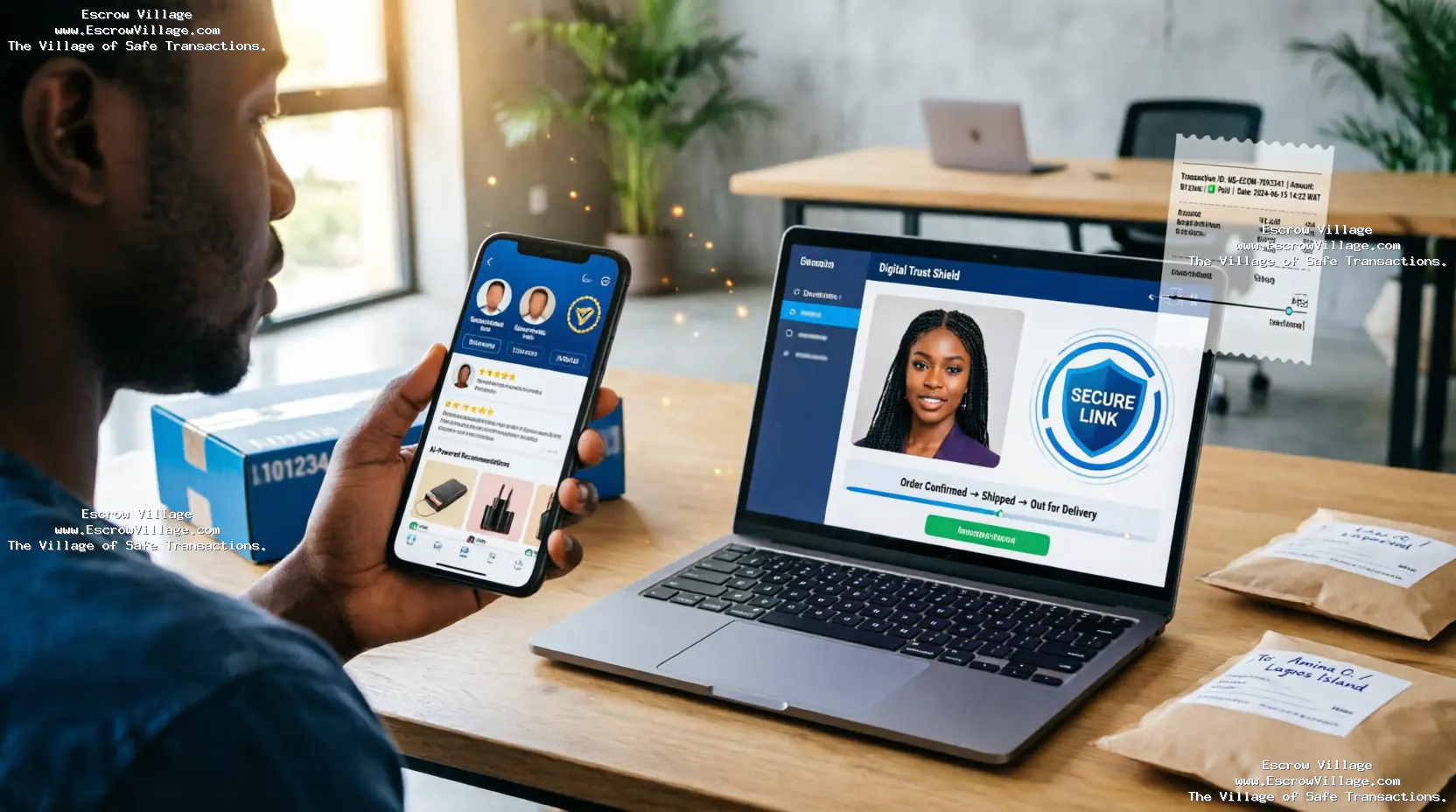
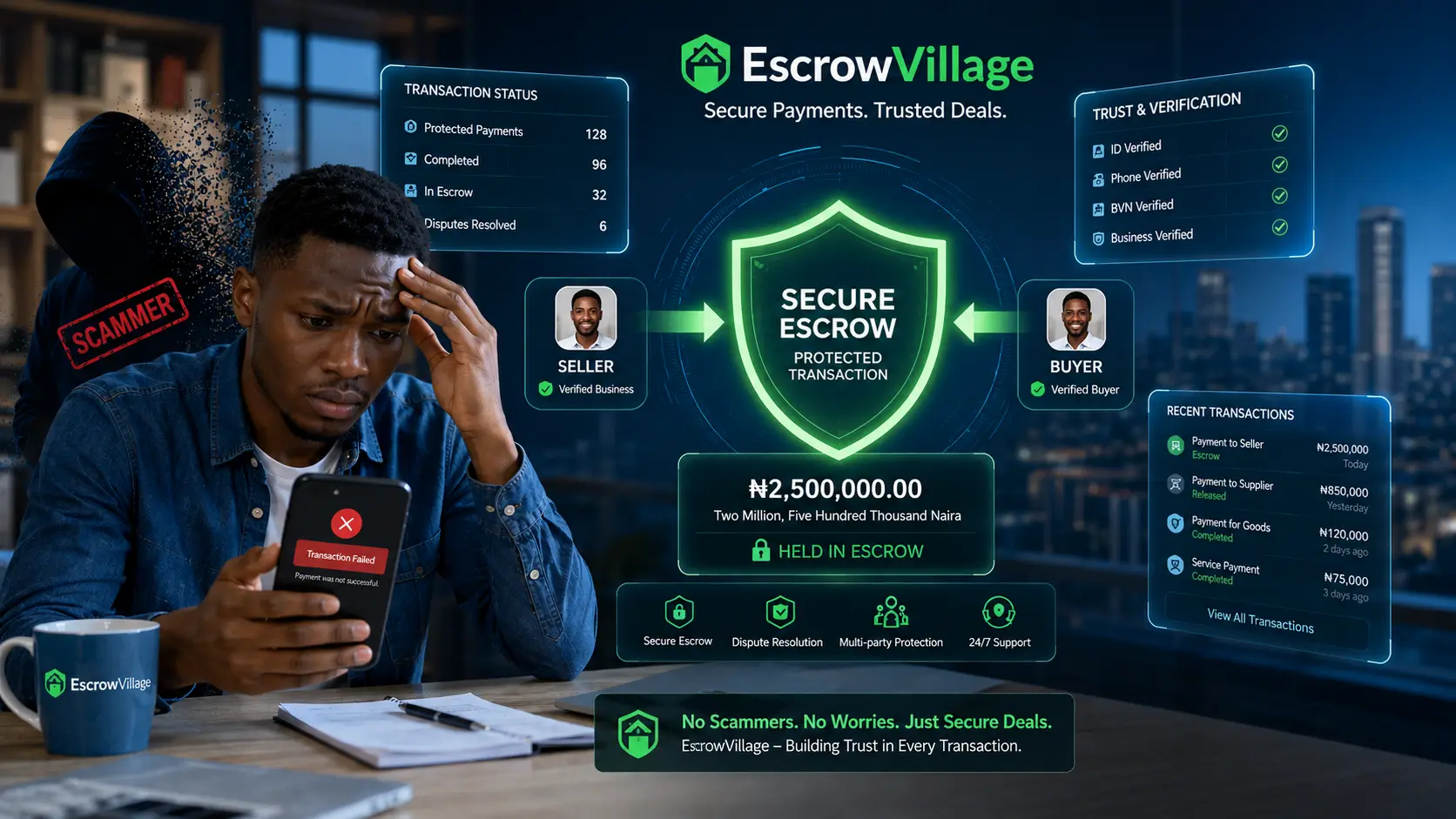
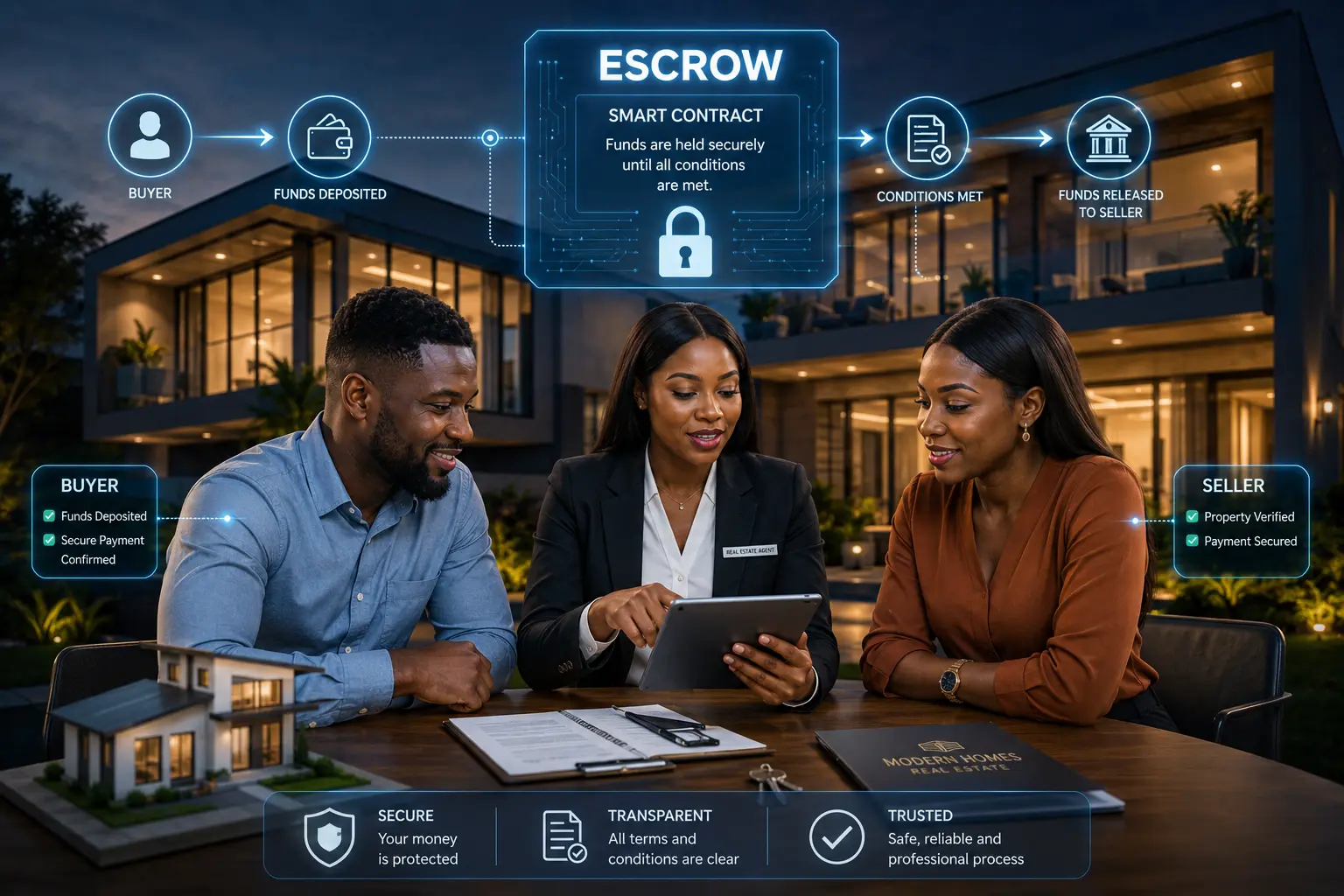
This is where Escrow Village can play an important role. By providing an escrow-based transaction process, it can help businesses and their customers add an extra layer of security when exchanging money online.
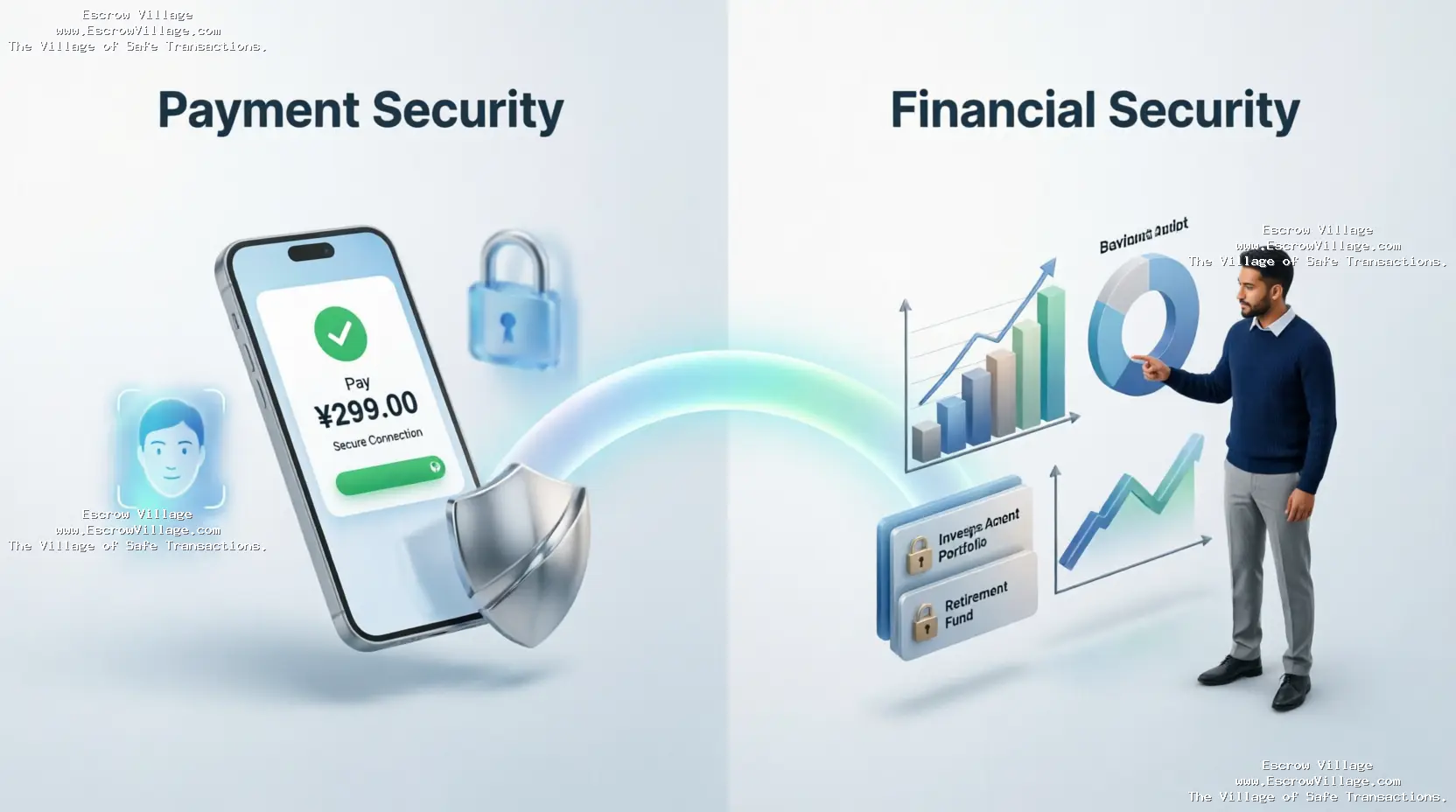
No payment method can eliminate every cybersecurity threat. But combining good cybersecurity practices with secure transaction methods such as escrow can make it harder for scammers to exploit weak points.
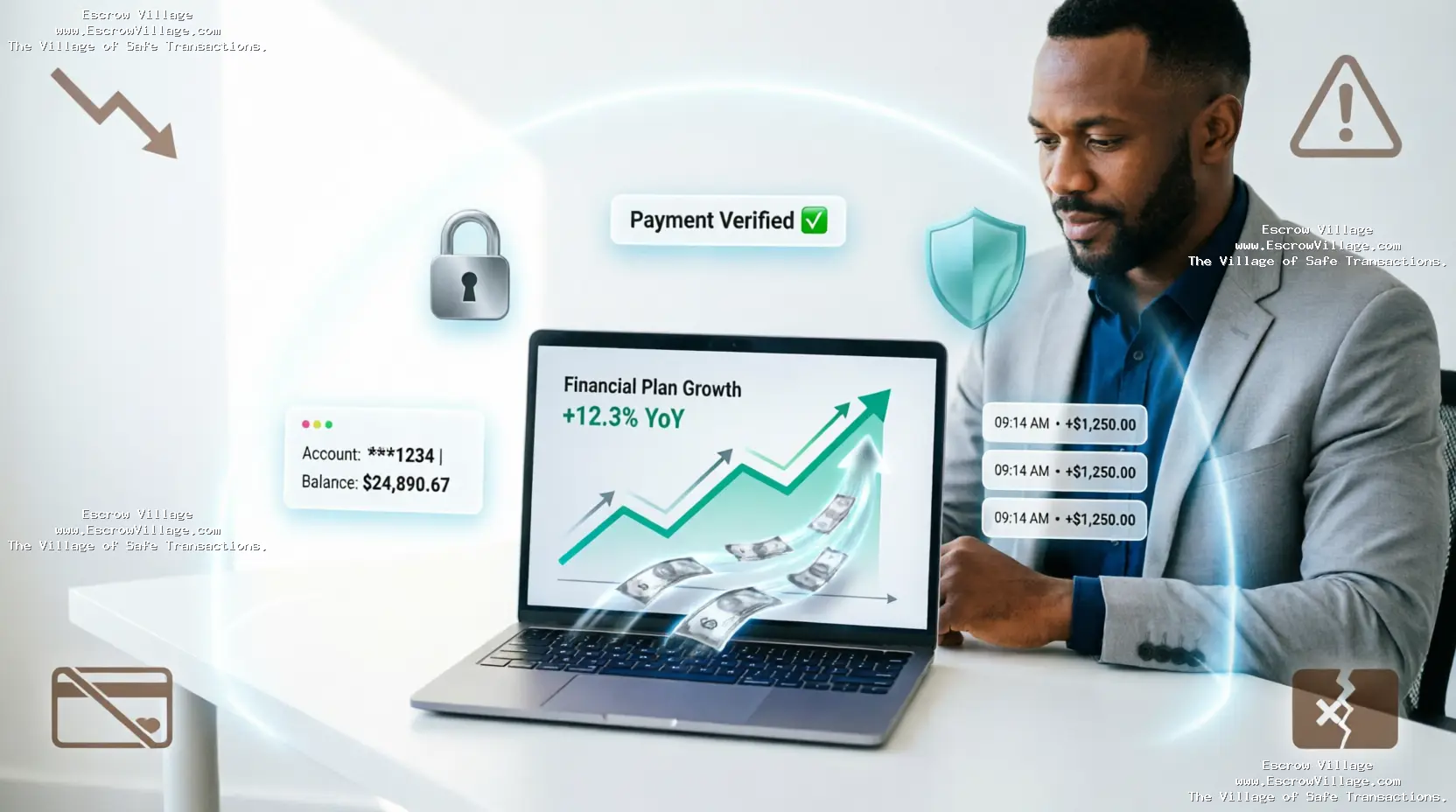
For Nigerian SMEs, protecting the business means protecting more than data. It also means protecting the money, transactions, and trust that keep the business running.
With Escrow Village, businesses can take a more secure approach to online transactions while giving customers greater confidence to do business with them.
From receiving orders on WhatsApp to accepting payments, communicating with customers, and working with vendors, SMEs depend heavily on digital platforms.
But convenience comes with risks.
Cybersecurity threats facing Nigerian SMEs can lead to stolen money, compromised accounts, fake transactions, and loss of customer trust.
While businesses should protect their devices and accounts, they also need to think about how they protect the money moving through their online transactions.
This is where secure payment methods and escrow can provide an additional layer of protection.
- 1. Phishing Scams
A scammer may send an email, WhatsApp message, or social media message pretending to be a bank, customer, supplier, or another trusted organisation.
The goal is usually to convince the recipient to reveal passwords, payment information, verification codes, or other sensitive details.
For an SME, one compromised account can become a much bigger problem if criminals use it to access business information or deceive customers.
Businesses should train employees to verify suspicious messages and avoid clicking unknown links.
When it comes to payments, using a trusted escrow service can also reduce the need to send money directly to unfamiliar parties.
- 2. Business Email Compromise
For example, a fake supplier could claim that their bank account has changed and ask the business to send the next payment to a new account.
Instead of acting immediately, businesses should independently confirm changes to payment instructions.
Using Escrow Village for suitable business transactions can provide another layer of transaction security.
Rather than relying solely on a message instructing you where to send money, an escrow arrangement can help structure the payment around agreed transaction conditions.
- 3. Account Takeover
Once they gain access, they may impersonate the business, contact customers, request payments, or damage the company's reputation.
SMEs should use strong, unique passwords, enable two-factor authentication where available, and avoid sharing verification codes.
However, protecting the account is only part of the solution. Businesses also need to consider what happens when customers are asked to make payments through compromised accounts.
Encouraging customers to use a recognised secure transaction process such as Escrow Village can help reduce reliance on payment instructions sent through potentially compromised channels.
- 4. Fake Vendors and Customers
Sometimes, the biggest risk is simply dealing with the wrong person.
A scammer may create a convincing social media profile, pretend to be a supplier, or pose as a customer interested in making a large purchase.
After gaining the business's trust, they may disappear with money or attempt to obtain products without legitimate payment.
Businesses should verify new customers and suppliers before entering significant transactions.
For higher-risk online deals, escrow can help create a safer transaction process.
With Escrow Village, the parties can agree on the transaction terms and use escrow to add protection to the payment process.
- 5. Payment Fraud
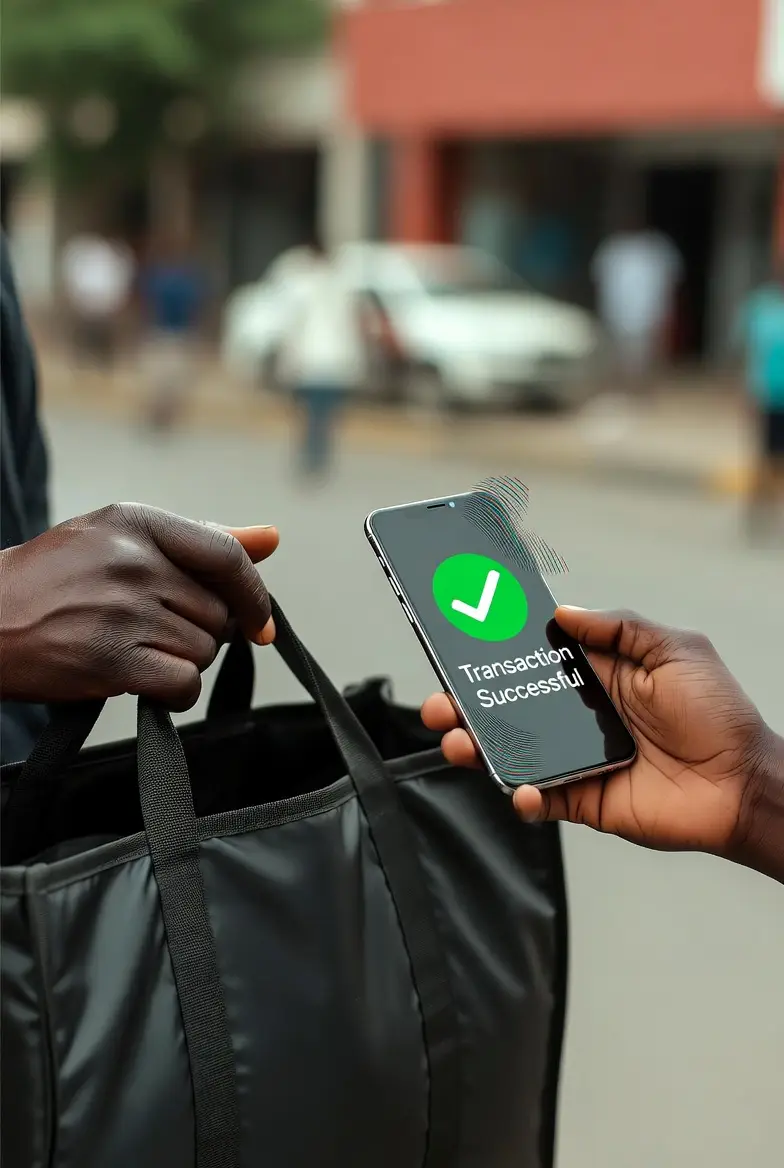
This is particularly dangerous for SMEs because releasing goods before confirming payment can result in direct financial losses.Never rely solely on a screenshot as proof of payment.
Confirm the transaction through the appropriate financial channel.
For transactions where both parties need additional reassurance, Escrow Village can help by providing a structured payment process instead of requiring the buyer and seller to rely entirely on trust.
- 6. Ransomware and Malware
Malware can also steal information, monitor activity, or damage business systems.
SMEs can reduce these risks by keeping software updated, using reputable security tools, backing up important files, and limiting access to sensitive information.
Cybersecurity, however, is not only about protecting files and computers. Protecting business transactions is equally important, particularly for SMEs that depend on online sales.
- 7. Social Engineering
A scammer may pretend to be a customer who urgently needs a refund or a company representative requesting sensitive information.
Because the attack targets human behaviour rather than technology alone, even businesses with good security systems can be vulnerable.
Employees should be encouraged to slow down, verify unusual requests, and never allow pressure or urgency to override security procedures.
- Protect Your Business Beyond Passwords
Businesses also need to think about how they verify customers, suppliers, payments, and online transactions.
This is where Escrow Village can play an important role. By providing an escrow-based transaction process, it can help businesses and their customers add an extra layer of security when exchanging money online.
No payment method can eliminate every cybersecurity threat. But combining good cybersecurity practices with secure transaction methods such as escrow can make it harder for scammers to exploit weak points.
For Nigerian SMEs, protecting the business means protecting more than data. It also means protecting the money, transactions, and trust that keep the business running.
With Escrow Village, businesses can take a more secure approach to online transactions while giving customers greater confidence to do business with them.