How to Reduce Payment Risk When Working With New Vendors
But it also brings uncertainty. You may not know how reliable the vendor is, whether they will deliver what they promised, or whether your money is safe once you pay.
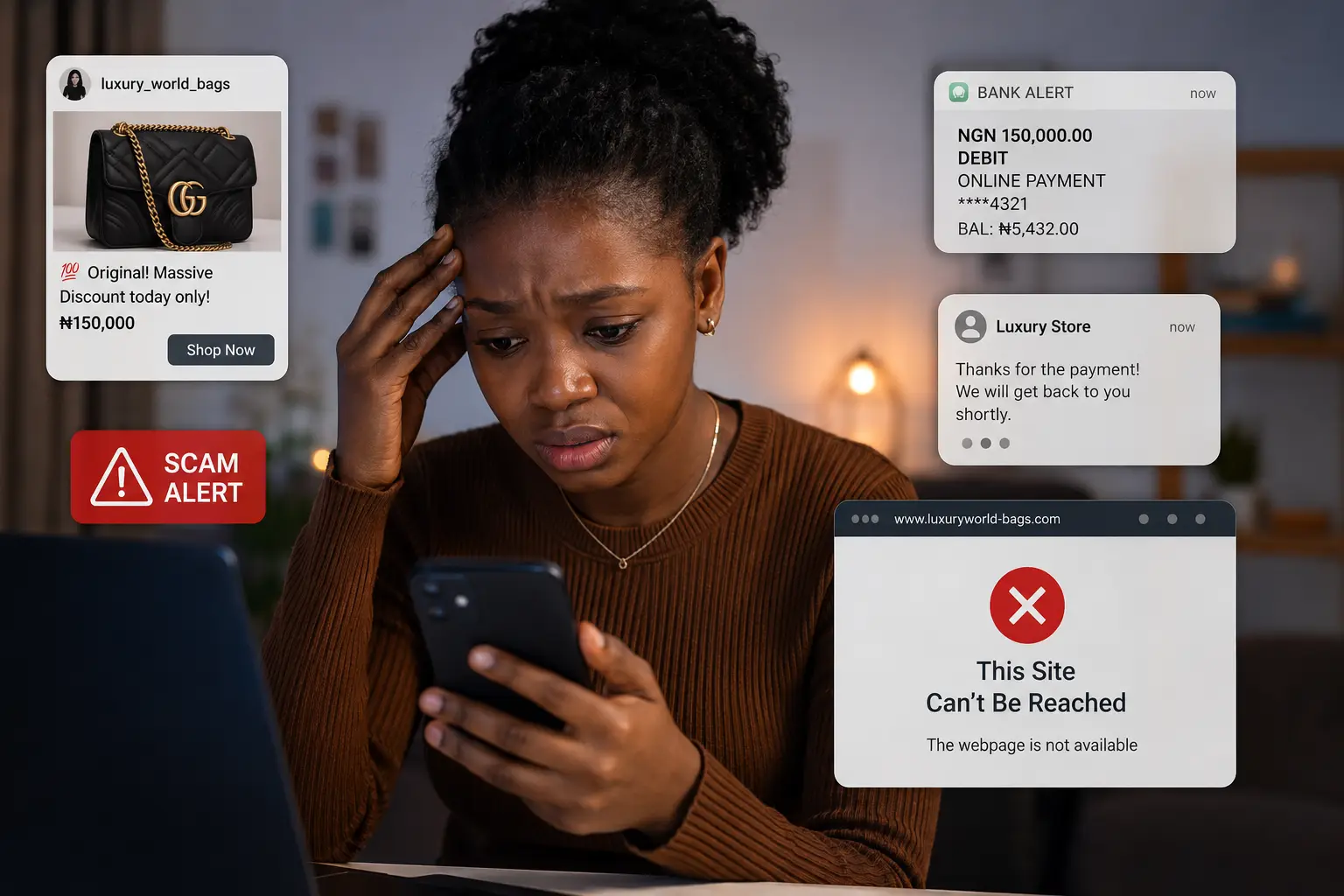
This is where vendor payment risk becomes a concern. Issues like fake vendors, delayed deliveries, poor-quality products, and payment fraud can quickly turn a simple business transaction into a costly problem.
That doesn't mean you should avoid new vendors completely. Instead, you need to understand how to reduce payment risk and put simple measures in place that protect your business while allowing you to work with new suppliers confidently.
- Build Trust Before Building a Business Relationship

A good vendor relationship doesn't happen after one transaction.
It is built over time through communication, reliability, and consistent delivery.
Before committing a large amount of money to a new vendor, start small where possible. Pay attention to how they communicate, respond to questions, handle problems, and meet agreed deadlines.
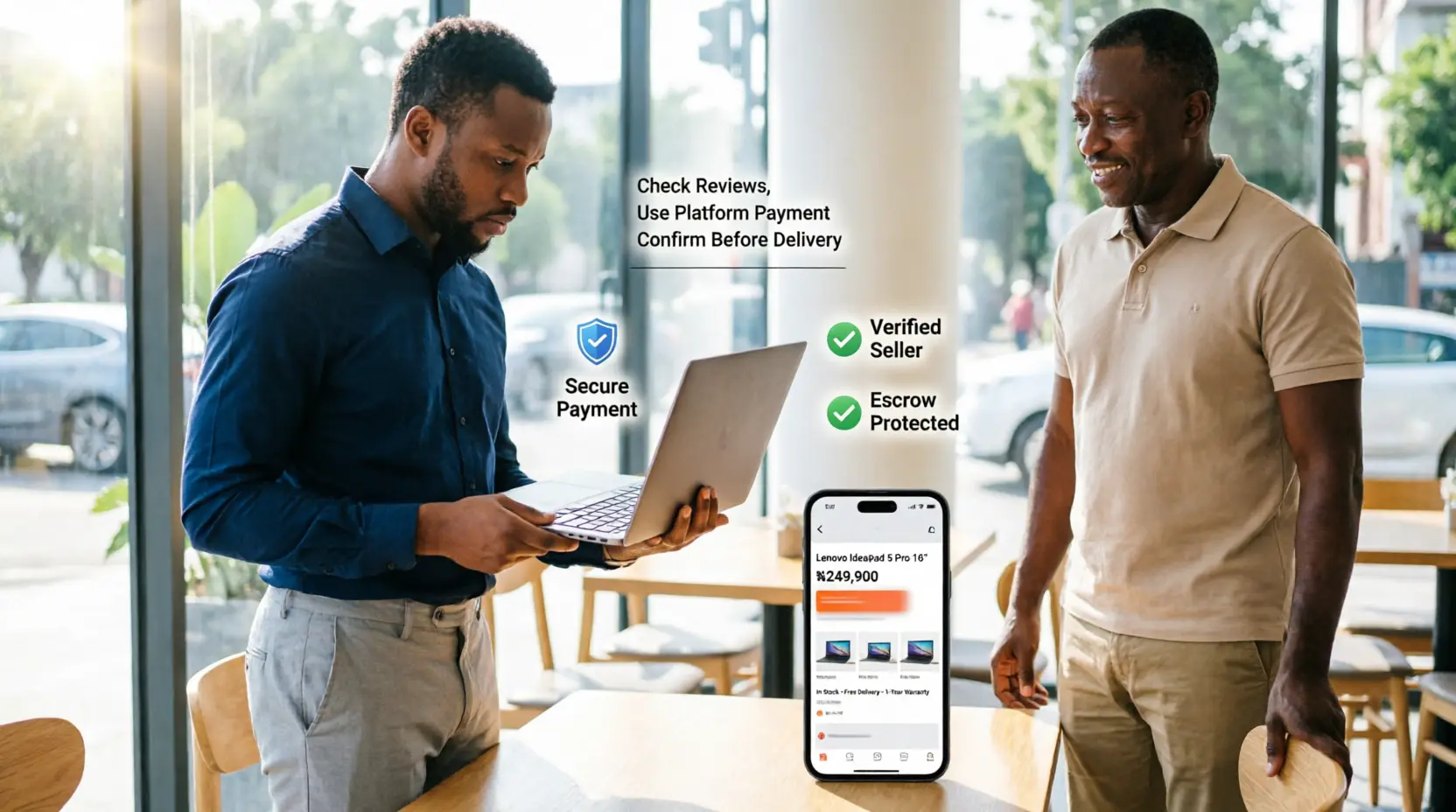
You should also check their business details and look for references, reviews, or previous customers you can verify. If a vendor becomes defensive whenever you ask reasonable questions about their business, that should make you pause.
The goal isn't to treat every new vendor as a potential scammer. It is simply to avoid trusting someone with your business money before they have given you a reason to trust them.
- Create a System for Managing Your Vendors
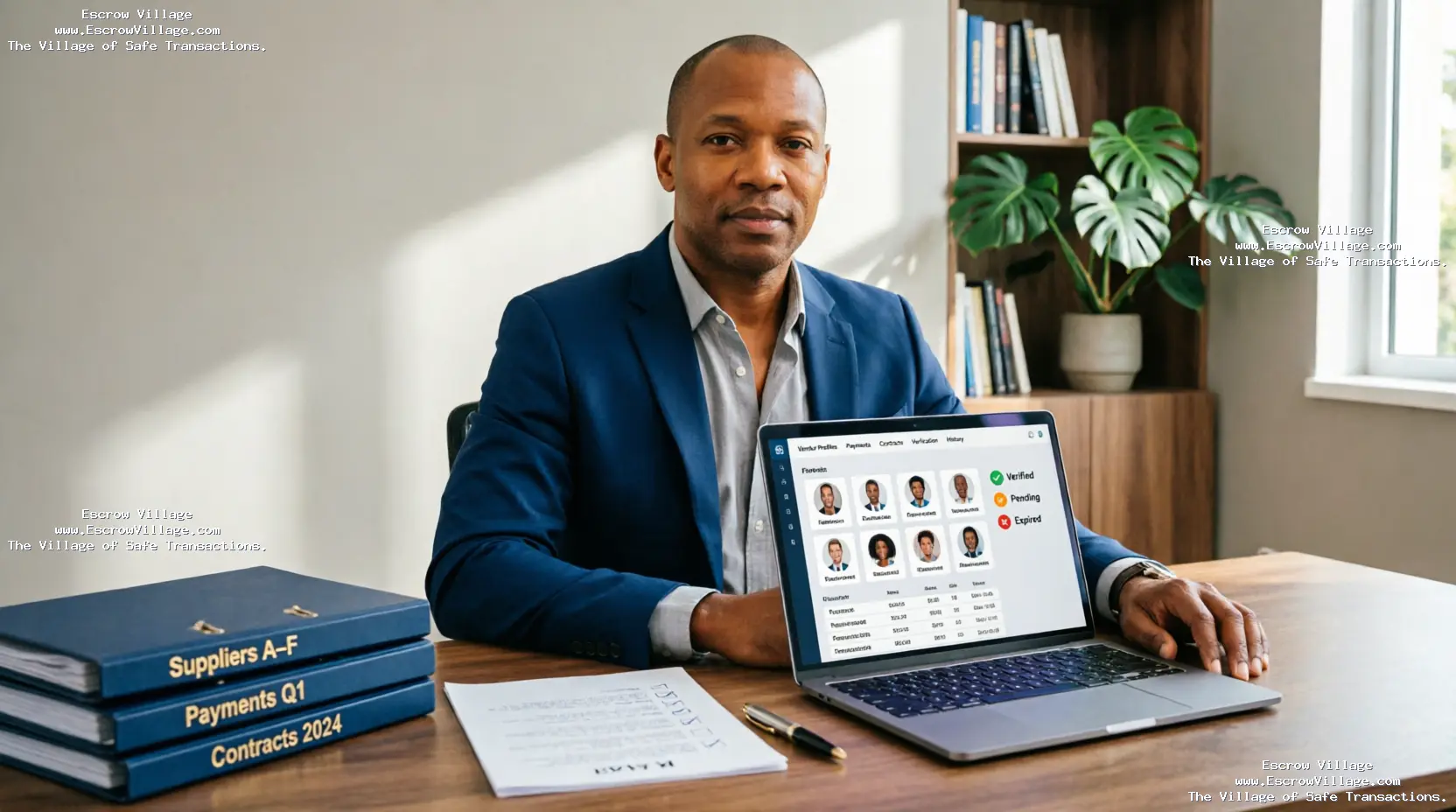
If your business works with several suppliers, relying on memory or personal relationships can become risky.
A simple supplier risk management system can help you keep track of who you are dealing with and how they perform.
Keep important information such as the vendor's business name, contact details, bank information, products or services supplied, agreed prices, and payment terms in one place.
You can also record their delivery history and any previous issues.
This makes it easier to identify vendors who consistently deliver and those who repeatedly cause problems. It also means that when someone new joins your business, they can understand the history of your vendors instead of starting from scratch.
Good vendor risk management isn't about making business complicated. It's about having enough information to make better decisions.
- Choose Your Vendors Carefully

The cheapest vendor isn't always the best vendor.
A supplier may offer you an attractive price, but if they deliver late, send poor-quality products, disappear after receiving payment, or damage your relationship with your customers, the low price may end up costing you more.
Before choosing a new vendor, look beyond the price. Consider their experience, reputation, communication, ability to meet deadlines, and the quality of their previous work.
For example, if you run an online fashion business and a supplier regularly sends products that don't match what you ordered, you could end up dealing with refunds, unhappy customers, and damaged trust.
Your vendor becomes part of your business experience. So choose one who can support the standard you want your customers to receive.
- Put Internal Controls Around Business Payments
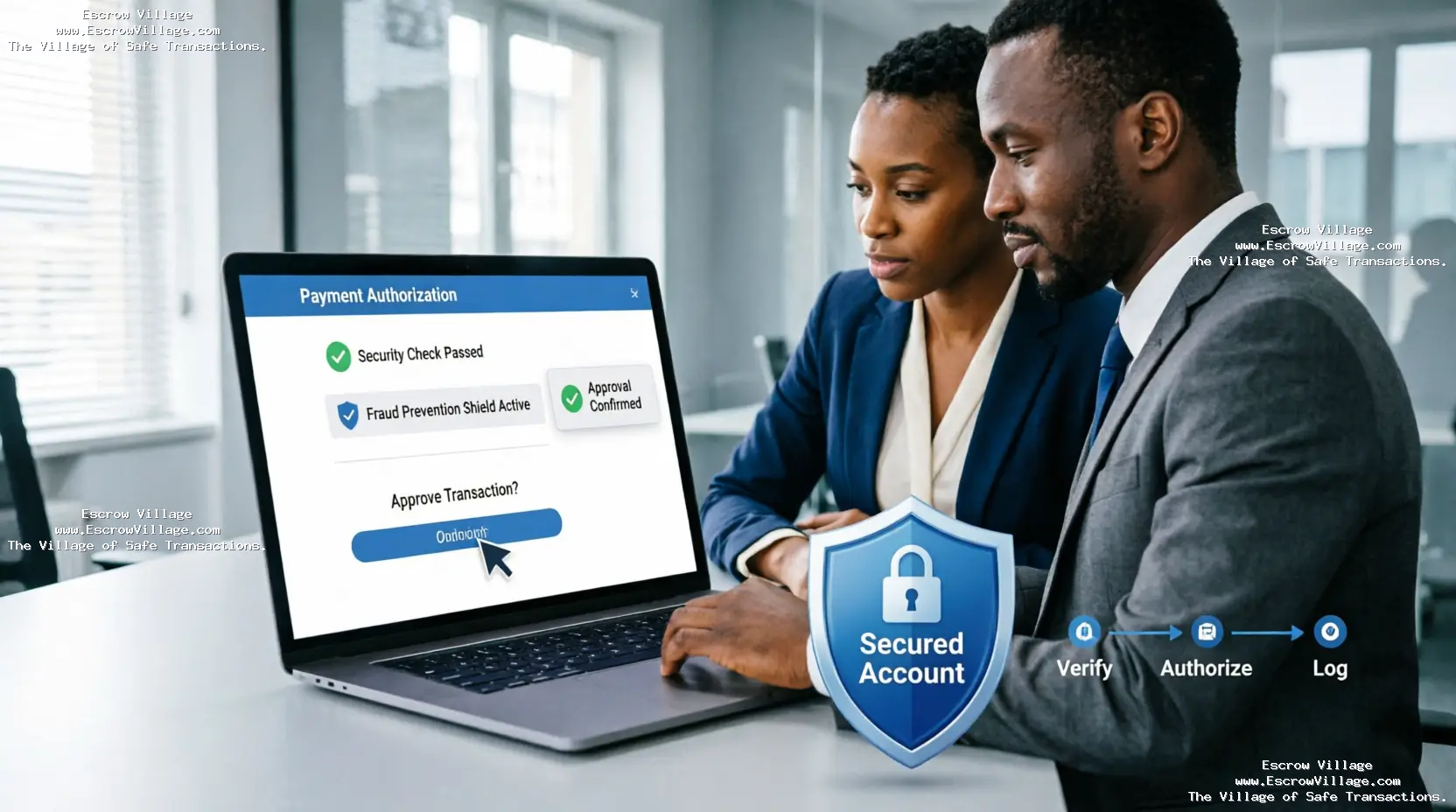
Payment mistakes can happen when there are no clear processes in place.
One person may receive a vendor's invoice, approve it, and make payment without anyone else checking the details.
To reduce payment risk and management problems, create simple internal controls.
For larger transactions, you could require another person to review the invoice before payment. Confirm that the goods or services were actually requested and that the amount matches what was agreed.
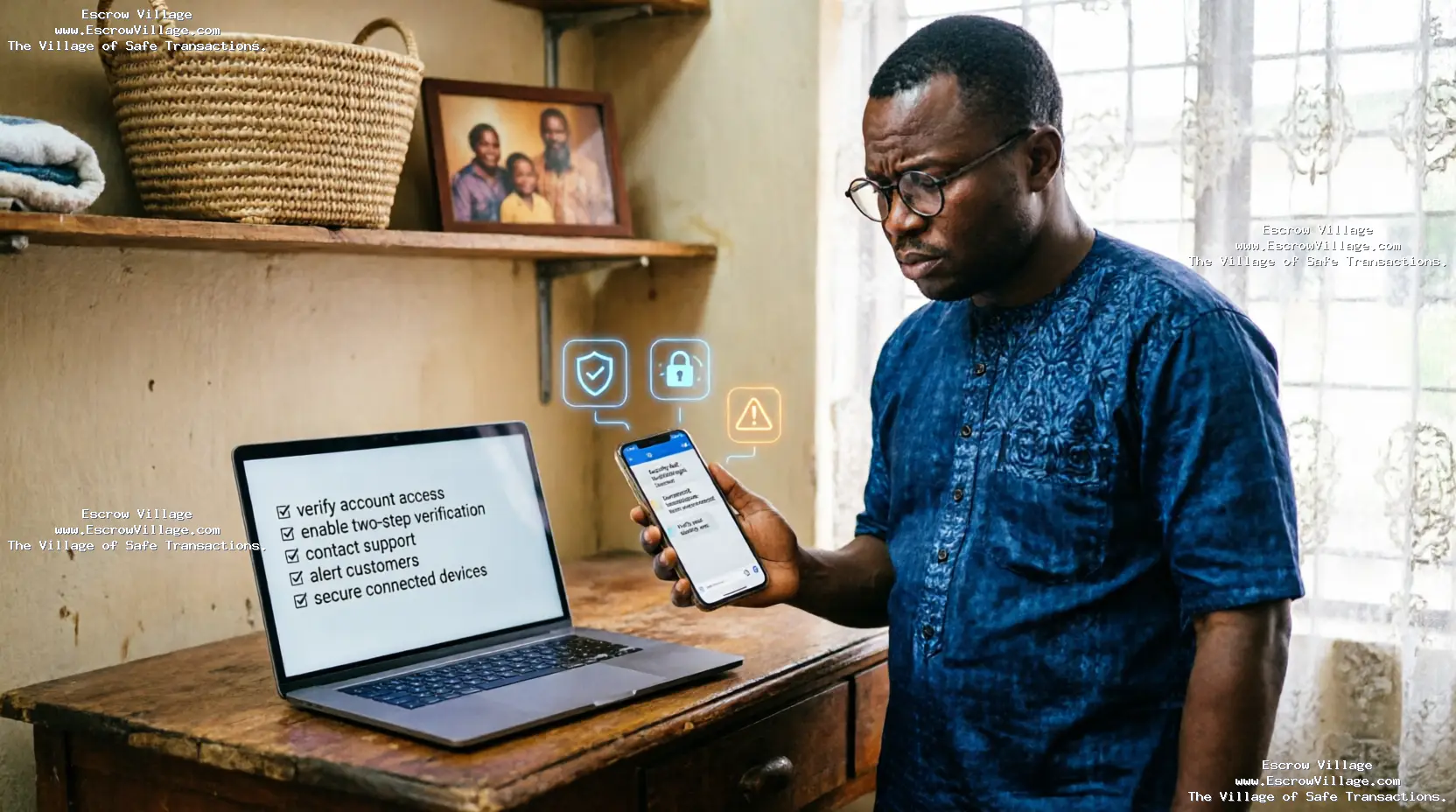
You should also avoid changing a vendor's bank details based only on a message or email. Confirm important changes through a trusted communication channel.
These checks may seem small, but they can prevent a business from sending a large payment to the wrong account or paying for something that was never delivered.
- Verify the Vendor Before Sending Money
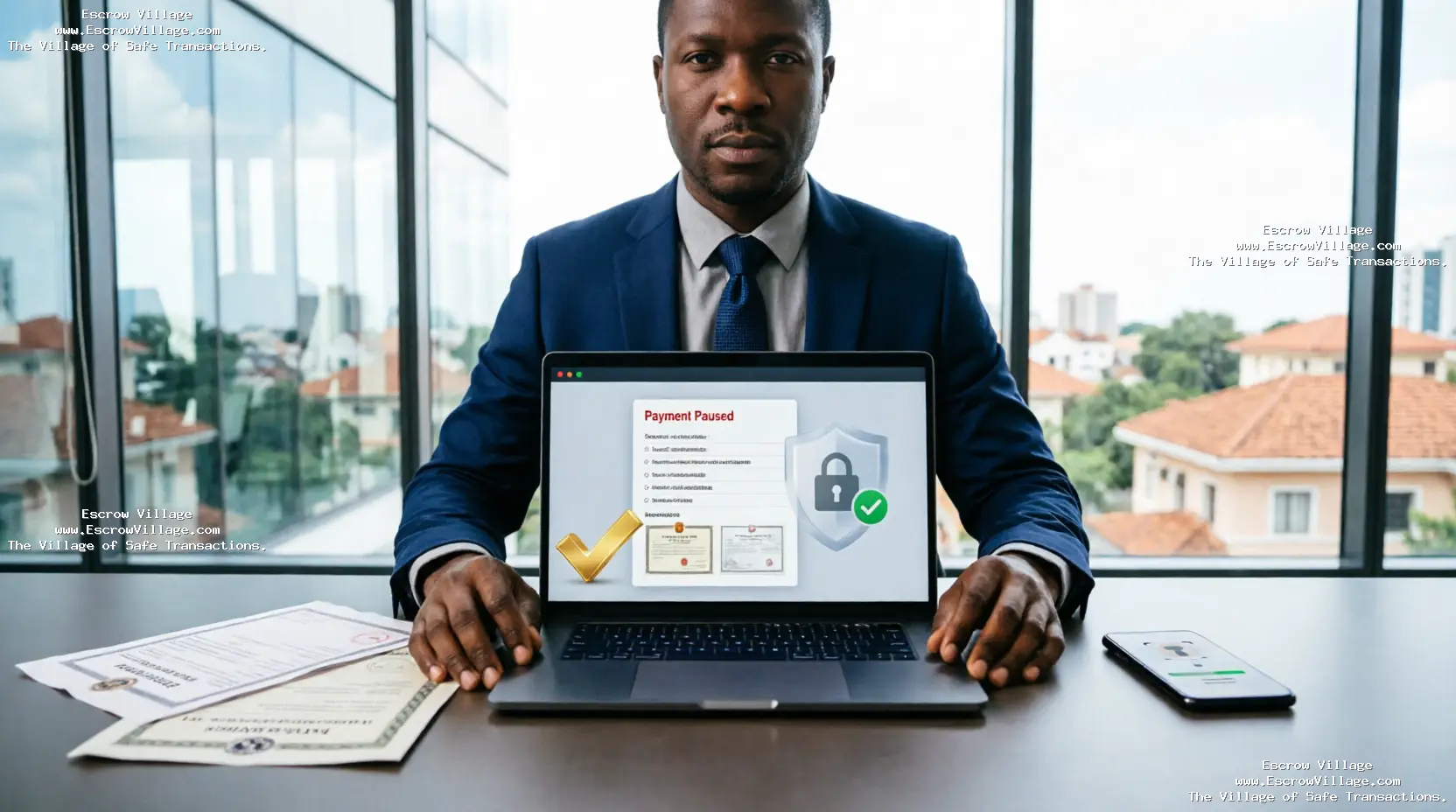
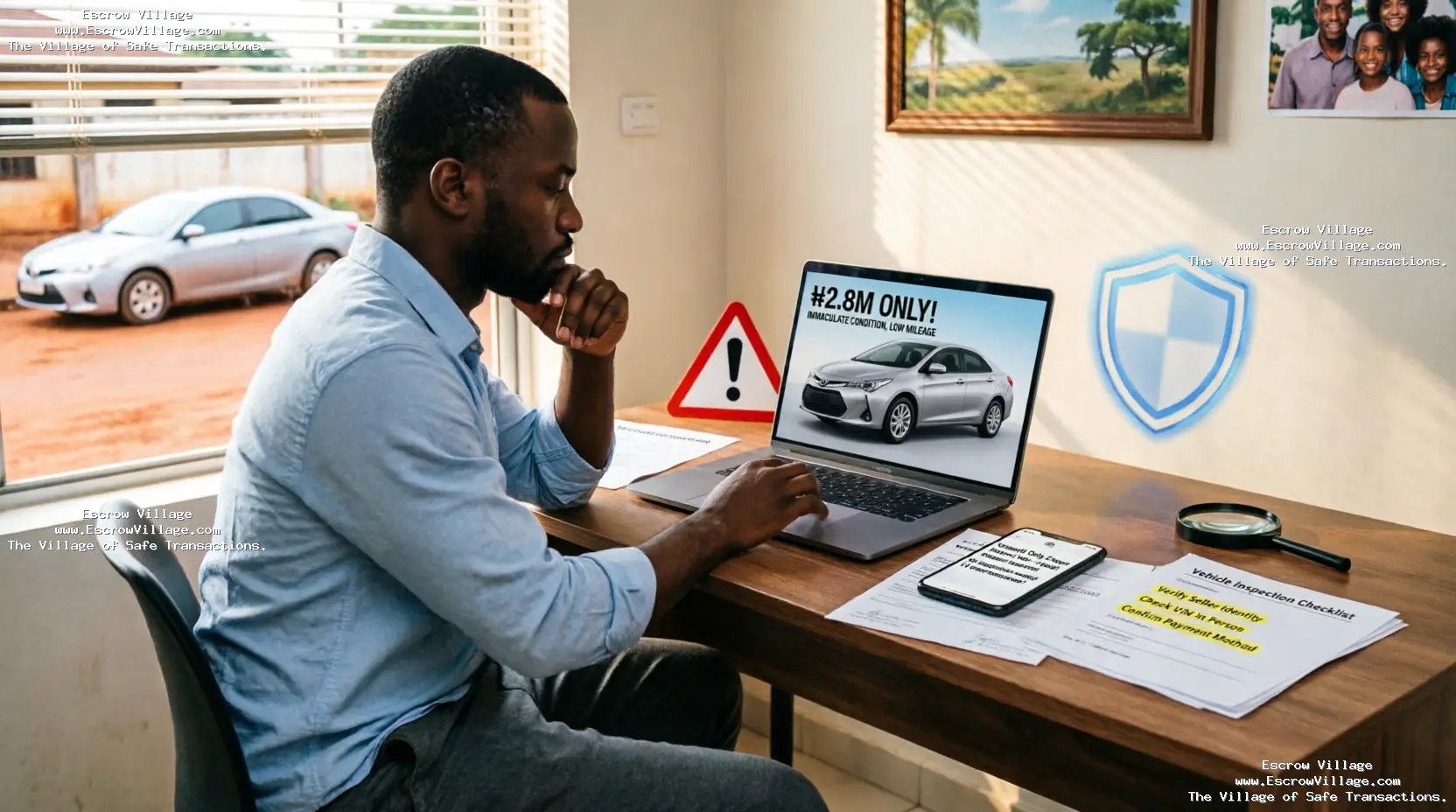
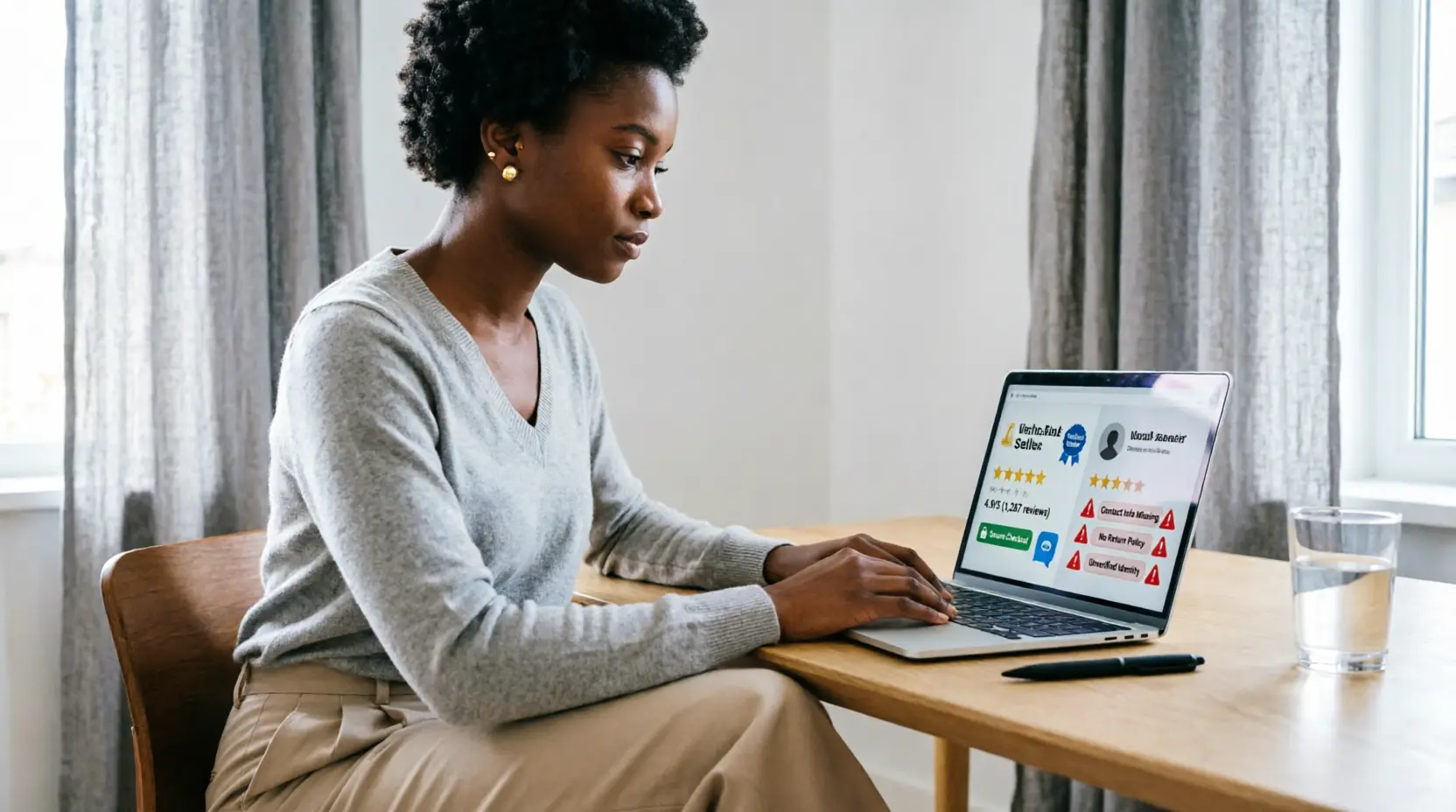
Don't let a convincing social media page or professional-looking invoice be your only reason for trusting a vendor.
Take some time to carry out vendor verification.
Check their business information, phone number, website or social media presence, physical location where applicable, and references from previous customers.
If the vendor claims to represent a particular company, contact that company through an independently verified channel to confirm it.
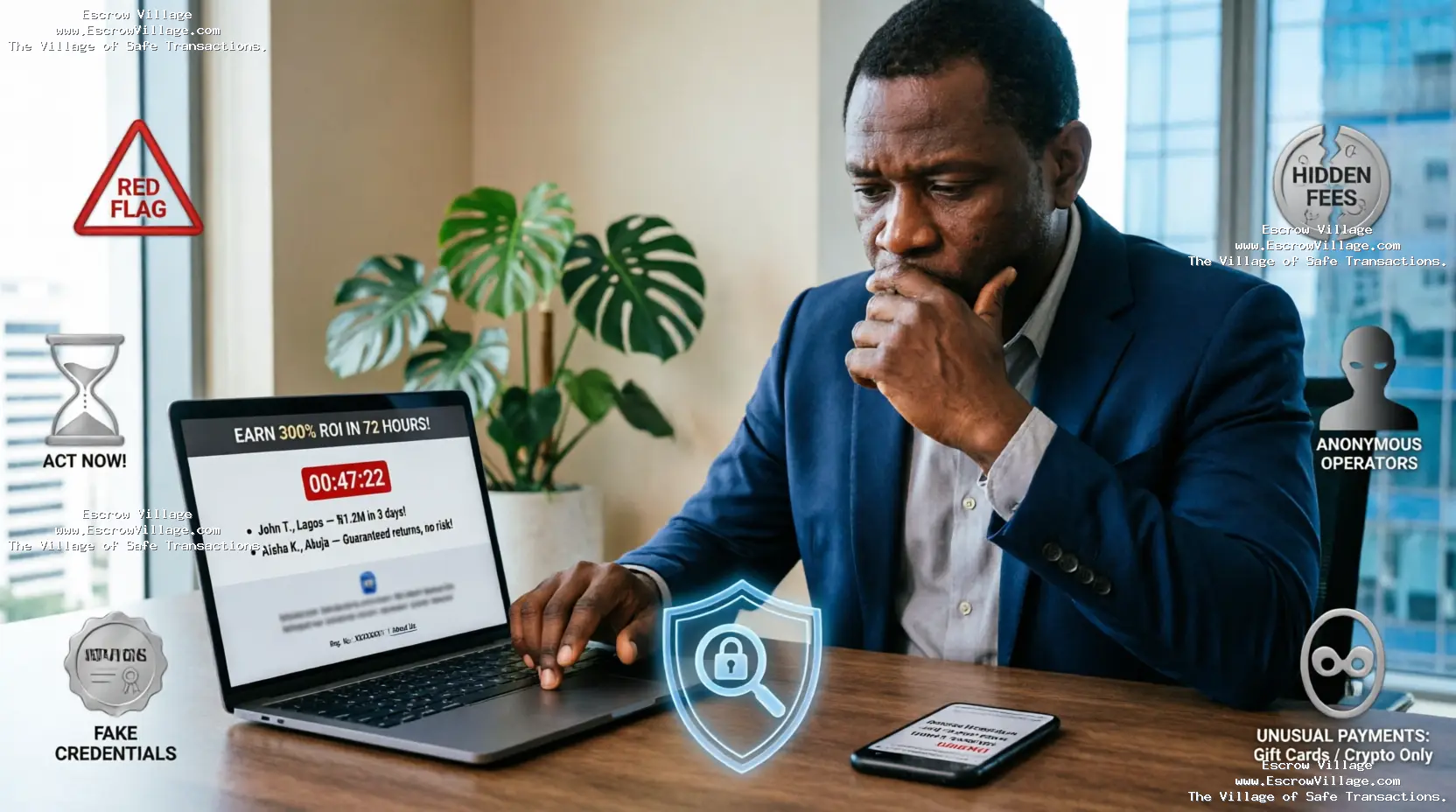
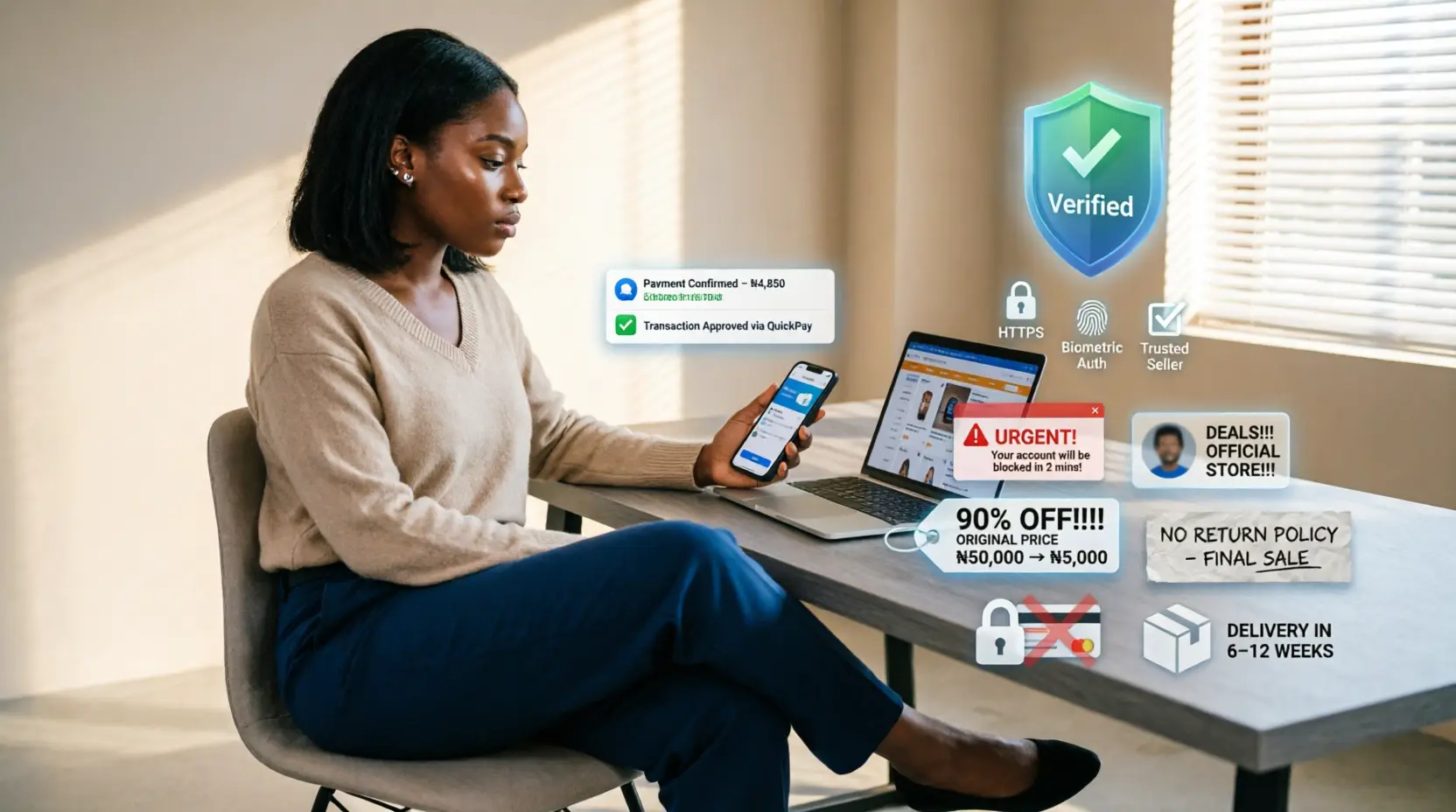
You should also be cautious when a new vendor suddenly changes payment details or pressures you to make an urgent payment.
A genuine vendor should understand why you need to verify important information. Taking a few extra minutes before transferring money can save you from spending weeks trying to recover it later.
- Monitor Your Payment Activity
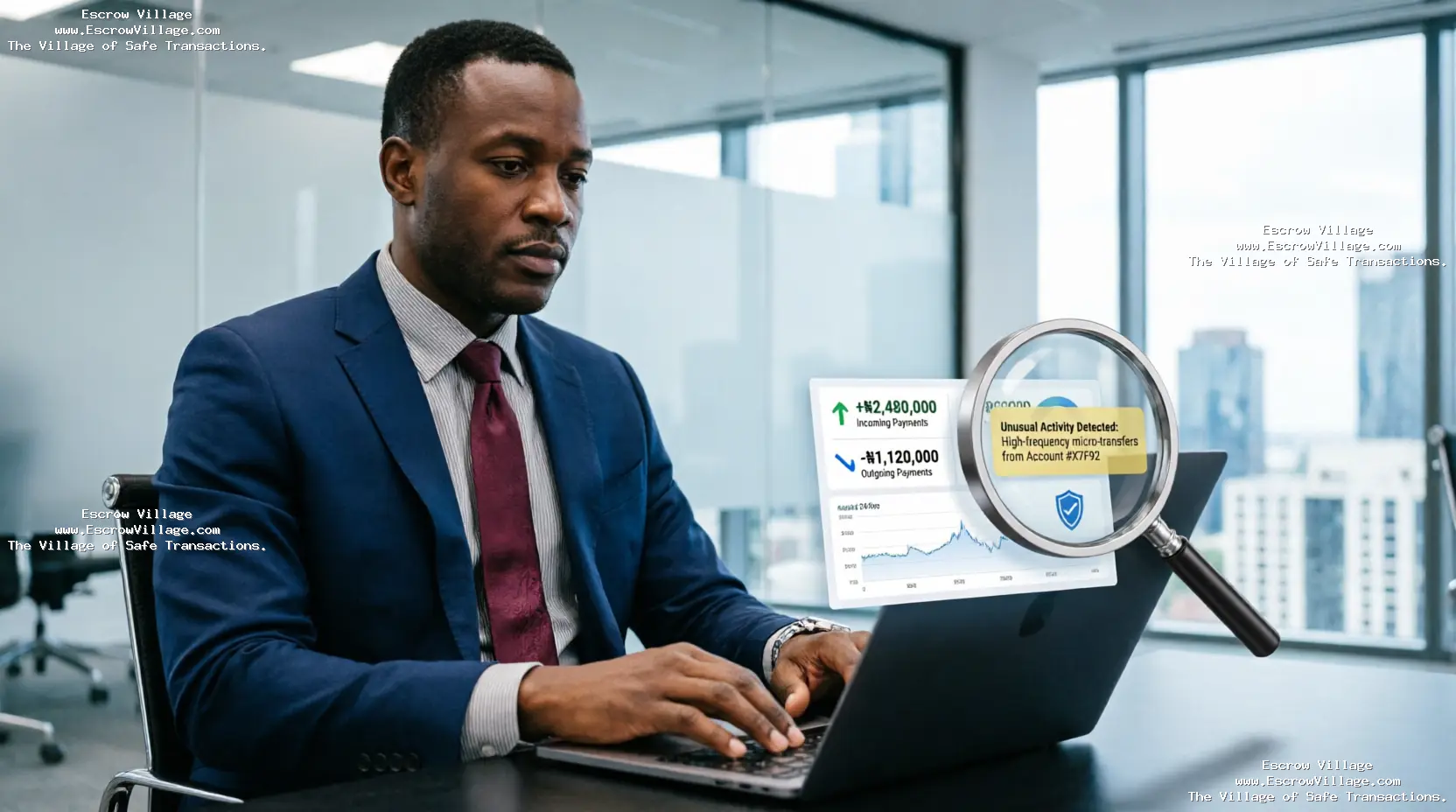
Payment risk doesn't end after you have approved a transaction. You should also monitor what happens afterwards.
Keep records of invoices, receipts, payment confirmations, delivery documents, and communication with the vendor. This gives you a clear trail if there is ever a disagreement.
For businesses with multiple employees handling payments, regularly review transactions to make sure payments are going to the correct vendors and for the correct amounts.
Be particularly careful with unusual requests, such as a vendor asking you to pay a different account at the last minute.
Monitoring your payments helps you notice something unusual before it becomes a bigger problem. It also makes it easier to investigate and resolve disputes when they happen.
- Teach Employees How to Spot Payment Risks

Your payment security is only as strong as the people handling your transactions.
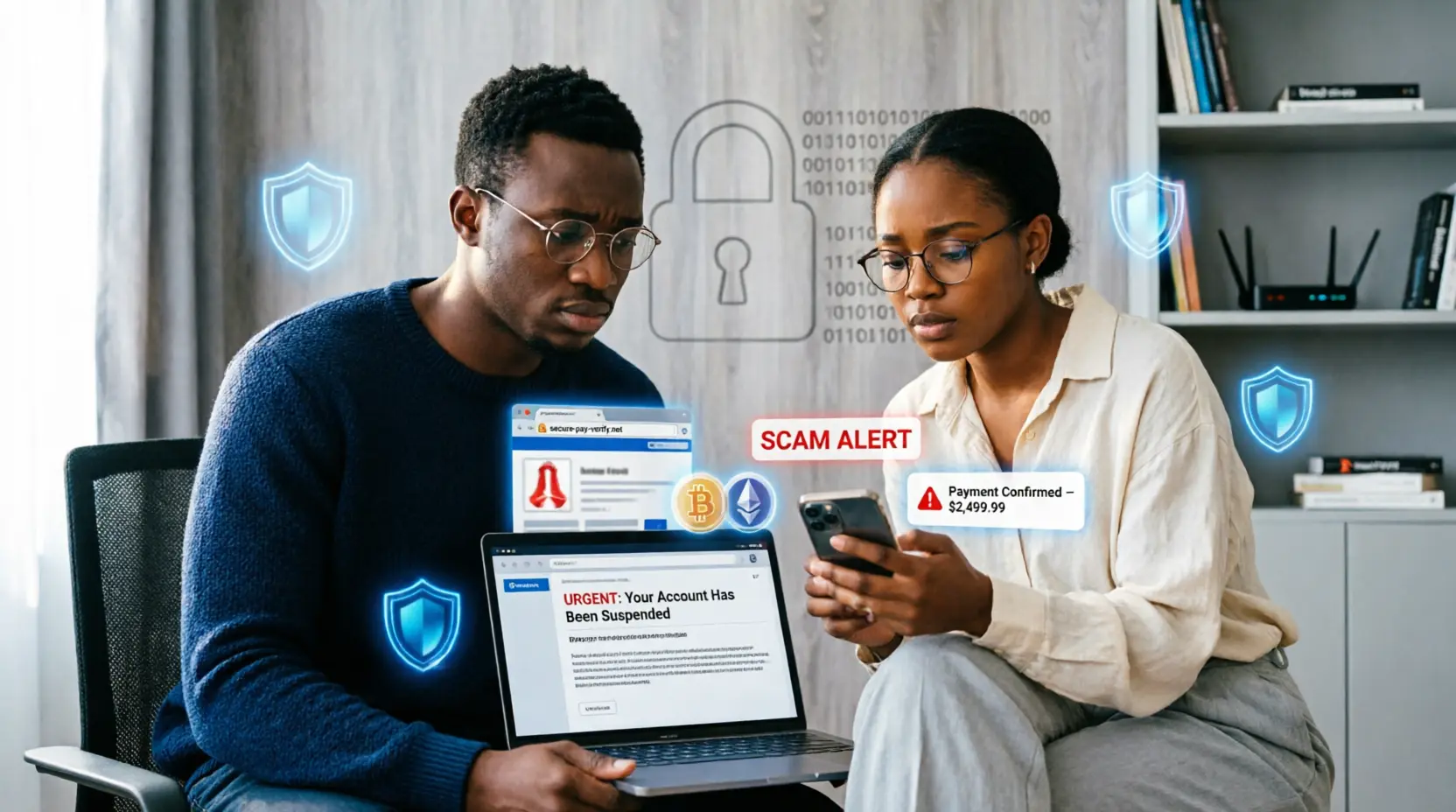
Employees who deal with vendors should know how to identify suspicious requests, fake invoices, unusual payment instructions, and attempts to rush a transaction.
Give them clear instructions on what to do when a vendor changes bank details or asks for an unexpected payment. They should know who to contact before approving the transaction.
You can also create a simple rule: when something feels different from the normal process, verify it before paying.
Regular training doesn't have to be complicated. Even short discussions about common payment scams and proper verification procedures can help employees make safer decisions.
- Agree on Payment Terms Before Work Begins

Don't wait until the vendor has completed the work before discussing how payment will happen.
Agree on important details from the beginning, including the total cost, payment schedule, delivery date, product specifications, refund conditions, and what happens if either party fails to meet the agreement.
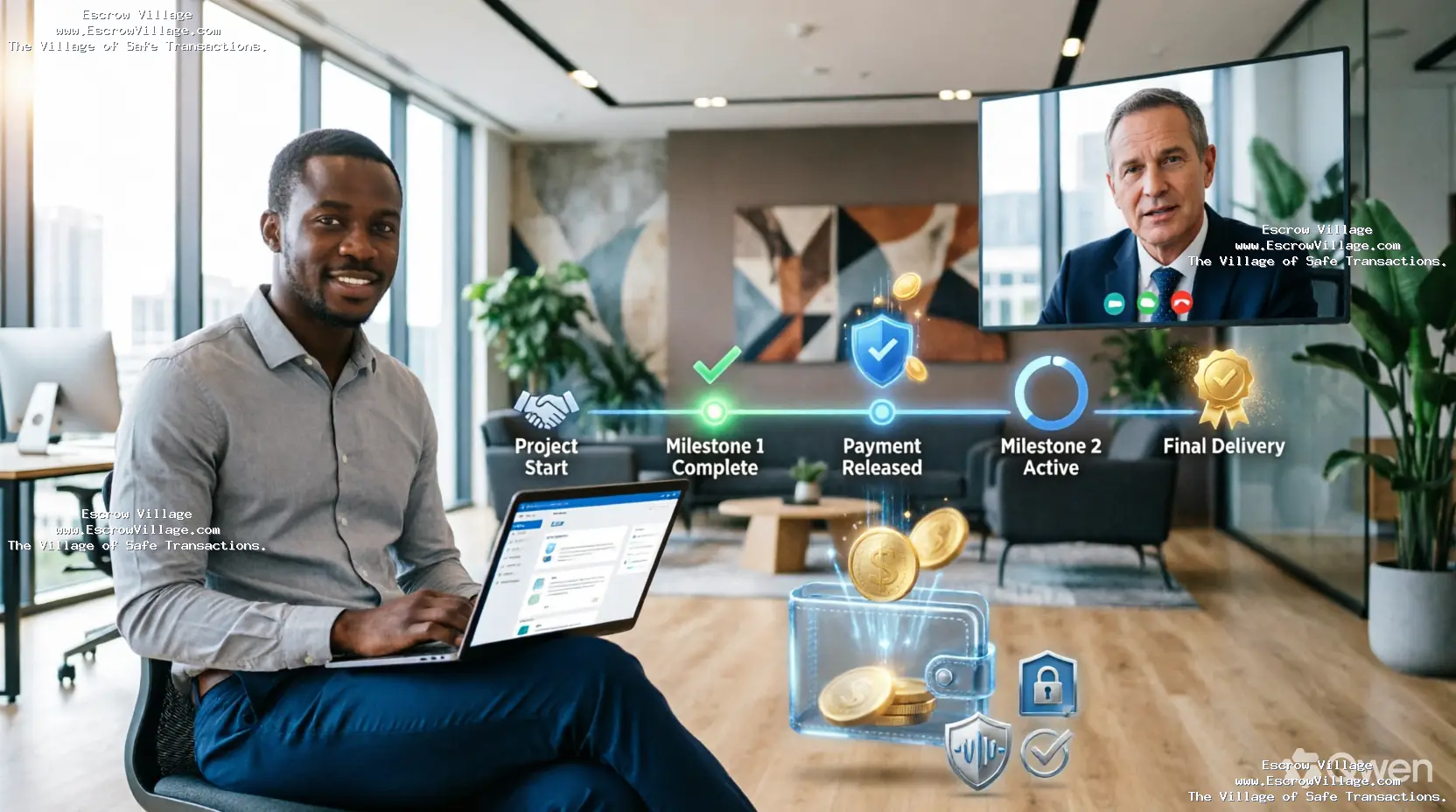
For example, instead of paying the entire amount upfront, you may agree to make part of the payment after a particular milestone has been completed.
Put the agreement in writing. This gives both sides something clear to refer back to if there is a disagreement.
Clear payment terms don't just protect the buyer. They also help honest vendors understand exactly what is expected of them and when they will be paid.
- Earn More and Risk Less With Escrow Village

Sometimes, the biggest challenge when working with new vendors is simple: you don't know them well enough to trust them with your money yet.
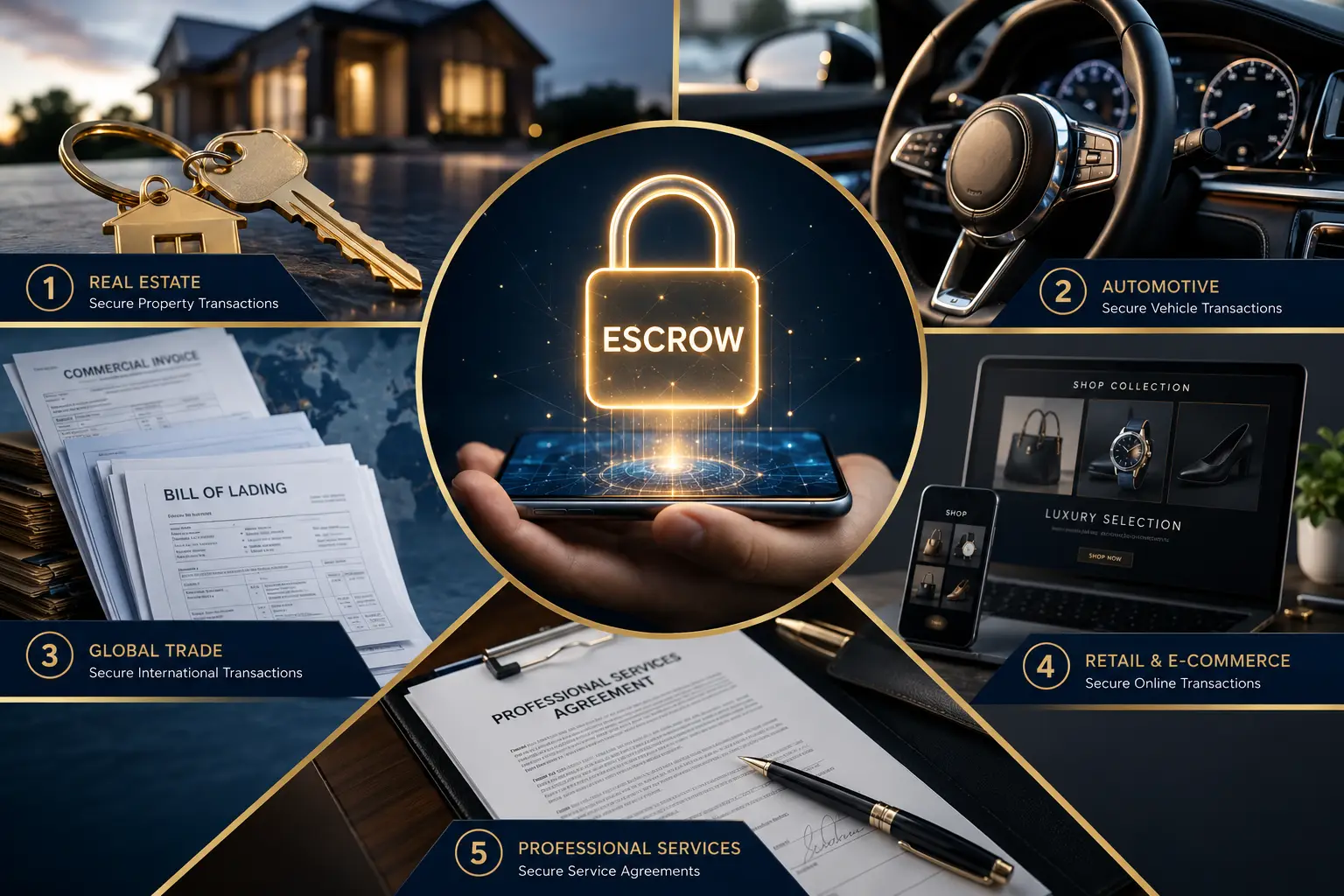
This is where an escrow service for businesses can help.
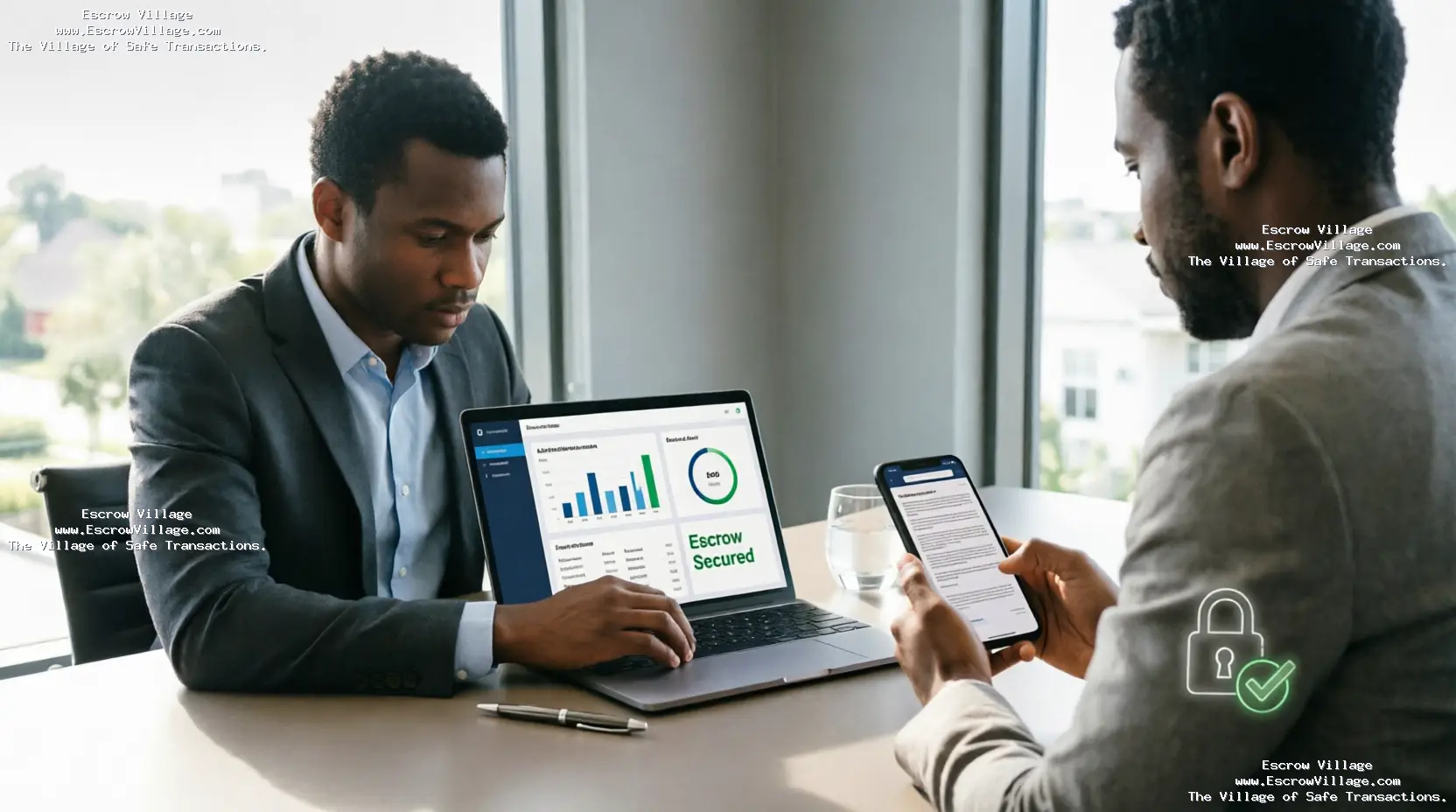
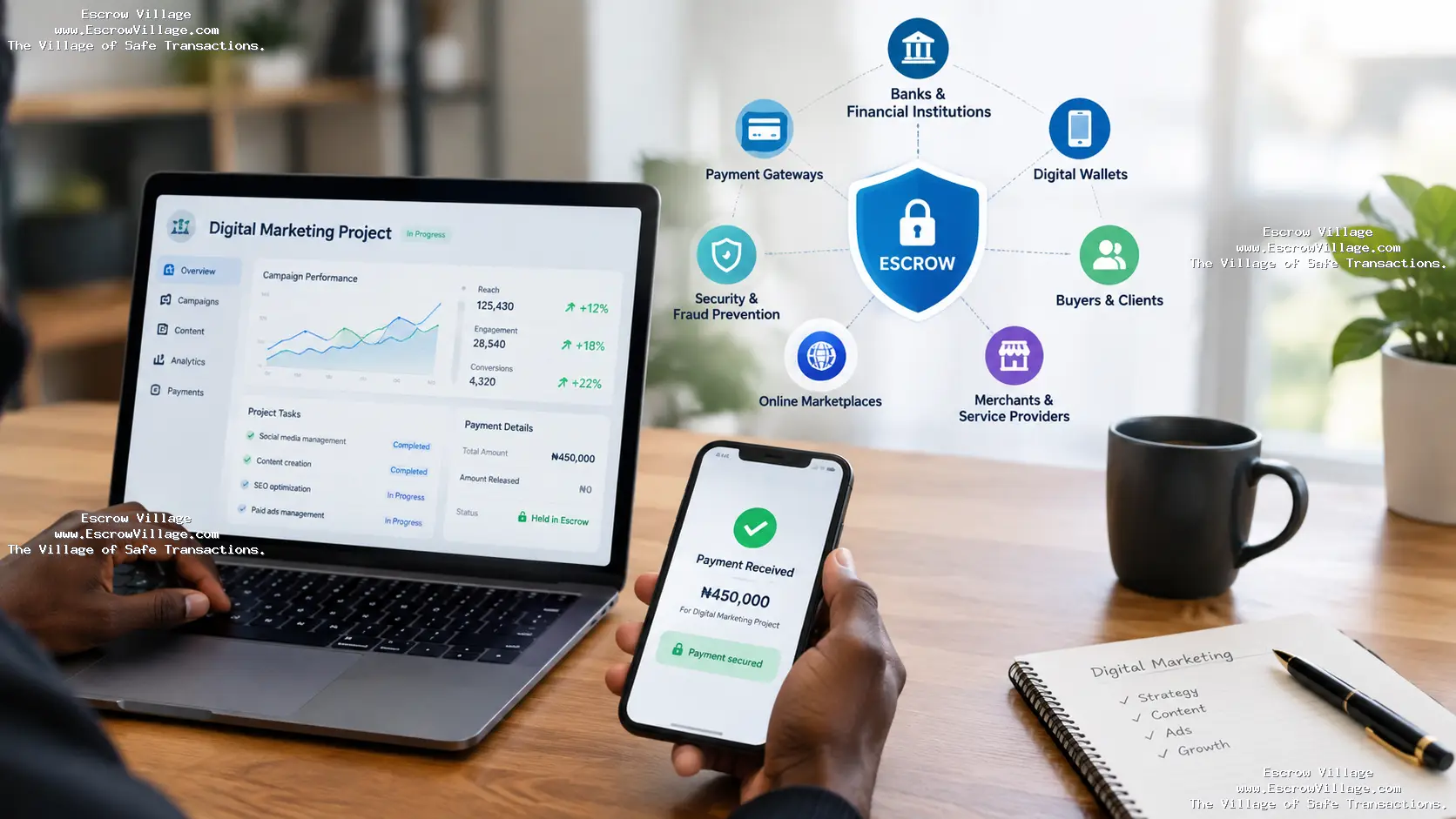
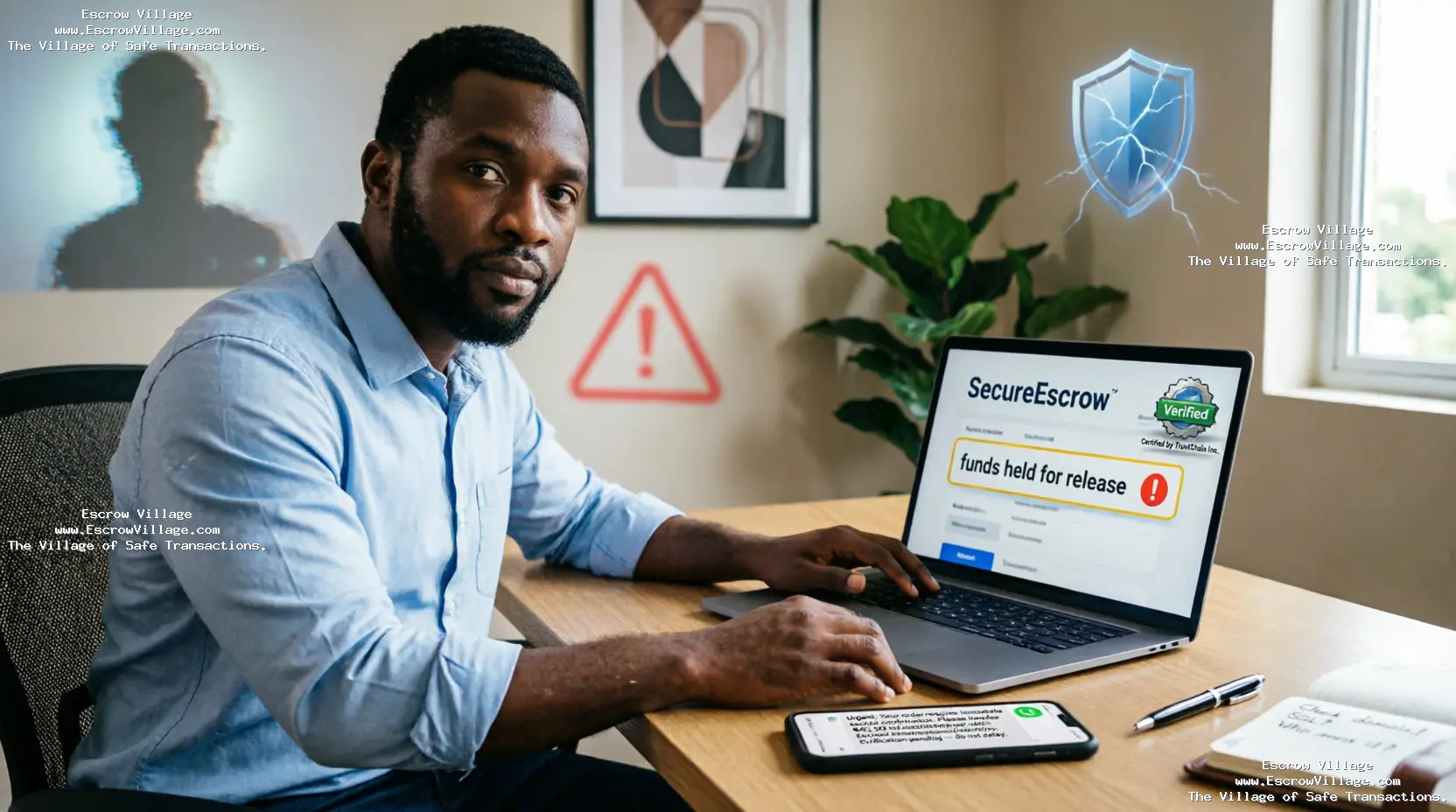
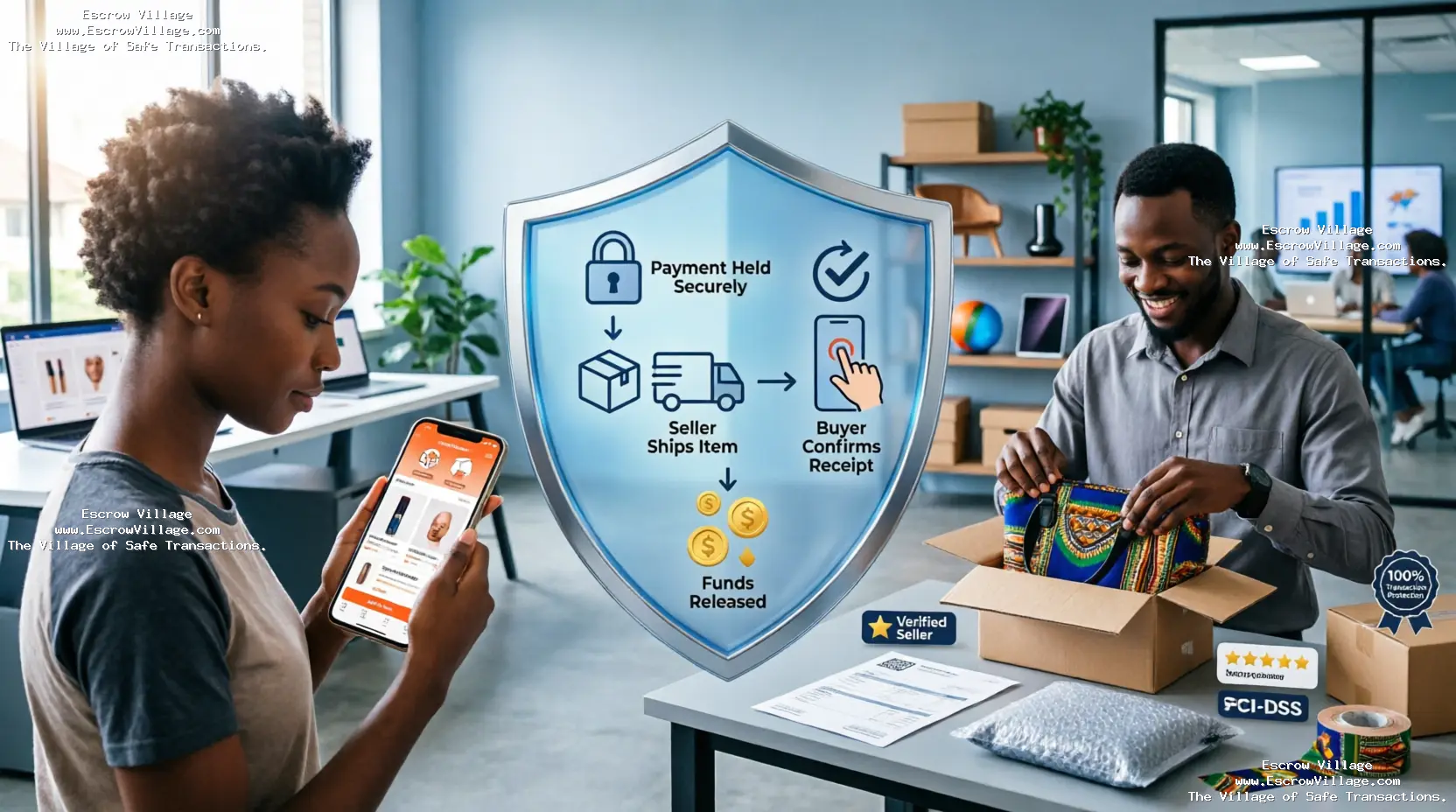
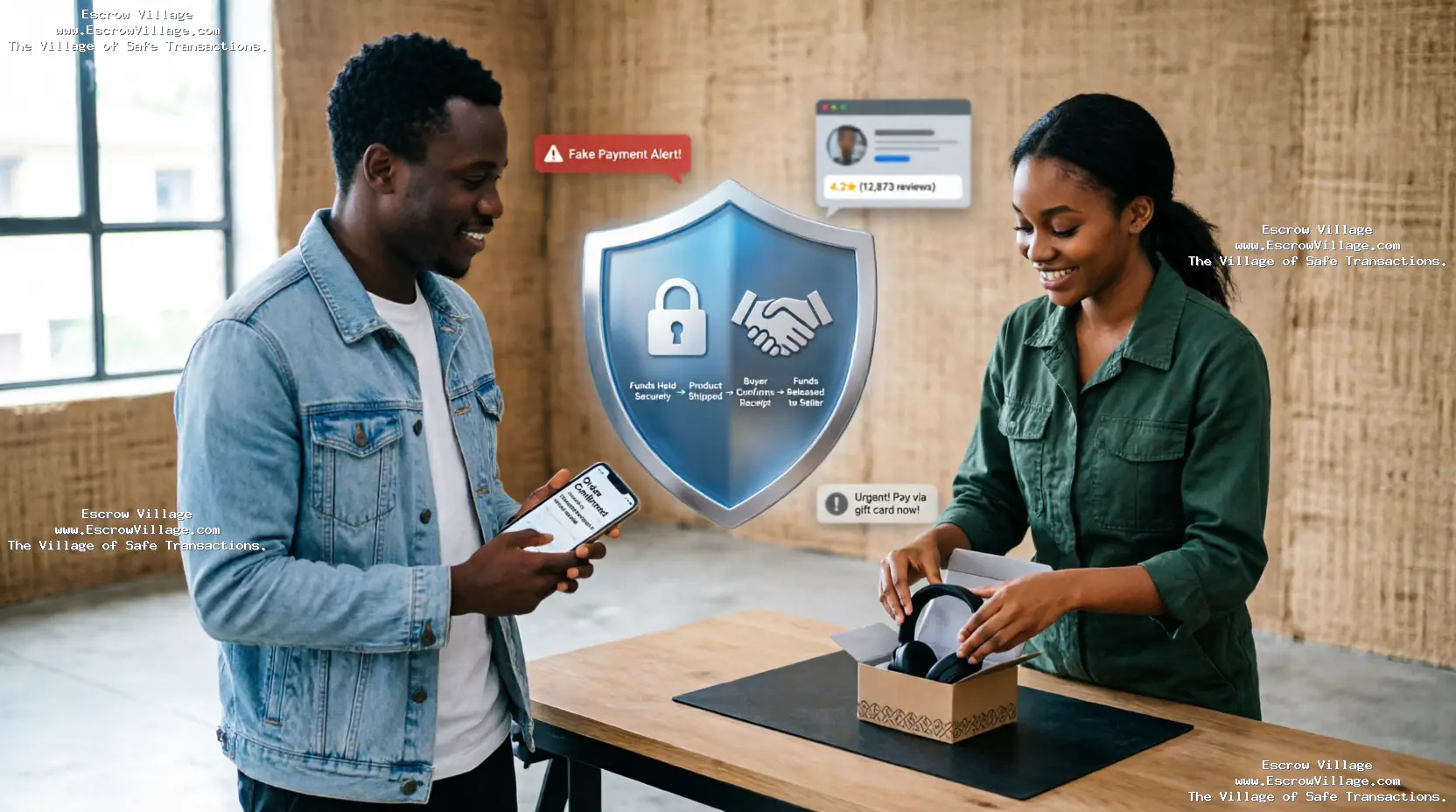
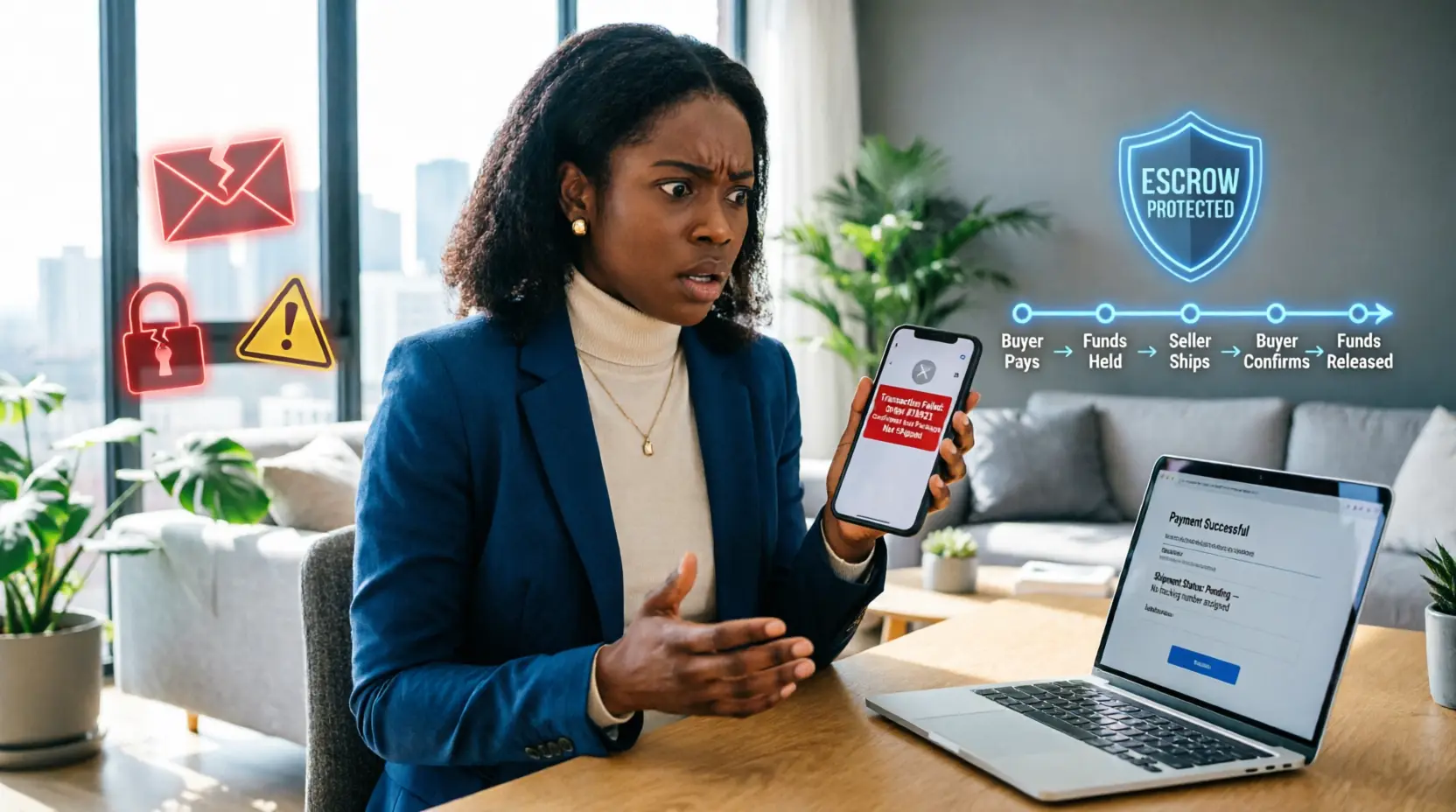
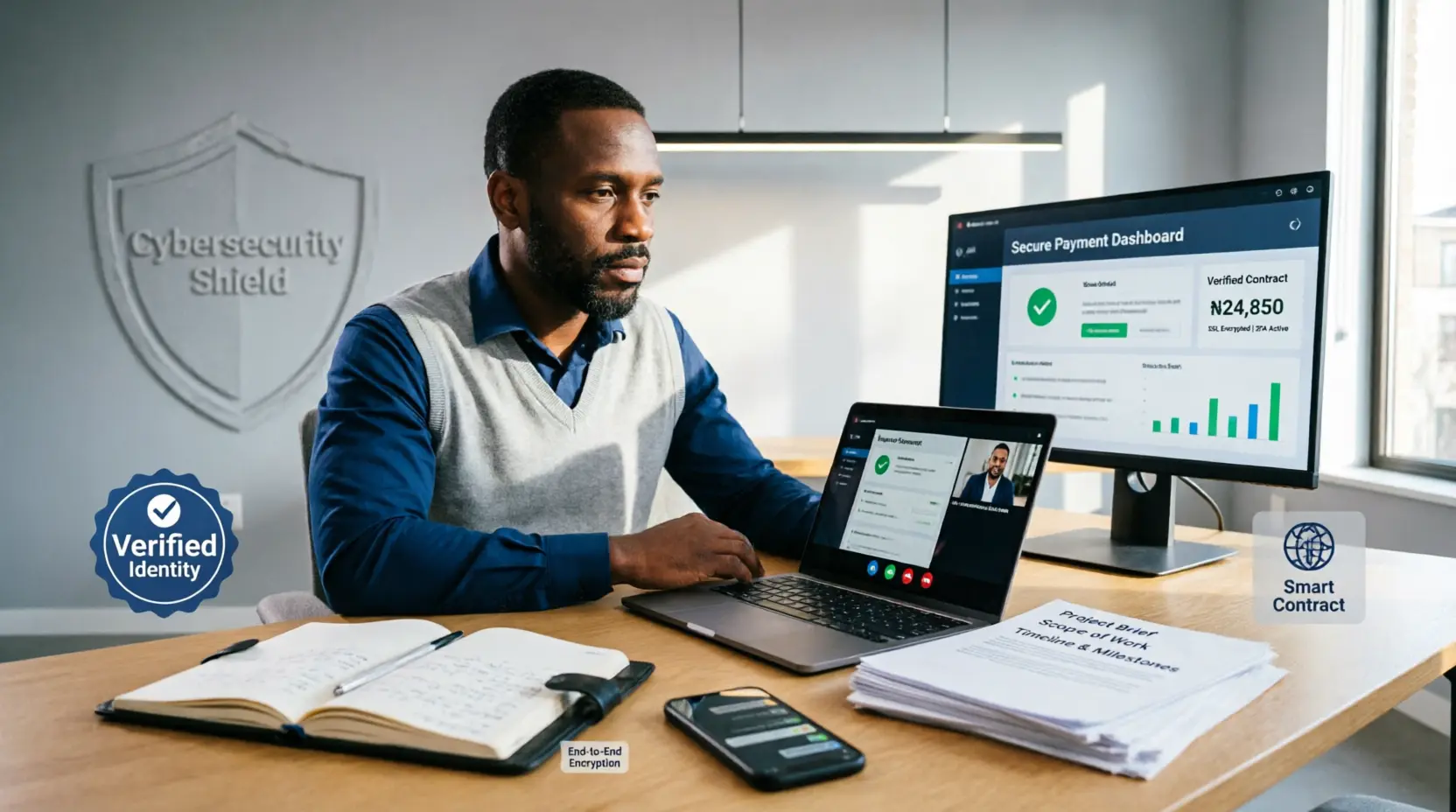
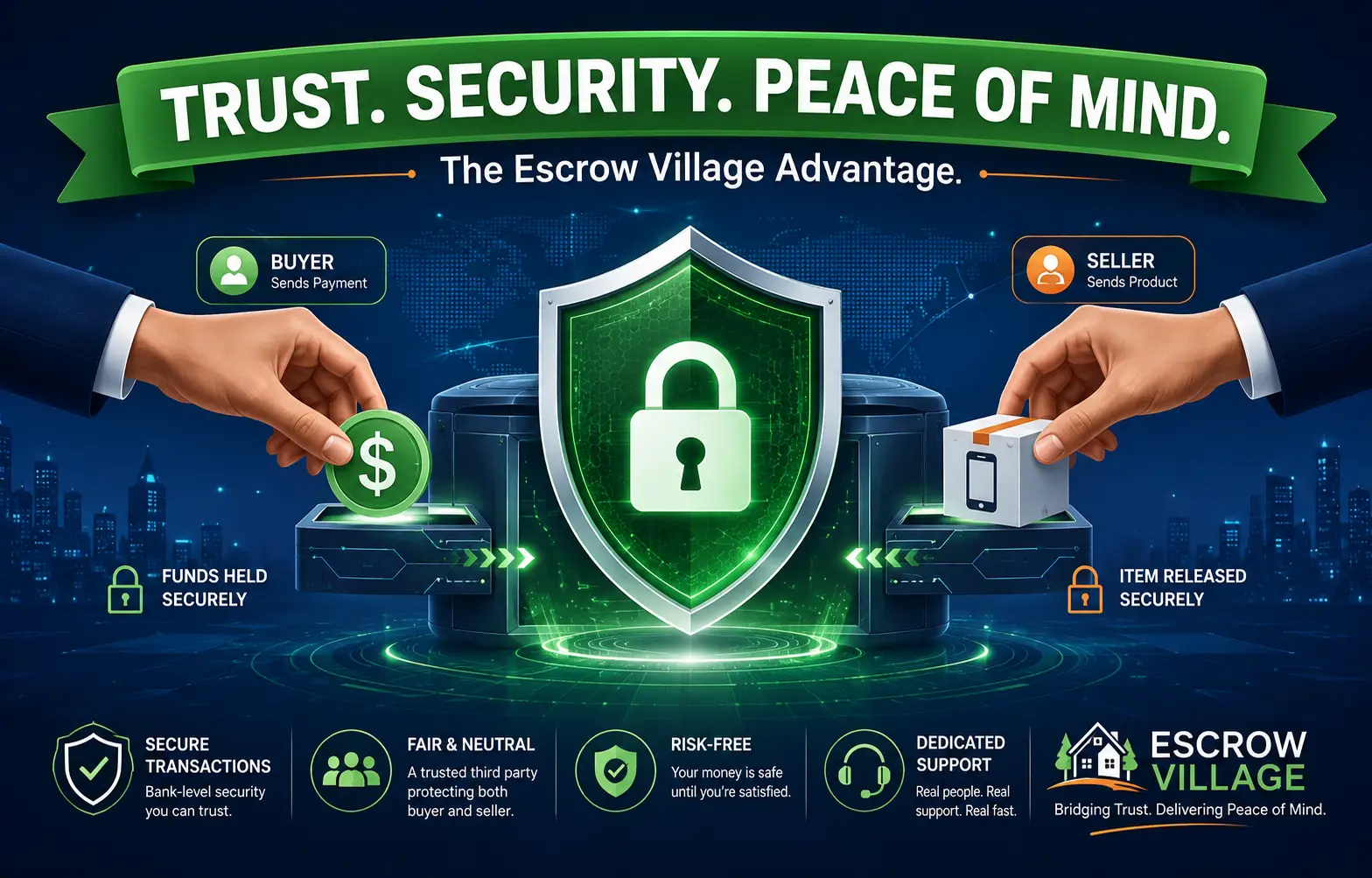
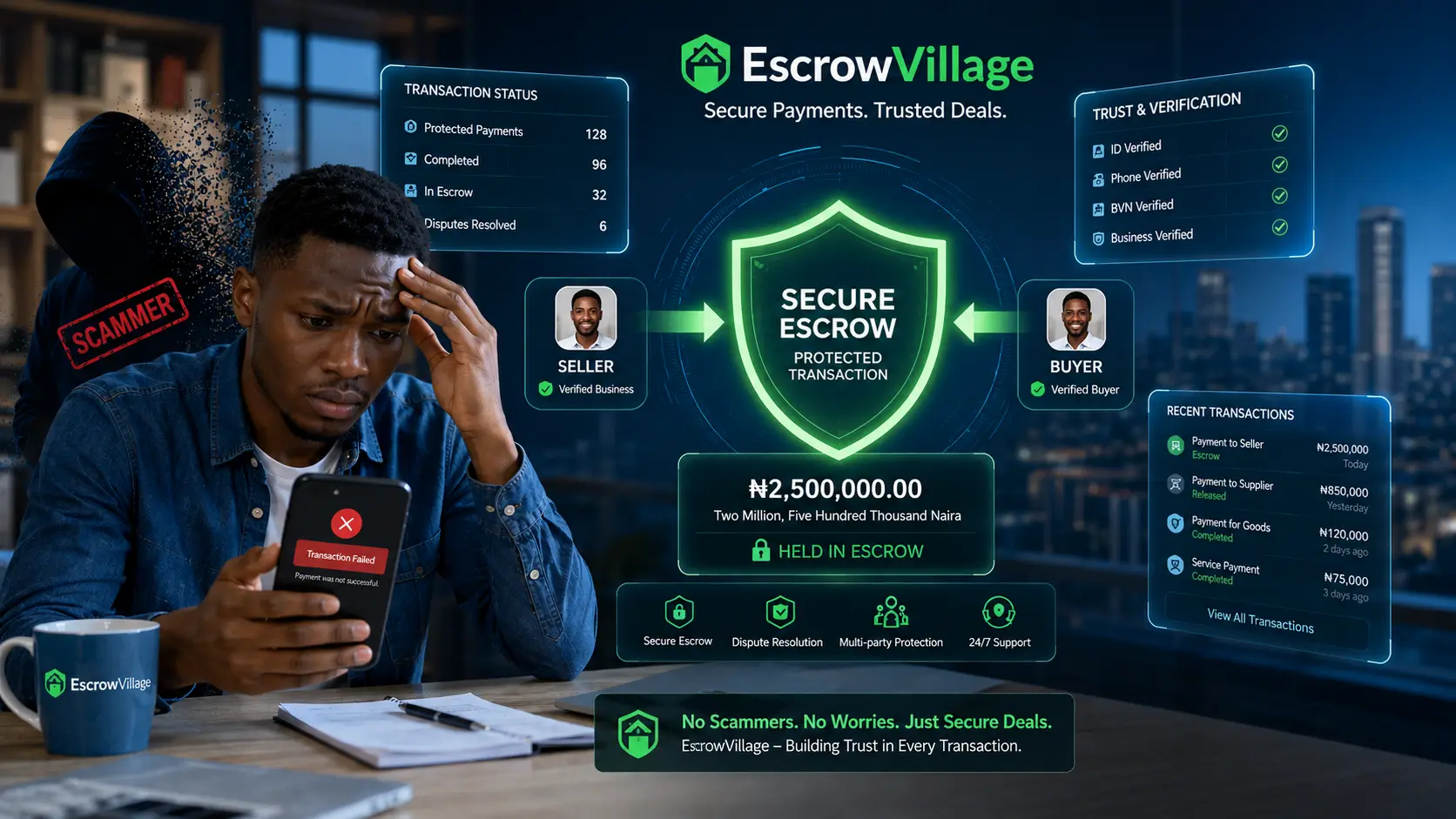
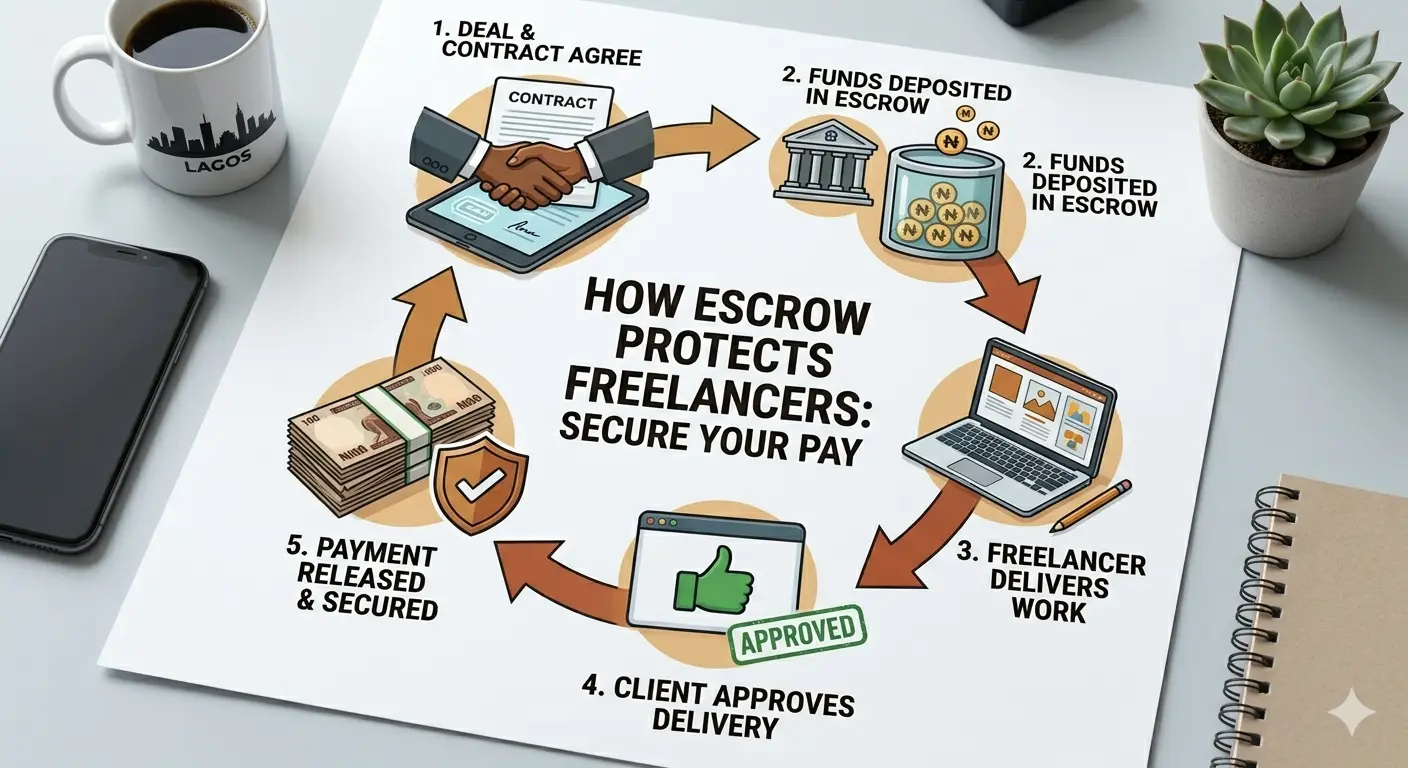
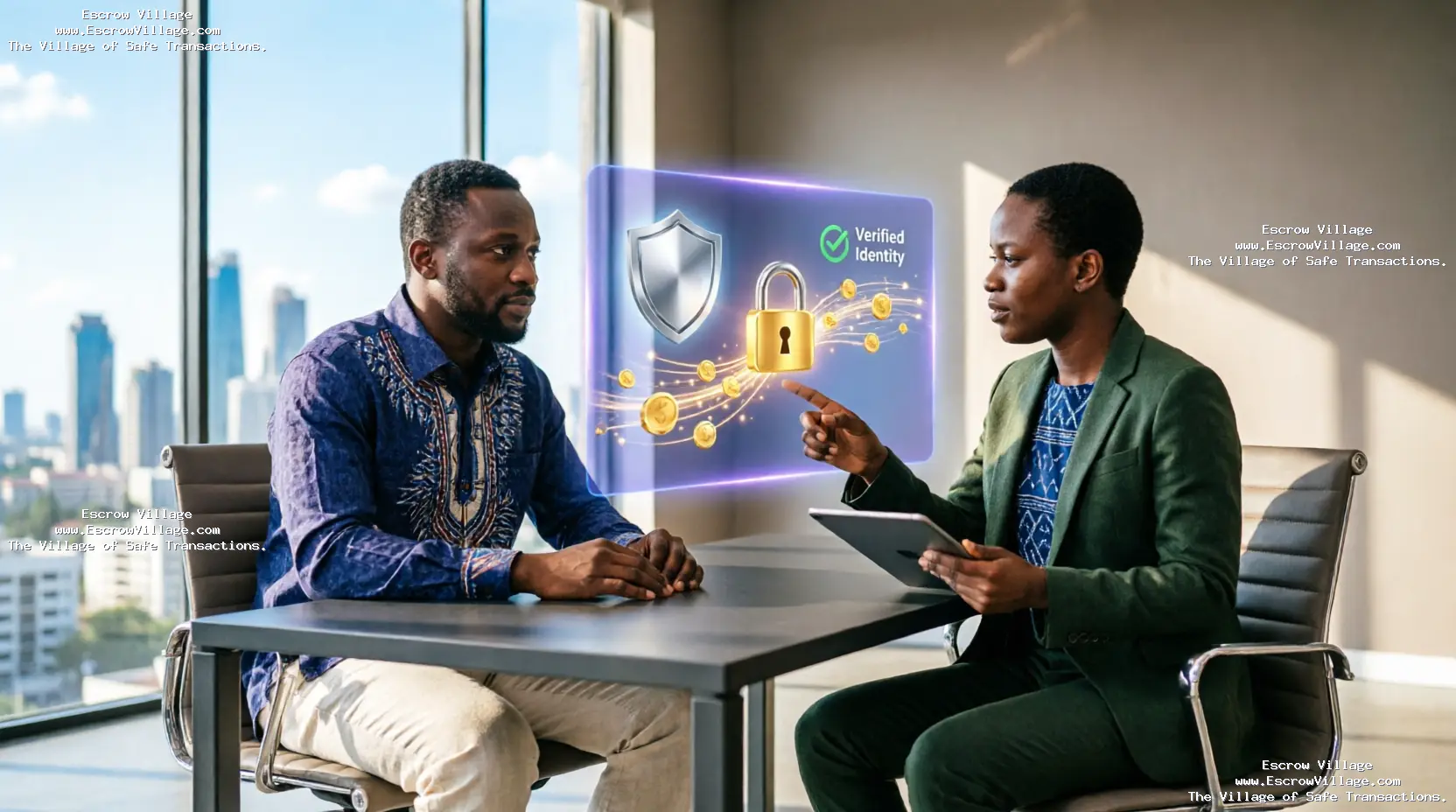
With Escrow Village, the buyer's payment can be held while the vendor fulfils the agreed terms of the transaction.
Instead of sending money directly to an unfamiliar vendor and hoping everything goes well, escrow adds a layer of protection to the transaction.
Once the agreed conditions are met, the funds can be released according to the terms of the transaction.
This can be especially useful when dealing with new suppliers, freelancers, contractors, or other business partners you haven't worked with before.
The goal isn't to make business difficult. It's to make transactions safer, clearer, and more comfortable for both sides.
When you take safe vendor payments seriously, you don't just protect your money. You also protect your business relationships, reputation, and ability to grow with confidence.