What Is Counterparty Risk and How to Manage It in Online Transactions?
An online transaction usually involves tw1o parties: a buyer and a seller.
One party expects to receive money, while the other expects to receive a product, service, or digital asset.
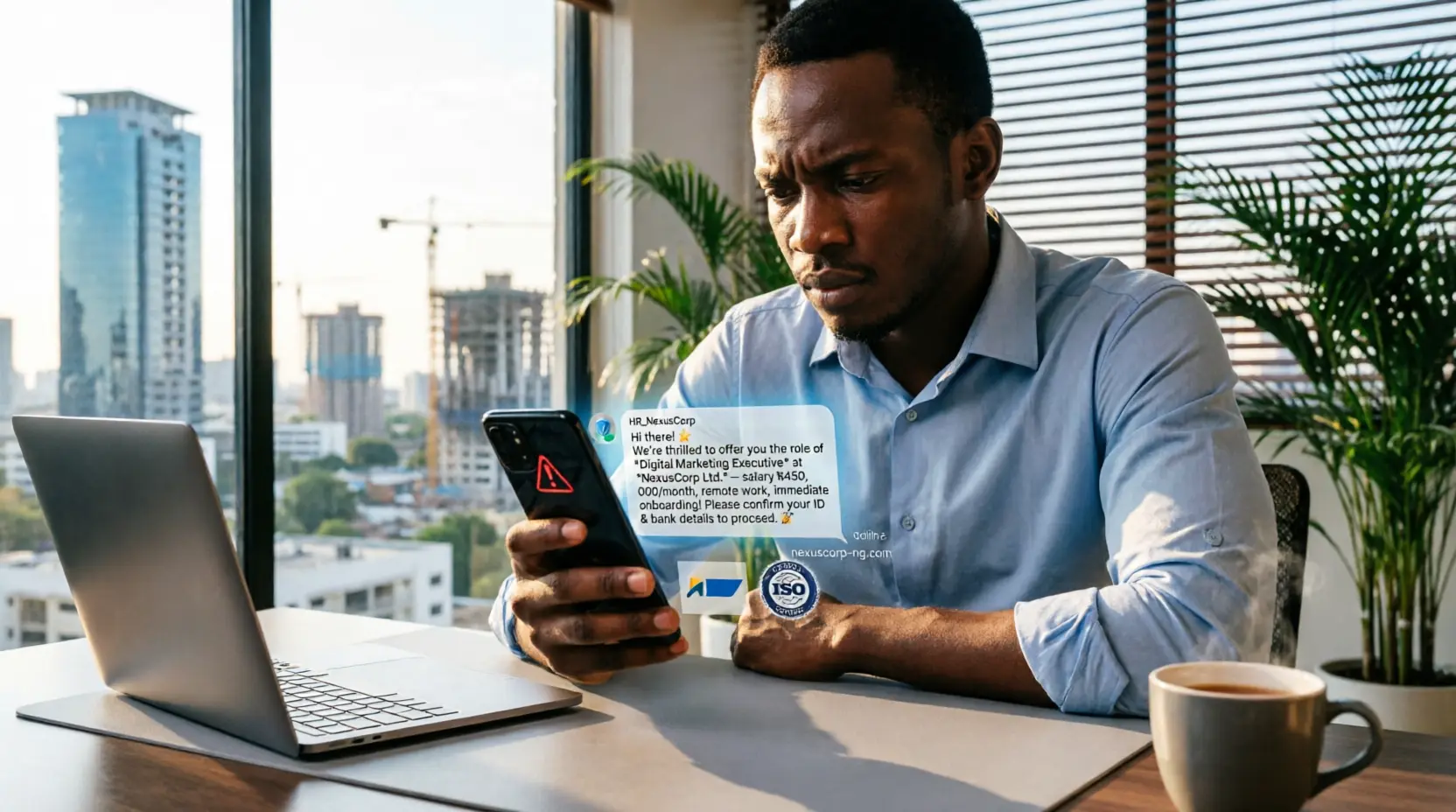
But what happens when one party does not do what they promised?
You could pay for a product and never receive it. Or you could deliver an item and discover that the buyer's payment was fraudulent or reversed.
This is what counterparty risk means.
Understanding counterparty risk can help you recognise potential problems before they turn into financial losses.
For example, if you buy a phone from an online seller, you are one party and the seller is your counterparty. If you provide a service to a client online, the client is your counterparty.
Counterparty risk is the possibility that the other party will fail to fulfil their agreed obligation, causing you to lose money or something of value.
In simple terms, it means the risk that the person you are dealing with may not hold up their end of the deal.
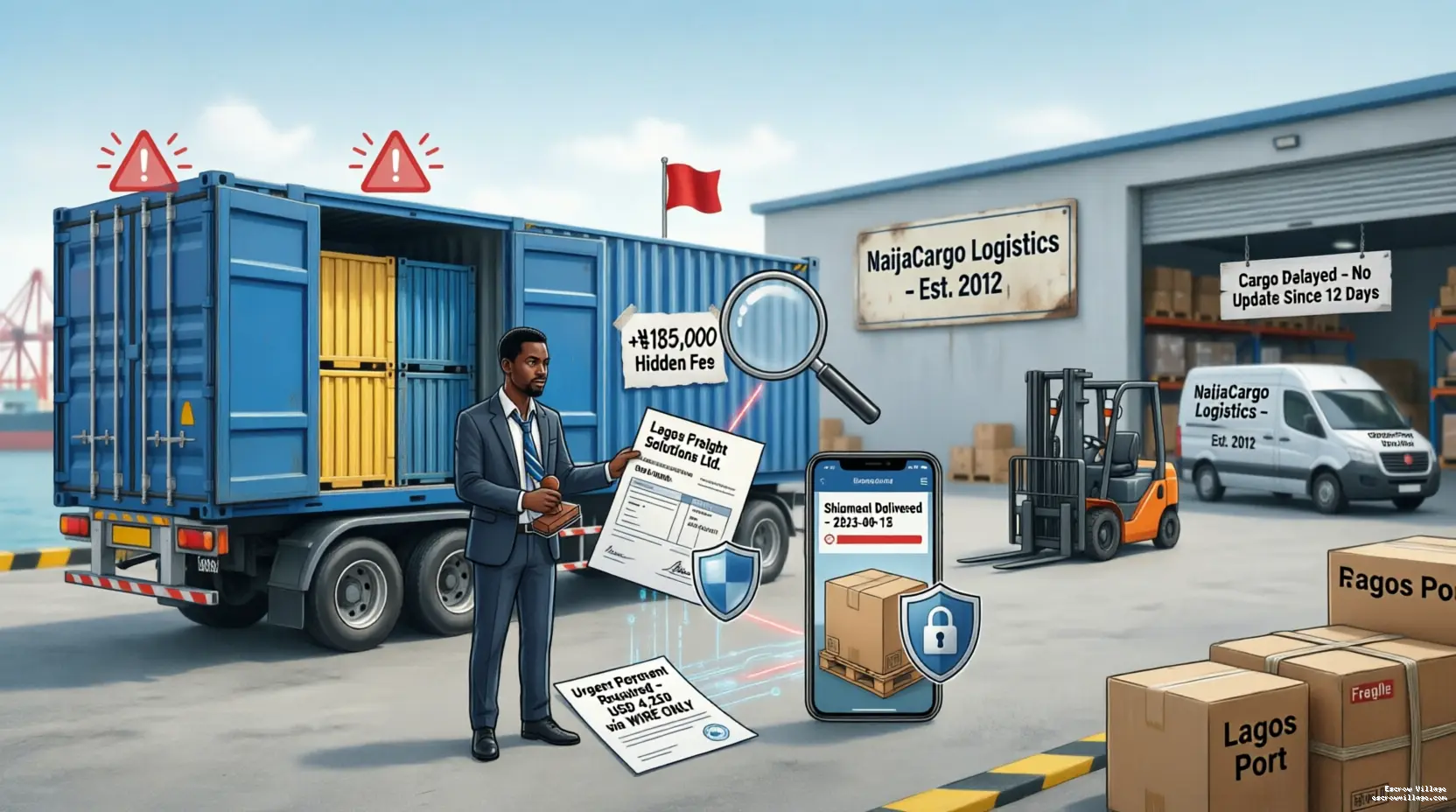
This can happen in different ways. A seller may receive payment but fail to deliver the product. A buyer may receive the product but fail to pay.
A service provider may collect an upfront payment and disappear without doing the work.
This is why counterparty risk in online transactions matters.
You may not know the person you are dealing with personally, and you may have limited ways to recover your money if something goes wrong.
Counterparty risk can appear in several forms depending on the type of transaction.
You cannot completely eliminate counterparty risk, but you can reduce it by taking precautions.
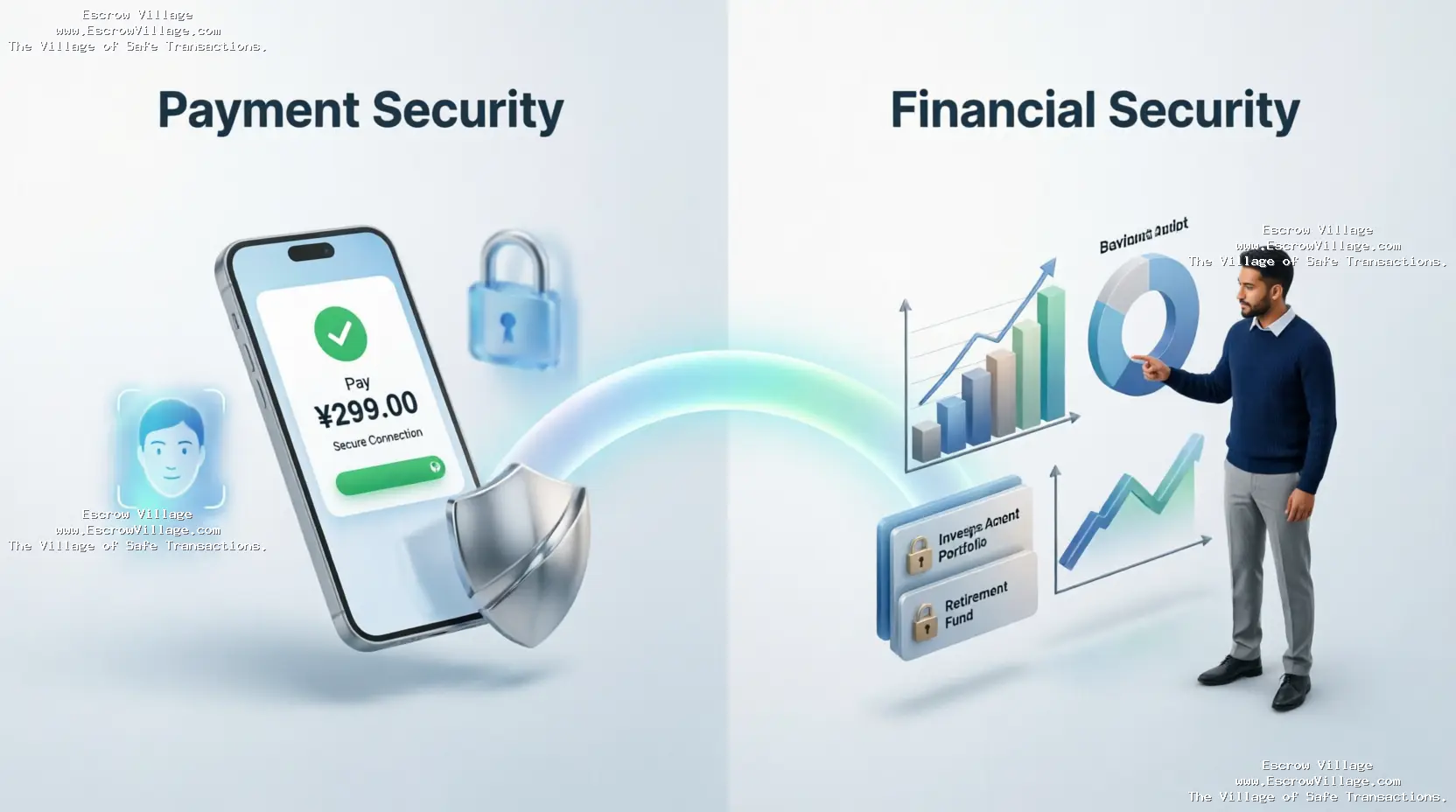
Counterparty risk is related to several other risks, but they are not exactly the same.
For a seller, this can become a form of counterparty exposure because they may have already delivered the product while losing the payment.
Understanding these differences makes it easier to identify the specific risks involved in an online transaction.
Online transactions make it easier to buy, sell, and work with people from anywhere.
But convenience also comes with online transaction risk, especially when you are dealing with someone you do not know personally.
The safest approach is not simply to trust the other party.
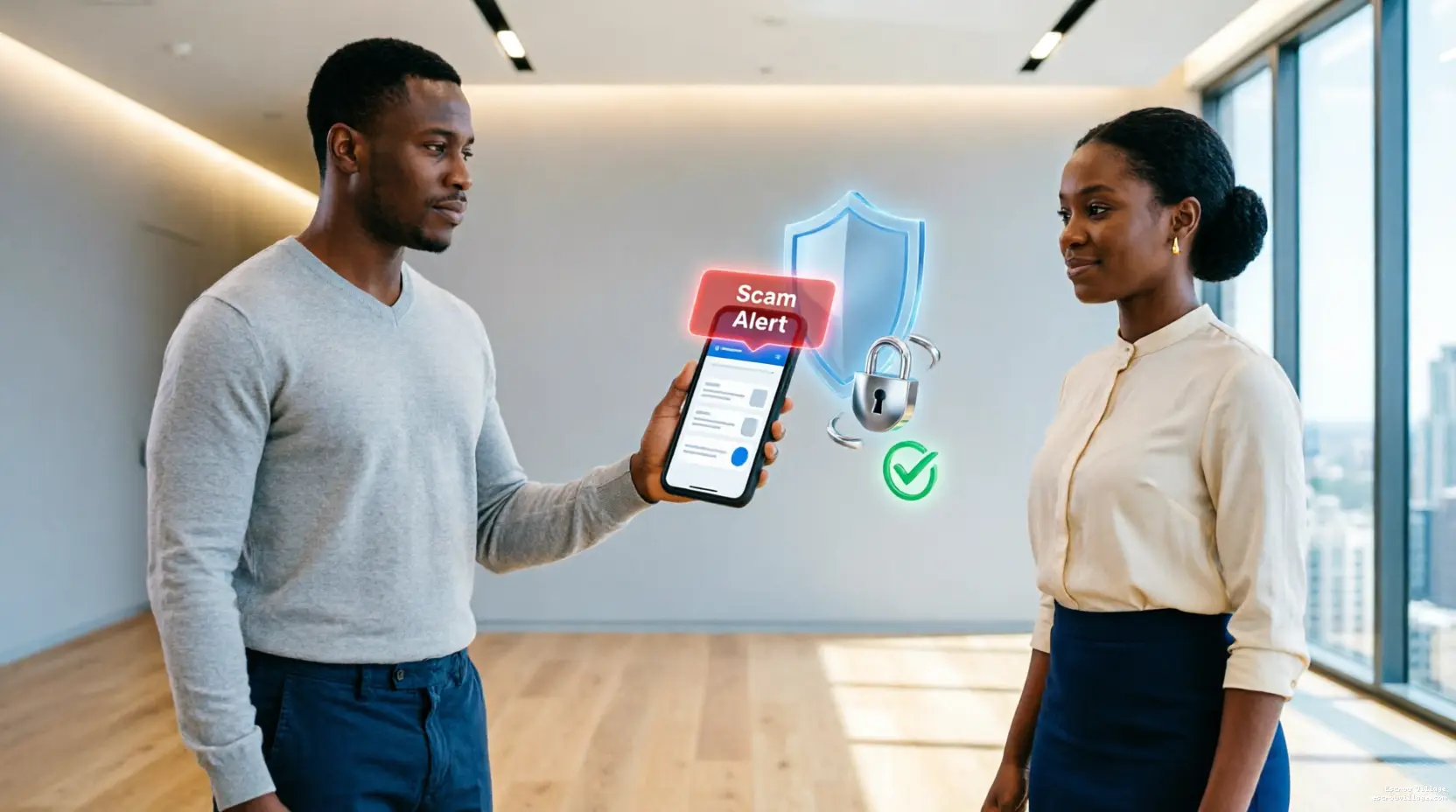
Instead, verify who you are dealing with, agree on clear terms, check their reputation, avoid unnecessary upfront payments, and use safeguards that protect both sides.
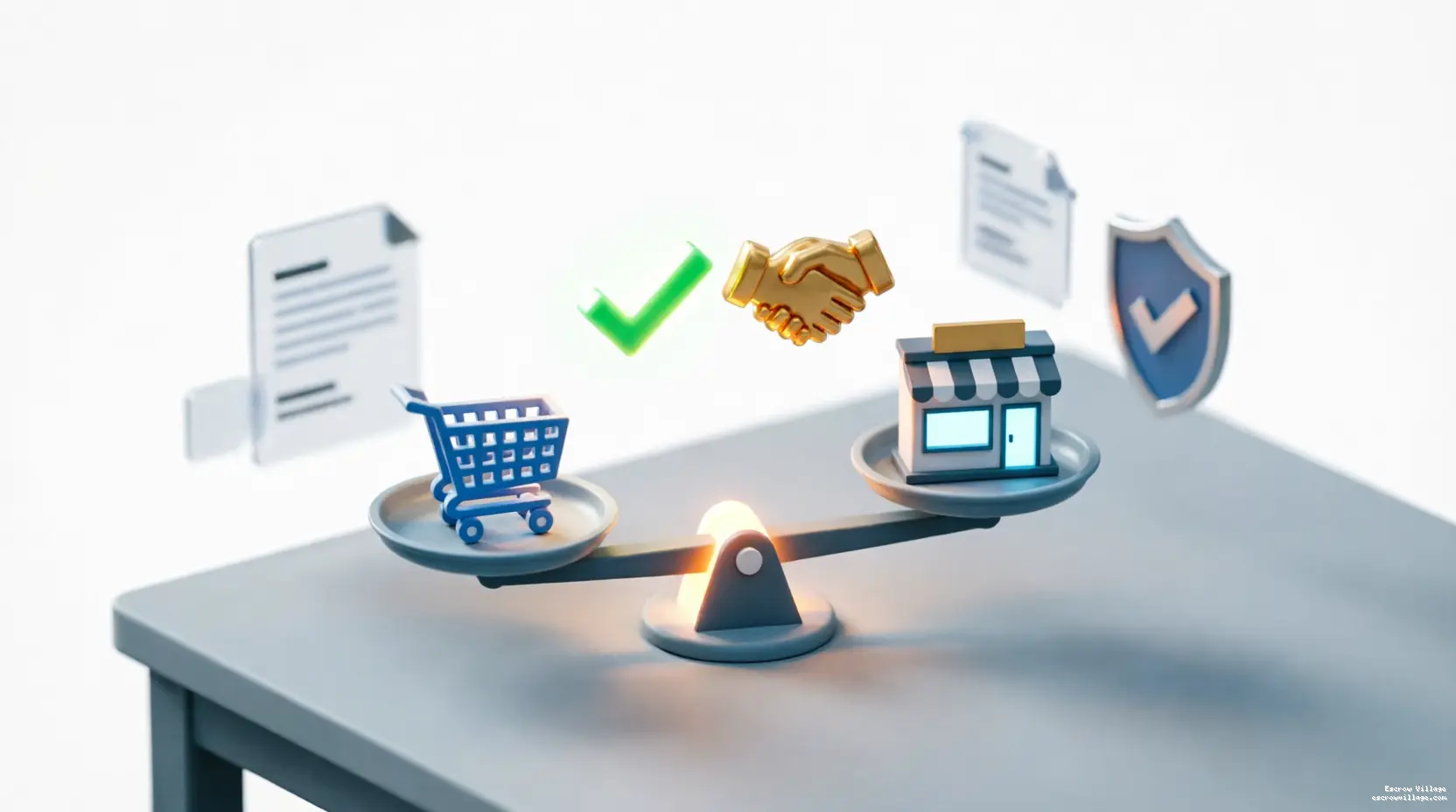
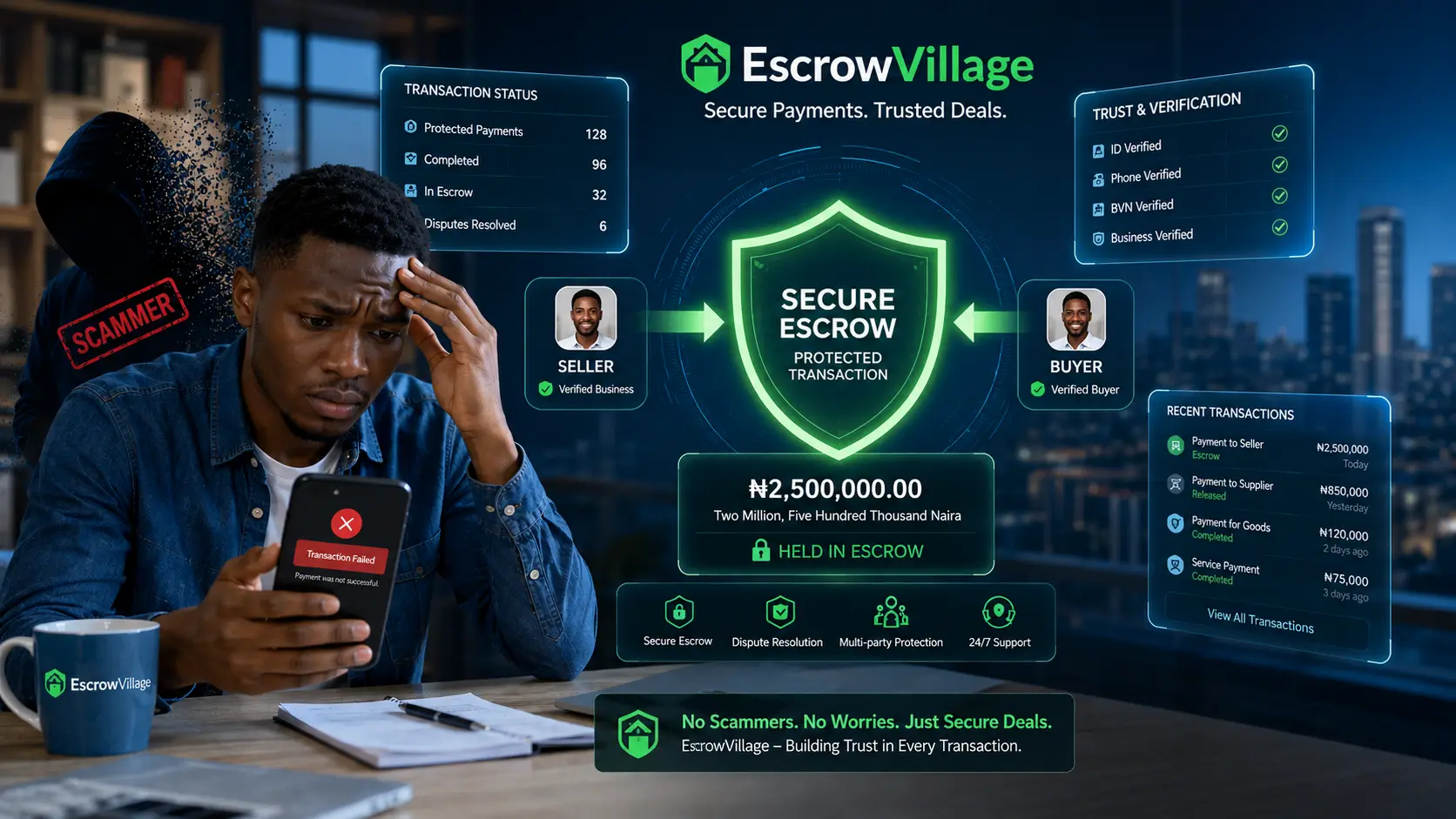
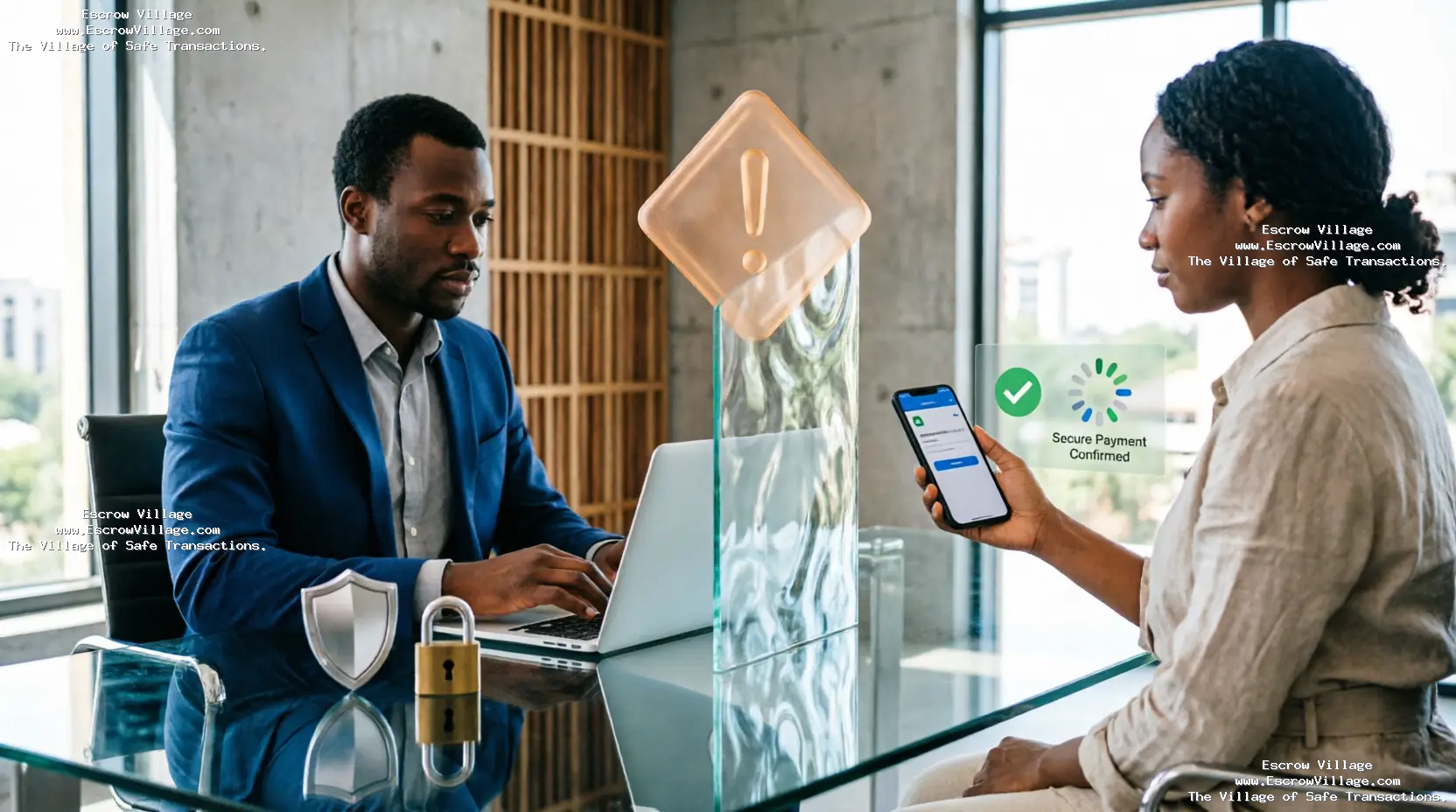
For transactions where you want an additional layer of protection, escrow can help reduce counterparty risk by making the release of funds dependent on the agreed terms of the transaction.
If you want to carry out an online transaction with greater confidence, visit Escrow Village at www.escrowvillage.com and explore how escrow can help protect your transaction.
One party expects to receive money, while the other expects to receive a product, service, or digital asset.
But what happens when one party does not do what they promised?
You could pay for a product and never receive it. Or you could deliver an item and discover that the buyer's payment was fraudulent or reversed.
This is what counterparty risk means.
Understanding counterparty risk can help you recognise potential problems before they turn into financial losses.
- What Is Counterparty Risk in Online Transactions and Who Is a Counterparty?
For example, if you buy a phone from an online seller, you are one party and the seller is your counterparty. If you provide a service to a client online, the client is your counterparty.
Counterparty risk is the possibility that the other party will fail to fulfil their agreed obligation, causing you to lose money or something of value.
In simple terms, it means the risk that the person you are dealing with may not hold up their end of the deal.
This can happen in different ways. A seller may receive payment but fail to deliver the product. A buyer may receive the product but fail to pay.
A service provider may collect an upfront payment and disappear without doing the work.
This is why counterparty risk in online transactions matters.
You may not know the person you are dealing with personally, and you may have limited ways to recover your money if something goes wrong.
- How Does Counterparty Risk Work in Online Transactions?
- 1. Buyer side
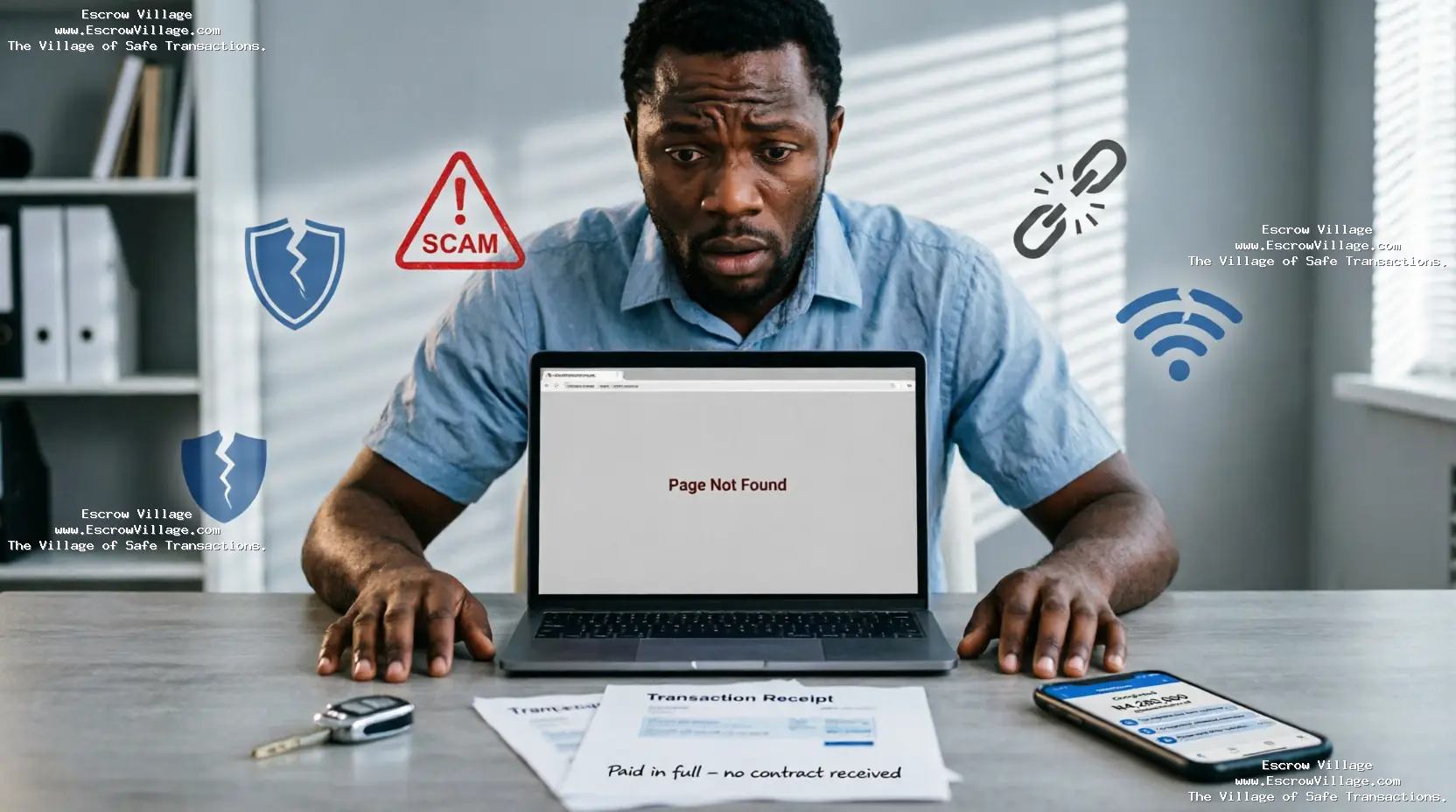
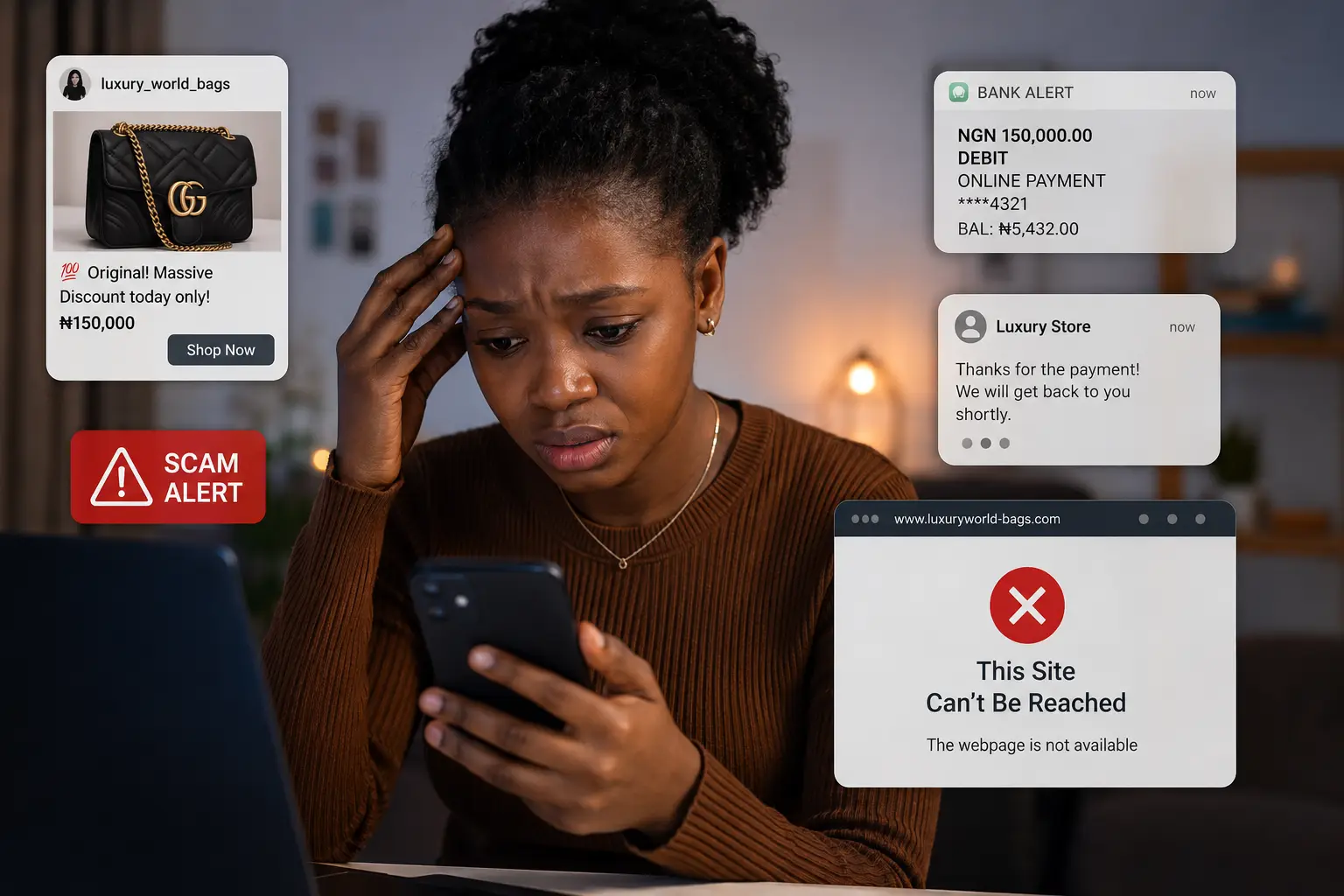
- Imagine you find a product on social media and pay the seller upfront.
- After receiving your payment, the seller stops responding and never ships the product.
- You have suffered a loss because the seller failed to fulfil their obligation.
- Another possibility is that the seller sends something completely different from what you ordered, such as a counterfeit or damaged product.
- 2. Seller side
- Counterparty risk can also affect sellers.
- For example, you deliver a product to a buyer, but the buyer uses a fraudulent payment method.
- The payment may later be reversed, leaving you without both the product and the money.
- The same problem can happen with digital services or products.
- A freelancer might complete and deliver the work, only for the client to refuse to pay.
- 3. Platform side
- There can also be risk involving the platform facilitating the transaction.
- If a marketplace, payment service, or digital platform experiences financial problems, freezes an account, or becomes unavailable, funds may become difficult to access.
- This shows that online transaction risk isn't always limited to the buyer and seller. The platform involved can also introduce risk.
- Common Types of Online Counterparty Risk
Counterparty risk can appear in several forms depending on the type of transaction.
- 1. Delivery failure
- A buyer pays for a product or service, but the seller fails to deliver it.
- This is one of the most common risks when dealing with unfamiliar sellers online.
- 2. Payment default
- A seller provides the product or service, but the buyer does not complete the payment.
- For example, a buyer may receive a physical product and then refuse to pay the remaining balance.
- 3. Fraudulent or reversed payments
- A buyer may use a fraudulent payment method or make a payment that is later reversed.
- This can leave the seller with a financial loss, especially when the goods have already been delivered.
- 4. Crypto and P2P exposure
- Peer-to-peer transactions can create counterparty risk because each participant depends on the other to complete the trade.
- For example, one party may send money or cryptocurrency but the other party fails to release the agreed asset.
- 5. Social media purchases
- Buying through Instagram, Facebook, WhatsApp, or other social platforms can expose buyers to unknown sellers.
- A seller may advertise a product, request payment, and then disappear without delivering it.
- 6. Freelance and service transactions
- Counterparty risk also exists in freelance work.
- A freelancer could complete a project without receiving payment, while a client could pay upfront and receive poor-quality work or no work at all.
- How to Manage Counterparty Risk in Online Transactions
You cannot completely eliminate counterparty risk, but you can reduce it by taking precautions.
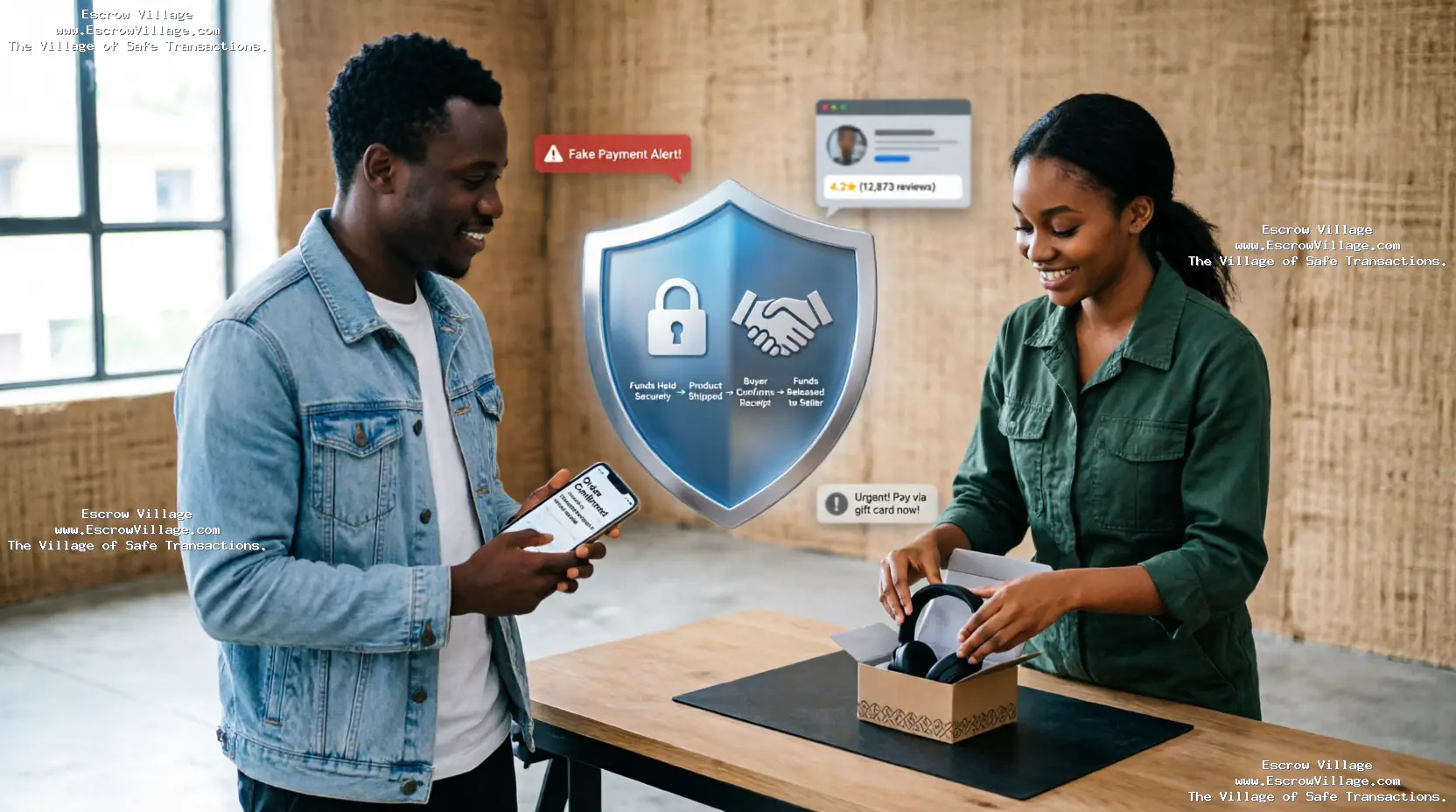
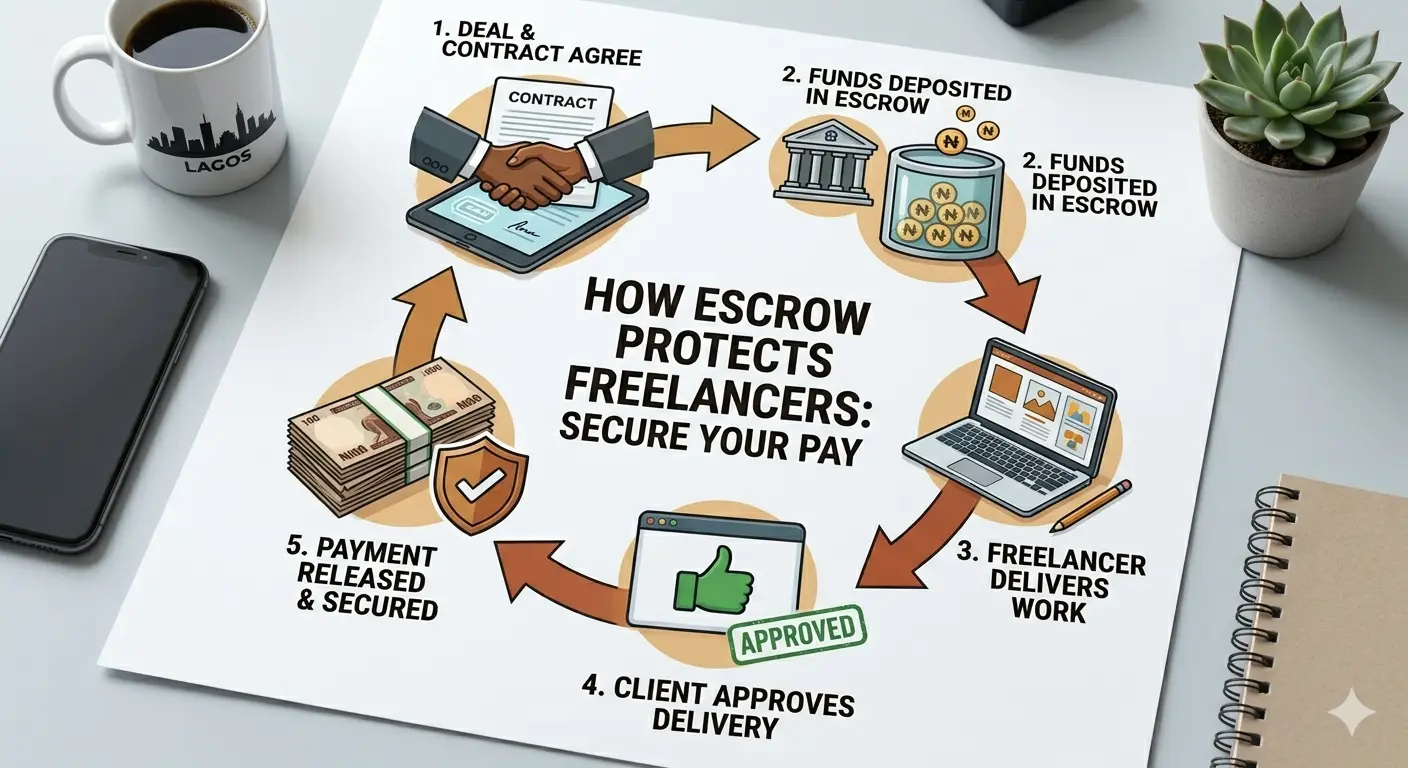
- 1. Use escrow
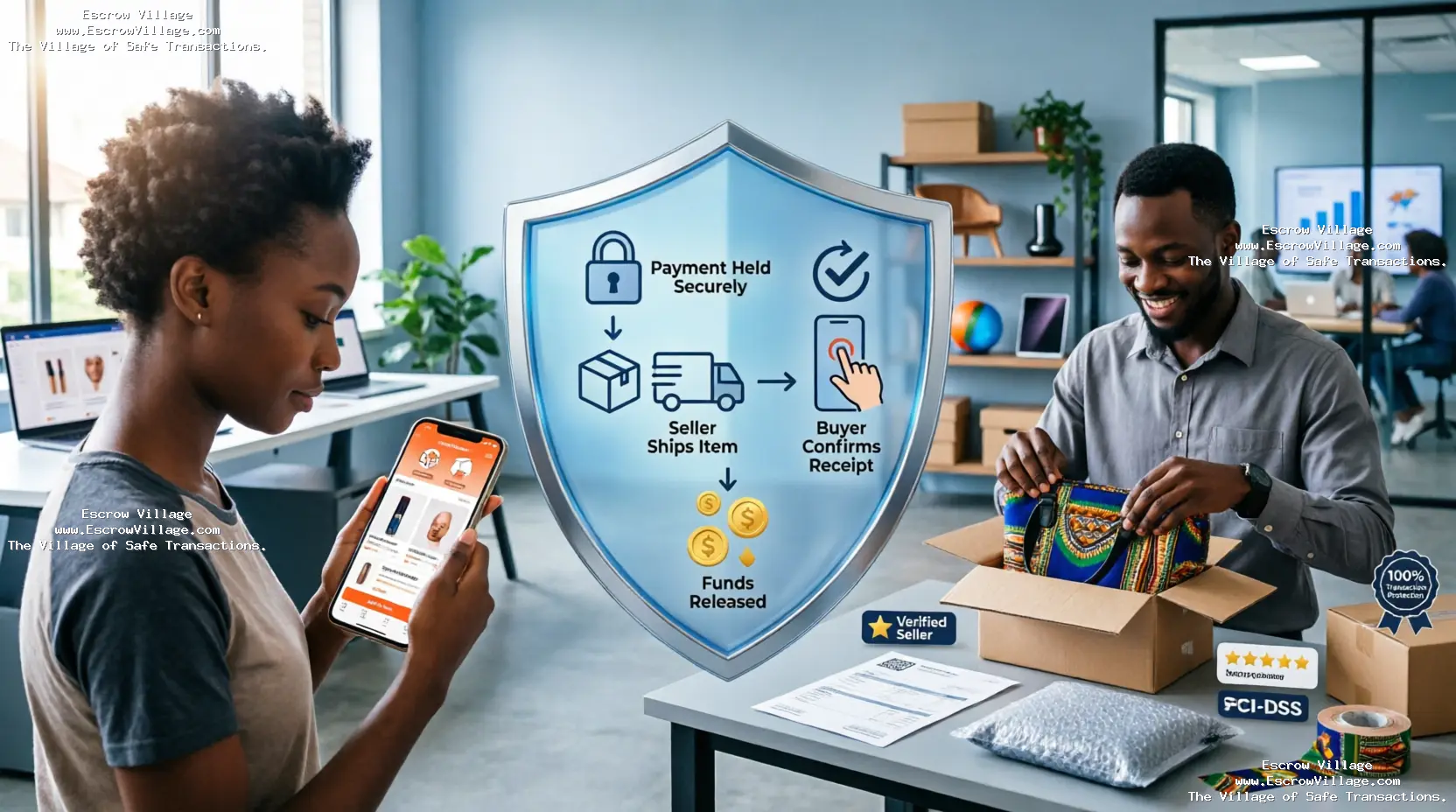
- Escrow can help reduce the risk of one party taking the other party's money or goods without fulfilling their obligation.
- Instead of sending money directly to the seller, the funds are held by a trusted third party until the agreed conditions of the transaction are met.
- For buyers, this can reduce the risk of paying a stranger and receiving nothing. For sellers, it can provide greater confidence that the buyer's funds are available before completing the transaction.
- 2. Verify identities
- Before entering a significant transaction, find out who you are dealing with.
- Check the person's name, business information, contact details, website, and other available information.
- For businesses, look for verifiable registration details and a consistent online presence.
- Identity verification does not guarantee that someone is trustworthy, but it makes it harder for completely anonymous parties to operate.
- 3. Use a written agreement
- Do not rely entirely on verbal promises or casual WhatsApp messages for important transactions.
- A written agreement should clearly state what each party is expected to provide, the price, payment terms, delivery date, refund conditions, and what happens if either party fails to fulfil their obligation.
- Clear terms can prevent misunderstandings and make disputes easier to resolve.
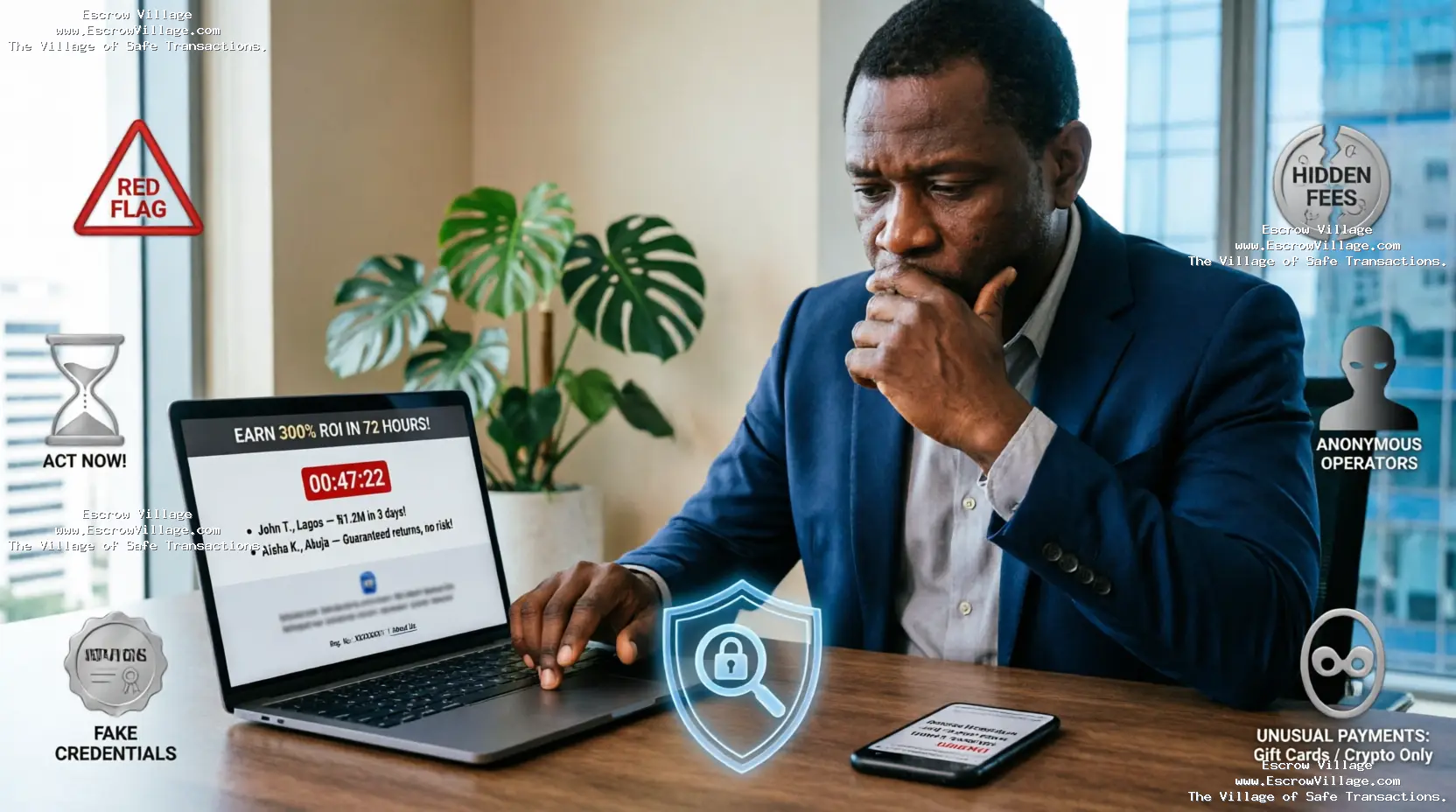
- 4. Check reputation and transaction history
- Before dealing with an unfamiliar person or business, look for reviews, previous transactions, customer feedback, and complaints.
- Be careful, however, about assuming that a large number of positive reviews automatically means a seller is legitimate.
- Reviews can sometimes be manipulated or misleading.
- Use reputation checks as one part of your overall risk assessment.
- 5. Avoid large upfront payments to unknown parties
- If someone you have never dealt with asks you to send the entire payment upfront, consider the risk carefully.
- Where possible, use a payment structure that protects both parties, such as milestones or escrow.
- The goal is not to avoid online transactions altogether.
- It is to avoid putting all your money at risk before the other party has demonstrated that they will fulfil their obligation.
- Counterparty Risk vs Other Online Transaction Risks
Counterparty risk is related to several other risks, but they are not exactly the same.
- Counterparty risk vs fraud risk: Fraud involves intentional deception, such as using a fake identity or pretending to sell a product that does not exist. Counterparty risk is broader because a party can fail to fulfil an obligation without necessarily committing fraud.
- Counterparty risk vs credit risk: Credit risk usually refers to the possibility that a borrower or debtor will not repay what they owe. Counterparty risk can include payment failure, but it applies more broadly to obligations arising from different types of transactions.
- Counterparty risk vs chargeback risk: Chargeback risk occurs when a payment is reversed through a card or payment system after a transaction.
For a seller, this can become a form of counterparty exposure because they may have already delivered the product while losing the payment.
Understanding these differences makes it easier to identify the specific risks involved in an online transaction.
Online transactions make it easier to buy, sell, and work with people from anywhere.
But convenience also comes with online transaction risk, especially when you are dealing with someone you do not know personally.
The safest approach is not simply to trust the other party.
Instead, verify who you are dealing with, agree on clear terms, check their reputation, avoid unnecessary upfront payments, and use safeguards that protect both sides.
For transactions where you want an additional layer of protection, escrow can help reduce counterparty risk by making the release of funds dependent on the agreed terms of the transaction.
If you want to carry out an online transaction with greater confidence, visit Escrow Village at www.escrowvillage.com and explore how escrow can help protect your transaction.