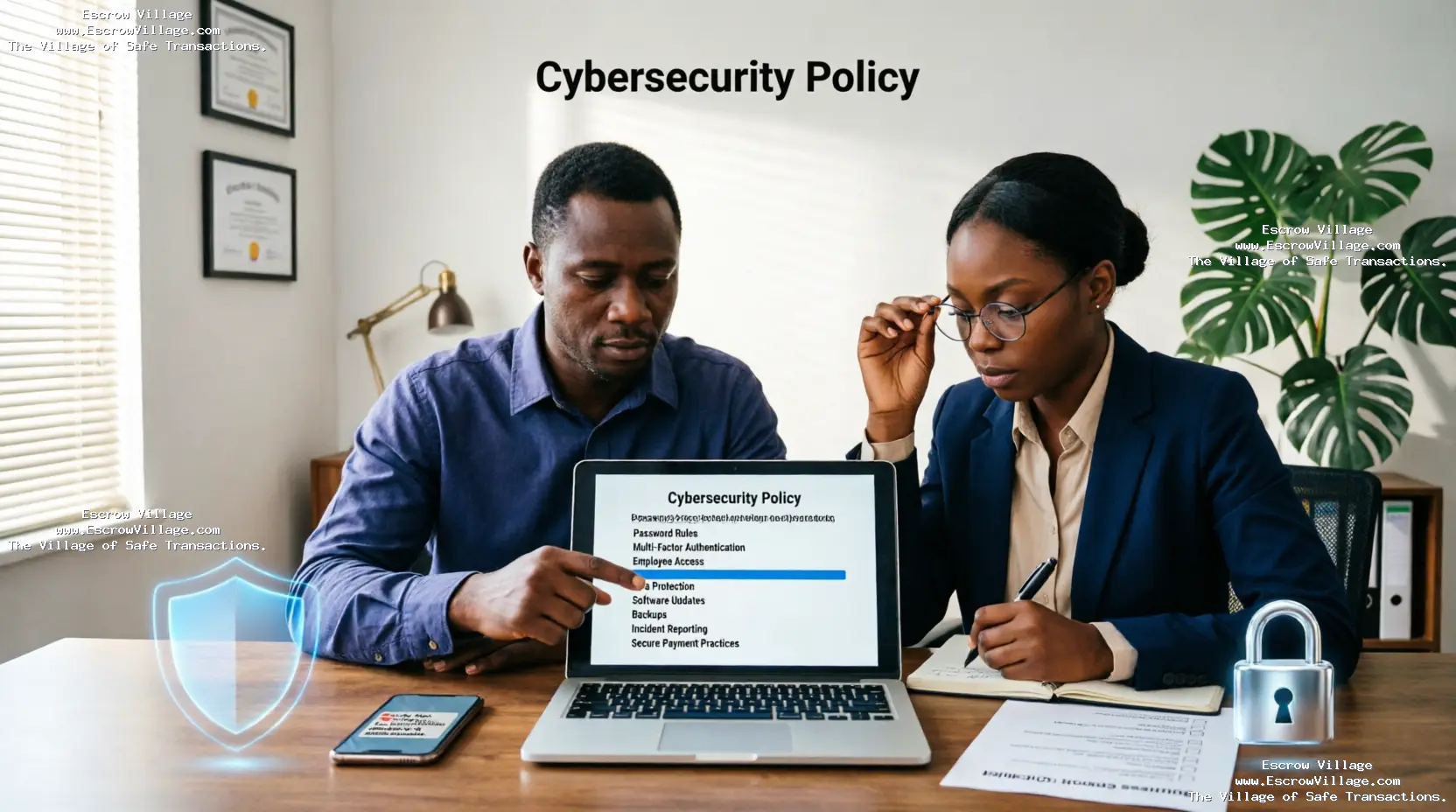
How to Create a Cybersecurity Policy for a Small Business
A cybersecurity policy for a small business gives your team clear rules for protecting business accounts, customer information, devices, and money.
Without one, employees may handle sensitive information differently, reuse passwords, click suspicious links, or make security decisions without knowing what is expected.
The good news is that you do not need to be a cybersecurity expert or own a large company to create one.
A simple, practical policy can give your business a clear security standard and help employees know what to do when something goes wrong.
In this guide, you’ll learn what a cybersecurity policy should contain and how to create one without making it unnecessarily complicated.
It should cover areas such as:
The goal is not to create pages of complicated technical rules. It is to establish simple expectations everyone can follow.
Review it whenever your business introduces new software, payment methods, employees, or online services.
A short review every few months can help ensure your security rules still match how your business operates.
Start with the risks your business faces every day, establish clear rules, and make sure everyone understands them.
Good cybersecurity is not only about technology. It is also about creating better habits and processes around your people, information, and transactions.
Ready to make your online transactions safer? Explore Escrow Village and build greater security and trust into the way your business deals online.
Without one, employees may handle sensitive information differently, reuse passwords, click suspicious links, or make security decisions without knowing what is expected.
The good news is that you do not need to be a cybersecurity expert or own a large company to create one.
A simple, practical policy can give your business a clear security standard and help employees know what to do when something goes wrong.
In this guide, you’ll learn what a cybersecurity policy should contain and how to create one without making it unnecessarily complicated.
- What Is a Small Business Cybersecurity Policy?
It should cover areas such as:
- ● Password and account security
- ● Employee access
- ● Customer data protection
- ● Device and software security
- ● Online payments
- ● Phishing and scams
- ● Security incident reporting
The goal is not to create pages of complicated technical rules. It is to establish simple expectations everyone can follow.
- How to Create a Cybersecurity Policy
- 1. Identify What You Need to Protect
- Start by listing your most important digital assets.
- For an online business, this could include your website, business email, social media accounts, customer information, payment accounts, financial records, and supplier information.
- Once you know what matters most, you can decide how it should be protected.
- 2. Set Clear Password Rules
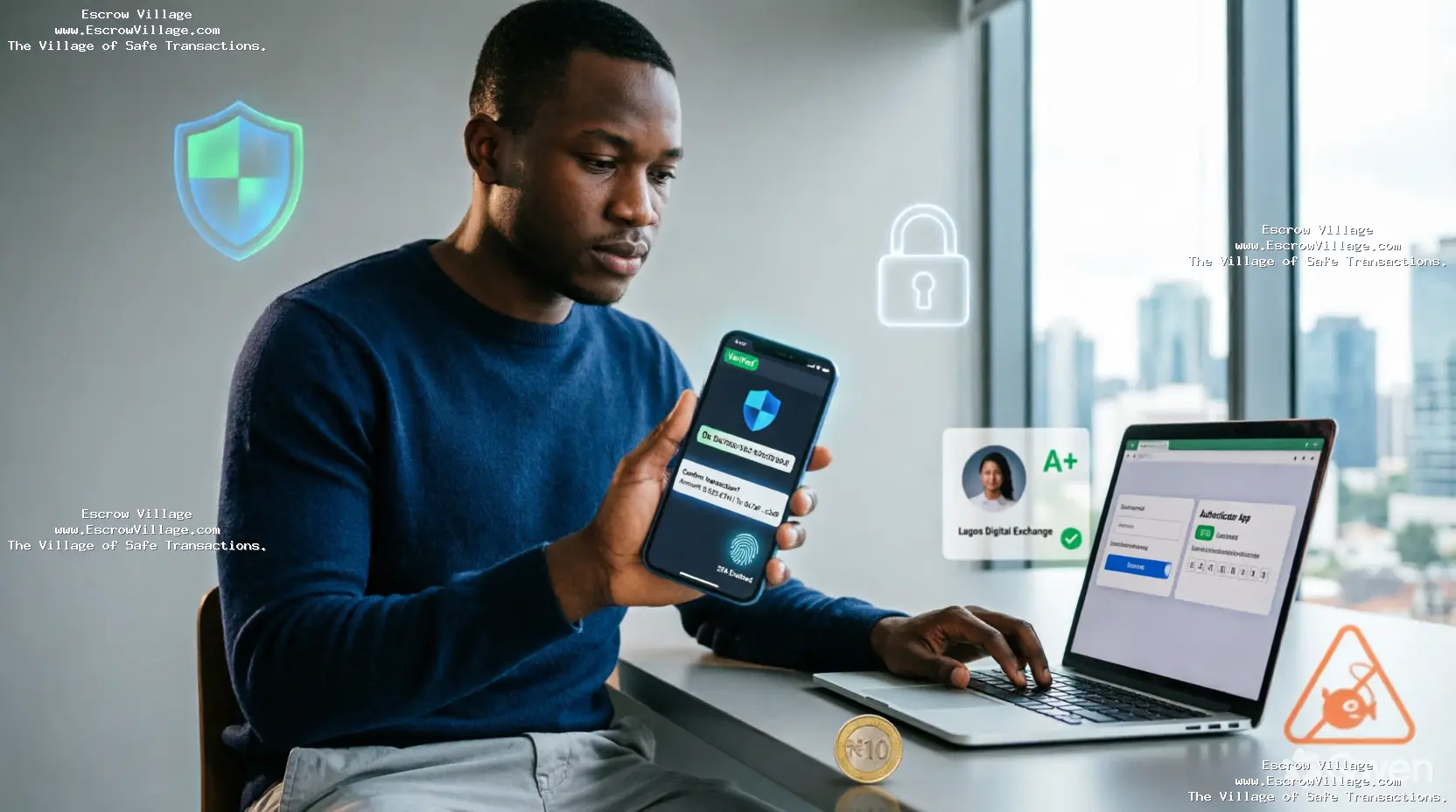
- Your policy should require employees to use strong, unique passwords and avoid sharing login details.
- Make two-factor authentication mandatory for important accounts whenever it is available.
- You should also explain what employees should do if they believe their password has been compromised.
- 3. Create Rules for Customer Data
- Customer information should only be collected, stored, and shared when necessary.
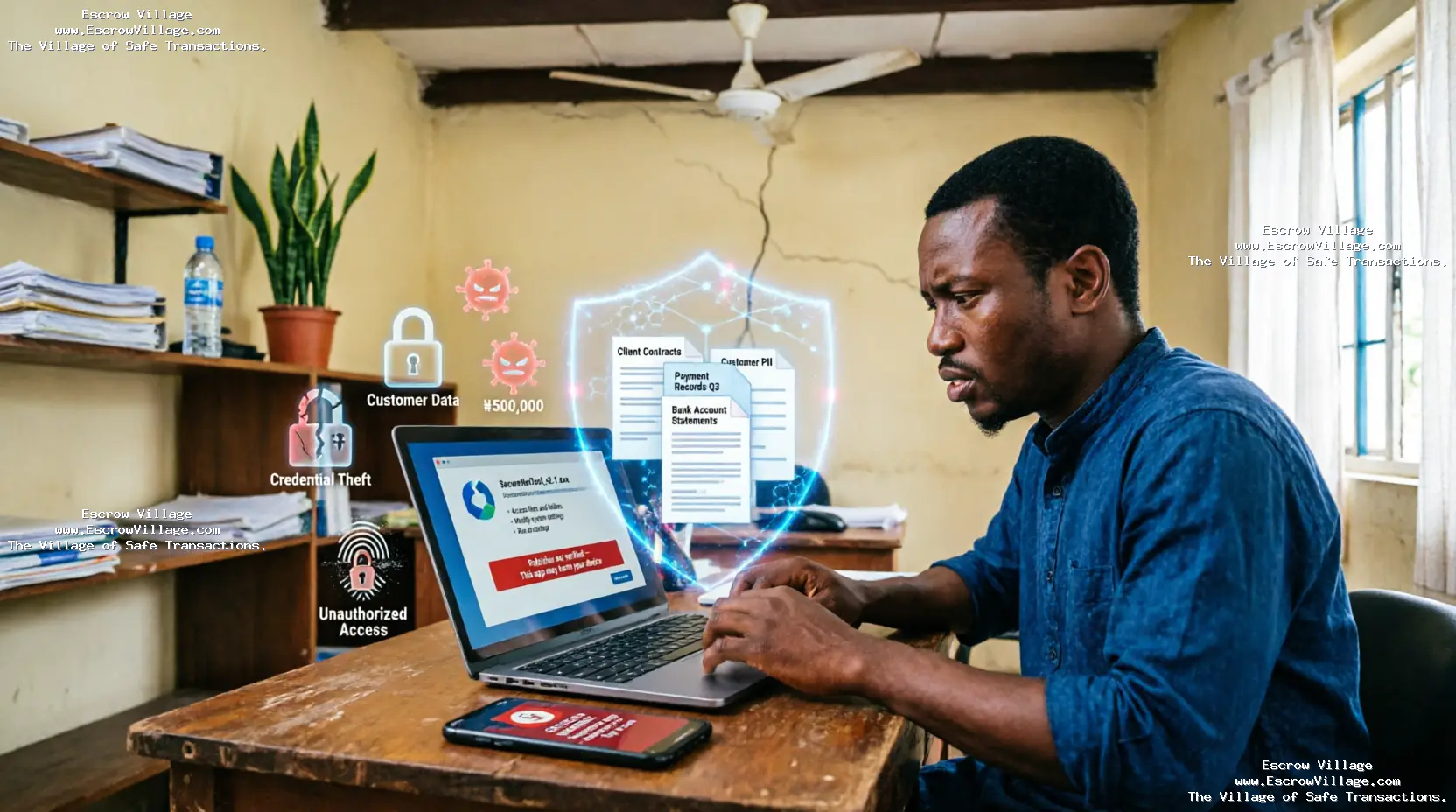
- Your policy should explain who can access customer information and how sensitive data should be handled.
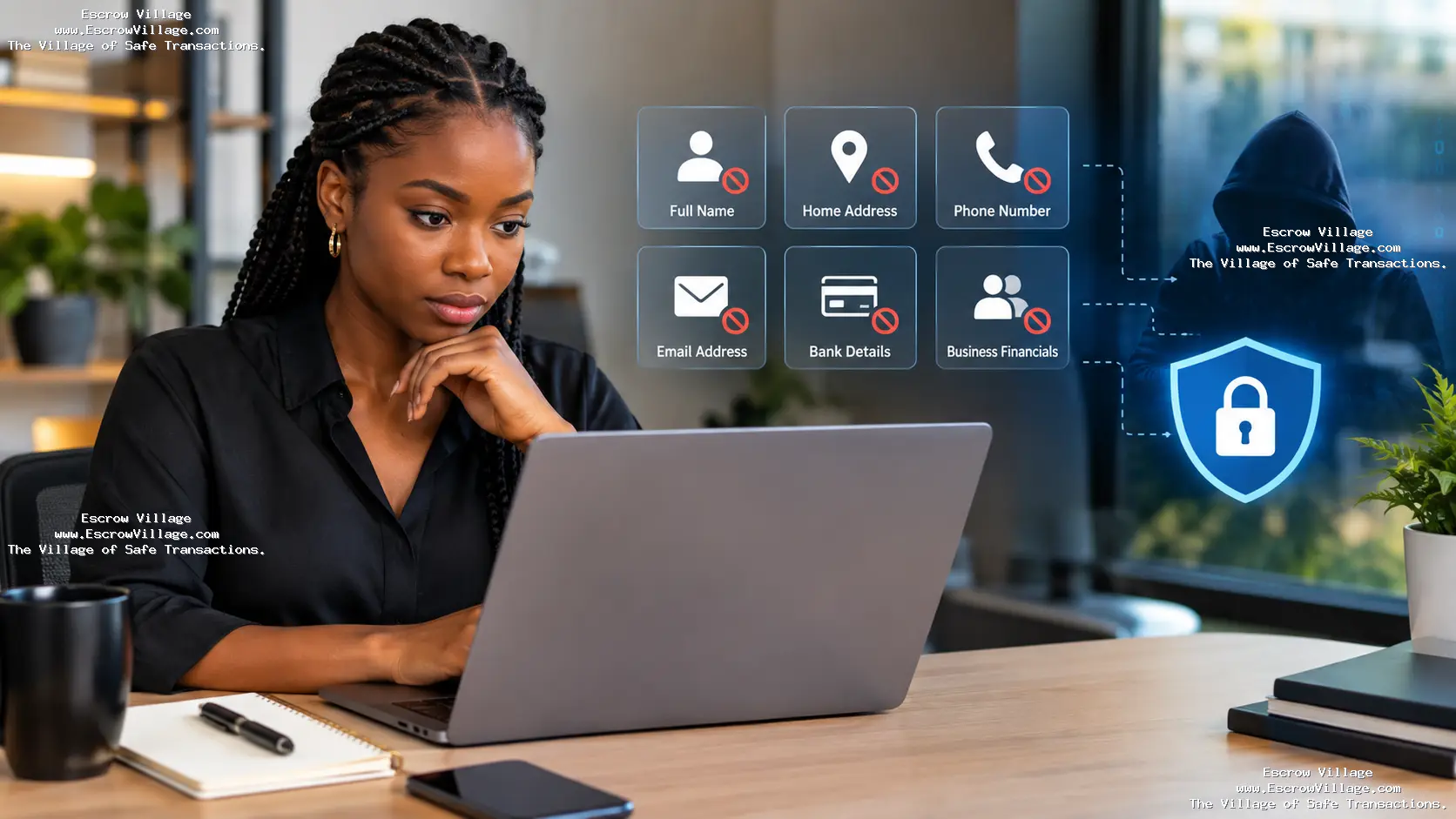
- Employees should also know that passwords, verification codes, and financial information should never be shared casually.
- 4. Include Payment and Transaction Security
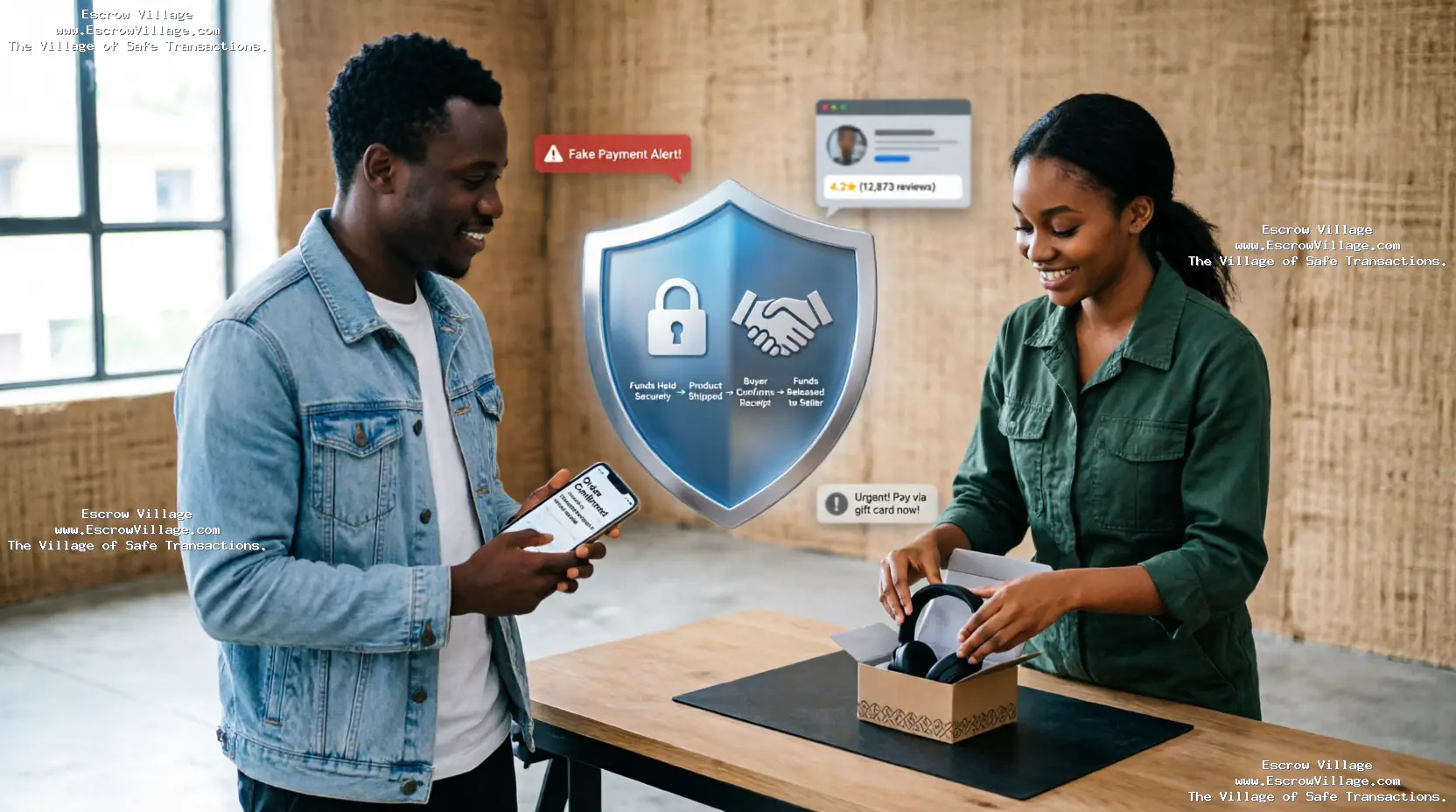
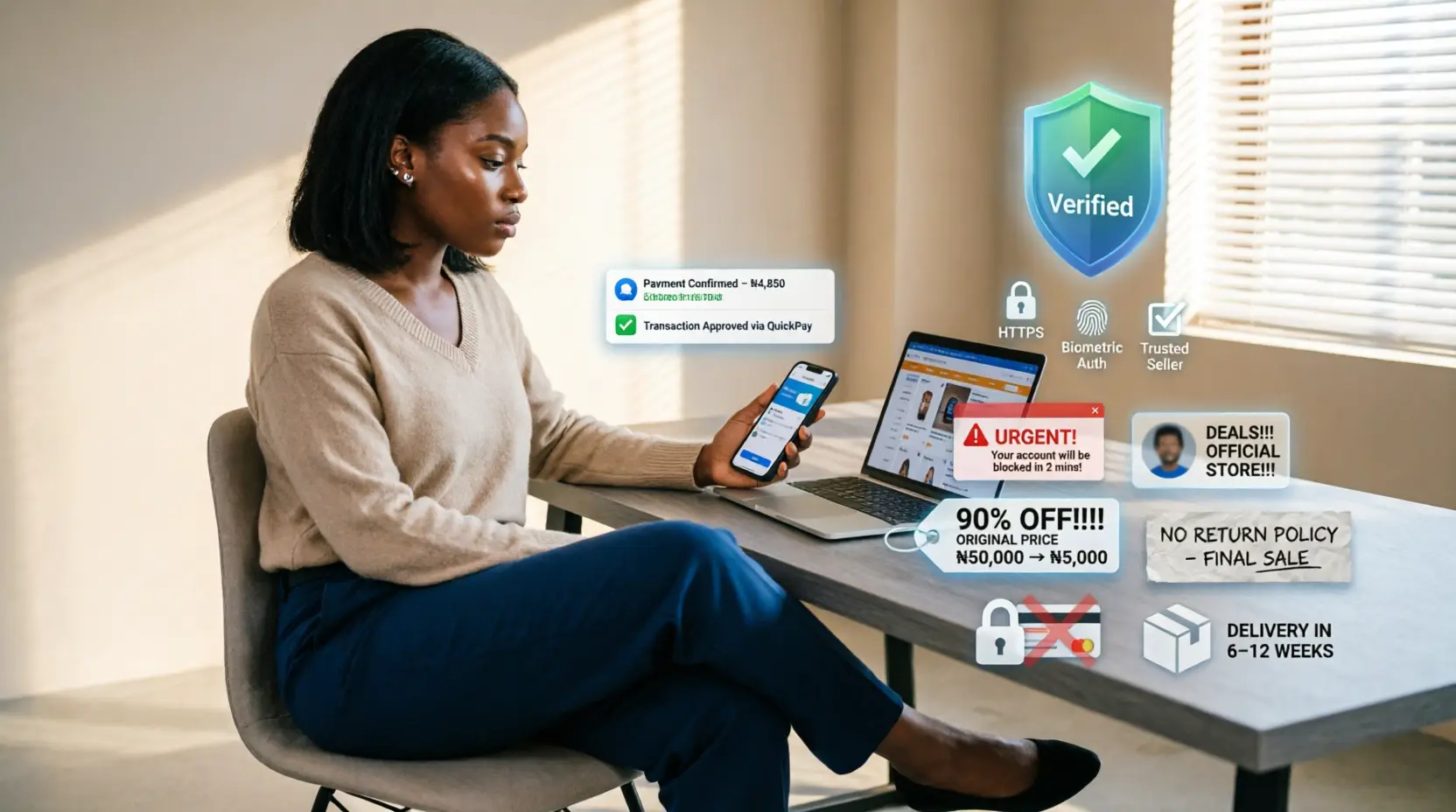
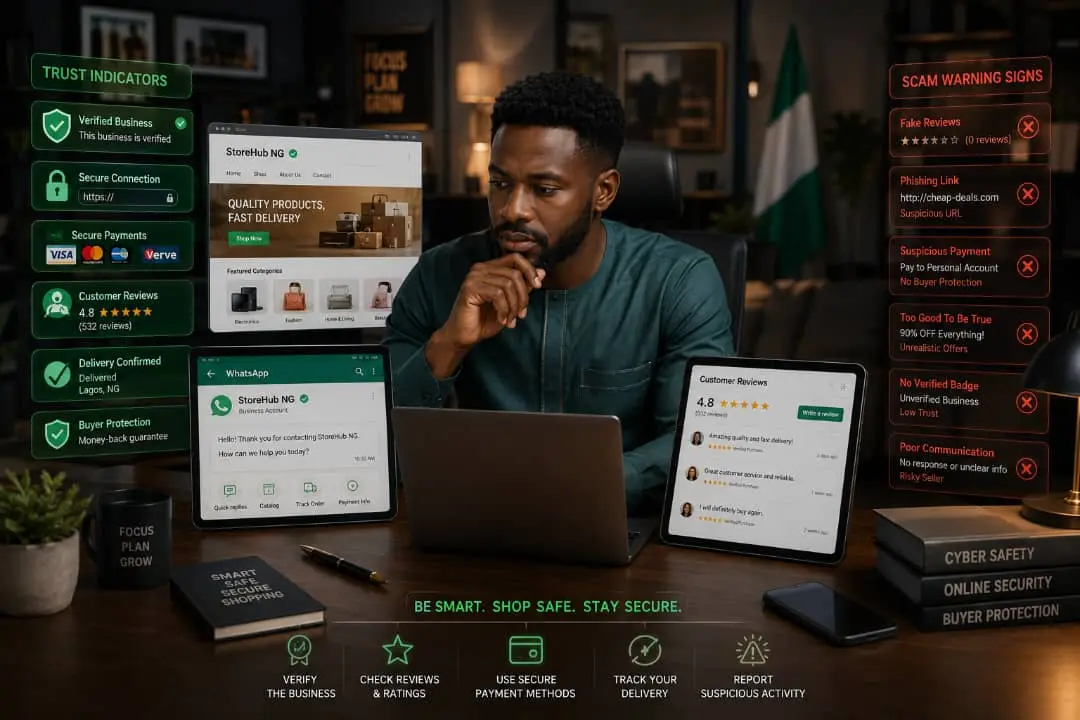
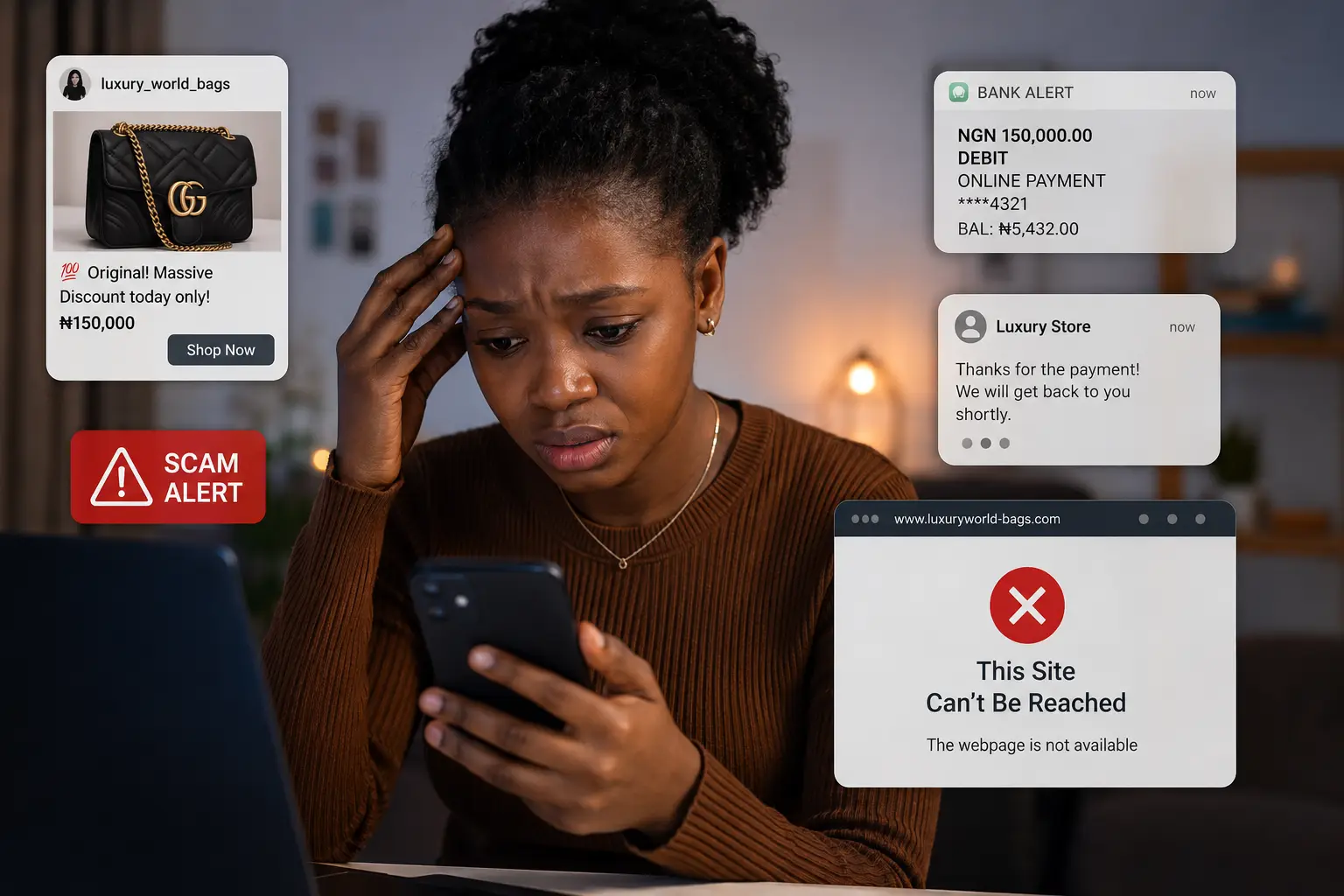
- Online businesses are frequent targets for payment scams.
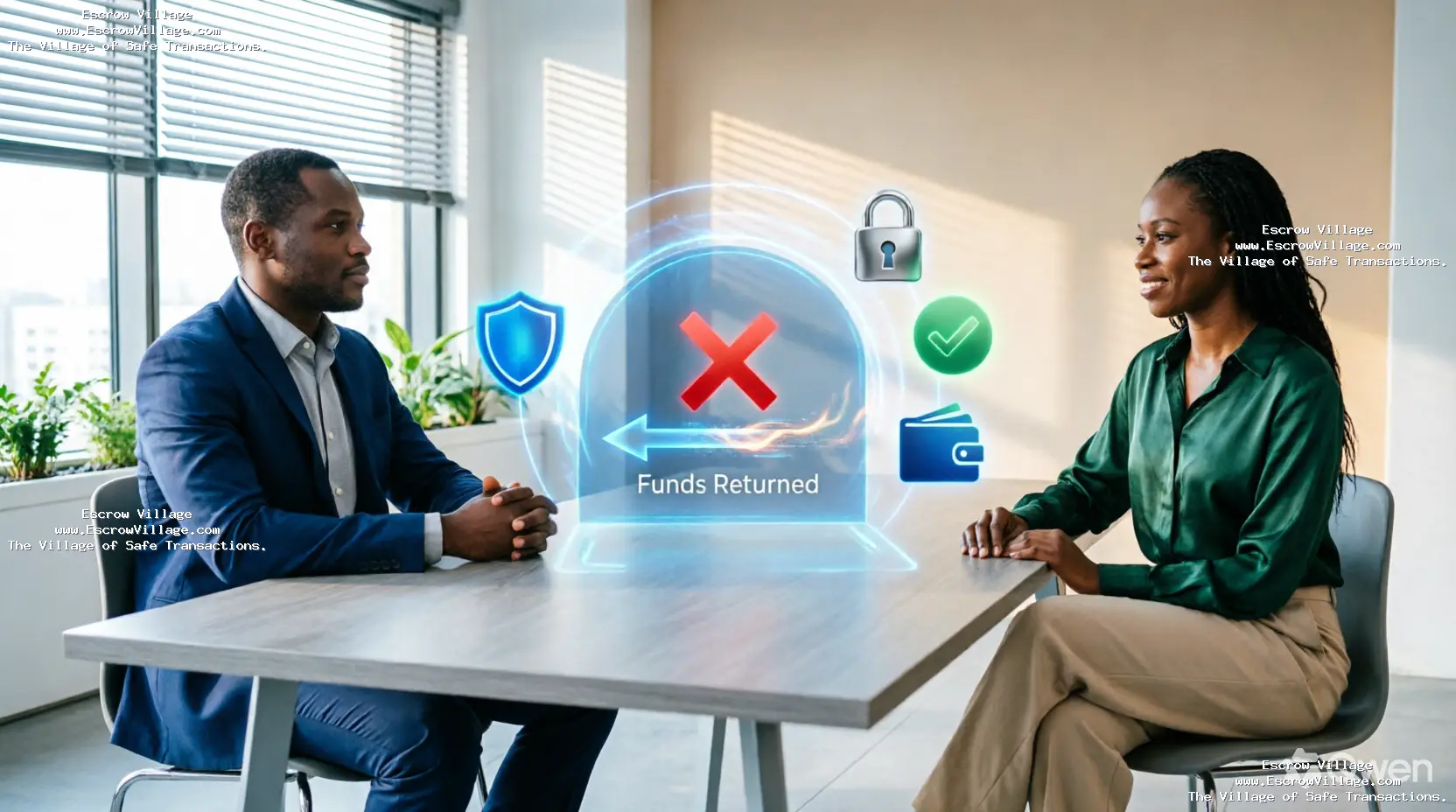
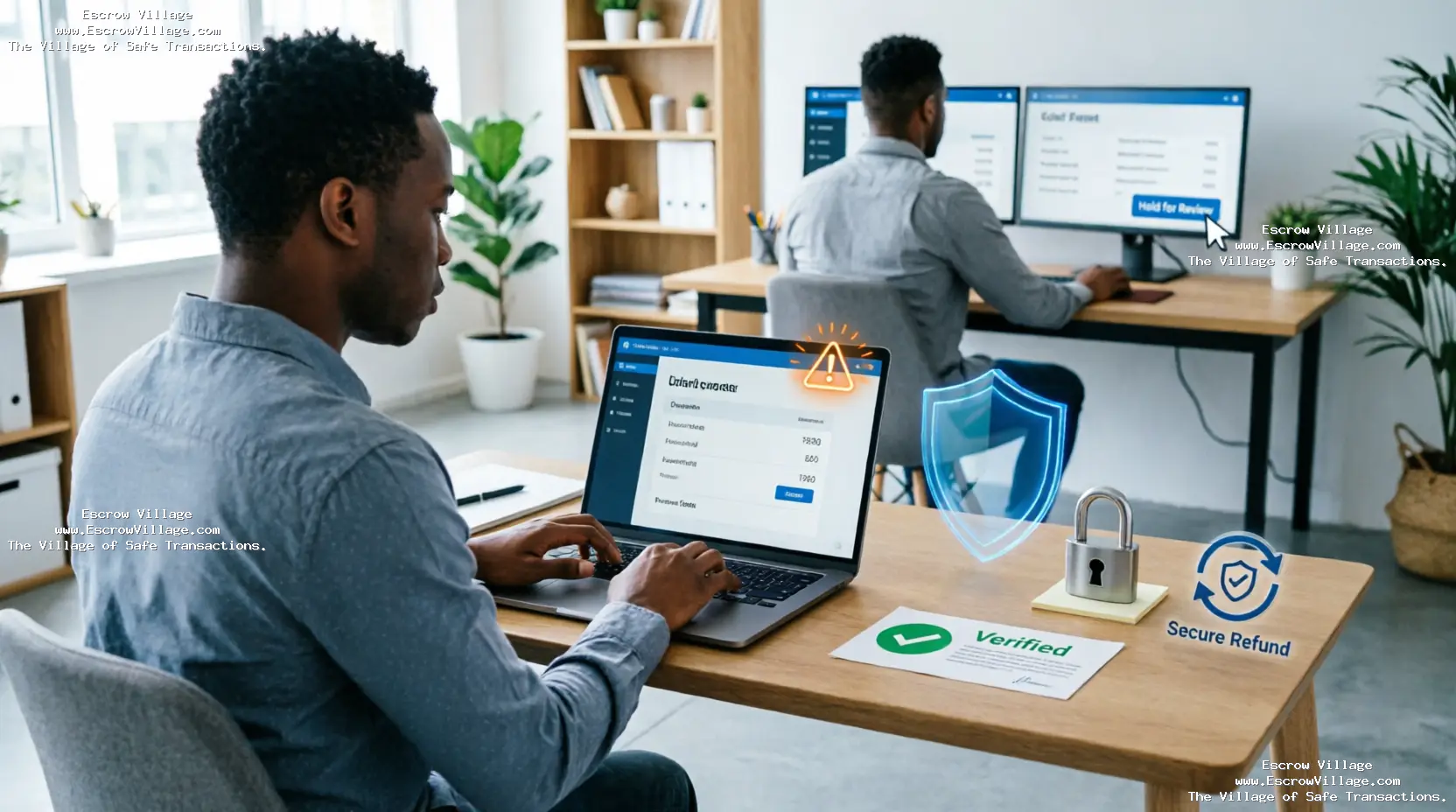
- Your policy should require employees to verify unusual payment requests before sending money or changing payment details.
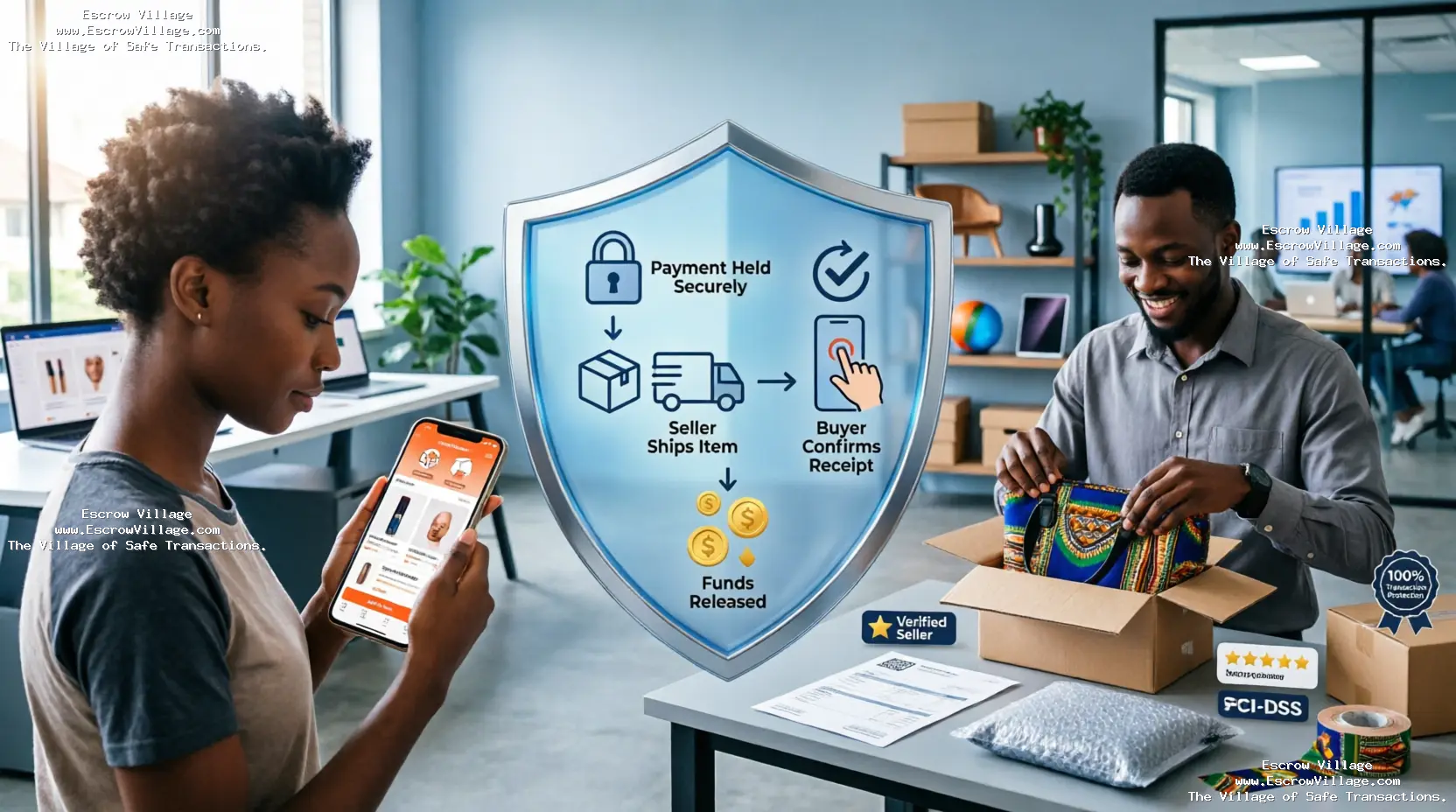
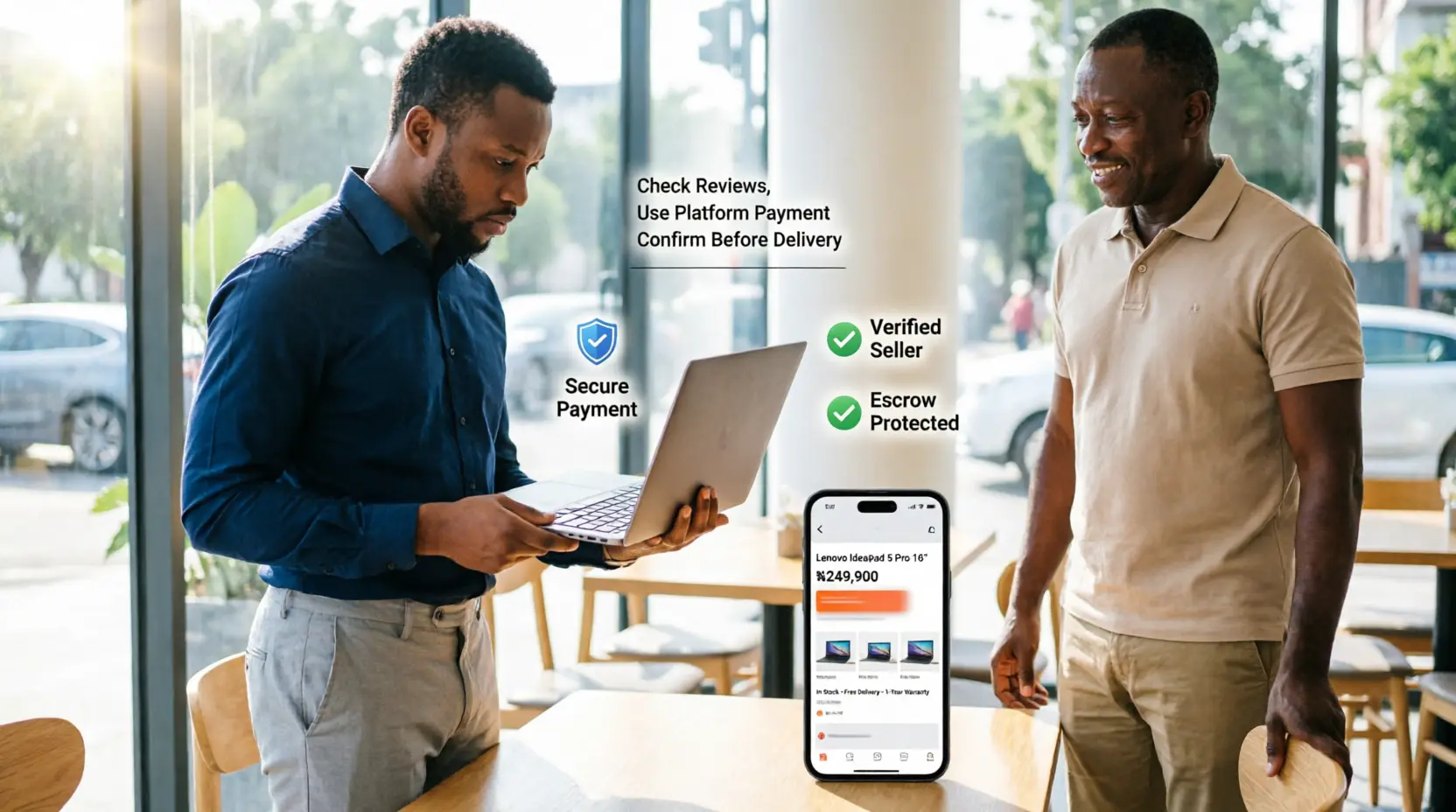
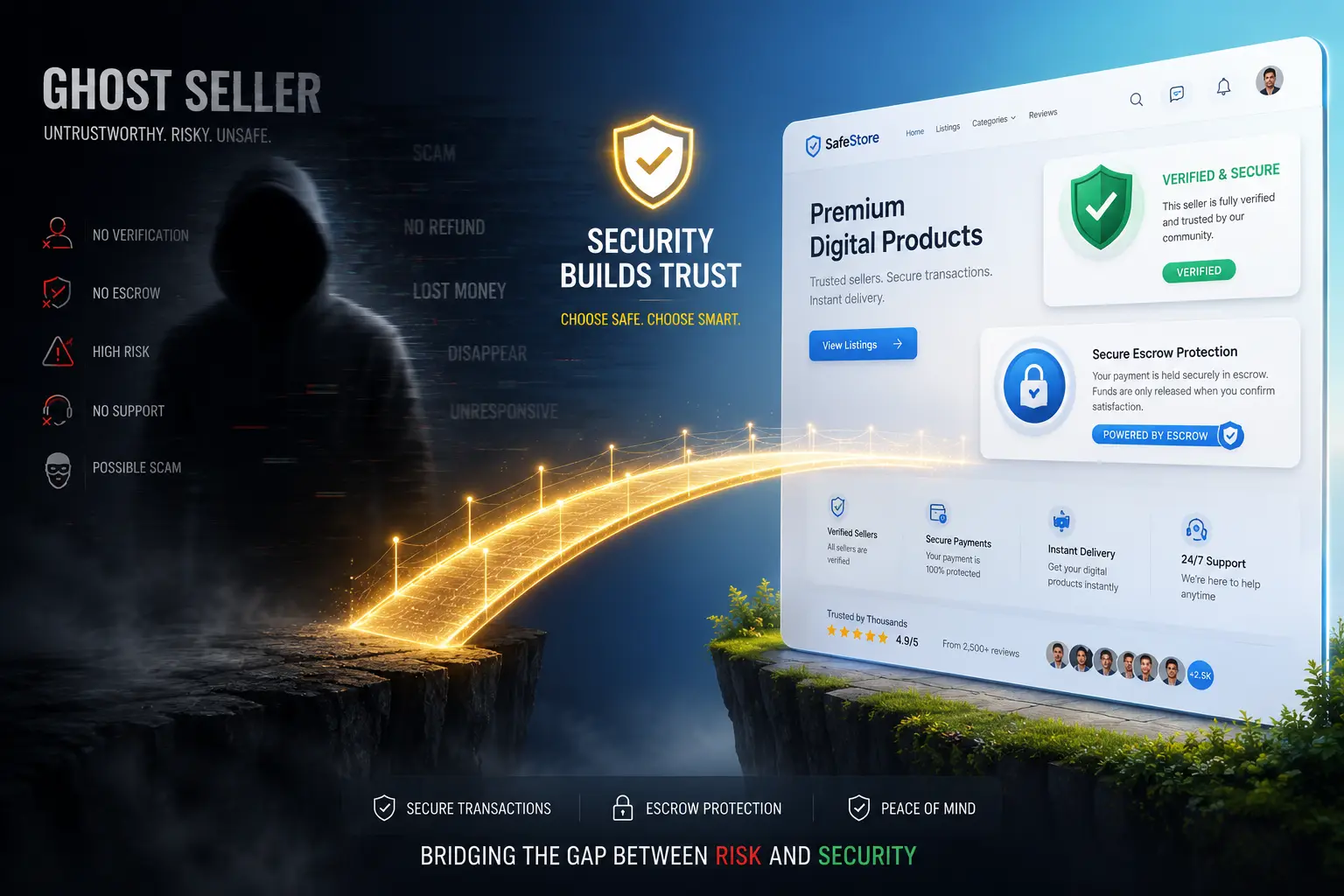
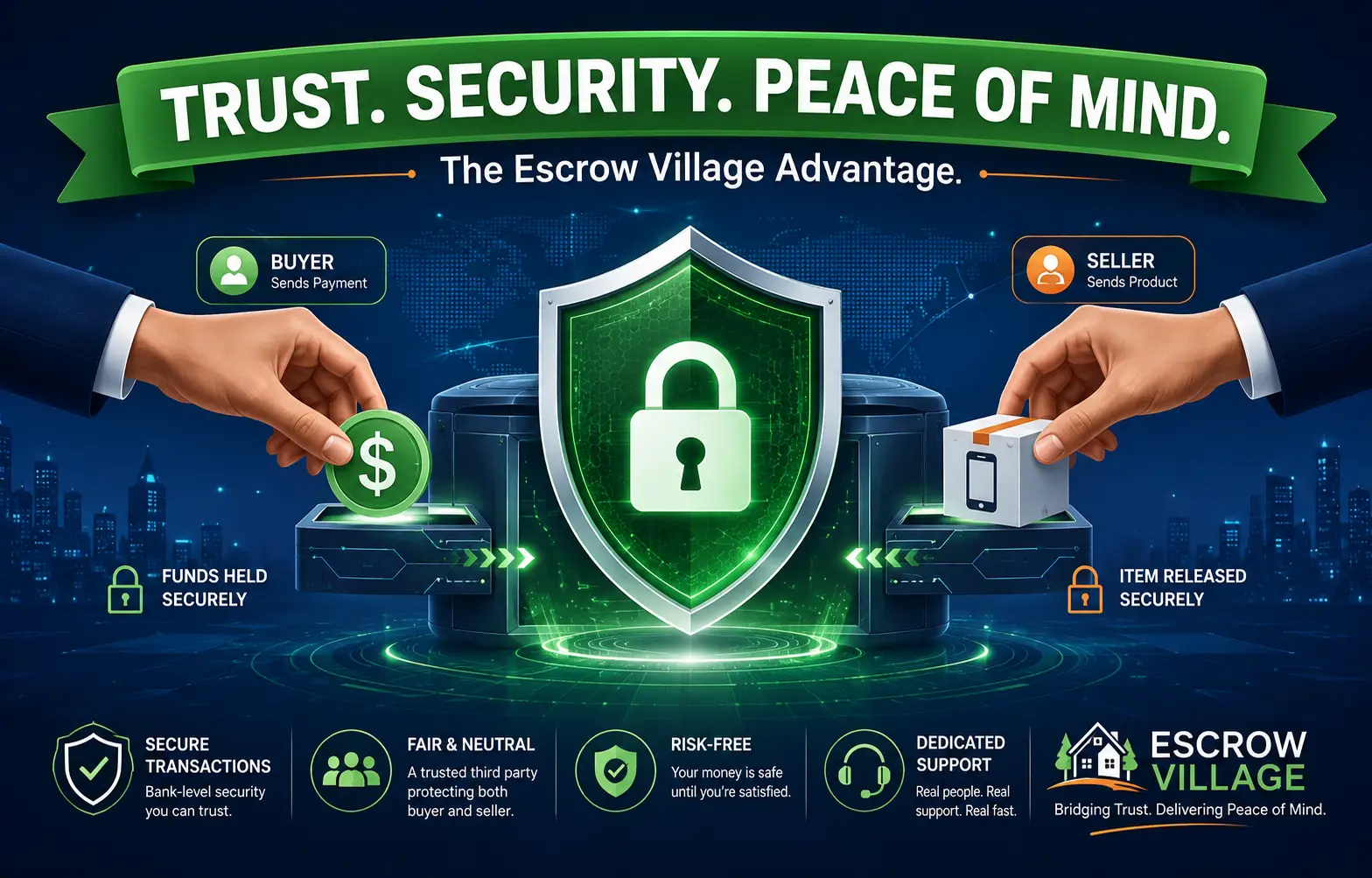
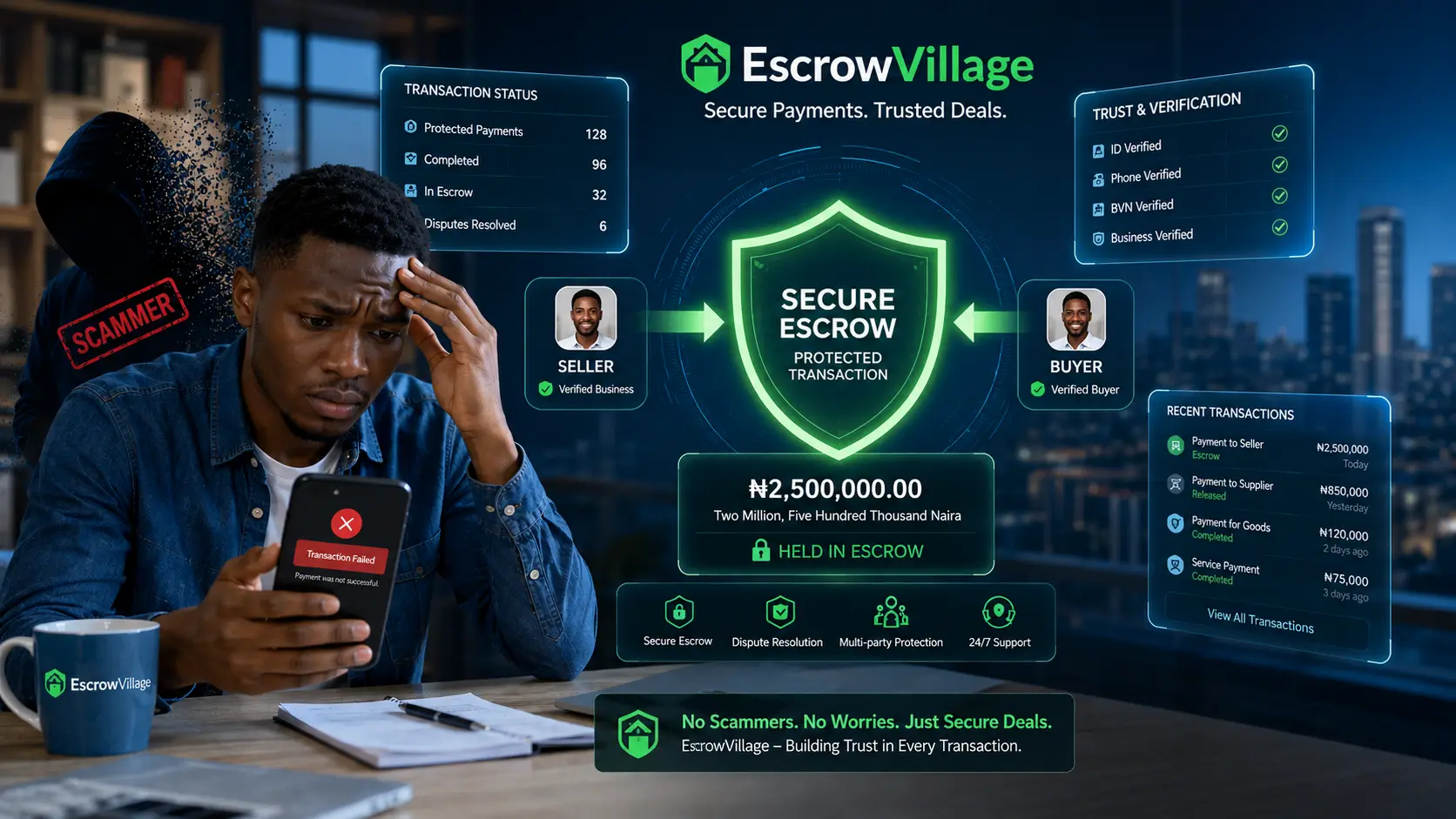
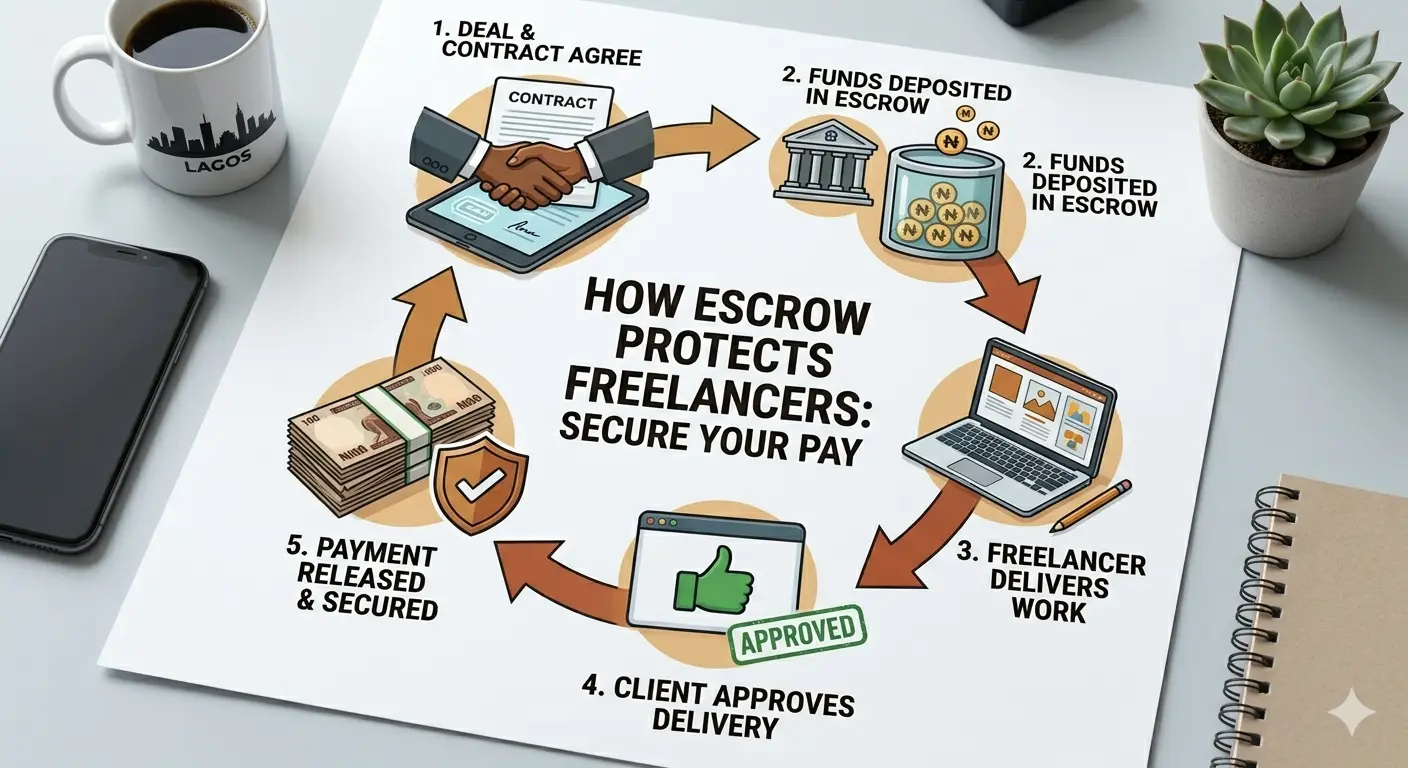
- For transactions involving unfamiliar buyers or sellers, businesses can also consider using a trusted escrow service such as Escrow Village to create a more structured payment process.
- 5. Explain What to Do After a Security Incident
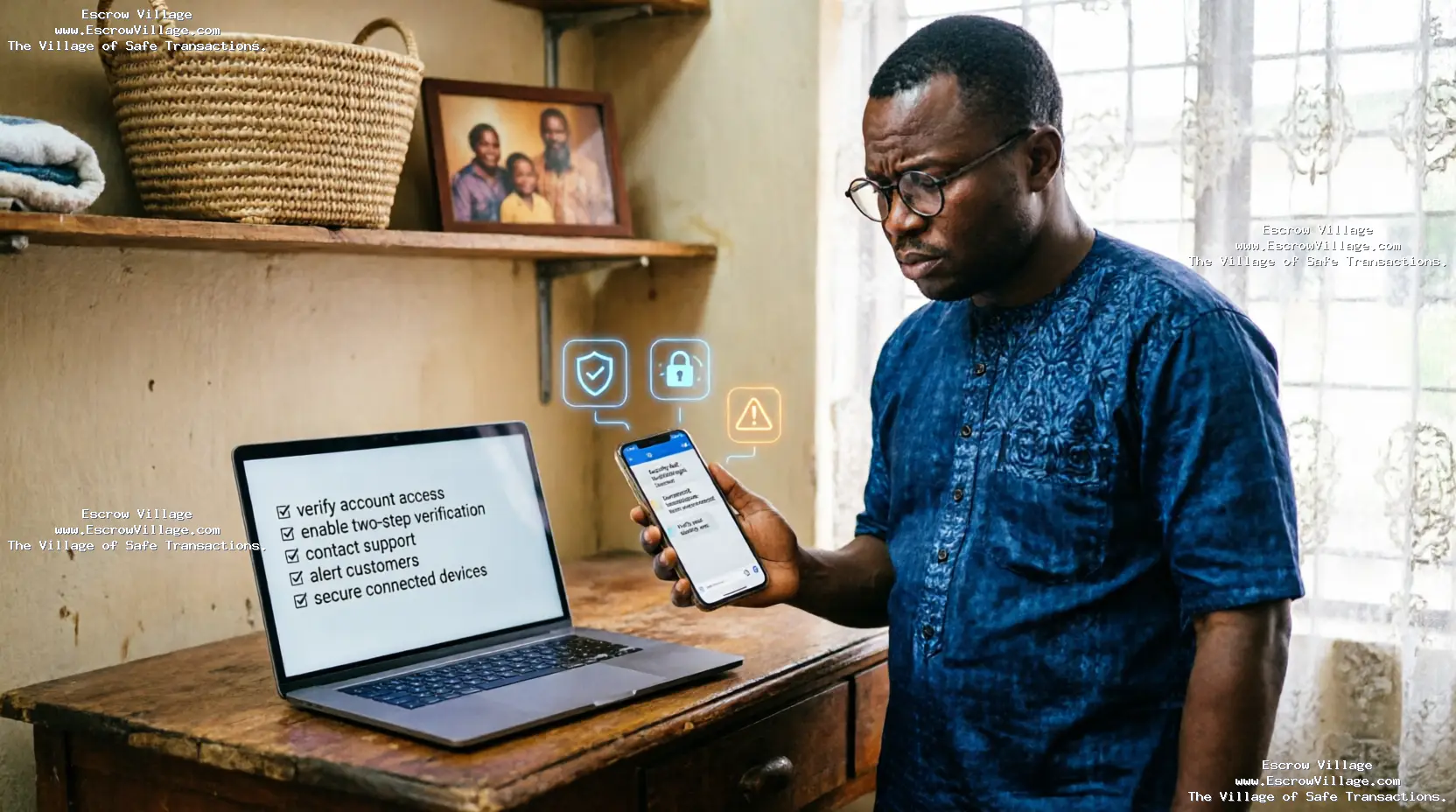
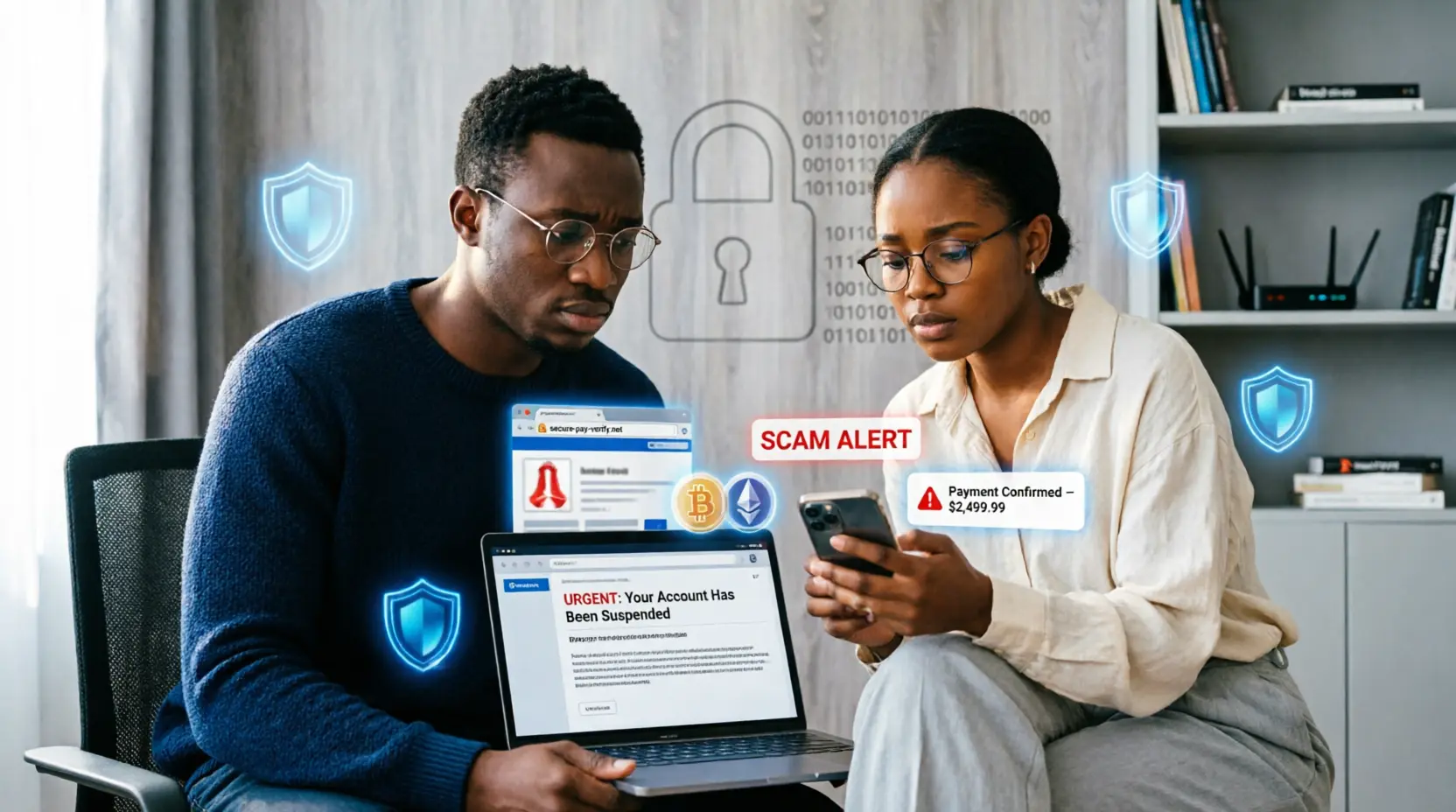
- Your policy should tell employees exactly what to do if an account is hacked, a suspicious link is clicked, or sensitive information is accidentally exposed.
- Keep the process simple:
- ● Stop the activity.
- ● Report the incident immediately.
- ● Secure the affected account.
- ● Preserve relevant information.
- ● Follow your recovery process.
- Review Your Cybersecurity Policy Regularly
Review it whenever your business introduces new software, payment methods, employees, or online services.
A short review every few months can help ensure your security rules still match how your business operates.
- Frequently Asked Questions
- 1. What should a small business cybersecurity policy include?
- It should include rules for passwords, employee access, customer data, devices, online payments, phishing, and reporting security incidents.
- 2. Does a small business really need a cybersecurity policy?
- Yes. A written policy gives employees clear security expectations and helps reduce mistakes that could expose the business to cyber threats.
- 3. Who should create the cybersecurity policy?
- The business owner or manager can create the initial policy.
- For more complex businesses, a cybersecurity professional can help develop more detailed requirements.
- 4. How can Escrow Village support transaction security?
- Escrow Village provides a structured way for buyers and sellers to complete transactions, helping businesses avoid relying entirely on trust when dealing with unfamiliar parties.
- Protect Your Business Before a Problem Happens
Start with the risks your business faces every day, establish clear rules, and make sure everyone understands them.
Good cybersecurity is not only about technology. It is also about creating better habits and processes around your people, information, and transactions.
Ready to make your online transactions safer? Explore Escrow Village and build greater security and trust into the way your business deals online.