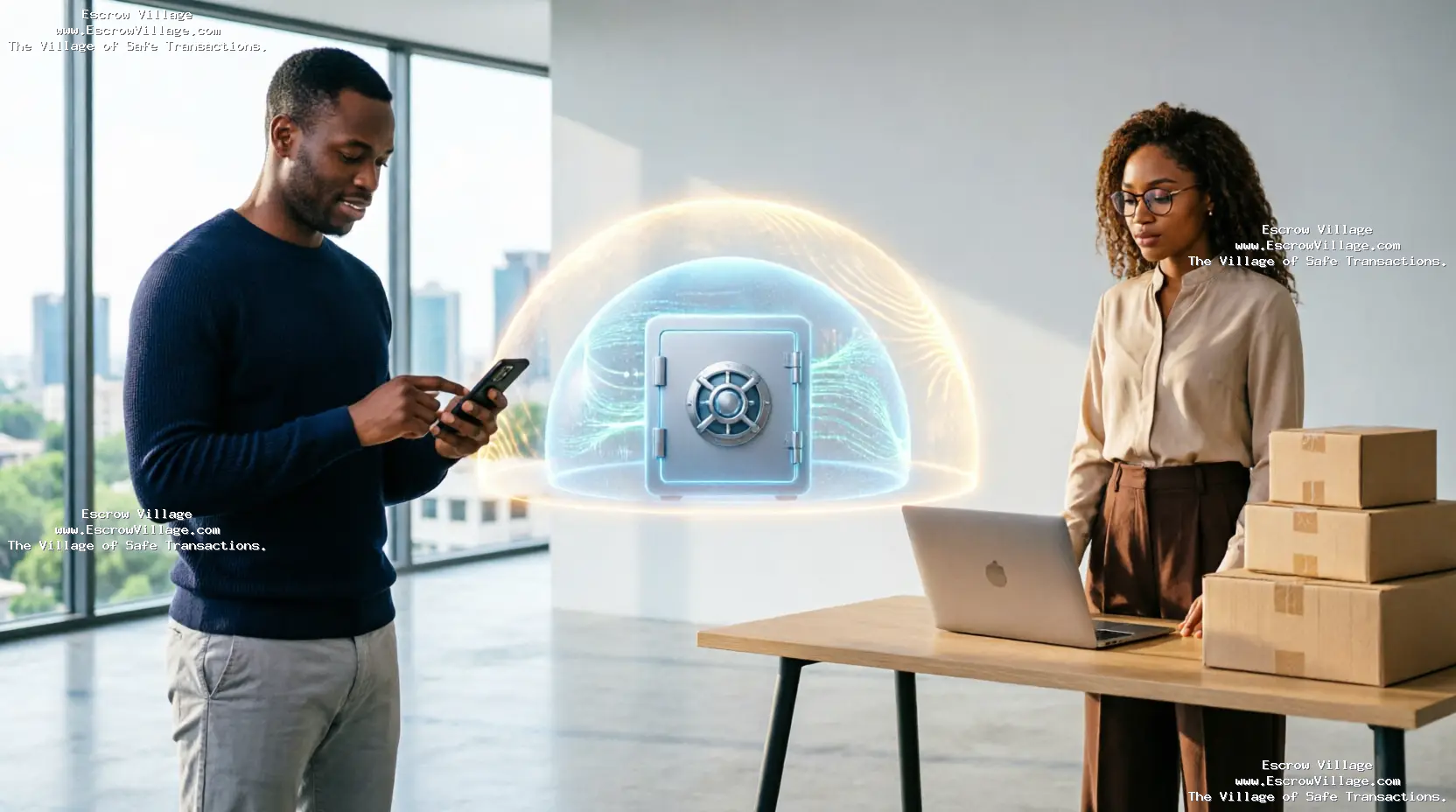
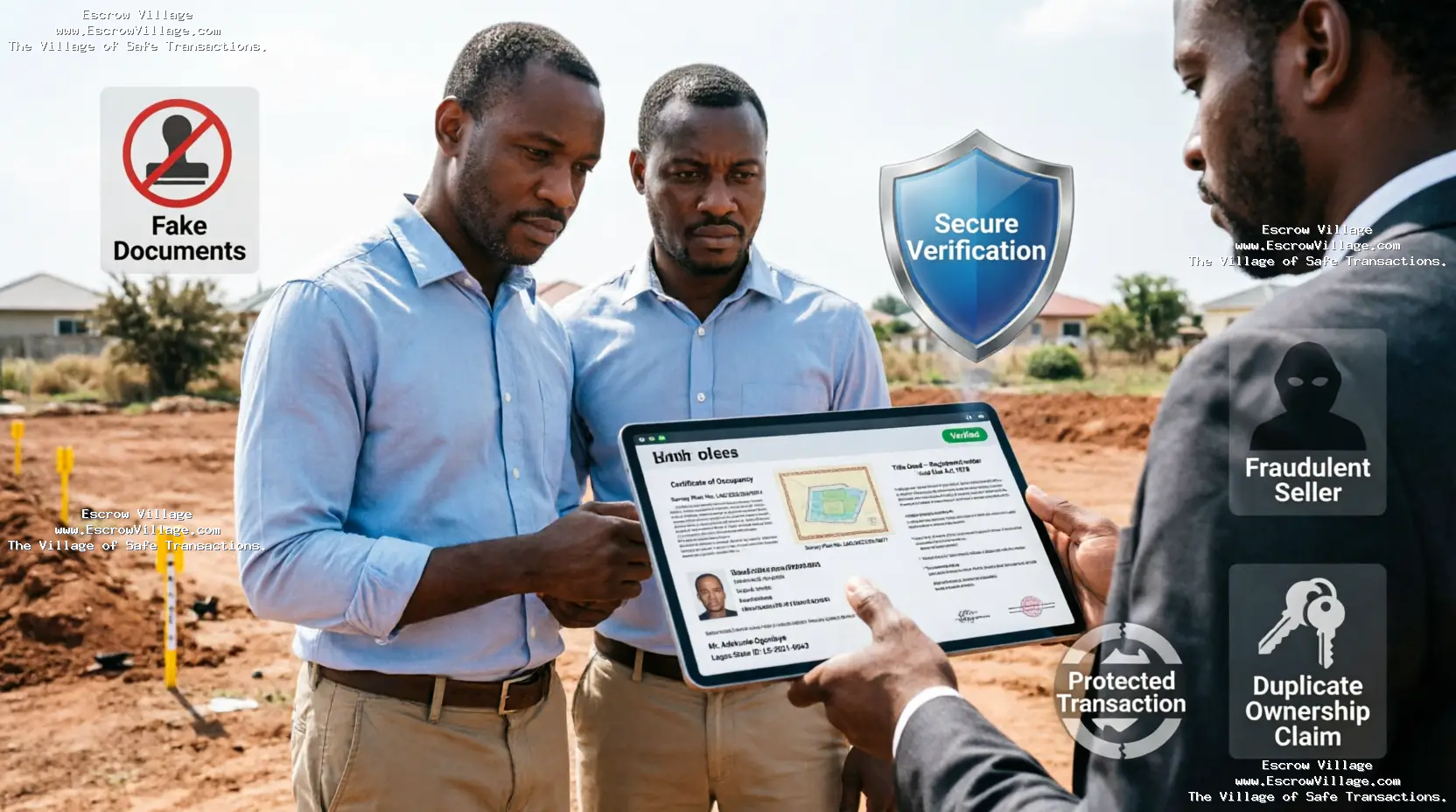
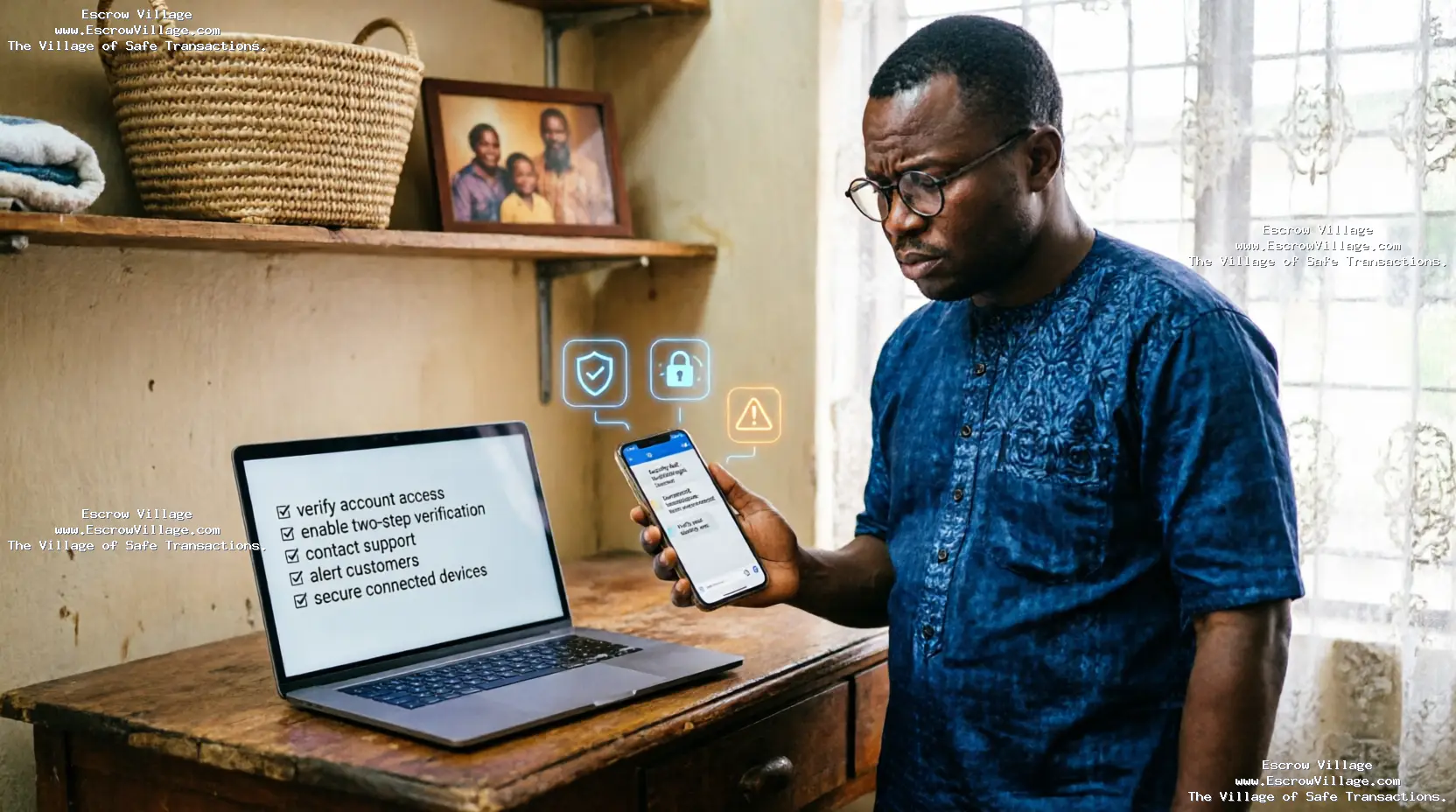
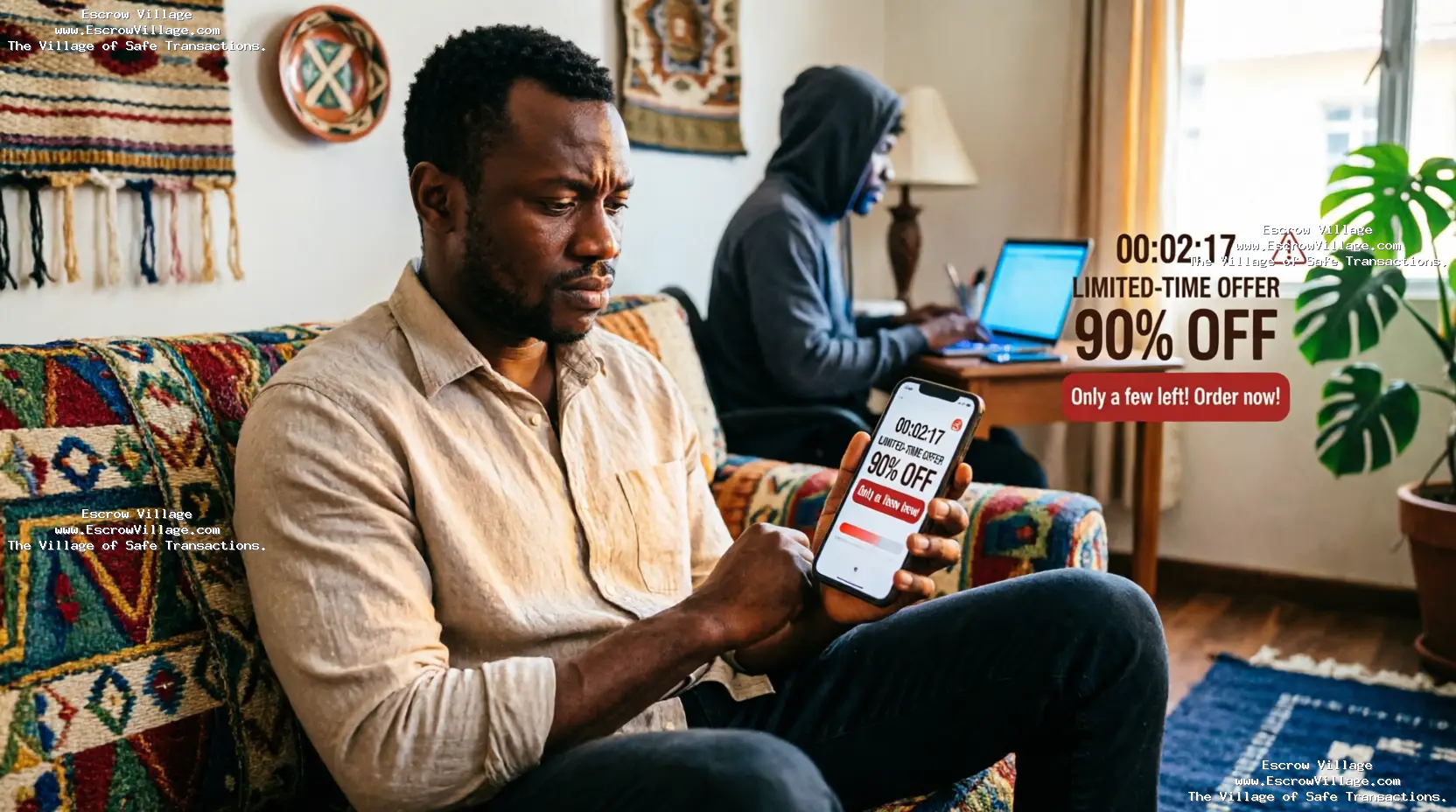
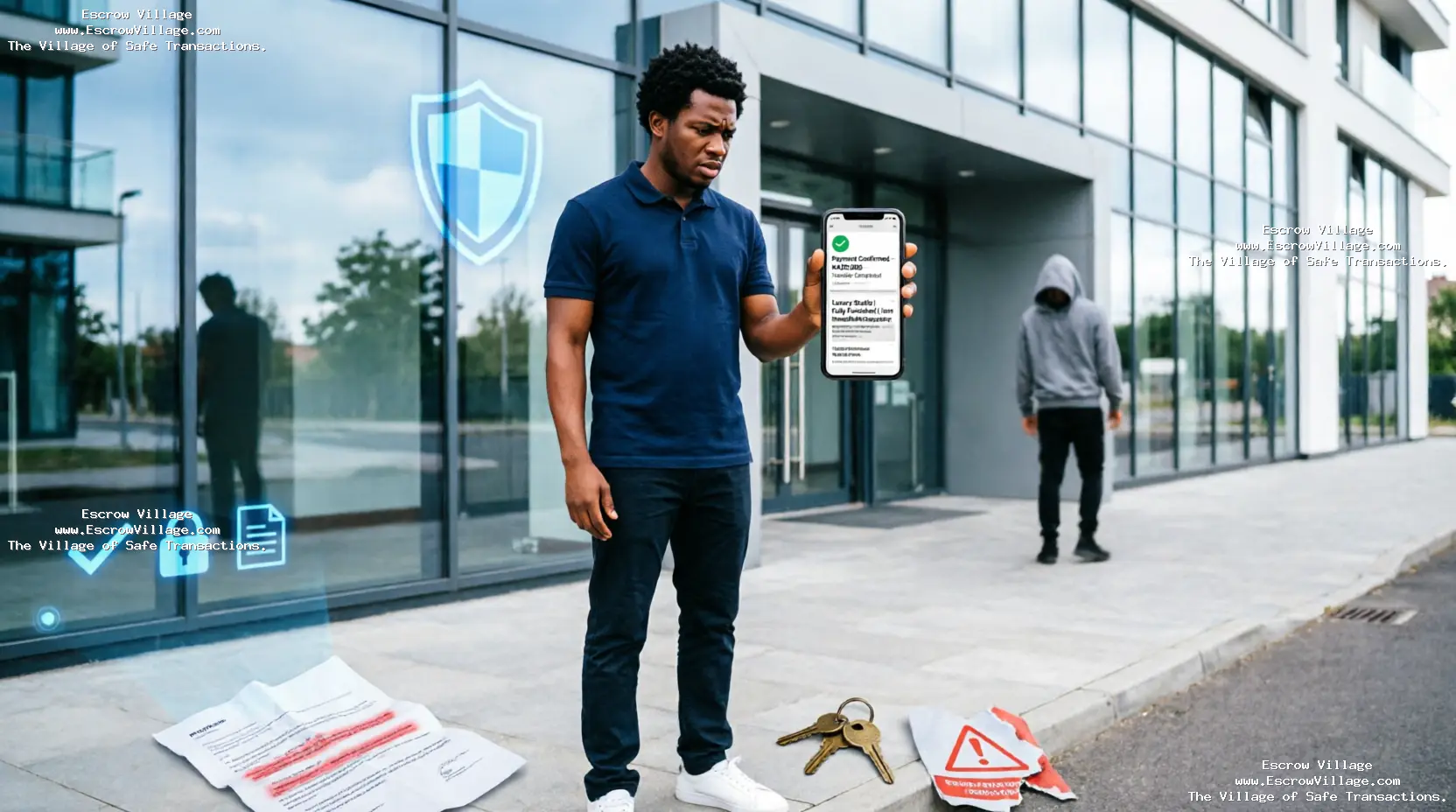
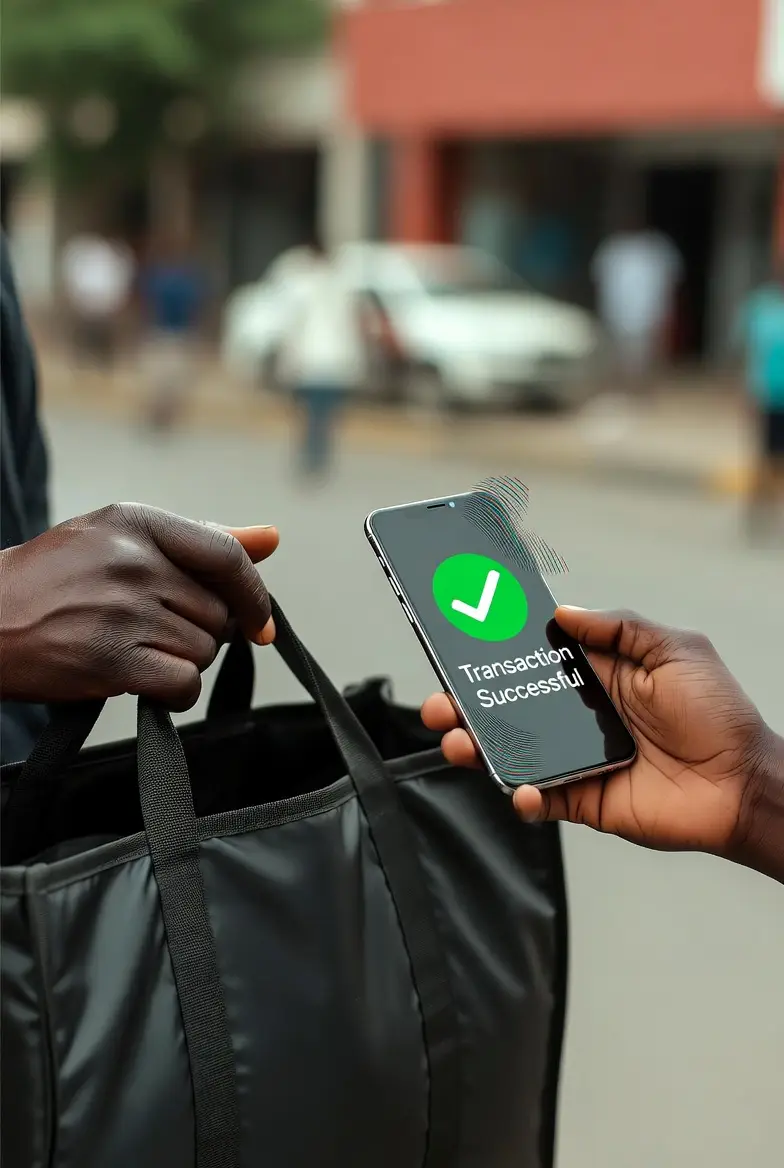
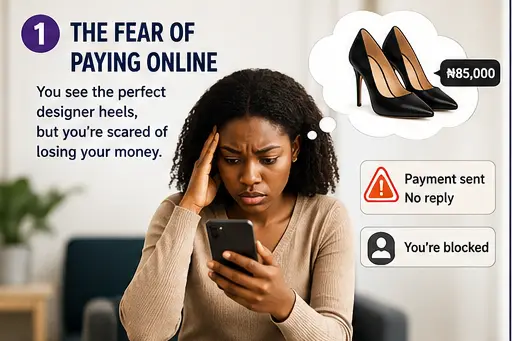
Every online transaction between strangers has the same problem at its core: someone has to take the first step. The buyer pays and hopes the seller ships. The seller ships and hopes the buyer pays. That single moment of "who moves first" is the oldest, most stubborn friction point in digital commerce, and it's not going away just because the internet got faster.
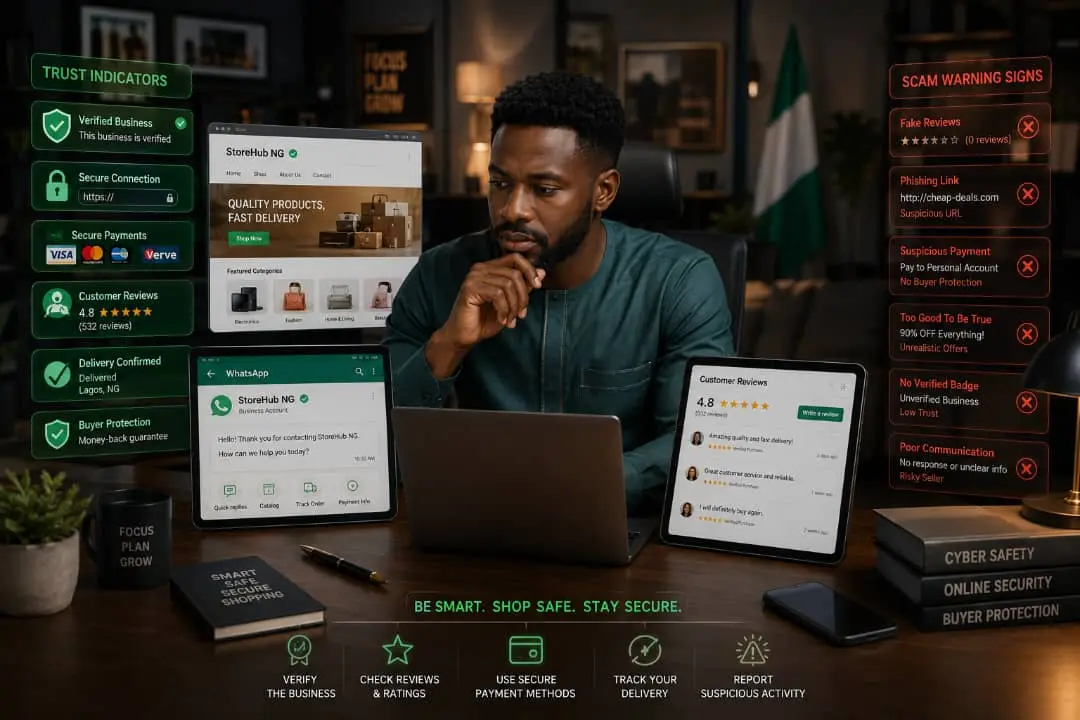
What's changing is how businesses are solving it. Trust in digital commerce is shifting from something buyers just have to hope for, to something platforms are expected to build in by design.
Why Trust Has Become a Business Metric, Not Just a Feeling
For years, "trust" was treated as a soft, hard-to-measure thing, a nice-to-have alongside price and delivery speed. That's no longer true.
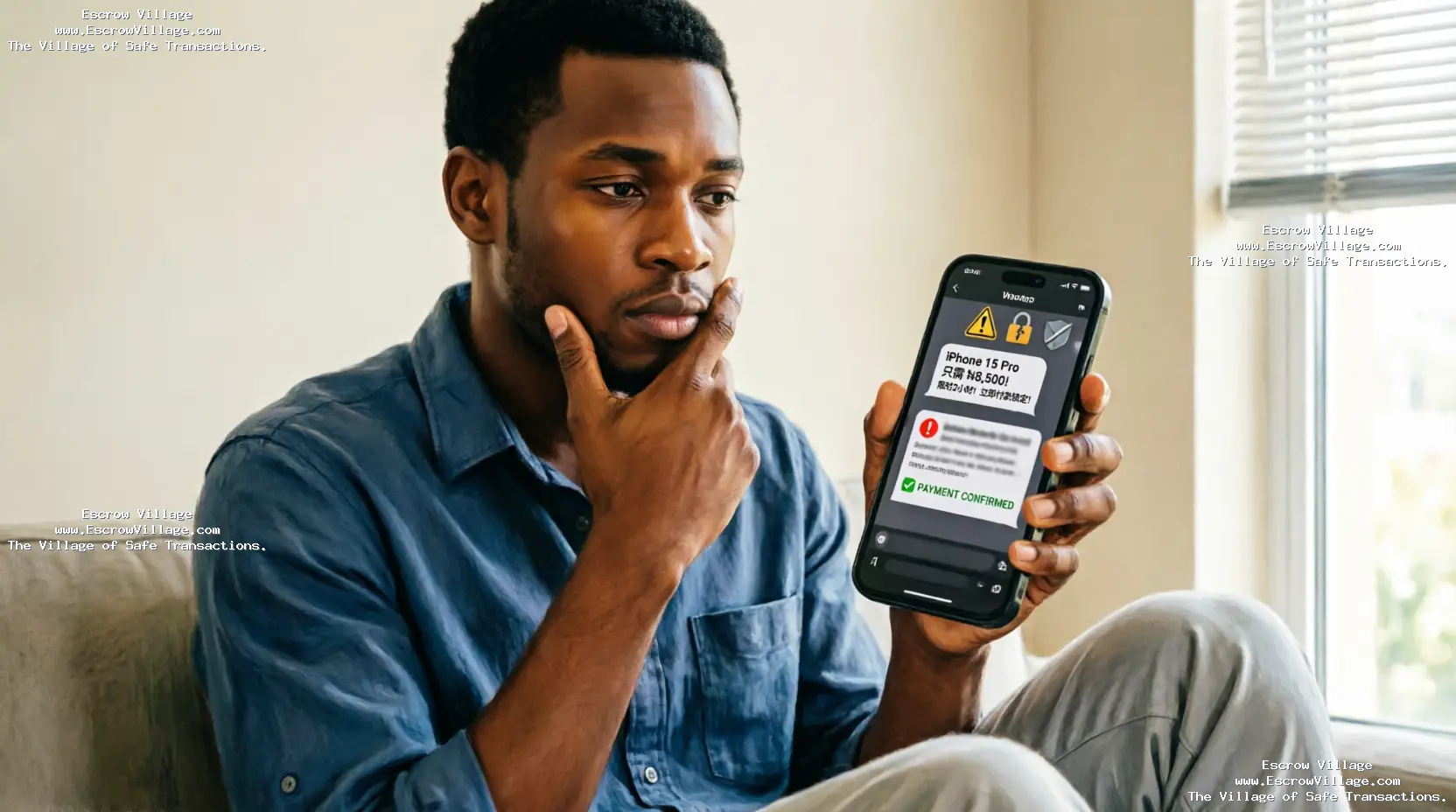
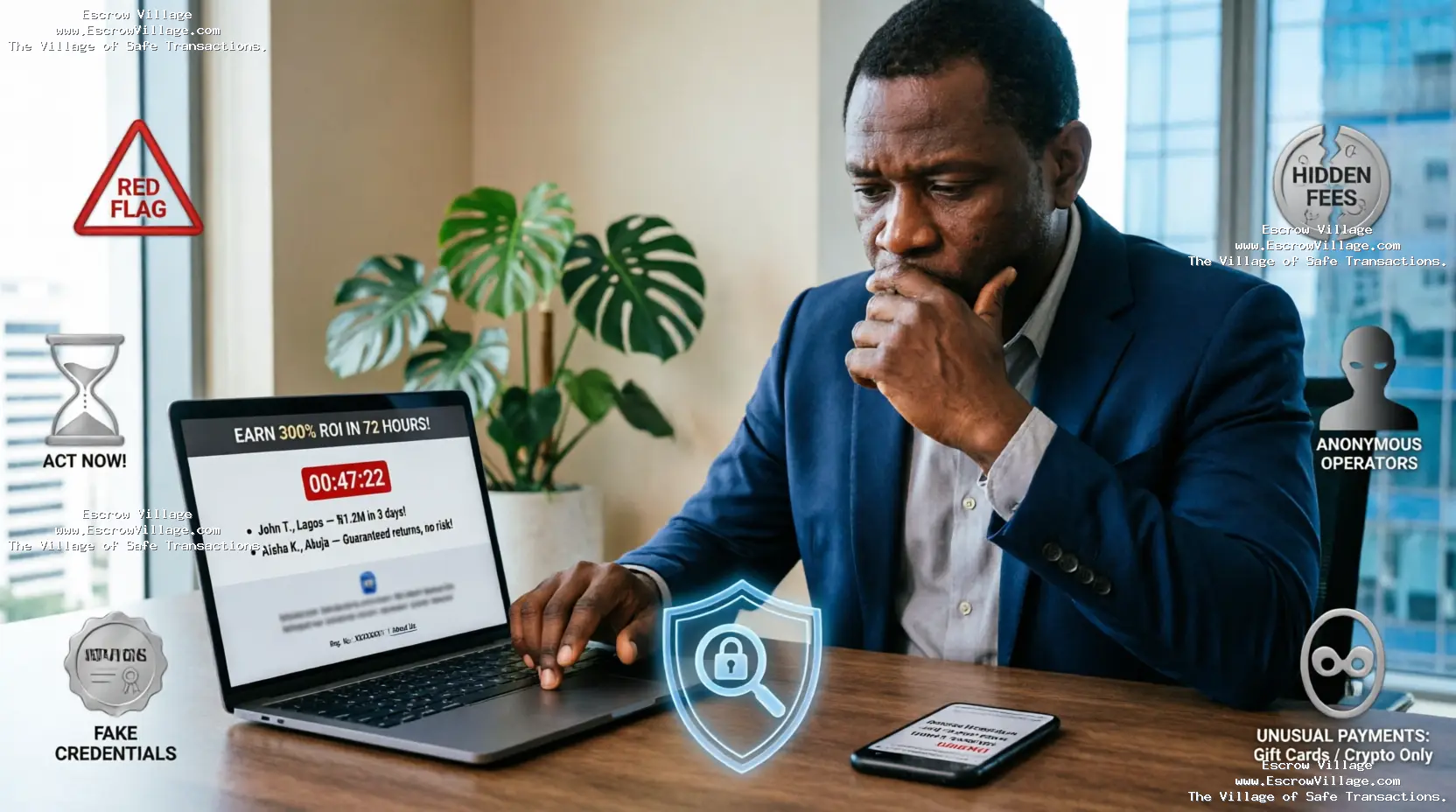
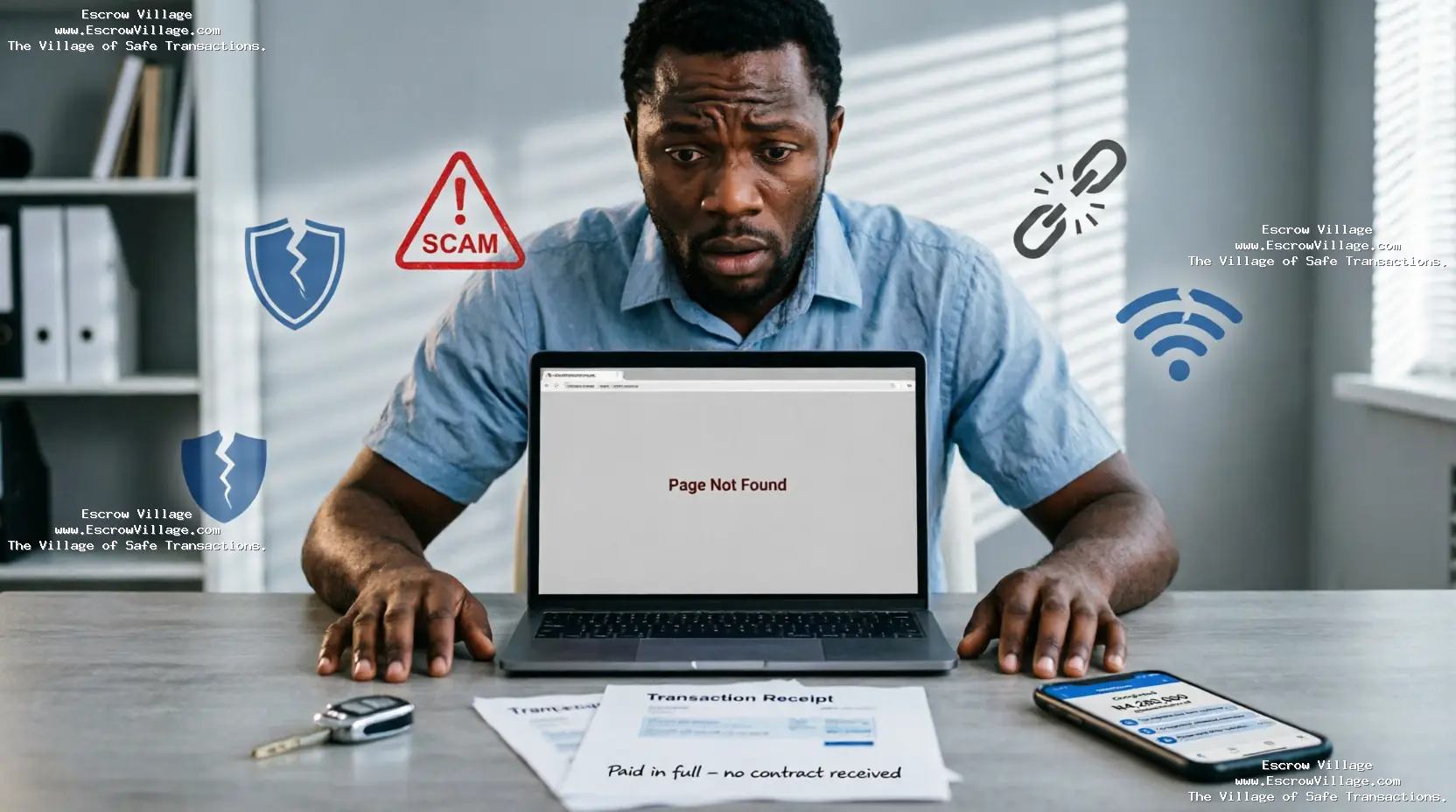
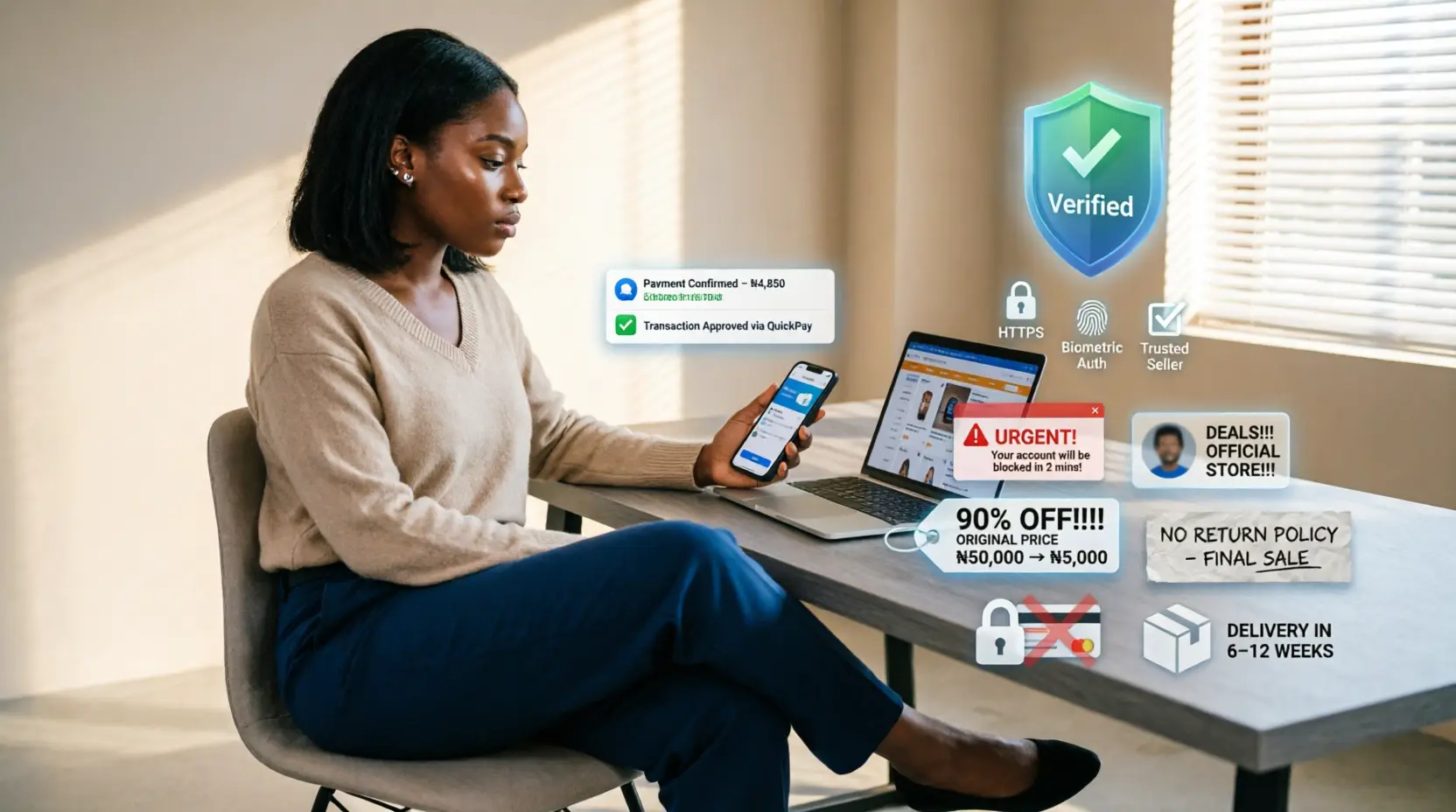
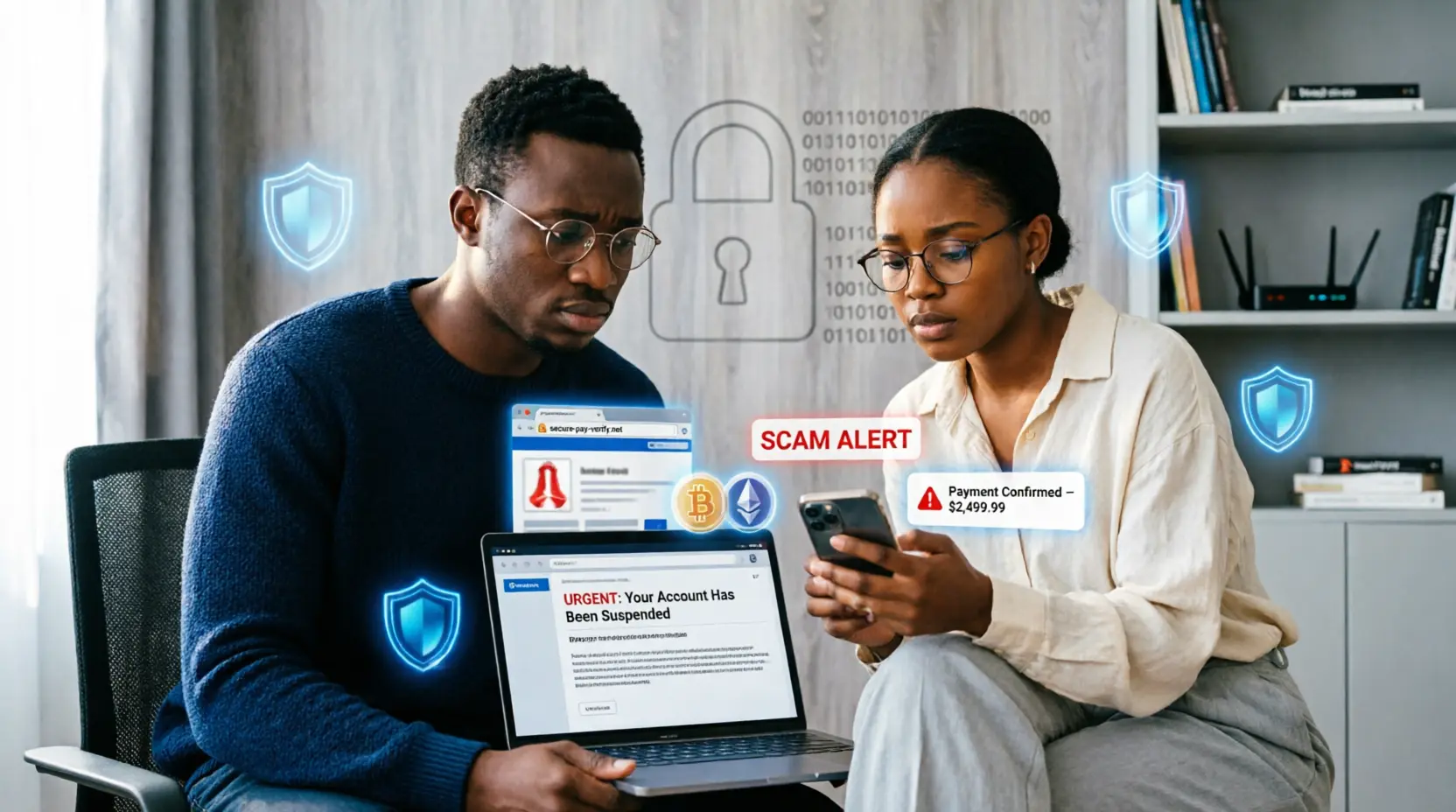
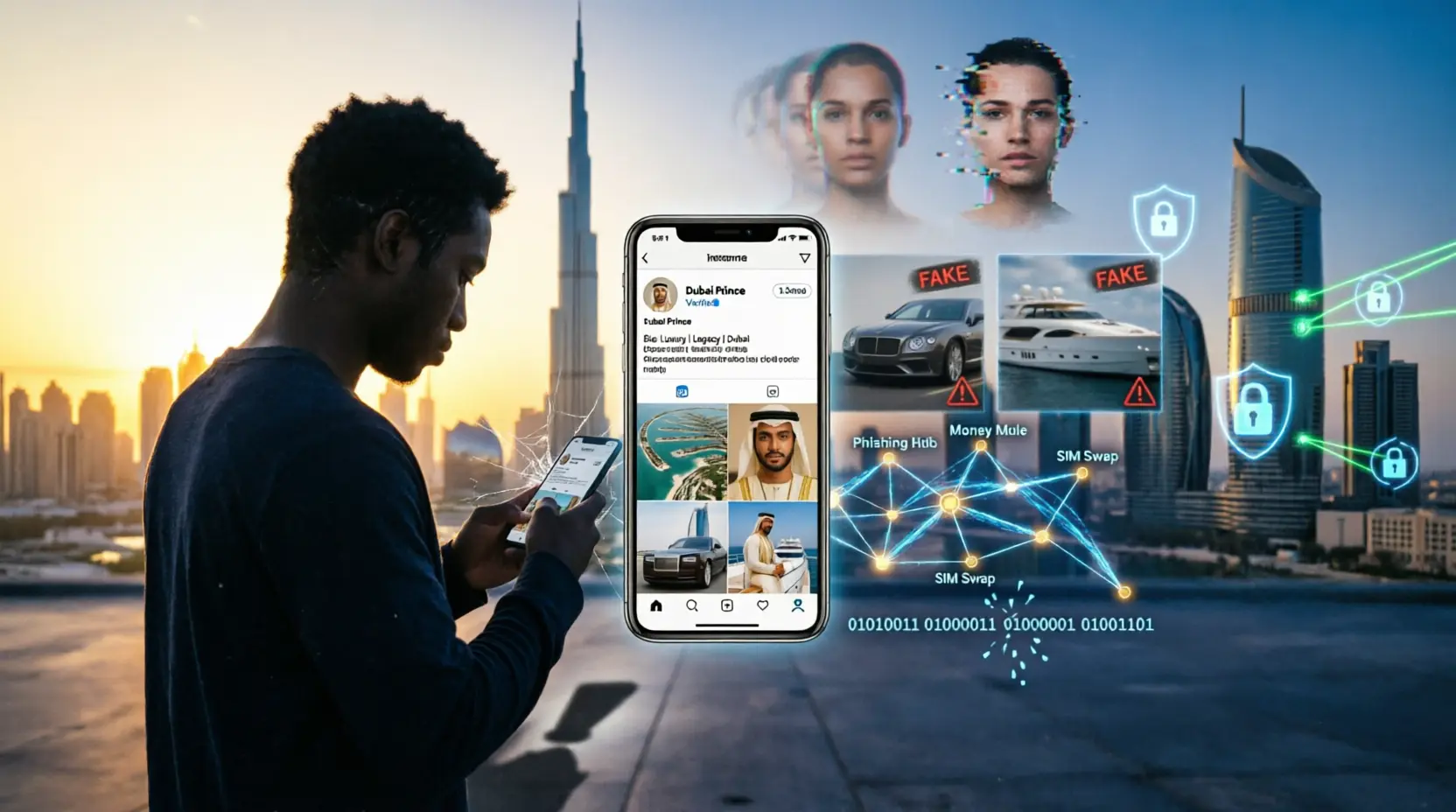
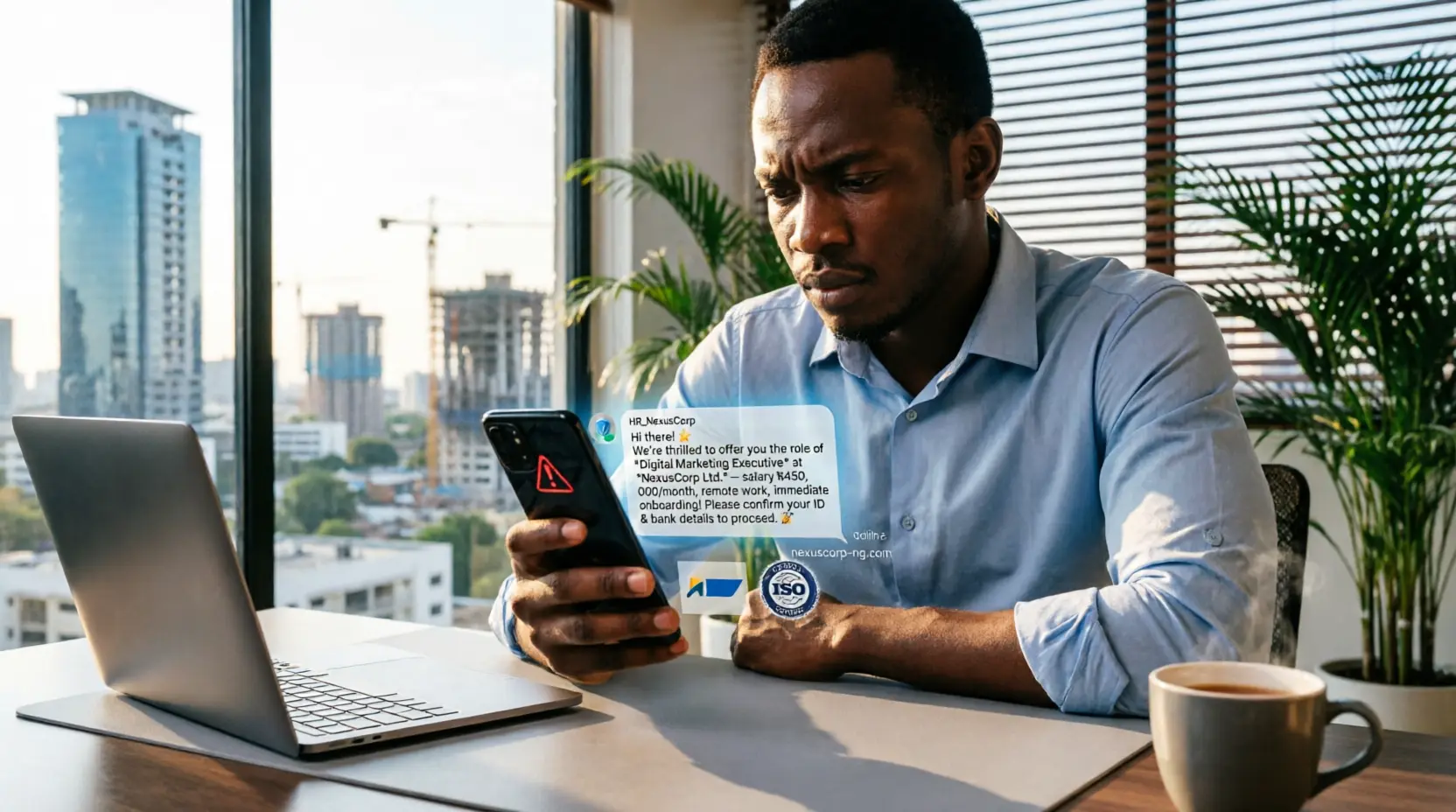
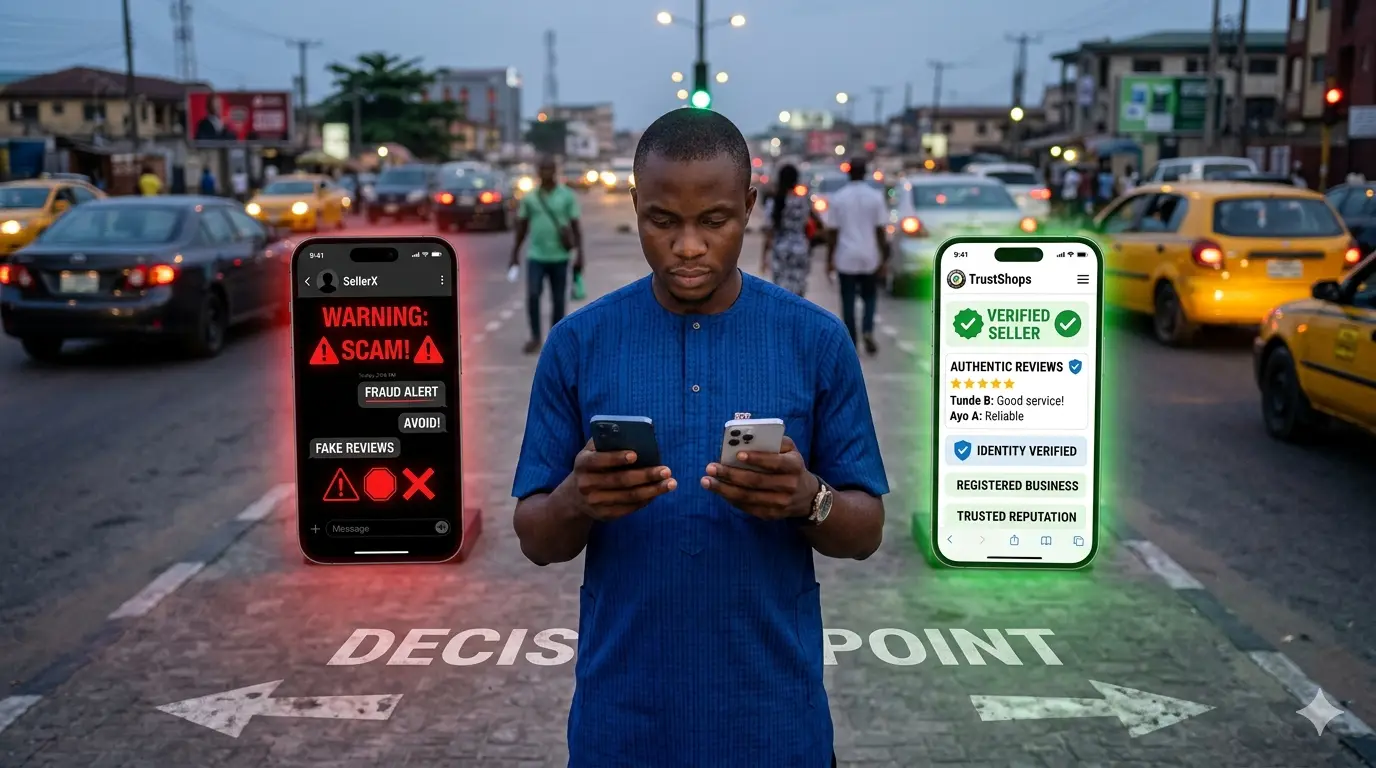
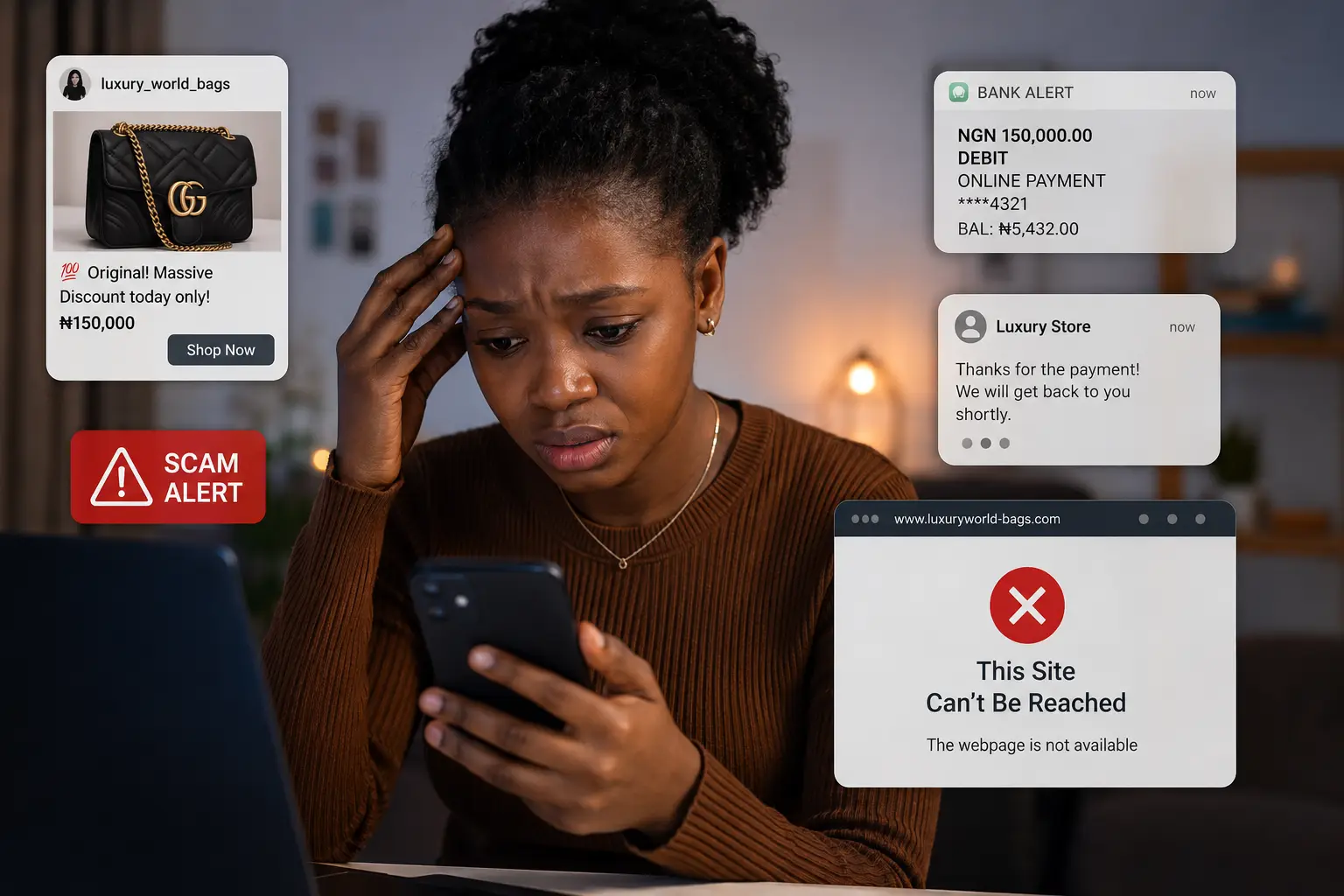
A recent TransUnion report on digital fraud trends in Africa found that confidence in personal data security has overtaken product quality as the leading factor shoppers weigh when choosing which platform to buy from. In other words, people are picking where to shop based on how safe they feel, not just what's cheapest. And the fear isn't imaginary. A 2026 study on scams in Nigeria found that 84% of adults surveyed had run into a scam attempt in the past year, and 22% actually lost money or data to one, with only 4% ever reporting it. (Source)
That last number matters as much as the fraud rate itself. When people don't trust that reporting a scam will lead anywhere, they simply stop taking the risk of buying from unfamiliar sellers altogether.
AI Is Making Shopping Faster and Shoppers More Cautious
Here's the twist nobody expected: AI is speeding up how Nigerians shop, but it hasn't erased their caution; if anything, it's sharpened it.
A 2026 Visa study found that 88% of Nigerian consumers now use AI tools to help with shopping, and 97% say those tools make buying faster and easier. But only 34% actually trust an AI agent to complete checkout on its own, and 89% believe AI will eventually play a role in protecting them from fraud, even though most don't feel protected by it today. (Source)
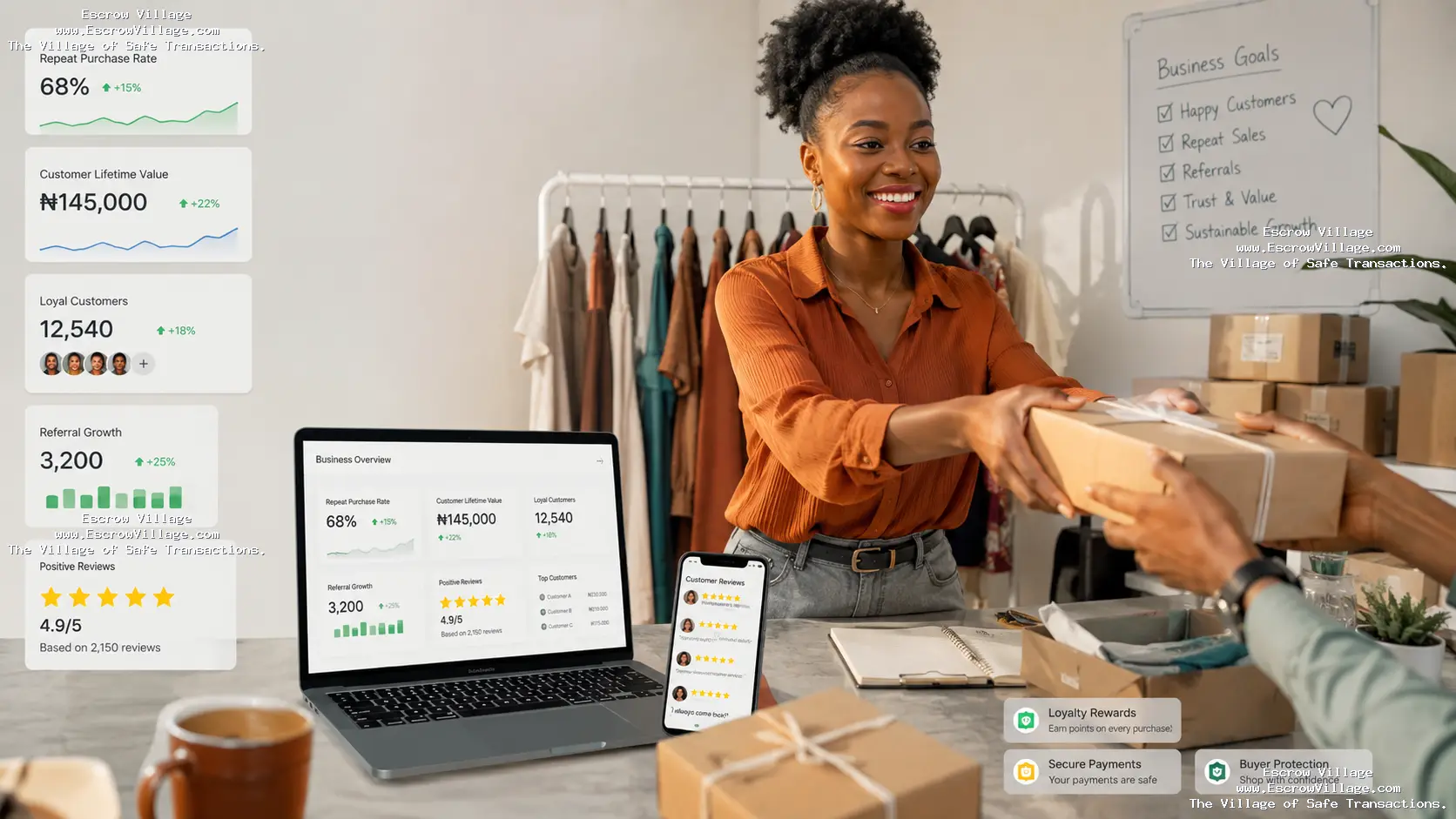
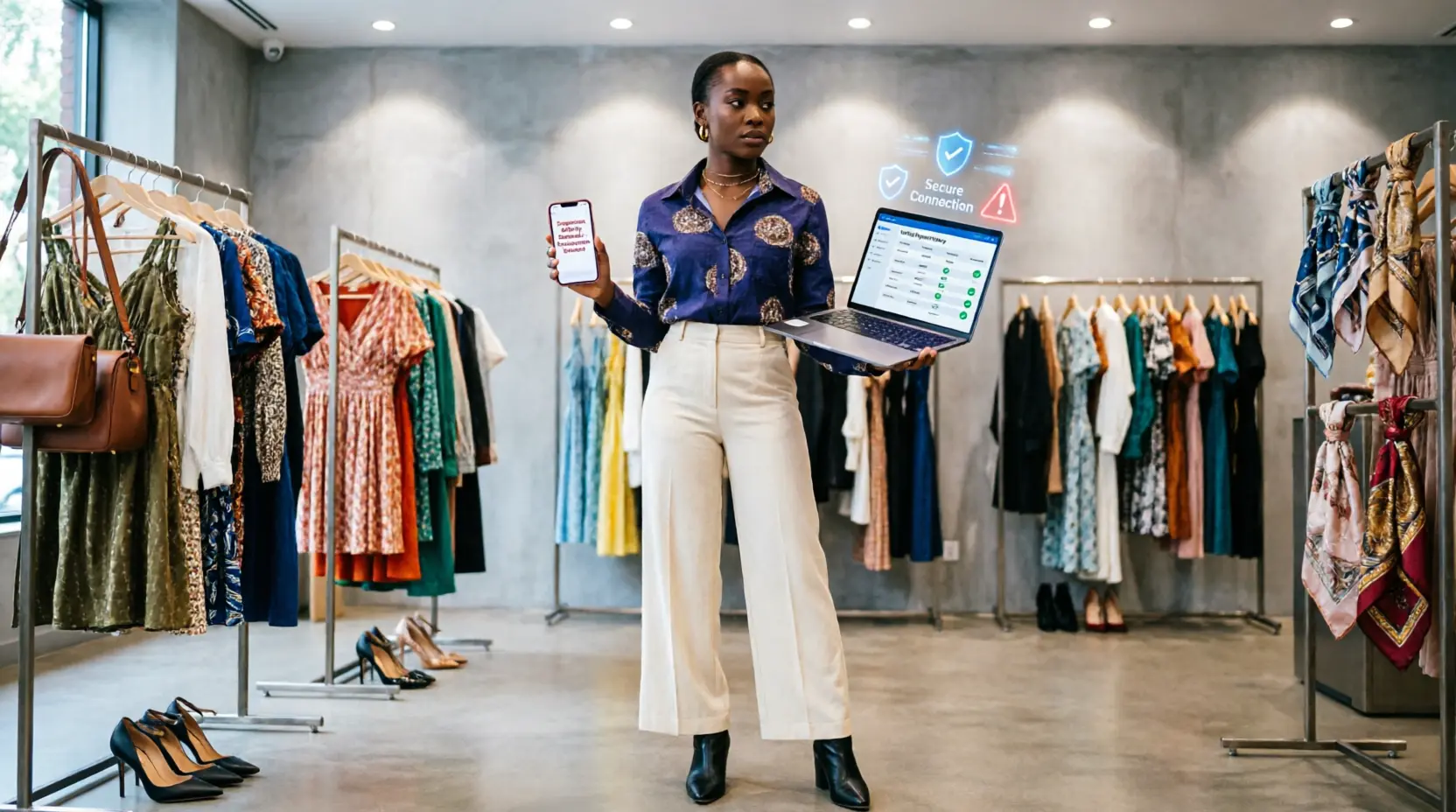
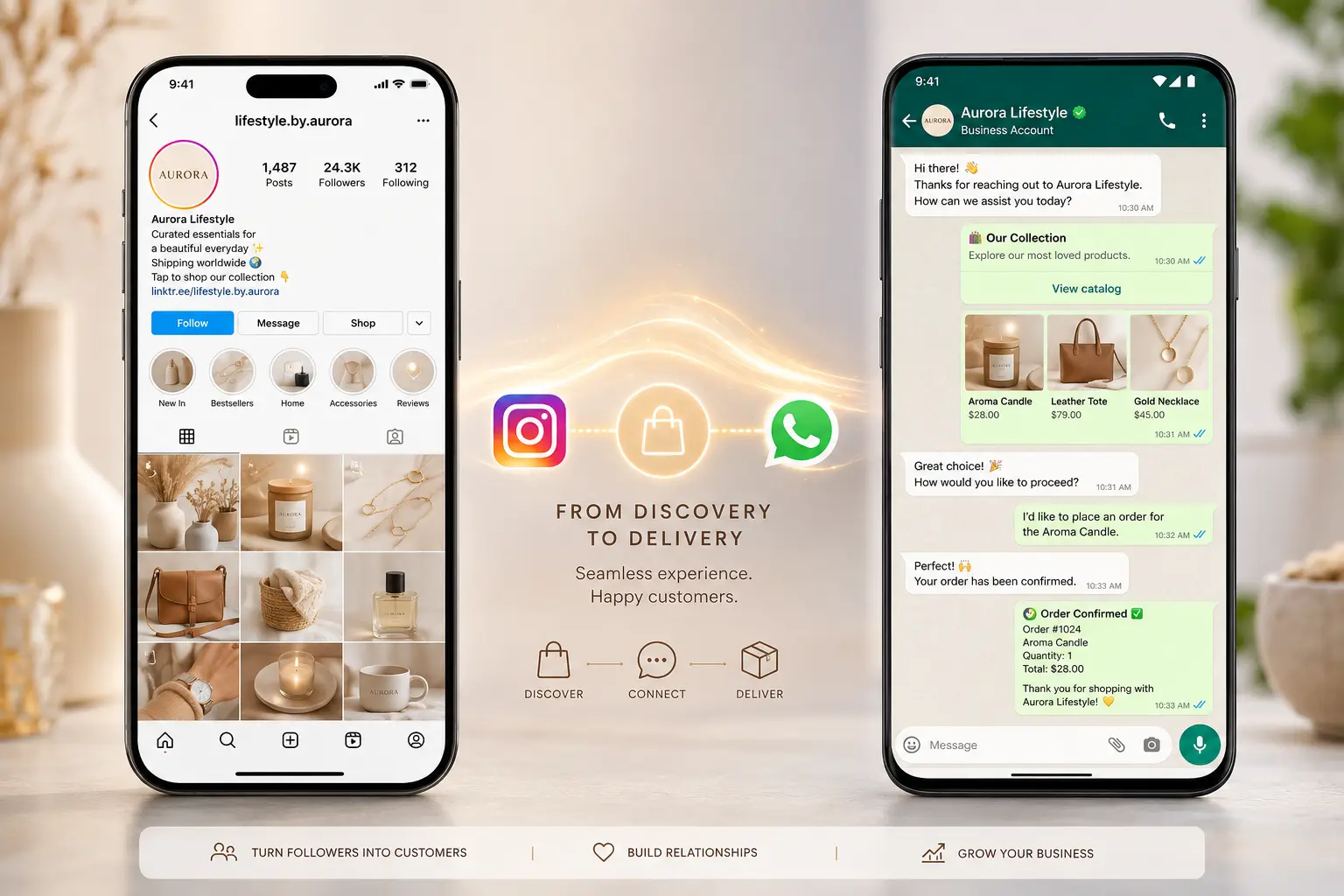
That gap high adoption, low checkout trust tells you where digital commerce is headed. Convenience is being adopted fast. Confidence is lagging behind it. Businesses that close that gap first will win the customers who are still on the fence. Social commerce is a big part of this story too: 83% of Nigerian consumers have bought something directly through social media, and 57% of people who got scammed say it happened there. (Source)
Why Escrow Is Becoming the Default, Not the Backup Plan
For a long time, escrow was seen as something you used for big-ticket purchases: cars, land, expensive equipment.
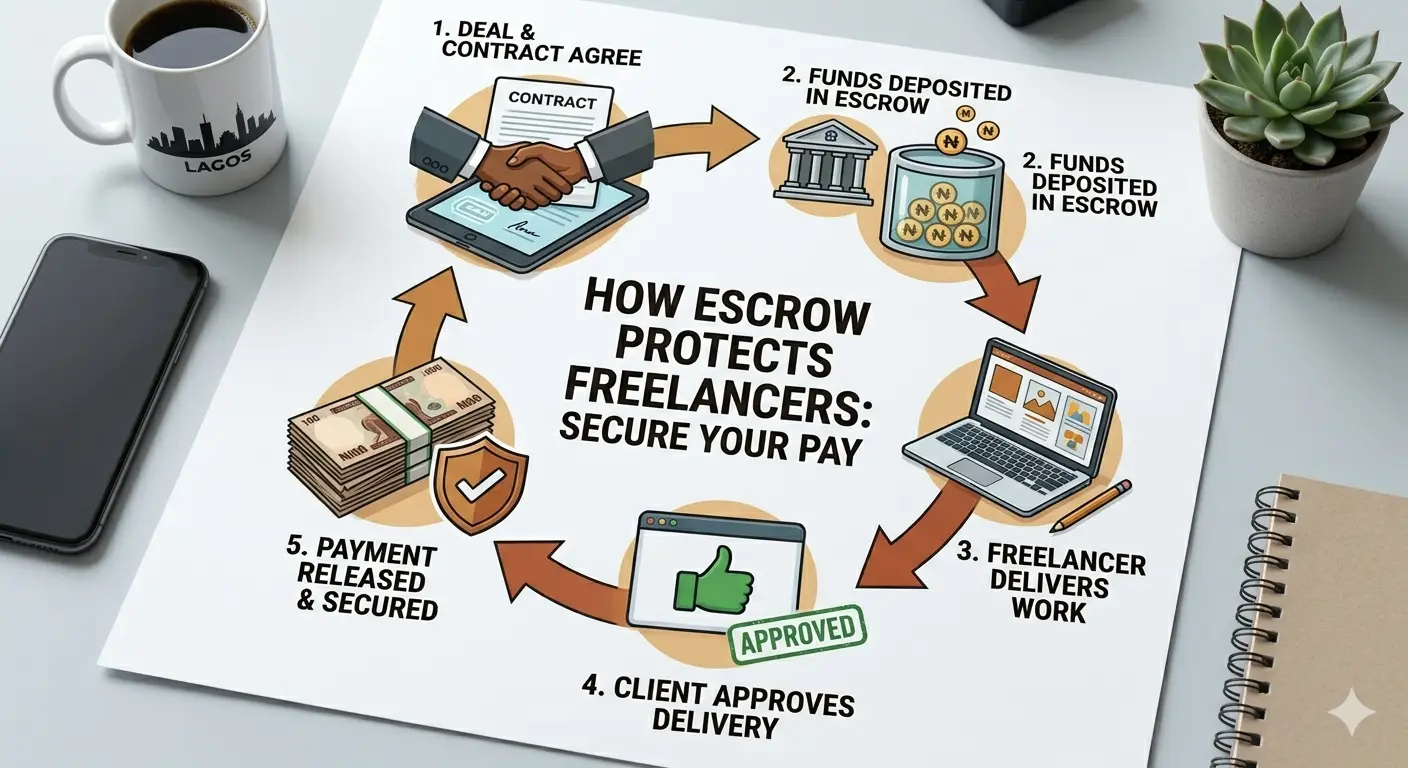
That's changing. As more of everyday commerce moves online and between strangers, escrow is becoming the quiet infrastructure that makes "someone has to go first" a non-issue.
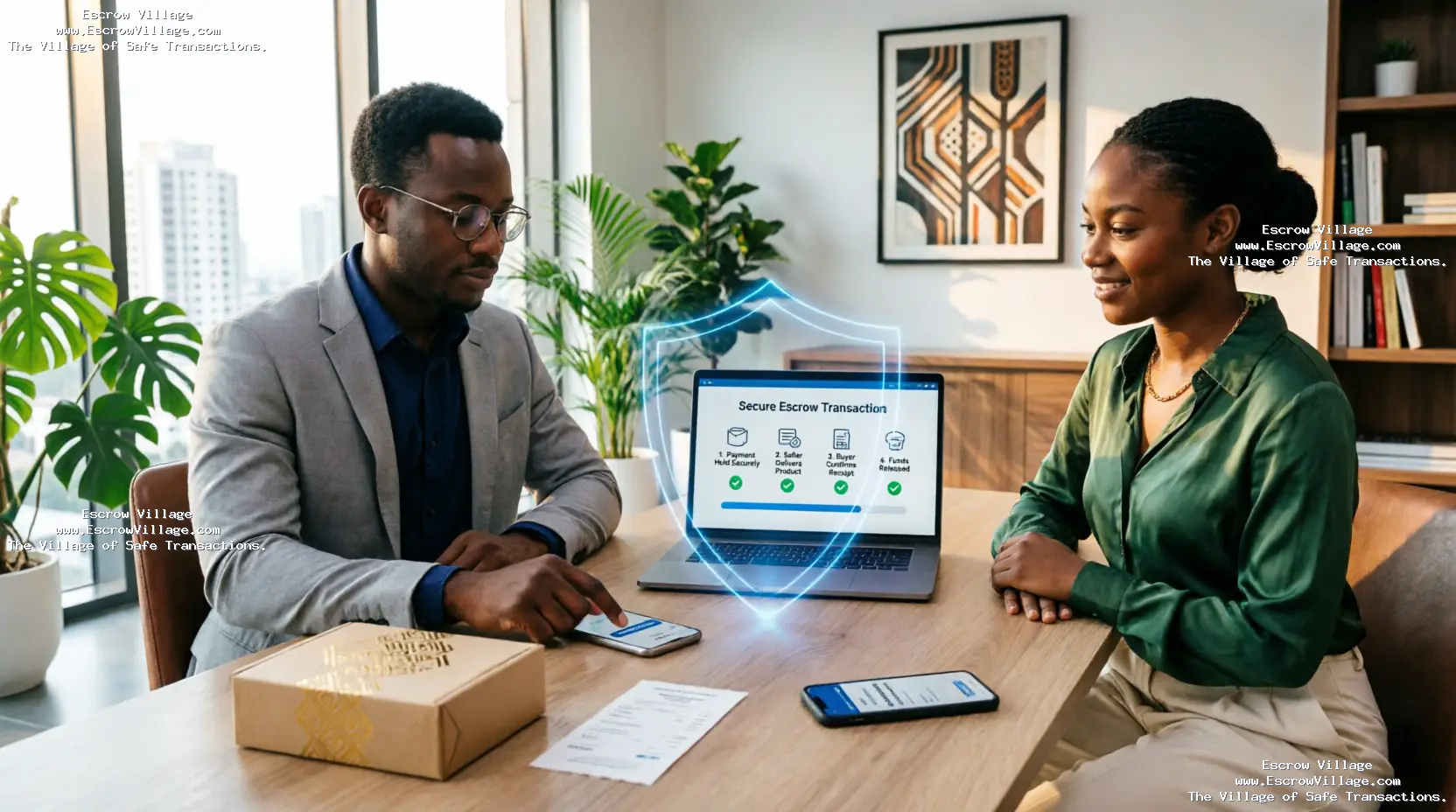
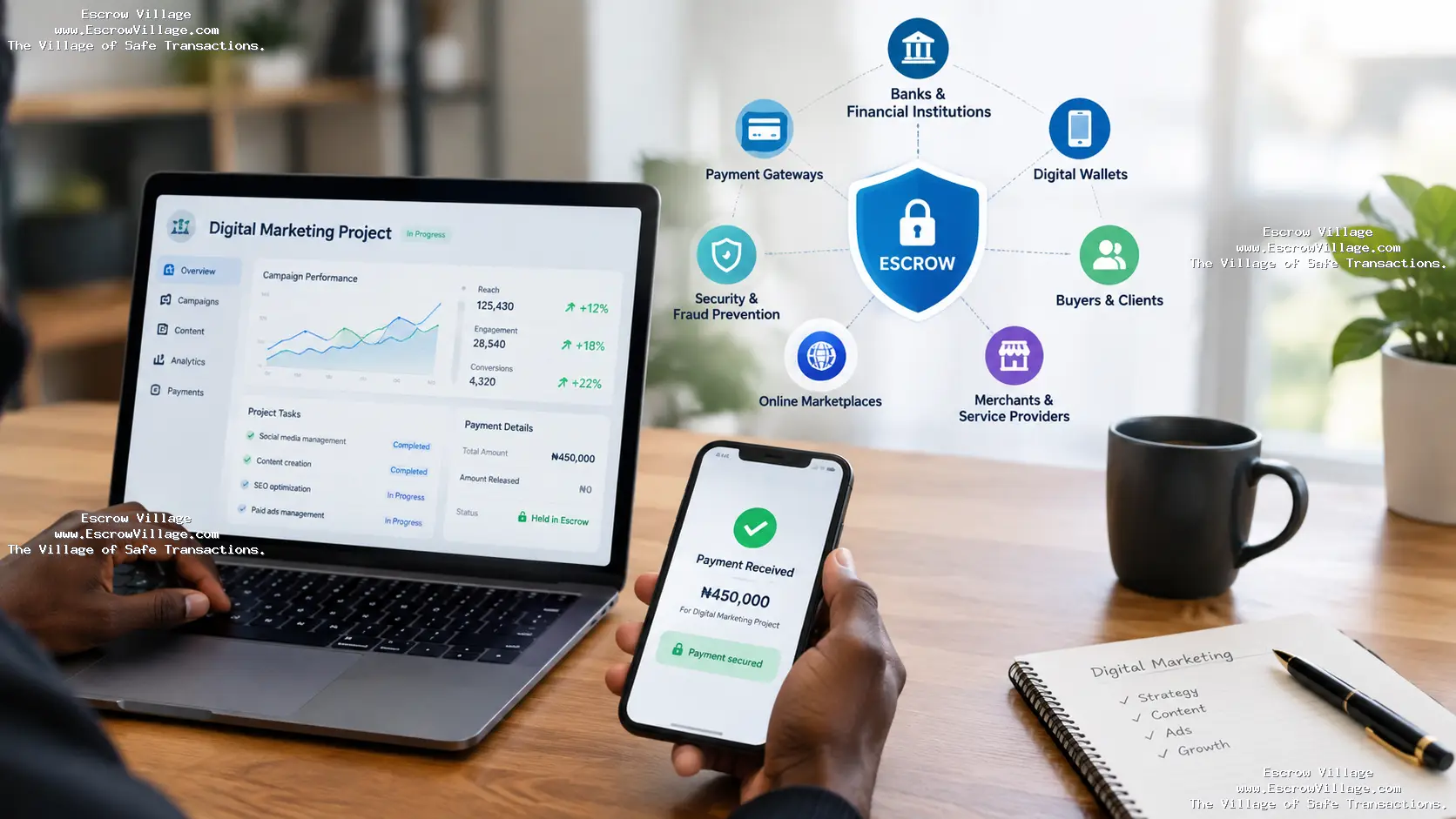
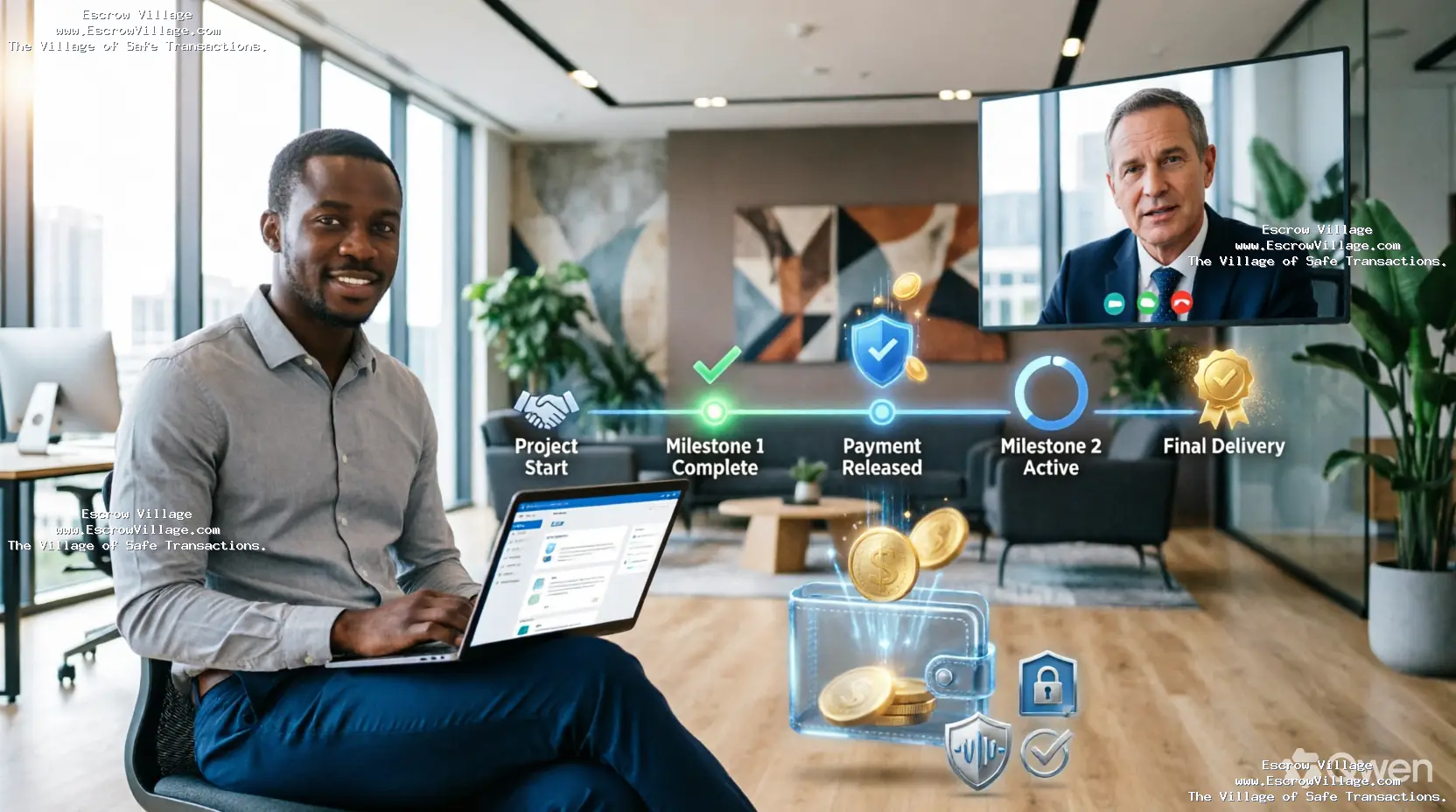
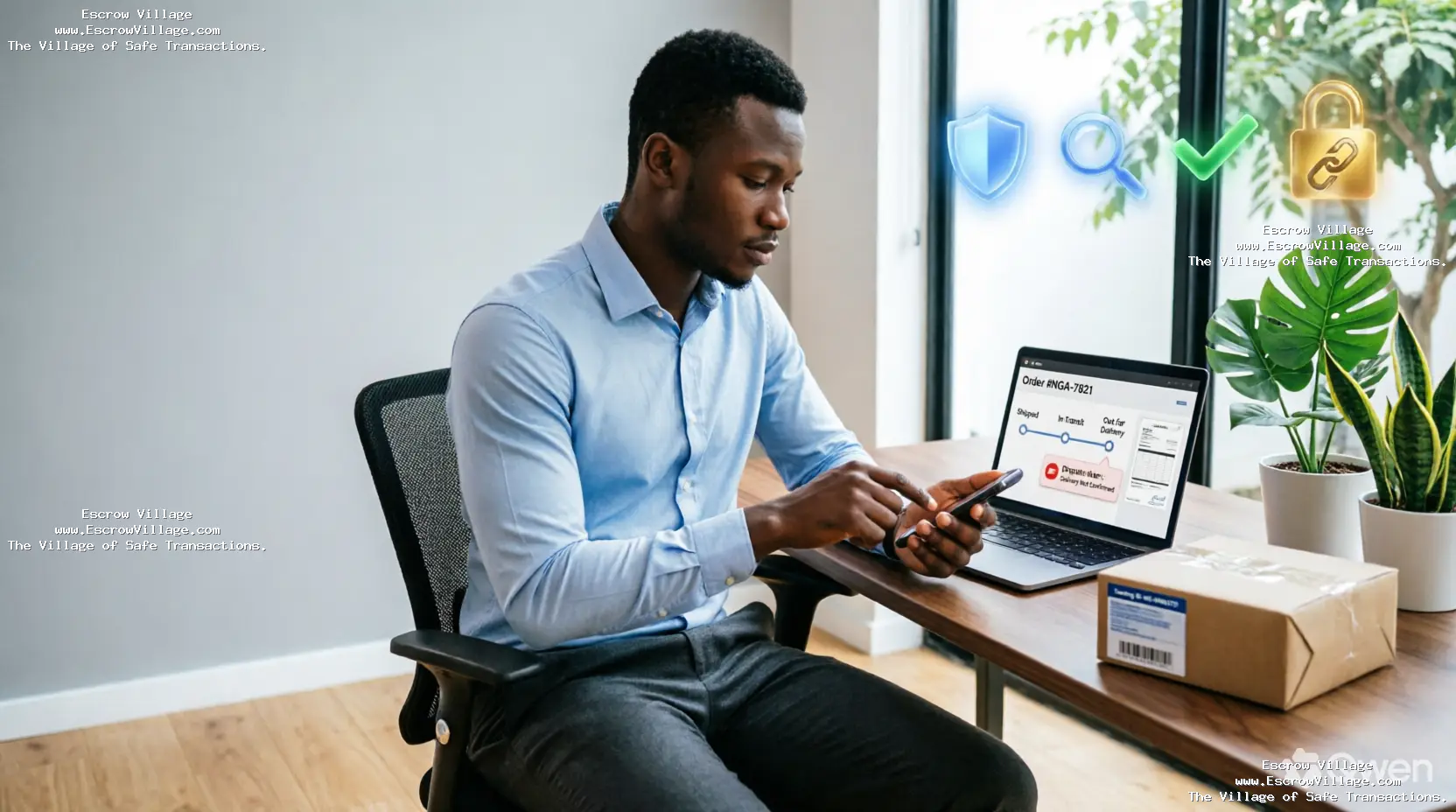
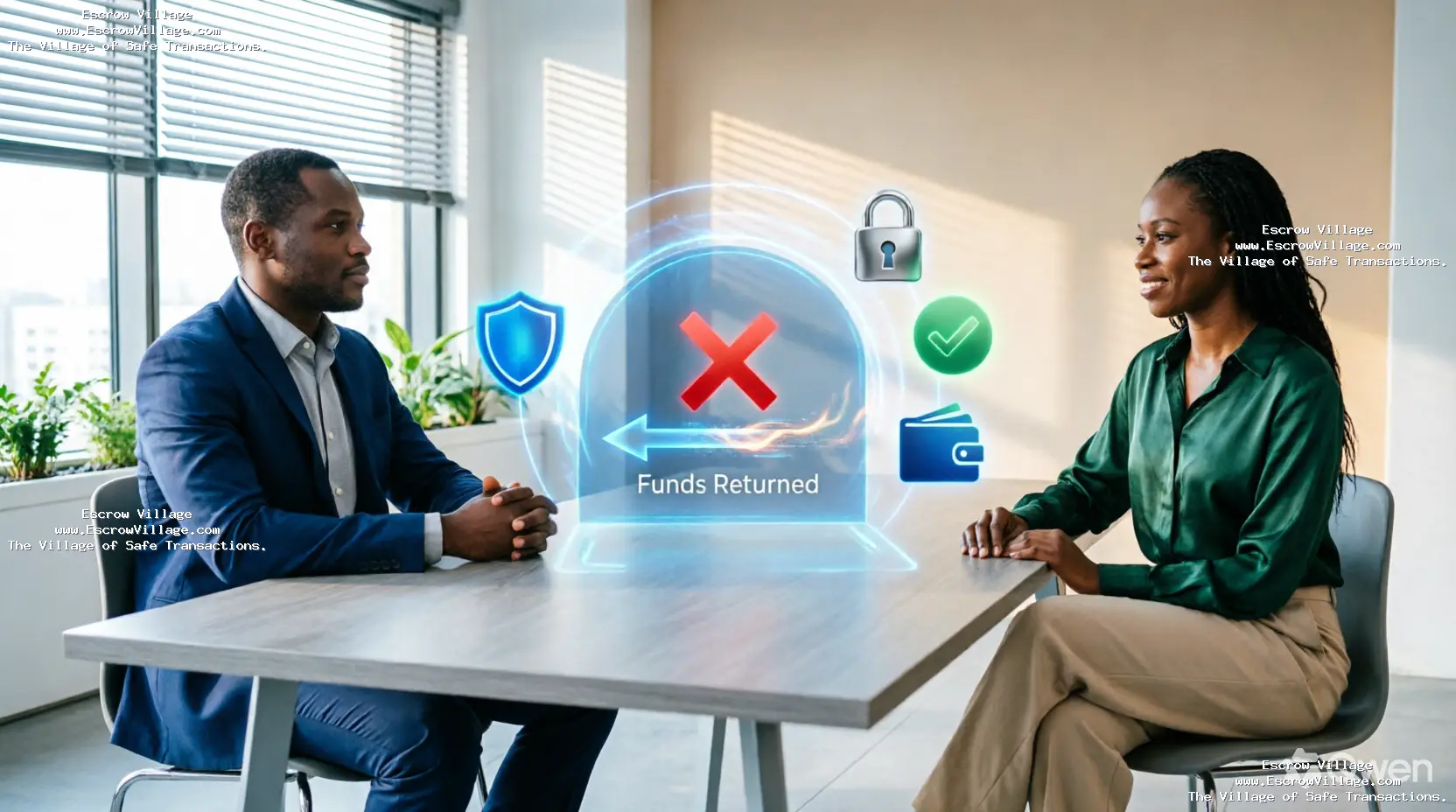
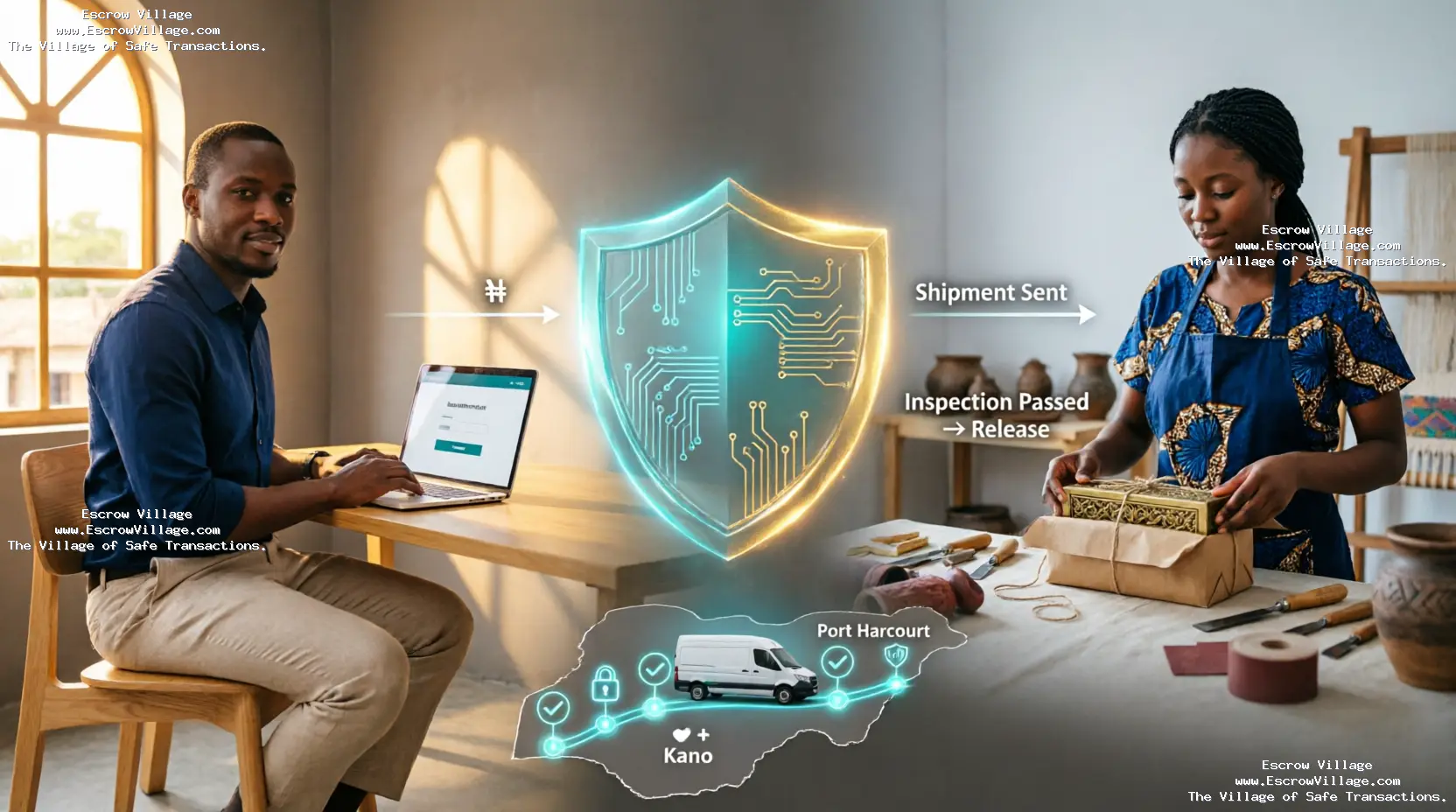
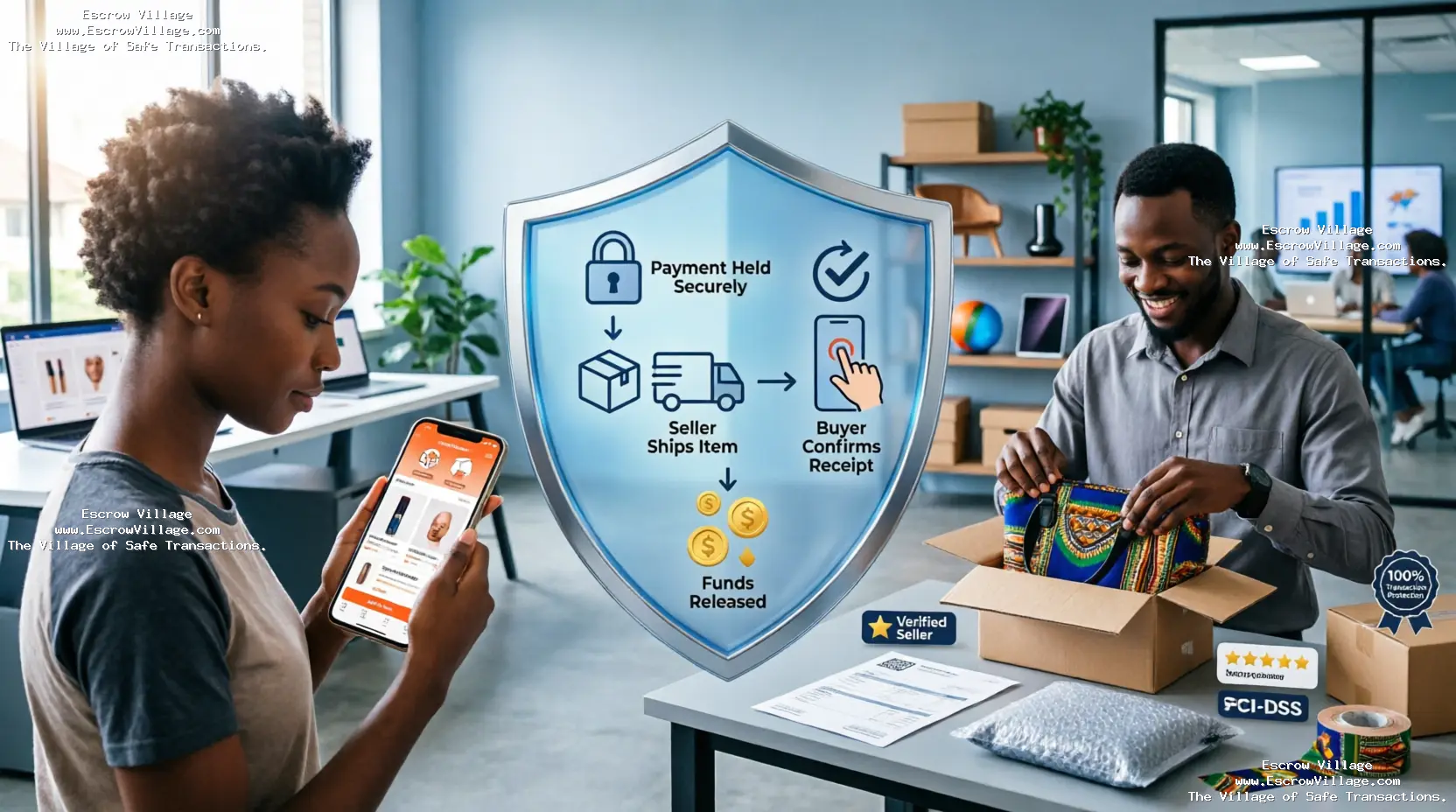
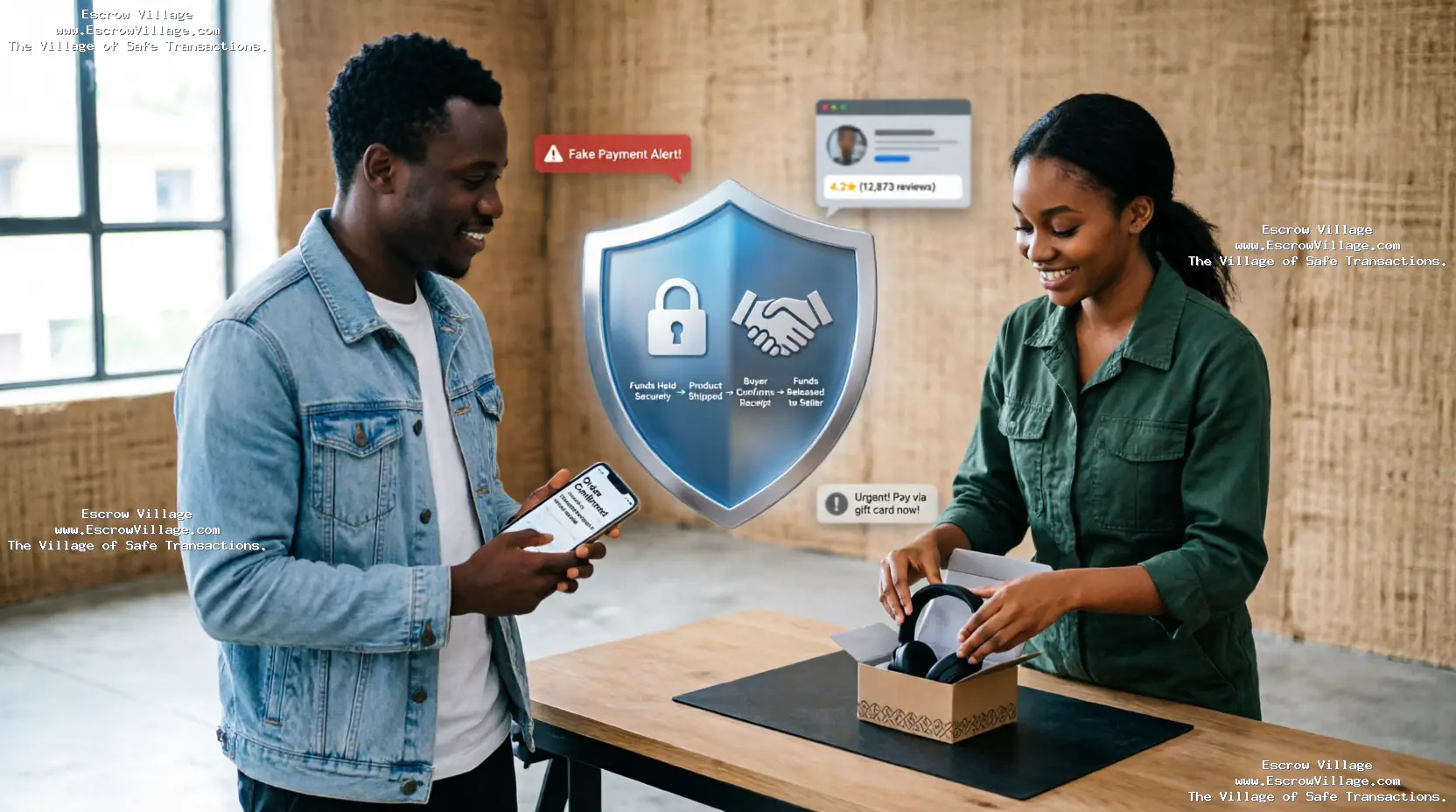
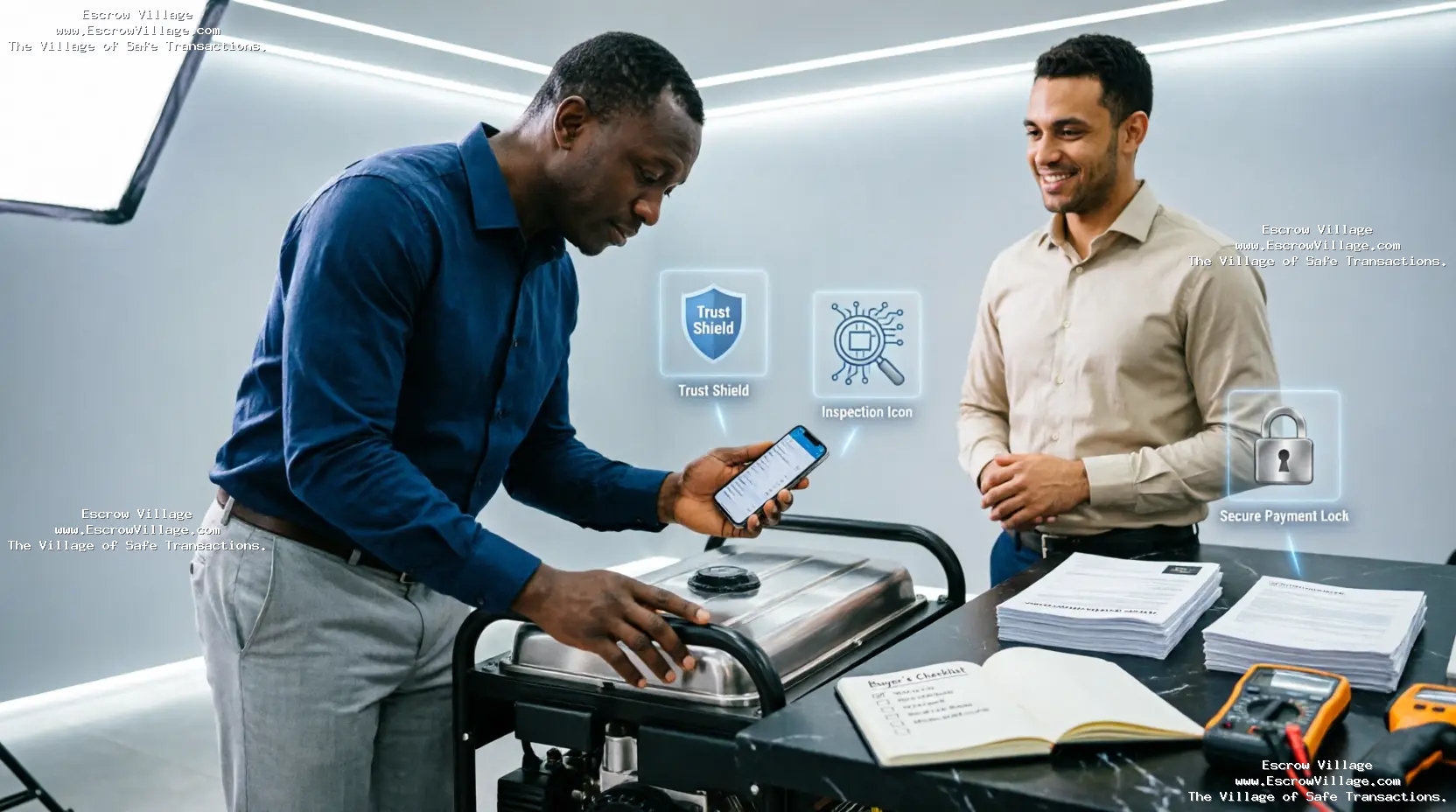
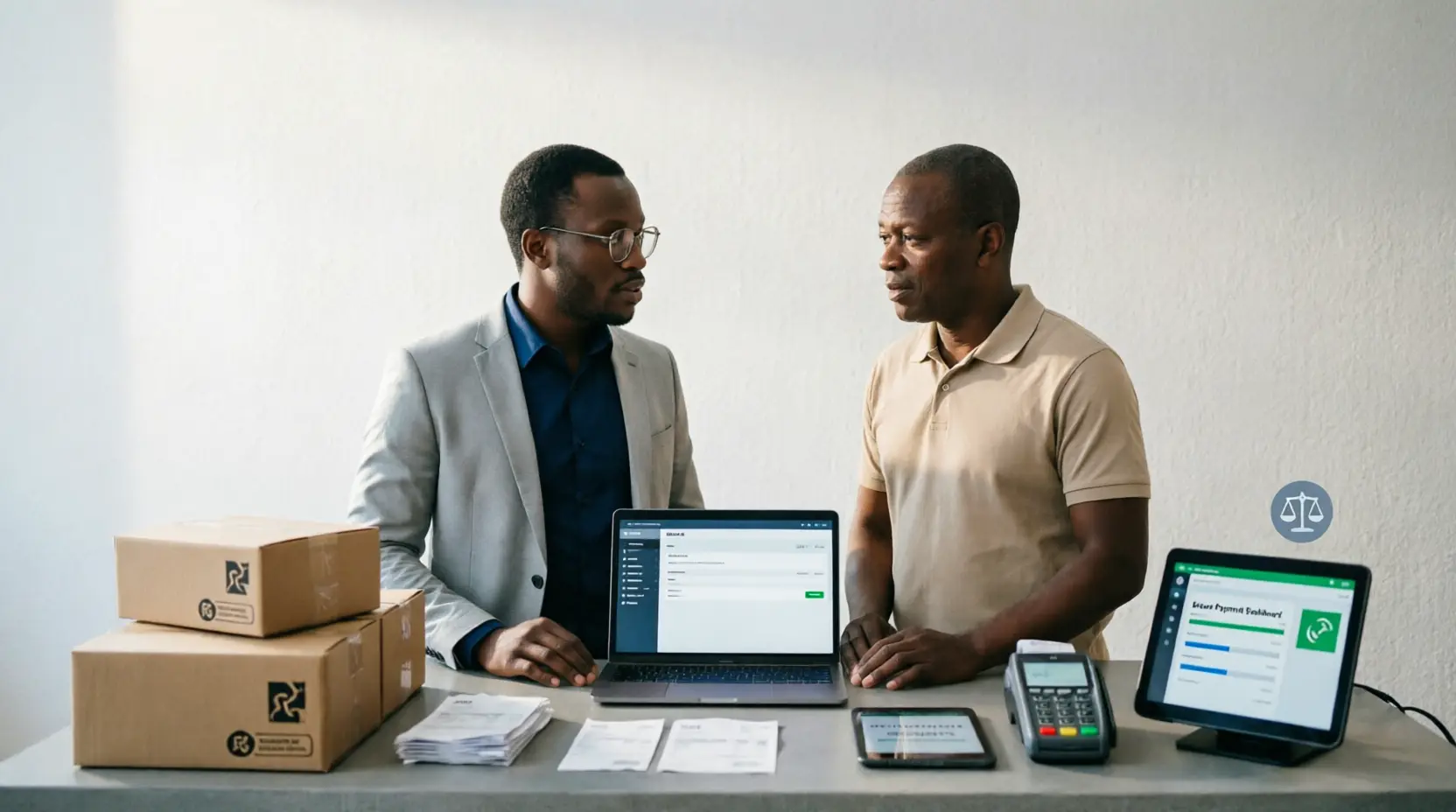
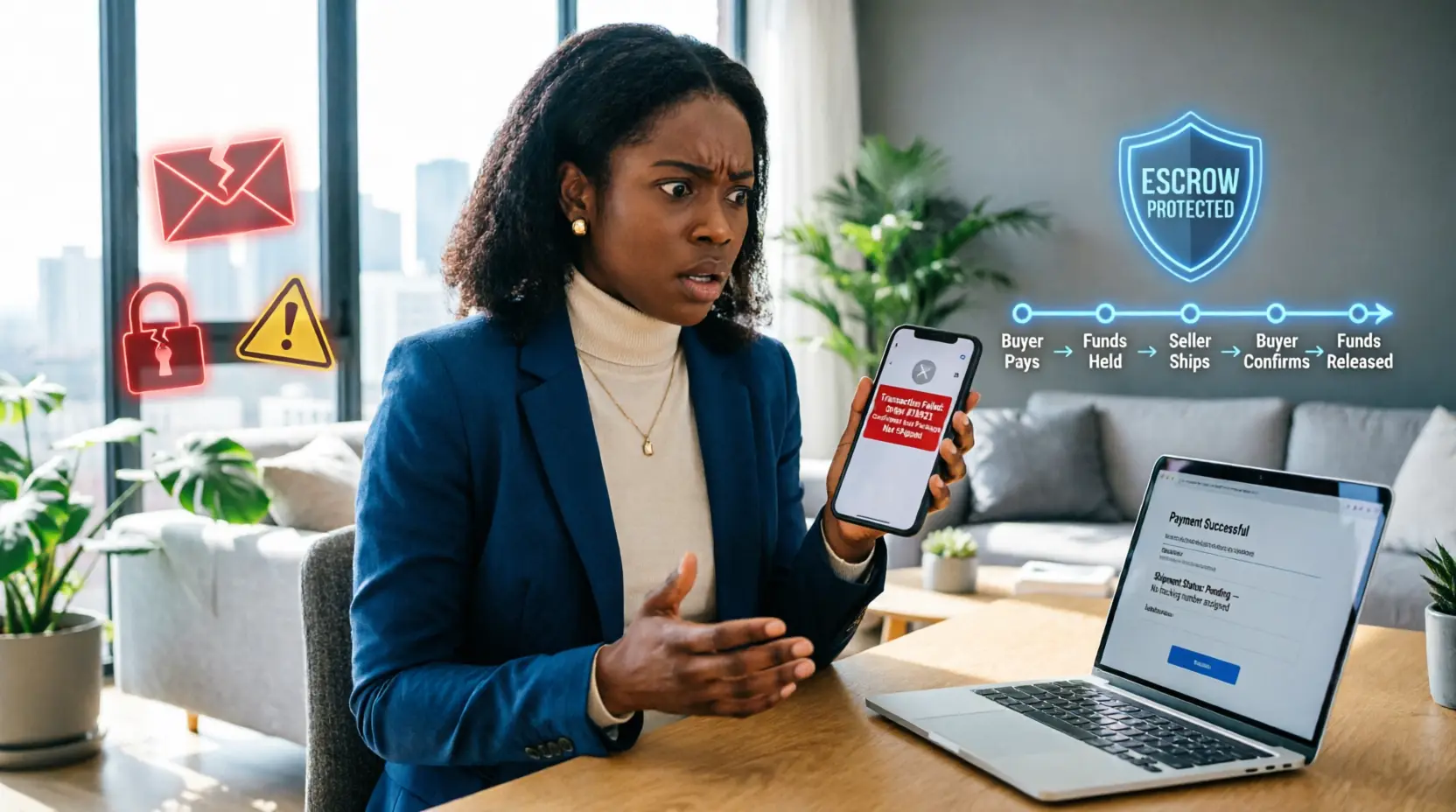
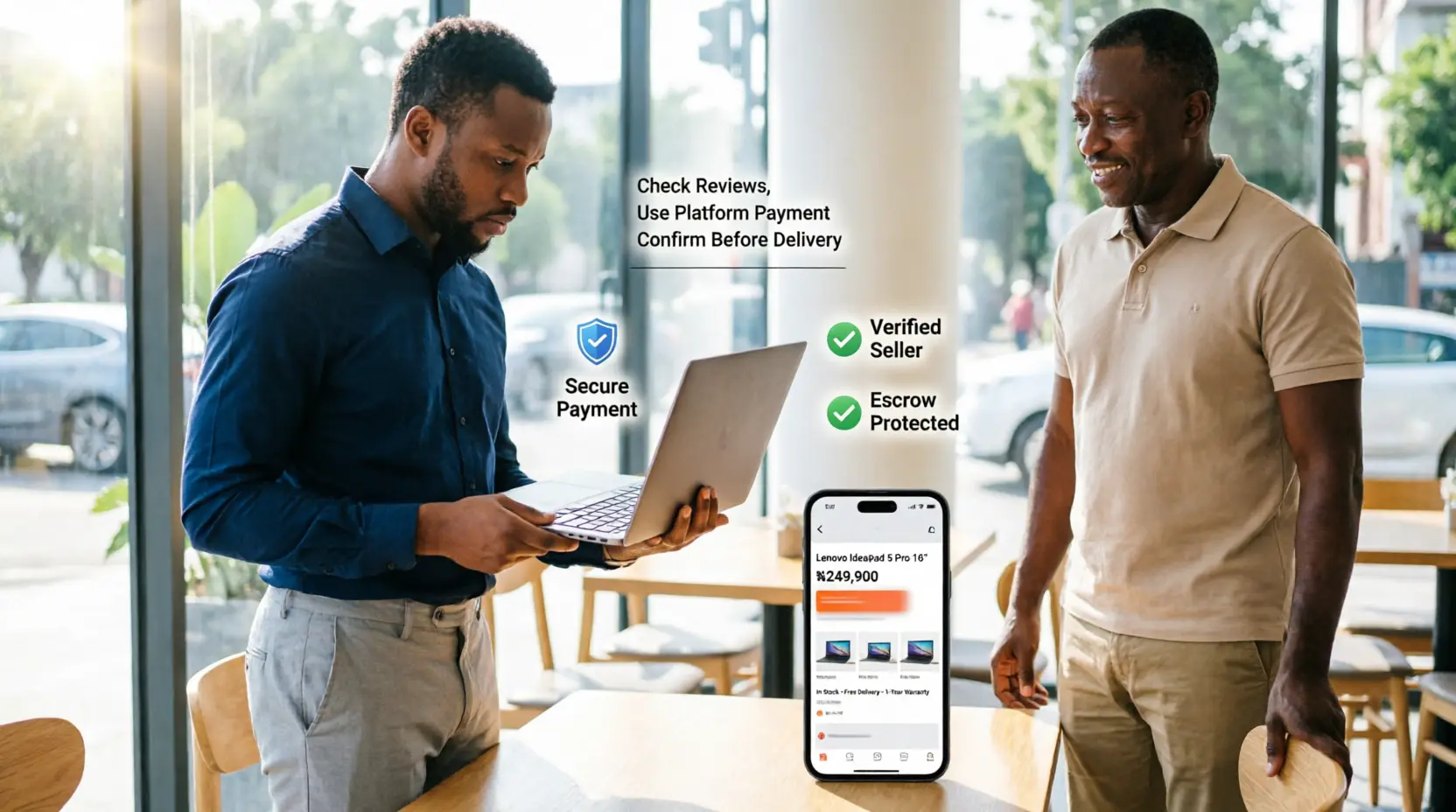
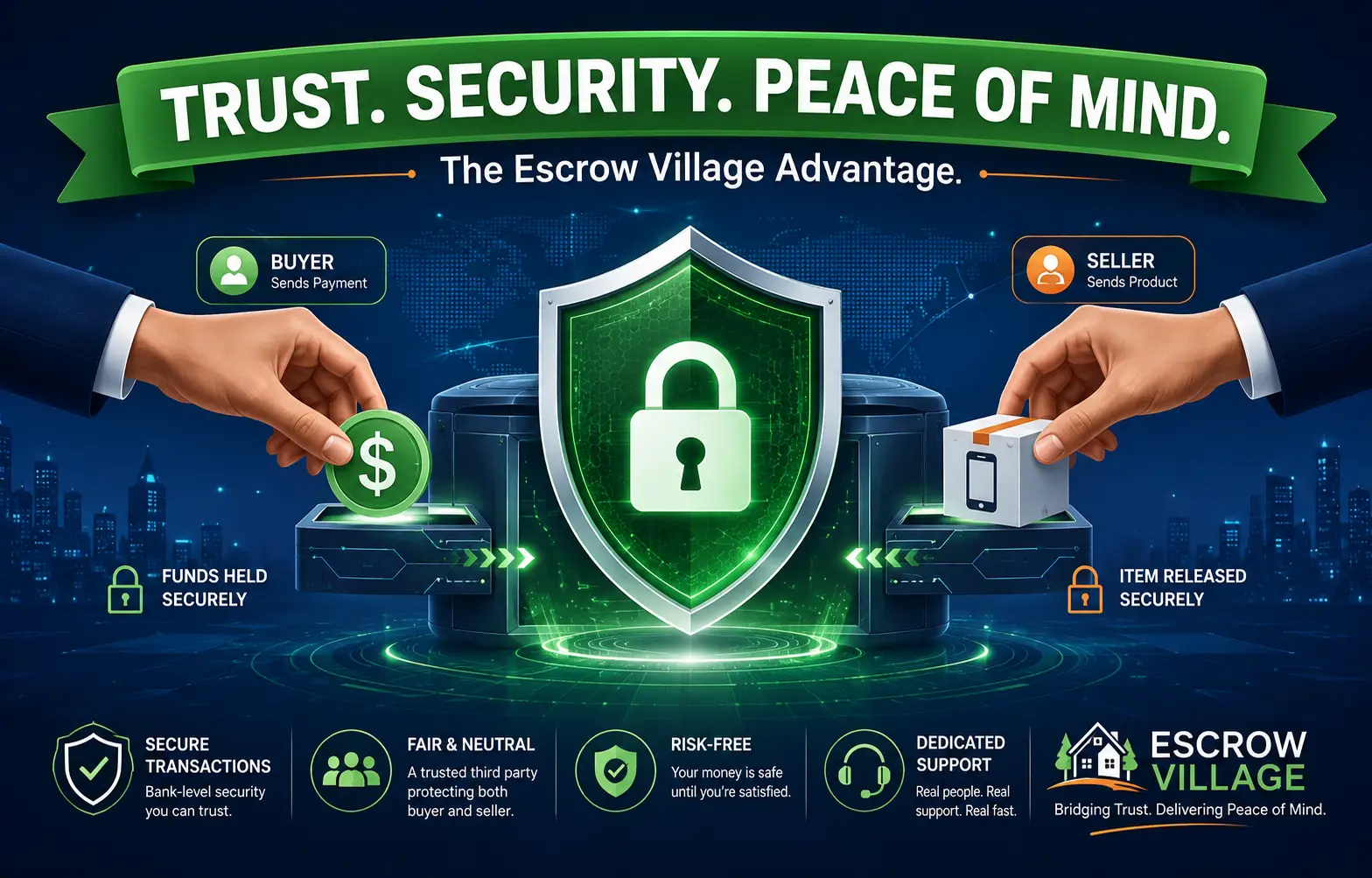
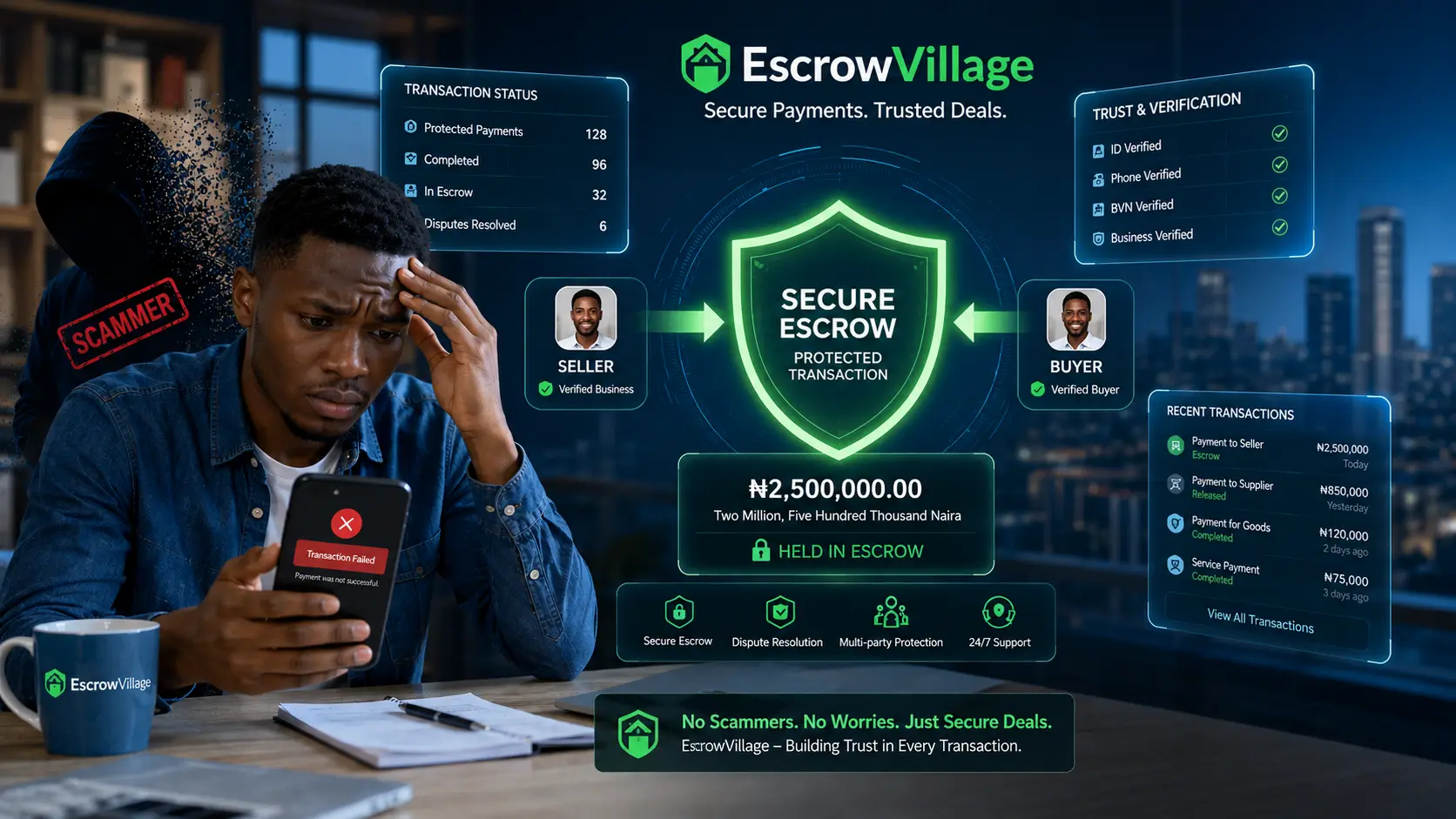
Here's the logic in plain terms: with Escrow Village, neither the buyer nor the seller has to gamble. The buyer's payment sits safely with Escrow Village until the item or service is confirmed as received and satisfactory. The seller ships knowing the money is already secured, not just promised. Nobody has to trust a stranger; they just have to trust the process.
This matters even more given the money involved. Global losses to online payment fraud hit an estimated $44 billion in 2024, and that number is projected to blow past $100 billion by 2029 (Source) as more commerce moves online. Locally, the picture is more encouraging: NIBSS reported that digital payment fraud losses in Nigeria actually dropped 51%, from N52.26 billion in 2024 to N25.85 billion in 2025 (Source), thanks to better identity checks and fraud monitoring across banks. Progress is happening, but it's coming from stronger systems, not from buyers and sellers simply getting more careful.
What "The Future of Trust" Actually Looks Like
The future isn't a world with zero fraud that's unrealistic. It's a world where trust isn't left to chance.
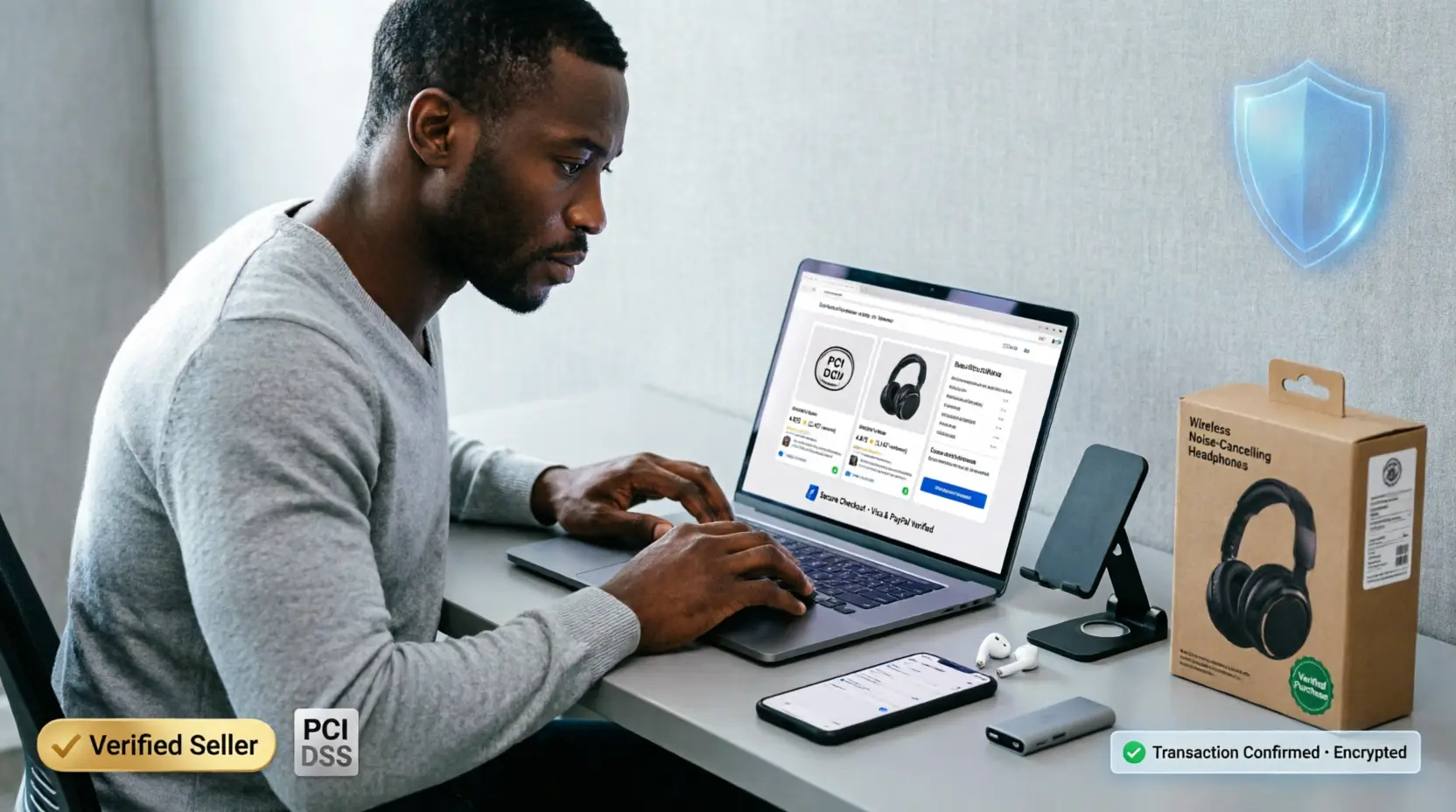
Expect to see more identity verification at signup, more visible security badges at checkout, more dispute resolution built directly into platforms, and escrow-style protection becoming a standard checkout option rather than a special request. Digital commerce in Nigeria is not short on customers or ambition. What it's been short on is a reason for two strangers to transact without fear. That's the gap escrow was built to close.
Ready to buy or sell? Start a transaction where nobody has to go first alone with Escrow Village