How to Protect Business Accounts Through Employee Training
Protect business accounts by making cybersecurity part of everyday employee training, not something you only discuss after an account gets hacked.
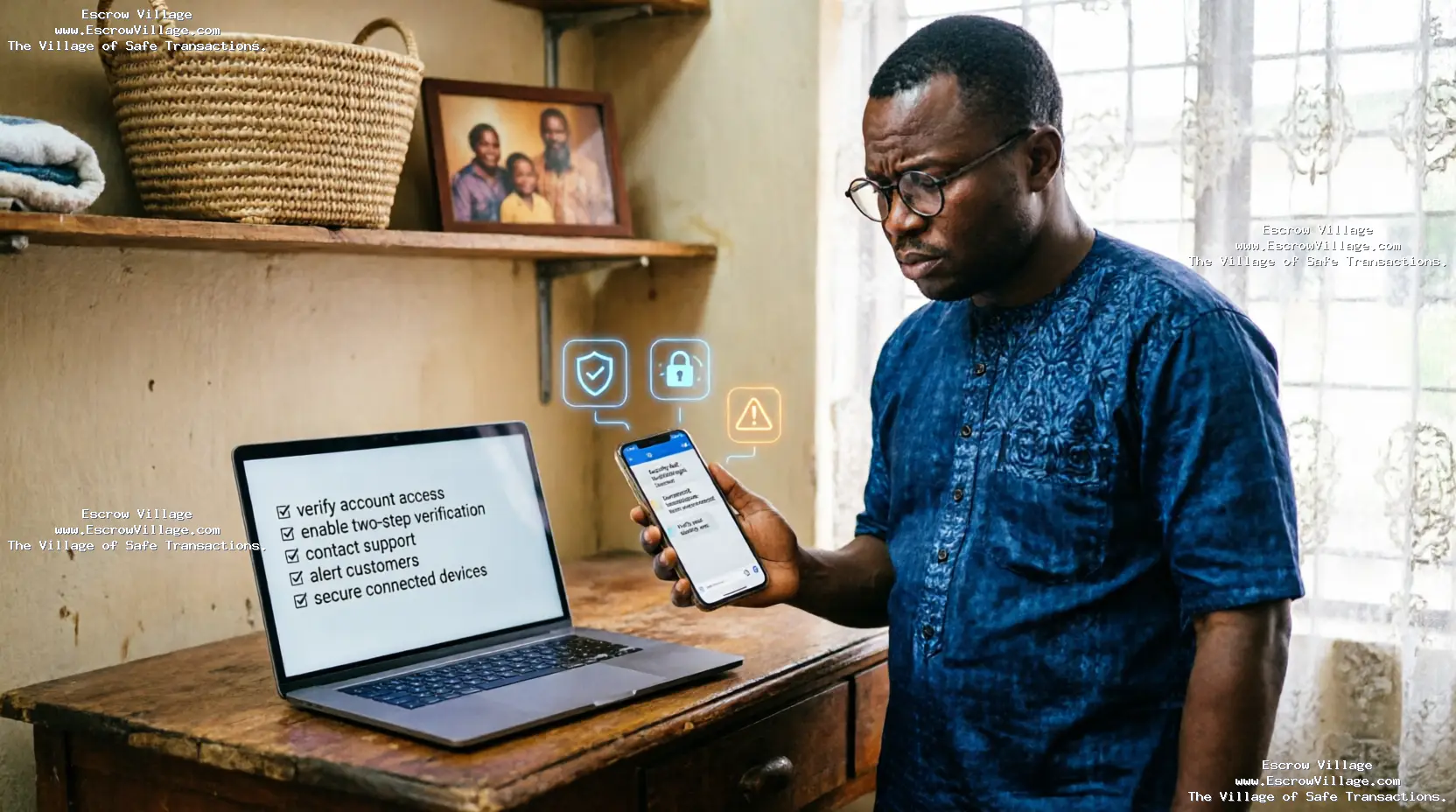
Employees often have access to business email, social media, payment platforms, customer information, and other important accounts.
One careless click or reused password can put all of them at risk.
The good news is that employees don't need to become cybersecurity experts. They need to understand the common risks and know what to do when something looks suspicious.
In this guide, you'll learn how to train your employees to protect business accounts, avoid common online scams, secure passwords, and handle sensitive business information safely.
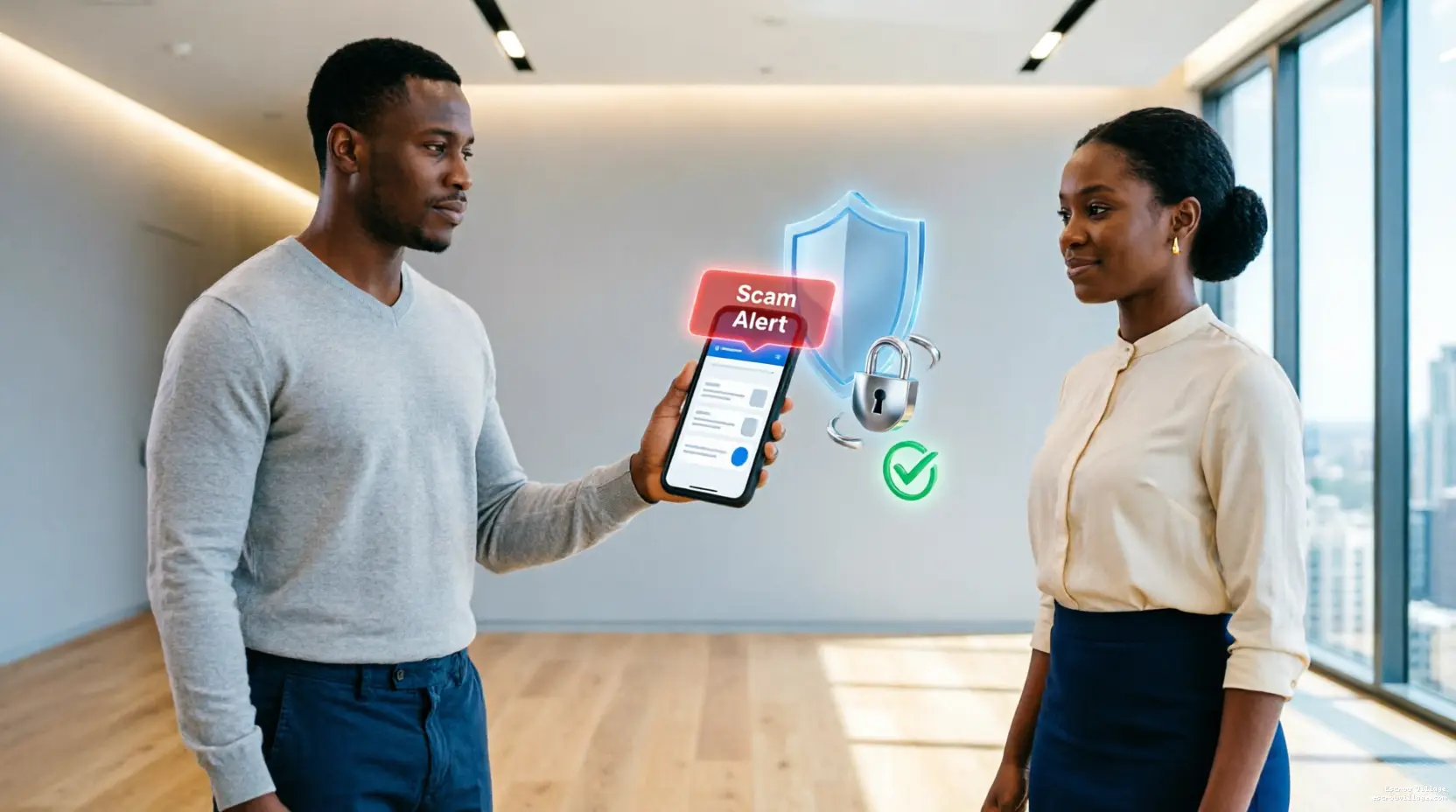
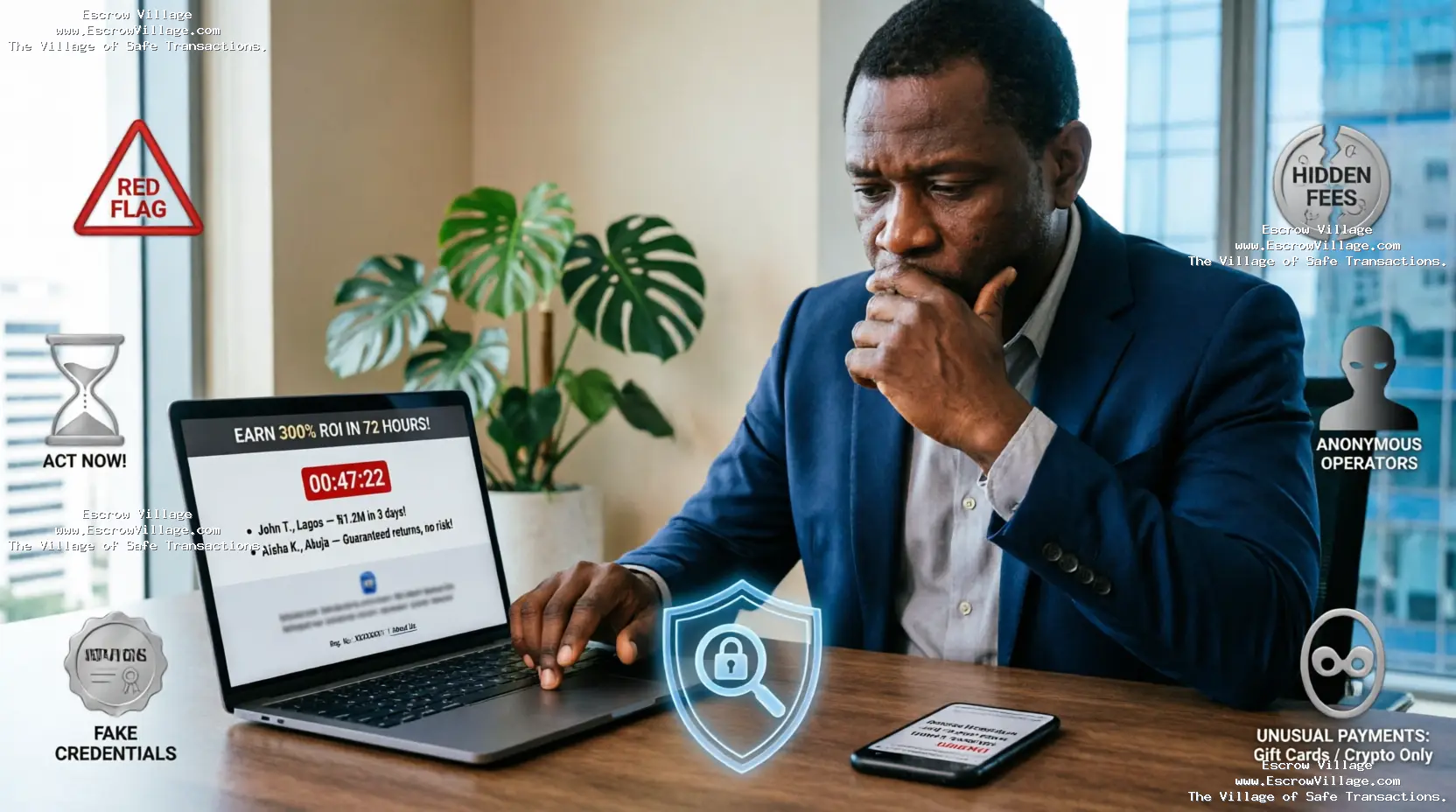
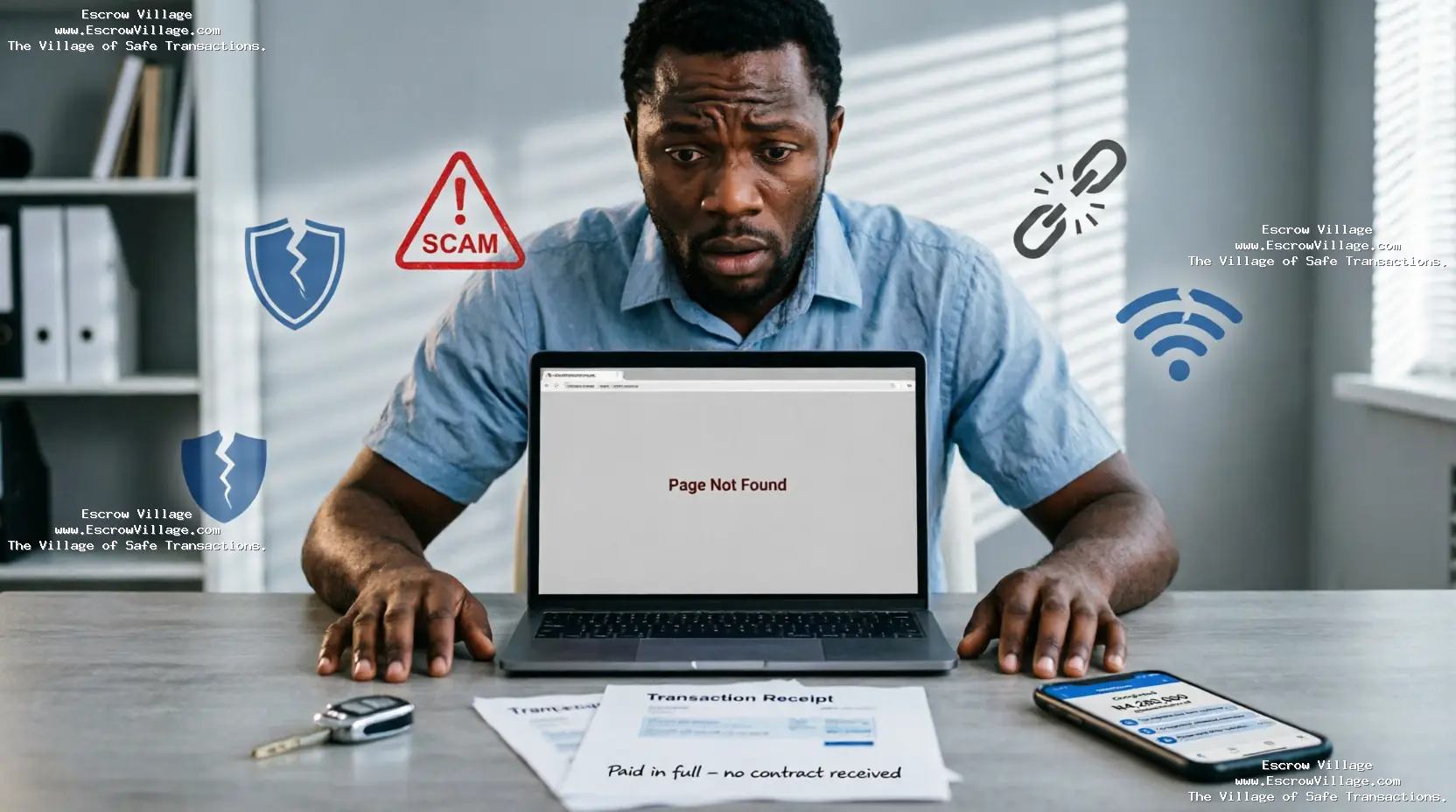
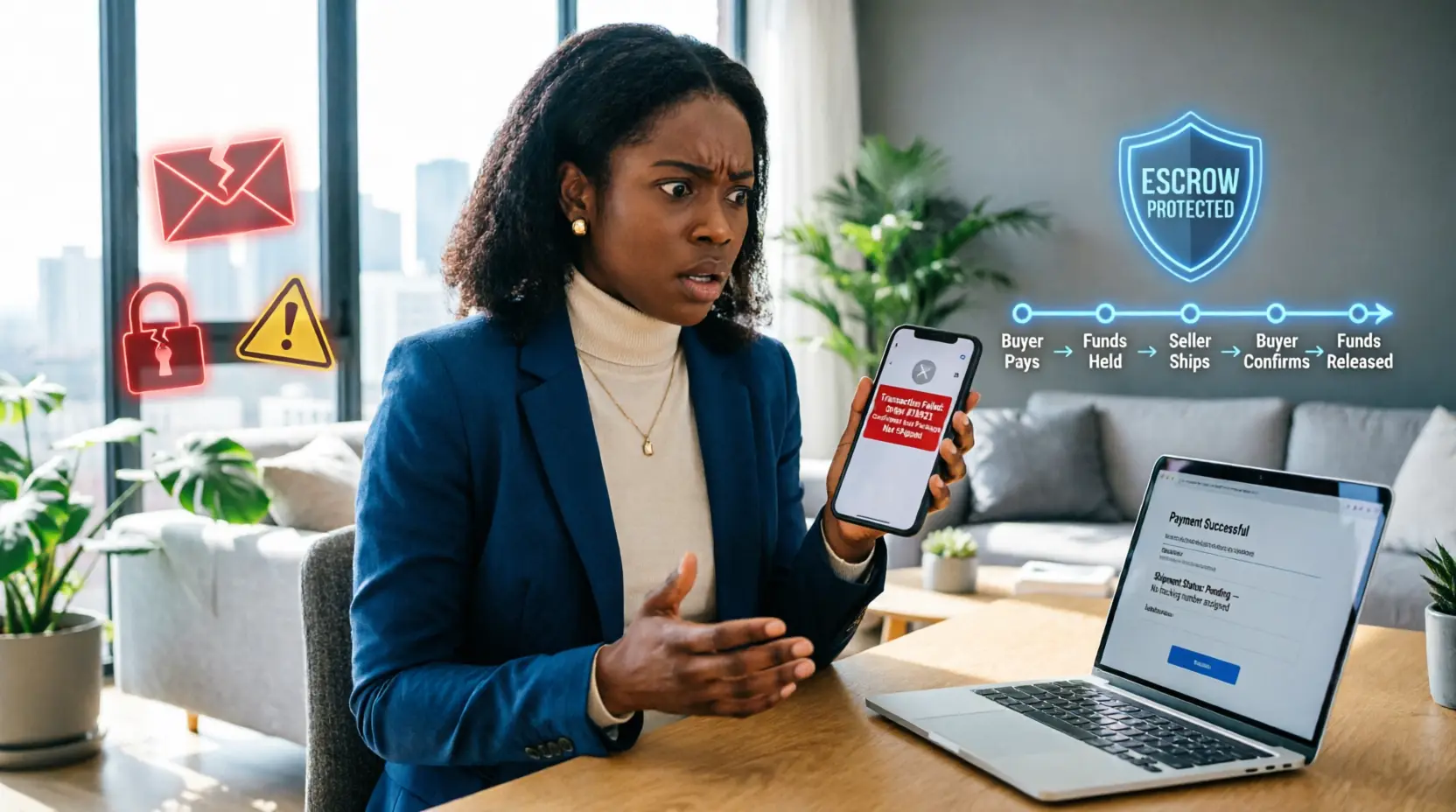
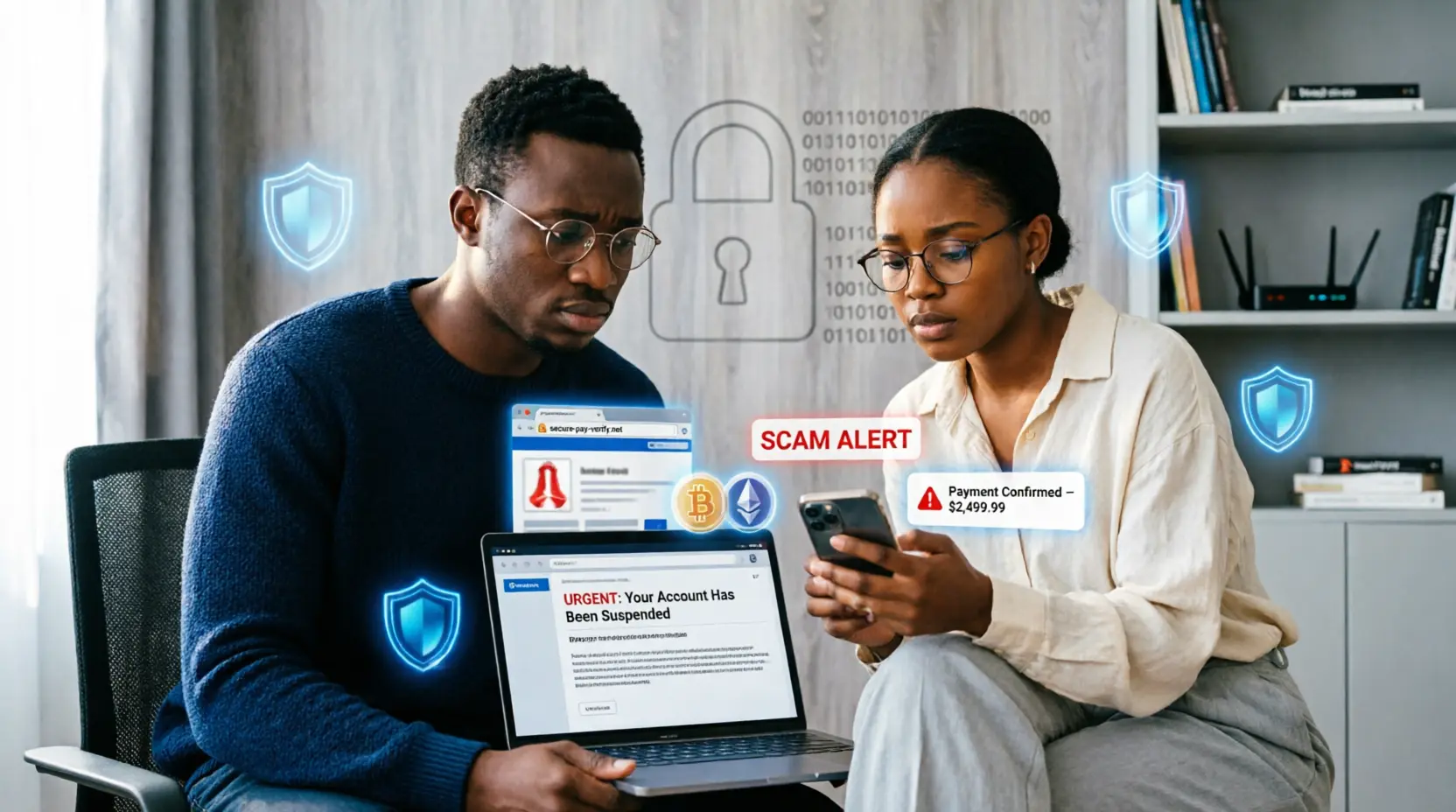
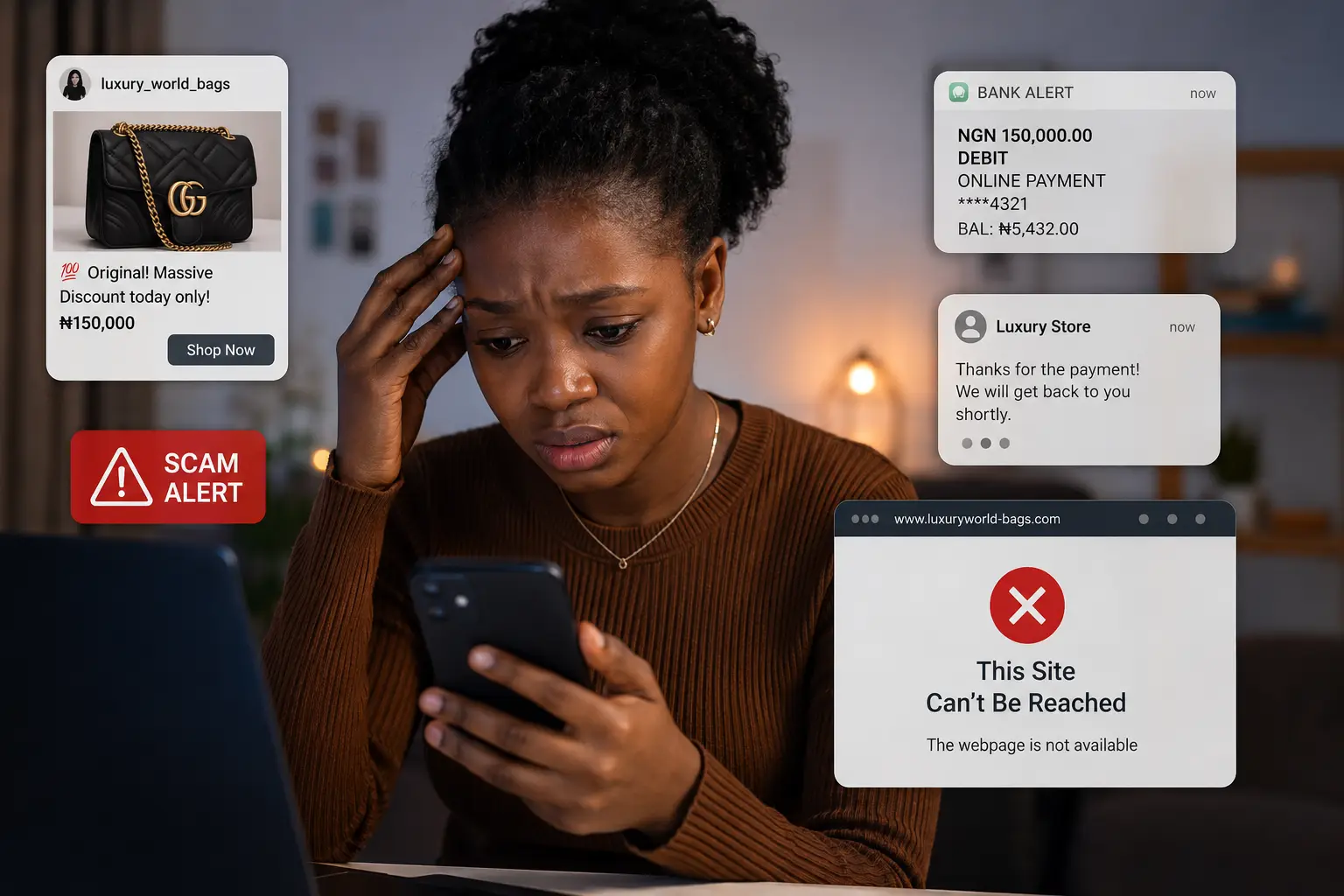
For example, an employee might receive an email pretending to be from your payment provider.
If they click a fake link and enter their login details, a scammer could gain access to the account.
Regular training helps employees recognise these situations before they become serious problems.
Employees should never reuse the same password for business and personal accounts.
Your password policy should also encourage:
Teach them to only access information they need for their job and never send sensitive customer information through unauthorised platforms.
This protects both your customers and your reputation.
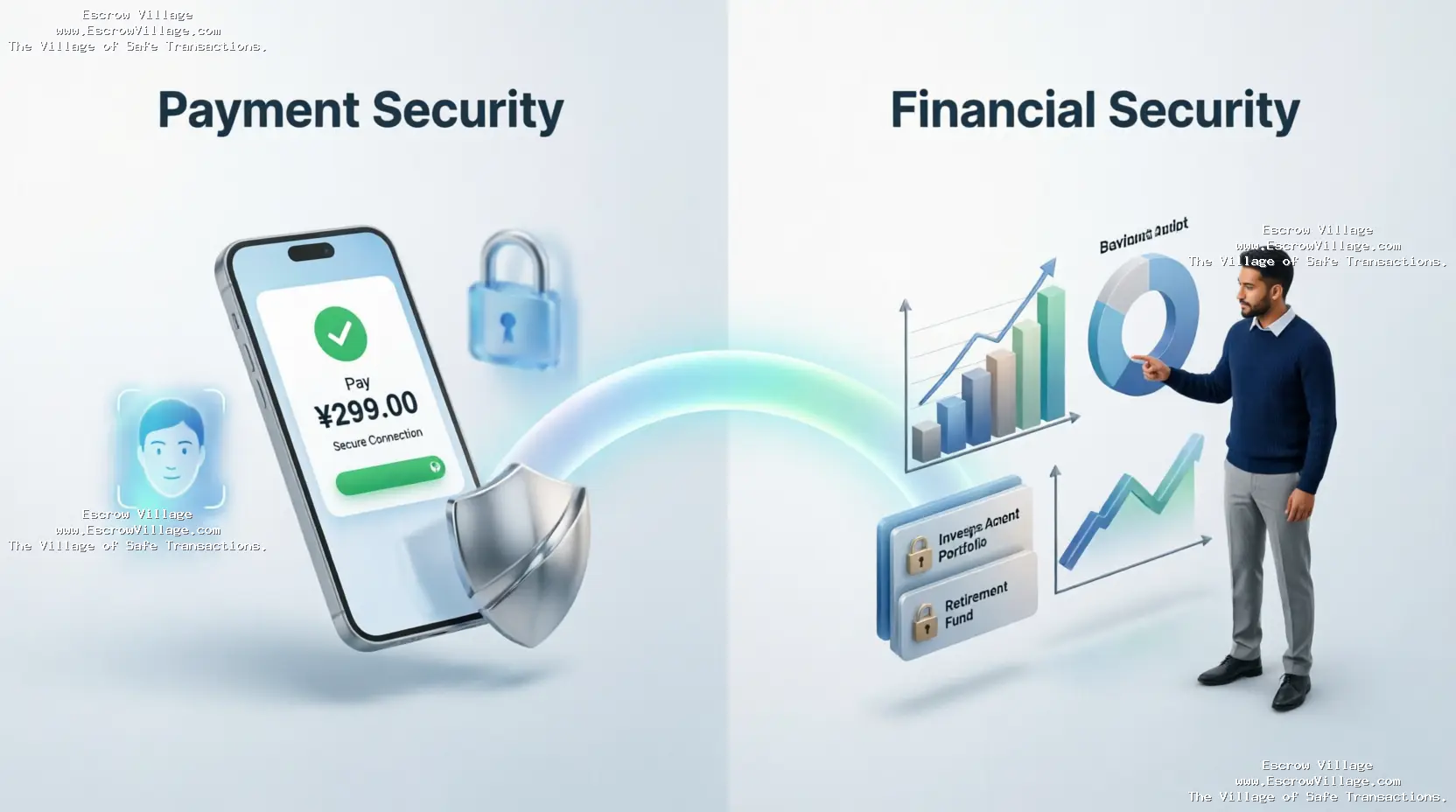
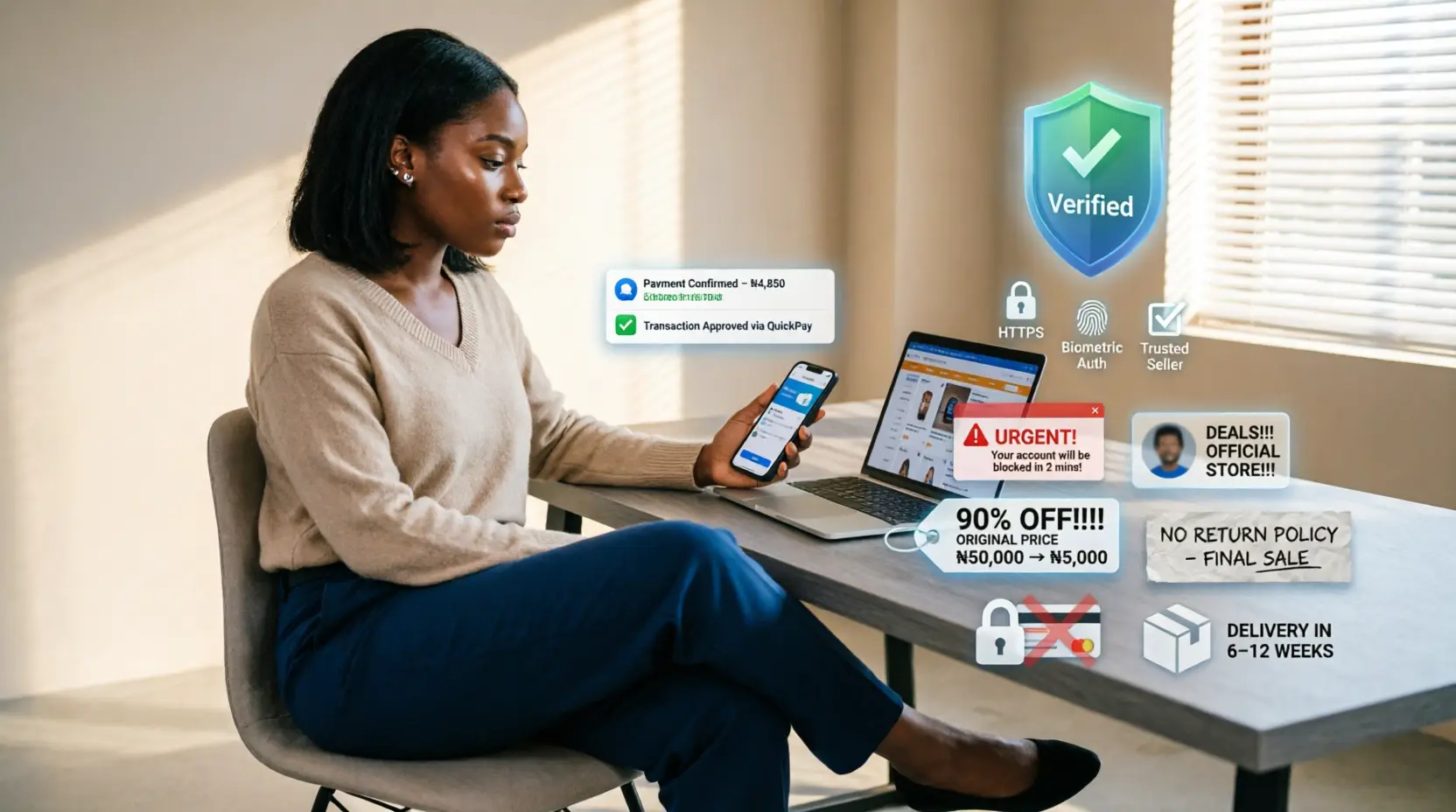
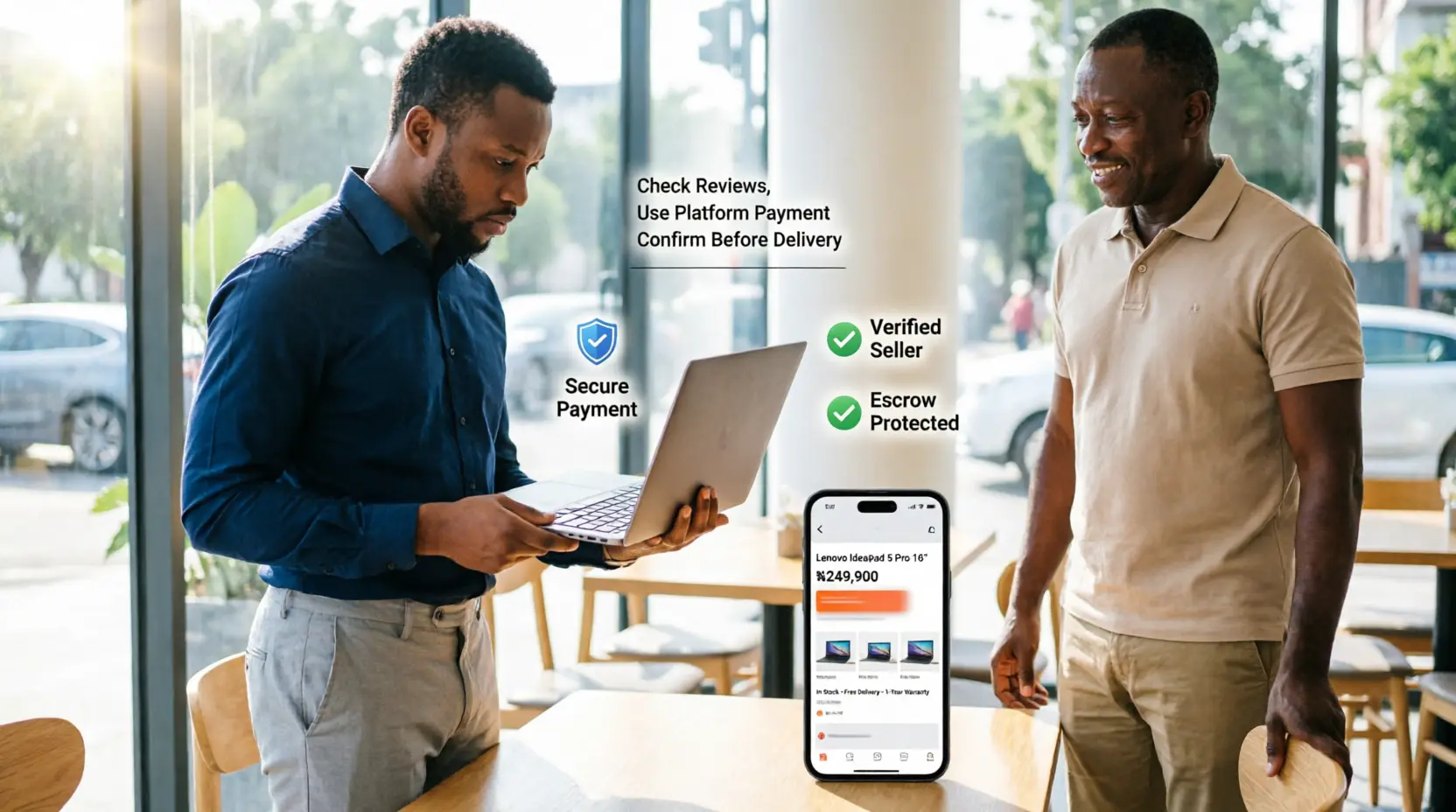
Train employees to verify payment requests, confirm changes to bank details, and avoid sending money based solely on messages or screenshots.
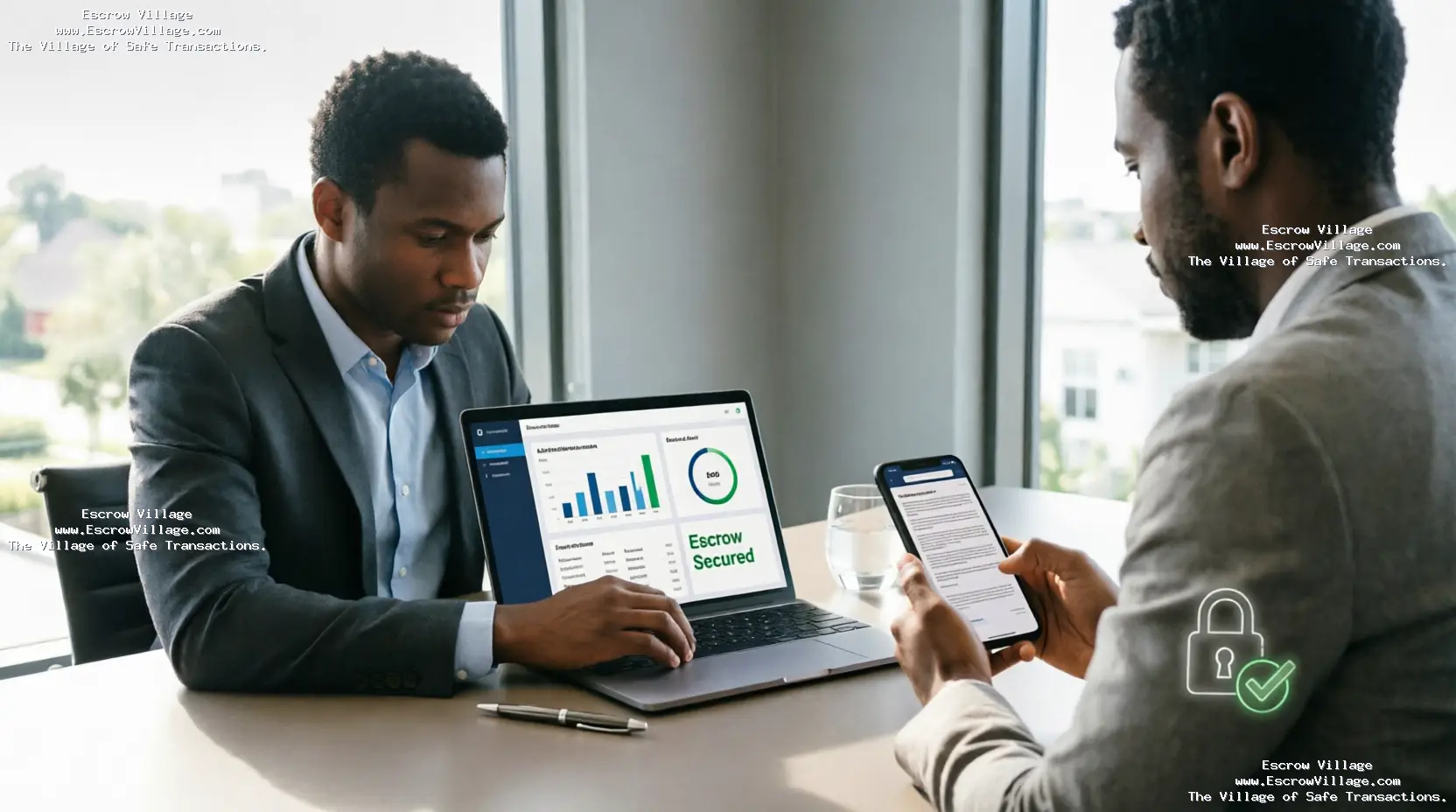
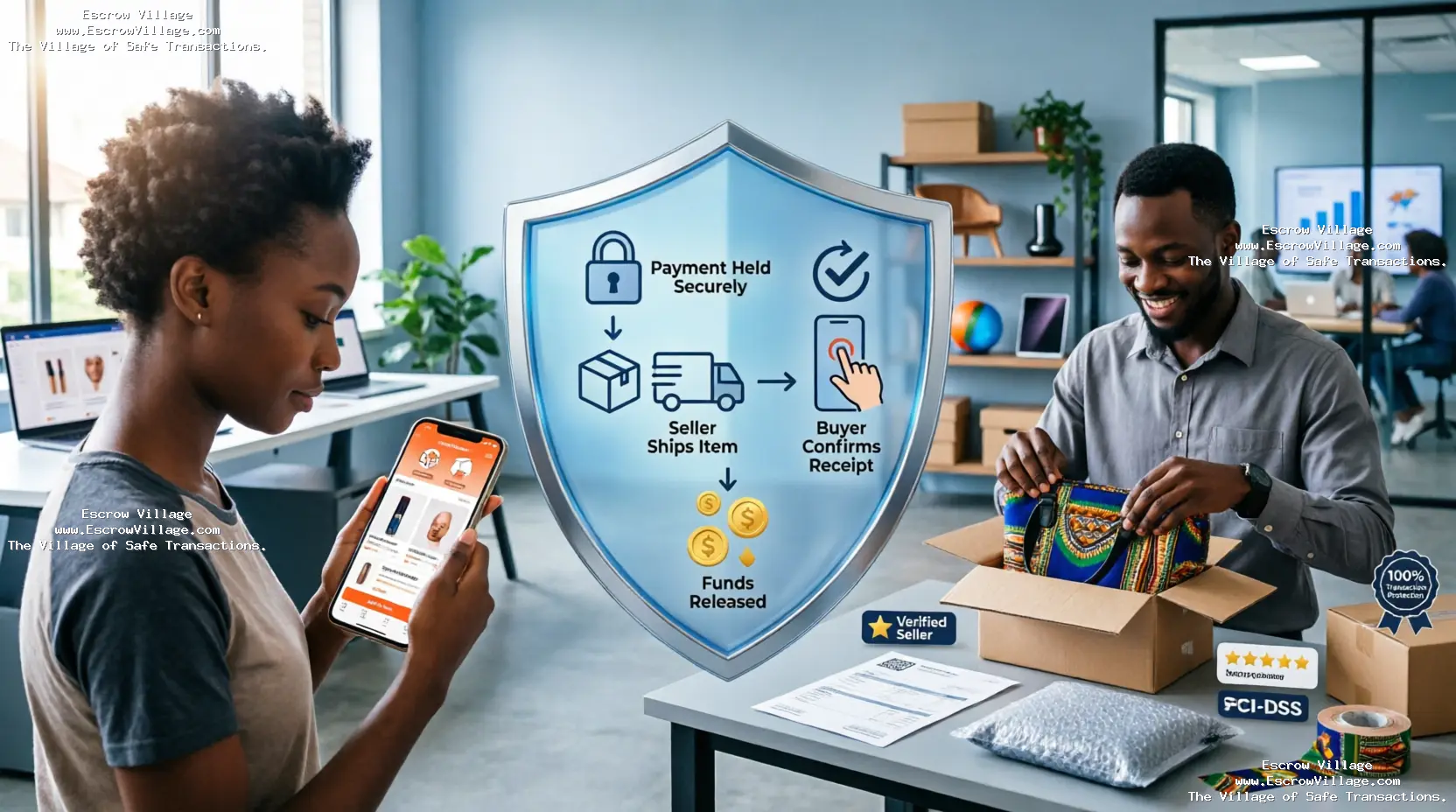
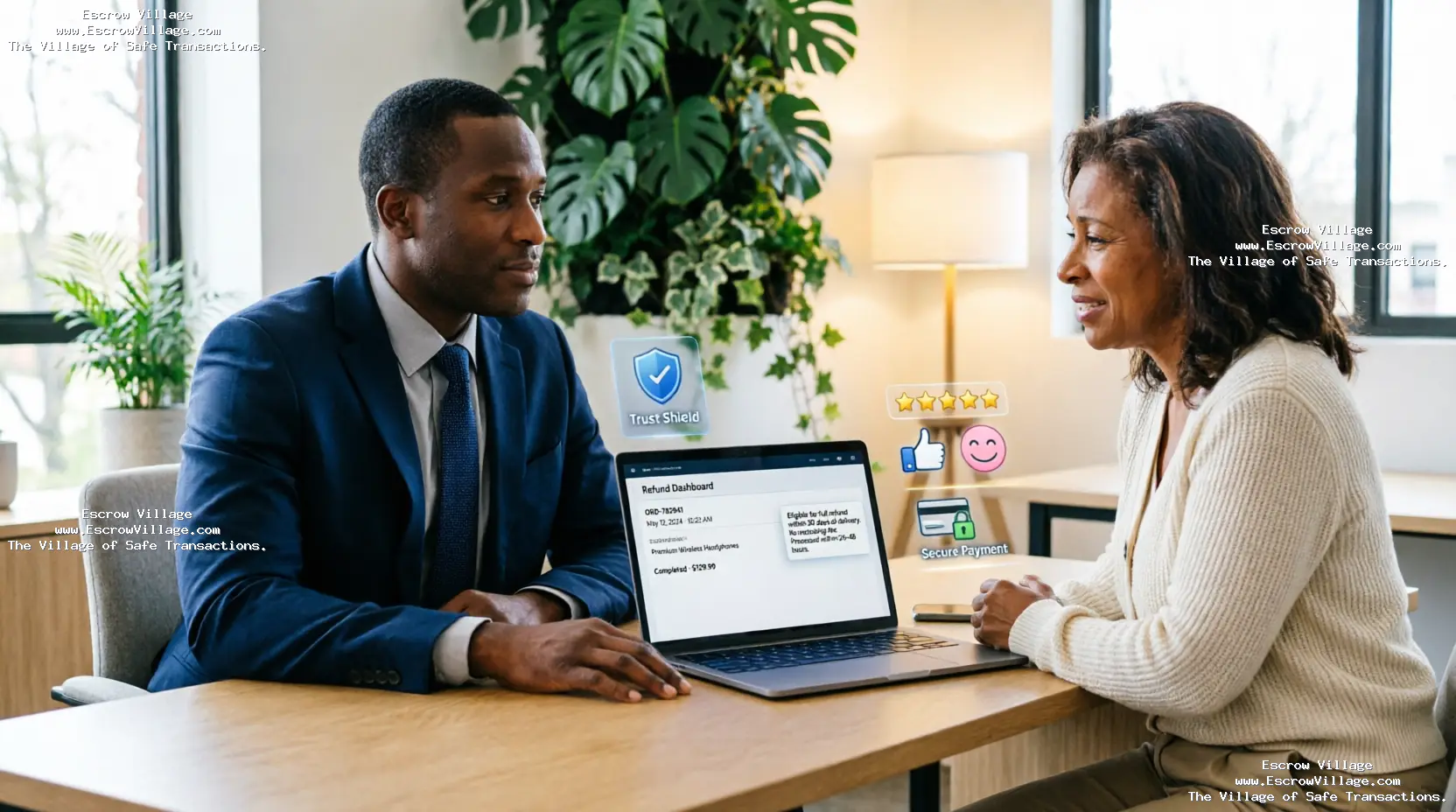
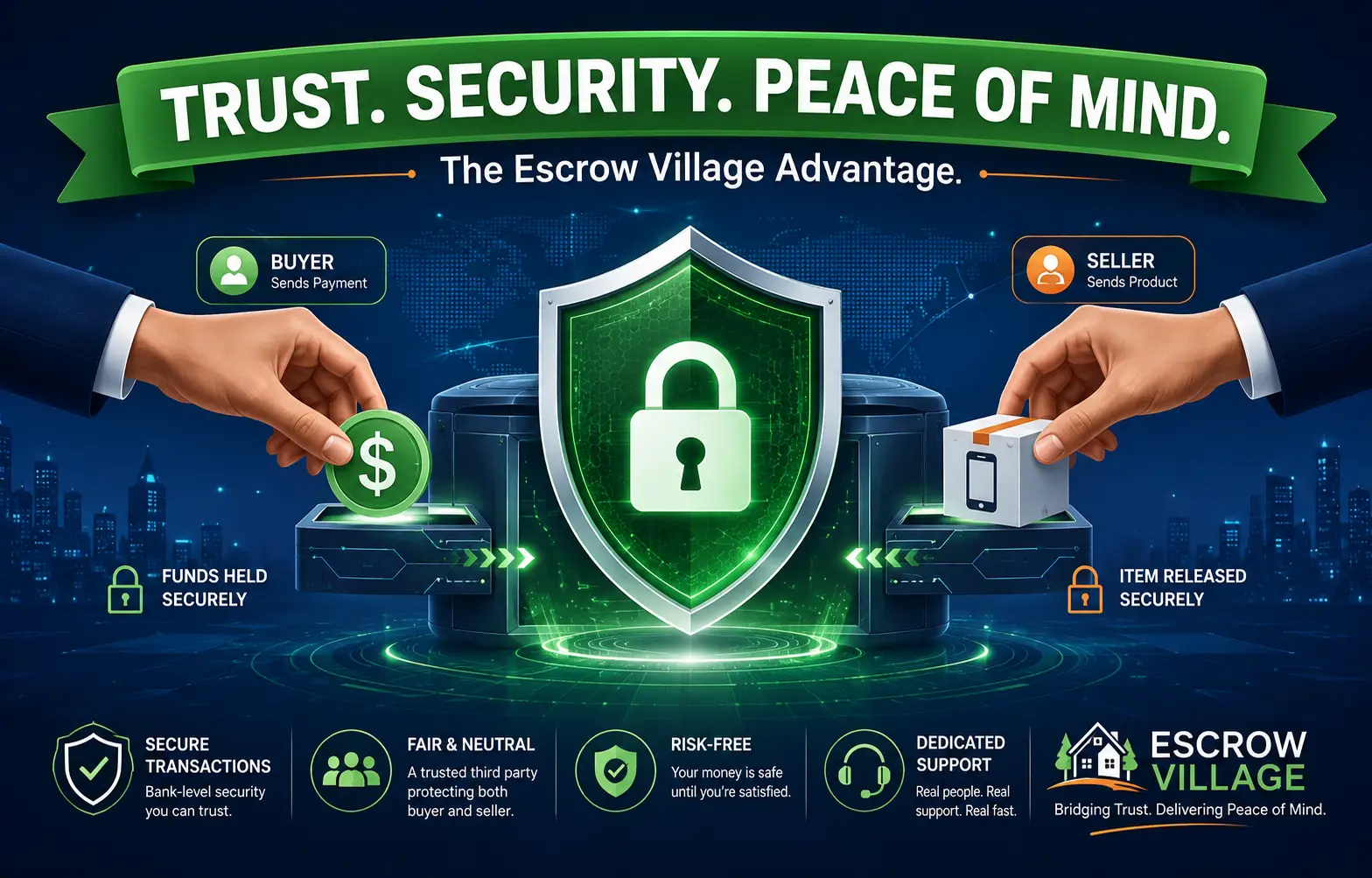
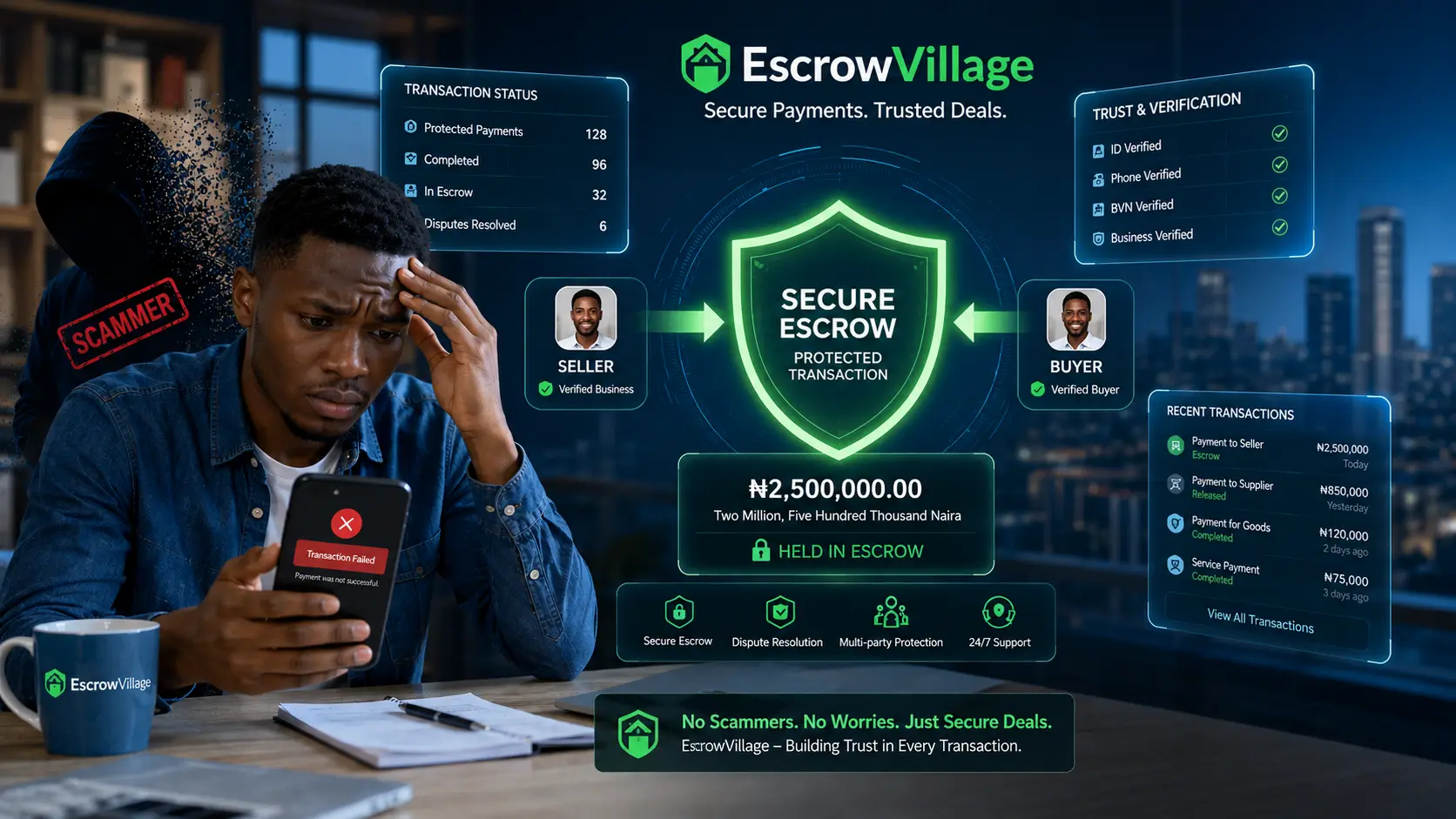
For online transactions, using a trusted escrow platform such as Escrow .com can add another layer of protection by helping buyers and sellers transact with greater confidence.
Train your employees to recognise threats, protect sensitive information, verify payment requests, and report suspicious activity quickly.
The goal isn't to make your team cybersecurity experts. It's to make security part of how your business operates every day.
Ready to make your online transactions safer? Explore Escrow Village and build more trust into the way your business deals online.
Employees often have access to business email, social media, payment platforms, customer information, and other important accounts.
One careless click or reused password can put all of them at risk.
The good news is that employees don't need to become cybersecurity experts. They need to understand the common risks and know what to do when something looks suspicious.
In this guide, you'll learn how to train your employees to protect business accounts, avoid common online scams, secure passwords, and handle sensitive business information safely.
- Why Employee Training Matters
For example, an employee might receive an email pretending to be from your payment provider.
If they click a fake link and enter their login details, a scammer could gain access to the account.
Regular training helps employees recognise these situations before they become serious problems.
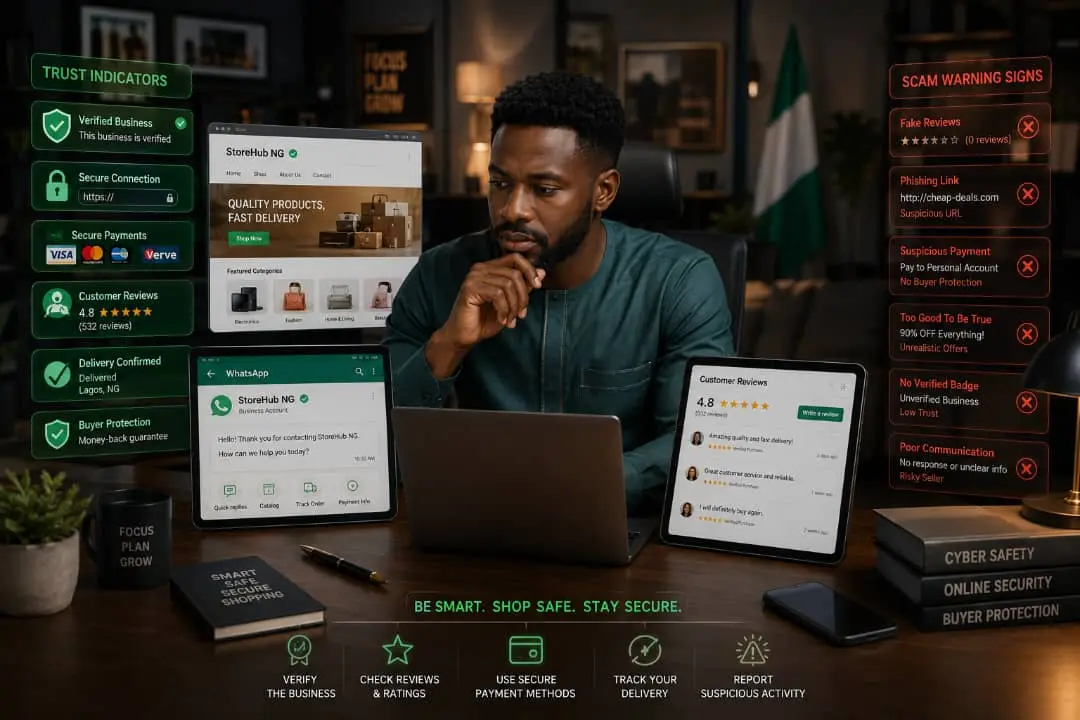
- 1. Teach Employees to Recognise Phishing
- Show employees how to identify suspicious:
- ● Emails asking for passwords or payment details
- ● Links with unusual or misspelt website addresses
- ● Urgent messages demanding immediate action
- ● Unexpected attachments
- ● Messages pretending to be from managers or financial institutions
- ● Encourage employees to verify unusual requests through another trusted channel before taking action.
- 2. Create Strong Password Rules
Employees should never reuse the same password for business and personal accounts.
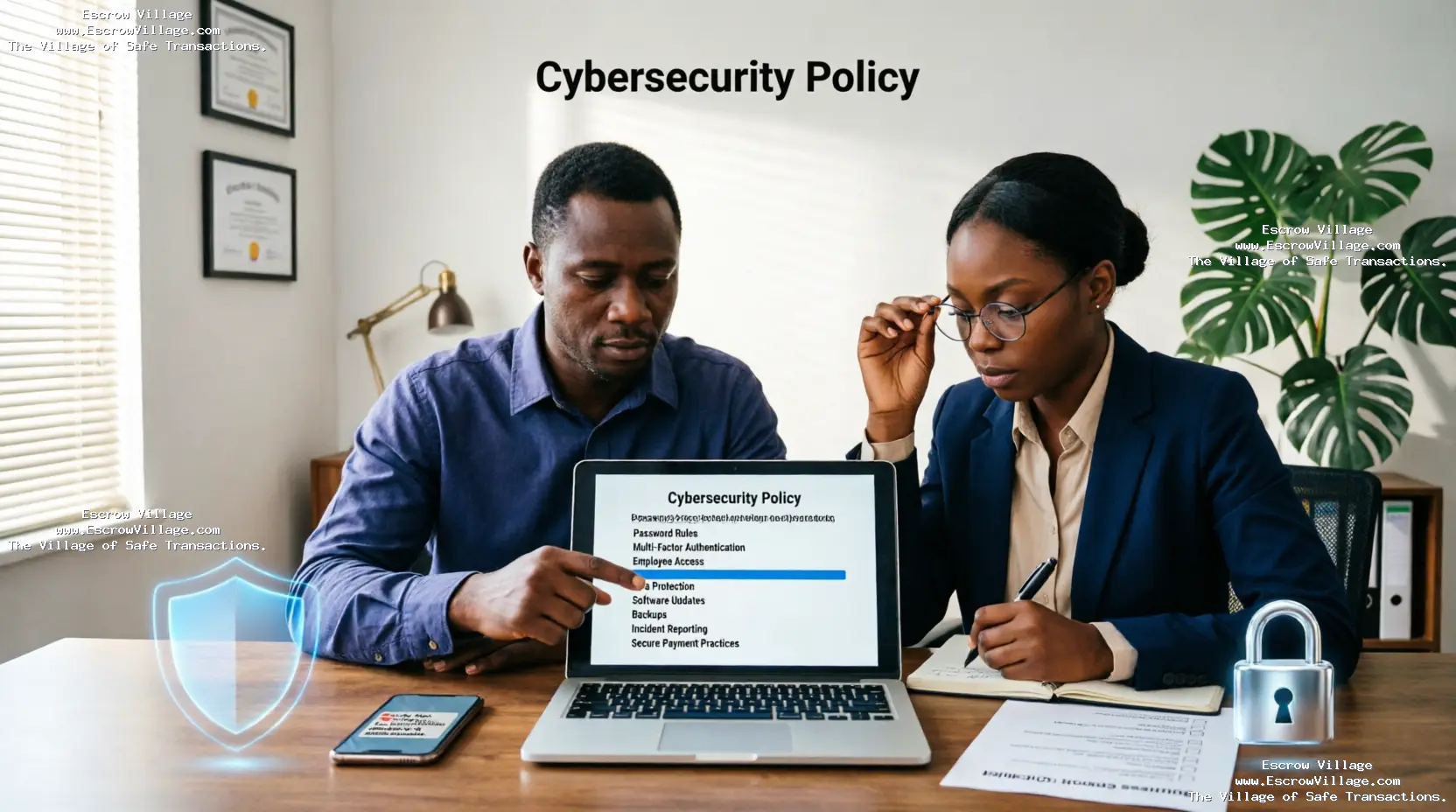
Your password policy should also encourage:
- ● Long and difficult-to-guess passwords
- ● A password manager where appropriate
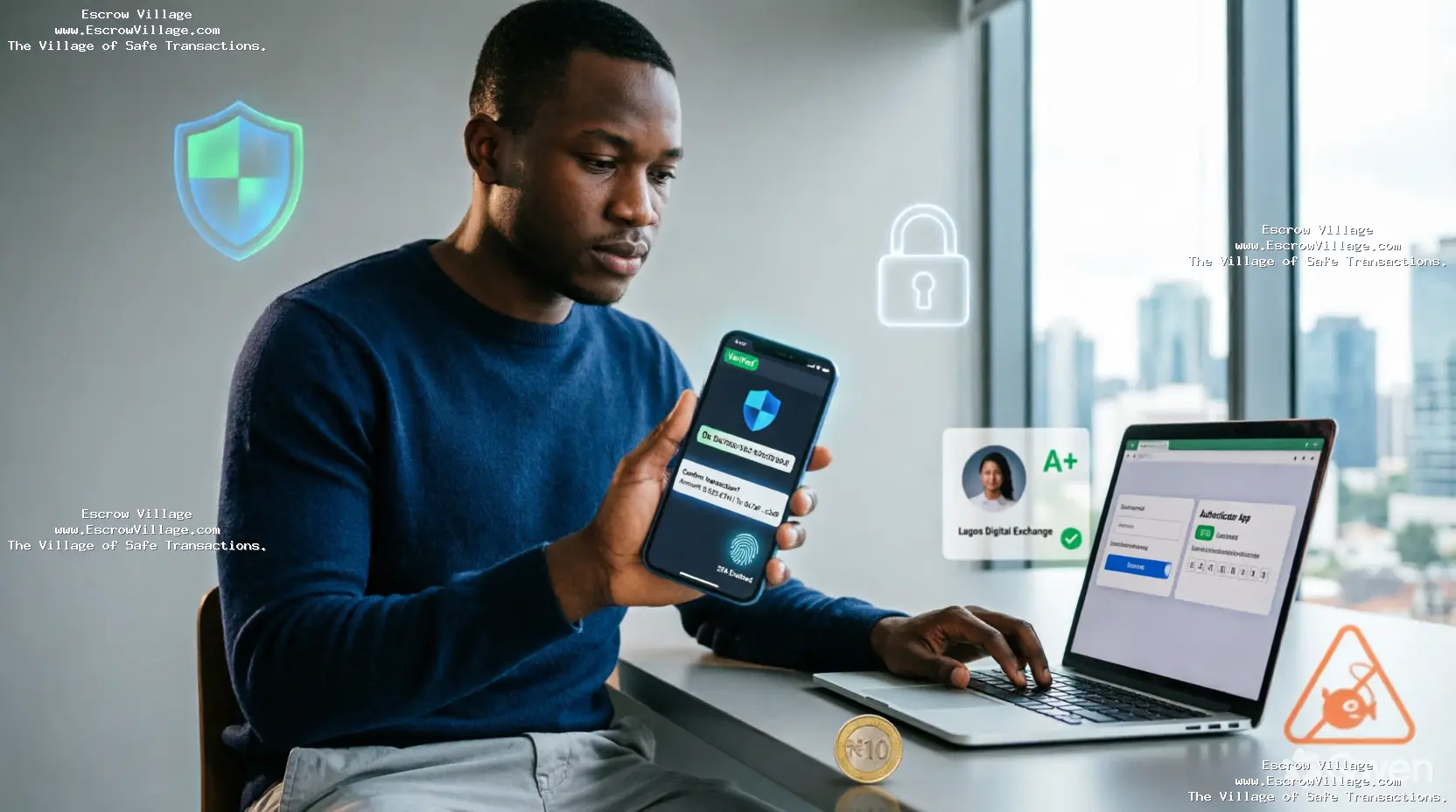
- ● Two-factor authentication (2FA)
- ● Never sharing passwords through unsecured messages
- ● If an employee leaves the company, immediately remove their access and change shared credentials.
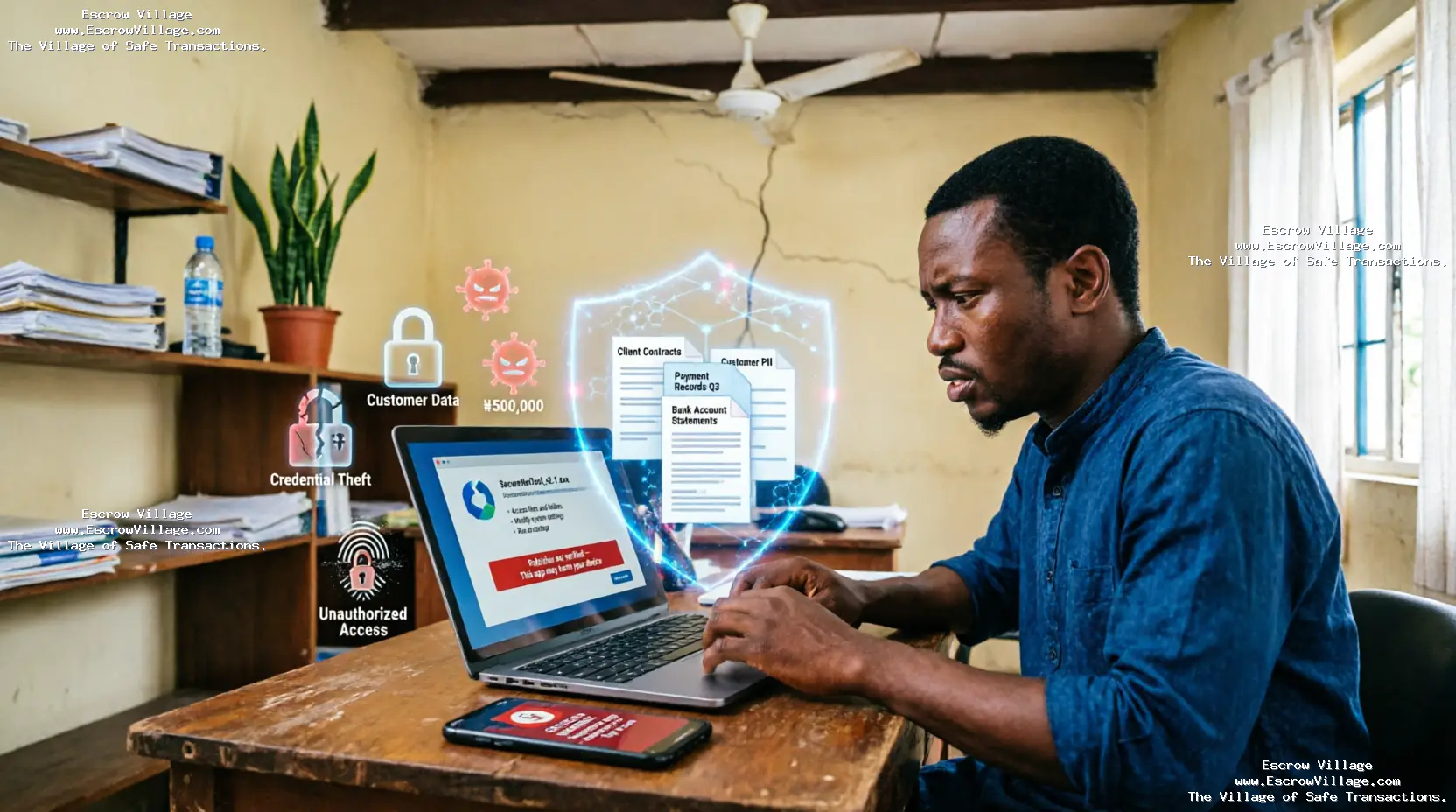
- 3. Train Employees to Protect Customer Data
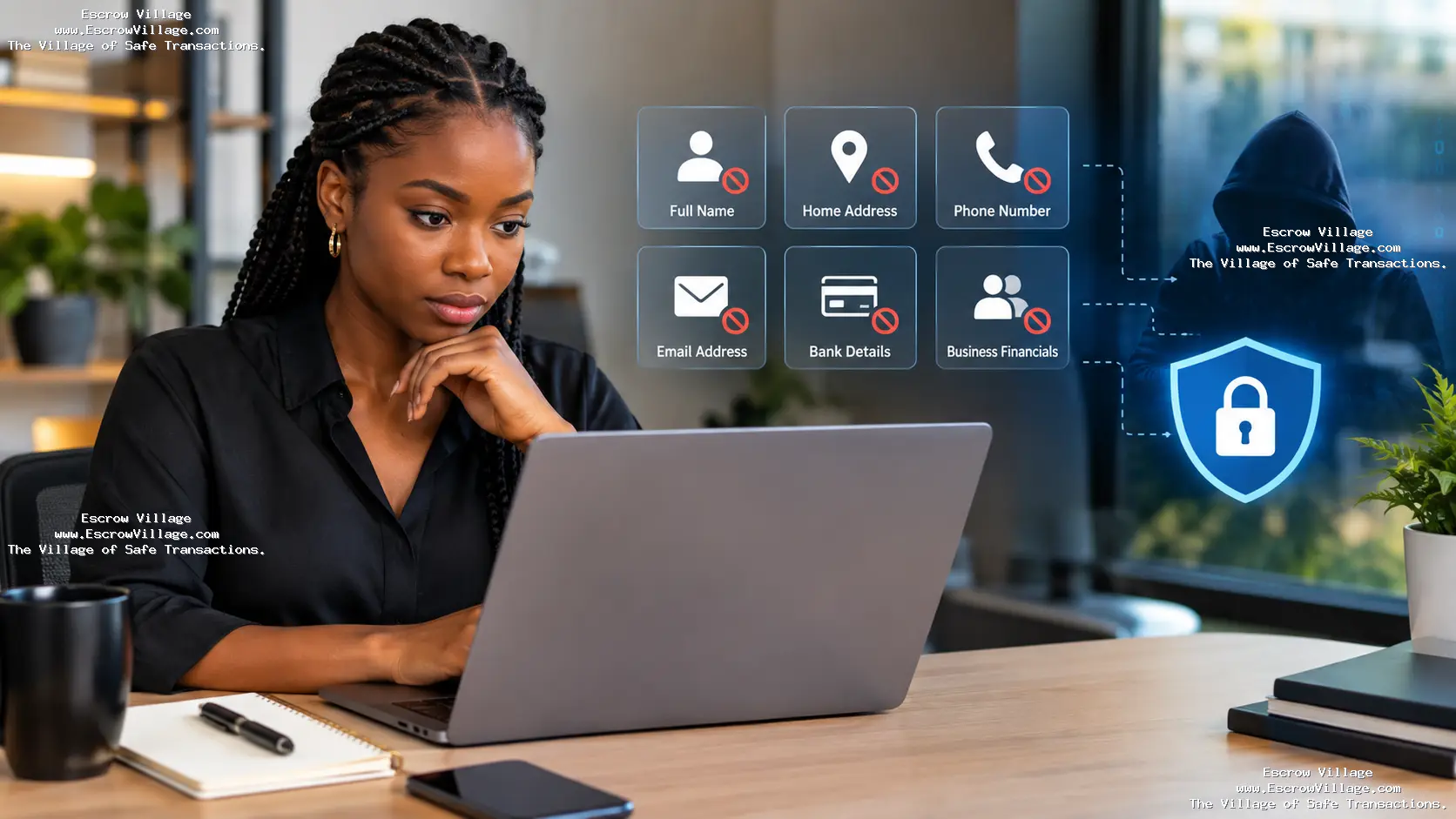
Teach them to only access information they need for their job and never send sensitive customer information through unauthorised platforms.
This protects both your customers and your reputation.
- 4. Teach Safe Payment Practices
Train employees to verify payment requests, confirm changes to bank details, and avoid sending money based solely on messages or screenshots.
For online transactions, using a trusted escrow platform such as Escrow .com can add another layer of protection by helping buyers and sellers transact with greater confidence.
- 5. Have a Simple Incident-Reporting Process
- Make it clear who they should contact if they:
- ● Click a suspicious link
- ● Share their password accidentally
- ● Notice unusual account activity
- ● Receive a suspicious payment request
- The faster an incident is reported, the faster your business can respond.
- FAQ
- 1. How often should employees receive cybersecurity training?
- 2. What should employees learn about account security?
- 3. Can small businesses protect business accounts without an IT team?
- 4. How does Escrow Village support safer transactions?
- Protect Your Business Before Something Goes Wrong
Train your employees to recognise threats, protect sensitive information, verify payment requests, and report suspicious activity quickly.
The goal isn't to make your team cybersecurity experts. It's to make security part of how your business operates every day.
Ready to make your online transactions safer? Explore Escrow Village and build more trust into the way your business deals online.