How Exporters Can Avoid Fake Buyers and Protect Their Payments
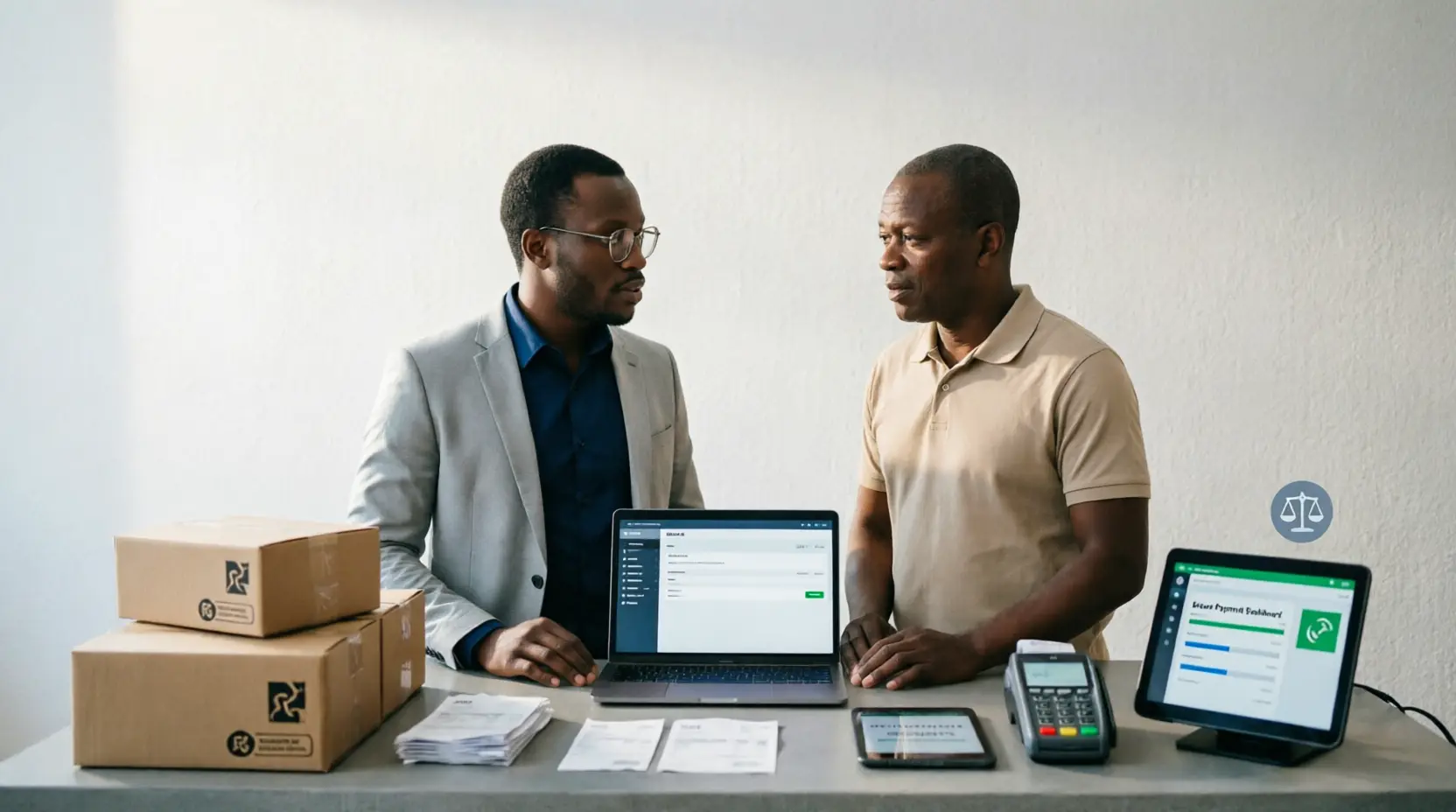
You've found a buyer abroad who wants to order your products in bulk.
The price looks good, the buyer seems interested, and you're already thinking about how much the deal could earn your business.
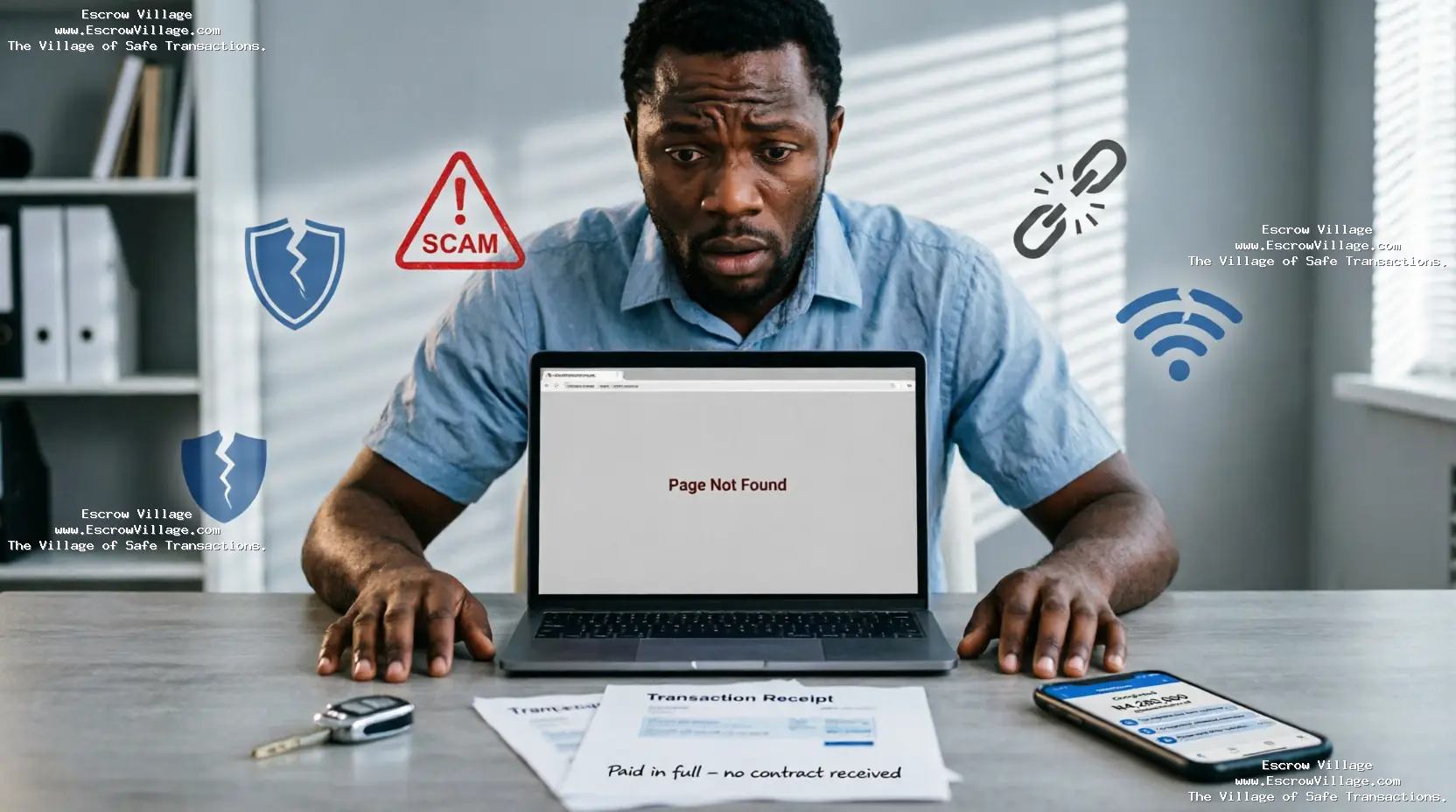
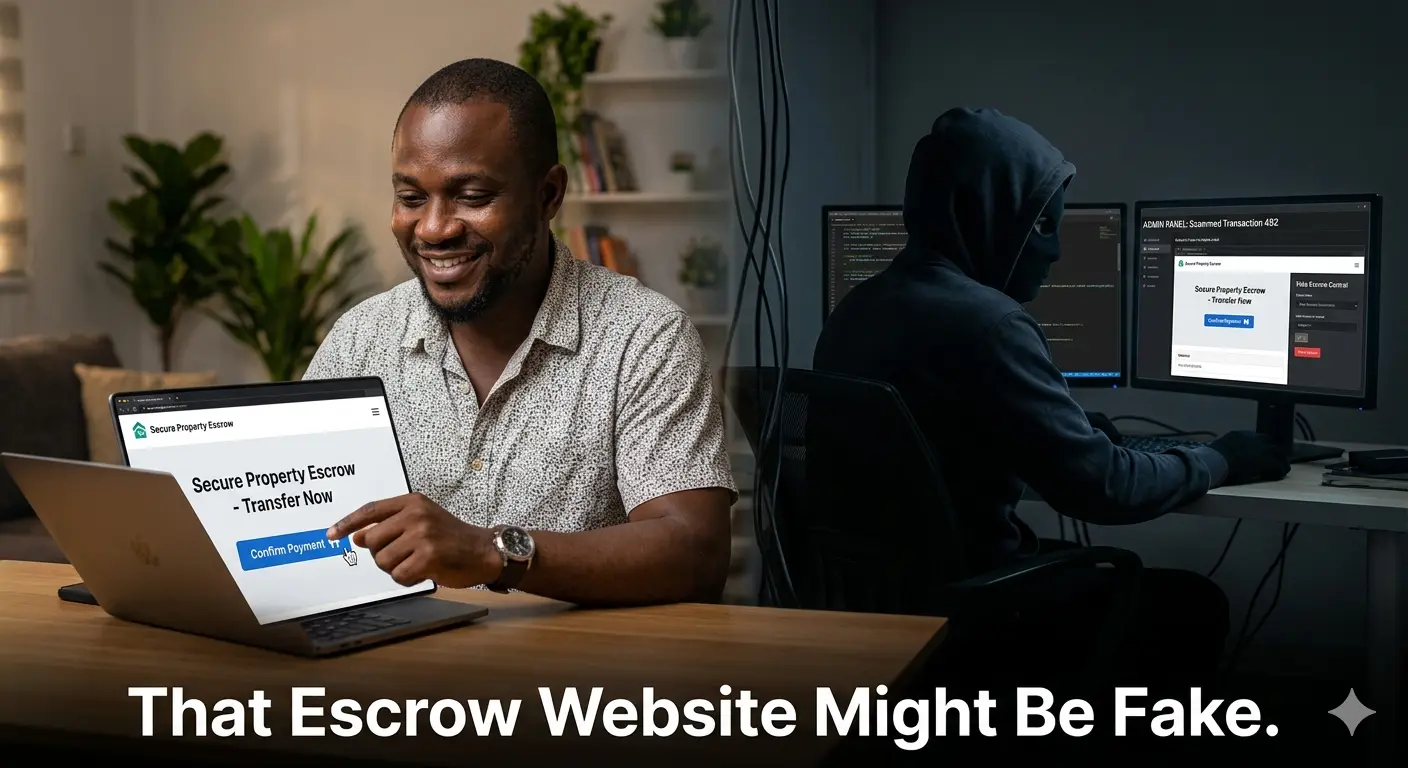
But there's one problem: what if the buyer isn't planning to pay you?
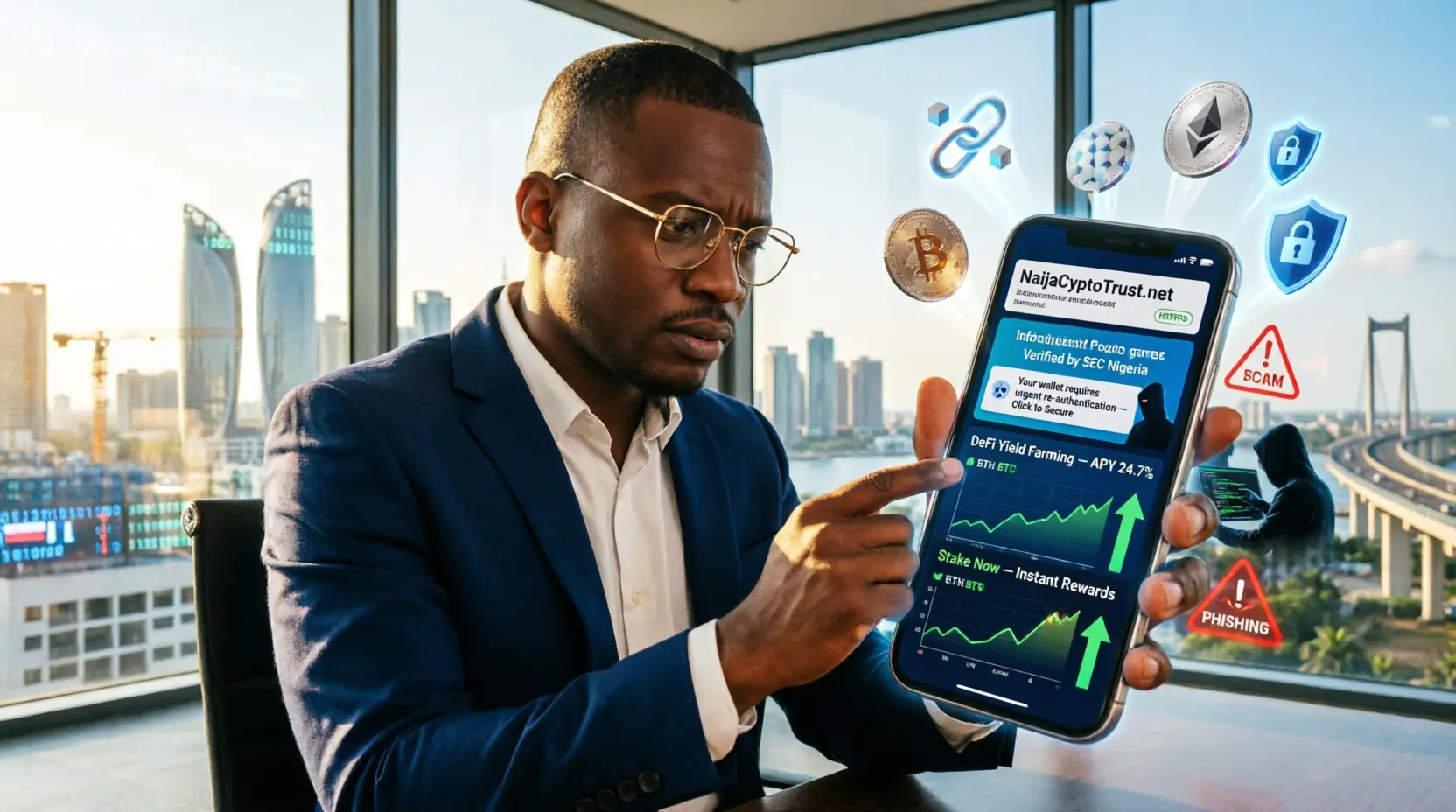
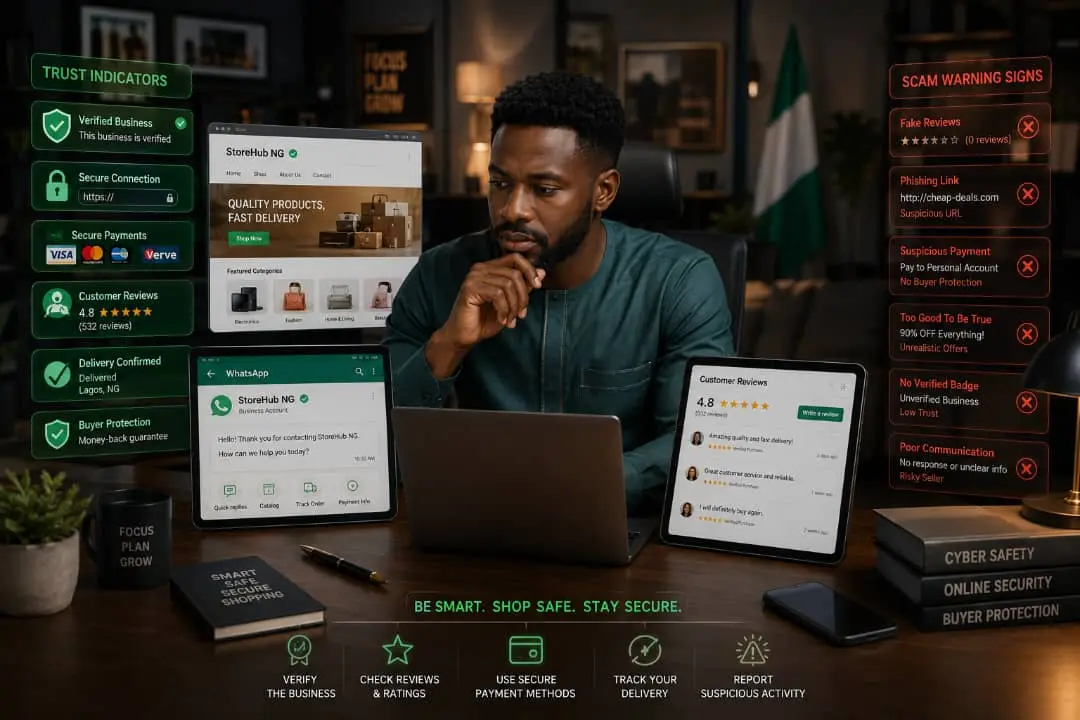
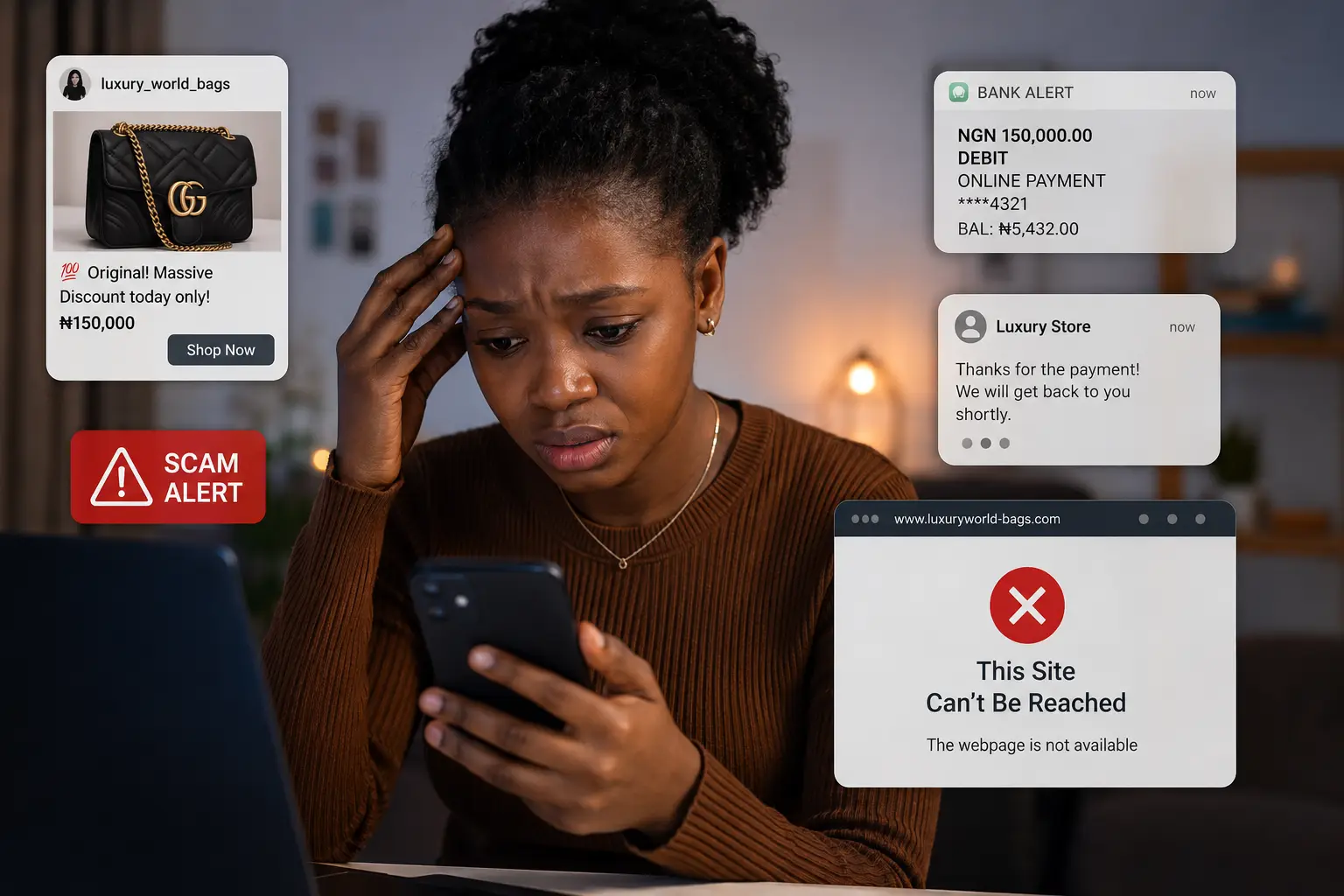
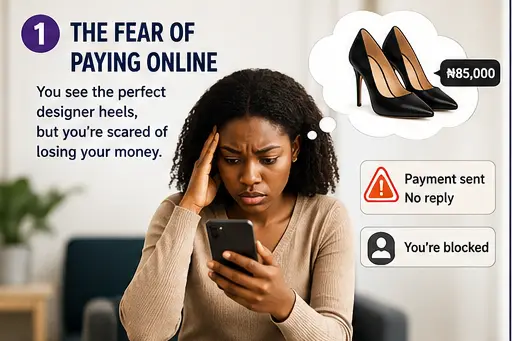
Fake buyers can cause exporters to lose money through unpaid orders, fake payment confirmations, disputed deliveries, and unexpected charges.
The tricky part is that some scams don't become obvious until you've already shipped the goods.
So, how can you protect your business?
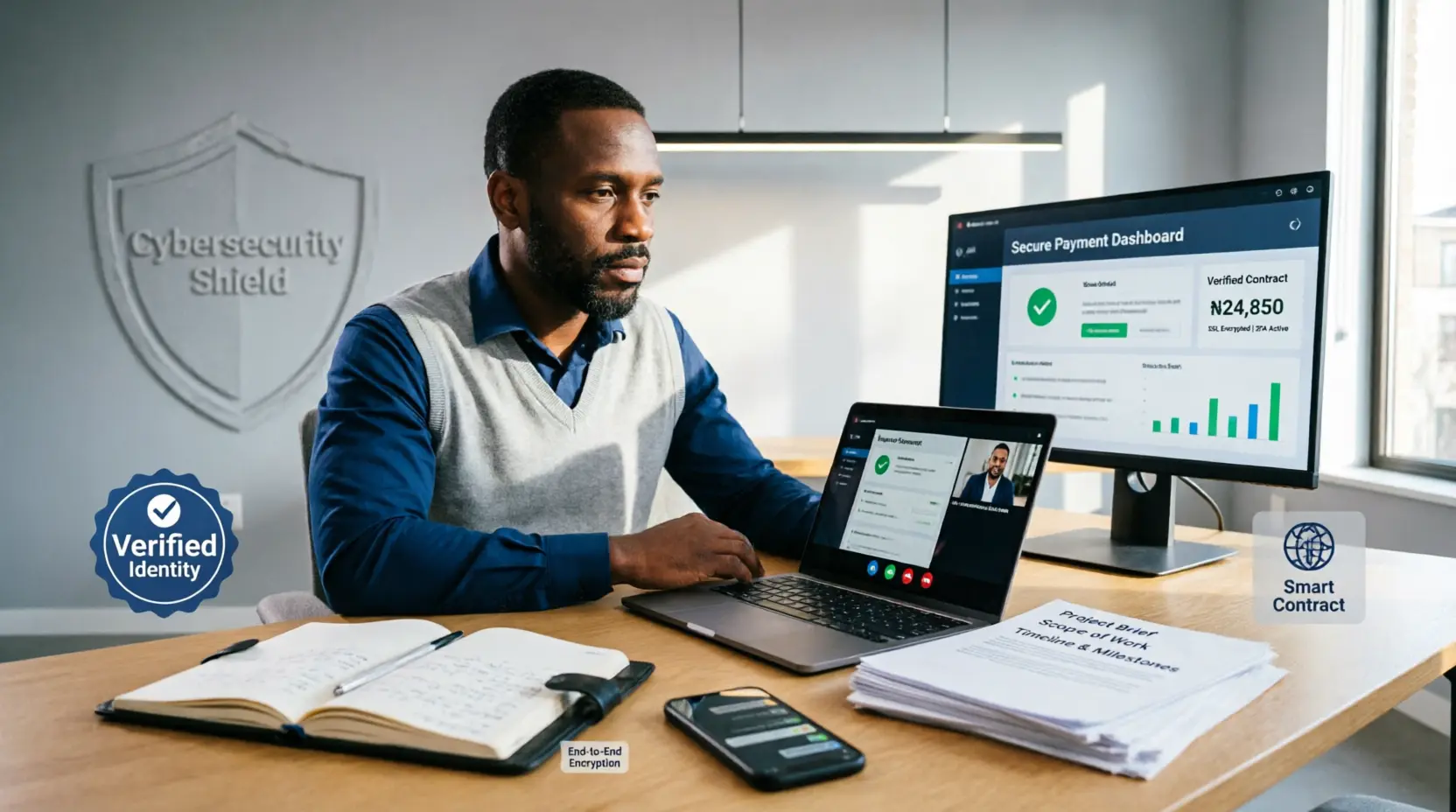
Here are practical steps you can take before, during, and after an export transaction, with Escrow Village as an option for safer payments.
However, a large order shouldn't automatically earn them special payment privileges.
Avoid agreeing to payment terms that leave your business carrying all the risk.
For new buyers, consider smaller trial orders or a payment structure that protects you before production or shipment begins.
If a buyer insists that you produce and ship everything before paying, ask yourself what happens if they disappear.
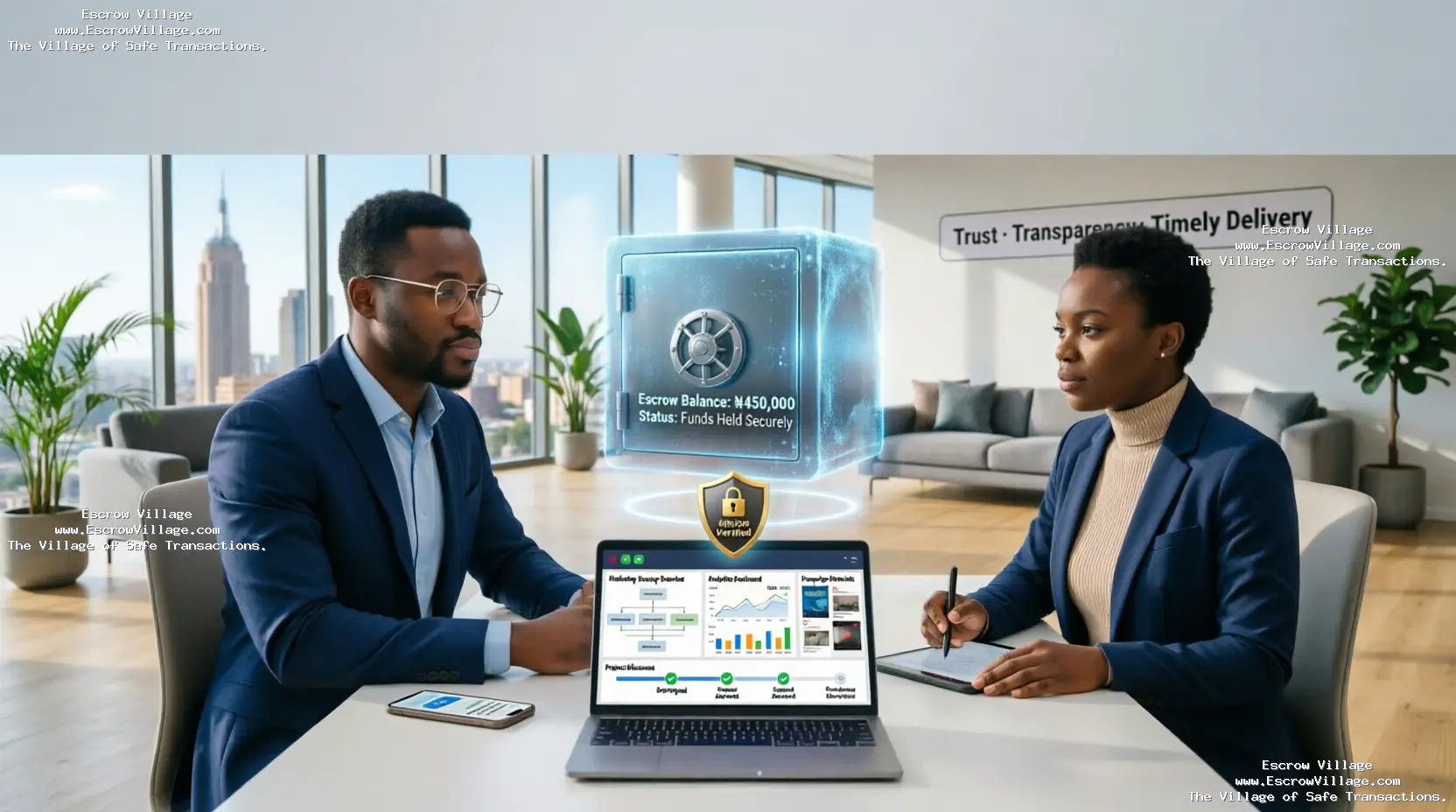
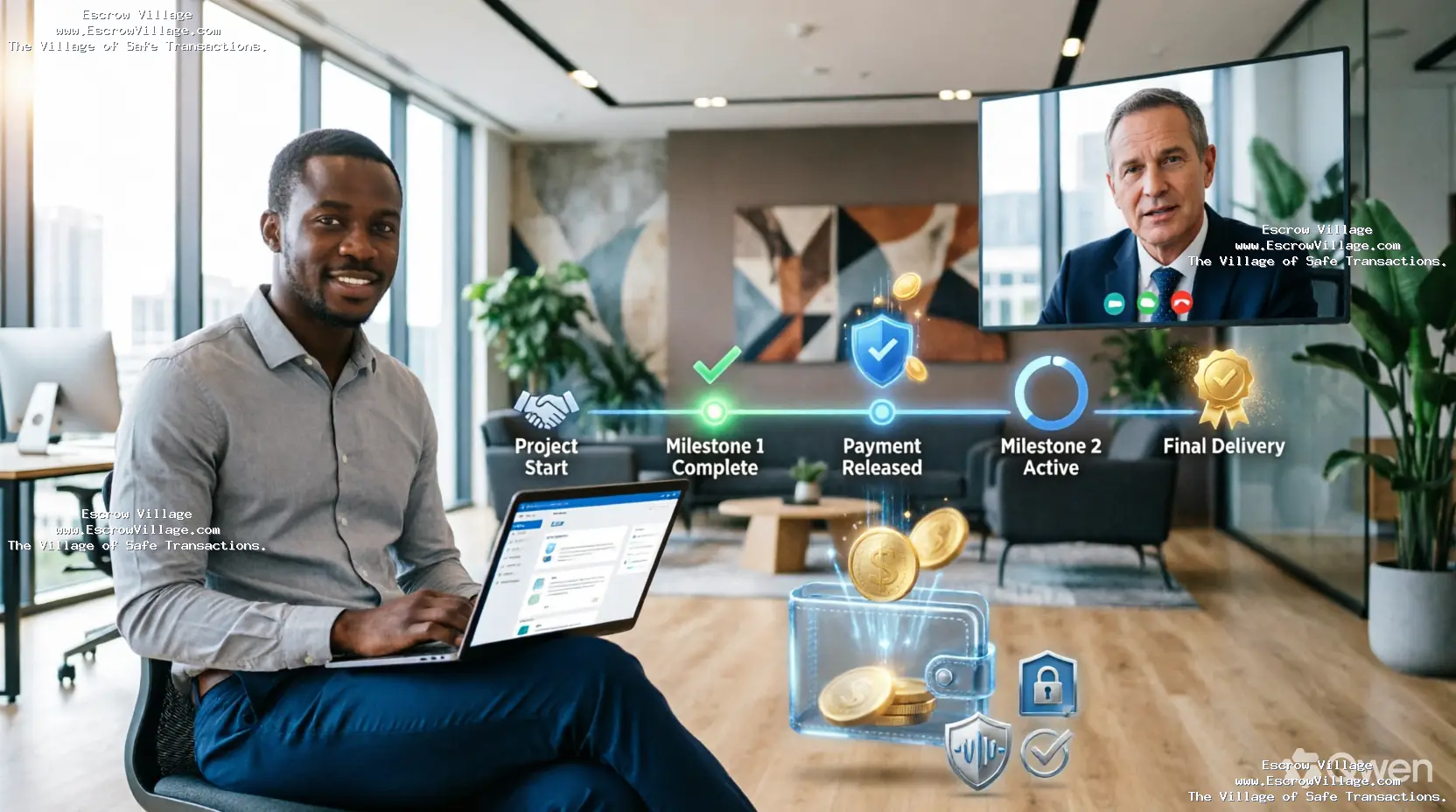
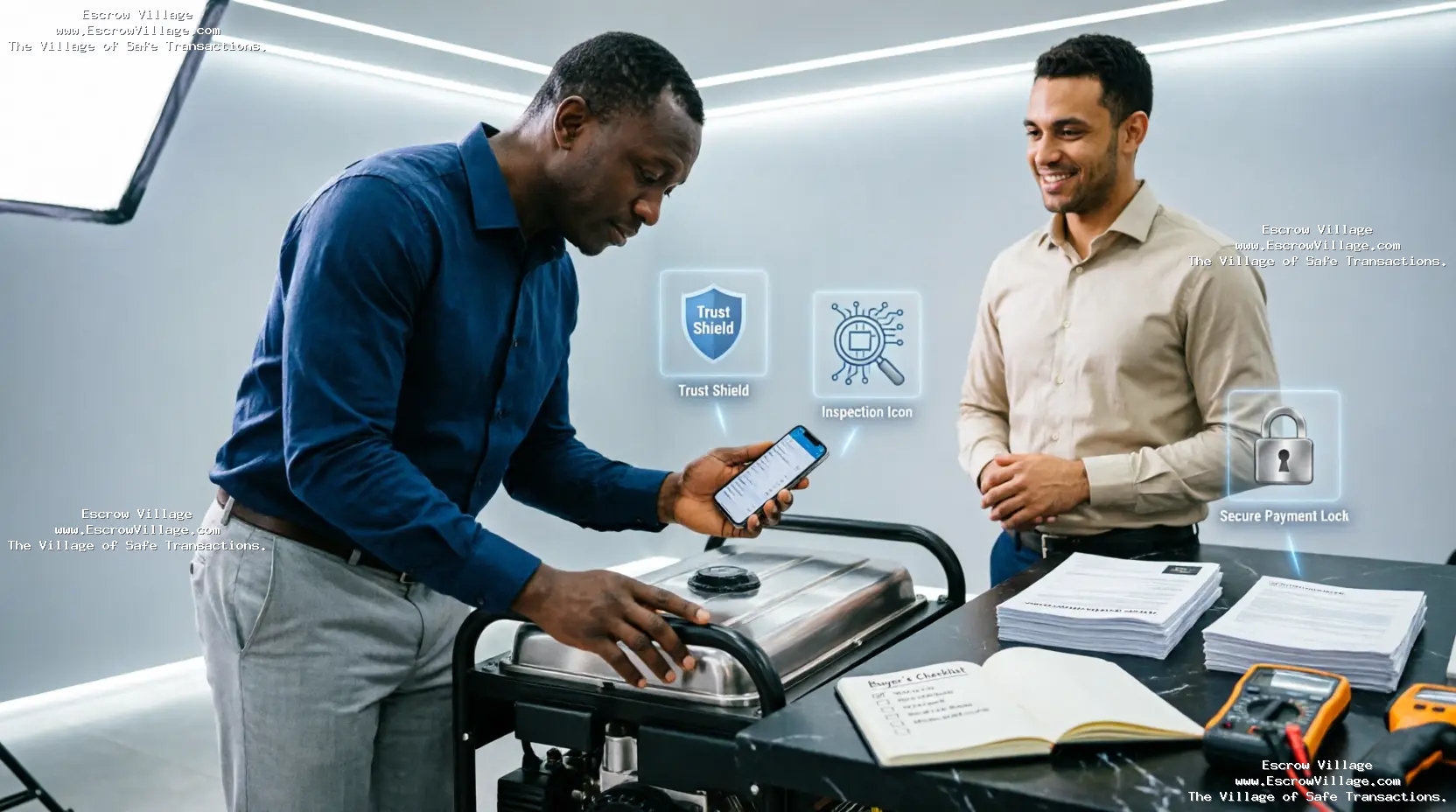
With Escrow Village, you can explore escrow-based payment protection for eligible transactions, with funds handled according to agreed conditions.
Discuss the terms before committing to the deal.
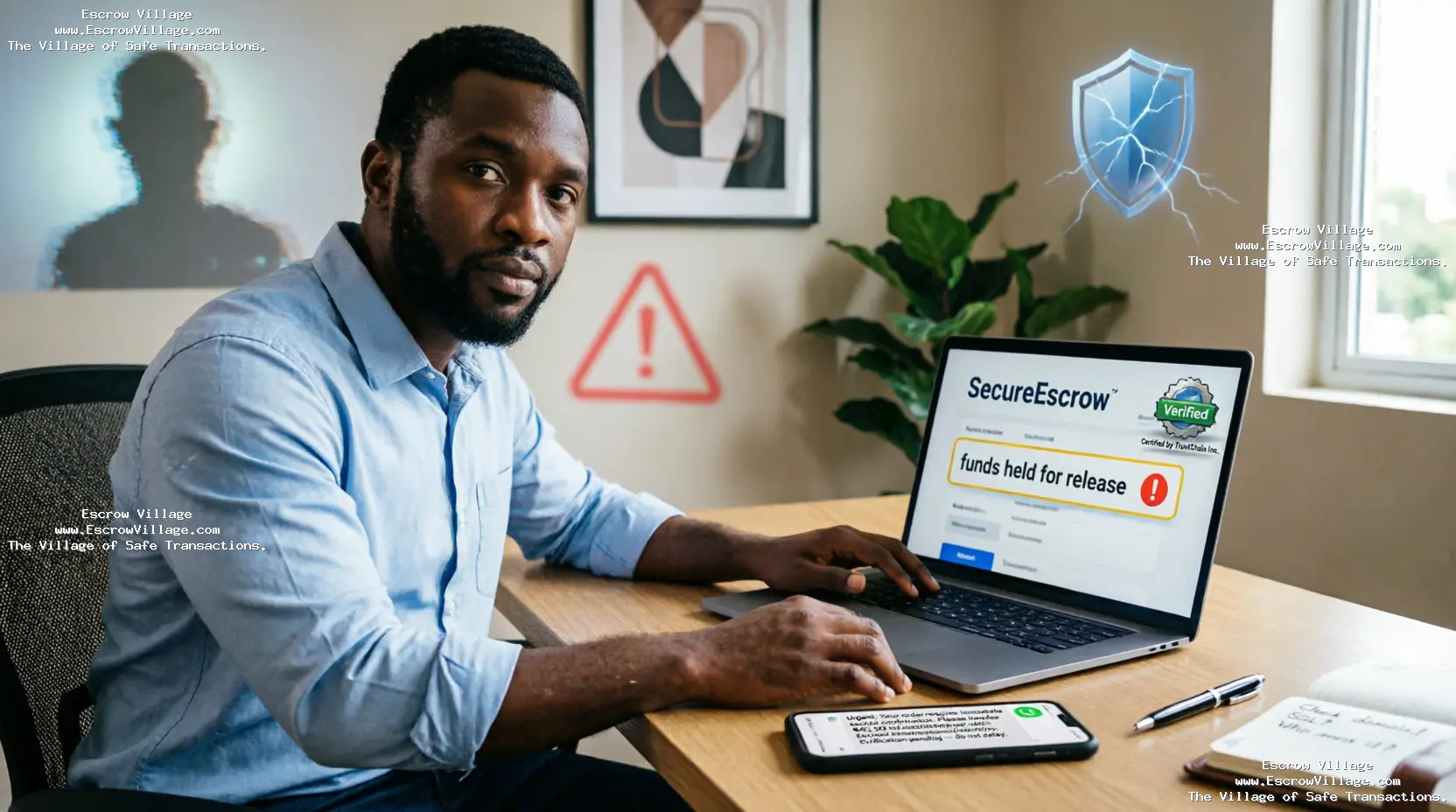
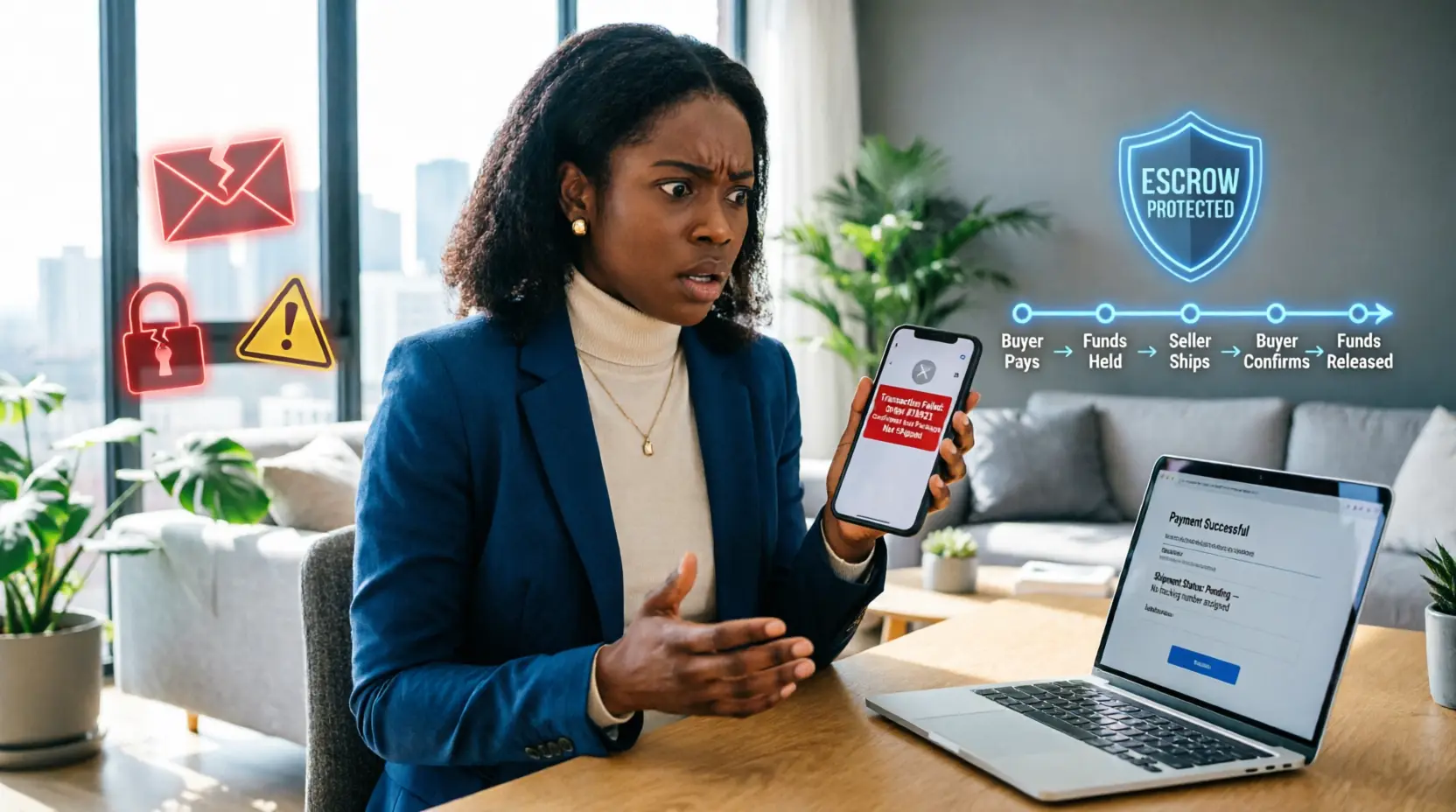
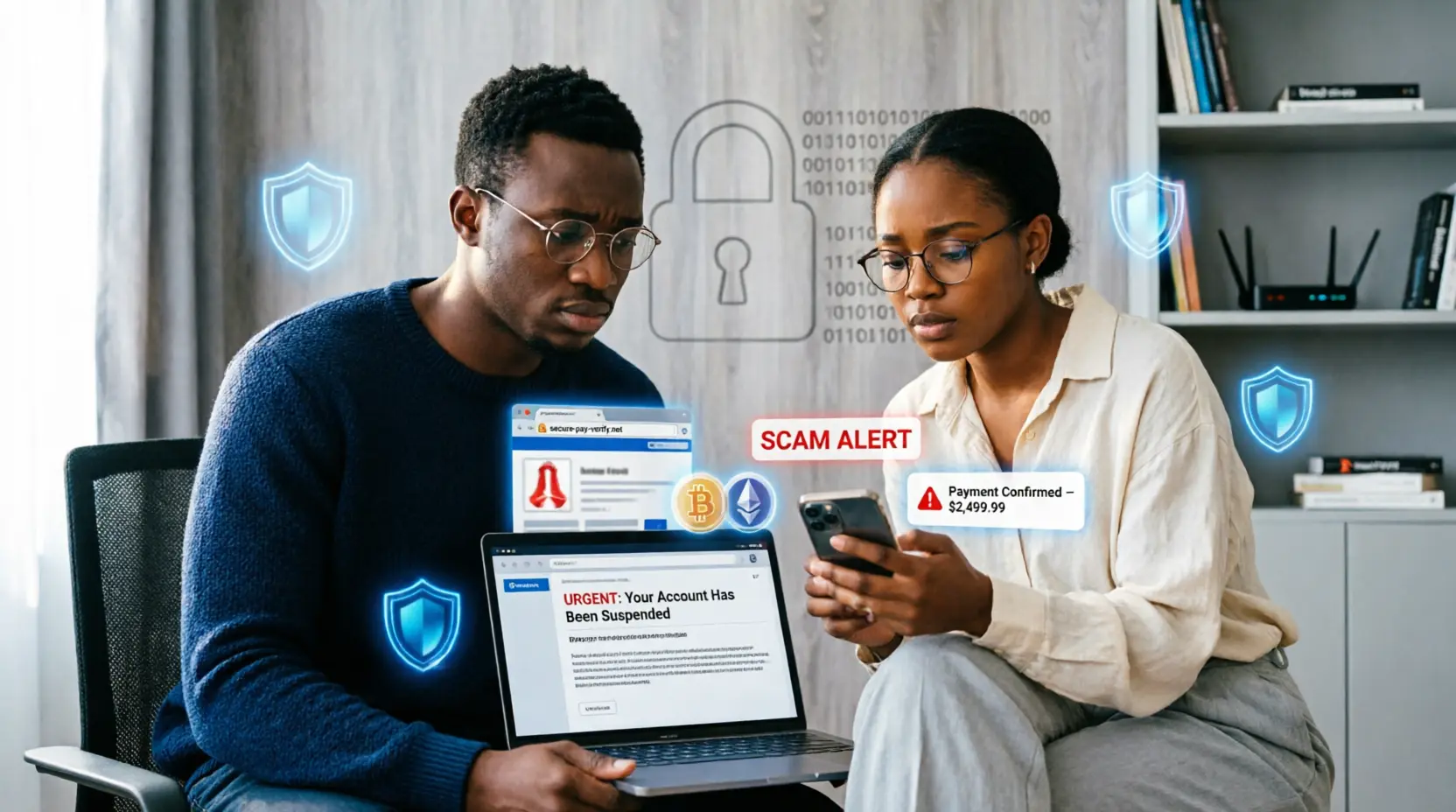
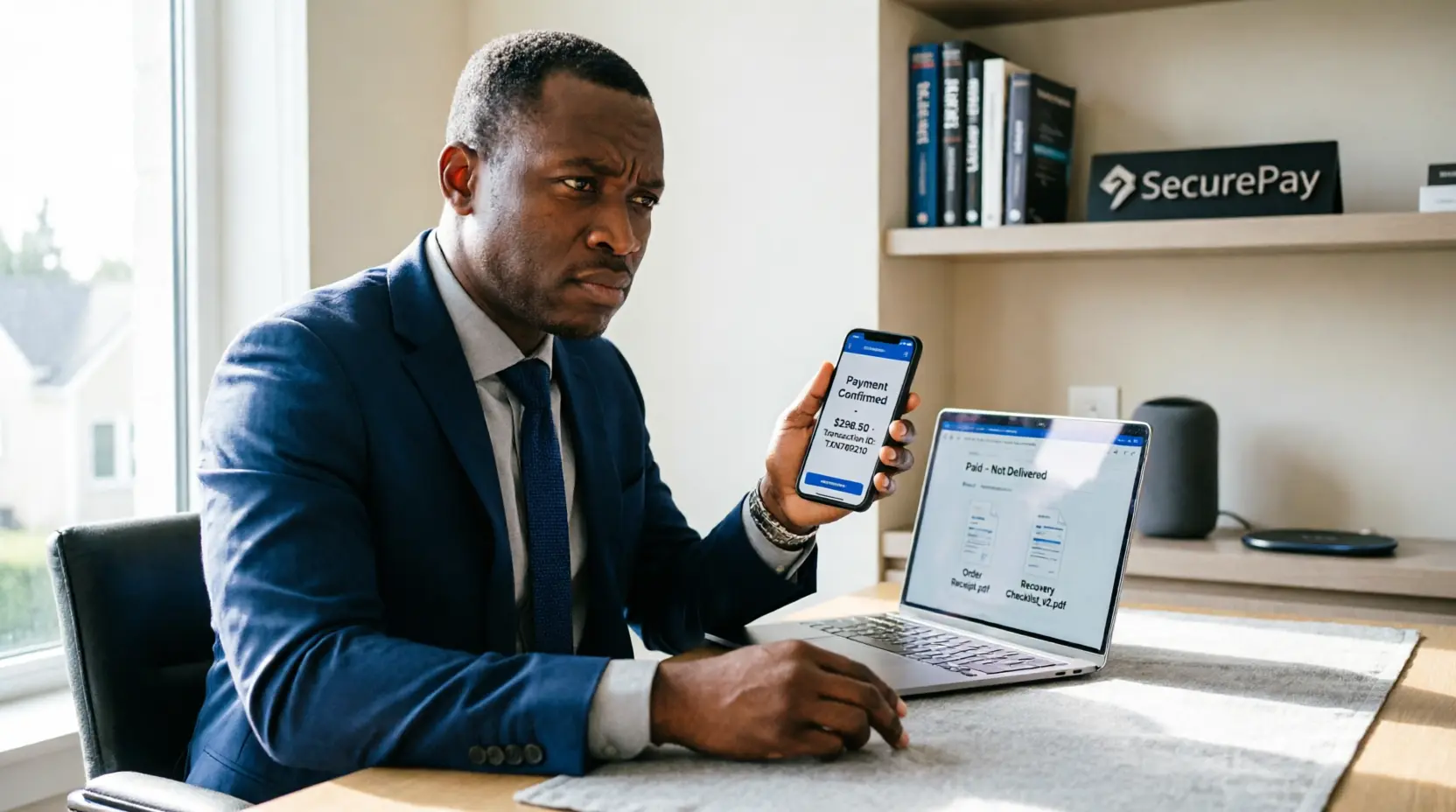
The buyer might claim that the money is pending, delayed, or already on its way.
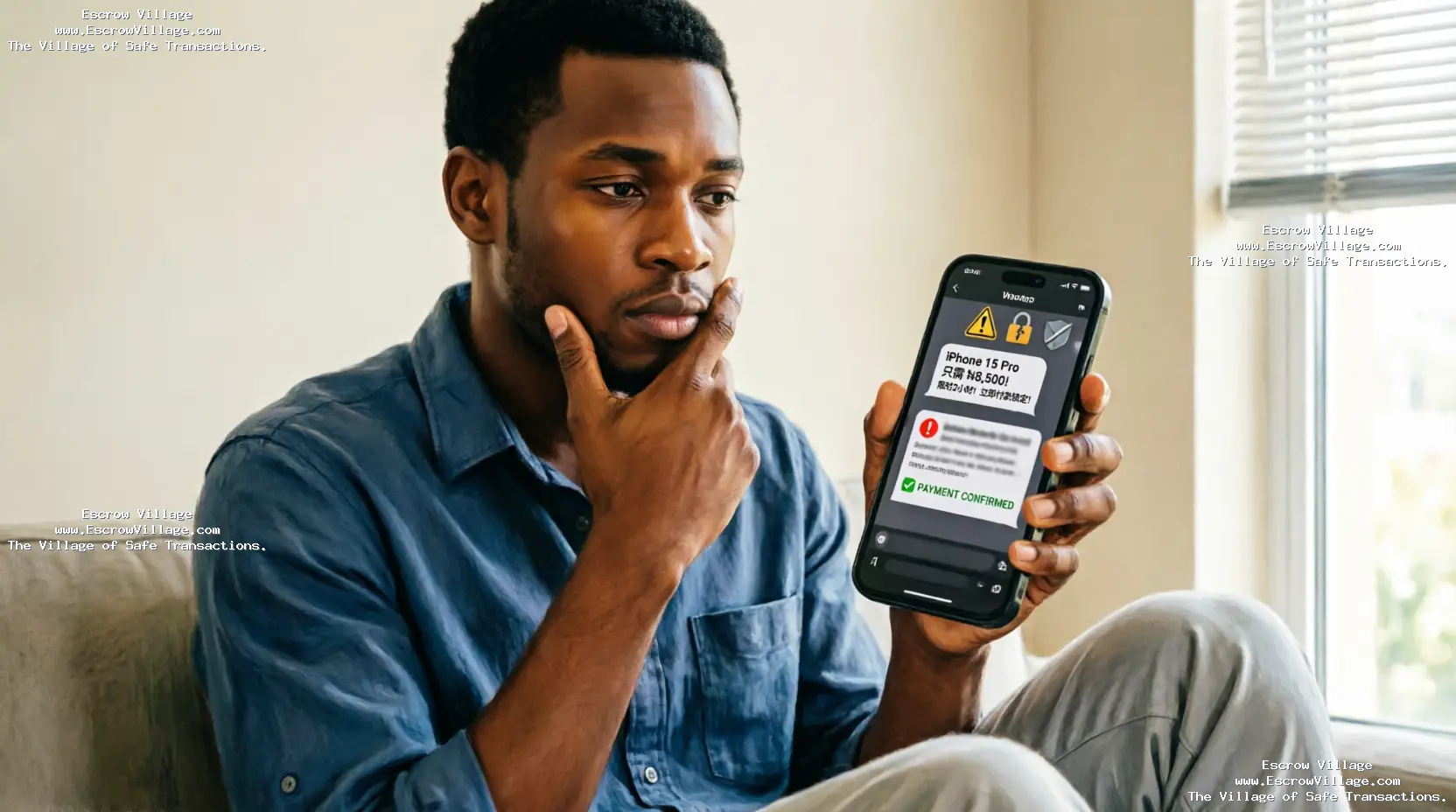
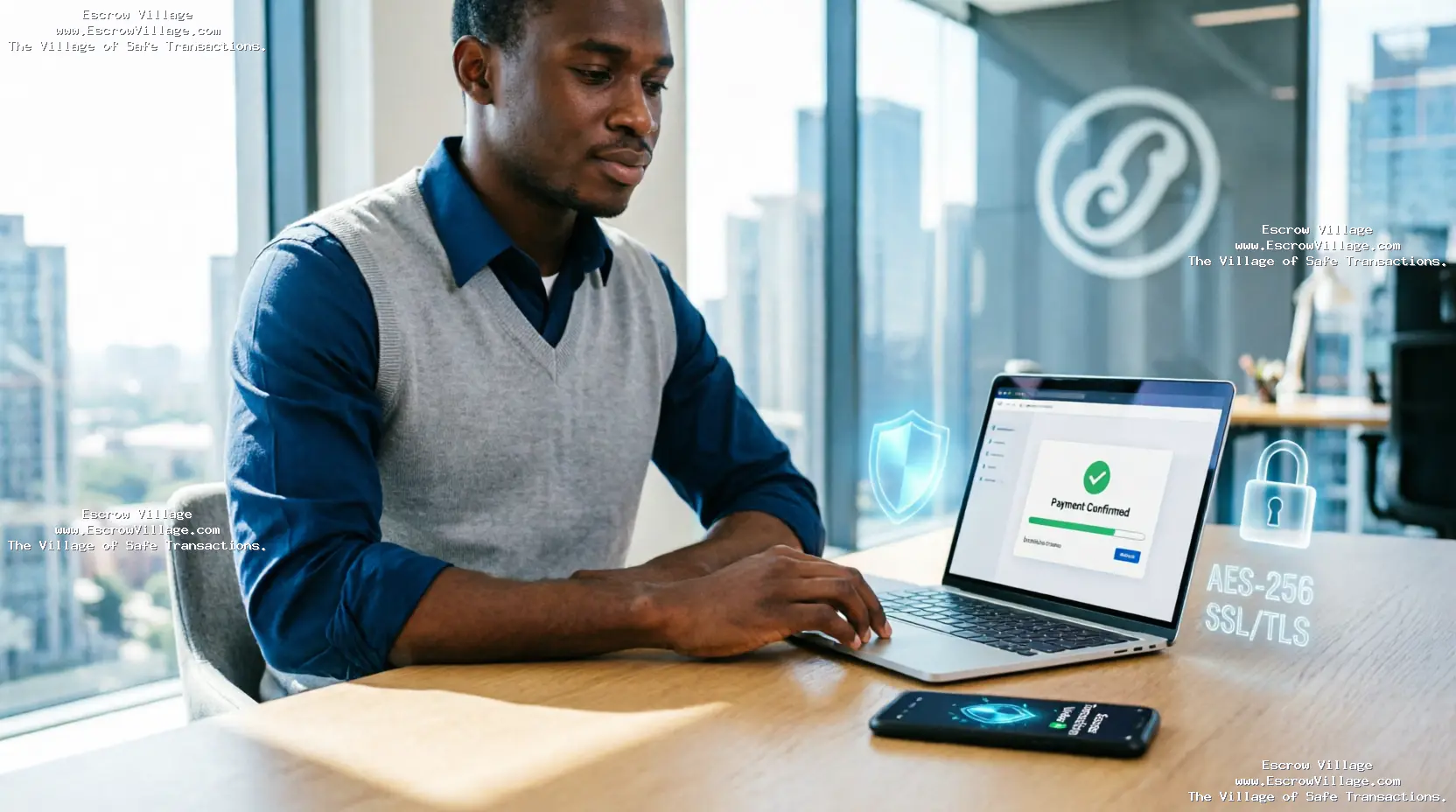
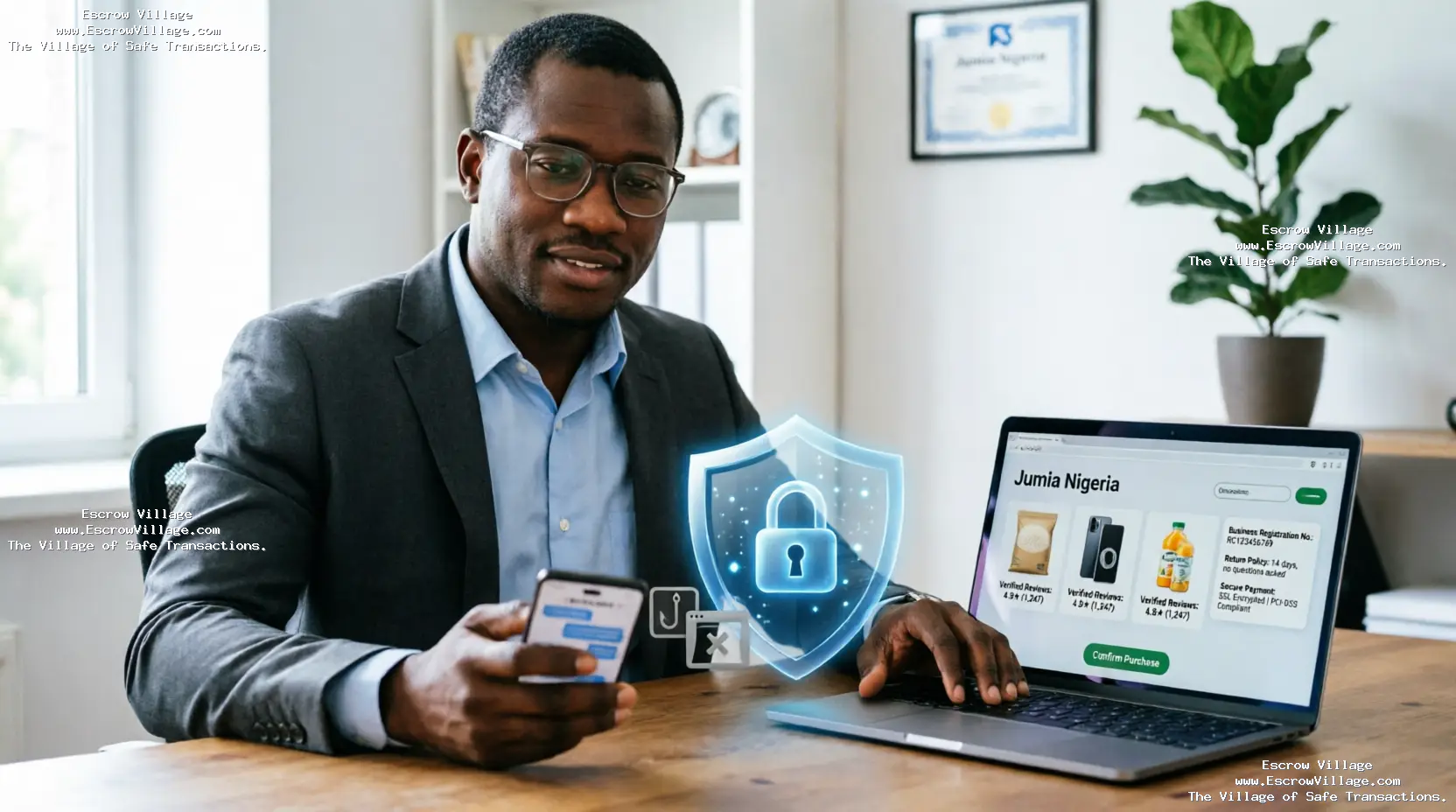
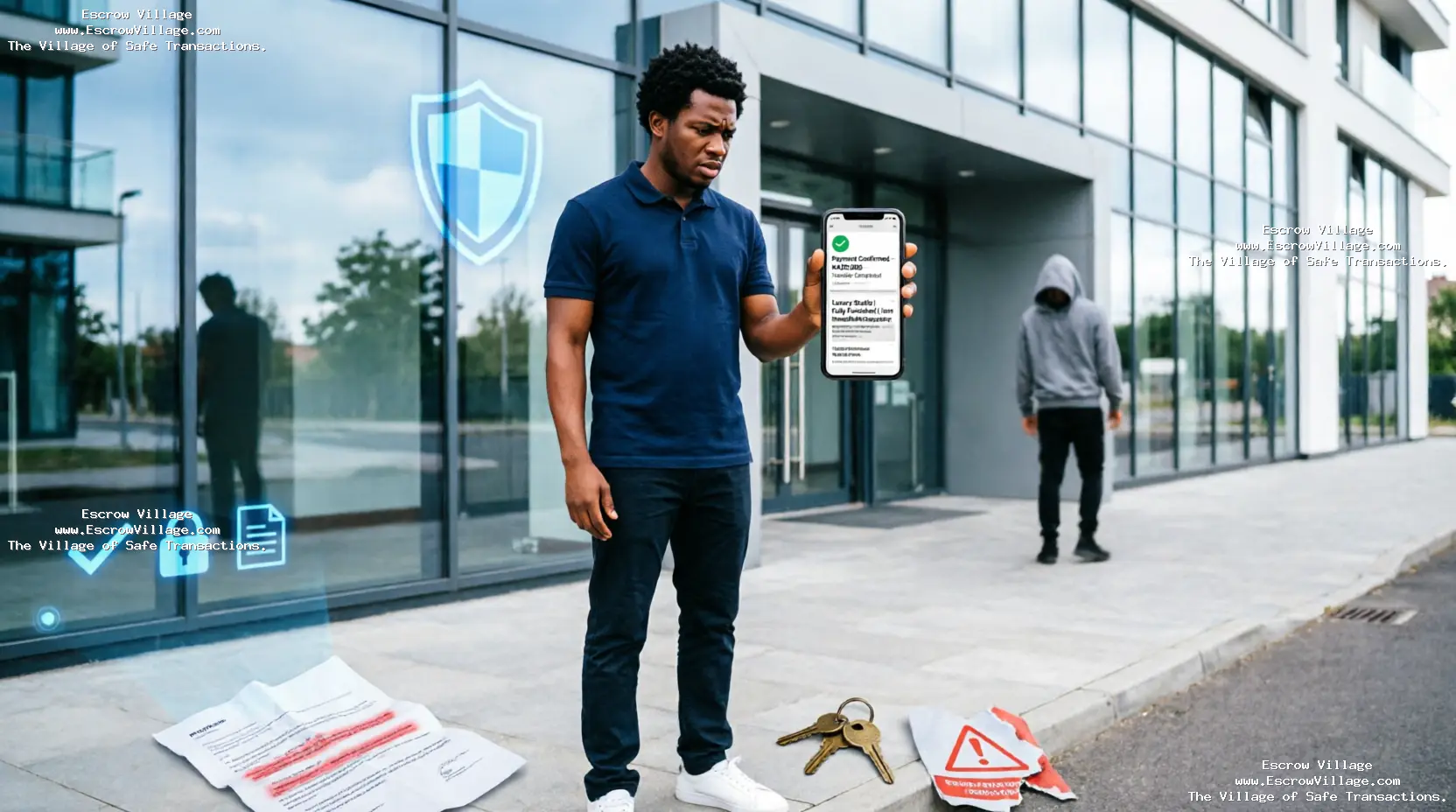
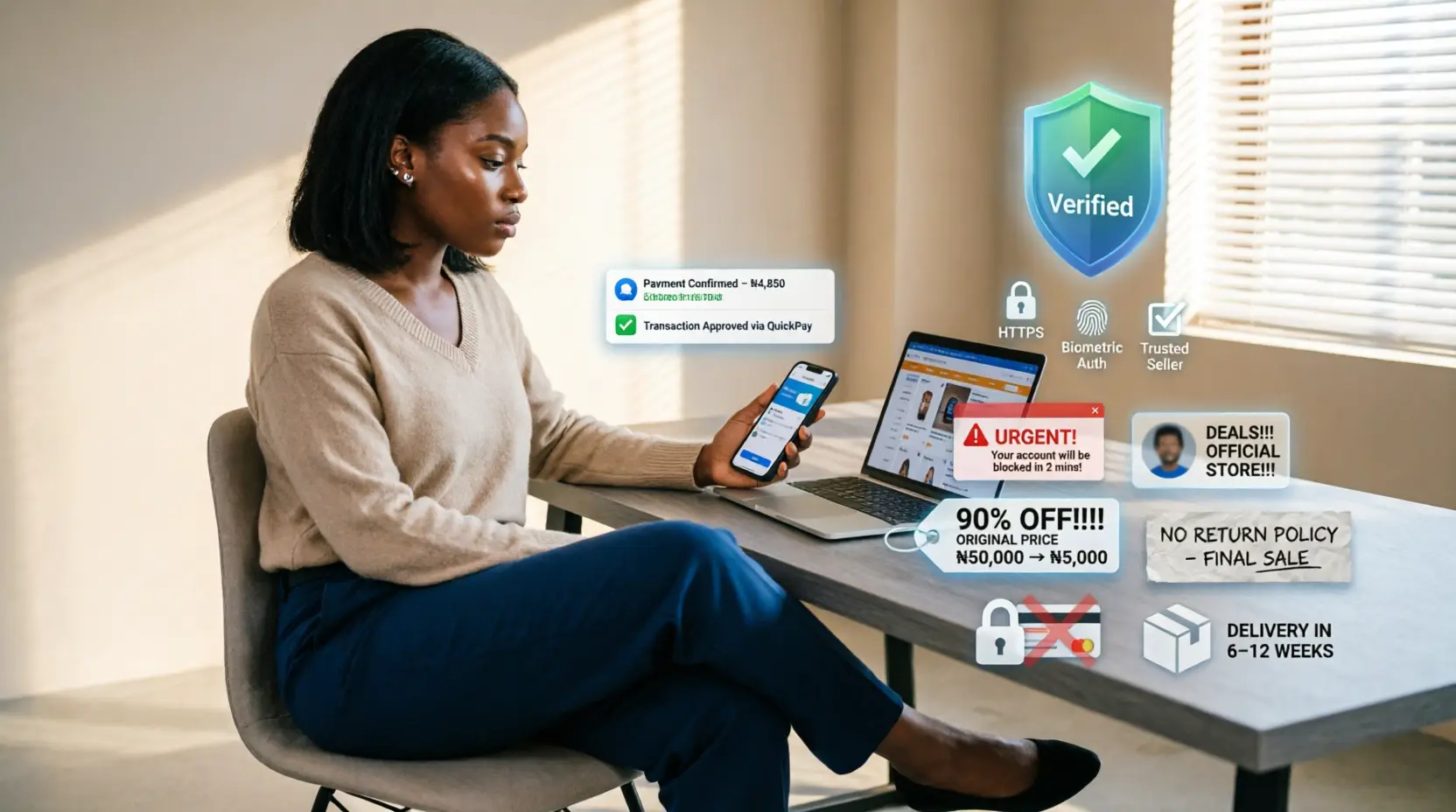
They may even send a convincing screenshot showing the supposed transaction.
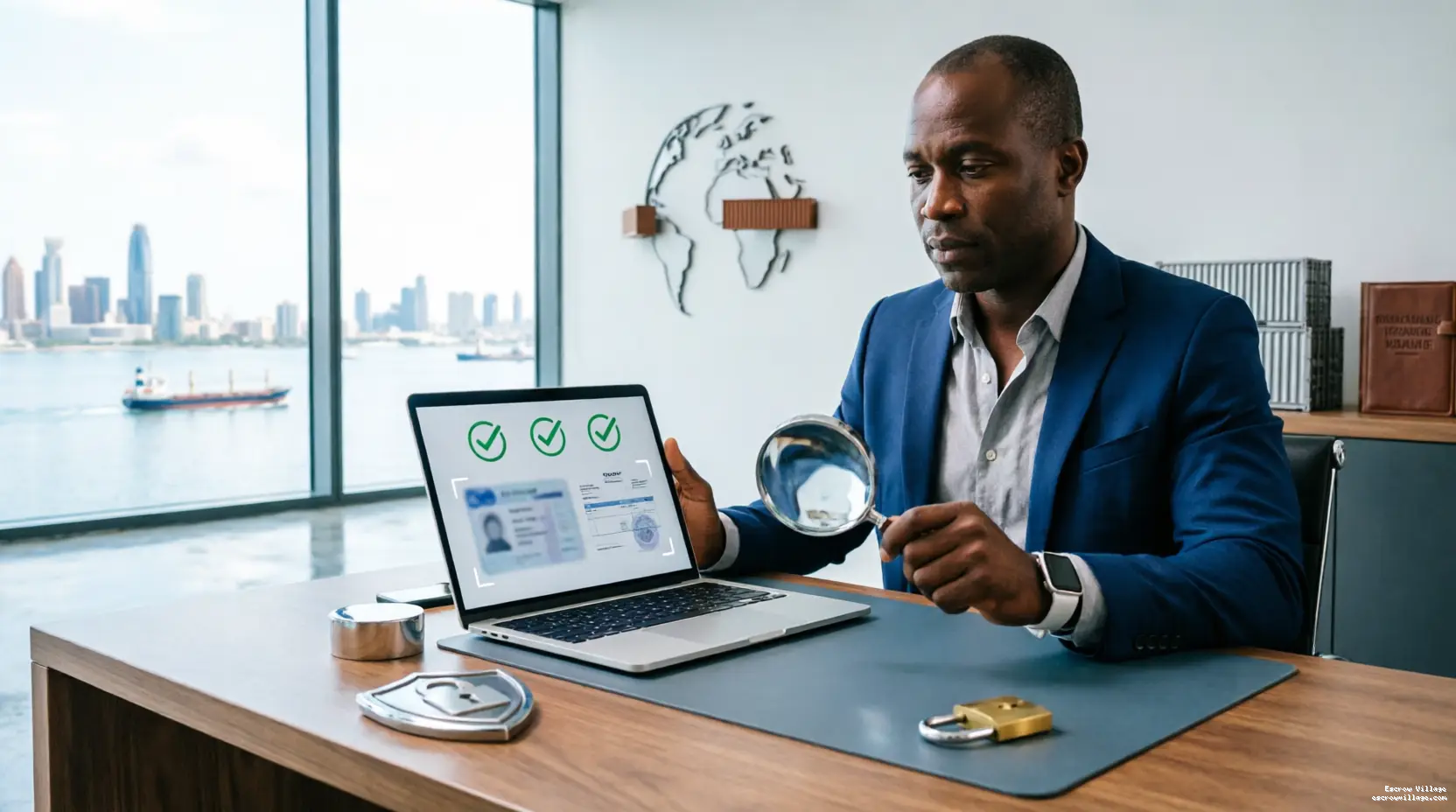
Here's what you should do: check your actual account balance and transaction history.
If necessary, contact your bank through its official channels.
Never release goods based on a screenshot alone.
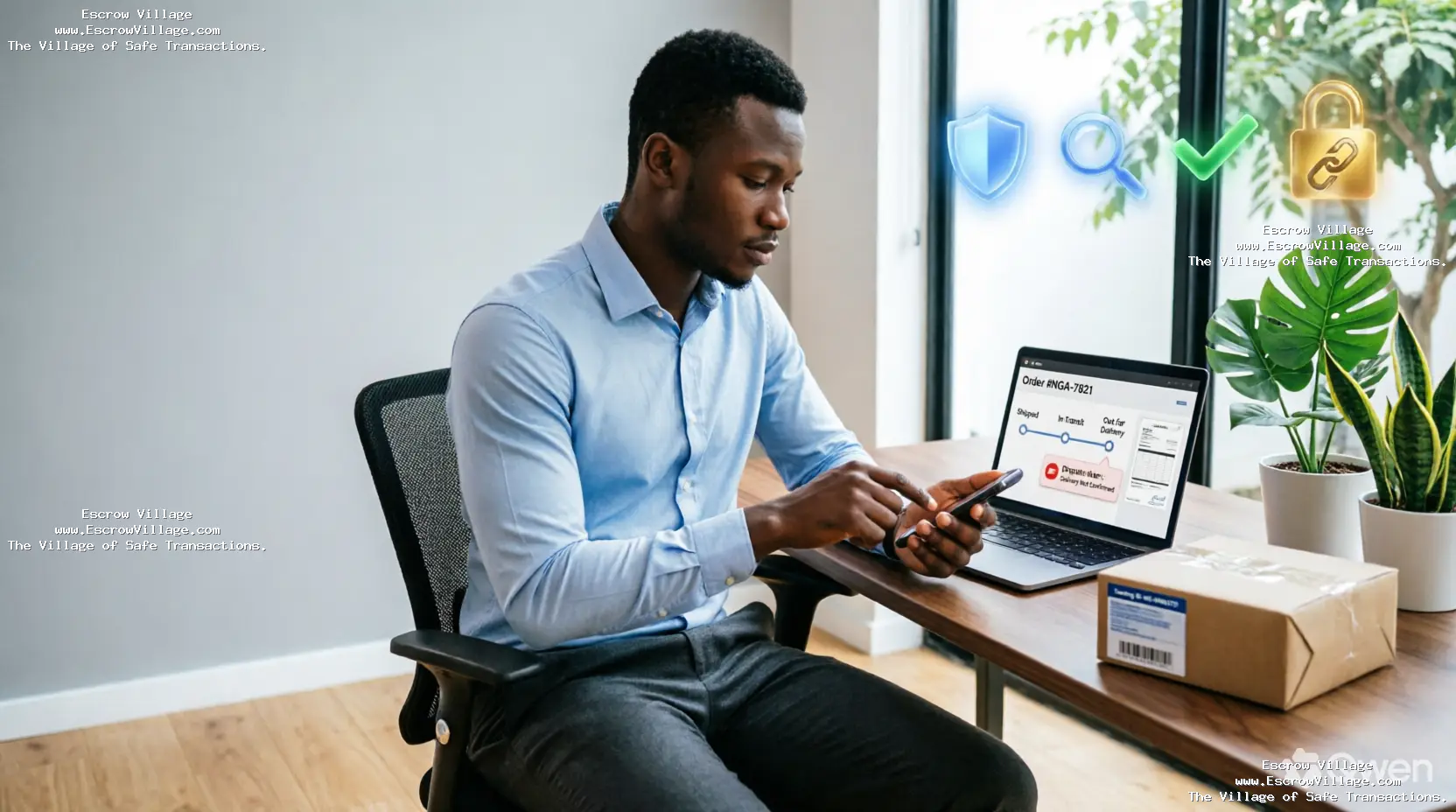
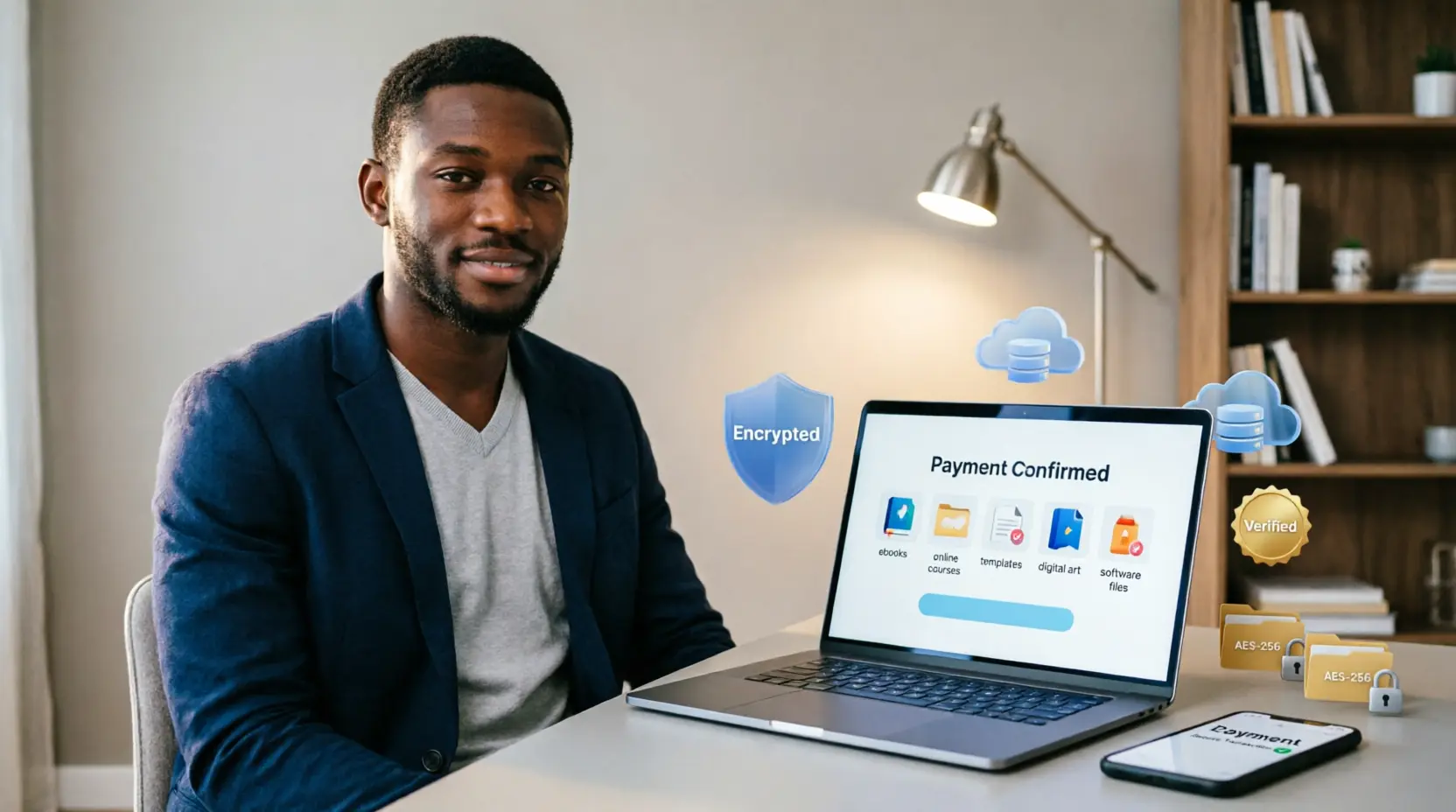
If you're using Escrow Village, follow the platform's actual payment and transaction status rather than relying on messages or receipts supplied by the buyer.
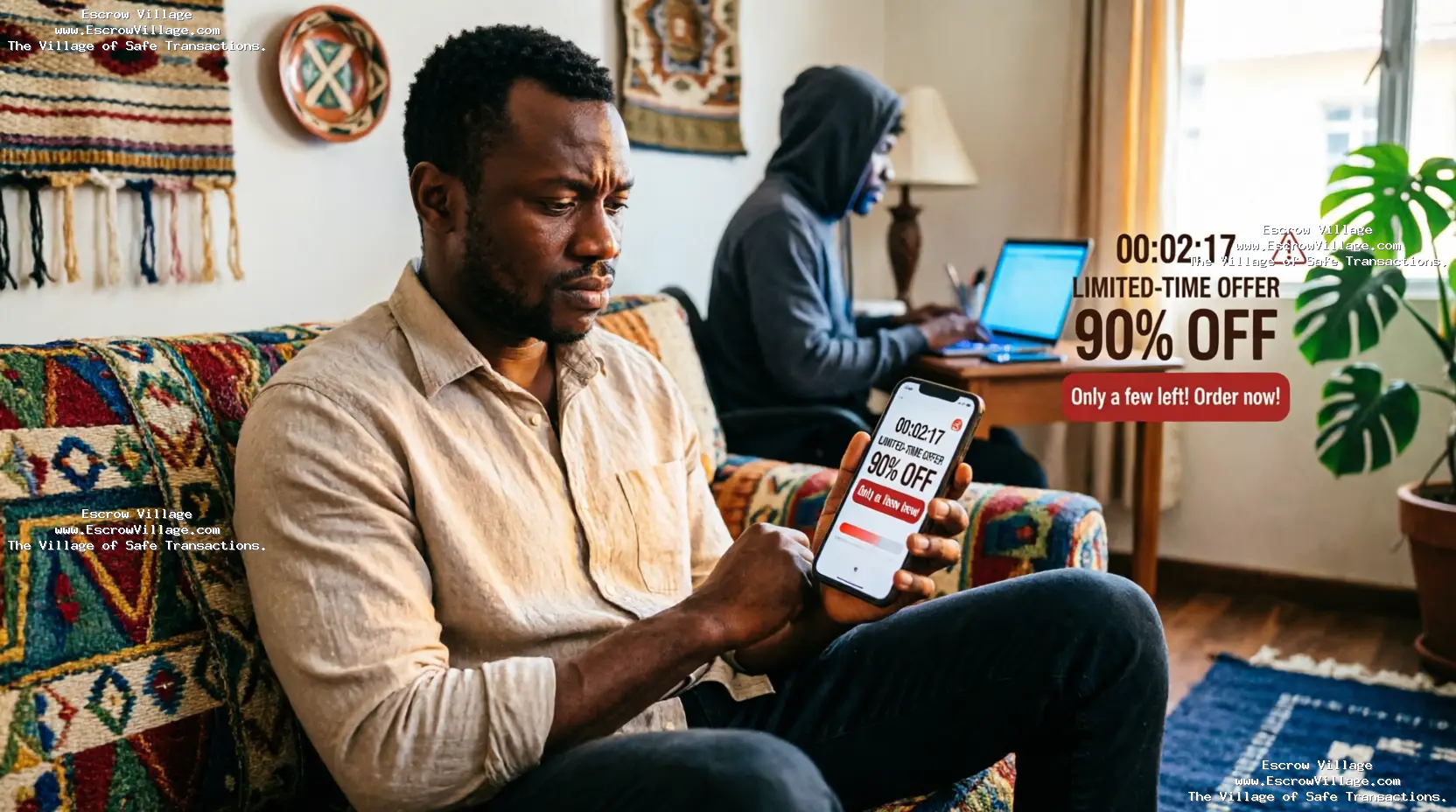
They might claim that their warehouse is waiting, their customers are expecting the products, or a shipping deadline is approaching.
Before releasing your goods, confirm that the agreed payment conditions have been met.
Also, understand who controls the shipping documents and when they should be released.
Depending on the shipping arrangement, documents may determine who can claim the goods.
Get professional advice on the appropriate export and shipping terms for your transaction.
Don't let a buyer's urgency push you into handing over goods or documents before you're ready.
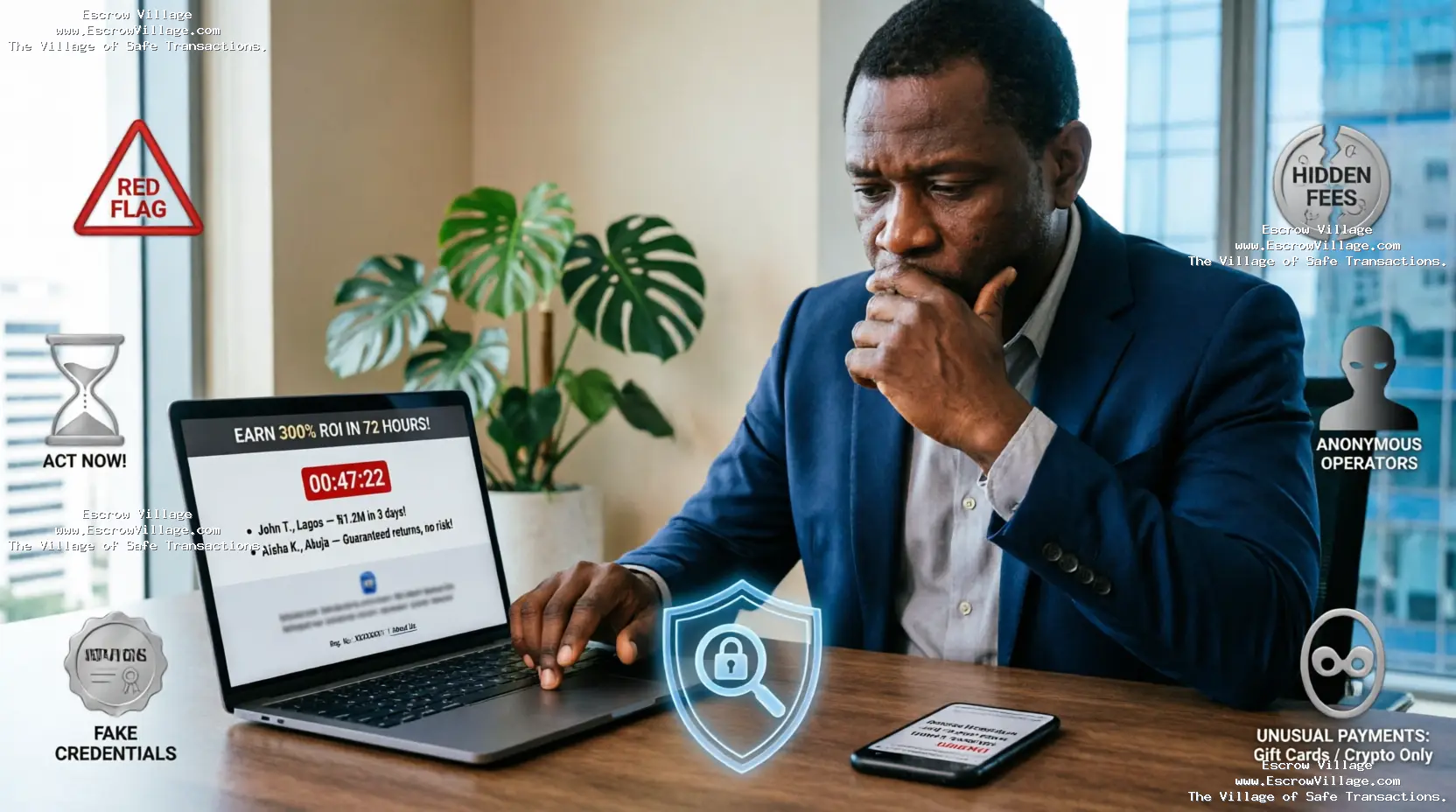
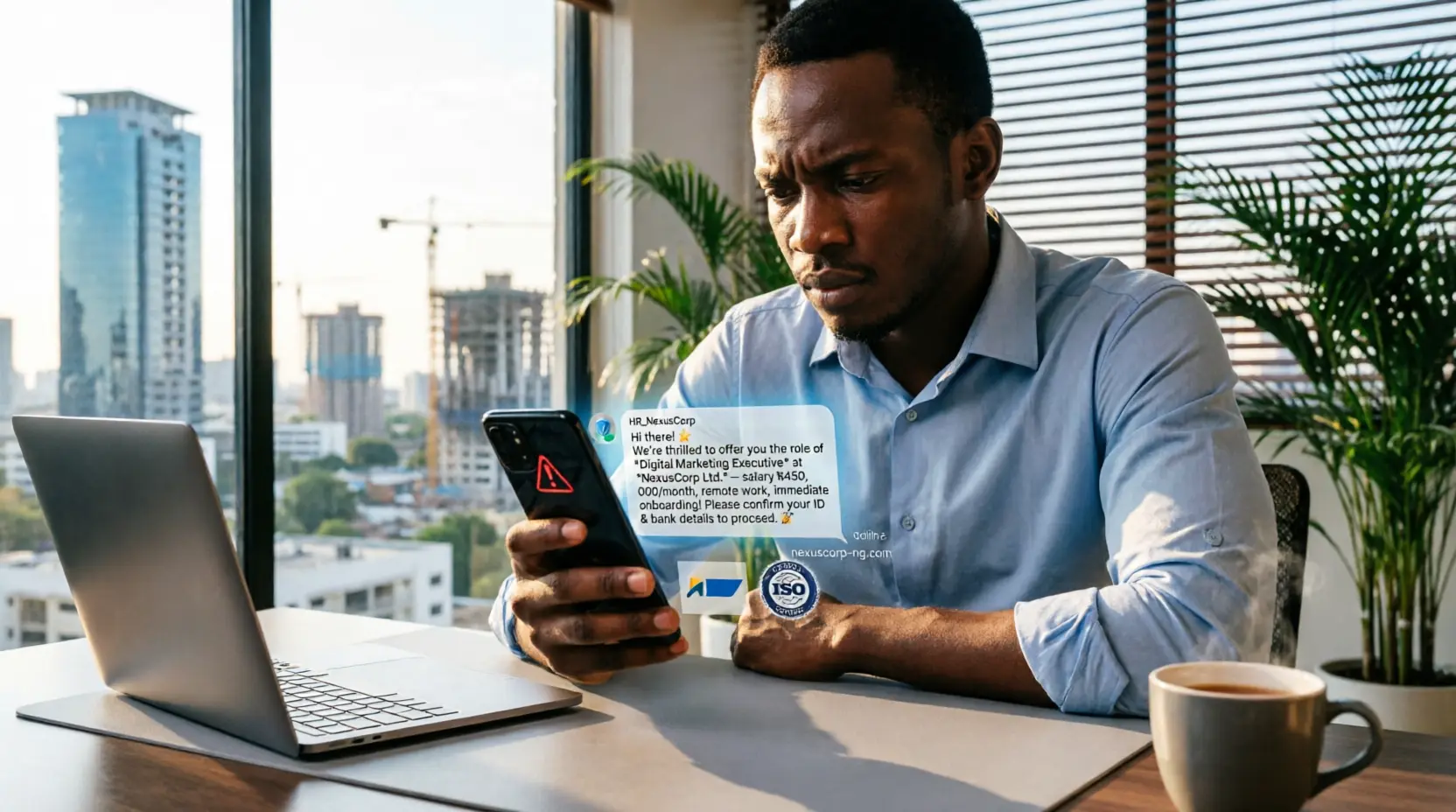
Imagine a buyer agrees to purchase your products but suddenly asks you to pay a registration fee, release charge, insurance deposit, or unexpected customs fee before they can send payment.
This could be an advance-fee scam.
Before paying any charge, independently confirm who requires it, why it's necessary, and whether it is legitimate.
Contact the relevant service provider through its official contact details.
Be especially cautious if the buyer directs you to pay an unfamiliar agent or promises to reimburse you later.
With Escrow Village, keep transaction terms clear and understand any legitimate fees before proceeding.
Never assume a payment request is safe simply because it is connected to a promising export deal.
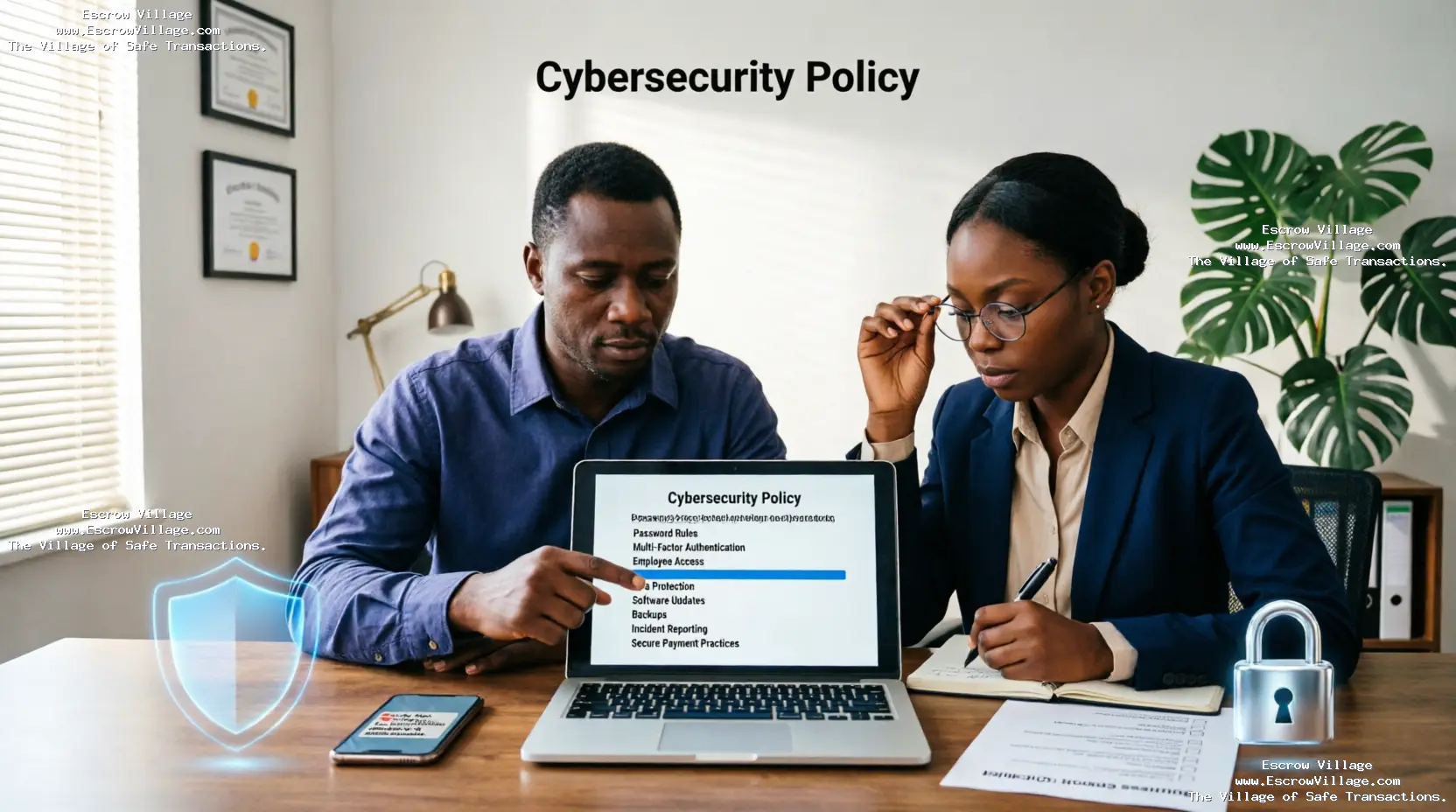
Create a written agreement covering:
Keep copies of invoices, messages, receipts, and shipping records.
If you use Escrow Village, ensure the agreed transaction conditions match the terms entered on the platform.
This makes expectations clearer and helps reduce misunderstandings.
Sometimes legitimate business arrangements change. But unexpected changes can also signal an attempted scam.
Pause the transaction and confirm the reason for the change through an independent communication channel.
Update your written agreement where necessary, and don't release goods until the new terms have been properly agreed upon.
If the transaction uses Escrow Village, follow the platform's procedures for handling changes rather than making informal arrangements outside the agreed transaction.
Losing money because a buyer fails to honour an agreement can put serious pressure on your business.
That's why payment arrangements deserve as much attention as finding customers.
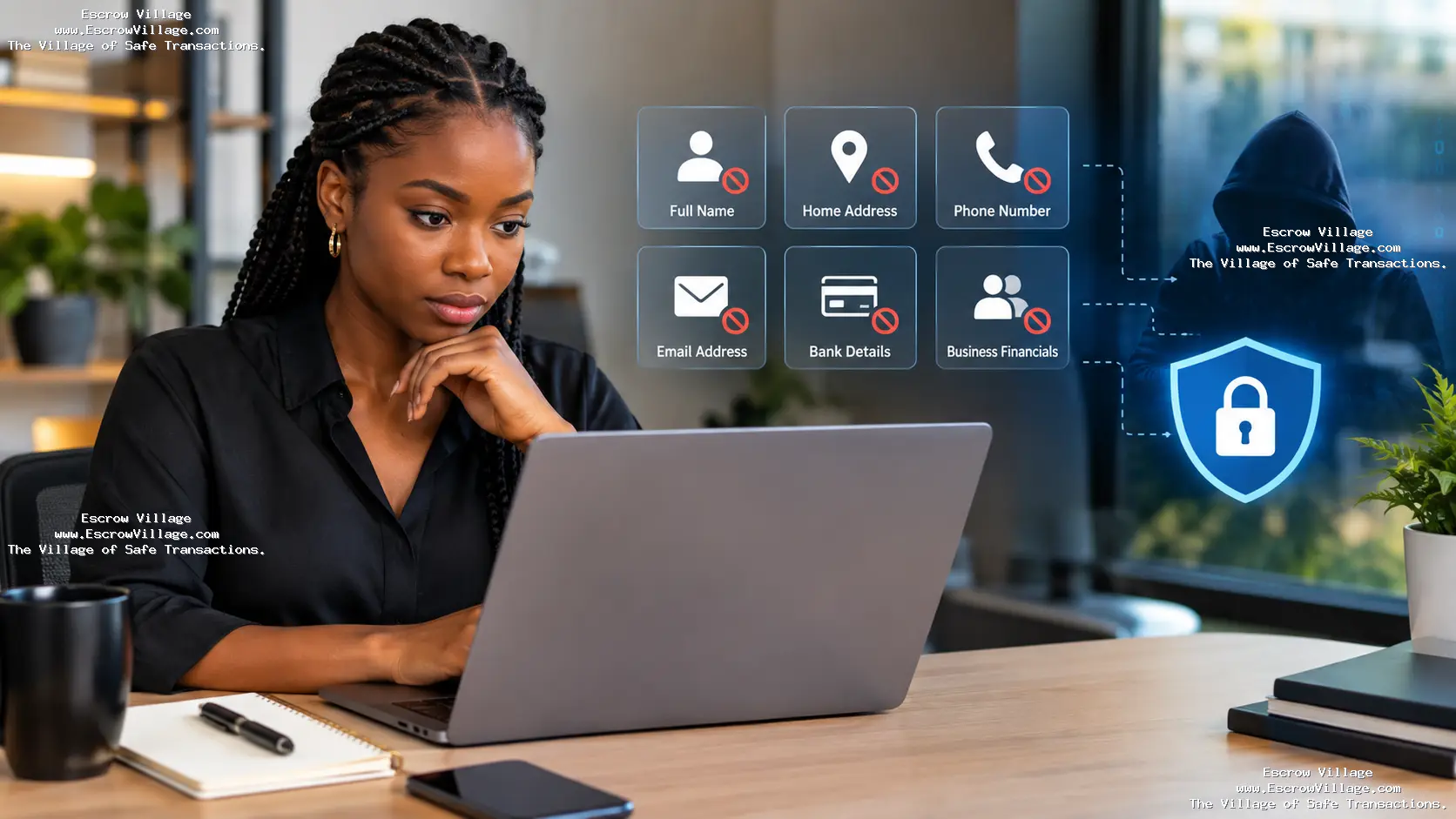
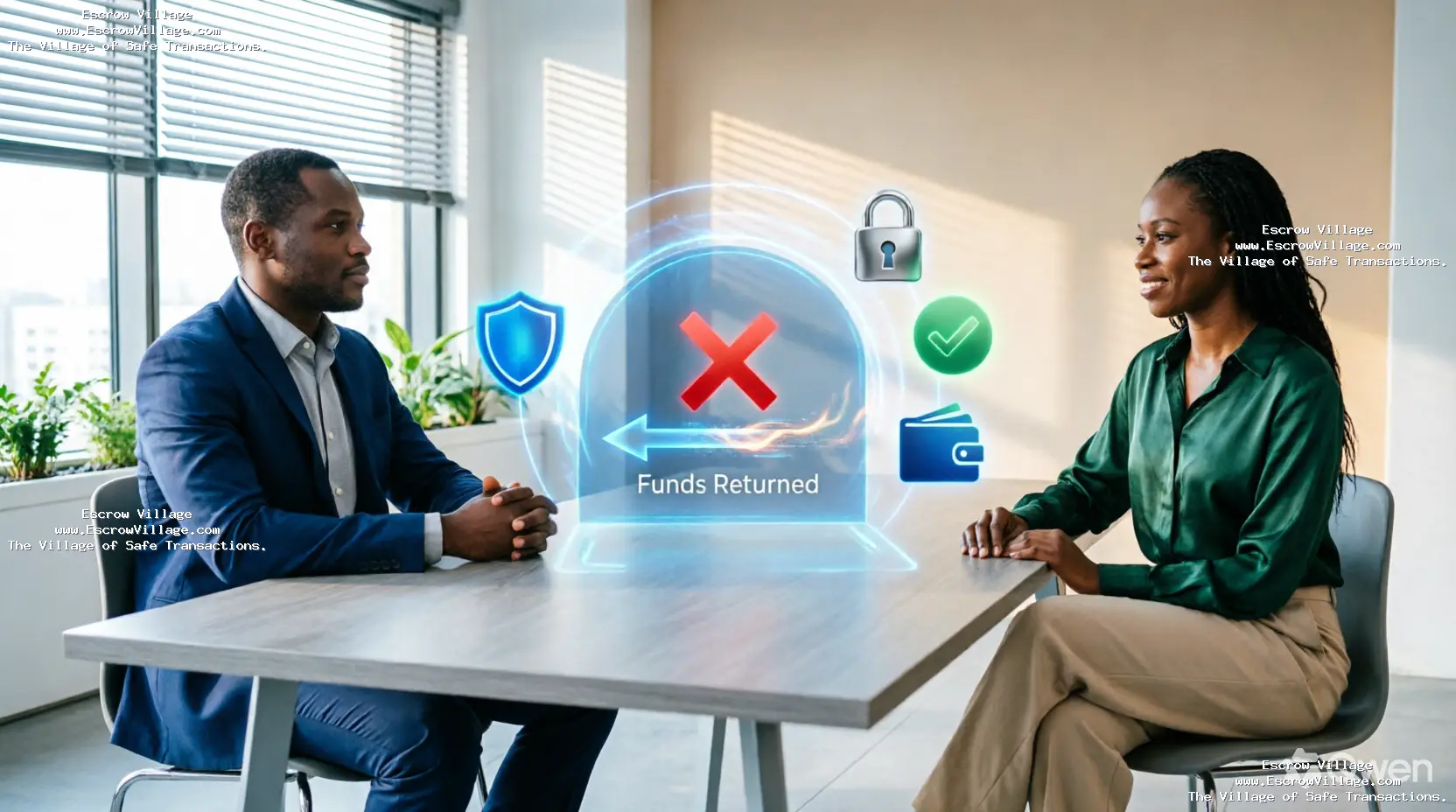
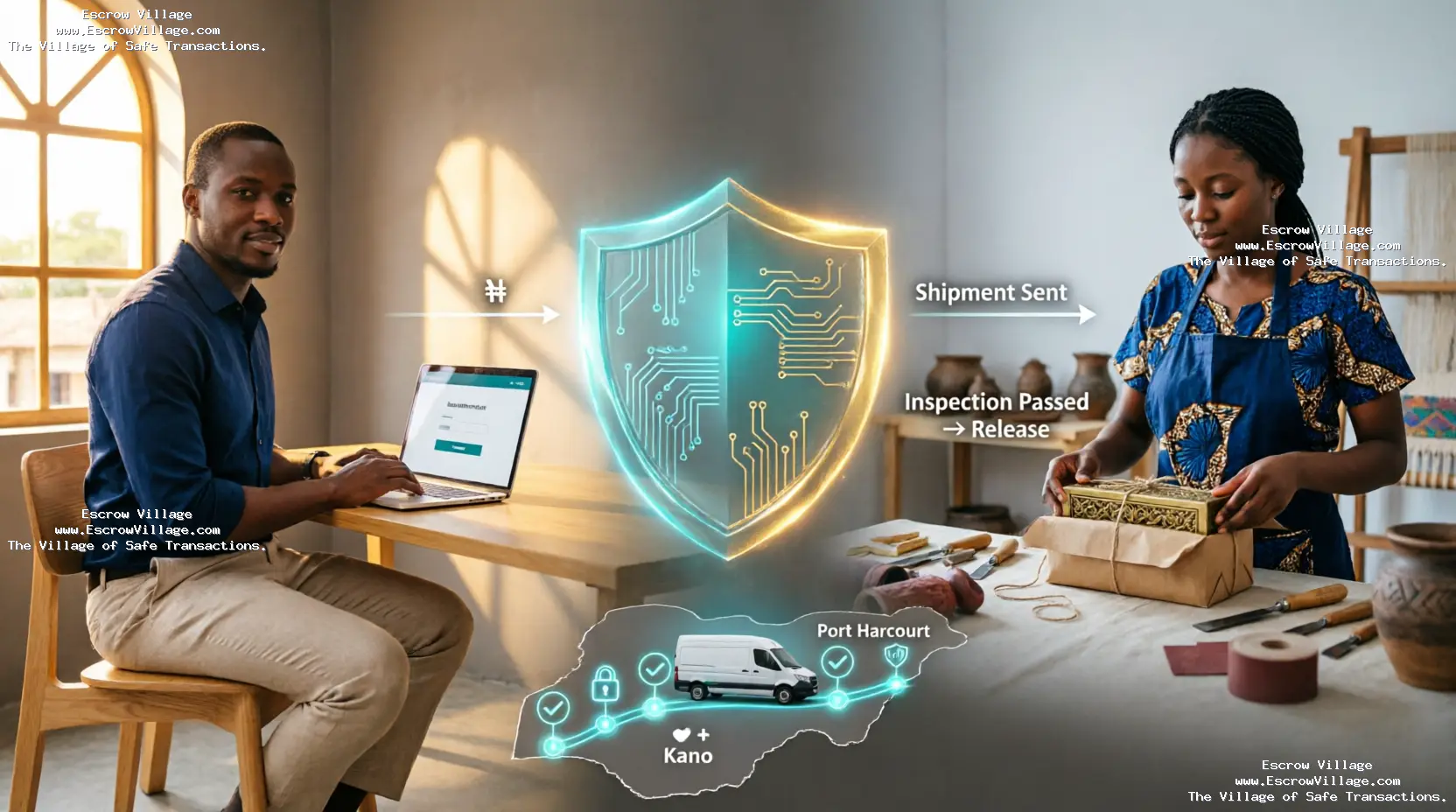
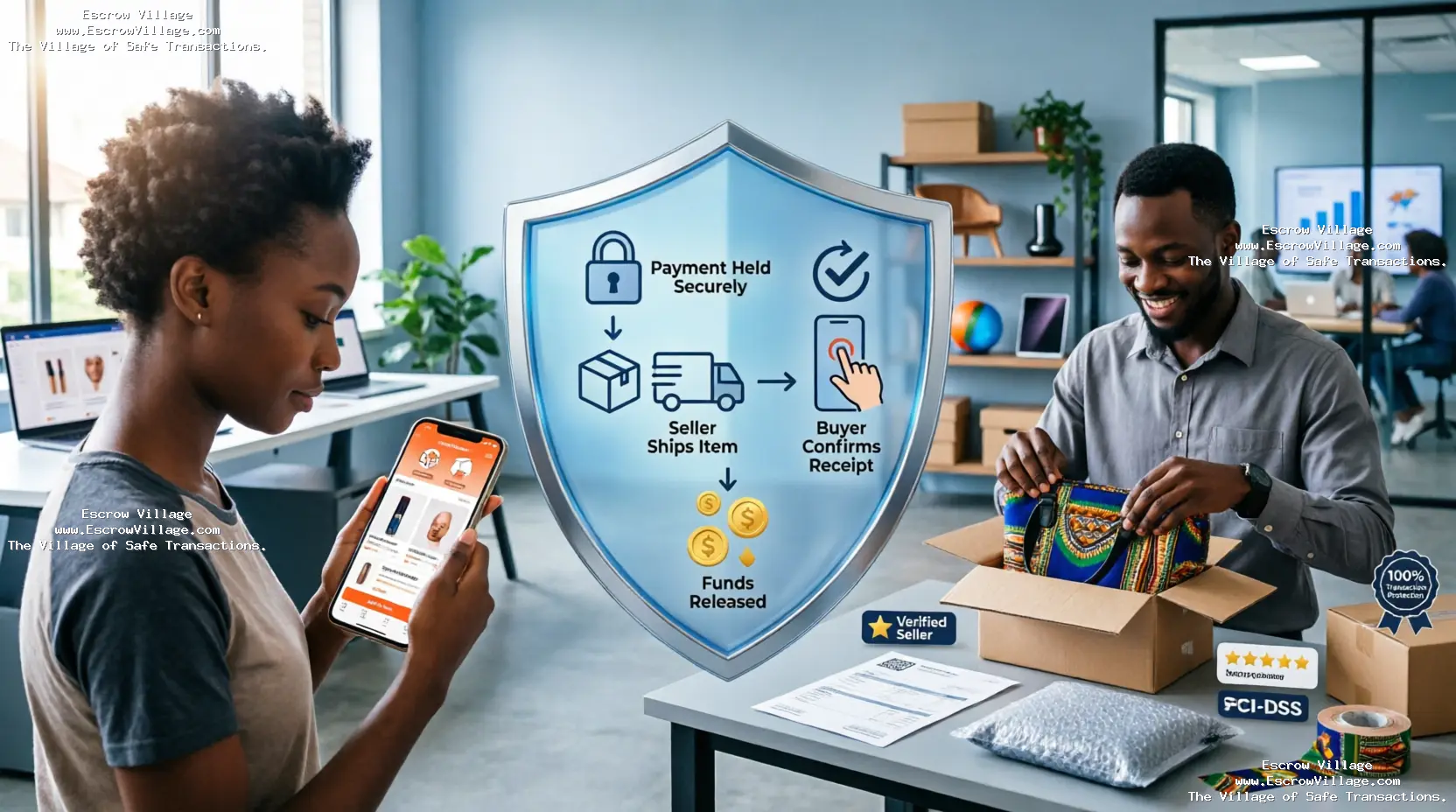
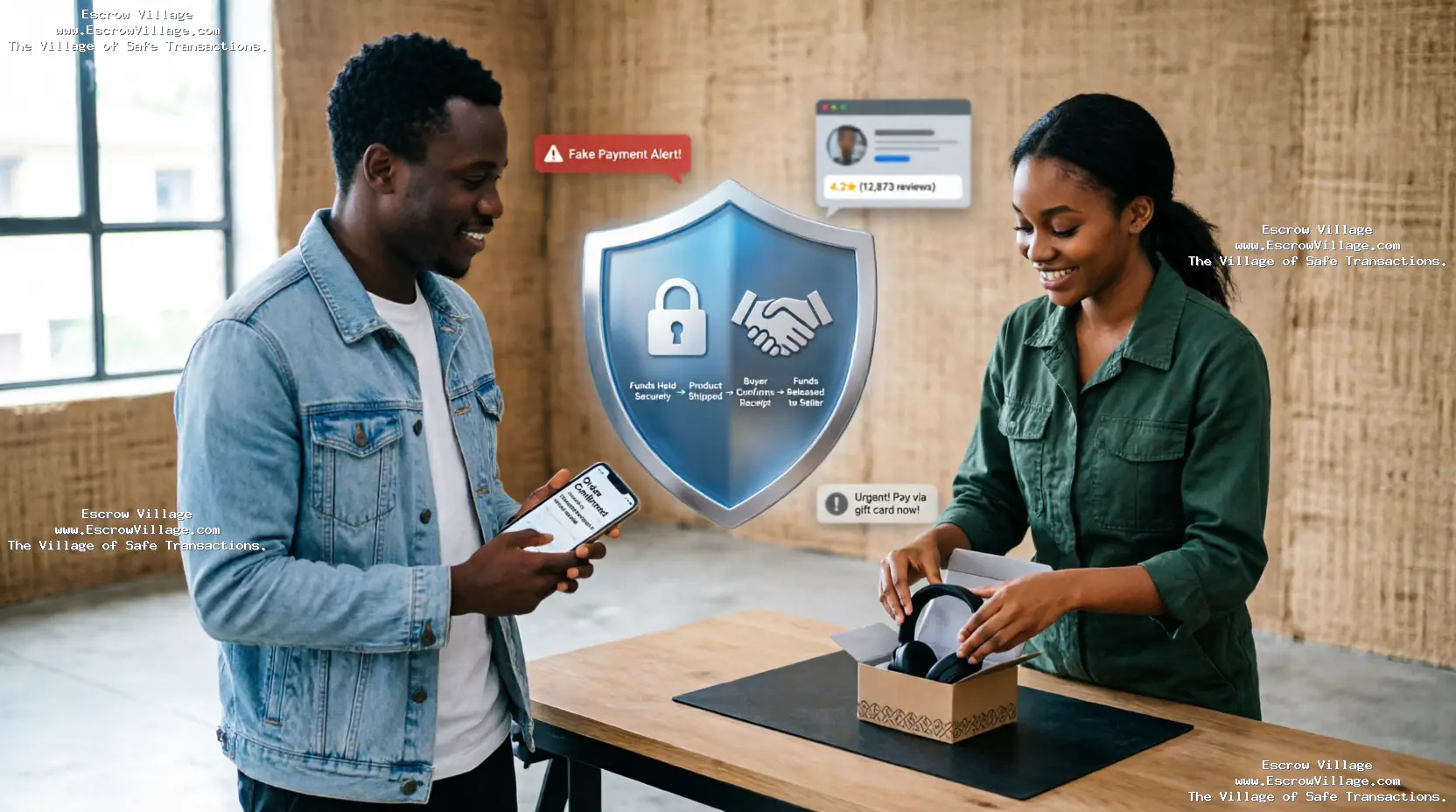
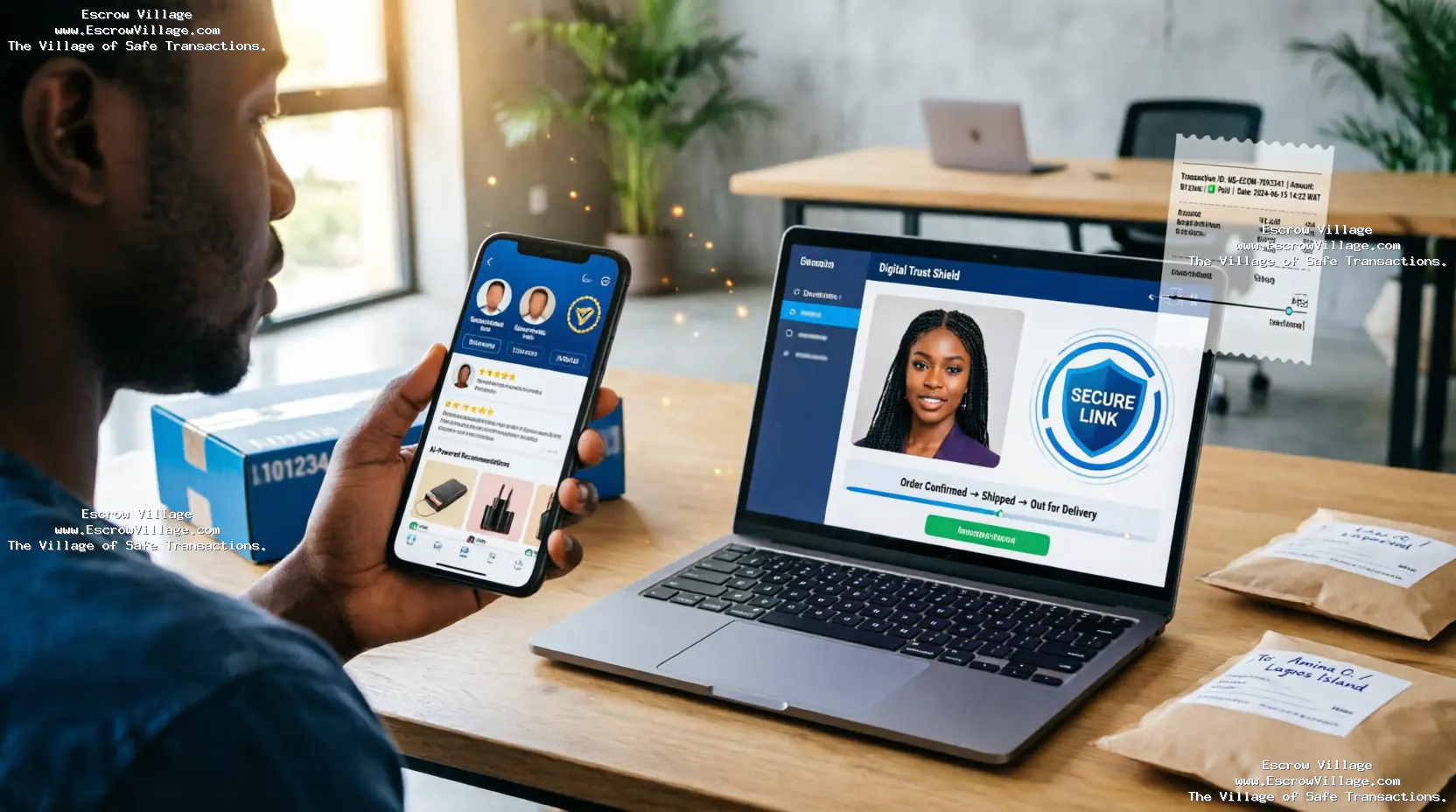
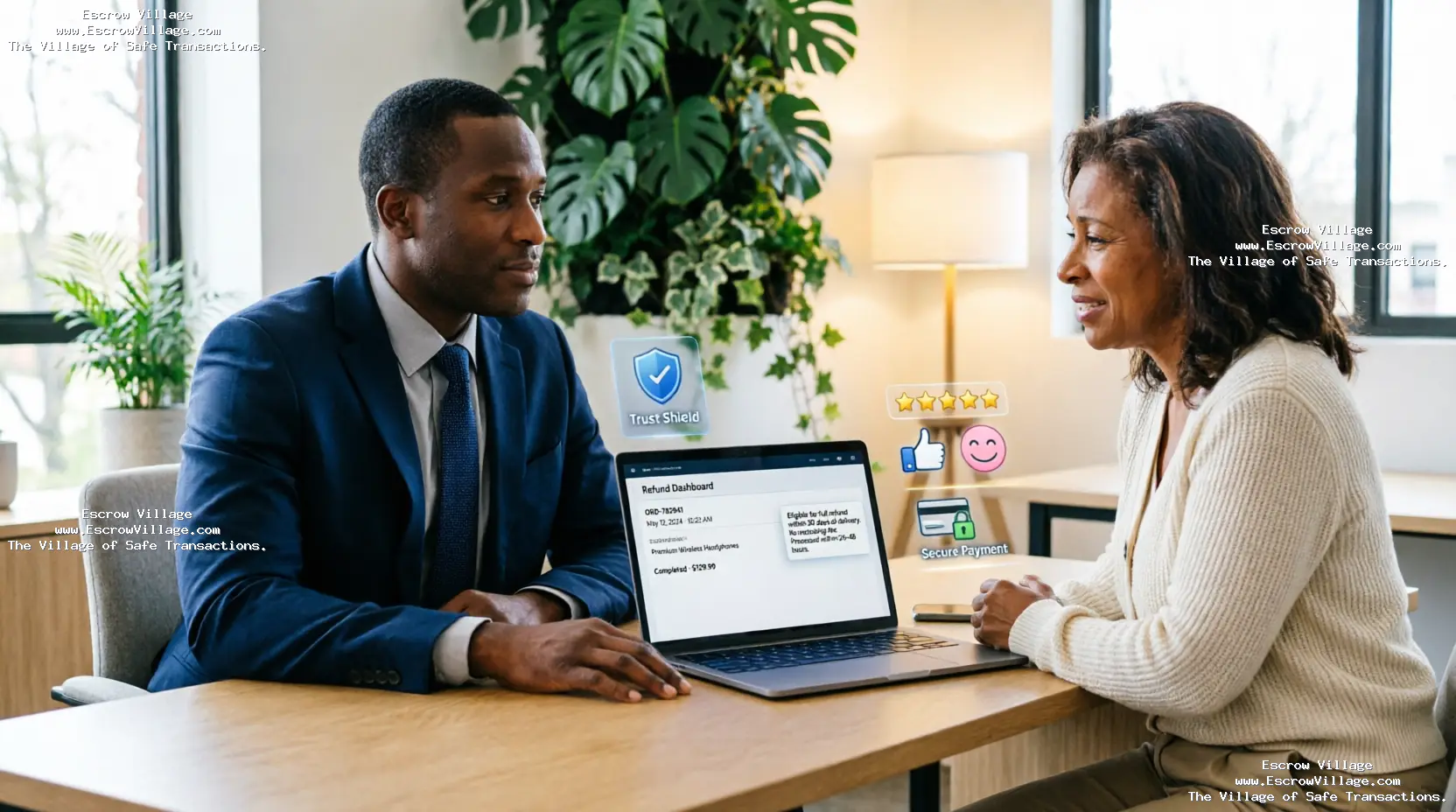
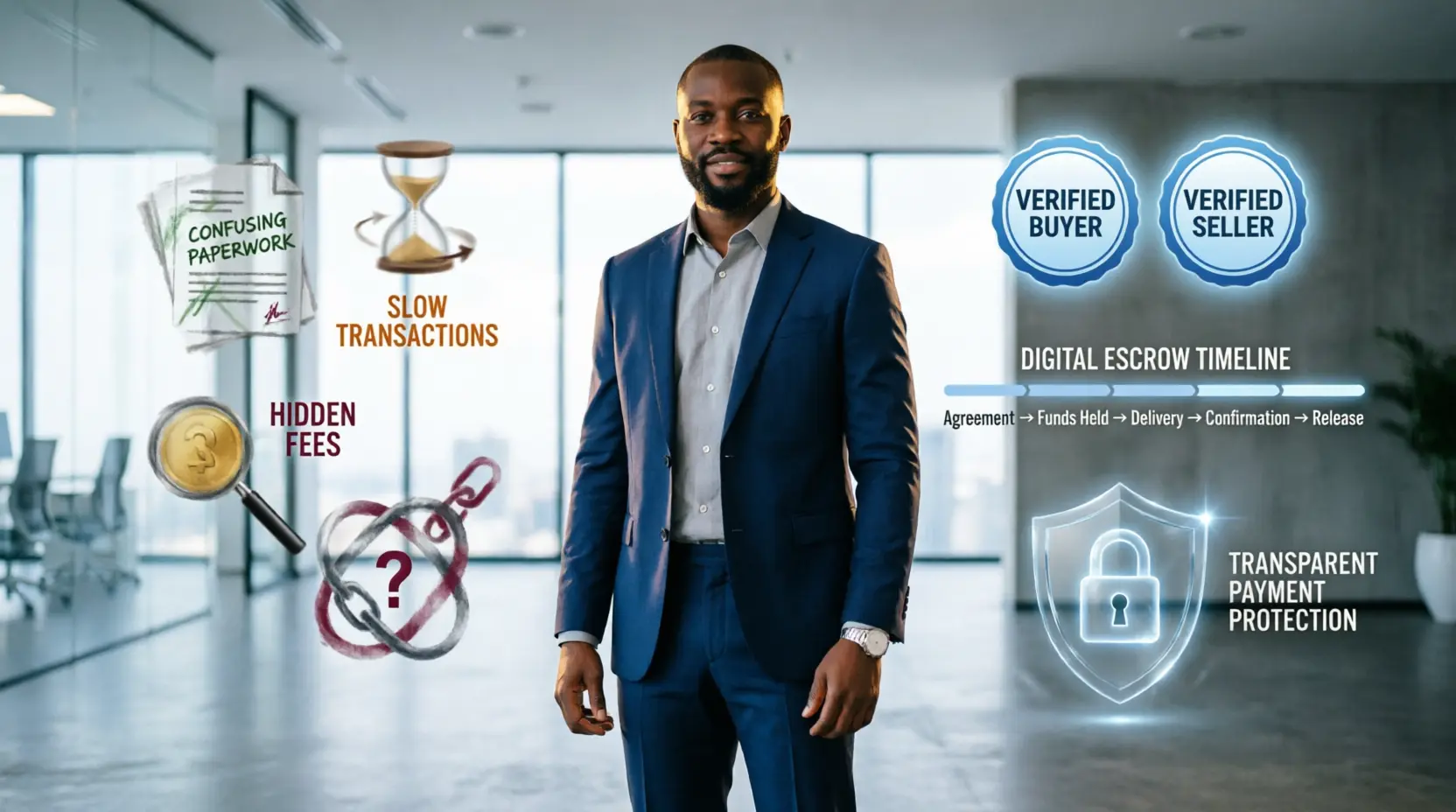
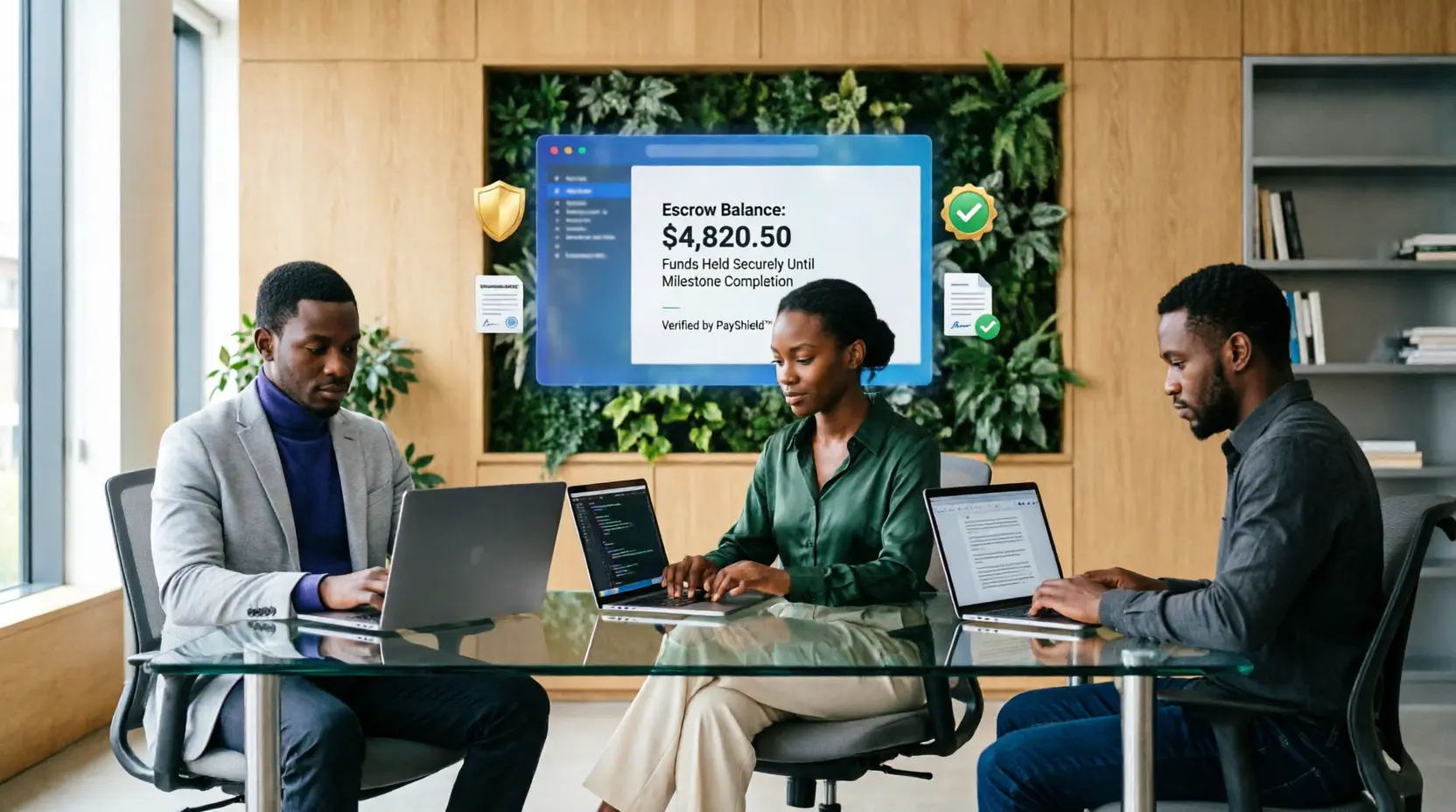
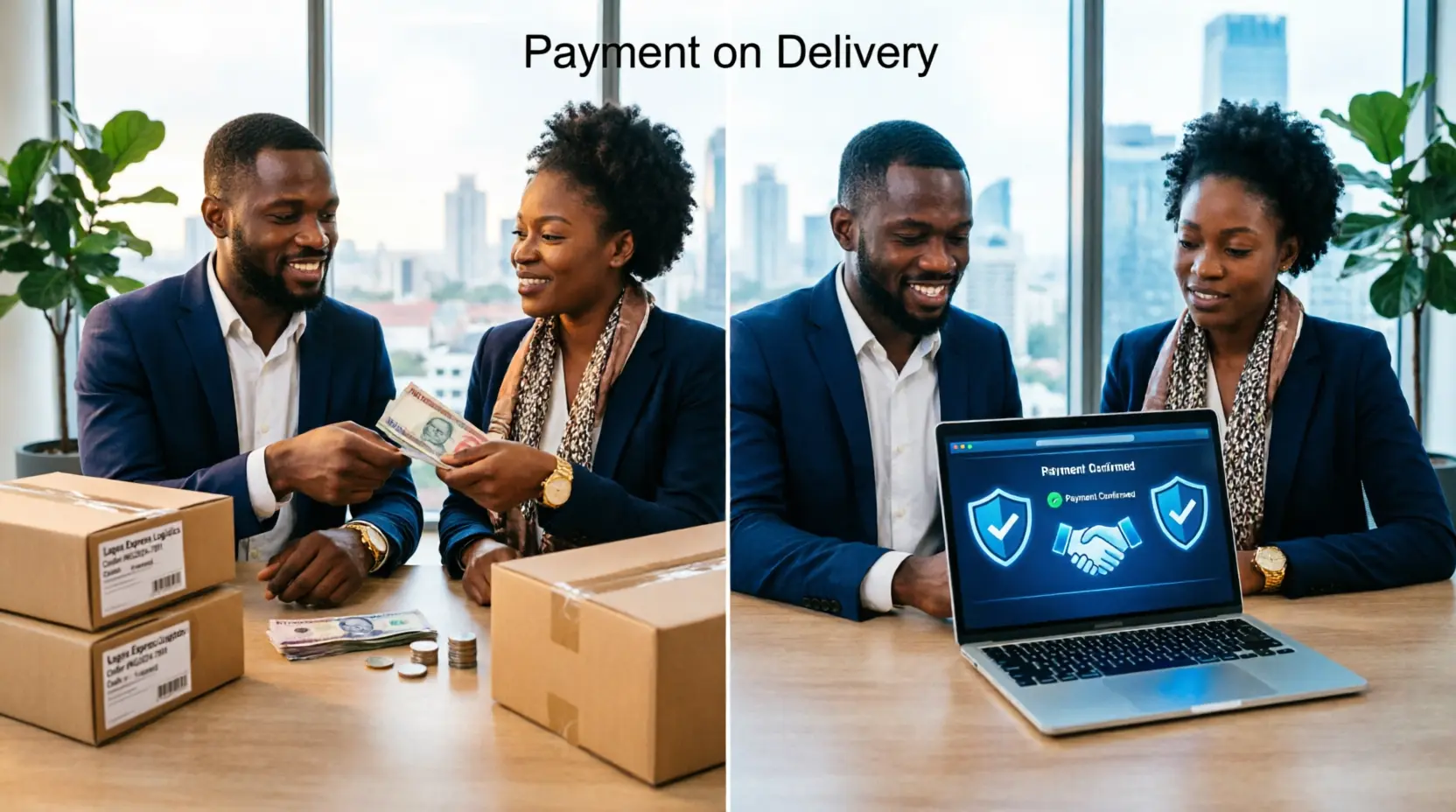
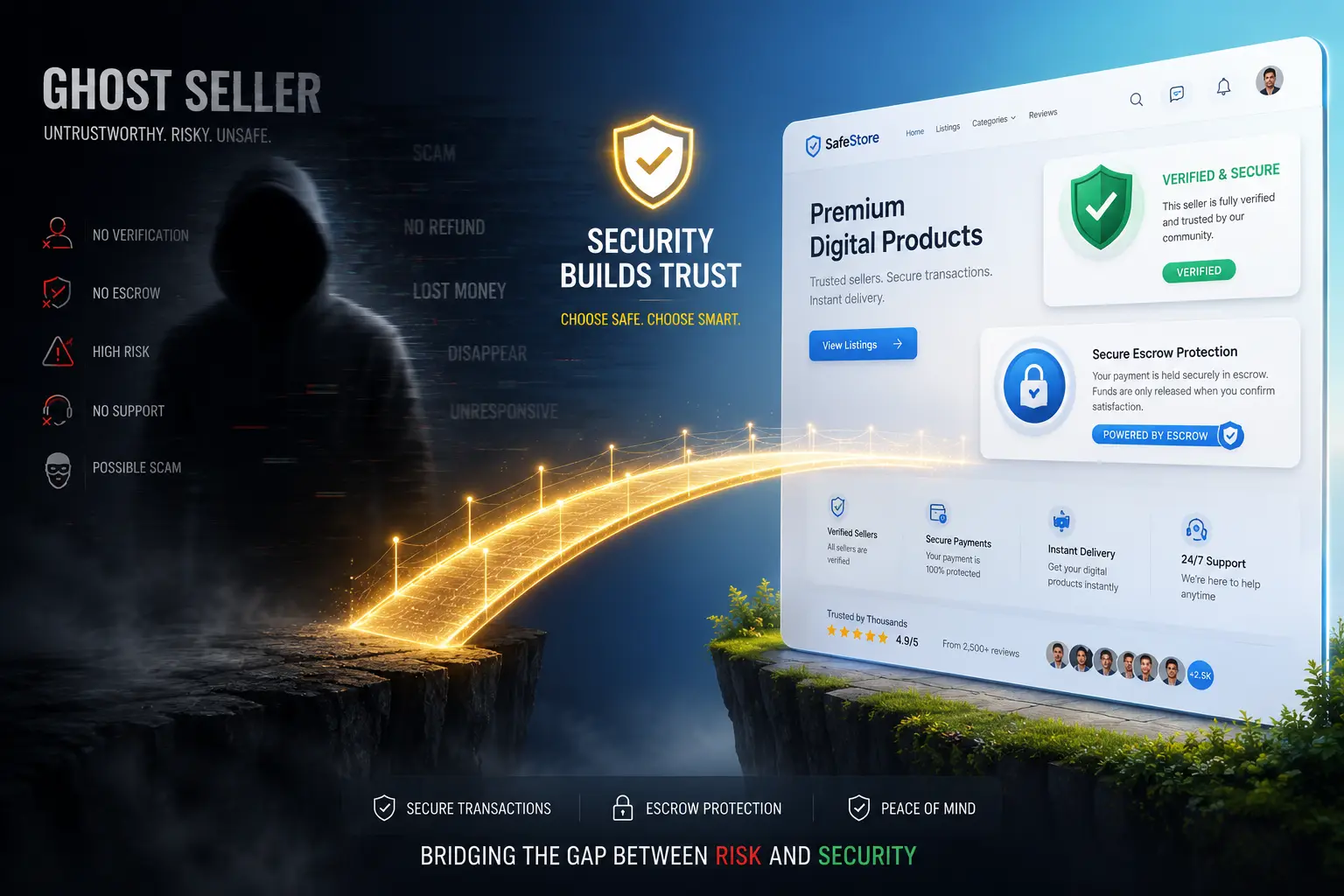
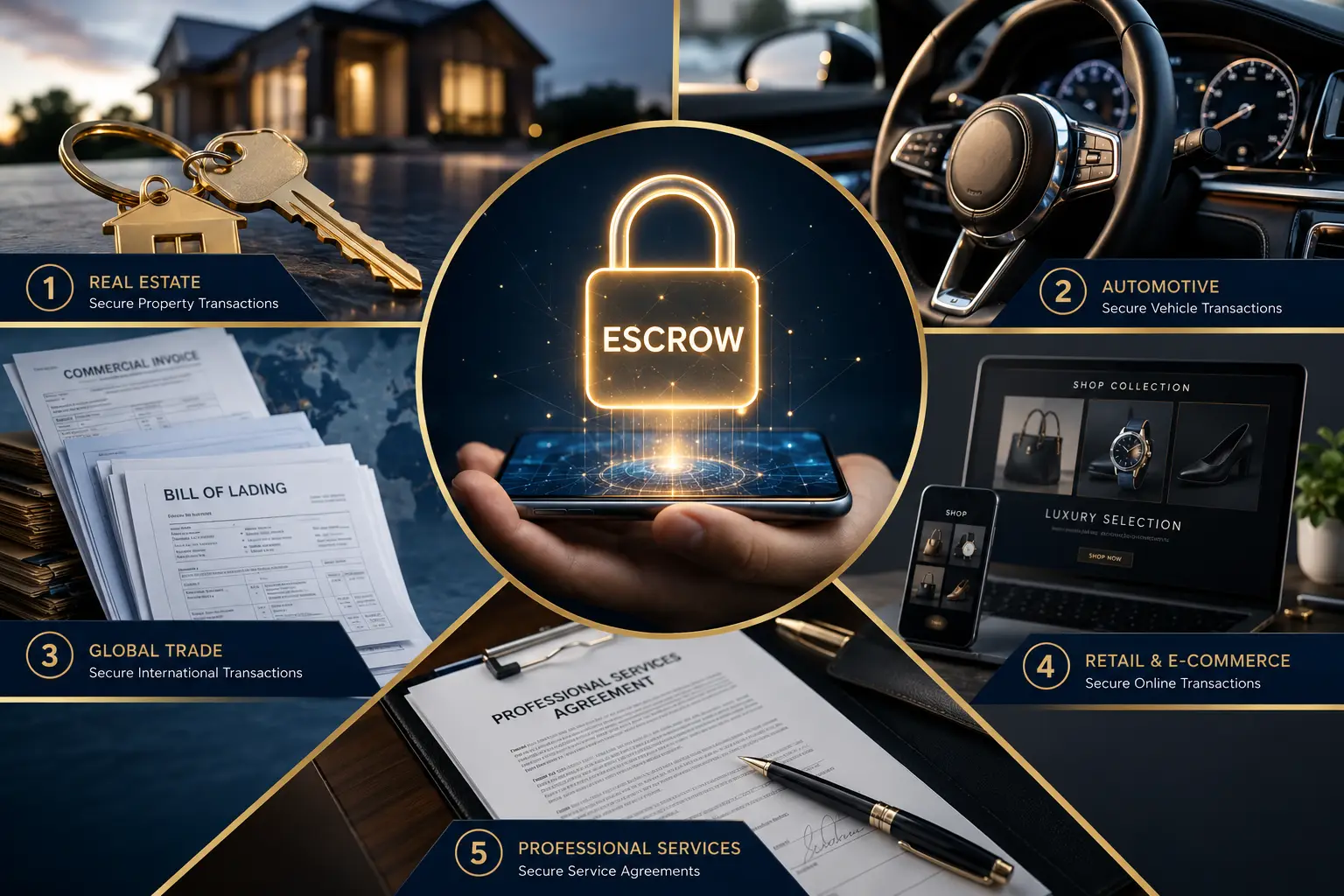
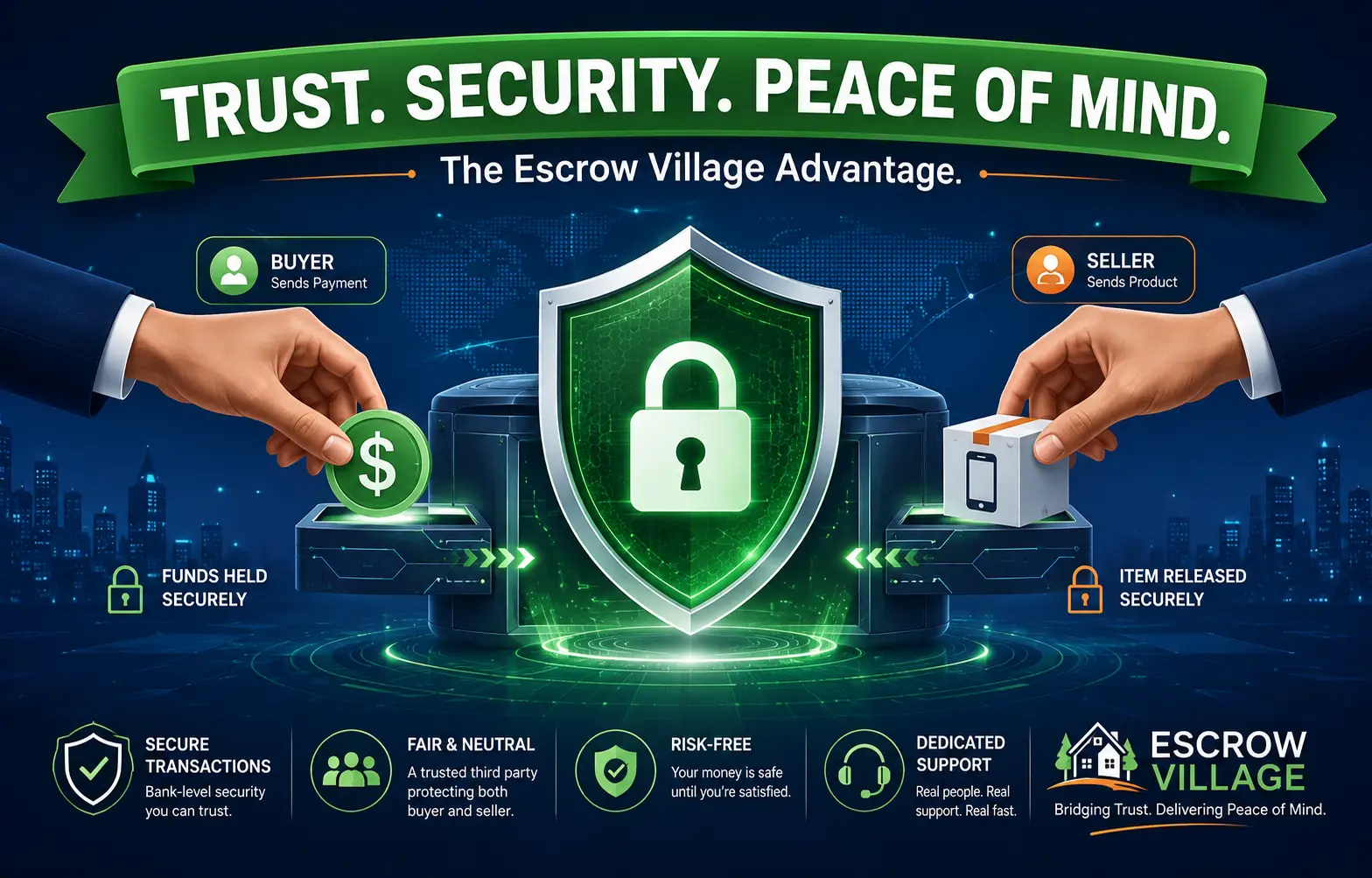
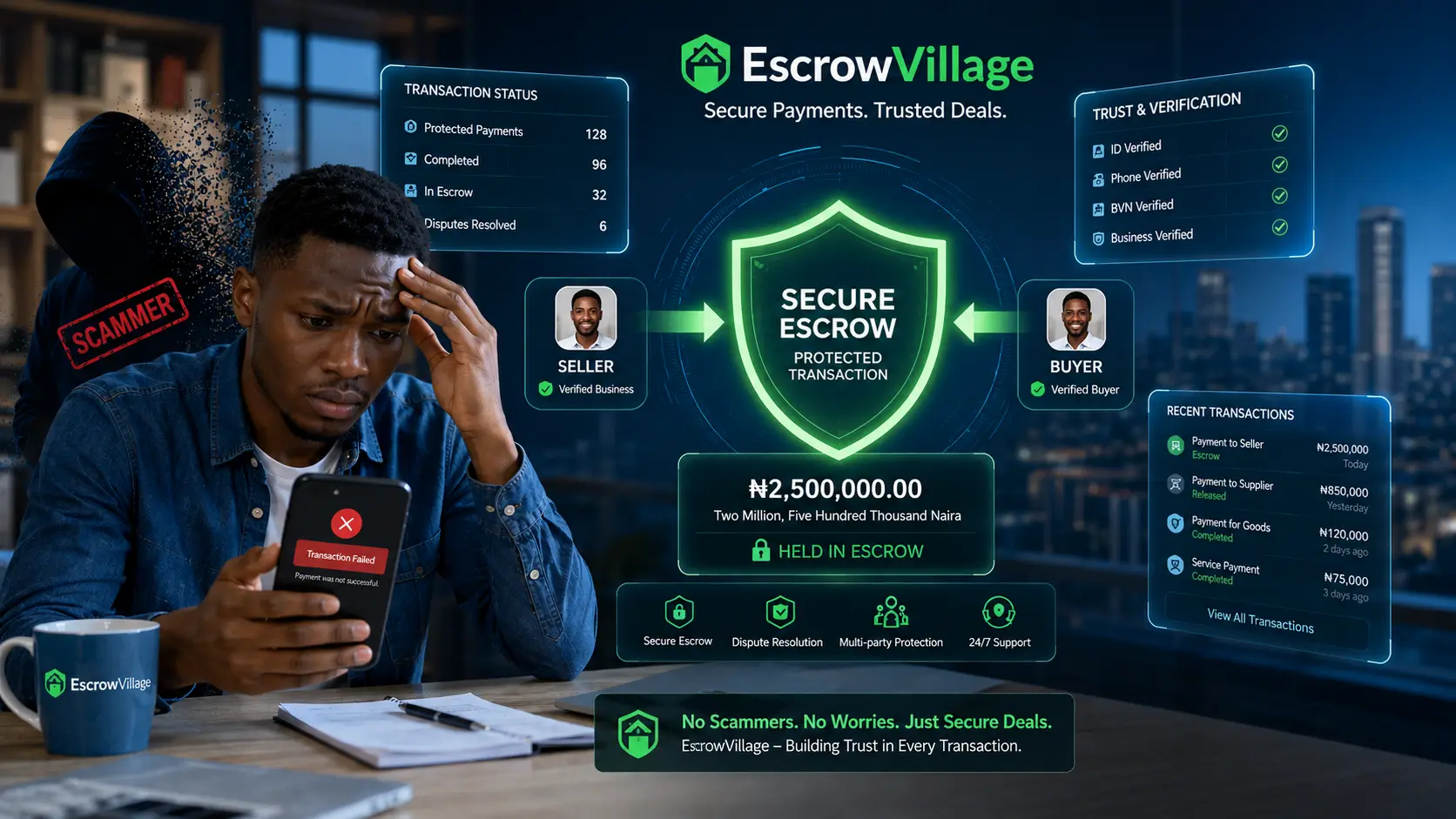
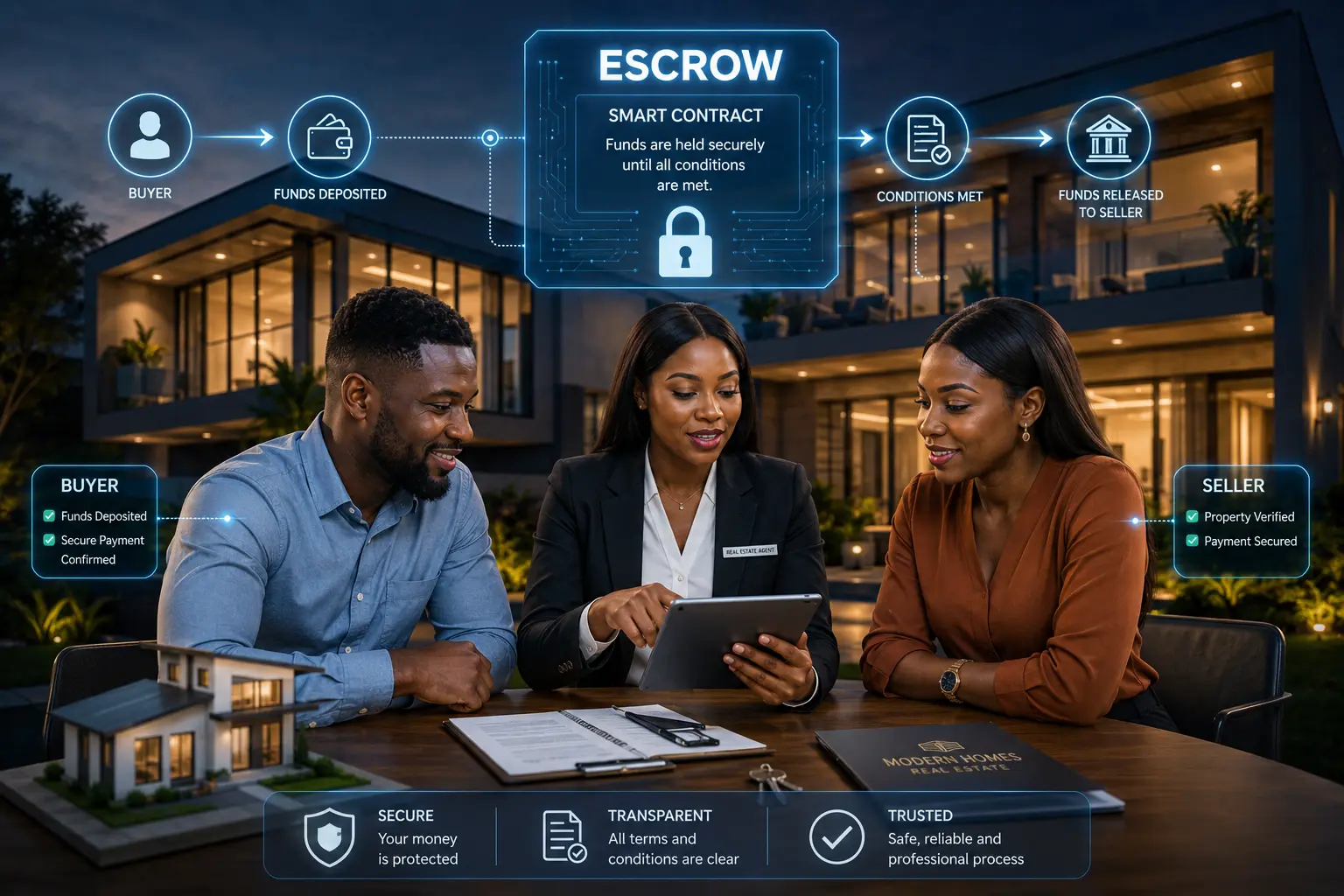
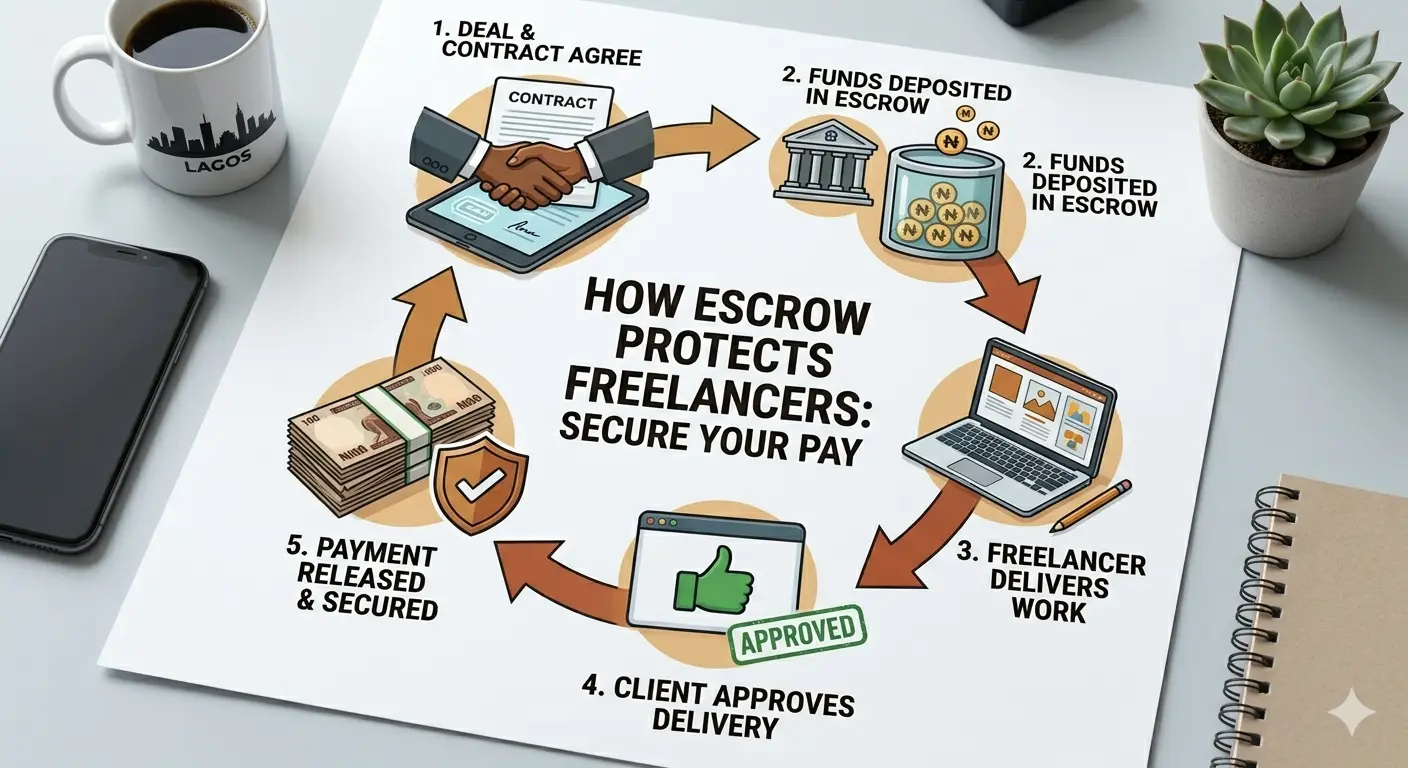
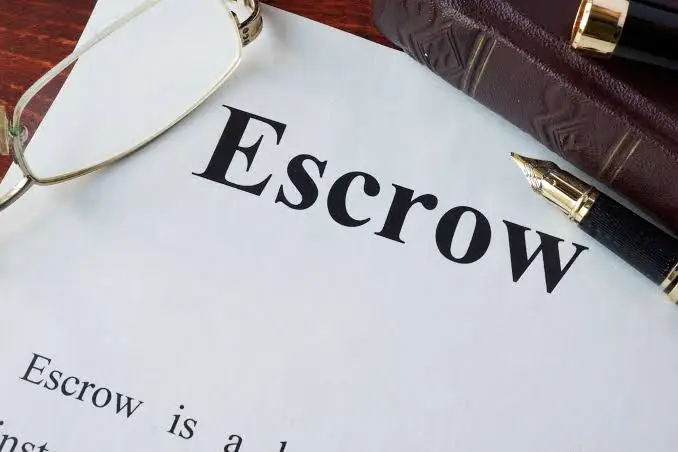
Escrow Village offers an escrow-based approach for eligible transactions, allowing funds to be handled according to agreed conditions rather than relying solely on a buyer's promise.
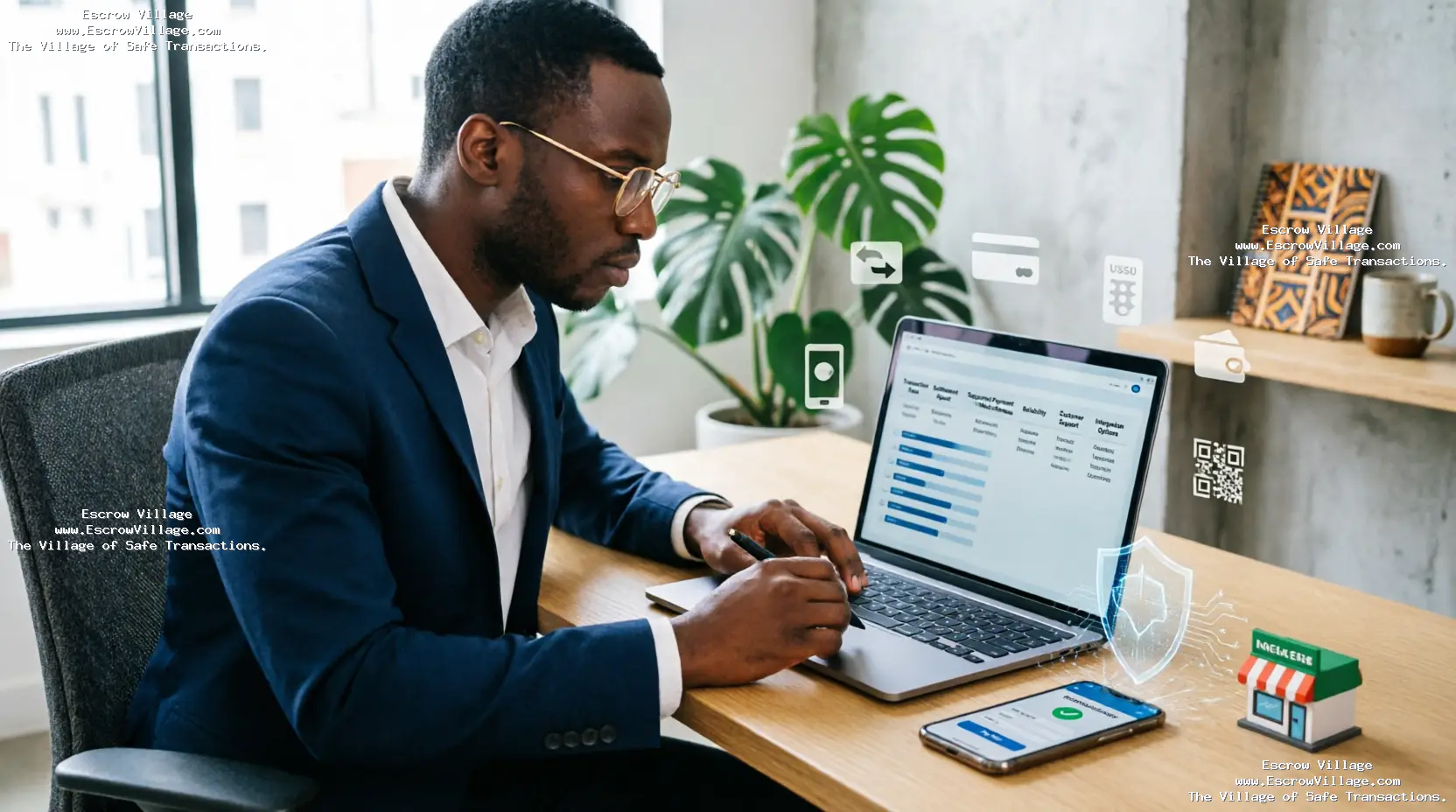
Before proceeding, confirm that your transaction is supported and understand the platform's fees, release conditions, and dispute process.
Escrow isn't a substitute for proper export documentation or shipping safeguards, but it can add another layer of protection when used appropriately.
Protecting your export business isn't just about finding genuine buyers.
It's also about setting payment terms, controlling when goods are released, documenting agreements, and refusing suspicious requests.
Before your next export deal, put your payment protection in place. Visit Escrow Village (https://escrowvillage.com) to explore how escrow can help make eligible transactions safer.
Don't let the excitement of a big order cost you the money you've worked hard to earn.
The price looks good, the buyer seems interested, and you're already thinking about how much the deal could earn your business.
But there's one problem: what if the buyer isn't planning to pay you?
Fake buyers can cause exporters to lose money through unpaid orders, fake payment confirmations, disputed deliveries, and unexpected charges.
The tricky part is that some scams don't become obvious until you've already shipped the goods.
So, how can you protect your business?
Here are practical steps you can take before, during, and after an export transaction, with Escrow Village as an option for safer payments.
- 1. Don't Let a Large Order Dictate Your Payment Terms
However, a large order shouldn't automatically earn them special payment privileges.
Avoid agreeing to payment terms that leave your business carrying all the risk.
For new buyers, consider smaller trial orders or a payment structure that protects you before production or shipment begins.
If a buyer insists that you produce and ship everything before paying, ask yourself what happens if they disappear.
With Escrow Village, you can explore escrow-based payment protection for eligible transactions, with funds handled according to agreed conditions.
Discuss the terms before committing to the deal.
- 2. Never Treat a Payment Screenshot as Proof
The buyer might claim that the money is pending, delayed, or already on its way.
They may even send a convincing screenshot showing the supposed transaction.
Here's what you should do: check your actual account balance and transaction history.
If necessary, contact your bank through its official channels.
Never release goods based on a screenshot alone.
If you're using Escrow Village, follow the platform's actual payment and transaction status rather than relying on messages or receipts supplied by the buyer.
- 3. Separate Shipping Decisions From Payment Pressure
They might claim that their warehouse is waiting, their customers are expecting the products, or a shipping deadline is approaching.
Before releasing your goods, confirm that the agreed payment conditions have been met.
Also, understand who controls the shipping documents and when they should be released.
Depending on the shipping arrangement, documents may determine who can claim the goods.
Get professional advice on the appropriate export and shipping terms for your transaction.
Don't let a buyer's urgency push you into handing over goods or documents before you're ready.
- 4. Watch Out for Buyers Who Introduce Strange Charges
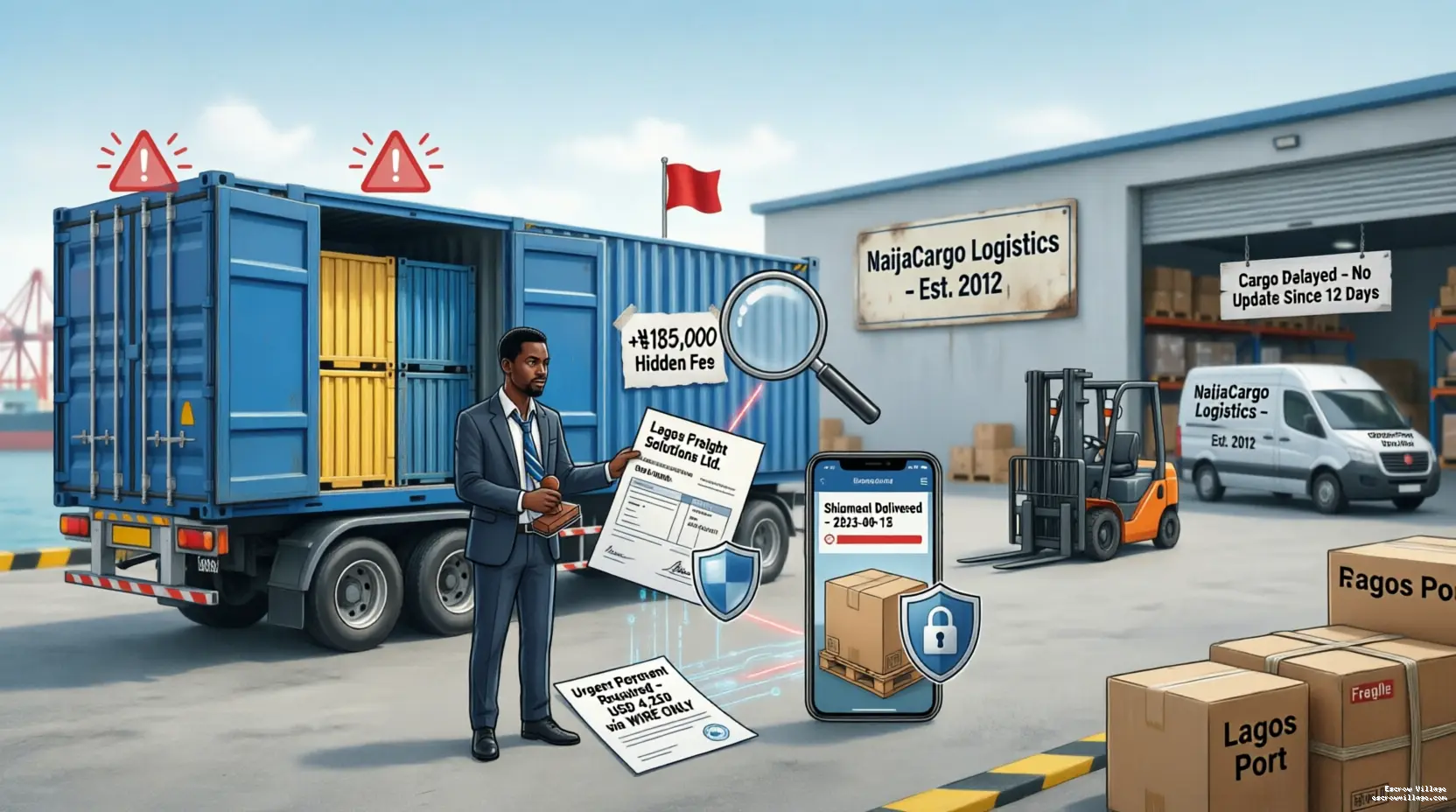
Imagine a buyer agrees to purchase your products but suddenly asks you to pay a registration fee, release charge, insurance deposit, or unexpected customs fee before they can send payment.
This could be an advance-fee scam.
Before paying any charge, independently confirm who requires it, why it's necessary, and whether it is legitimate.
Contact the relevant service provider through its official contact details.
Be especially cautious if the buyer directs you to pay an unfamiliar agent or promises to reimburse you later.
With Escrow Village, keep transaction terms clear and understand any legitimate fees before proceeding.
Never assume a payment request is safe simply because it is connected to a promising export deal.
- 5. Put Every Promise Into a Written Agreement
Create a written agreement covering:
- - Product specifications and quantity.
- - Total price and payment currency.
- - Payment deadlines and release conditions.
- - Shipping responsibilities and delivery terms.
- - What happens if goods are rejected, damaged, or disputed.
Keep copies of invoices, messages, receipts, and shipping records.
If you use Escrow Village, ensure the agreed transaction conditions match the terms entered on the platform.
This makes expectations clearer and helps reduce misunderstandings.
- 6. Don't Ignore Sudden Changes to the Deal
Sometimes legitimate business arrangements change. But unexpected changes can also signal an attempted scam.
Pause the transaction and confirm the reason for the change through an independent communication channel.
Update your written agreement where necessary, and don't release goods until the new terms have been properly agreed upon.
If the transaction uses Escrow Village, follow the platform's procedures for handling changes rather than making informal arrangements outside the agreed transaction.
- 7. Use Escrow Village to Add Payment Protection
Losing money because a buyer fails to honour an agreement can put serious pressure on your business.
That's why payment arrangements deserve as much attention as finding customers.
Escrow Village offers an escrow-based approach for eligible transactions, allowing funds to be handled according to agreed conditions rather than relying solely on a buyer's promise.
Before proceeding, confirm that your transaction is supported and understand the platform's fees, release conditions, and dispute process.
Escrow isn't a substitute for proper export documentation or shipping safeguards, but it can add another layer of protection when used appropriately.
Protecting your export business isn't just about finding genuine buyers.
It's also about setting payment terms, controlling when goods are released, documenting agreements, and refusing suspicious requests.
Before your next export deal, put your payment protection in place. Visit Escrow Village (https://escrowvillage.com) to explore how escrow can help make eligible transactions safer.
Don't let the excitement of a big order cost you the money you've worked hard to earn.