Legal Requirements for Starting a Business in Nigeria: A Beginner's Guide
Written by BLESSING ABADI IFEOMA58 views
Starting a business in Nigeria involves more than choosing what to sell or deciding which service to offer.
Whether you want to open a fashion store, start a consulting business, offer freelance services, or launch an online business, you need to understand the legal requirements that apply to your business.
Getting these things right from the beginning can help you avoid unnecessary problems as your business grows.
Here are five legal requirements to consider before starting a business in Nigeria.
1. Register Your Business With the CAC
One of the first things to consider is business registration with the Corporate Affairs Commission (CAC).
Depending on your business structure, you may register a business name or incorporate a company. Your choice will depend on factors such as ownership, liability, and your plans for growth.
You can check the registration process on the official CAC website.
2. Understand Your Tax Obligations
Every business owner should understand the tax obligations that apply to their business.
Depending on your business structure and activities, you may need to register for tax, file returns, and pay applicable taxes.
If you employ workers, additional obligations may apply.
Don't wait until your business starts making significant profits before finding out what you need to do.
Consult the relevant tax authority or a qualified tax professional to understand your responsibilities.
3. Check Whether You Need a Business Permit or Licence
Not every business requires the same permits or licences.For example, a consulting business may have different requirements from a food production company or a financial services business.
Depending on your location and industry, you may need a state or local business premises permit or approval from a sector regulator.
Before opening your business, confirm which permits apply to your specific activity. This helps you avoid operating without the necessary authorisation.
4. Keep Proper Business Records and Agreements
Whether you sell products or provide professional services, keeping proper records is important.
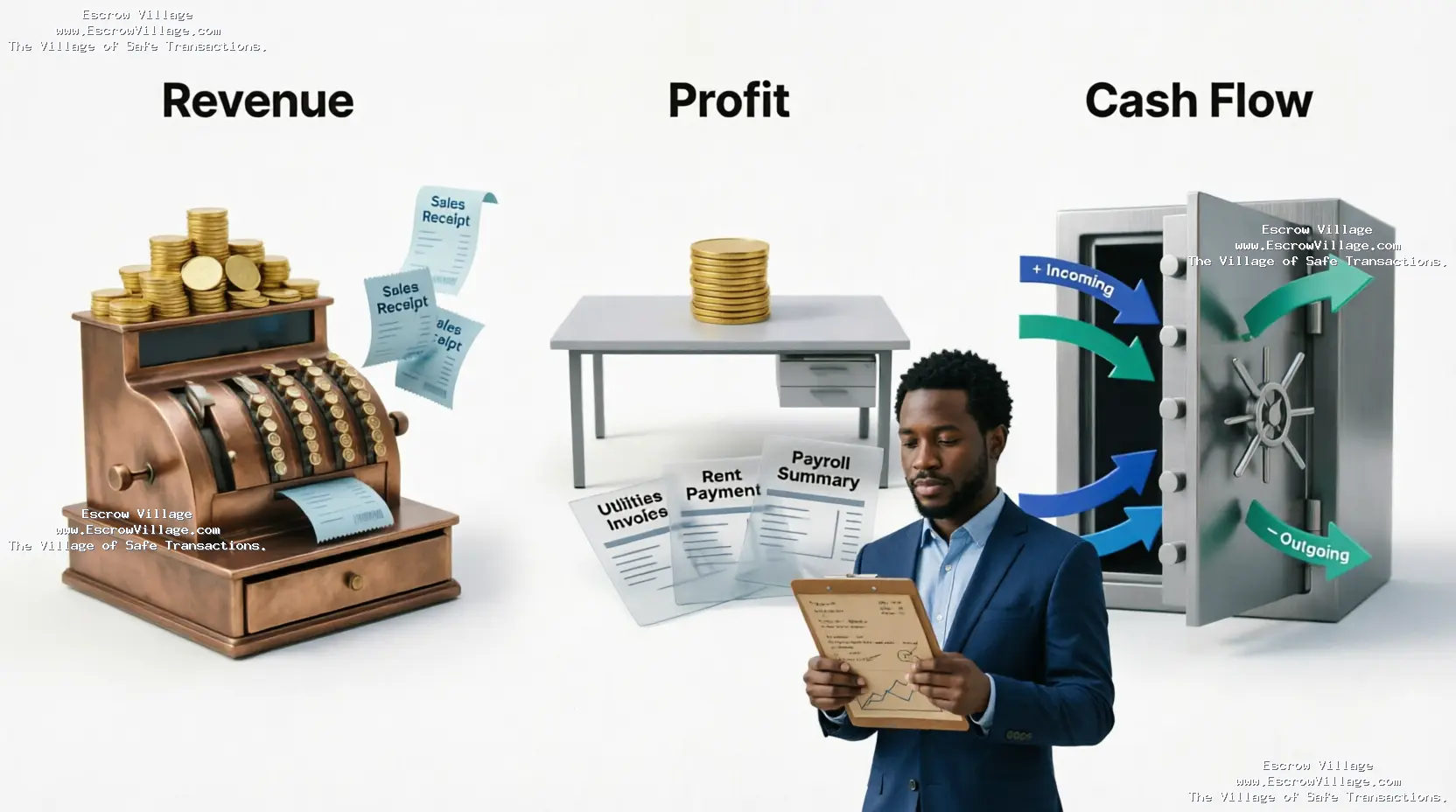
Maintain records of your income, expenses, customer payments, and business transactions.
When working with suppliers, clients, or business partners, use clear written agreements that explain each party's responsibilities.
For example, if you're hiring a consultant, your agreement should explain the work expected, payment terms, and delivery deadline.
Clear agreements can help prevent misunderstandings and make disputes easier to address.
5. Protect Your Business Transactions
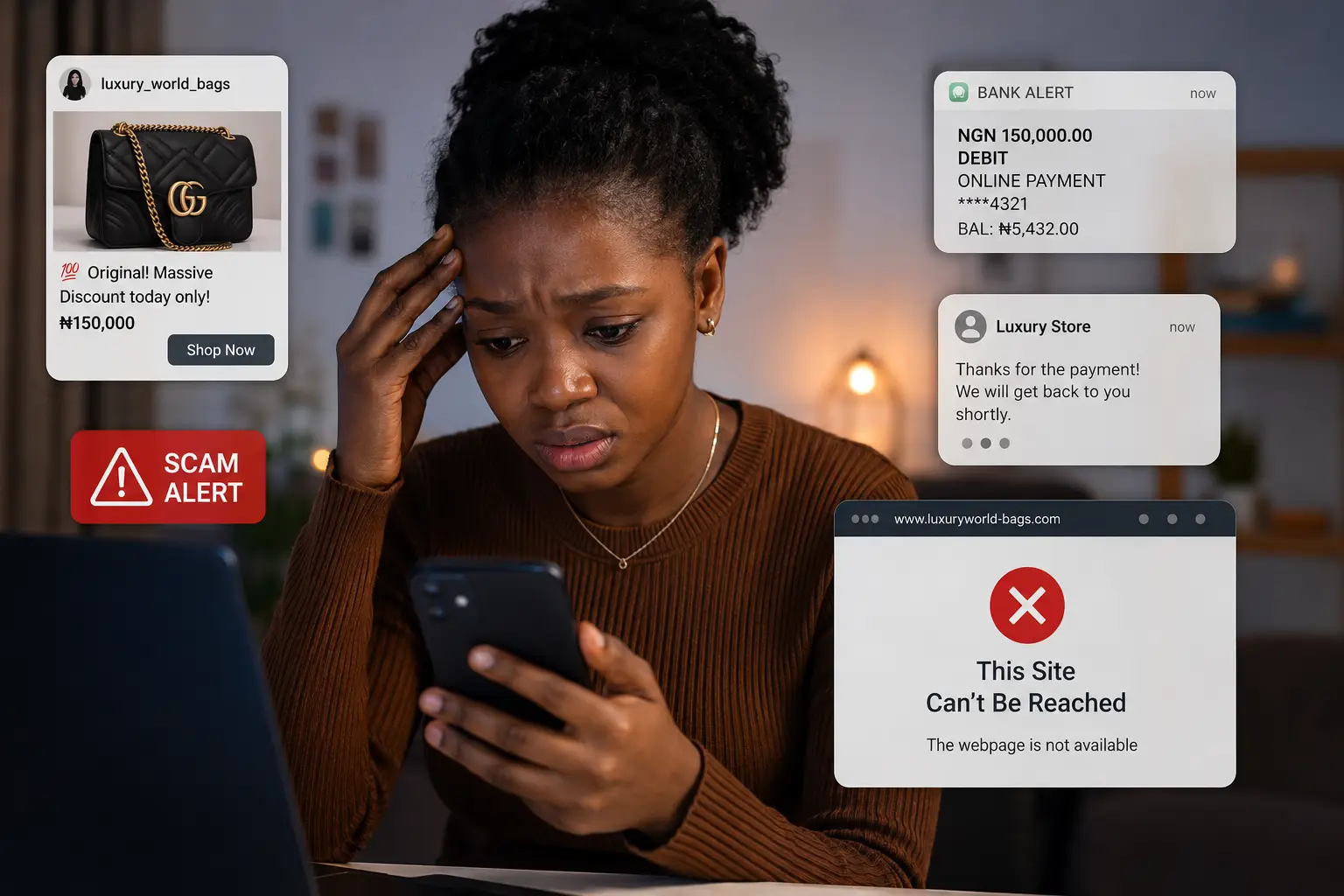
Starting a business often means paying suppliers, buying inventory, receiving customer payments, or working with people you haven't met in person.
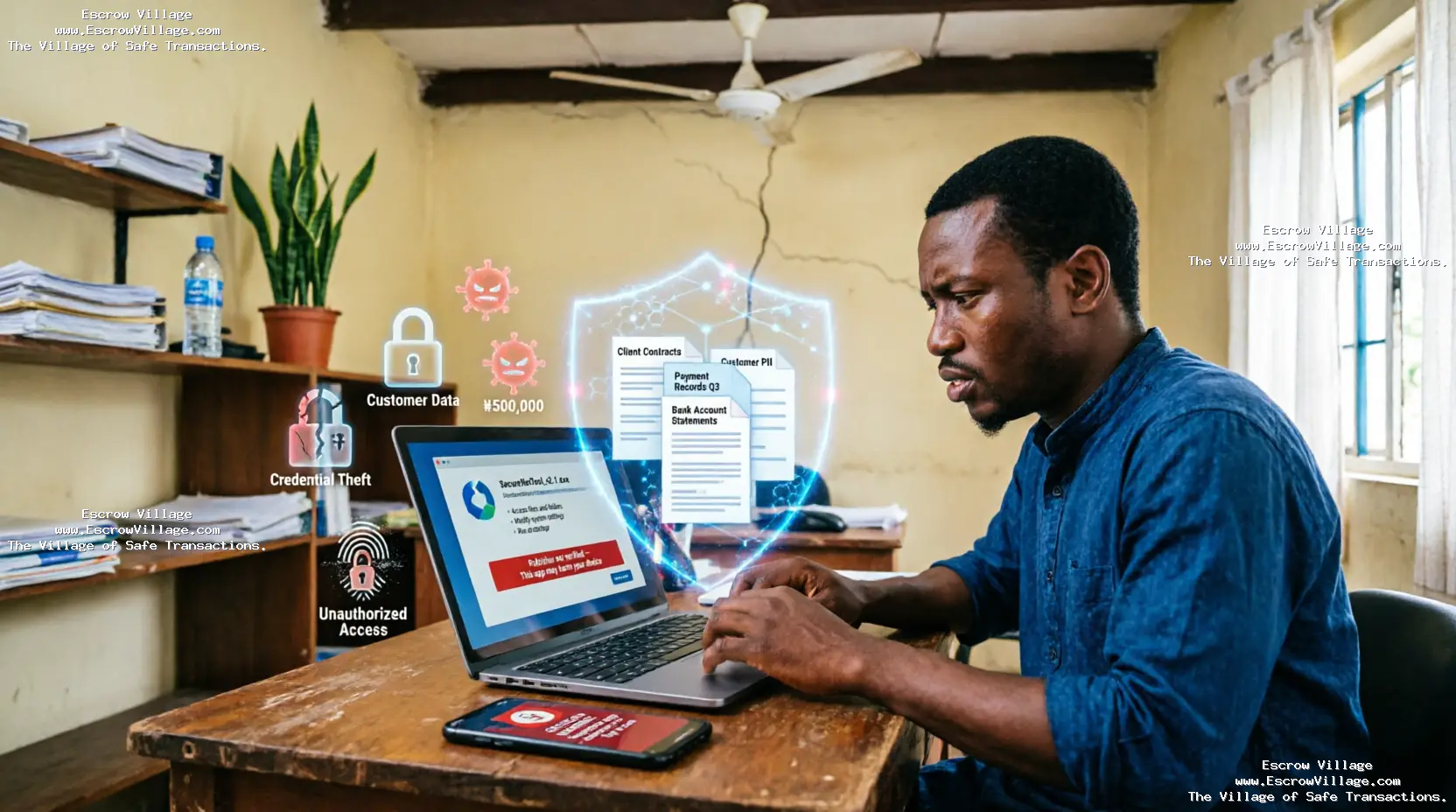
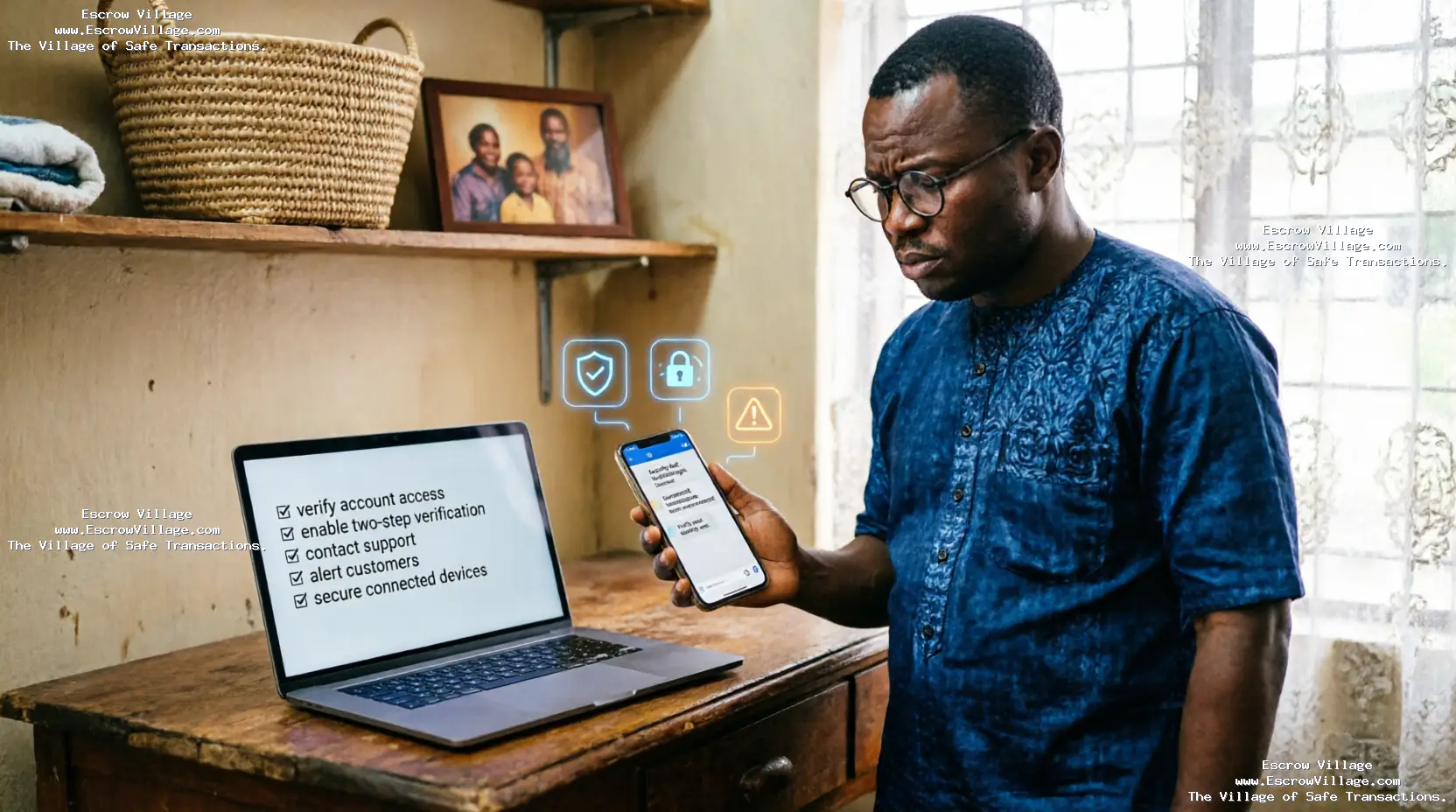
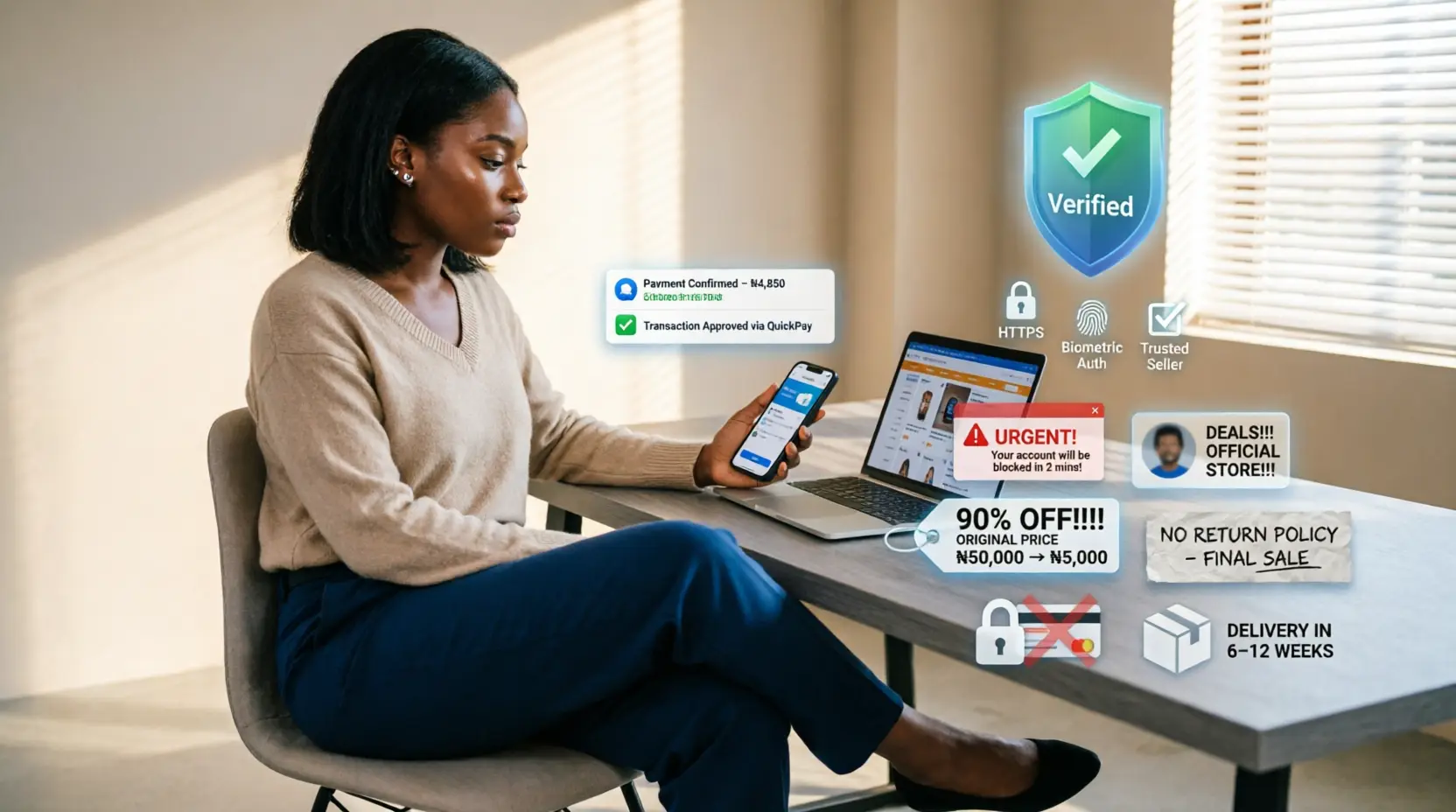
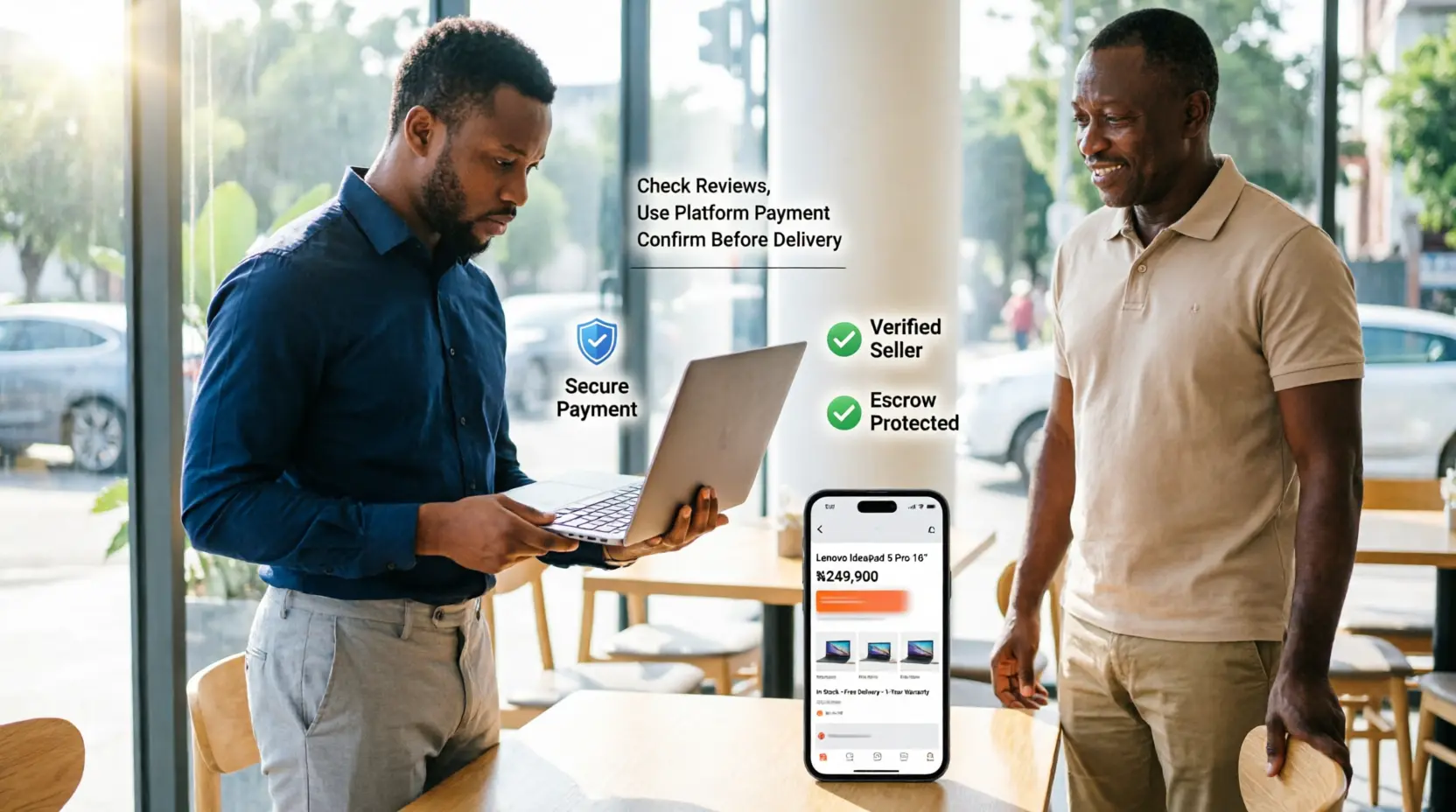
These transactions can expose your business to payment fraud, non-delivery, and disputes.Before sending money to a new supplier, verify their identity, confirm the agreed terms, and keep evidence of your transaction.
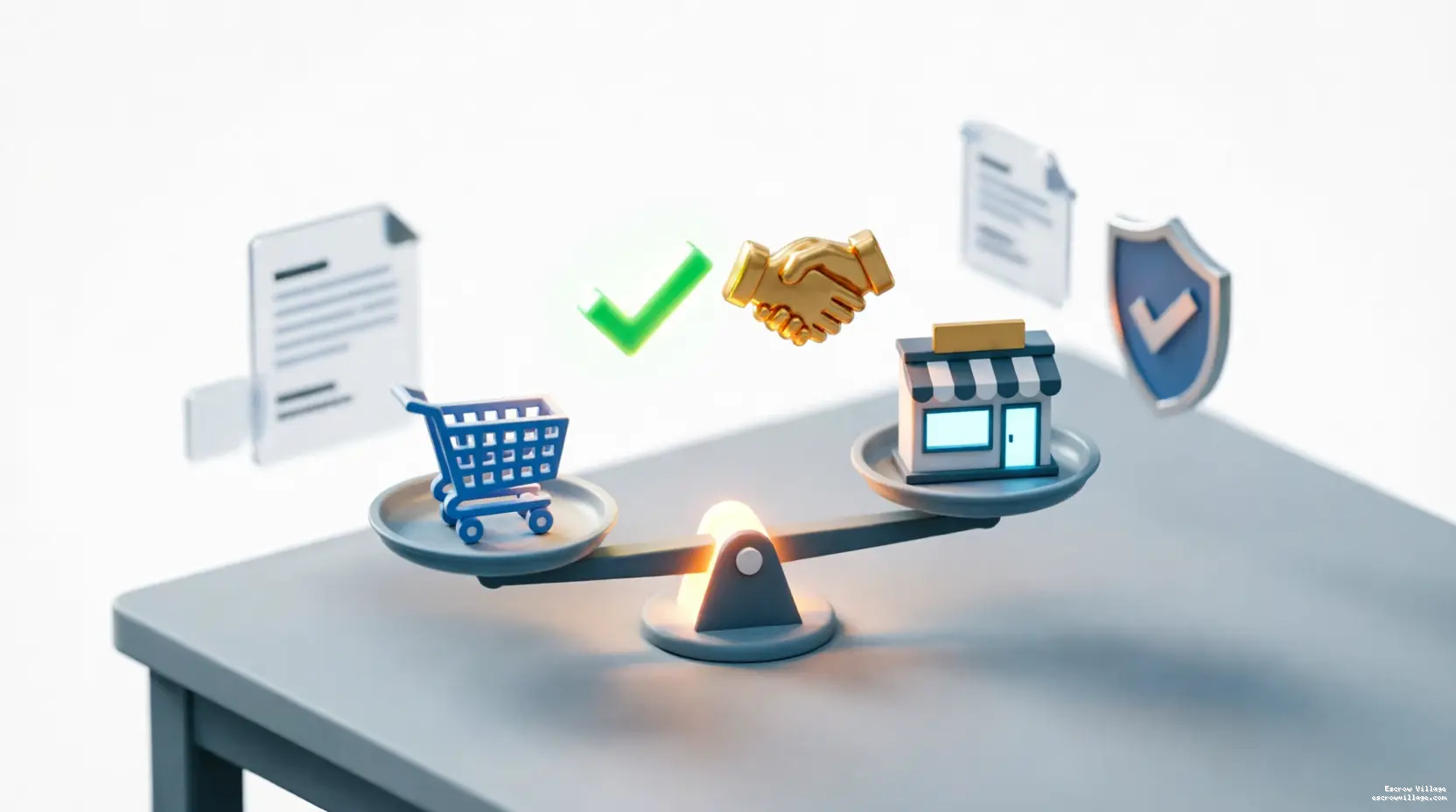
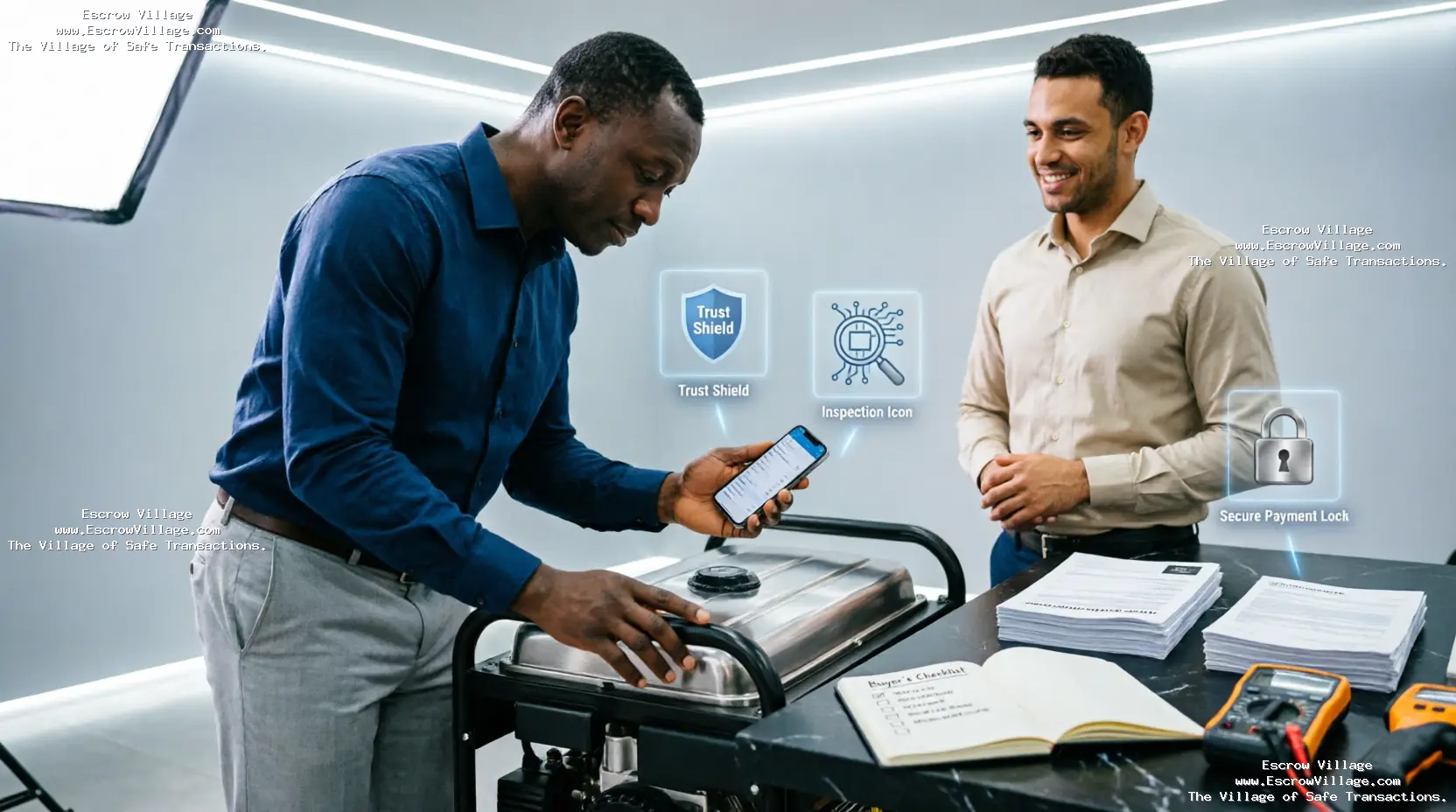
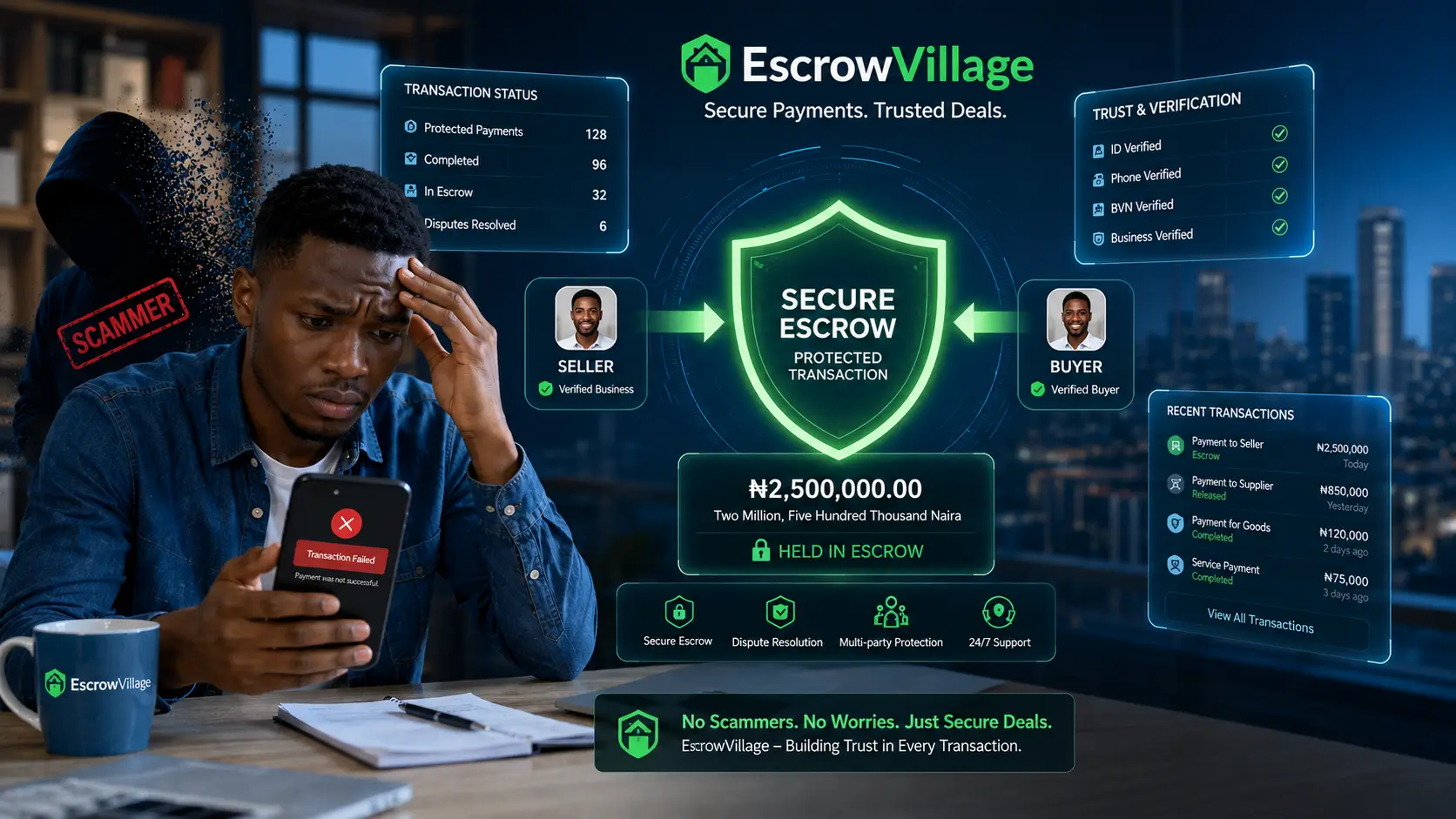
You can also consider Escrow Village for eligible transactions where an escrow arrangement is appropriate. Escrow helps protect buyers and sellers by holding funds until the agreed conditions are met.
This can be particularly useful when you're investing your limited startup capital in products or services and want greater protection against payment-related risks.
Understanding the legal requirements for starting a business in Nigeria can help you build on a stronger foundation.
From CAC registration and tax obligations to the permits your industry requires, take time to understand what applies to your business before you begin operating.
And as you start working with suppliers and customers, don't overlook transaction safety.Planning to launch your business? Visit Escrow Village to learn how escrow can help you conduct eligible business transactions with greater confidence