How Much Inventory Should You Buy When Starting a Business?
Written by BLESSING ABADI IFEOMA60 views
Starting a business comes with an important decision: how much stock should you buy? Buy too little, and you might run out of products when customers are ready to purchase. Buy too much, and you could tie up your startup capital in products that take months to sell.
The goal is to find a balance between meeting customer demand and keeping enough money available to run your business.
If you're starting a business in Nigeria, where you may need to manage limited capital alongside other expenses, this decision is particularly important.
You need to plan your inventory carefully, protect your money, and avoid unnecessary financial risks.
Here is how to determine the right amount of stock to buy when starting a business.
1. Consider Your Business Model
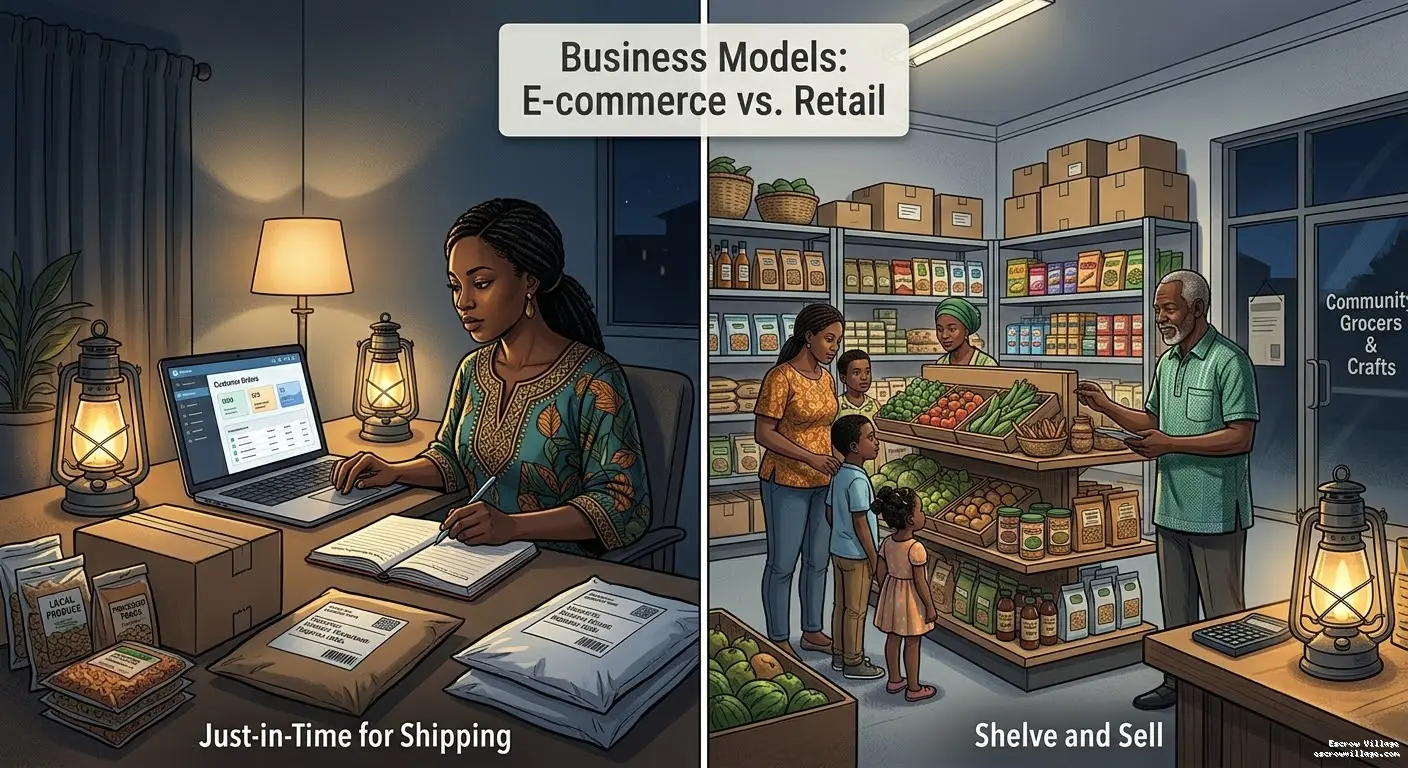
The amount of inventory you need depends on how your business operates.
If you run a retail or e-commerce business, you may need to purchase products from suppliers before you can sell them. This means setting aside money for stock, storage, packaging, and delivery.
However, if you operate a dropshipping or print-on-demand business, you may not need to hold much inventory yourself. Your supplier handles production or fulfilment when customers place orders.
For businesses that manufacture their own products, the decision depends on production costs, raw materials, and the minimum quantities required to manufacture each batch.
Before placing your first order, understand your business model and the financial commitment it requires. This will help you avoid spending more money on inventory than your business can comfortably afford.
2. Research Your Market Before Buying Stock
One mistake new business owners make is buying products based on personal preferences rather than actual customer demand.
You might believe a particular product will sell quickly, but that does not guarantee customers will buy it.
Before purchasing inventory, research your target market. Find out what potential customers need, which products they already buy, and how much they are willing to pay.
You can also study competitors, ask potential customers about their preferences, or collect pre-orders to gauge interest in your products.
For example, if you want to start selling clothes, you could begin with a few popular styles instead of purchasing dozens of designs in different sizes and colours.
The purpose of this research is to make a more informed purchasing decision and reduce the risk of spending money on products that do not sell.
3. Calculate Your Expected Sales and Supplier Lead Time
Your expected sales and the time it takes to restock should influence how much inventory you purchase.
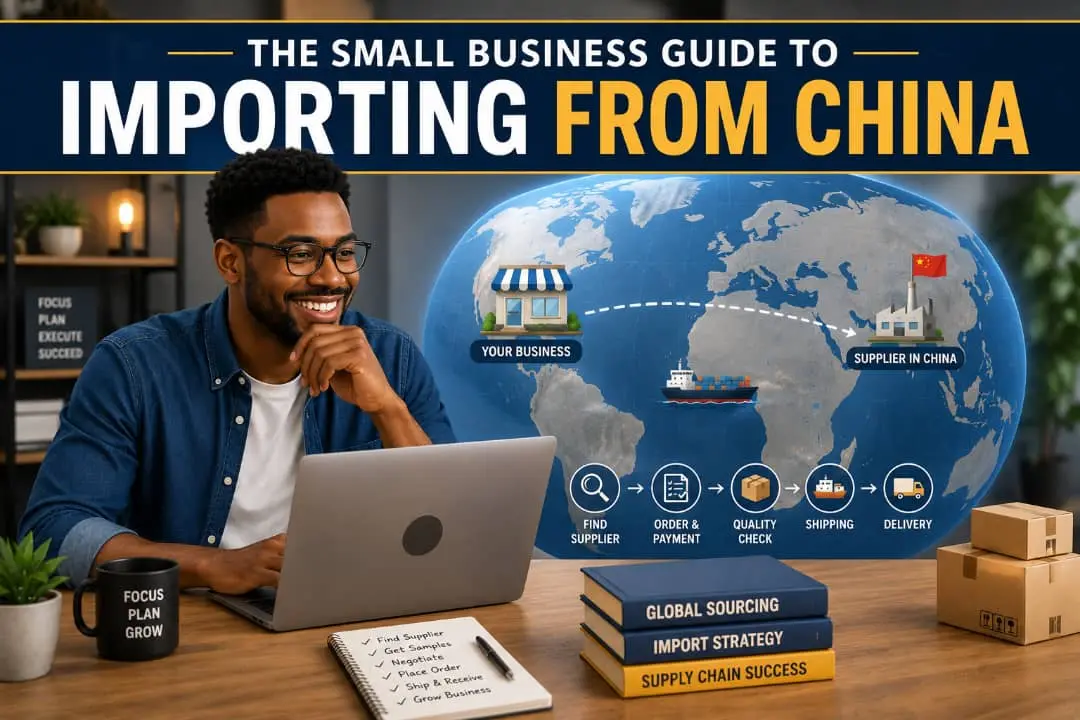
Supplier lead time refers to the period between placing an order and receiving the products. If your supplier takes three weeks to deliver new stock, you need enough inventory to cover customer demand during that period.
For a new business without sales history, estimating demand can be difficult. Start with market research, competitor information, pre-orders, and realistic sales targets.
You can use this simple formula:
Initial stock estimate = Expected sales during your first selling period + Safety stock.
For example, if you expect to sell 40 units in your first month and decide to keep 10 additional units as a safety buffer, your initial target would be 50 units.
This is only an estimate. Adjust it based on your supplier's delivery time, available capital, and how quickly you can reorder.
As your business grows, use actual sales figures to make better inventory decisions.
4. Start With a Small, Manageable Inventory
When starting a business, buying in bulk may seem attractive because suppliers sometimes offer lower prices for larger orders.
However, a lower price per unit does not automatically mean a better financial decision.
If you purchase 200 units but sell only 30 within your expected period, much of your money remains tied up in unsold products. You may then struggle to pay for marketing, packaging, transportation, and other business expenses.
Instead, consider starting with a smaller quantity that allows you to test demand without putting too much money at risk.
Focus on a few products with promising demand rather than offering too many variations immediately.
Once you identify what customers buy most frequently, you can gradually increase your orders.
The right quantity is not necessarily the smallest order possible. It is an order that balances expected demand, supplier requirements, and your available cash.
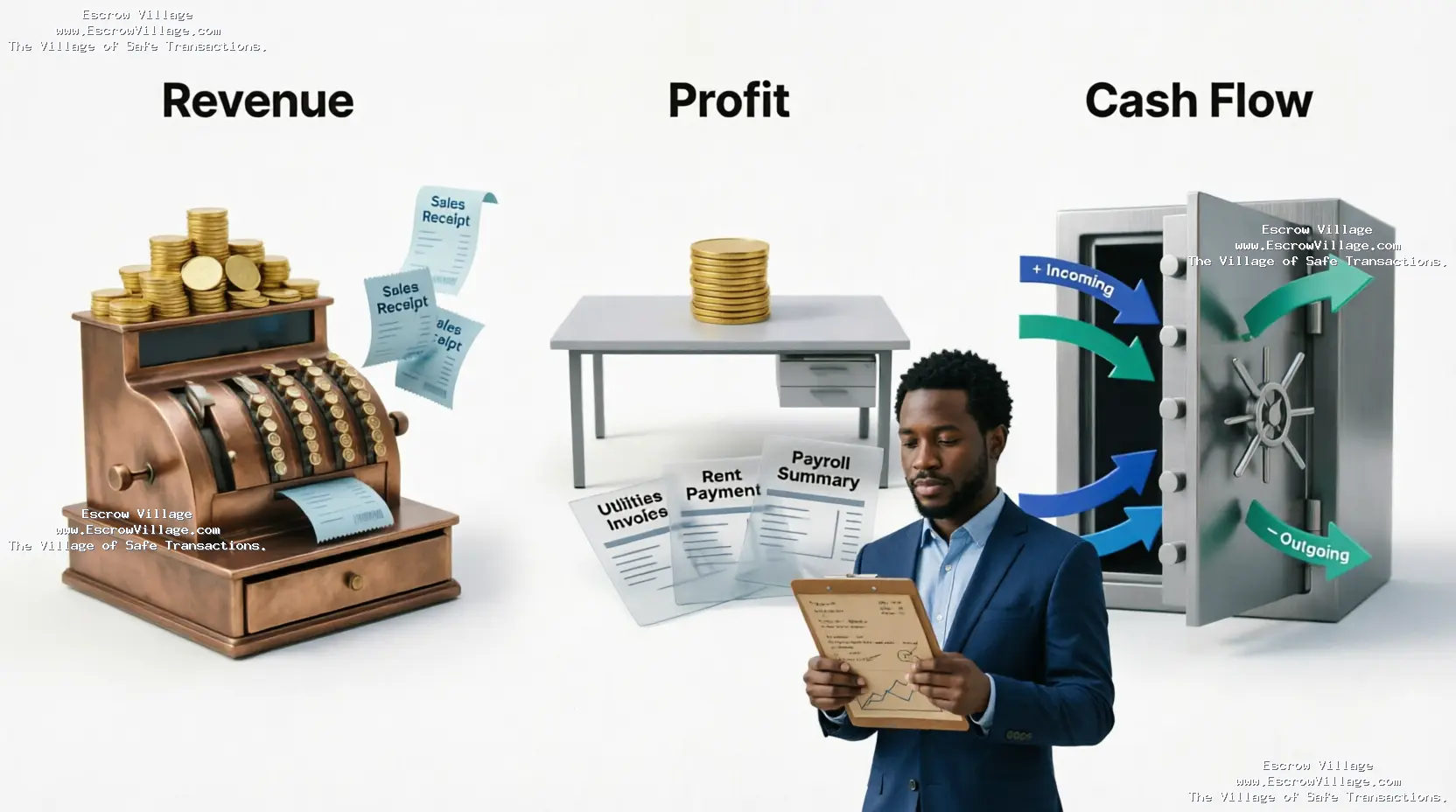
5. Keep Money Aside for Other Business Expenses
Your startup capital should cover more than inventory.
You may also need money for advertising, delivery materials, rent, internet access, transportation, and unexpected expenses.
Spending nearly all your available money on stock can leave your business struggling even when customers are interested in your products.
Before placing an order, calculate your essential startup expenses and decide how much money you can safely commit to inventory.
There is no universal rule that says every business should spend a specific percentage of its capital on stock.
The appropriate amount depends on your business model, operating costs, supplier terms, and how quickly you expect to generate revenue.
The important thing is to avoid using money needed for essential operations to purchase additional inventory.
You should also plan how customer payments will be managed, particularly when purchasing products from unfamiliar suppliers.
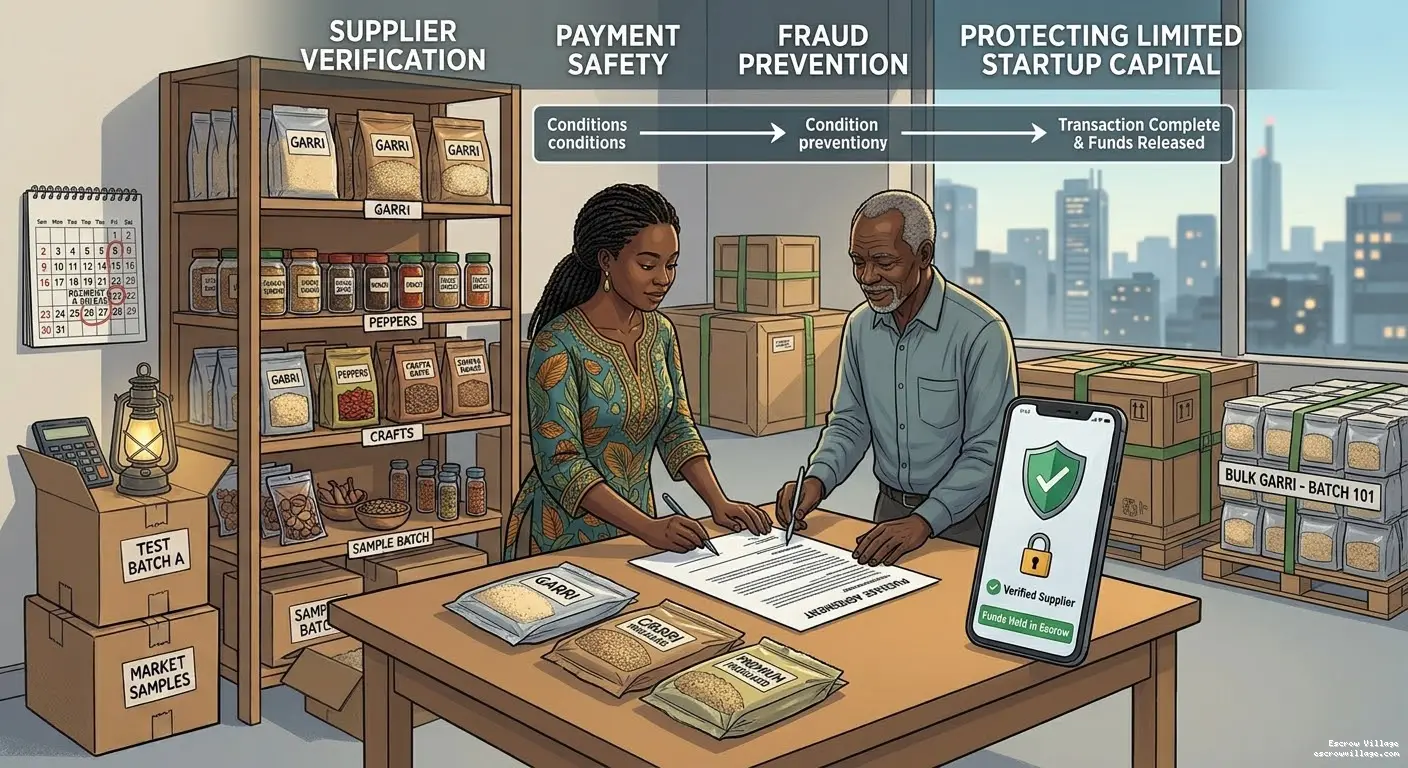
6. Protect Your Money When Paying Suppliers
Choosing the right quantity of stock is only one part of managing inventory risk. You also need to consider what happens to your money after placing an order.
For example, you might pay a supplier for 50 units only to discover that the products are defective, incomplete, or never delivered.
If you have limited startup capital, replacing that order could be difficult.
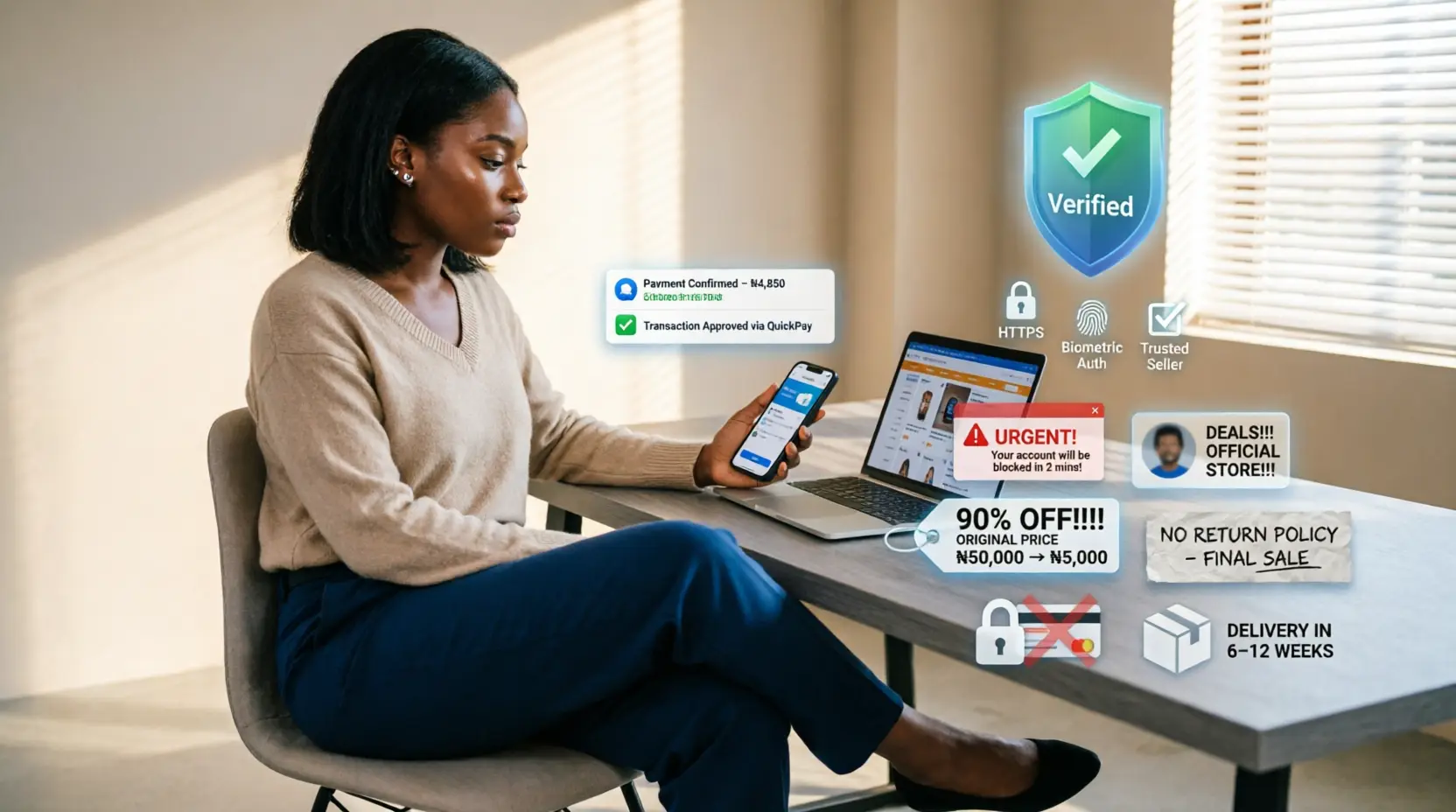
Before making a payment, verify your supplier's identity, check previous customer reviews, confirm the product specifications, and agree on delivery terms.
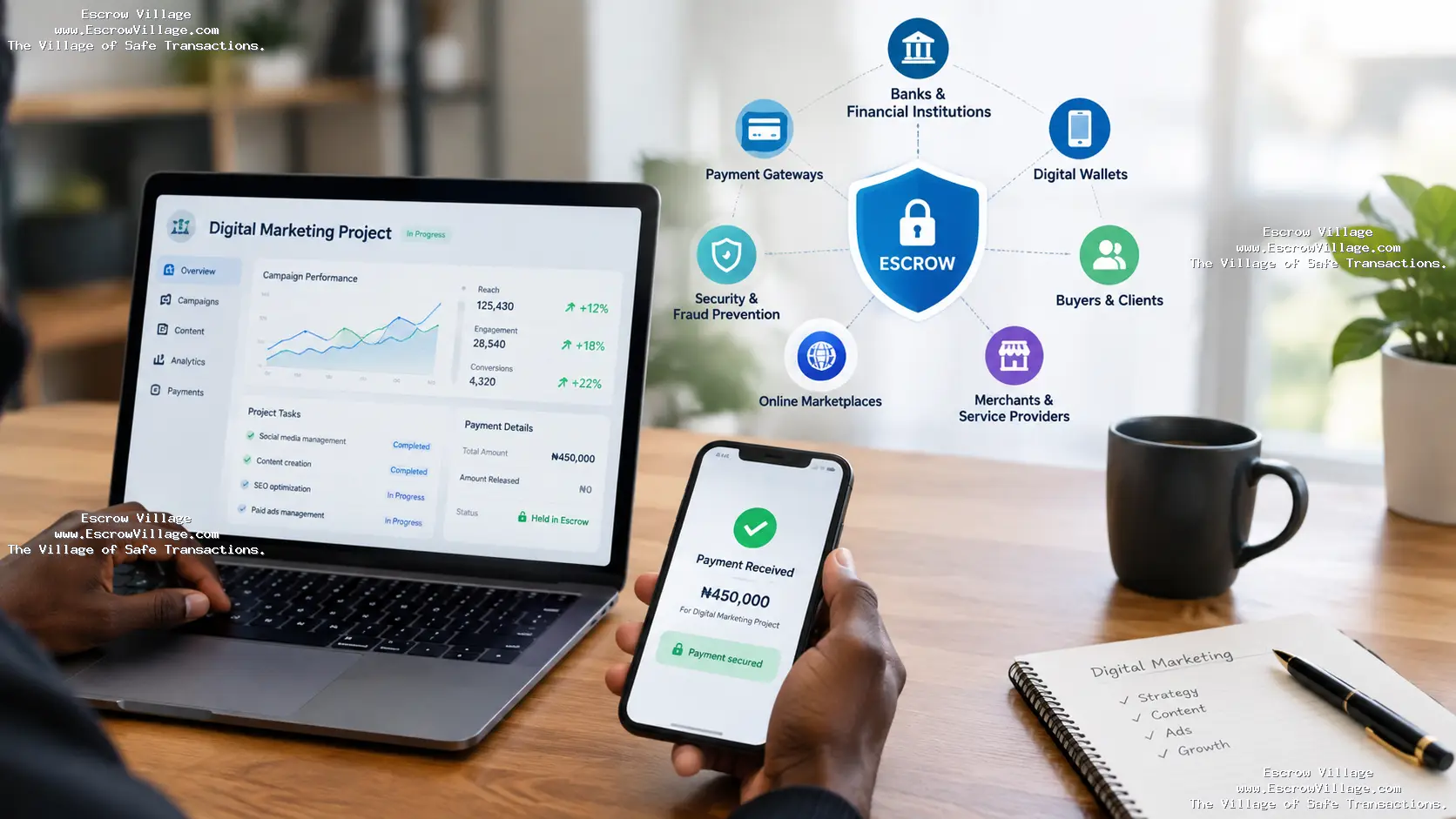
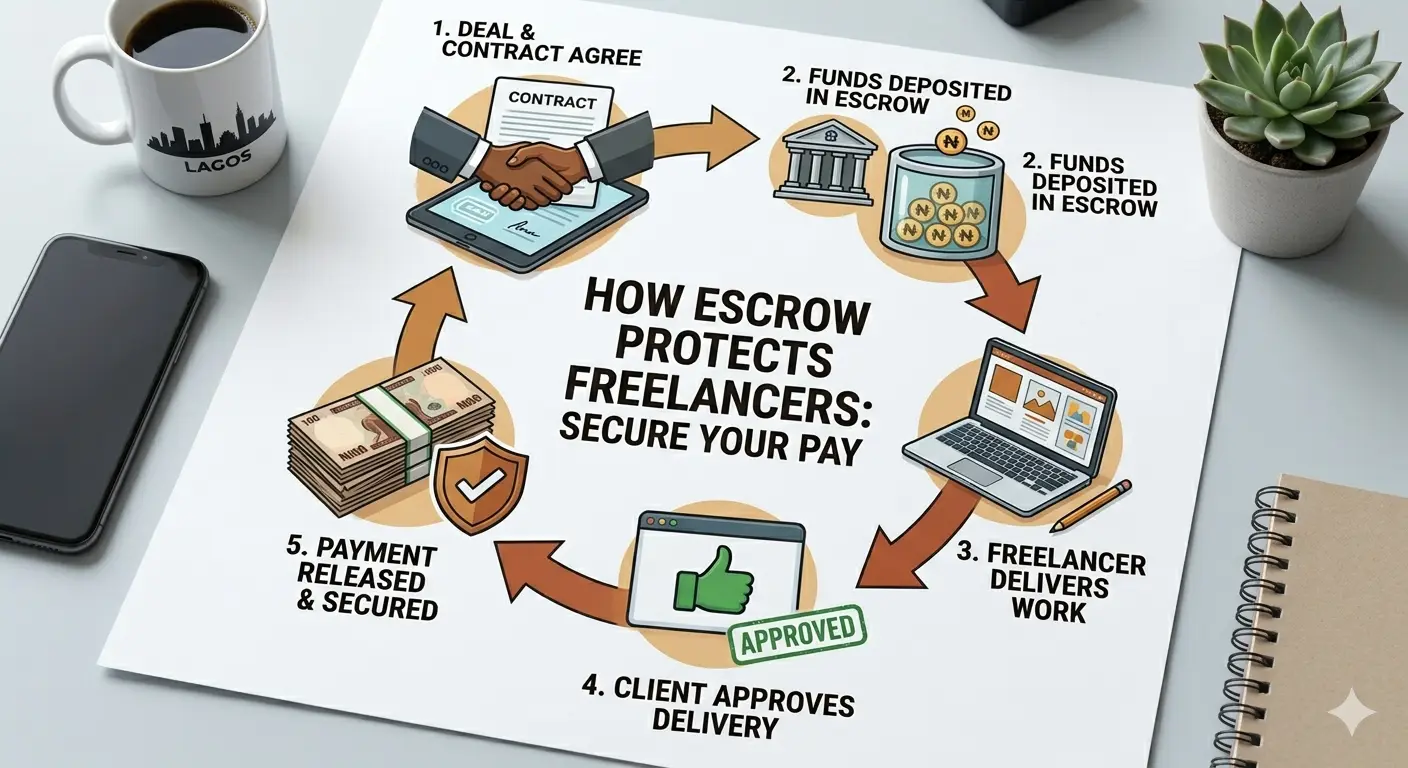
For eligible transactions, Escrow Village provides an additional layer of payment protection by holding funds until the agreed transaction conditions are met.
This can help buyers and sellers approach transactions with greater confidence.
Instead of focusing only on getting the lowest price, consider how you can protect your money throughout the purchasing process. Visit www.escrowvillage.com to explore how escrow can support safer transactions as you build your business.
Determining how much inventory to buy when starting a business requires careful planning.
Research customer demand, consider your supplier's delivery time, estimate your initial sales, and start with a manageable quantity.
Remember to keep enough money available for daily operations and unexpected expenses. As your business begins generating sales, use that information to guide future purchases.
Most importantly, protect your startup capital at every stage, from choosing your supplier to completing payments.
With careful inventory planning and safer transactions through Escrow Village, you can reduce avoidable risks and build a stronger foundation for your business.