
How to Retrieve Money Mistakenly Paid into the Wrong Account in Nigeria
That moment when you send money and ask the recipient to confirm payment, only for them to tell you they haven't received anything.
You decide to check your transaction history, hoping to find out what went wrong. Then you notice you have successfully sent the money, but not to the account you intended.
Your heart will first sinks into your stomach, and panic will set in.
You start asking yourself questions. How did this happen? Who owns the account? Will I ever get my money back?
It could be a wrong digit in the account number, selecting the wrong beneficiary from your saved list, or simply being in a hurry to complete a transaction.
Whatever the case, mistakenly transferring money to the wrong account can happen to anyone.
The good news is that there are established banking procedures in Nigeria that can help you recover money sent to the wrong account. However, how quickly you act can make a significant difference.
If you ever find yourself in this situation, here are the steps to take.
- What to Do in the First Hour

The first hour after discovering a mistaken transfer is very important.
Your priority should be to report the transaction before the recipient spends or moves the money.
Here are five things to do immediately.
- 1. Don't panic or attempt another transfer
The first thing to do is calm down.
Don't make another transfer out of panic, it will only create a bigger problem.
Check your transaction history and confirm the account details.
- 2. Contact your bank immediately
Once you confirm that the money went to the wrong account, contact the bank or financial institution you used to make the transfer.
Most Nigerian banks have customer service lines, mobile banking support, email addresses and physical branches where customers can report transaction issues.
Explain that you mistakenly transferred money to the wrong account and request a wrong transfer recall.
Don't just make a phone call and leave it at that. Lodge a formal complaint and request a reference or complaint number that you can use when following up.
- 3. Gather your transaction details
Your bank will need sufficient information to investigate the transaction.
Have the following details ready:
- ● Your account name and account number.
- ● The amount transferred.
- ● The date and time of the transaction.
- ● The recipient's account number and bank name.
- ● The transaction reference or session ID.
- ● Your transfer receipt or debit alert.
These details will help your bank trace the transaction and communicate with the receiving bank.
- 4. Contact the recipient if you know them
If the recipient is someone you know, you can reach out and explain the mistake.
Sometimes, a simple conversation is all it takes to resolve the issue.
However, if you don't know the recipient, or they refuse to cooperate, don't waste valuable time arguing. Allow your bank to handle the formal recovery process.
- 5. Keep every piece of evidence
Save your transaction receipt, bank statements, complaint reference number, emails and any messages exchanged with the recipient.
These records may become important if the matter requires further investigation or legal intervention.
Remember, never share your ATM PIN, banking password or OTP with anyone claiming to help you recover your money.
- How Banks Recover a Mistaken Transfer
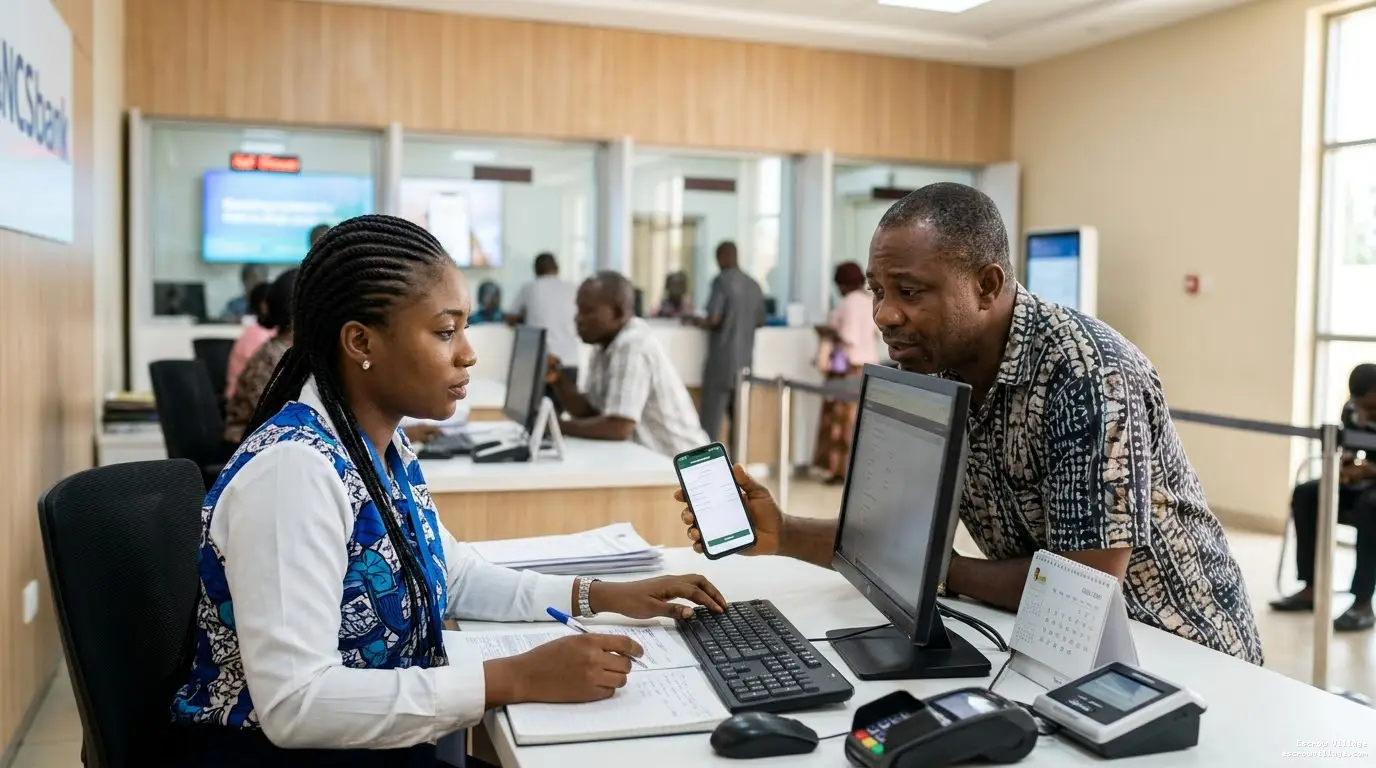
You might be wondering: once you report a wrong transfer, what exactly happens behind the scenes?
Well, banks have procedures for handling mistaken electronic transfers.
In Nigeria, the Central Bank of Nigeria (CBN) has regulations guiding the recovery of money transferred to the wrong account.
Here's how the process generally works.
- Step 1: Your bank investigates the complaint.
Your bank, known as the sending bank, verifies your complaint and confirms that the transaction was actually made.
Once the claim is established, the bank contacts the receiving bank to initiate the recovery process.
- Step 2: The receiving bank is notified.
The receiving bank is the financial institution holding the account that mistakenly received your money.
Under the CBN's guidelines for customer-error transfers, the receiving bank is expected to place a lien on the disputed amount, subject to the applicable procedure.
A lien helps restrict access to the disputed funds while the recovery process is being handled.
- Step 3: The recipient is contacted.
The receiving bank will contact its customer and seek the necessary consent to return the money.
If the recipient agrees, the bank can proceed with the refund through the appropriate banking channels.
- Step 4: The banks may intervene if the recipient refuses.
What happens when the recipient refuses to authorise the refund?
The CBN's regulation provides for mediation between the internal auditors of the sending and receiving banks.
This mediation is expected to take place within two weeks of the complaint, and the regulation provides that the lien should not last beyond that period.
If the recipient has already spent the money and refuses to make it available for a refund, further measures may be necessary.
The receiving bank may watch-list the customer's BVN, while the sending bank may seek assistance from law enforcement agencies.
These procedures are covered under the CBN's Regulation on Instant (Inter-Bank) Electronic Funds Transfer Services.
Important: A successful transfer cannot always be reversed instantly. Recovery depends on the circumstances, the availability of funds and the applicable banking and legal procedures.
- What If the Recipient Won't Return It?
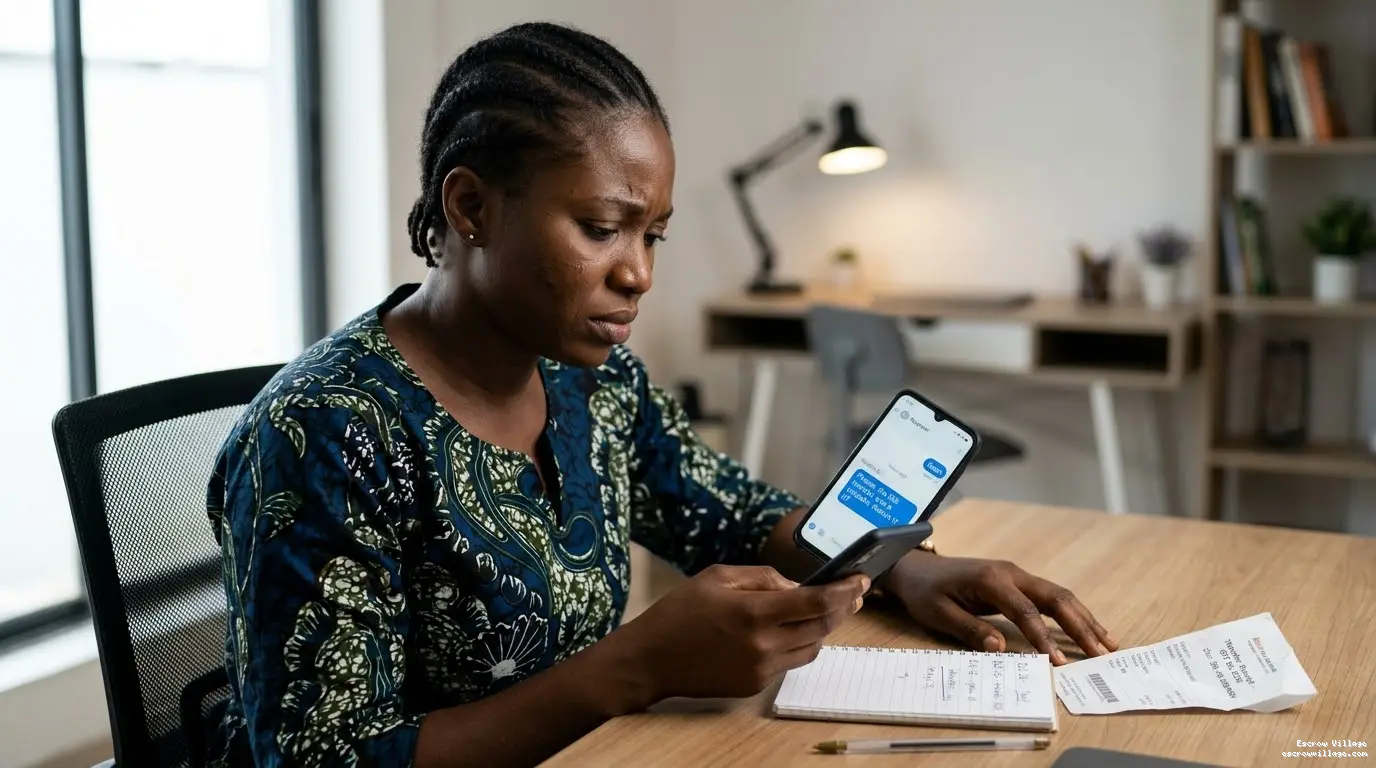
This is where things can become frustrating.
Imagine working hard for your money, accidentally sending it to someone else and discovering that the person has received it but refuses to return it.
It can be tempting to threaten the recipient or attempt to handle the situation yourself. However, that may complicate matters.
Here is what you should do instead.
- 1. Escalate the complaint with your bank
If the recipient refuses to cooperate, inform your bank immediately.
Request that the bank formally escalates the complaint to the receiving bank and follows the applicable dispute-resolution procedure.
Keep records of every communication.
- 2. Consider reporting the matter to the police
If the recipient knowingly refuses to return money received by mistake, particularly after being informed of the error, you may seek legal assistance and report the matter to the appropriate law enforcement agency.
Take along your transaction receipt, bank complaint records and any communication with the recipient.
- 3. Seek legal advice
If the banking recovery process fails, consider speaking with a lawyer about your available legal options.
Depending on the circumstances, you may need to pursue a court process to establish your claim and obtain an appropriate order.
Don't assume that the bank can simply debit another customer's account without following the required procedures.
- 4. Escalate unresolved banking complaints to the CBN
What if your bank is not handling your complaint properly?
The Central Bank of Nigeria has a Consumer Protection Department that handles complaints against financial institutions under its regulatory supervision.
However, you must first lodge the complaint with your bank.
According to the CBN, customers can escalate unresolved complaints to its Consumer Protection Department if their financial institution fails to resolve the matter within the stipulated two-week timeline.
You can find the complaint procedure on the official CBN website
- How to Avoid Sending Money to the Wrong Account
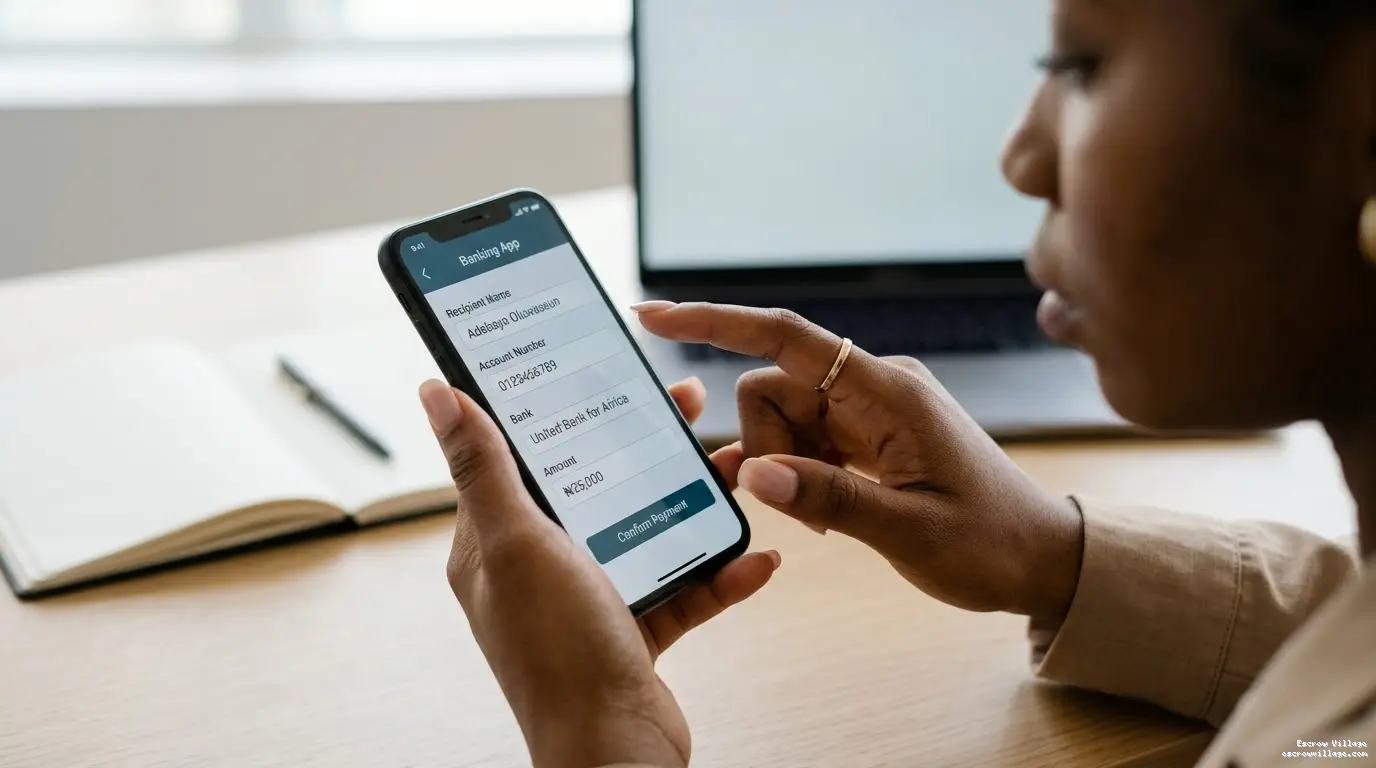
Recovering money from a mistaken transfer can be stressful, time-consuming and sometimes expensive.
While mistakes happen, there are simple habits that can help you avoid becoming a victim of your own transfer mistake.
Here are a few precautions worth practising.
- 1. Always confirm the recipient's account name
Before clicking the transfer button, check the account name displayed by your banking app.
Don't just confirm the account number. Make sure the name matches the person or business you intend to pay.
If the name looks unfamiliar or different, stop and verify the details.
- 2. Avoid transferring money in a hurry
We sometimes make payment mistakes because we are trying to complete too many things at once.
Take a few seconds to review the transaction details before authorising payment.
Those few seconds could save you hours, days or even weeks of trying to recover your money.
- 3. Send a small test amount
If you're making a large transfer to a new beneficiary, consider sending a small amount first.
Confirm that the intended recipient has received it before proceeding with the larger payment.
This is particularly useful when paying someone for the first time.
- 4. Be careful with saved beneficiaries
Your banking app may contain several saved accounts, including old contacts and previous business transactions.
Before selecting a beneficiary, confirm that you have chosen the correct person.
Delete outdated beneficiaries where possible.
- 5. Use safer payment arrangements when dealing with strangers
This is especially important when buying products online, paying vendors, hiring freelancers or purchasing digital assets.
When you transfer money directly to someone you barely know, you are relying entirely on that person's honesty and willingness to fulfil their promise.
What happens if they receive your money and disappear?
What if they provide the wrong account details?
Or what if you pay for a product that is never delivered?
These are some of the risks that make protected payment arrangements important.
- How Escrow Village Helps You Avoid Payment Mistakes and Online Transaction Disputes

One important lesson from mistakenly transferring money is that how you make a payment matters just as much as who you are paying.
Not every transaction should involve sending money directly into another person's bank account.
Sometimes, you need a reliable middleman to protect both parties until the agreement is fulfilled.
This is where Escrow Village comes in.
Escrow Village is a transaction protection platform that helps buyers, sellers, freelancers and service providers complete transactions with greater confidence.
Instead of sending money directly to a stranger and hoping they deliver what they promised, you can use an escrow arrangement.
Here's how it works:
1. Agree on the transaction terms
The buyer and seller agree on what is being purchased, the amount involved, delivery expectations and other important conditions.
2. The buyer funds the escrow
Instead of paying the seller directly, the buyer deposits the agreed amount into Escrow Village through the platform's approved payment process.
3. The seller delivers
Once the funds are confirmed in escrow, the seller can proceed with delivering the product, service or digital asset as agreed.
4. The buyer confirms delivery
The buyer checks what has been delivered.
If everything meets the agreed conditions, the buyer confirms the transaction and the funds are released to the seller.
If something goes wrong, either party can raise a dispute and provide relevant evidence for review.
This creates a more structured way to handle transactions, especially when dealing with people you have never met.
Whether you're purchasing a phone, paying a freelancer, buying an online account, hiring a service provider or doing business with a new vendor, Escrow Village provides an additional layer of transaction protection.
Mistaken bank transfers can happen to anyone. A wrong digit, a careless tap or a moment of distraction can put your hard-earned money in someone else's account.
When it happens, don't waste time blaming yourself. Contact your bank immediately, provide the necessary evidence and follow the established recovery process.
However, there's another lesson worth remembering: prevention is always better than recovery.
Before sending money to someone you don't know, think about the risks involved and consider using a safer payment arrangement.
Your money deserves protection, and your peace of mind matters too.
At Escrow Village, we believe buying, selling and doing business online shouldn't require you to take unnecessary risks.
Don't just send money and hope for the best. Make safer transactions with Escrow Village.
Related services and practical guides
How to withdraw money from Escrow Village
Learn how to withdraw from your Escrow Village wallet. Check the bank or crypto details, fee and amount before you confirm.
Read the guide →Buy or sell online accounts with escrow
Learn how to buy or sell an online account when the service allows it. Agree what will change hands and check access before paying.
Read the guide →Buy and sell goods and clothing on Village Market
Buy and sell clothing, phones and other goods on Village Market. Check the size, condition and delivery before you release payment.
Read the guide →Escrow in Nigeria: pay safely when you buy or sell
Learn how Escrow Village holds a buyer’s payment while the seller delivers. Agree the deal and check the item before you release the money.
Read the guide →