Unverified Estate Agent in Nigeria: What It Can Cost You
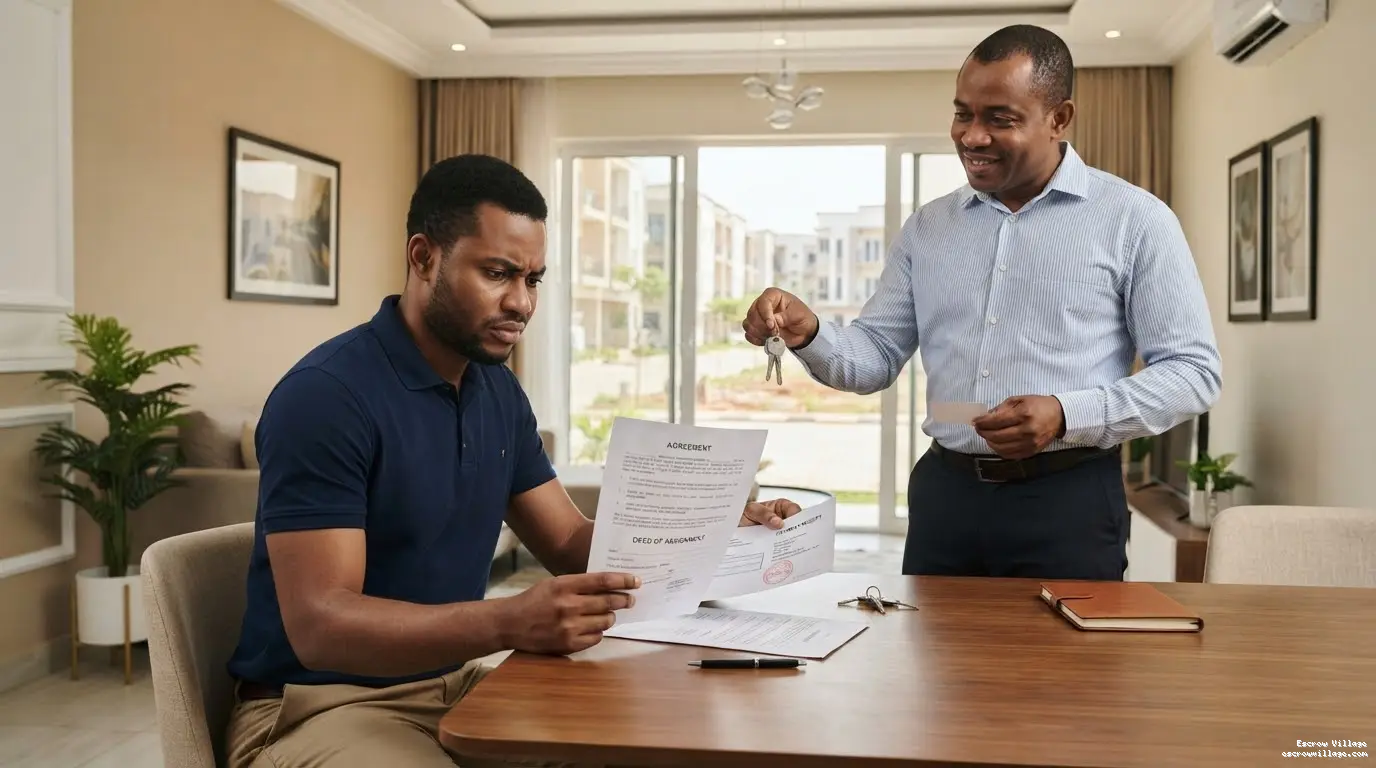
Then he tells you three other people want it, and you need to pay an inspection fee and a "commitment deposit" today.
You send the money. Then the phone goes off. Or you show up at the address and the real owner has never heard of him.
This is a composite, not one person's story, but anyone who has hunted for a house in Nigeria will recognise it.
Estate agent fraud works because it targets people at their most hopeful and most rushed.
Nobody wants to lose a good apartment over a few questions. That is exactly what the fraudster is counting on.
- How Estate Agent Fraud Usually Works
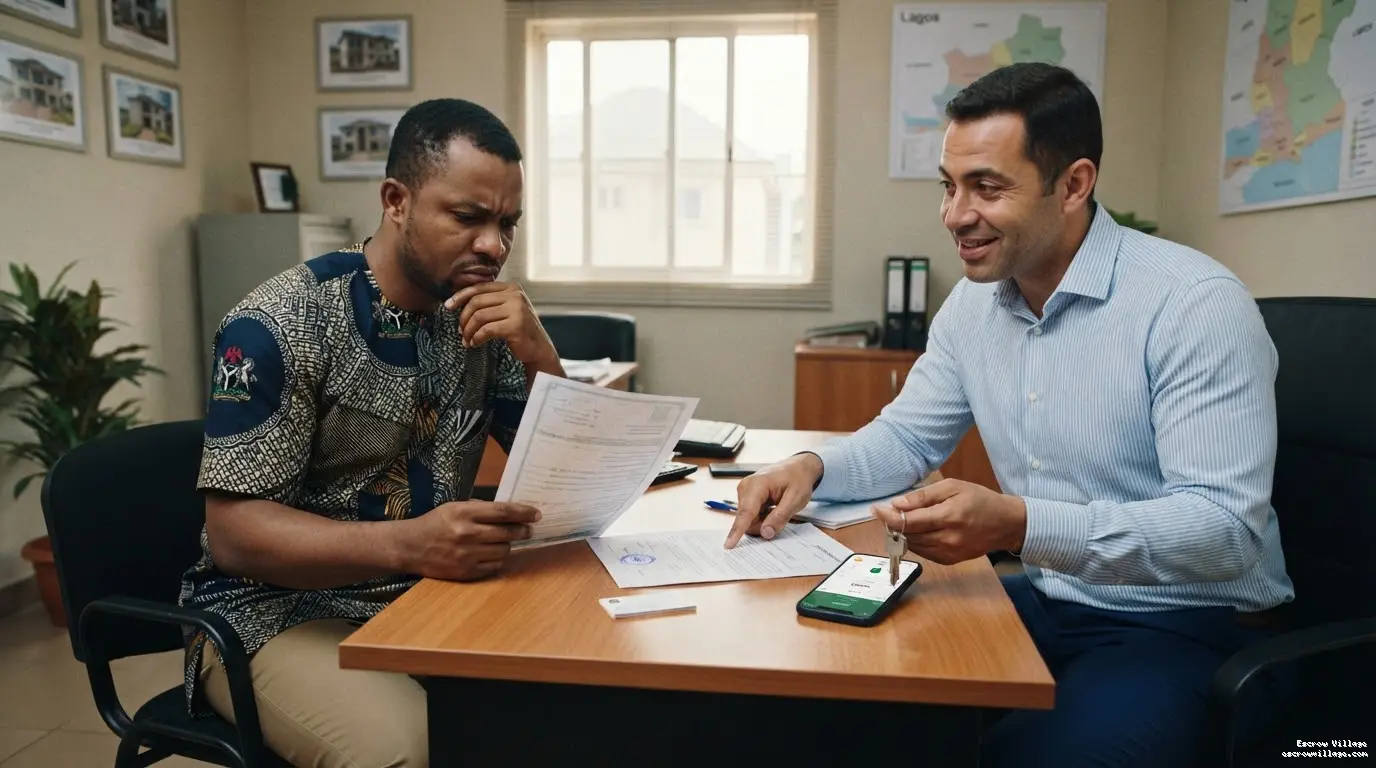
Most property scams are not clever. They rely on you skipping the boring checks.
Fake listings and inspection fees.
The property is real, or the photos are, but the person advertising it has no connection to it.
You pay to "book an inspection" and never see the agent again.
Double-selling and disputed land. The same plot or flat is sold to more than one buyer, or sold by someone with no right to sell it. You only find out when the real owner, or a family with a competing claim, turns up.
Pressure to pay now. "Someone else is paying today" is the oldest line in the book. A genuine agent can handle a buyer who wants to verify things first.
A fake one needs you to panic.
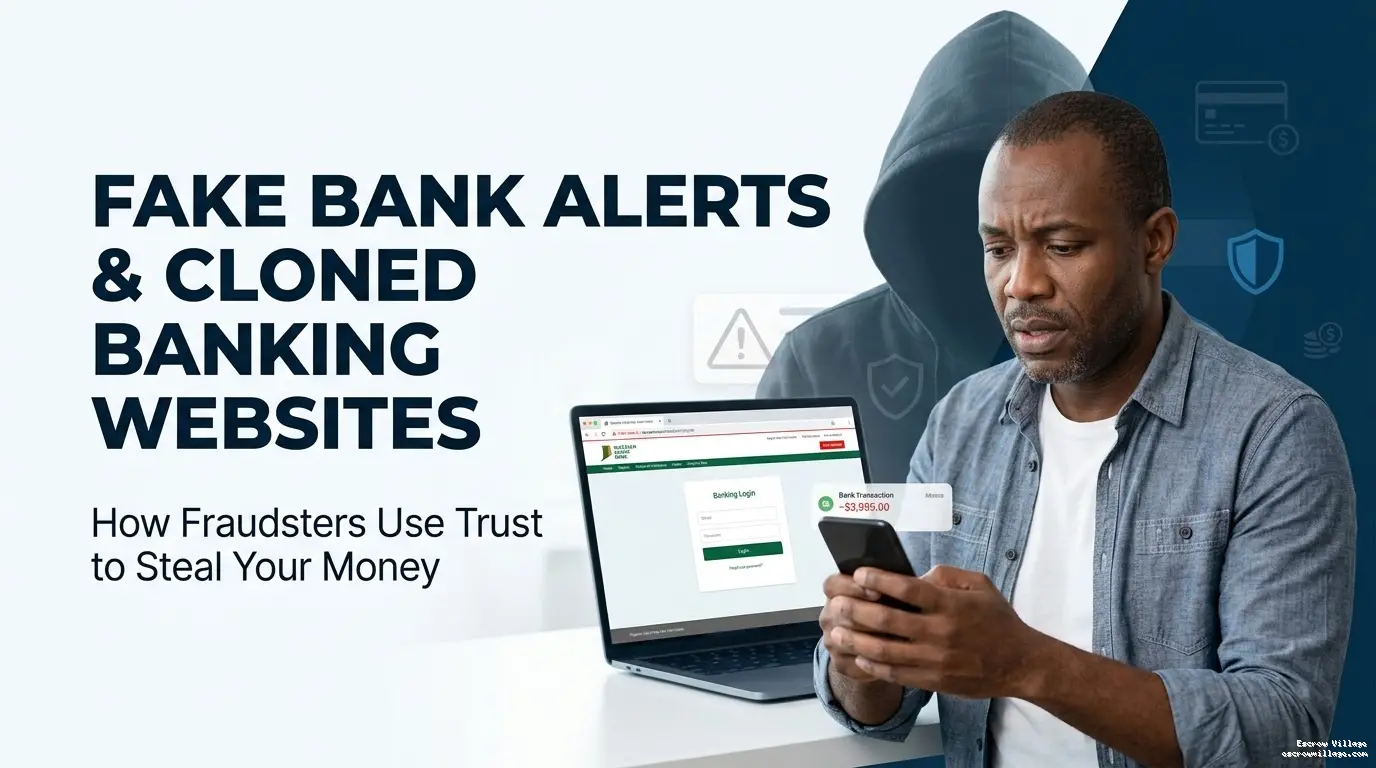
If you want to see how these tactics show up in other online deals, our guide on.
- Verified vs Unverified Agent: What to Look For

A verified agent is easy to deal with because they have nothing to hide. They are registered, have a real office you can visit, and provide a trail of paperwork.
They also don't mind if you take a few days to check things.
An unverified agent does the opposite. They only communicate through chat; they dodge questions about registration, and they push you toward paying into a personal account.
Receipts are vague or non-existent. Every answer comes with a deadline.
One simple test: ask where you can see their registration and office. If the answer is awkward, you have your answer.
- How to Check an Agent Before You Pay
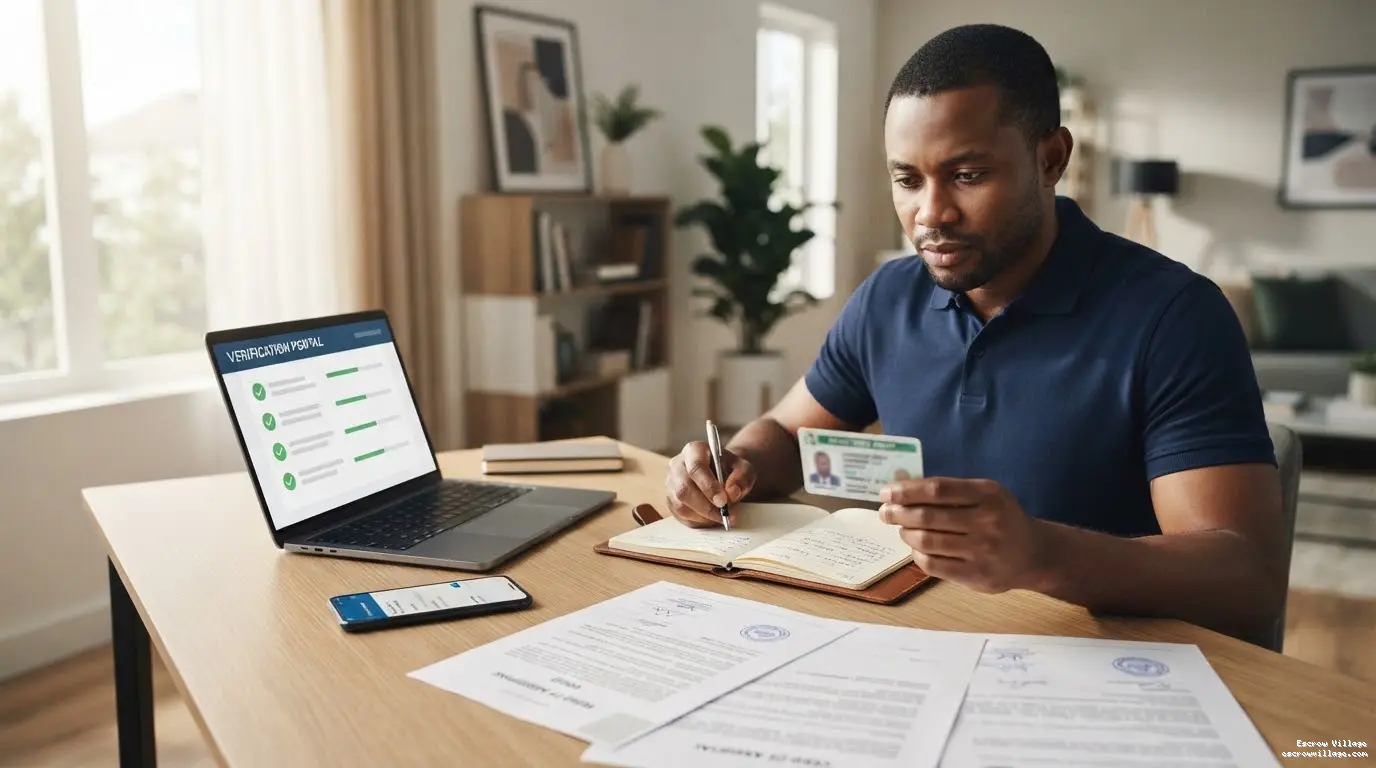
Take these steps in order. None of them is complicated, but each one closes a door that fraudsters rely on.
● Confirm the agent is registered. Estate surveyors and valuers in Nigeria are regulated by professional bodies, so ask for their registration details and check them directly with the body concerned, not with a number the agent gives you.
● Visit the office. A real business has a real address. Go there, don't just look at it on a map.
Inspect the property in person. Never pay for a place you haven't seen, and don't rely on photos or video alone.
● Verify ownership. Ask to see the title documents and confirm them at the relevant land registry. Speak to the owner or the owner's representative where possible.
● Get everything in writing. Agreements, receipts and payment terms should be on paper, with names and dates.
A lawyer is worth the fee for any serious purchase. The cost of legal checks is small next to the cost of losing your deposit.
Before publishing, confirm the exact regulatory bodies and registry steps from current official sources, since they can differ by state.
- Where Escrow Fits In

Even a verified agent doesn't remove the risk of handing over a large sum and hoping everything goes smoothly. This is where escrow helps.
With escrow, your money is held by a neutral third party rather than sent straight to the agent or seller. It is released only when the agreed conditions are met.
That means nobody can take your payment and disappear, and nobody is asked to simply trust the other side.
To be clear about what escrow does and doesn't do: it protects the payment. It does not replace checking the agent or verifying the property documents.
Think of it as the last layer of protection, after you have done your homework.
- Common Questions

How do I know if an estate agent is real?
Check their registration with the relevant professional body yourself, visit their office, and see if they can show proof of the deals they have handled.
A real agent won't be offended by these questions.
What should I do if I've already paid a fake agent?
Act quickly. Gather every message, receipt and transfer record, report to the police, and tell your bank right away. Speaking to a lawyer early gives you the best chance of options.
Can I get my money back from property fraud?
Sometimes, but it is never guaranteed, and it gets harder the longer you wait. That is why prevention matters far more than recovery.
- Verify First, Pay Second

A good property deal can survive a few days of checking. A scam can't. If an agent is pushing you to skip the verification, that tells you what you need to know.
Check the agent, check the property, and protect your payment using Escrow Village before any money moves.
Related services and practical guides
How to spot a scam before you pay
Spot fake payment alerts, risky links and people pretending to be support. Learn what to check before you pay or release money.
Read the guide →Escrow in Nigeria: pay safely when you buy or sell
Learn how Escrow Village holds a buyer’s payment while the seller delivers. Agree the deal and check the item before you release the money.
Read the guide →Buy and sell goods and clothing on Village Market
Buy and sell clothing, phones and other goods on Village Market. Check the size, condition and delivery before you release payment.
Read the guide →How to add money to your Escrow Village wallet
Learn how to add naira or USD to your Escrow Village wallet. Check your payment details and see when your money is ready to use.
Read the guide →