What Can Someone Do with Your NIN or BVN? The Real Risks
Your NIN and BVN are keys to your identity. Learn what someone can and can't do with them, and how to lock them down today.
Your NIN or BVN alone cannot usually give someone direct access to your bank account. However, when combined with other personal information, it can expose you to identity theft and financial fraud.
Here are some ways fraudsters can misuse your details:
1. Open accounts in your name: They may use your identity to create bank or fintech accounts for fraudulent activities.
2. Apply for loans: Some lenders use NIN and BVN for verification, which fraudsters may exploit to obtain loans in your name.
3. Impersonate bank officials: They can use your details to make fake calls more believable and trick you into revealing sensitive banking information.
4. Attempt a SIM swap: With enough personal information, they may try to replace your SIM card and gain access to OTPs sent to your number.
5. Impersonate you: They may create fake accounts or contact people you know while pretending to be you.
6. Create fake identity documents: They can use your personal details to produce forged IDs for fraudulent purposes.
7. Exploit security loopholes: Weak verification systems in financial institutions can make it easier for fraudsters to misuse stolen identity details.
Your NIN and BVN may not give someone direct access to your money, but they can help criminals steal your identity and commit fraud in your name.
- Red Flags That Someone Is Fishing for Your NIN or BVN
Watch out for anyone who:
- ● Calls claiming to be from your bank, NIMC or a loan company and asks you to confirm your details.
- ● Requests your OTP, ATM PIN, password or banking login.
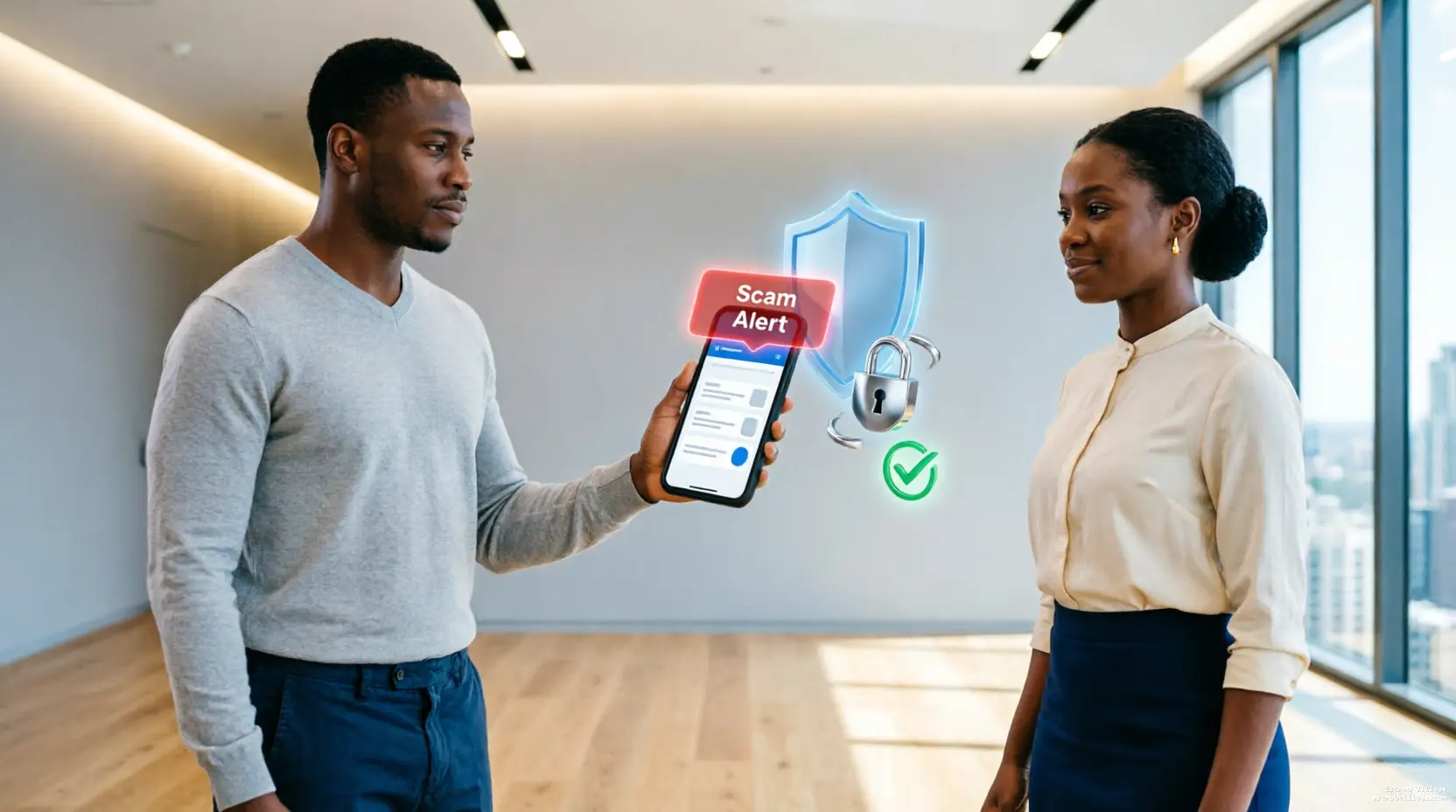
- ● Offers grants, loans or giveaways in exchange for your NIN or BVN.
- ● Sends suspicious links asking you to update or verify your identity.
- ● Pressures you to send your NIN slip or BVN urgently.
- Remember, legitimate bank officials will never ask for your ATM PIN or OTP.
- How to Protect Your NIN and BVN Today
- ● Never share your OTP, PIN or banking password with anyone.
- ● Avoid posting your NIN slip or personal documents online.
- ● Use only official bank, NIMC and government platforms.
- ● Contact your bank immediately if you receive suspicious account alerts.
- ● Keep your phone number and SIM secure.
- ● Regularly check your bank statements and credit records for unfamiliar activity.
- Where Escrow Village Fits In
When carrying out online transactions, especially with strangers, don't let trust replace security.
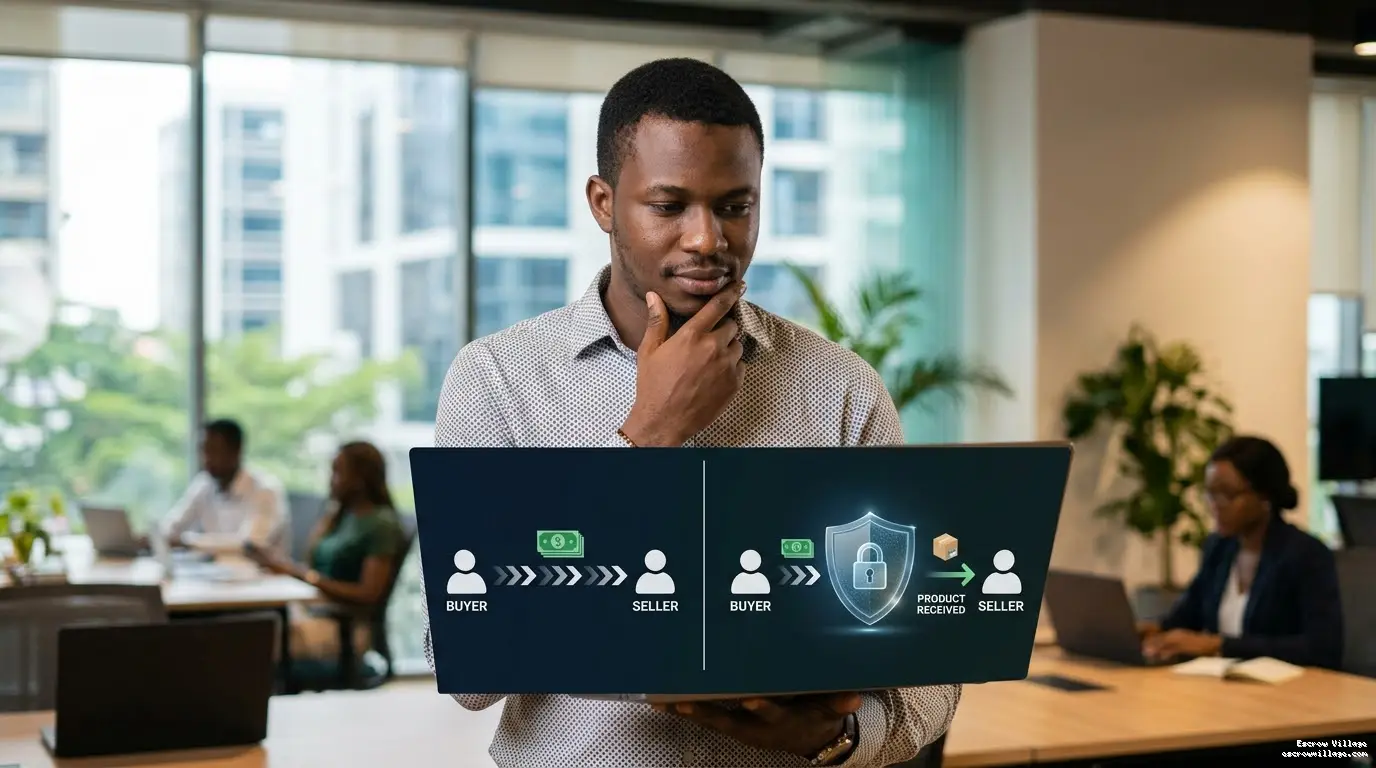
Escrow Village helps protect buyers and sellers by providing a safer way to complete transactions without unnecessarily exposing themselves to fraud.
However, remember that escrow services don't replace the need to protect your NIN, BVN, and banking details.
- What to Do If Someone Has Misused Your NIN or BVN
Don't panic, but act quickly.
- ● Contact your bank and report any suspected identity theft.
- ● Request that suspicious transactions or account activities be investigated.
- ● Contact NIMC if your NIN has been compromised.
- ● Report fraudulent loan applications to the lender and relevant authorities.
- ● Contact your mobile network provider if you suspect a SIM swap.
- ● Report the incident to the Nigeria Police or the appropriate cybercrime reporting authorities.
- ● Keep screenshots, messages and transaction records as evidence.
Your NIN and BVN are sensitive identity details, but having the numbers alone doesn't automatically give someone access to your money.
The real danger comes when fraudsters combine them with other personal information and use deception to gain access to your accounts.
Protect your details, question suspicious requests and never share your OTP or PIN. Your identity is valuable. Don't make it easy for someone else to become you.
Related services and practical guides
How to withdraw money from Escrow Village
Learn how to withdraw from your Escrow Village wallet. Check the bank or crypto details, fee and amount before you confirm.
Read the guide →Escrow in Nigeria: pay safely when you buy or sell
Learn how Escrow Village holds a buyer’s payment while the seller delivers. Agree the deal and check the item before you release the money.
Read the guide →Buy and sell goods and clothing on Village Market
Buy and sell clothing, phones and other goods on Village Market. Check the size, condition and delivery before you release payment.
Read the guide →Add money to your USD wallet with crypto
Learn how to add money to your Escrow Village USD wallet with crypto. Check the coin, network and address before sending.
Read the guide →